
Matox News

Truth Over Trends, always!

Police Continue Search at Royal Lodge as Prince Andrew Faces Investigation—Latest Developments

In a development that has sent shockwaves across the United Kingdom and resonated on the international stage, the arrest of Prince Andrew of Windsor marks a historic deviation from centuries of royal immunity. Charged with misconduct in public office linked to sensitive emails concerning Jeffrey Epstein, the incident signifies a potential shift in how elites are held accountable, challenging long-standing perceptions of the monarchy’s inviolability. As law enforcement completes searches at the Royal Lodge and the Sandringham estate, the ramifications extend beyond British borders, threatening to redefine the global influence of the royalty and its connection with transnational illicit networks.

This unprecedented event underscores a palpable internal crisis within the UK monarchy amid mounting calls for transparency from political leaders, especially within the Liberal Democrats and international watchdogs monitoring human rights abuses. Notably, U.S. lawmakers, such as Representative Thomas Massie and Robert Garcia, have seized the opportunity to press for the disclosure of previously restricted Epstein-related documents, emphasizing that justice must extend across borders. These calls reflect a broader turning point—a recognition that accountability is no longer confined within national boundaries but is now a global imperative that transcends the walls of Buckingham Palace and the corridors of Washington D.C.

Analysts from institutions like the International Criminal Court warn that such high-profile arrests symbolize a precedent in diminishing the impunity historically enjoyed by historical elites. Beyond the legal implications, these events threaten to *alter* geopolitical dynamics, especially with King Charles scheduled to visit the US in April. As global leaders respond—ranging from Donald Trump calling the arrest a “shame” to UK officials asserting that “the law must take its course”—the scene is set for an era where international cooperation on justice intensifies, casting a long shadow over the latest chapter of monarchy and power.

Historians and geopolitical analysts agree that this incident signifies a *potential* reconfiguration of the longstanding imbalance of power between old-world aristocracies and modern democratic accountability. This moment may be remembered as the dawn of a new era where the myth of untouchable royalty gives way to a reality shaped by transparency, justice, and international consensus. Yet, the story is still unfolding, and as the British Crown navigates this crisis, the world watches with bated breath—knowing that within the corridors of power, the currents of history are shifting, and there are no certainties in how this chapter will ultimately be written.
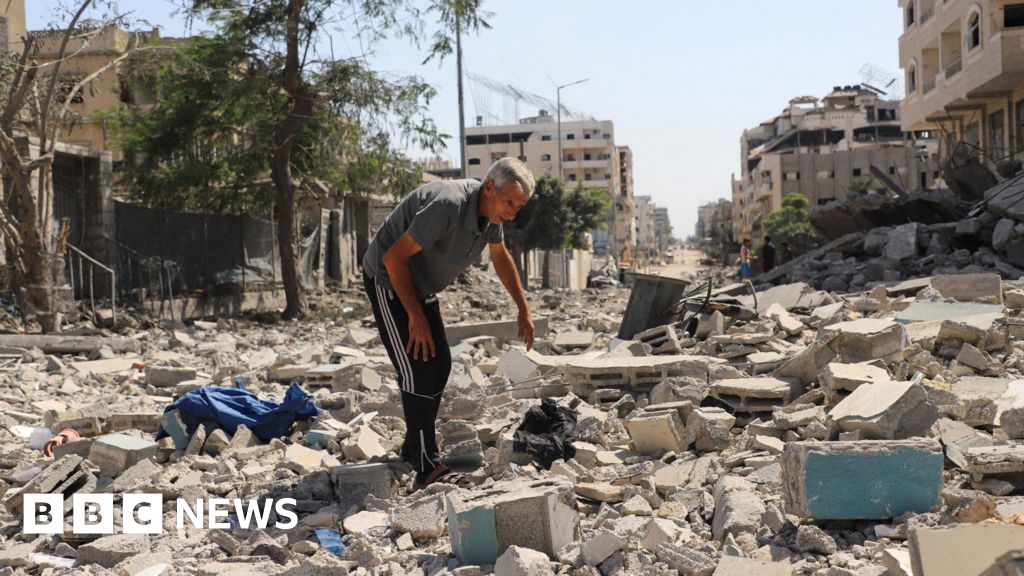
Gaza Peace Talks Continue as Trump Calls Deal ‘Really Good’ Chance for Progress

The Middle East remains at a pivotal crossroads, with recent developments in Gaza signaling both a potential shift in conflict dynamics and a test of international diplomacy. As Israel ratchets up its offensive in Gaza City, the international focus has shifted toward indirect negotiations aimed at forging a durable peace, with the U.S. peace plan emerging as a central, yet contentious, element of this process. The upcoming talks in Sharm El-Sheikh are crucial, as they seek to create the “field conditions” necessary for an exchange—one that could see hostages released and relative calm restored for the first time in months.

Leading this diplomatic push are influential figures like Donald Trump and **Israeli Prime Minister Benjamin Netanyahu**, who have expressed optimism about the possibility of an agreement. Trump, now a key envoy in the negotiations, publicly stated that the first phase of the peace effort—focused on the release of hostages—”should be completed this week,” indicating a real sense of urgency. Analysts and historians warn, however, that such optimistic rhetoric often masks deeply entrenched issues, particularly Hamas’s refusal to accept the plan’s **disarmament** clause and its insistence on remaining part of Gaza’s governance. Meanwhile, Palestinian factions and regional actors—especially **Qatar** and **Egypt**—are playing critical roles, facilitating shuttle diplomacy that is seen as essential given the profound mistrust between Israel and Hamas.

The geopolitical impact of these negotiations is profound. If successful, they could serve as a blueprint for a broader peace settlement—potentially reshaping societal relations and regional stability. Yet, the balance remains delicate. Israel’s security concerns persist, especially regarding Hamas’s future role, which remains a sticking point. Hamas’s statement indicated willingness to release all Israeli prisoners, both living and dead, but avoided addressing its disarmament—raising doubts among critics that foundational issues might plunge the talks into failure. International organizations such as the United Nations have called for restraint, with Secretary-General Antonio Guterres warning that the opportunity presented by Trump’s initiative “must be seized” to prevent further tragedy. Conversely, opponents argue that the peace plan, especially with its concessions, risks rewarding continued militant influence while failing to address broader issues of Palestinian sovereignty, thus challenging existing international norms.

As the conflict’s toll continues to climb—over 67,000 killed in Gaza alone, including thousands of children—the regional and global repercussions grow ever more urgent. Countries such as the United Kingdom and regional powers are now openly supporting the U.S. efforts, yet skepticism remains. Critics warn that history repeatedly demonstrates how fragile ceasefires and peace agreements can be, especially in a context where past promises have been broken and trust remains elusive. The voices of analysts like *Benny Morris* and *Rashid Khalidi* echo warnings that the deeper issues—like the status of Palestinian sovereignty, disarmament, and the future governance of Gaza—must be resolved for peace to hold. Otherwise, the cycle of violence threatens to erupt again, possibly even more devastating than before. As the world watches anxiously, the story of Gaza continues to unfold—each negotiation, each development, adding a new chapter to a conflict that Western leaders and regional stakeholders alike consider among the most complex and perilous the modern era has faced.

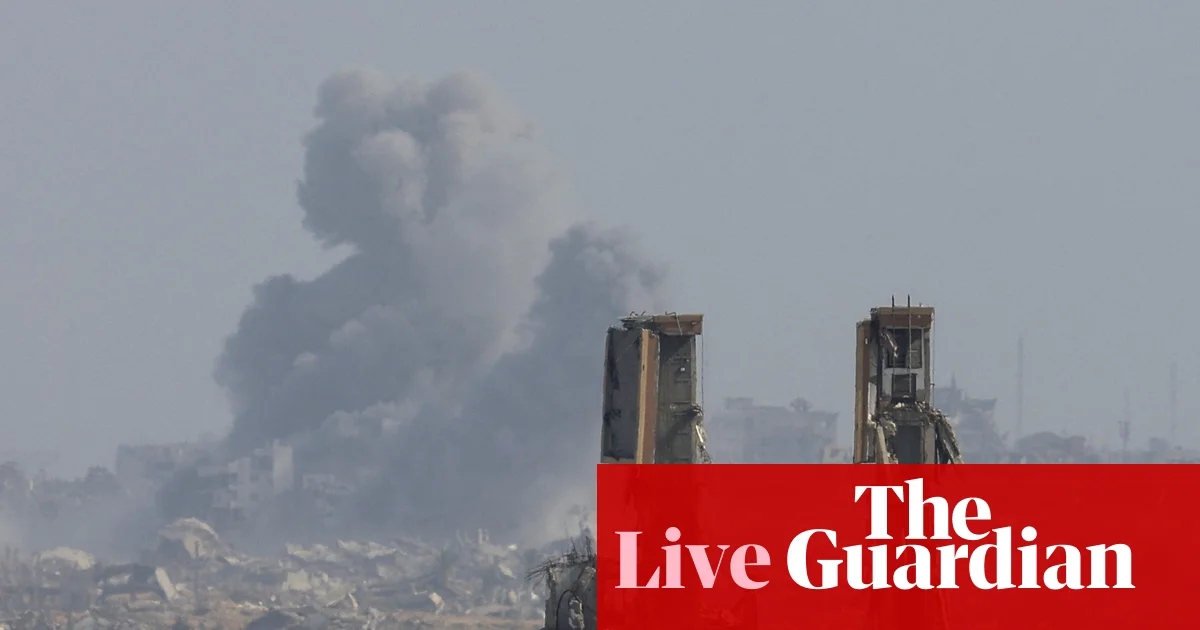
Israel-Gaza Tensions: Airstrikes Continue Despite Trump’s Urgent Call for Ceasefire

Global Powers and Nations Confront a Tumultuous Turning Point in Gaza

The latest reports from Gaza reveal a night of relentless violence, with the Gaza civil defense facilities reporting dozens of Israeli airstrikes and artillery shells despite calls from former President Donald Trump for an immediate ceasefire. The civil defense spokesman, Mahmud Bassal, underscores the severity: “It was a very violent night, during which the Israeli army carried out dozens of air strikes and shelling on Gaza City and other areas in the Strip, despite President Trump’s call to halt the bombing.” Casualties continue to mount as hospitals like Gaza City’s Baptist hospital and Nasser hospital in Khan Younis treat the wounded, including women and children caught in the crossfire.

This ongoing military campaign illustrates the complex and volatile layer of factors at play. Israel’s prime minister Benjamin Netanyahu has instructed the military to prepare for the “immediate implementation” of the first phase of Trump’s Gaza plan, which calls for the release of hostages and the potential surrender of Hamas’ control in Gaza. However, witnesses and analysts note the Israeli military’s recent intensification of bombing despite political formalities suggesting a shift toward a defensive posture. This juxtaposition reflects a broader dangerous fragmentation of military and diplomatic signals, complicating international efforts to mediate a ceasefire.

International Response and Power Dynamics in Flux

Global reactions remain deeply divided. United Nations Secretary-General António Guterres expressed cautious optimism, stating that “all parties should seize this opportunity” to end the conflict. Meanwhile, the European Union and several major nations like UK, Germany, India, and Canada voiced support for Trump’s proposed plan, emphasizing the importance of hostage releases, disarmament, and a pathway to peace based on a two-state solution. Notably, Germany’s Chancellor Friedrich Merz underscored the urgency: “The hostages must be released. Hamas must disarm. The fighting must cease immediately.” This international backing signals a notable shift, perhaps the most hopeful since two years of relentless violence marked by Israeli missile strikes and Palestinian resistance.

However, the situation remains precarious. Hamas has responded cautiously to Trump’s initiative, with their official stance signaling a willingness to negotiate over some issues, but not a clear commitment to disarmament or a complete ceasefire. The group’s endorsement of limited points of the US plan coincides with a declaration by Palestinian Islamic Jihad that it aligns with Hamas’ stance, thereby reinforcing a fragile unity. Heavier warnings are issued from Jerusalem and Tel Aviv, with Israeli officials signaling readiness for swift military action if diplomatic efforts falter.

The Geopolitical Weight and Future of the Middle East

Decades of pedagogical understanding from historians and several reports from the International Crisis Group point to a pivotal moment: the decisions made now could reconfigure the entire geopolitical landscape of the Middle East for generations. As Egypt and Qatar prepare intra-Palestinian dialogues and international mediators strain for an enduring peace, the underlying question remains: will the current promises translate into a sustainable peace or an escalating regional crisis?

With Turkey expecting the return of dozens of nationals seized at sea, and Israel positioning itself for a strategic shift, the regional balance hangs in the balance. The international community watches with bated breath as leaders, from Anthony Albanese of Australia to Narendra Modi of India, rally behind prospects for a two-state solution. Yet, beneath these diplomatic overtures, the threat of renewed conflict and regional destabilization lingers—a reminder that in the theater of geopolitics, every decision carries the weight of history, and the stage is set for a future that is yet unwritten.

Selfridges pins tourist dip for luxury sales decline, retail struggles continue

Global Economic Shifts Impacting Luxury Retail: The Case of Selfridges

In recent years, Britain’s once-thriving luxury retail sector faces mounting challenges, emblematic of broader geopolitical and economic upheavals that threaten the stability of its international appeal. Selfridges, a storied retailer known for attracting high-net-worth individuals and tourists from around the world, has reported its fifth consecutive year of losses, a stark indicator of how shifts in global travel patterns and policy decisions ripple across economies and societies. This decline is not merely a business concern but reflects a deeper, transnational shift that influences the social fabric and economic stability of the United Kingdom.

The decline in sales—7% over 48 weeks to January 2025—stem from a confluence of intra-national policy changes and macroeconomic pressures. Notably, the UK government’s decision to abolish tax-free shopping for tourists —a key attractant for international luxury seekers—has significantly impacted London’s famed shopping districts. This move, part of broader post-Brexit economic realignments, is viewed by analysts as detrimental to the nation’s status as a global shopping destination. Selfridges highlights that weaker consumer confidence, inflated luxury prices, and ongoing cost-of-living crises have drastically constrained spending on non-essential luxury goods, especially among the wealthiest international visitors who once flocked to the UK for exclusive shopping experiences.

Adding urgency to the narrative are geopolitical factors and international investments that shape the future of global luxury markets. In October 2024, Saudi Arabia’s Public Investment Fund acquired a 40% stake in Selfridges, signaling a strategic pivot toward consolidating influence in the global luxury sector. This move underscores a broader pattern of Global South states expanding their footprint into luxury retail, aiming to leverage both economic power and geopolitical influence. Such investments, as noted by international analysts, are part of a broader trend where sovereign wealth funds seek to redirect economic influence through cultural and consumer markets, potentially shifting the balance of power in luxury retail from Western stalwarts to emerging economic powers.

The UK’s economic and cultural standing with this evolving landscape is under real strain. As historians and policy analysts warn, these challenges mark a pivotal moment where decisions made today will resonate for generations. The decline of iconic institutions such as Selfridges echoes the shifting tide of economic influence and societal values. With retail giants positioning themselves amid geopolitical flashpoints, the future of UK’s luxury industry and its socio-economic stability will be determined by how effectively it navigates these turbulent waters. As the clock ticks toward what could be a transformative period in global history, the unfolding story of luxury retail stands as a testament to the enduring, often turbulent, march of history—where decisions made in boardrooms and parliaments today will inscribe their legacy into the annals of international relations, economic power, and cultural identity for generations to come.

Social Media Auto Publish Powered By : XYZScripts.com