Matox News

Truth Over Trends, always!

UK Won't Back Trump on Every Issue, Says Cooper
UK Won’t Back Trump on Every Issue, Says Cooper

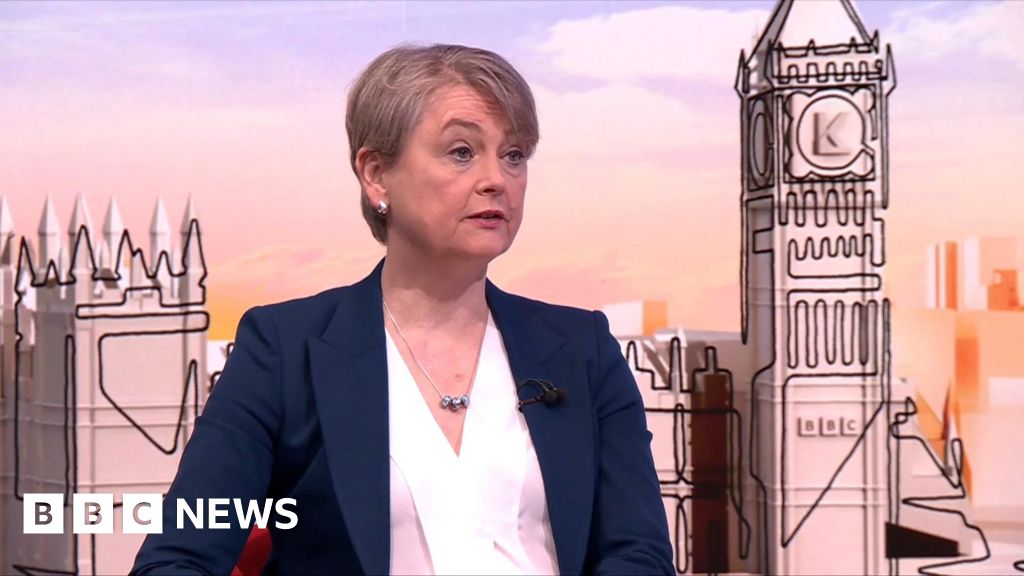
Foreign Secretary Yvette Cooper has publicly confronted President Donald Trump over his recent criticisms of the United Kingdom’s stance amidst escalating tensions in the Middle East. During an interview with Laura Kuenssberg, Cooper emphasized the importance of sovereignty and national decision-making, asserting, “It won’t surprise you that we don’t agree with President Trump on every issue.” This pointed rebuke underscores the ongoing divergence in strategic priorities between London and Washington as events in Iran continue to unfold.

The UK government’s approach, as articulated by Cooper, highlights a firm commitment to operate independently, prioritizing the UK’s national interests over aligning with US foreign policy. She further emphasized that it falls to the prime minister’s office to determine the most suitable course of action for Britain, especially in a volatile environment where regional stability is fragile. Meanwhile, President Trump issued a stark social media remark that appeared dismissive of any extensive UK military engagement in the region, declaring, “We don’t need people that join Wars after we’ve already won!” His comment signals a shifting US stance towards Middle Eastern conflicts, casting doubt on American commitment to traditional alliances.

The current tension reflects deeper, underlying shifts in geopolitical alignments, igniting debate among analysts and historians who see this as a pivotal moment in international relations. Many warn that the recent exchange signals a broader trend of waning US influence and a reassertion of independent foreign policies by traditional allies like the UK. According to policy experts, this could redefine NATO’s future, challenging the structure that has underpinned transatlantic security since WWII. Moreover, the decision to potentially bolster military presence in the Middle East demonstrates London’s intent to maintain strategic influence and protect economic and security interests amid rising regional volatility, especially with Iran’s unpredictable regime and its nuclear ambitions.

International organizations, including the United Nations, have issued cautious warnings about the dangerous escalation of regional conflicts, emphasizing the risk of a broader war. Several international analysts suggest that the decisions being made now may well determine the trajectory of global stability for decades. As nations recalibrate alliances, the geopolitical landscape grows increasingly fragile. The question remains whether these decisions will foster peace or plunge the region—and the world—more deeply into chaos, with historians noting that history often hinges on singular moments of choice amidst chaos. The coming weeks will prove decisive, etching this chapter into the annals of history, leaving future generations to ponder whether the currents of diplomacy and conflict can be steadied—or if they are destined to surge toward an unpredictable and turbulent future.
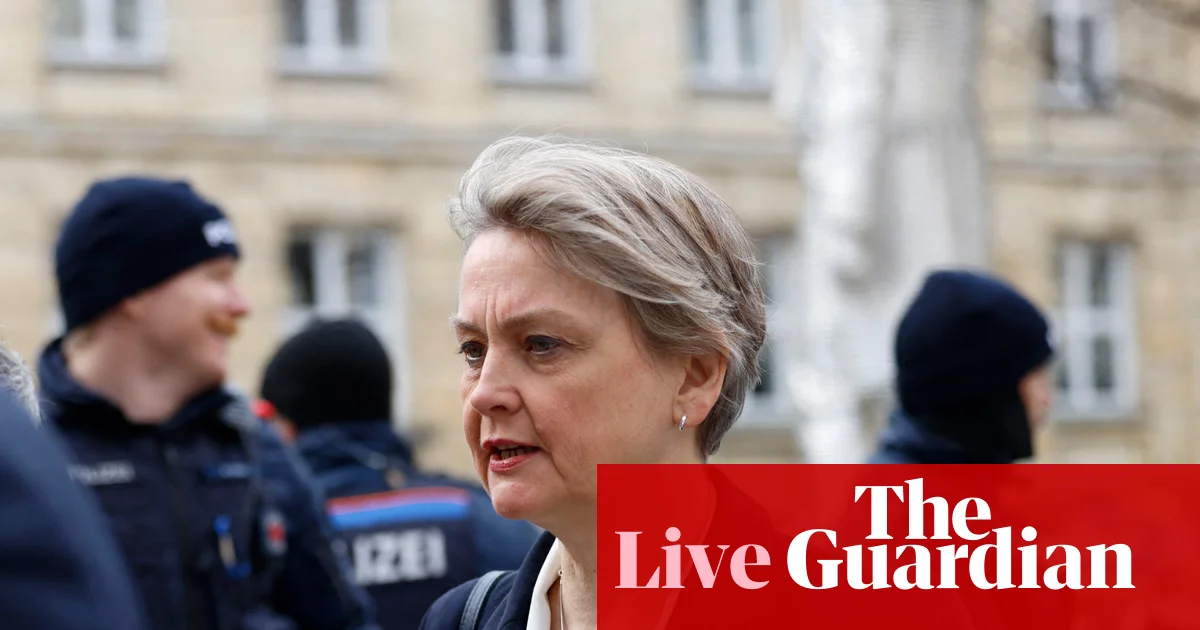

Cooper Clings to Palestine Action Ban After Court Declares It Unlawful – UK Politics Live

In a nation where United Kingdom politics remains a mirror to the turbulent realities shaping the international landscape, recent legal decisions and diplomatic claims underscore a resurgent era of uncertainty and strategic recalibration. The High Court’s ruling that the government’s ban on Palestine Action was unlawful and disproportionate signals a critical juncture in domestic security policy—one that resonates across global geopolitics. As the UK’s legal system pushes back against government overreach, analysts highlight a wider geopolitical impact—foreshadowing a shift where advocacy, protest, and national security are increasingly entangled in a web of conflicting interests and international pressures.

This legal rebuke forms part of a broader pattern where Western powers are facing complex threats that challenge traditional notions of sovereignty and security. The UK’s foreign secretary, Yvette Cooper, publicly defended her decision to proscribe Palestine Action despite unequivocal evidence suggesting most of their activities did not meet the threshold of terrorism. She relayed that advice had been taken from police and intelligence sources indicating risks of violence, yet the courts concluded the government had failed to follow its own policies, raising compelling questions about the transparency and consistency of security measures. Such a legal setback might embolden other protest groups and civil liberties advocates, but it also sends a message to hostile regimes—highlighting the fragile balance Western democracies must maintain between security and freedom.

The international ramifications extend further into the realm of intelligence and diplomatic disputes. Yvette Cooper has been vocal about the assessment that Russia targeted the opposition figure Alexei Navalny with a deadly toxin derived from frog poison, a claim backed by a coalition of European nations. These countries have reported Russia to the Organization for the Prohibition of Chemical Weapons for breaching the Chemical Weapons Convention. The UK’s narrative frames Putin’s regime as a threat not only to Russian politicians but to global security—exposing a ruthlessness that analysts like Patrick Wintour of The Guardian argue is emblematic of a broader “barbaric Kremlin plot” designed to eliminate dissent with lethal precision. This exchange of diplomatic accusations underscores a larger conflict, reaffirming that the contest for influence and morality is increasingly fought through shadows of poison and the courtrooms of justice.

Amidst these tumultuous developments, the rising influence of China and the shifting priorities of the United States further complicate the global chessboard. Cooper’s comments about Europe’s need to “step up” as U.S. funding diminishes reflect a European-wide strategic awareness—an acknowledgment that the days of unipolar dominance are waning. As international organizations and military alliances struggle to adapt to this chaotic environment, youth and future leaders are called upon to navigate a world where sovereignty is often tested and global order remains fragile. The unfolding drama involving Navalny’s poisoning, the UK’s internal security debates, and Russia’s brazen denial are merely chapters in a larger saga of power, resistance, and the relentless pursuit of truth that history warns will define the 21st century’s geopolitical landscape.

In the shadowed corridors of geopolitics, the echoes of these conflicts spell a sobering message to all observers—history is still unwritten and the verdict of this epoch hinges on the choices made today. The specter of poisons, legal battles, and diplomatic indictments serves as a reminder: the unfolding story of nations will be etched not just in treaties or victories, but in the testimony of justice, the courage of dissent, and the echoes of a world still struggling to find its moral compass amidst chaos. As the dust settles on legal rulings and international accusations, the question remains—who will rise, who will fall, and what legacy will we leave in the shadow of these tumultuous times?

Social Media Auto Publish Powered By : XYZScripts.com


