Matox News

Truth Over Trends, always!

Brand Beckham drops the ultimate clapback costume — and the fashion game just got more fierce

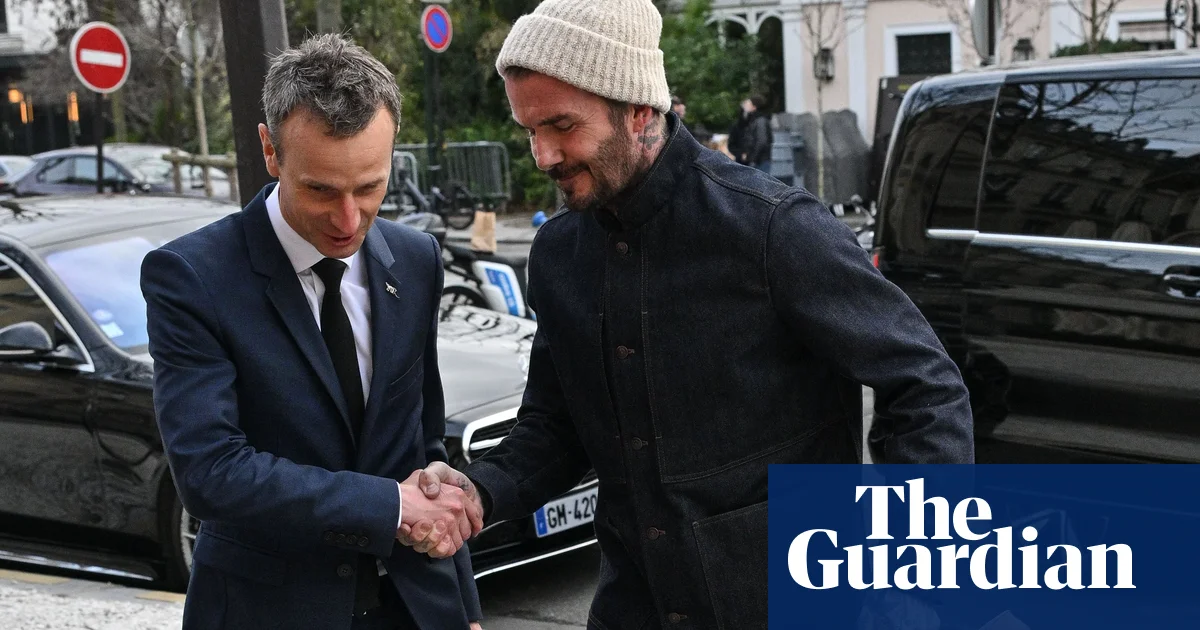
In an era where celebrity branding is less about talent and more about strategic image manipulation, the recent spectacle surrounding the Beckham family exemplifies this evolution. Over the past week, the media has been captivated by a series of social media revelations from Brooklyn Beckham that expose unseen cracks within one of the world’s most meticulously crafted dynasties. Meanwhile, David Beckham’s appearance at Paris Fashion Week, wielding a rare Hermès bag and a sashiko-dyed jacket, signals yet another chapter in the art of using fashion as a subtler form of communication. These shifts in behavior underscore how modern celebrities, especially those embedded in traditional institutions like the royals or famed families, are increasingly using clothing and public appearances as signals—either for unity or to send a hint of discord.

Fashion’s role as a social language is nothing new—think of Princess Diana’s iconic looks or Wallis Simpson’s modern take on regal style—yet today’s spectacle is amplified by social media’s immediacy. Influencers, sociologists, and brand strategists argue that what these figures wear isn’t just about aesthetics; it’s about shaping public perception. David Beckham’s choice of sashiko—an *ancient Japanese technique of visible mending*—may seem trivial, yet experts like brand consultant Andy Milligan suggest it could be a deliberate semiotic message. Are Beckham’s wardrobe choices a covert nod of resilience, a statement of humility, or simply a comfortable choice? The current climate makes it increasingly difficult to discern whether these “fashion statements” are organic expressions or carefully curated signals crafted by a team of image architects working behind the scenes.

At the same time, the family melodrama—highlighted poignantly by Brooklyn Beckham’s emotional social media exposé—reflects a broader shift in societal attitudes. In this digital age, transparency is currency, and celebrities are no longer passive figures; they are active participants in shaping their narratives, often blurring the line between authenticity and performance. Though Brooklyn’s claims paint a stark picture of family conflict, critics warn that such revelations serve a dual purpose: they keep the Beckham brand in perpetual conversation, attuned to the shifting values of a social media-driven generation. This combination of high fashion, family feud, and social media theatrics sets the stage for a powerfully modern brand of public spectacle—one where image is everything and vulnerability is often strategic.

Looking ahead, one has to ask: as families and celebrities fine-tune their appearance for both the camera and the subconscious, what does this say about the *future* of influence? Will fashion and personal narrative become so intertwined that the authentic self is forever mediated through carefully edited symbols? Or is this an inevitable sign of a society where every gesture, every garment, is a piece of the puzzle in a sprawling game of perception management? With the lines between reality and spectacle increasingly blurred, it seems the next big question for youth and society alike is: *are we witnessing the dawn of a new era where true authenticity is the ultimate act of rebellion?*
Exclusive Elf Movie Costume Goes for £239,000 at Auction, Setting New Record for Cultural Icon Status

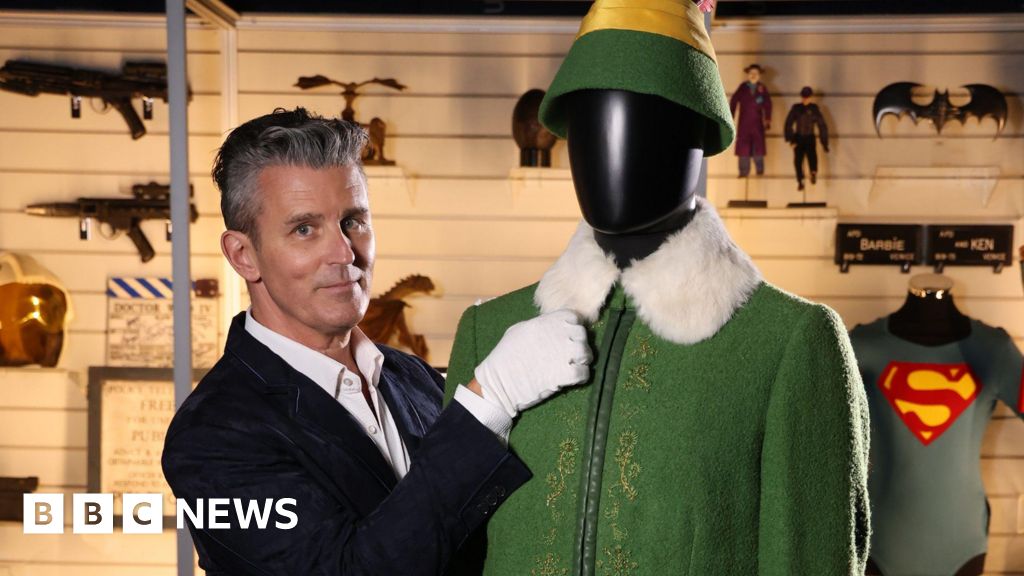
In the realm of pop culture, memorabilia do not merely serve as relics of entertainment but stand as tangible symbols of collective memory. Recently, an unprecedented auction in London has brought to light the enduring power of cinematic artifacts. A costume worn by Will Ferrell in the 2003 comedy Elf fetched over £239,000, underscoring the profound cultural valuation placed upon physical tokens of entertainment. This green and yellow ensemble, worn during a humorous scene in which Ferrell’s character presses every button in a New York lift, exemplifies how modern mythology is curated through attire, dialogue, and iconic moments. Provenance, as noted by the auction house, links this piece directly to the film’s producer, Jon Berg, amplifying its desirability and reminding us that history’s greatest stories are often preserved not only in scripts but in fabric and costume.

This phenomenon challenges us to consider the role of cultural artifacts in shaping national identity and societal continuity. A matching fedora from Indiana Jones and the Temple of Doom sold for an astonishing £327,600, while original weapons from Star Wars characters like Boba Fett are expected to fetch between £350,000 and £700,000. Beyond their monetary value, these objects serve as touchstones of myth and heroism; they embody stories that inspire generations, embodying a shared sense of heroism, adventure, and nostalgia. Such artifacts remind us that culture—whether through literature, film, or art—is fundamental in molding societal self-awareness and preserving our ideals across the tumultuous tides of history. Philosopher Ortega y Gasset might argue that these relics are manifest the consciousness of the collective, anchoring us in the narrative of who we are and what we aspire to be.

Moreover, the surge in valuation of these items reflects a broader cultural truth: that in an era of fleeting attention and digital surfeits, tangible connection to the past becomes vital for maintaining a sense of tradition. The artifacts from these films and series are more than mere collectibles—they are embodiments of values, stories, and moralities that have shaped our social fabric. As Chesterton once remarked, the true culture is the persistent effort to keep alive the memory of what is worth keeping alive. These relics stand as testament that our history is not only recorded in books but etched into the fabric, props, and artifacts of our popular legends. They serve as symbols of continuity amidst rapid change, anchoring future generations to the roots of their cultural identity.

In this way, the journey of these artifacts parallels the rhythm of human history. They are both memory and prophecy, whispering what was and hinting at what will be. Whether it is the humorous innocence of Buddy the Elf or the adventurous spirit of Indiana Jones, such objects remind us that true culture is layered—an intricate tapestry woven through time with threads of memory and hope. As T.S. Eliot suggested, culture is “not a sum of facts but the image of a possible human destiny.” In the celebration and preservation of these relics, we find the silent promise that our stories endure, whispering endlessly through the corridors of time, guiding us with the light of tradition into the dawn of tomorrow.

Got a Trendy Halloween Costume Idea? Check Out Your Own Wardrobe’s Hideaway! | Fashion

As the spooky season approaches, a fascinating cultural shift is unfolding in the realm of Halloween festivities. Traditionalists may still be rummaging through boxes for that dusty, decade-old costume, but a new wave of trend-savvy youth is redefining what it means to celebrate. Halloween has transitioned from a night of simple fun to a playground of creative expression, fueled by social media influencers, trendsetters, and the rising obsession with “in-the-know” cultural nods. This generation isn’t just dressing up for the night; they are making statement looks with effortless, last-minute touches that scream trend consciousness.

Leading the charge are the so-called cultural high achievers—from A-list celebrities like Kim Kardashian and Heidi Klum to innovative artists like Janelle Monáe. These icons spend weeks curated their costumes, leveraging platforms like Pinterest and Instagram to craft intricate, highly conceptual outfits. Their obsession isn’t just about costumes but about crafting a narrative that resonates with ever-evolving cultural moments. This influence trickles down to mainstream youth, who now see Halloween as an opportunity to join the conversation on societal trends, pop culture, and political commentary through their fashion choices. The result is a holiday that’s less about candy and more about cultural cachet — a kind of Halloween “manifesto” where costumes are loaded with meaning, parody, or insider references.

However, not everyone is investing hours or dollars into elaborate ensembles. Instead, a new subset of trend-hunters is embracing the art of the “stolen idea”. Inspired by recent headlines—like the daring Louvre jewel theft or viral crime stories—youth are assembling quick, punchy costumes that shout social relevance. For example, donning a hi-vis vest and piling on jewelry from their own collection transforms into an instant costume mimicking the infamous €76m jewel thieves, blending satire with social commentary. It’s a clever way of turning viral stories into wearable, relatable statements. Sociologists like Dr. Emily Chen argue this reflects a broader societal shift: we’re increasingly defining our identities through rapid commentary on media phenomena, where humor and irony are primary tools for social engagement.

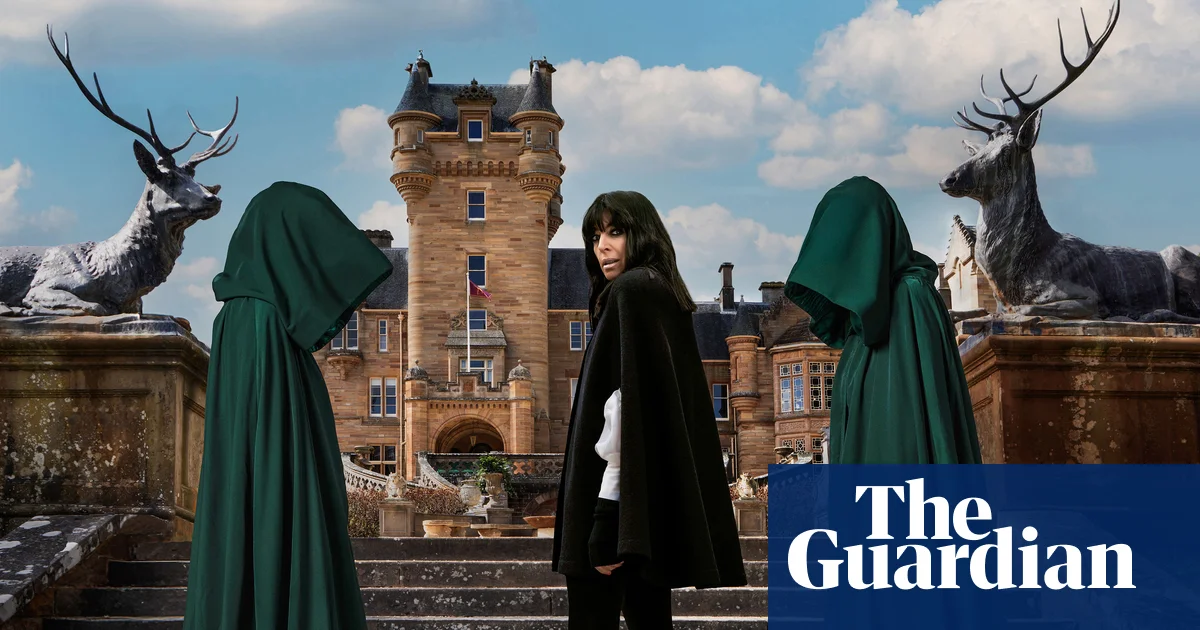
This trend isn’t just about aesthetics; it’s reshaping the social fabric of Halloween. As influencers like Claudia Winkleman showcase DIY accessories—snipping old gloves or layering eye makeup—young people are redefining what it means to participate authentically. The iconic “incognito mode”— Leo DiCaprio’s face-covering at a Venice wedding—embodies this desire to balance social spectacle with a curated sense of mystery, pushing the boundaries of traditional costume conventions. Meanwhile, comfort and humor reign supreme with options like wrapping oneself in a sleeping bag as a “Demon Hunter” or going retro with 2000s-inspired fashion staples—think boat shoes and baggy jeans—reminding us that even throwbacks can amplify current cultural conversations.

Ultimately, the next question we should be asking is whether this rapid, socially charged approach to Halloween costumes signals a deeper shift in youth culture. Are we witnessing the emergence of a new form of digital-era storytelling—where costumes serve as semiotic short-cuts and social commentary—destined to influence fashion, media, and social activism beyond October 31? As trends continue to evolve at breakneck speed, one thing is clear: Halloween’s cultural impact extends far beyond candy and costume contests. This is a reflection of a generation that’s increasingly savvy, strategic, and willing to use their appearance as a canvas for expressing complex societal narratives. The next big challenge? Deciphering how far this desire for meaningful, quick-witted self-expression can take us in shaping tomorrow’s cultural landscape.

Social Media Auto Publish Powered By : XYZScripts.com