
Matox News

Truth Over Trends, always!

Breaking Boundaries: Rocking Grandma’s Heirlooms in a Bold Hot-Pink Cheongsam—A Teen’s Style Statement on Courage and Heritage

Rediscovering Style: The Power of Vintage Clothes in a Modern World

In an era dominated by fast fashion, the allure of vintage clothing is experiencing a renaissance among young, style-conscious individuals. With a focus on sustainability, individuality, and personal storytelling, many are turning to heirlooms and curated op-shop finds as a way to express their identity while honoring history. Standing at the crossroads of tradition and contemporary life, rediscovering older garments is more than a fashion statement; it’s a lifestyle shift that inspires confidence and connection to the past.

Take, for instance, the story of an 89-year-old woman’s wardrobe, which serves as a vibrant reminder of a life lived in bold, distinctive style. Her collection—featuring silk cheongsams, opulent coats, and heirloom accessories—embodies the shifting landscape of wellness and personal history. Style expert Chloë Felopulos highlights a vital perspective: “For many, passing on garments isn’t just about preserving fabric, but rather ensuring their stories continue.” This sentiment underscores an emerging cultural shift where the very act of passing on clothes becomes an act of legacy and self-expression.

Reimagining Vintage: How to Incorporate Old Styles into the Modern Wardrobe

Incorporating vintage pieces into everyday fashion requires a delicate balance of respect and innovation. Curator Cora Walters emphasizes the uniqueness of fabrics, labels, and craftsmanship that vintage clothing possesses—qualities that modern mass production struggles to replicate. A common challenge involves reconciling the physical constraints of heirlooms with the flexibility of contemporary tailoring. However, experts recommend playful approaches like play dress-up and mixing patterns as ways to breathe new life into old garments. For example, pairing a 60s cropped coat with gingham capri pants creates a visual harmony that feels both nostalgic and fresh, offering a fresh perspective on style that respects history while remaining practical.

  • Opt for pattern mixing to add energy to vintage outfits.
  • Experiment with color sandwiching—pairing contrasting, complementary hues for a polished look.
  • Consider alterations to modernize a piece without losing its historical essence.

Such methods showcase a confidence that transcends fleeting trends, aligning with a lifestyle that values pride in sustainability and authentic self-expression. As Felopulos suggests, whenever you wear a cherished piece with “pride,” you embed yourself into a story much larger than yourself, one woven through generations.

From Heritage to Daily Life: Setting the Scene with Vintage Accessories

Legacy accessories like a grandmother’s gold chain mail purse or ornate coat closures transform vintage clothes into versatile, meaningful elements of daily living. These items invite individuals to carry history as part of their identity, whether it’s through a weekend outing or a special dinner. The act of passing down and adapting heirlooms is underpinned by a sense of connection and continuity—a reminder that what we wear is rooted in personal history and cultural identity. As Isabella Lee demonstrates, trying on her grandmother’s cheongsam opens a dialogue about respect for tradition and the potential for reinvention, highlighting how heritage and modernity can coexist beautifully.

While the physicality of older clothes may pose practical challenges—such as sizing or comfort—the emotional and cultural impacts often outweigh these obstacles. Embracing heritage pieces requires a mindset open to adaptation and creativity. Whether through minor alterations or styling choices that honor their origins, it’s possible to craft a wardrobe that is both authentic and expressive, cultivating a sense of pride and continuity that resonates deeply in a fast-changing world.

In the end, this journey of rediscovery is more than just style—it is a narrative of resilience, connection, and the enduring value of history. Vintage clothing embodies a unique form of lifestyle activism, reminding us that embracing tradition can be a powerful act of personal and cultural reinforcement. As each piece finds its place in modern life, it’s a reflection of a broader acceptance: that style, like life itself, is an evolving story—one worth telling with pride and purpose.
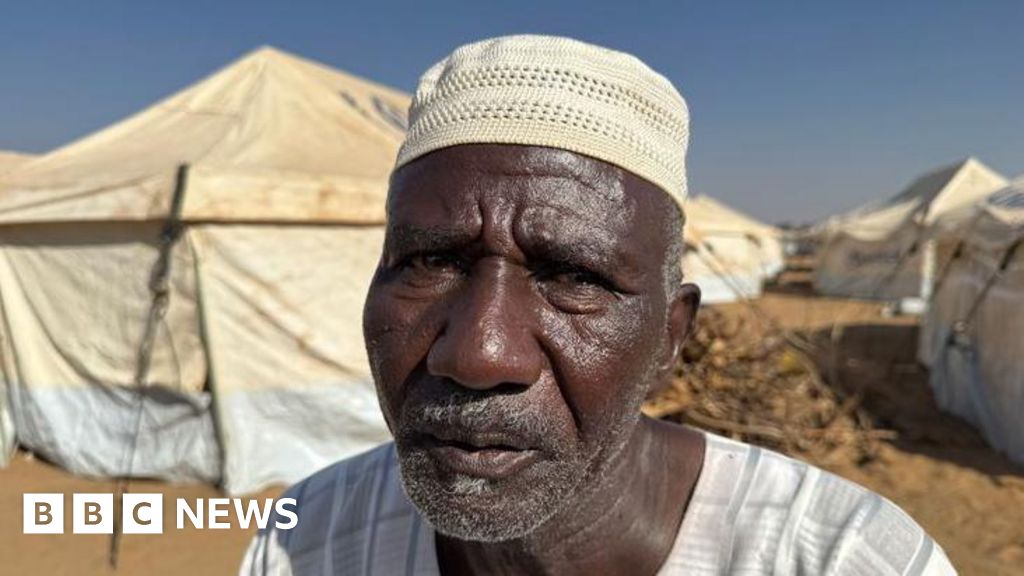
Daring Exit from El-Fasher: Darfur Youth Courage Amid Crisis

As the Sudanese civil war escalates into a new chapter of brutality, el-Fasher, the capital of Darfur, has fallen after an 18-month brutal siege, marking a significant turning point in an ongoing conflict that continues to threaten regional stability. Fighters from the Rapid Support Forces (RSF), a paramilitary group once allied with the national army, seized the city from government control, leaving a trail of devastation and prompting a mass exodus of civilians fleeing with only the clothes on their backs. The geopolitical impact of this victory for the RSF cannot be overstated, as it pushes the paramilitary group into the last stronghold of western Darfur and weakens the fragile authority of the central government—a move that may reshape long-term power dynamics in Sudan.

International organizations and analysts are quick to condemn the aftermath of el-Fasher’s fall, with widespread reports of atrocities that include mass killings, sexual violence, and destruction of civilian life. Witnesses, including survivors like Abdulqadir Abdullah Ali, recount harrowing tales of shootings and indiscriminate violence inflicted by RSF fighters, who reportedly used live ammunition against fleeing populations. The UN has documented that less than half of the approximately 260,000 citizens who inhabited the city before its fall have been accounted for, indicating an ongoing humanitarian catastrophe. The rise of the RSF in Darfur signals a potential shift in regional power, emboldening a militant faction but also drawing sharper international focus on the crisis—especially as accusations of genocide and war crimes gain traction globally.

The unfolding chaos has displaced millions, with many fleeing into neighboring countries or settling into hastily assembled camps in northern Sudan, such as the camp in al-Dabbah. Here, survivors paint a grim picture of violence, including systematic looting, sexual violence, and brutal interrogations—actions denied by the RSF, which claims to be misrepresented by political enemies. Yet, the clarity of eyewitness testimonies, like those of Mr. Ali and others, underscores the brutal reality: civilian suffering is mounting, and the fragile ceasefire prospects remain distant. How international powers respond to this escalation will have profound implications for regional security and U.S. geopolitical interests, especially as President Donald Trump promises increased involvement to broker peace.

As history continues to unfold amid the dust and chaos of Sudan’s shattered cities, the geopolitical impact of this conflict extends beyond Africa’s borders. The internal chaos threatens to destabilize neighboring countries and fuels allegations of war crimes that could invoke sanctions and international intervention. The narrative spun by the RSF’s leadership, claiming innocence and accusing their enemies of orchestrating a media campaign, does little to mask the true horror taking place. Many survivors, battered but resilient, cling to their hope amid despair, waiting for a turning point—and for the weight of history to decide whether this dark chapter will be remembered as a turning point of liberation or a tragic descent into further chaos. In the shadows of this unfolding tragedy, the whispers of history remind us: what happens in Sudan echoes far beyond its borders, shaping the destiny of nations and the future of global justice.

Thrilling Escape: How I Leapt 175 Feet into the Sea During the Piper Alpha Blowout — A Story of Courage and Survival | Life & Style

The tragic Piper Alpha disaster of 1988 stands as one of the most devastating industrial accidents in history, a stark reminder of the importance of rigorous safety standards and responsible management in high-risk industries. Located about 120 miles off the coast of Aberdeen, this North Sea oil platform was the heartbeat of global oil production at its peak, responsible for roughly 10% of the world’s oil and gas. Yet, beneath the promise of prosperity and energy independence lay a story of oversight and tragedy. The explosion and subsequent collapse of Piper Alpha resulted in the deaths of 167 crew members, with many survivors bearing scars — both visible and invisible — that symbolize resilience in the face of chaos. Today, lessons gleaned from this disaster continue to influence safety protocols and corporate accountability, echoing the importance of ownership of responsibility in the pursuit of progress.

Joe Meanen, a former scaffolder on Piper Alpha, vividly recounts the harrowing night he experienced. His account not only underscores the raw human toll but also highlights personal impact— the physical scars, mental trauma, and the quest for meaning after surviving an event that changed his life forever. As Meanen describes, the explosion caused the platform to disintegrate, and with smoke billowing and fires raging, practical survival became a matter of quick thinking and unyielding courage. He made the difficult decision to jump into the North Sea, a leap that defined his will to live, risking burns and injury to escape imminent death. His story embodies a core truth: amid adversity, the human spirit’s drive to survive and rebuild can convert tragedy into a catalyst for growth and renewal.

Post-accident, survivors like Meanen embarked on a journey of healing and remembrance. The aftermath of Piper Alpha prompted a comprehensive public inquiry, which exposed critical safety flaws and issued 106 recommendations to prevent similar disasters. While the tragedy underscored failings on the part of companies like Occidental Petroleum (Caledonia) Ltd, it also became a rallying cry for the industry to prioritize well-being, accountability, and proactive measures. For many survivors, including Meanen, sharing their stories serves as both an act of tribute and a force for change. It’s a reminder that our cumulative experiences and reflections are vital for creating safer, more responsible workplaces—values that resonate strongly in industries vital to our economy and energy independence.

Embracing a lifestyle rooted in resilience and responsibility

From this tragic chapter, a cultural shift has emerged—one focusing on more than just productivity, but also personal wellness and collective safety. Wellness experts emphasize that confronting trauma openly and fostering community connections can significantly aid in personal recovery. Meanen’s annual reunions with fellow survivors exemplify a commitment to shared strength and emotional health, proving that resilience is built both through adversity and through community. In the modern era, embracing a lifestyle of **personal responsibility, safety awareness, and mental health** can serve as a foundation for aspiring young professionals in high-stakes fields.

  • Prioritize your safety by actively participating in training and safety drills.
  • Build strong community ties—share your experiences, seek support, and offer guidance.
  • Maintain physical wellness—scars or not—as a testament to endurance and resilience.
  • Stay informed about industry standards and advocate for continuous improvement.

As cultural icons like Tim Ferriss and wellness voices like Brené Brown highlight, vulnerability and honesty about our struggles often pave the way for strength and growth. The story of Piper Alpha encourages us to see safety and wellness not as obstacles, but as essential pillars of a life well-lived. The sacrifices made that night serve as a profound call to action—a reminder that embracing responsibility, both personal and collective, is integral to building a future rooted in confidence and resilience. Ultimately, life is a journey where challenges forge character, and through reflection and proactive choices, we are empowered to shape a society that values safety, integrity, and the enduring human spirit. Let these stories inspire us to live each day with purpose, mindful of the legacies we leave behind and the responsibility we carry for generations to come.

Social Media Auto Publish Powered By : XYZScripts.com