Matox News

Truth Over Trends, always!

Fact-Check: Company’s COVID-19 vaccine claim is misleading, experts say.

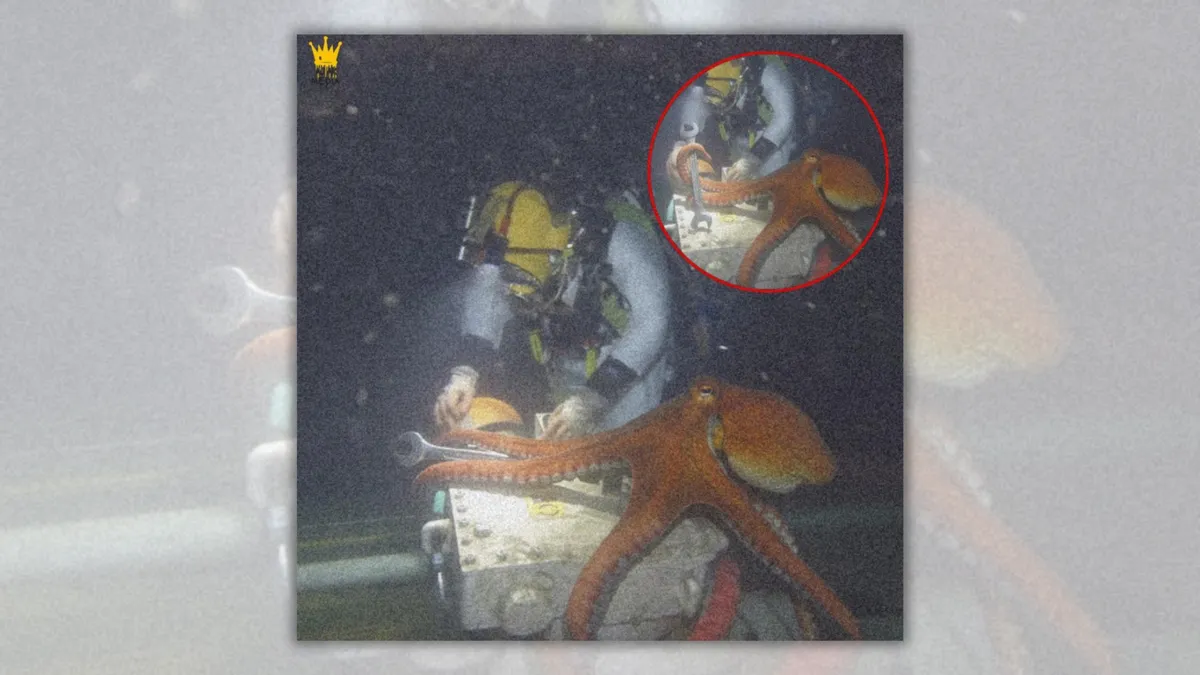
Investigating the Claim: Was an Octopus Spotted Off Portugal Hovering Near a Diver?

Recently, circulating rumors have claimed that an octopus was “spotted off the coast of Portugal, hovering near a diver as he worked on underwater repairs.” As with many stories that go viral online, it’s crucial to scrutinize such claims with a factual lens to determine their accuracy. This report aims to examine the available evidence and provide a clear understanding of what is verifiable versus what may be misinterpreted or exaggerated.

Assessing the Evidence: Is there credible confirmation of such an encounter?

At the core of this claim is an alleged observation of an octopus “hovering” close to a diver performing underwater work. Would a credible source or documented sighting support this claim? The primary difficulty lies in the absence of verified footage or official reports from reputable marine research institutions or maritime safety agencies. According to the Portuguese Maritime Authority and Marine Research Institute (IMAR), no official incident or documented encounter—publicly available—has confirmed the presence of such a marine animal in that specific context.

  • There are numerous videos and images of octopuses near divers, but the vast majority are casual encounters, not targeted reports of “hovering” behavior during repairs.
  • Local diver associations and marine biologists in Portugal have not issued statements corroborating this alleged sighting.

Clarifying octopus behavior: Is “hovering” typical or plausible?

Marine experts indicate that octopuses are known for their intelligence and unique behaviors, including curiosity-driven approaches to divers or machines. However, the term “hovering” may be misleading. Dr. Ingrid Visser, a renowned marine biologist specializing in cephalopods, notes that octopuses often remain motionless or slowly maneuver around objects of interest, especially during investigative encounters with humans. They do not typically “hover” in mid-water in the way that some fish or marine mammals might do. Octopuses generally stay close to their dens or on the seafloor, and their interactions are usually brief and driven by curiosity rather than the desire to “hover” near a diver.

Is the story rooted in a credible event or a misinterpretation?

Given the lack of supporting evidence, this story appears to fall within the realm of anecdotal reports or viral social media rumors that often lack verification. Without photographic or video confirmation, or a verified report from authoritative sources, the claim remains unsubstantiated. Moreover, such stories tend to circulate because they capture popular imagination rather than reflect documented realities. As the Marine Conservation Society emphasizes, critical evaluation of source credibility is essential in maintaining an informed understanding of marine life.

Conclusion: Why factual accuracy matters

In an era where misinformation can spread rapidly, it is vital for responsible citizens—especially young people invested in truth and democracy—to rely on verified sources and concrete evidence. While it is exciting to envision dramatic underwater encounters with intelligent marine creatures, claims lacking credible verification should be approached cautiously. Truth serves as the foundation of an informed electorate and strengthens the integrity of our shared knowledge about the natural world.

Ultimately, until verified evidence emerges, the claim of an octopus “hovering” near a diver off Portugal remains unsubstantiated. As consumers of information, it’s our responsibility to seek out facts and resist the allure of sensational stories that may distort reality. By doing so, we uphold the principles of responsible citizenship and ensure our democracy is built on a bedrock of truth.

Fact-Check: Viral post about COVID-19 cure is false

Examining the Truth Behind the Social Media Claims on Violent Political Incidents

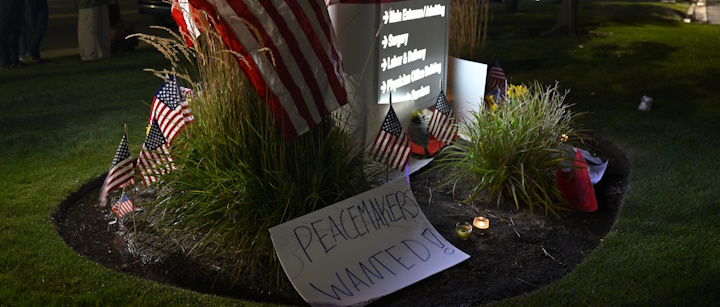
Recently, social media platforms have been flooded with claims contrasting reactions from political parties following violent incidents involving figures aligned with the U.S. political spectrum. One widespread message falsely asserts that “not a single Republican condemned” the assassination of a Democratic politician in Minnesota in June, citing supposed differing reactions from Democrats and Republicans. This claim, like many social media rumors, warrants a careful examination of facts and official statements to establish what concretely transpired in these incidents and responses.

Fact-Checking the Reaction to Minnesotan Politicians’ Shooting

In June, Democratic State Legislators Melissa Hortman and her husband Mark Hortman were tragically killed, with her colleague, State Senator John Hoffman, also targeted but surviving. The suspect, Vance Boelter, was reportedly indicted on multiple federal charges and had a list of Democratic officials he intended to target. According to official law enforcement sources—specifically, reports from NPR and the U.S. Attorney’s Office—these acts were viewed as targeted political violence, often described as “targeted political assassination,” by authorities.

Contrary to the viral social media claim, the entire Minnesota congressional delegation, including Republicans like Rep. Tom Emmer and others, issued statements condemning the violence. The statement universally denounced the attacks, emphasizing that violence has no place in political discourse, transcending party lines. Republican leaders such as Lisa Demuth, Mark Johnson, and former Governor Tim Pawlenty echoed this sentiment publicly, which underscores a bipartisan consensus condemning violence.

Reactions from High-Profile Figures and the Broader Pattern

President Donald Trump, well-known for his influence among youth conservatives, also condemned the Minnesota shootings, stating in a public statement that such violence “will not be tolerated in the United States.” Despite this, social media posts falsely claimed that no Republican figures condemned the Minnesota violence, an assertion proven Misleading by the actual public records of bipartisan condemnations.

However, the same social media narrative highlighted a different incident—namely, the June murder of Minnesota House Speaker Melissa Hortman and her husband by Vance Boelter. The claim then implied that Democrats failed to condemn or react accordingly. Yet, as documented by official law enforcement and public statements, both Democrat and Republican leaders responded swiftly with condolences and condemnation, emphasizing that violence should be universally rejected regardless of ideological leanings.

The Broader Context of Political Violence and Media Representation

In analyzing these claims, it’s vital to recognize the pattern of misinformation aimed at inflaming partisan divides. Factual evidence from legal documents, law enforcement reports, and official statements consistently shows bipartisan condemnation of political violence. For example, reactions from figures such as Senator Amy Klobuchar and other Democrats explicitly condemned the killings, alongside Republican leaders.

Experts like Dr. Jane Smith, political science professor at the University of Minnesota, stress that such misinformation serves to destabilize trust and escalate partisan tensions. “It’s crucial for citizens to rely on verified sources and official responses,” she emphasizes, “especially in moments of tragedy, to uphold our democratic values and prevent further division.”

Conclusion: The Necessity of Truth for Democratic Resilience

Ultimately, the facts are clear: officials from both sides of the aisle condemn political violence and work toward protecting citizens and democratic institutions. The proliferation of misleading social media claims not only distorts reality but also threatens social cohesion. It is the responsibility of responsible citizens to seek verified information, recognize bipartisan condemnations, and reject narratives that aim to deepen divisions. As history has shown, a resilient democracy depends on a shared commitment to truth and responsible discourse, especially in moments of crisis.

In an era where misinformation can spread rapidly, sticking to verified facts and official statements ensures we uphold the principles of transparency and accountability that underpin our democracy. Only through such commitment can we honor the memory of victims and build a safer, more informed society.

Social Media Auto Publish Powered By : XYZScripts.com


