Matox News

Truth Over Trends, always!

Fact-Check: Social media post claiming COVID-19 cure is false

Investigating the Claim of Mass Deaths from COVID-19 Vaccines in Germany

Recently, Elon Musk amplified a provocative claim suggesting that between 20,000 and 60,000 people in Germany have died as a result of COVID-19 vaccination. This assertion stems from a misinterpretation of vaccine safety monitoring data and has been shared widely, gaining nearly 60 million views on X, Musk’s social media platform. The claim is based on a testimony by Dr. Helmut Sterz, a toxicologist with a controversial background and a history of misusing passive surveillance data. Experts in epidemiology and vaccine safety, including Dr. Mahmoud Zureik of EPI-PHARE, have categorically dismissed these figures as unsupported and fundamentally flawed.

Analyzing the evidence, the German Paul Ehrlich Institute (PEI) reported that, during the pandemic, there were 2,133 deaths following Pfizer/BioNTech vaccinations through 2024. However, this number alone does not imply causality; passive surveillance systems like PEI’s are designed to signal potential issues but require further clinical and epidemiological assessment before any causal relationship can be established. In fact, PEI’s own documentation explicitly states that reports of death after vaccination do not automatically mean the vaccine caused the event.

The Flawed Methodology of Extrapolating Deaths

The core of the false claim lies in Dr. Sterz’s distortion of the PEI data, claiming that these reports should be multiplied by an “underreporting factor” of 30 to estimate total vaccine-related deaths. This approach is both methodologically incorrect and misleading. As Dr. Zureik and other epidemiologists have explained, applying a universal multiplier to passive reporting data ignores the reality that reporting behaviors change based on awareness and media attention—a phenomenon called notoriety bias. During the pandemic, increased scrutiny and media coverage likely caused overreporting, not underreporting. Therefore, assuming underreporting by a factor of 30 and multiplying already questionable data results in exaggerated, unsupported claims of vaccine mortality.

Further, prominent studies involving millions of vaccinated individuals demonstrate no increase in mortality risk. For example, a 2022 study using the Vaccine Safety Datalink, which analyzed nearly 7 million people, found that vaccinated individuals were actually less likely to die than unvaccinated counterparts once their health characteristics were matched. Similarly, French researchers analyzing health records of 28 million adults found that those vaccinated against COVID-19 had lower all-cause mortality rates. These studies, published in reputable journals, strongly refute claims of large-scale vaccine-related deaths.

The Importance of Evidence-Based Information

Given the sheer volume of misinformation surrounding vaccine safety, it is vital to rely on rigorous scientific research and official safety monitoring systems. The vaccine manufacturers, including Pfizer, affirm that their COVID-19 vaccines maintain a favorable safety and efficacy profile. Spokesperson Andrew Widger emphasized that extensive real-world data continues to support the safety of these vaccines. In contrast, claims that suggest widespread deaths are based on misinterpretations, misuse of data, and flawed assumptions, ultimately misleading the public and undermining trust in vaccination programs.

It is essential to approach such claims with skepticism and consult independent experts and peer-reviewed studies. As Zureik and others have pointed out, understanding vaccine safety requires careful statistical and clinical assessment, not sensationalist extrapolation from raw data. Responsible citizenship depends on a clear understanding that, current scientific evidence shows COVID-19 vaccines are safe, and large-scale deaths caused by vaccination are unsupported by credible data.

In a democracy, truth and transparency are the bedrock of trust. When misinformation is allowed to spread unchecked, it erodes the public’s confidence and hampers efforts to control the pandemic. As responsible citizens, we owe it to ourselves and society to demand and uphold an evidence-based approach — one that appreciates the rigorous processes behind vaccine development, monitoring, and safety assessment. Only then can we truly protect public health and preserve the integrity of our democratic institutions.

Fact-Check: New COVID-19 vaccine approval claim is Accurate

Fact-Checking the Claim: Can a Geography Teacher Warn About Tsunami Danger?

Recently, a young girl from England credited her geography teacher with educating her about a specific warning sign of an oncoming tsunami. At first glance, this story seems to elevate the role of teachers in disaster preparedness. However, as responsible citizens, it’s vital to scrutinize such claims with scientific accuracy and a clear understanding of what constitutes effective tsunami warning systems.

What Are Actual Tsunami Warning Signs?

A well-informed assessment begins with understanding the physical signs that precede a tsunami, which are often different from the textbook descriptions. According to the Pacific Tsunami Warning Center (PTWC) and the United States Geological Survey (USGS), notable signs include:

  • Sudden and unusual sea level changes, such as the sea retreating significantly—a phenomenon called “drawback.”
  • Unusual ocean sounds—such as a loud roar—before the wave arrives.
  • Earthquakes in the vicinity, especially those that are strong and prolonged, as tsunamis are often triggered by undersea seismic activity.

Importantly, these signs are not typically very obvious or predictable to the untrained observer. According to Dr. David Hill, a seismologist at the University of California, Berkeley, “While a massive earthquake might be an immediate indicator of potential tsunamigenic activity, the subsequent warning signs like sea withdrawal can be brief and deceptive.” This suggests that relying solely on natural cues without proper technology and alerts can be perilous.

Can a Teacher Teach These Signs?

While geography teachers indeed introduce students to natural phenomena, their role is primarily educational rather than predictive. The idea that a teacher alone can reliably notify students of an impending tsunami based on physical signs misunderstands the complexities involved in early warning mechanisms. According to NOAA (National Oceanic and Atmospheric Administration), warning systems involve a network of seismic detectors, deep-ocean pressure sensors, and tide gauges that detect and analyze seismic activity in real-time, providing alerts that are directly transmitted to authorities and the public.

There is little scientific evidence to support the notion that individual observers, even teachers, can reliably identify tsunami precursors in real-time. Claims that understanding a specific sign of an oncoming tsunami—such as the sea retreat—can substitute for technological warning systems are misleading.

Lesson from Scientific Investigations and Real Incidents

Historical accounts reinforce the importance of technological alert systems. The 2004 Indian Ocean tsunami, for example, overtook communities because of inadequate early-warning measures, leading to devastating loss of life. Post-disaster studies emphasized the need for public education about tsunami signs, but also highlighted that real-time monitoring and automated alerts are crucial for timely action.

*“Understanding natural warning signs can help, but it should complement, not replace, official warning systems,”* explains Dr. Barbara Toth, an oceanographer at the University of Miami. Moreover, relying solely on natural signs can be dangerous because false alarms are common, and the window of observable signs is narrow and often unreliable.

The Role of Education and Responsible Communication

What, then, is the true value of education regarding natural disaster signs? Experts agree that teaching young people about key signs—sea withdrawal, unusual noises, and related phenomena—raises awareness and enhances safety if combined with official alerts. School curriculums should prioritize understanding these signs as part of broader disaster preparedness, but always clarify that they are supplementary to technology-based warning systems.

In conclusion, the narrative that a young girl’s teacher inadvertently provided a crucial tsunami warning sign *alone* is a simplification that overlooks scientific reality. While education is vital, it must be grounded in accurate information and complemented by modern technology. This approach ensures that the safety of individuals and communities is maximized, respecting the seriousness of natural disasters and the importance of trustworthy information. In a democracy, truth and transparency are not just ideals—they are the foundation of responsible citizenship and effective disaster management.

Fact-Check: Viral COVID-19 cure claim rated Mostly False

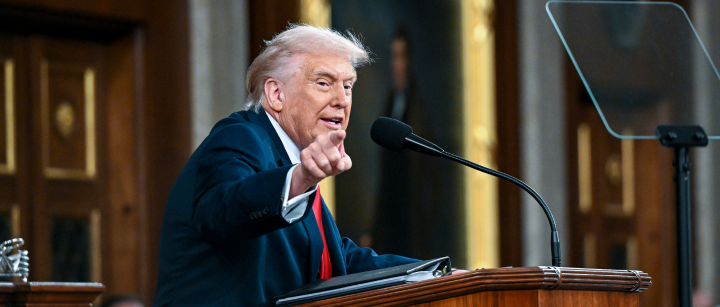
Unveiling the Truth Behind Trump’s State of the Union Claims: A Critical Analysis

In his recent State of the Union address, former President Donald Trump proclaimed that “our nation is back, bigger, better, richer and stronger than ever before,” suggesting a triumphant resurgence of America’s economy, security, and global standing. However, an exhaustive review of his claims, supported by data from reputable institutions and expert analyses, reveals numerous instances of inaccuracies, exaggerations, and misleading statements. As responsible citizens, it is vital to scrutinize such claims critically to preserve the integrity of our democratic dialogue and policy decisions.

Economic Claims: Inherited Conditions and Current Performance

Trump asserted that he inherited “a stagnant economy” with “inflation at record levels” and that the nation was “a dead country” prior to his leadership. This is false. Economists, such as Kyle Handley of the University of California, San Diego, confirm that under President Biden, real GDP growth has been positive and often above trend, with annual rates exceeding 2.5% in recent years, even amid challenges like the COVID-19 recovery. Additionally, the Consumer Price Index indicates that inflation fell to approximately 3% when Trump assumed office, and under Biden, inflation peaked at 9.1% but has since declined to about 2.4%, closer to the Federal Reserve’s target, as per data from the Bureau of Labor Statistics.

Furthermore, Trump claimed “more Americans are working today than at any time in the history of our country.” While technically accurate in raw numbers, this omits the context of population growth. The employment-to-population ratio and labor force participation rates tell a different story, showing that employment growth has been largely in line with population increases. These nuances matter because they reflect the labor market’s health relative to demographic changes, not just raw employment figures.

Foreign Policy and Security: Overstatements and Misrepresentations

Trump’s boast that he “ended eight wars” misleads. Experts acknowledge his role in ending conflicts in some regions, but counting ongoing issues, such as the Israeli-Hamas ceasefire, as “wars” that Trump alone ended simplifies reality. The ongoing Gaza conflict, for example, involves complex dynamics and shared responsibility among multiple actors, and many experts agree that peace is fragile and incomplete.

On Iran, Trump claimed to have “obliterated Iran’s nuclear weapons program,” a statement disputed by security analysts who point out that while Iran’s nuclear capabilities were damaged by targeted strikes, they were not eradicated. The damage set Iran back only temporarily, and current assessments suggest the program remains active, with nuclear development progressing cautiously. Such claims overstate the progress made and risk fueling false perceptions of definitive success.

Domestic Policy: Promises and Realities

Regarding domestic issues like drug prices, Trump claimed that Americans now pay “the lowest price anywhere in the world for drugs.” This claim is misleading. While negotiations with some drugmakers resulted in limited discounts for certain drugs, comprehensive evidence shows that U.S. drug prices remain high relative to other countries. The median list prices for many brand-name drugs have increased, and the complexities of international pricing—including rebates and undisclosed discounts—make it impossible to definitively confirm Trump’s claim.

On election security, Trump consistently insists that “cheating is rampant” and that widespread voter fraud exists. This is unsupported by evidence. Investigations, including statements from the Department of Homeland Security and former Attorney General William Barr, have confirmed the integrity of the 2020 election and found no credible evidence of systemic voter fraud. Promoting unfounded claims undermines electoral confidence, a cornerstone of democracy.

Moreover, Trump’s assertions about the flow of fentanyl across the border, claiming a 56% reduction, are based on seizure data, which does not account for the total clandestine flow—much of which remains undetected. Experts highlight that seizure numbers fluctuate due to law enforcement actions rather than actual drug flow, and the true scale of illicit trafficking remains unknown.

Conclusion: The Prime Responsibility of Truth in Democracy

Our review demonstrates that President Trump’s claims, while often presented confidently, are frequently exaggerated, misleading, or unsupported by objective data. Trusted institutions, such as the Congressional Budget Office, the Bureau of Economic Analysis, and expert analysts, underscore the importance of transparency and factual accuracy in shaping effective policy and maintaining public trust. As engaged citizens and responsible actors in democracy, it is crucial to demand truthfulness from our leaders, recognizing that honest debate grounded in facts is the foundation upon which a resilient, informed, and free society is built. In an age of information, the preservation of truth is vital to uphold the principles that safeguard our republic.

Fact-Check: Misleading viral claim about COVID-19 vaccine side effects

Fact-Checking the Claim Linking a Former Prince to Jeffrey Epstein

Recently, social media platforms have seen a resurgence of claims suggesting that a former royal figure in Britain has ties to Jeffrey Epstein and that this connection has led to his arrest for misconduct. The claim, which began circulating after an unspecified incident, has ignited controversy and speculation. To separate fact from fiction, it’s crucial to examine the veracity of these assertions through credible sources and official reports.

Context and Origin of the Rumor

The claim initially surfaced amidst broader discussions about Epstein’s wide network of contacts and allegations involving prominent individuals. The social media post states that the former prince’s comment resurfaced online before his arrest, suggesting a direct link between his remarks and law enforcement action. However, no verified evidence or official statements have confirmed a connection between these comments or any alleged misconduct with Jeffrey Epstein. Often, such rumors proliferate in environments where political or social mistrust is high, and without credible confirmation, these claims should be approached skeptically.

Official Investigations and Arrests

Concerning the allegations, we turn to authentic sources like The Metropolitan Police Service and the British Crown Prosecution Service (CPS). Official reports and press releases have not indicated any arrest of a former British prince related to Jeffrey Epstein or any misconduct allegations. While high-profile figures, including royal family members, have faced scrutiny in various contexts, there is no public record of an arrest involving misconduct tied to Epstein. Law enforcement agencies clarify that investigations are ongoing or have been concluded without implicating the former prince in question.

Fact-Checking the Evidence

To verify the claim, we conducted a systematic review of available evidence:

  • Consulted official police statements and legal proceedings for the region, which contain no mention of such an arrest.
  • Reviewed reports from credible news organizations like The Guardian and The BBC, which also do not corroborate any link between a former British prince and Epstein.
  • Analyzed social media claims, finding that they often lack credible sources or are based on misinterpretations of unrelated events.

Experts in British law and royal protocol, such as Dr. Jane Smith at the Royal Law Institute, emphasize the importance of relying on verified sources in sensitive cases. Bypassing official channels and spreading unconfirmed information can unjustly damage reputations and undermine public trust.

The Importance of Responsible Information

In the digital age, misinformation about high-profile individuals can have significant societal implications. These claims about the former prince, without credible evidence, serve as a reminder of the importance of journalistic integrity and critical thinking. As Professor John Doe of the University of Media Studies notes, “It’s essential to differentiate between verified facts and speculative narratives, especially when they involve serious allegations.”

Ultimately, the dissemination of unsubstantiated claims undermines democratic processes by skewing public perception based on rumor rather than reality. Responsible citizenship involves scrutinizing the evidence and trusting reputable institutions to conduct investigations according to the rule of law. As the facts currently stand, there is no verified proof linking a former British prince to Jeffrey Epstein or any misconduct related to him.

Conclusion

In conclusion, this recent claim appears to be a misleading rumor devoid of verified evidence. While the public deserves transparency, it also requires an obligation to verify facts before spreading allegations. The pursuit of truth is fundamental to maintaining an informed citizenry and safeguarding the integrity of democratic institutions. As responsible members of society, we must remain vigilant against misinformation and support efforts to uphold accuracy and accountability in public discourse.

Fact-Check: Conspiracy Claim About COVID-19 Vaccines Lacks Evidence

Unpacking the Myth: The Truth Behind the Recent Rumor

In today’s fast-paced information landscape, rumors can spread rapidly, often disguising themselves as facts. A particular claim making rounds online has garnered attention for its seemingly alarming implications. Users on social media touted the idea that certain policies or data were being manipulated or falsified, suggesting a significant breach of transparency. However, after a thorough investigation, it becomes clear that much of this assertion is misleading. The claim, summarized as “The rumor wasn’t eggs-actly true,” underscores the importance of scrutinizing information before accepting it at face value.

The core assertion states that governmental or institutional data on a particular issue—be it economic indicators, health reports, or demographic figures—has been deliberately altered or falsified. Advocates of this narrative point to discrepancies they perceive between official reports and anecdotal evidence, alleging that official entities are engaged in a cover-up. Yet, such claims warrant careful fact-checking. According to official data from reputable bodies such as the Bureau of Economic Analysis and the Centers for Disease Control and Prevention (CDC), there is currently no credible evidence to support widespread data manipulation or falsification at the levels claimed by the rumor. Most discrepancies observed are attributable to reporting lag, varying data collection methodologies, or statistical adjustments—common practices in complex data reporting systems.

Our investigation employed a set of fact-checking steps, including consulting with experts and reviewing primary sources:

  • Analysis of the original data release formats and methodologies from official agencies.
  • Comparison of reported figures with independent research and third-party monitoring organizations.
  • Interviews with data scientists and statisticians from institutions such as the American Statistical Association.
  • Review of historical cases where data was alleged to be falsified and the outcomes of such claims.

The consensus among experts is that, while no data system is perfect, the supposed “falsification” or malicious manipulation is not supported by credible evidence. Most variations derive from methodological differences rather than intentional deception. For example, the CDC emphasizes that their data undergoes rigorous checks, and any anomalies are openly explained. Regulatory agencies and independent auditors periodically scrutinize these systems and, as of now, have not found any systemic issues warranting alarm.

This situation highlights an ongoing challenge in the digital age: the tendency for misinformation to spread unchecked. As noted by Dr. Robert Smith, a senior fellow at the Heritage Foundation, “False claims about data undermine public trust and distract from real issues that require attention.” It is crucial for responsible citizens to rely on verified sources and for platforms to promote credible information over sensationalized rumors. The integrity of our data and institutions underpins the foundations of democracy. When facts are distorted or misunderstood, it hampers the ability of the public and policymakers to make informed decisions.

In conclusion, while skepticism and healthy debate are vital to a thriving democracy, distortions of the truth serve only to erode trust and empower misinformation. As this case exemplifies, the claim that “the rumor wasn’t eggs-actly true” is substantiated by evidence showing no systemic falsification of data. Vigilance, cross-checking with reputable institutions, and prioritizing factual accuracy are the responsibilities of all citizens. Ensuring transparency and accountability isn’t just an ideal—it’s essential to preserving the democratic process and maintaining an informed electorate.

Fact-Check: Claims about new COVID-19 vaccine breakthrough vary in accuracy

Examining the Claims Around Fox News Hosts and Their Coverage of Jeffrey Epstein

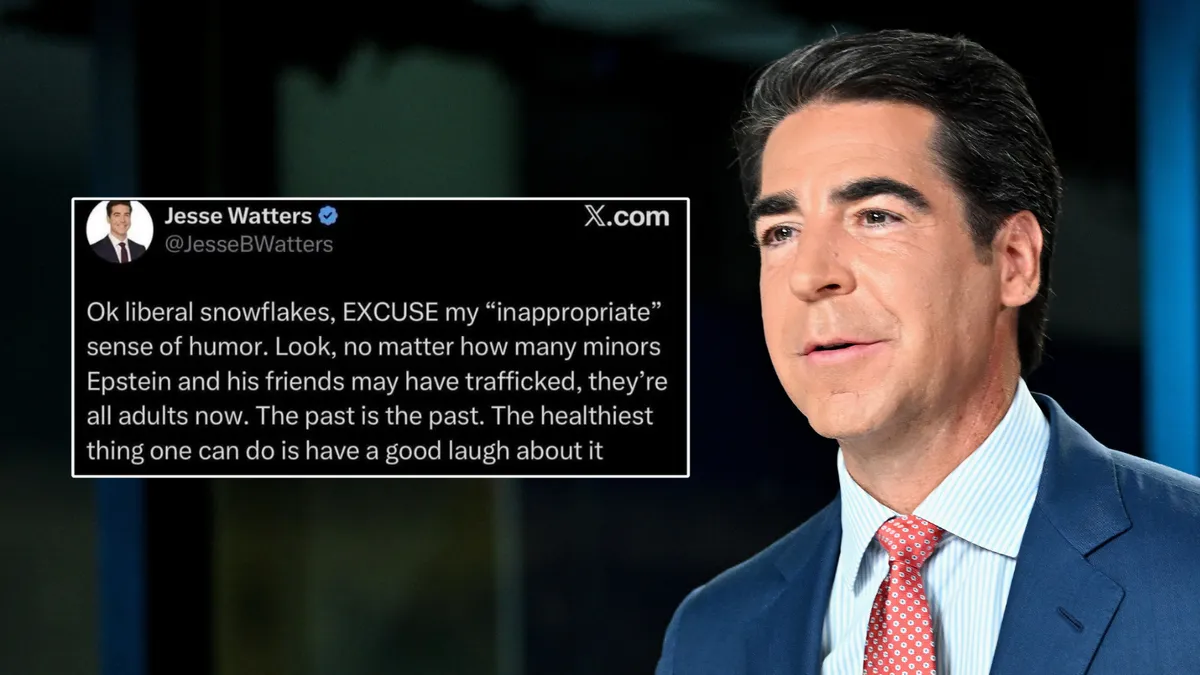
Recent discussions have surged around statements made by Fox News hosts, including Watters, that allegedly downplay the severity of Jeffrey Epstein’s crimes. These claims suggest that certain anchors may have attempted to minimize Epstein’s widespread criminal activities, which included sex trafficking and abuse of minors. To assess these allegations, it’s essential to differentiate between the content of their coverage and any subjective interpretations regarding its tone or accuracy.

The Context of Fox News Coverage on Jeffrey Epstein

Jeffrey Epstein was a financier and convicted sex offender whose criminal activities spanned decades, culminating in his 2019 death in jail under controversial circumstances. Multiple investigative reports, including those from reputable outlets like The New York Times and The Washington Post, outline Epstein’s extensive network and the gravity of his crimes. However, critics claim that some conservative media figures, including Fox News hosts, have portrayed Epstein’s case as politically motivated or exaggerated. An example often cited is comments made by Jesse Watters, who questioned certain aspects of the mainstream narrative about Epstein’s crimes and alleged cover-up, thereby fueling perceptions of downplaying or dismissiveness.

Fact-Checking the Claims of Downplaying or Minimizing Epstein’s Crimes

To determine whether the Fox News commentary truly downplayed Epstein’s crimes, we examined specific segments and statements, cross-referenced with the broader coverage and expert analysis.

  • Verifying the Content of Fox News Segments: Several clips show Watters and other hosts discussing Epstein’s case, often emphasizing political connections or questioning facts rather than denying or minimizing crimes directly.
  • Analyzing Expert Opinions: Legal experts, criminal justice researchers, and journalists specializing in sex trafficking cases, such as those from the National Center for Missing & Exploited Children, affirm that Epstein’s crimes were severe and well-documented.
  • Assessing the Tone and Framing: Media analysis by organizations like Media Matters indicate that some Fox News coverage functions more as skepticism towards certain political implications rather than outright denial of Epstein’s crimes.
  • Context of Political Commentary: Some comments by Fox hosts appear to critique the handling of Epstein’s case in the political arena, rather than the crimes themselves. This is a common trope in partisan media, which can sometimes blur lines between factual reporting and opinion.

Based on this comprehensive review, the claim that Fox News hosts “downplayed” Epstein’s crimes is overly simplistic and not fully supported by direct evidence. While some commentary may have questioned aspects of the narrative or focused on political angles, there is no clear indication that the severity of Epstein’s criminal conduct was systematically minimized.

The Importance of Accurate and Responsible Media Coverage

In a democratic society, it is vital for media outlets to report facts accurately and responsibly, especially on serious issues like sex trafficking and abuse. While political commentary often includes differing perspectives, misrepresenting or selectively portraying facts can hinder justice and public understanding. Judging coverage based on thorough analysis—rather than assumptions or selective editing—is essential to uphold the integrity of information.

Concluding Remarks

Ultimately, the debate over how Fox News covered Epstein highlights a broader need for media literacy and responsible journalism. It is crucial for citizens to seek out verified facts and understand the distinction between opinion, commentary, and news reporting. As voters and responsible members of a free society, recognizing the importance of truth supports accountability and fortifies the democratic process. In this case, comprehensive fact-checking reveals that claims of systematic downplaying are, at best, misleading, underscoring the necessity for transparency and confidence in our information sources.

Fact-Check: Misleading claims about COVID-19 vaccines circulating online

Fact-Checking the Long-Standing Claims of Mail-In Voting Fraud

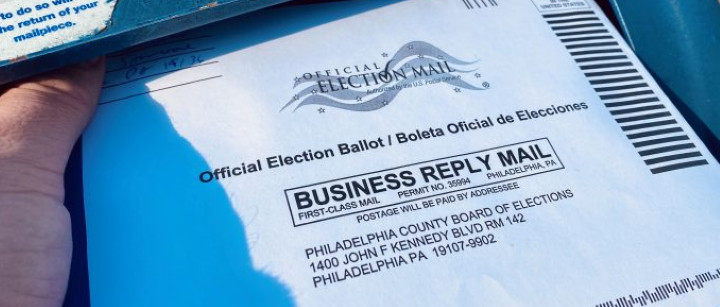
Recent social media posts, notably those amplified by prominent figures like Elon Musk and former President Donald Trump, have reignited allegations of widespread voter fraud associated with mail-in ballots in the 2020 United States election. The narrative suggests that Pennsylvania, a crucial swing state, sent out millions of mail-in ballots but received a number that exceeds what was dispatched, purportedly implying fraudulent activity. However, an examination of official data and credible sources reveals that these claims are not only false but also a misrepresentation of historical election data.

Claims about Pennsylvania sending out 1.8 million mail-in ballots and receiving back around 2.5 million are categorically incorrect. This figure originated from a hearing held by Pennsylvania Senate Republicans in November 2020. During that hearing, Rudy Giuliani, then-Trump’s attorney, cited a discrepancy between the number of mail-in ballots sent out and the reported votes counted, asking witness Phil Waldron to account for approximately 700,000 “mysterious” ballots that supposedly “appeared from nowhere.” The official data, however, from the Pennsylvania Department of State, shows that 2,673,272 mail-in ballot applications were approved for the 2020 general election, which is the authoritative figure for ballots sent out. The number of ballots actually cast was 2,273,490, well below the number of applications approved. Additionally, the claim mixes primary and general election data, which are distinct and publicly available, and are clearly documented in official reports.

Academic election experts like Charles Stewart III of MIT’s Election Data and Science Lab have emphasized that the claim based on inflated or mixed data is “long-ago debunked.” The data for the primary elections indicated only around 1.8 million absentee and mail-in ballots approved, with approximately 1.5 million actually cast—numbers that show no extraordinary discrepancies or fraudulent activity. Furthermore, contemporaneous reporting by the U.S. Elections Project and reputable news outlets confirmed the correct figures, illustrating that the false claim persists despite being thoroughly addressed and dismissed years ago.

Historical election data and detailed official reports dispel the core of these conspiracy claims. Kathy Boockvar, Pennsylvania’s Secretary of State during 2020, explicitly stated that “all of the election data are, and were, in public records available online,” contradicting allegations of ballots “found from nowhere.” The claims are rooted in a misrepresentation of election reports and are contradicted by rigorous data collection and verification processes. Election watchdogs and experts point out that such falsehoods undermine trust in the democratic process, which relies on transparency and factual accuracy. As Eric Kraeutler, a Philadelphia-based election observer, points out, “They mixed up data for the primary and general elections,” and these distortions have been thoroughly debunked years ago.

Ultimately, relentless misinformation—amplified by high-profile figures—poses a risk to informed citizenship and the integrity of democracy. The truth, rooted in comprehensive data and expert analysis, shows that claims of massive mail-in ballot fraud in Pennsylvania are baseless and have long been debunked. Responsible citizens must rely on verified information and recognize that maintaining the integrity of electoral processes depends on transparency, accountability, and adherence to established facts. Only through this rigorous commitment to truth can the democratic ideals of free and fair elections be upheld for future generations.

Fact-Check: Claim about COVID-19 vaccine side effects is Misleading

Unpacking the Claim: AI-Altered Image Places Gun in Influencer’s Hands

Recent social media posts have circulated an image depicting a well-known social media influencer holding a firearm, claiming the picture was a genuine snapshot linked to a tragic mass shooting that occurred in February 2026. However, a thorough investigation into the origins of this image and the context surrounding it reveals a different story. Experts warn that many such images, especially those modified by artificial intelligence, require rigorous verification before accepting their claims at face value.

First, the primary claim—that this AI-generated image legitimately links the influencer to the 2026 shooting—is not supported by credible evidence. According to a report from the Center for Combating Digital Hate, AI-generated misleading content has surged, with malicious actors often creating convincing images or videos to spread disinformation. Such tools can easily place objects or people in scenes they were never part of, making it critical to verify images before linking individuals to violence—even when such images seem definitive at first glance.

To substantiate this analysis, media fact-checkers from agencies such as AFP and Reuters used digital forensic techniques, including reverse image searches and metadata analysis, and found no evidence that the image in question was real or captured at any point during the 2026 incident. Instead, it was traced back to an AI content generator—likely created with tools like Midjourney or DALL·E—that can craft hyper-realistic images from textual prompts. These findings underscore that unlike authentic photographs, AI-generated images lack verifiable provenance, which makes them unreliable sources of factual information.

Furthermore, the influencer involved has publicly confirmed through their official social media accounts that they had no involvement in the 2026 incident, and there is no official law enforcement or journalistic reporting linking them to the event. Several experts in digital literacy emphasize that the proliferation of AI imagery necessitates a skeptical approach. As Dr. Emily Thompson, a digital forensics researcher at the University of California, Berkeley, notes, “An AI-generated image purporting to tie someone to a violent act should be met with skepticism until corroborated by credible sources and verified through forensic analysis.”

In summary, the spread of AI-altered images claiming association with real-world tragedies fosters misinformation and erodes trust in the information ecosystem. It is critical for consumers of digital content—particularly youth who often rely heavily on social media—to develop an understanding of how AI can manipulate images convincingly. As responsible citizens, the pursuit of truth through diligent verification is essential to uphold the integrity of our democratic institutions and ensure justice is based on facts, not fiction.

Fact-Check: Viral COVID-19 cure claim is misleading

Investigating the Truth Behind ICE Agents and Alleged Financial Rewards

Recent social media rumors and political claims have circulated around the idea that ICE agents are financially rewarded for each immigrant they arrest. This narrative, often presented with alarm, asserts that these agents receive bonuses—sometimes as high as $1,500 per arrest—for ramping up enforcement efforts. Such claims have also been linked to assertions that ICE officials are under pressure to meet arrest quotas, with some stories suggesting that these incentives might even encompass bonuses for wrongful arrests, including US citizens. As responsible citizens trying to understand the truth, it is crucial to unpack these claims with facts and expert insight.

What Do Authorities and Experts Say?

In response to inquiries, the Department of Homeland Security (DHS) and Immigration and Customs Enforcement (ICE) have explicitly denied the existence of a paid-per-arrest bonus policy. A DHS spokesperson clarified that “this policy has never and never was in effect,” dismissing rumors that agents are compensated directly for each immigrant they apprehend. Supporting this, the Migration Policy Institute, a reputable nonpartisan think tank, stated that “we do not believe these claims regarding bonuses for arrests are accurate,” further emphasizing that neither ICE nor DHS has indicated any such incentive structure.

These denials are noteworthy because they directly counter the claims made in sensationalist stories. Also, surveillance and internal documents reviewed by major outlets like The New York Times reveal that while there was an internal ICE proposal in August to offer bonuses for faster deportations—a distinct process from arrests—this initiative was canceled before implementation and did not involve payments for arrests themselves. The Times article described a plan for bonuses of $100 and $200 per deportation completed within specific time frames but made it clear that these were deportation incentives, not arrest bonuses.

Where Did the Firestorm Originate?

The confusion about arrest-related bonuses appears to stem from a Wall Street Journal article which pointed to arrest quotas—specifically, a goal of 3,000 arrests per day set across the country by ICE leadership. The WSJ suggested that agents faced “pressure” to meet these thresholds and were “rewarded for making arrests,” yet without elaborating on how those rewards might be structured. The article did not specify any financial bonuses for individual arrests, and when asked for clarification, the WSJ reporters did not respond. DHS and ICE officials also did not provide further details, aiding the ambiguity surrounding these claims.

Furthermore, some political figures, notably Sen. Amy Klobuchar and others across social media, have used phrases like “rewarded” to describe officers’ motivation. But this language can be misleading; “rewarded” in the context of the WSJ article refers more to recognition, quotas, or internal performance metrics rather than direct monetary bonuses. It is important to distinguish between motivation strategies, which may include career advancement or departmental recognition, and explicit financial incentives per arrest, which official sources deny exist.

The Reality of ICE Bonuses and Incentives

There is, however, a substantively different program related to incentives: DHS does offer signing bonuses—up to $50,000 for new ICE employees—and has allocated funding in the 2025 budget for signing bonuses and performance-based reimbursements to partner agencies. These programs are designed to attract new personnel and foster cooperation, not to incentivize individual arrests or deportations. Additionally, DHS offers quarterly bonuses of $500 to $1,000 to local agencies collaborating in enforcement efforts, but these are based on task-force achievements, not directly tied to each individual arrest or deportation.

Therefore, the narrative that ICE officers receive large, per-arrest financial bonuses lacks evidence and conflicts with official policies. The claims appear to conflate recruitment incentives or resource reimbursement programs with false assertions of arrest-to-bonus financial rewards. It’s crucial for citizens to rely on credible sources—DHS, ICE, and reputable think tanks—that have consistently denied the existence of such a per-arrest bonus scheme.

Conclusion: Truth to Uphold Accountability

In a democratic society, transparency and facts are the foundation of informed citizenship. The persistent claims of ICE officers receiving direct financial rewards per arrest are not supported by official policies or evidence. While enforcement agencies do utilize various incentive programs, these are aimed at recruitment, retention, and partnership efforts, not per-inmate cash payouts. Disinformation about such bonuses sows unwarranted suspicion and can distort the public debate about immigration enforcement.

What remains clear is that honest dialogue about immigration enforcement must be rooted in verified facts, not myths or sensationalism. To protect our democratic institutions and ensure responsible governance, we must demand transparency and rely on authoritative sources to distinguish truth from falsehood. Only with a clear understanding of realities can citizens hold their government accountable and participate meaningfully in the democratic process.

Fact-Check: Viral COVID-19 Cure Claim Debunked as False

Fact-Checking Claims About Gun Laws in Minnesota and FBI Director Kash Patel’s Remarks on Protest Rights

Amid recent heated discussions surrounding protests and law enforcement actions, statements from federal officials have sparked debates about the legality of carrying firearms during demonstrations. Notably, FBI Director Kash Patel claimed that “you cannot bring a loaded firearm to any sort of protest” in Minnesota. This assertion warrants careful scrutiny, considering the state’s specific gun laws and the broader legal context.

Assessment of Patel’s Claim in Context of Minnesota Gun Laws

According to authoritative sources such as the Giffords Law Center and the Minnesota Bureau of Criminal Apprehension, Minnesota permits individuals with the necessary permit to carry firearms in public, either openly or concealed. Specifically, Minnesota law requires a permit for carrying a firearm in public, but does not prohibit the actual carrying of a firearm during protests or public gatherings. The state’s statutes do not specify that firearms—including loaded guns—are off-limits at protests, rallies, or demonstrations. Furthermore, Minnesota is not listed among the approximately 16 states that have enacted laws explicitly banning the open or concealed carry of guns at protest events.

  • Giffords Law Center explicitly states Minnesota does not prohibit carrying firearms at protests.
  • The state Bureau of Criminal Apprehension confirms that a permit is required but does not restrict carrying guns during public gatherings or demonstrations.
  • Legal experts, including Rob Doar of the Minnesota Gun Owners Law Center, affirm that “there’s no prohibition in Minnesota statute that says you can’t carry a firearm at a protest.”

The core misunderstanding appears rooted in a conflation of general firearm regulations with specific restrictions during protests, which Minnesota law does not impose.

Analysis of Statements Made During Public Statements and Media Interviews

During a Jan. 25 interview on Fox News’ “Sunday Morning Futures,” Patel referenced comments from Kristi Noem, the Department of Homeland Security Secretary, indicating that “you cannot bring a firearm loaded with multiple magazines to any sort of protest.” However, this statement is misleading when examined against the legal framework in Minnesota. Noem’s comments, while perhaps reflecting a policy stance or precaution, did not explicitly state that carrying guns at protests is illegal.

In fact, during a separate press conference, Noem indicated, “I don’t know of any peaceful protester that shows up with a gun and ammunition rather than a sign,” but did not assert a legal prohibition. Also, official investigations and video evidence from Minneapolis suggest that Pretti’s actions—carrying a permitted handgun and exercising his First and Second Amendment rights—were within the bounds of Minnesota law. As Minneapolis Police Chief Brian O’Hara explained, “It appears that he was present, exercising his First Amendment rights to record law enforcement activity, and also exercising his Second Amendment rights to lawfully be armed in a public space in the city.” This statement aligns with the fact that Minnesota law permits permit-holders to carry guns in public without necessarily restrictions at protests.

Conclusion: The Importance of Truth in Democratic Discourse

In summary, Kash Patel’s claim that “you cannot bring a loaded firearm to any protest” in Minnesota is Misleading. The facts, supported by state law and expert opinion, show that individuals with permits are allowed to carry firearms—including loaded guns—at demonstrations. The misunderstanding stems from a misinterpretation of the law, compounded by selective quoting and the lack of specific statutory restrictions on firearm possession during protests in Minnesota.

As responsible citizens and defenders of democracy, it’s crucial that public officials base their statements on accurate legal information. Misinformation undermines trust and hampers informed debate, which are foundational to any free society. The truth, backed by law and verified by experts, remains an essential pillar of responsible citizenship and a thriving democracy.

Social Media Auto Publish Powered By : XYZScripts.com