Matox News

Truth Over Trends, always!

ProPublica Staff Strike Over AI, Layoffs, and Pay—Youth in Tech Push Back

ProPublica Union’s Digital Strike Sparks Debate on AI and Workplace Protections

In a bold move that underscores the seismic shifts underway in the media industry, ProPublica‘s unionized staff has announced a 24-hour strike, demanding greater oversight and transparency regarding the use of generative AI. The approximately 150-member ProPublica Guild, which unionized in 2023, is calling for protections around AI deployment, layoffs, and employee rights—signaling a broader industry reckoning with the disruptive power of artificial intelligence. As this vanguard of digital journalism stands at the frontline of technological evolution, their protests highlight an urgent need for innovation that balances automation advancements with workers’ rights.

The core issue fueling this labor unrest centers on the recent introduction of ProPublica’s AI policy. Members allege the policy was implemented unilaterally, without sufficient consultation or transparency, particularly concerning how AI tools will influence newsroom processes and storytelling. This mirrors a larger industry trend: at institutions like The New York Times, AI has been leveraged to parse complex documents, aiding investigative journalism, while other outlets like Fortune have automated content creation—churning out hundreds of stories through AI algorithms. These examples exemplify how AI is rewriting the foundational landscape of media production, creating a clash between technological innovation and ethical labor practices.

Analysts such as Gartner and industry insider voices emphasize that this era of AI-driven automation demands robust governance frameworks and disclosure standards. The industry is witnessing a trend where AI tools can significantly boost productivity, but at the potential expense of transparency and job security—so much so that unions are now frequently negotiating AI language directly into employment contracts for the first time. The union’s stance advocates for

  • Protection against layoffs due to AI redundancy
  • Inclusion of workers in decision-making processes involving AI deployment
  • Mandatory public disclosures when AI is used to generate content

These demands reflect a broader industry imperative: to harness AI for disruption and innovation without sacrificing the core values of journalism or jeopardizing employment.

The business implications of this debate are profound. Tech giants and media companies alike face a dual challenge: fueling innovation with AI while managing social and labor concerns. As Elon Musk and Peter Thiel have warned, unchecked AI deployment risks not only ethical compromises but also operational instability, potentially undermining investor confidence and public trust. The current protest at ProPublica indicates a pivotal inflection point. If companies continue to push AI integration without establishing transparent, worker-inclusive policies, they risk alienating their most valuable asset—human talent—and incurring reputational damage. Conversely, firms that proactively develop clear standards and foster accountability may set new industry benchmarks—disrupting traditional media models and establishing themselves as ethically responsible innovators.

Looking ahead, the conflict at ProPublica illustrates the urgent need for an industry-wide shift. As AI continues its rapid evolution, stakeholders—including media outlets, tech developers, and regulatory bodies—must collaboratively forge pathways that prioritize fairness, transparency, and technological advancement. The pressure firms face to adapt quickly is only intensifying; those who fail to do so risk falling behind in a landscape where innovation is the key to survival. The stakes are high: the next decade will determine how AI reshapes journalism, employment, and the societal trust in digital media. As the industry stands on this precipice, one thing is clear—embracing innovation must go hand-in-hand with ethical responsibility, or risk being left behind in a rapidly changing technological frontier.

Xiaomi 17 Ultra: Next-Level Features Make Photography Exciting for Young Creators

Xiaomi 17 Ultra: Redefining Smartphone Innovation and Disruption

The global launch of the Xiaomi 17 Ultra marks a pivotal moment in mobile technology, exemplifying how disruption of traditional smartphone design and hardware standards can influence the industry’s trajectory. This device prominently features a substantial camera bump, housing an advanced sensor suite developed in partnership with Leica, signaling an industry-wide shift toward professional-grade photography integrated directly into flagship smartphones. Such innovation not only elevates user experience but also has profound business implications—challenging camera-dedicated device markets while setting new standards for integrated imaging solutions.

Beyond its pioneering camera design, the Xiaomi 17 Ultra is packed with top-tier hardware, including Qualcomm’s latest Snapdragon 8 Gen 5 processor, a 6.9-inch AMOLED display with a peak brightness of 3,500 nits, and a robust 6,000 mAh battery capable of lasting days under moderate use. These specifications underline Xiaomi’s commitment to maintaining disruption in performance metrics—in a market where power and display quality are often decisive factors—catapulting the device beyond mere imaging capabilities to a comprehensive flagship experience. Notably, the device supports fast charging with 90W wired power, enabling rapid recharges that synchronize with the consumer’s fast-paced lifestyle, a clear response to trend-shifting expectations for instant connectivity and minimal downtime.

Disruptive Innovation in Mobile Photography and Industry Implications

The Xiaomi 17 Ultra’s camera system epitomizes industry innovation, deploying a 50-megapixel ultrawide lens with macro capabilities, complemented by a cutting-edge ring for professional camera filters. Its imaging package extends further with a dedicated shutter button, customizable exposure controls, and a specialized “fastshot” mode available in both Kit Pro configurations, targeting better street and candid photography. This integrated professional-grade kit effectively disrupts conventional perceptions that such power can only be achieved through bulky, dedicated camera equipment, pushing hardware and software convergence to new levels. The disruption isn’t just aesthetic; it has direct business impacts, compelling competitors like Vivo and Oppo to innovate along similar lines, as Xiaomi’s early market entry and premium positioning could reset consumer expectations and industry standards for flagship phones.

  • Leica’s partnership elevates Xiaomi’s photography credentials, fostering a premium brand association
  • High-end features with a price starting at €1,499 showcase a premium disruptive approach targeting tech enthusiasts and professionals
  • The accompanying Photography Kit Pro expands the device’s hardware ecosystem, emphasizing the business shift toward modular, customizable photo solutions
  • Emerging market competition remains fierce; flagship phones from competitors will need to match or surpass Xiaomi’s integrated professional tools

Market analysts from Gartner and MIT’s Media Lab have underscored that such innovation doesn’t just elevate Xiaomi’s portfolio but signals a larger industry trend towards converging professional camera tech into everyday devices. This creates a ripple effect—prompting traditional camera manufacturers to innovate or risk obsolescence, while smartphone producers race to embed more sophisticated sensors and functionalities.

Looking forward, the Xiaomi 17 Ultra’s aggressive push into professional-grade mobile photography demonstrates that the industry is entering an era where disruptive innovation isn’t just about raw hardware specs but about redefining how consumers engage with mobile and imaging technology. With upcoming competitors like the Vivo X300 Ultra and the Oppo Find X9 preparing their own photography-centered flagships, Xiaomi’s early momentum might position it as a benchmark for the next-gen smartphone. Yet, the industry’s pace indicates that urgency is essential—disruption is relentless, and the future belongs to those who innovate faster and smarter.

AI influencer awards season kicks off—who’s leading the future?

Changing the Game: AI Influencers Take Center Stage in Digital Economy

The emergence of the AI influencer economy has transitioned from a niche curiosity to a disruptive force reshaping the digital landscape. Recently, the industry has announced its latest milestone: the inaugural AI Personality of the Year contest, created through a strategic alliance between OpenArt, a leading generative AI studio, and the innovative Fanvue platform. Backed by AI voice pioneer ElevenLabs, this competition symbolizes a significant evolution—highlighting how disruption in virtual influence is now mainstream.

The contest aims to recognize the creative talent behind AI-driven personas, emphasizing the commercial and cultural influence these virtual characters now wield. With a total prize pool of $20,000, contestants are competing across categories like fitness, lifestyle, comedy, and even fictional fantasy personalities. The organizers are positioning the event as the “‘Oscars’ for AI personalities,” signaling the industry’s blowout push into mainstream recognition and prestige. Such initiatives are indicative of a broader trend: AI influencers are transforming from quirky experimental projects into valuable assets that can redefine branding, advertising, and entertainment industries at their core.

This development raises crucial business implications. Tech giants and startups alike are investing heavily in AI-powered virtual personas that not only generate revenue but also deepen consumer engagement. The growing reliance on AI influencers introduces new dynamics in marketing, allowing brands to target highly curated virtual ambassadors who can operate 24/7, adapt in real-time, and foster authentic-seeming connections. However, this also raises critical issues concerning transparency and accountability. Despite the contest’s claim to celebrate creativity anonymously, critics warn of potential misuse. The space already faces challenges from false personas and fabricated stories—examples include the controversial AI rapper Danny Bones and MAGA-aligned AI characters, which undermine trust in digital content and pose ethical quandaries about authenticity in a synthetic age.

Industry Disruption and Future Outlook

As industry analysts from Gartner and MIT observe, the rapid evolution of AI-driven personas signals a paradigm shift in digital entertainment, marketing, and even political influence. The ability to craft believable, engaging virtual characters at scale unlocks unprecedented opportunities, but also calls for stricter regulation and industry standards. The fact that creators can remain anonymous may seem like a protective measure but complicates accountability when AI personas are exploited for grifts or manipulative agendas.

Looking ahead, the implications are clear: the virtual influence economy is only in its infancy. Key players like OpenArt and Fanvue are establishing infrastructure that could dominate the next wave of digital engagement—one where AI personalities become central to branding, entertainment, and even political campaigns. The deployment of such technology by major corporations and entrepreneurs signals a future where virtual personas are not just supplementary but essential components of the business ecosystem. As the industry accelerates, those who harness AI’s disruptive potential with innovation and strategic foresight will lead the charge into a new digital frontier—one where authenticity is redefined in the age of synthetic competitors.

Adobe Animate shutters next month—what’s next for creators?

Adobe Ends Era of Animate: Industry Faces Major Disruption

In a move signaling significant shifts within the digital content creation landscape, Adobe has officially announced the discontinuation of Adobe Animate. As detailed on the company’s FAQ, the animation software will cease sales from March 1, 2024, with users retaining access to existing files until March 1, 2027 (or 2029 for enterprise). This decision underscores Adobe’s strategic pivot away from legacy platforms that, while historically pivotal, no longer align with the company’s vision for a future driven by disruptive, emerging technologies.

Founded on the pioneering vector animation platform originally launched in 1996 by FutureWave Software, Animate’s evolution reflects the broader shift in web and media design. From its roots as FutureSplash Animator, through acquisition by Macromedia and later Adobe, the platform became a cornerstone for artists, indie creators, and industry powerhouses. Yet, with the decline of Flash technology and the rise of cloud-based, AI-driven creative solutions, Adobe’s move appears aligned with a broader industry trend: disruption is redefining the core tools of digital storytelling.

Innovation and Market Shifts Are Reshaping Content Creation

As Adobe transitions away from Animate, many visionaries in the industry are voicing concern over the repercussions. Creators behind influential short-form animated series like Chikn Nuggit emphasize that Animate remains vital to their workflows. Likewise, David Firth, creator of the cult classic Salad Fingers, notes that he continues to rely on Animate. From high-budget TV productions to indies, thousands of professionals and hobbyists argue that Adobe’s decision could hinder creative innovation and stall ongoing projects.

  • Animation studios depend on Animate’s unique vector tools for production efficiency.
  • Many legacy assets are incompatible with newer software, risking the loss of invaluable media assets.
  • The industry’s shift to AI-enhanced tools like Adobe After Effects and emerging platforms signals a transformative era in digital content creation.

Market analysts highlight that this upheaval presents a critical inflection point. As Gartner and MIT researchers observe, disruption fueled by artificial intelligence, cloud computing, and blockchain is accelerating industry consolidation. Major players like Google, Apple, and Microsoft are poised to capitalize on this transition, leveraging innovative platforms to redefine content creation pipelines, interactive media, and virtual production. Consequently, smaller studios and independent creators face mounting pressure to adopt new tools that can outpace legacy systems in speed, versatility, and integration.

Looking Forward: Industry on the Brink of Fundamental Transformation

The discontinuation of Adobe Animate does not merely mark the end of a software but signals a broader industry renaissance—one rooted in disruption, innovation, and the relentless pursuit of more integrated and intelligent creative workflows. As companies accelerate investment in AI-assisted animation, real-time rendering, and immersive media, those who adapt quickly will secure competitive advantages in the fast-evolving digital economy. The question remains: will legacy tools and traditional paradigms survive this upheaval, or will they give way to a new generation of disruptive technologies that reshape the nature of digital storytelling forever?

For industry leaders and emerging creators alike, the message is clear: embrace innovation now or risk obsolescence. The future belongs to those who can leverage emerging technologies — and the time to act is now. The disruption unfolding around Adobe’s Animate reflects a broader movement towards a new era of digital creativity, where agility, innovation, and strategic foresight will determine the winners in the next chapter of media evolution.

Asus ProArt P16: The Fastest Windows Laptop for Young Creators

ProArt Creator Hub: A New Benchmark in High-Performance Laptops

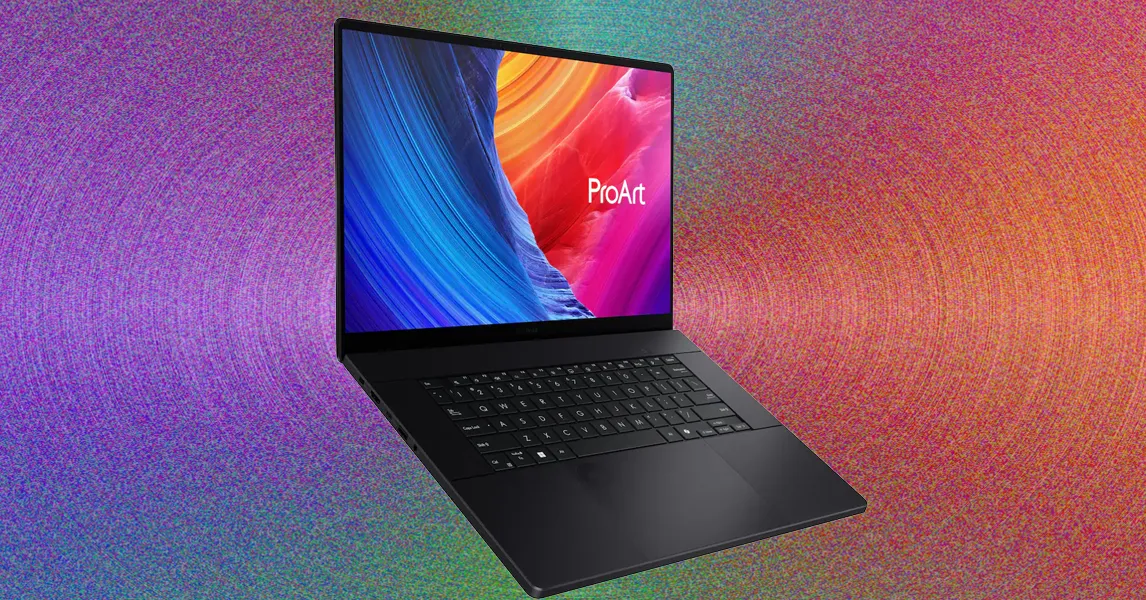
Tech giant Asus has unveiled the latest in their premium lineup with the ProArt 16, a laptop that pushes the boundaries of innovation in creative computing. Engineered for digital creators, designers, and tech enthusiasts seeking unrivaled performance, this machine signals a disruptive shift in how portable workstations are designed and utilized. Packed with advanced features such as a multifunctional dial, preloaded software suites, and a robust AI integration, the ProArt 16 embodies the cutting edge of technology that aims to redefine productivity standards.

The centerpiece of its innovation lies in the hardware’s connective tissue: a seamlessly integrated control dial supporting functions like zoom, frame adjustments, and system tweaks—capabilities traditionally bound to larger editing setups. When paired with the ProArt Creator Hub software, users gain extensive customization, aligning hardware controls with bespoke workflows. This is reminiscent of the disruption seen in earlier industry shifts—think Apple’s introduction of the M1 chip—yet here, the focus squarely targets creative industries. The system’s preloaded software, including Nvidia Studio Suite, Asus StoryCube, and Asus MuseTree, not only enhances productivity but also maintains an ecosystem that fosters innovation without bottlenecks.

While the hardware underlying this device offers top-tier performance—bolstered further by discrete GPUs and advanced processing—it’s the business implications that truly stand out. Industry analysts from Gartner highlight that disruptive hardware like the ProArt 16 is poised to shift the competitive landscape among high-end workstations. Its integration of AI tools through Microsoft’s Copilot+ demonstrates a strategic move toward an AI-augmented creative process, accelerating workflows and enabling productivity gains that could upend traditional creative industries. However, the high price tag of around $3,500—placing it among premium systems such as the Apple MacBook Pro M4—may limit accessibility, but it underscores a fundamental market shift towards a new class of compute-intensive, portable devices.

It’s clear from industry perspectives and expert reviews that the ProArt 16 is more than just a high-performance machine; it embodies a vision of a future where innovation in hardware directly correlates with business disruption. As Peter Thiel has noted, “The next major technological wave will be driven by hardware that bridges the gap between traditional computing and AI integration.” The strategic positioning of Asus, targeting creative professionals with this device, signals a potential upheaval in how organizations view productivity tools—favoring powerful, customizable, AI-enabled platforms that serve as complete creative hubs. With the current pace of technological evolution, waiting to adopt such innovations could mean falling behind in a fiercely competitive market, making it all the more urgent to monitor how these flagship devices influence industry standards in the coming years.

Canva rolls out new AI tools and its own design model, empowering creators and boosting creativity

Canva Unveils Revolutionary AI-Powered Design Platform, Signaling Industry Disruption

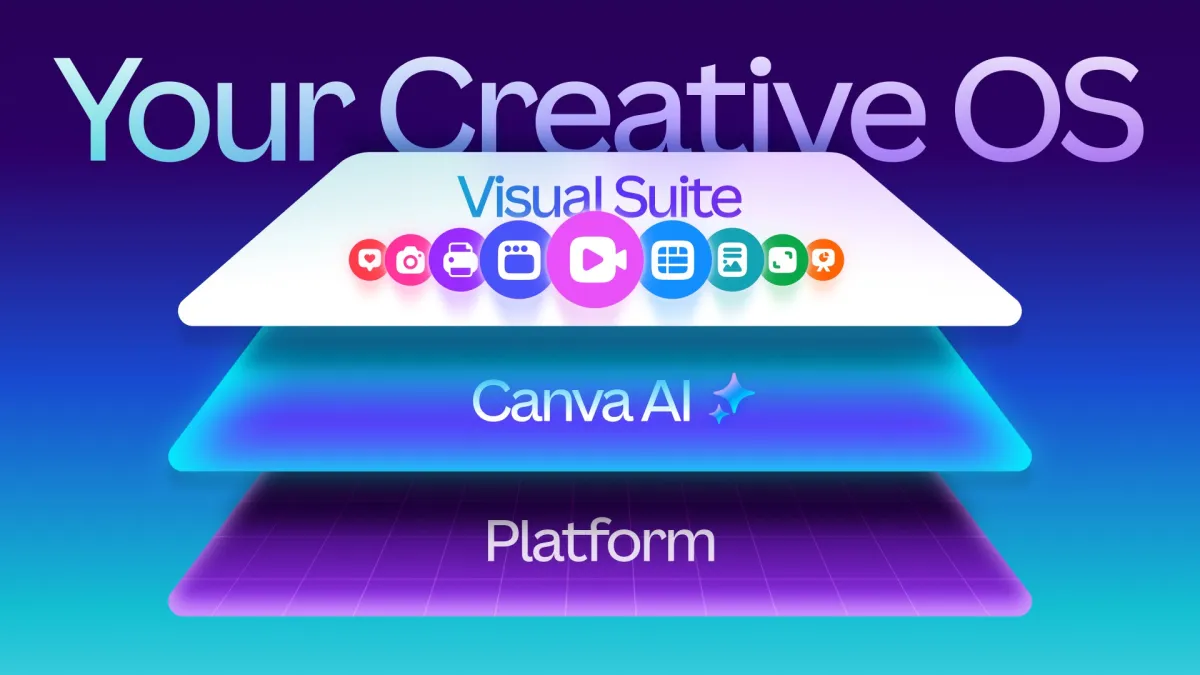
In a bold move that underscores the rapid acceleration of AI-driven innovation in creative software, Canva announced the launch of its own state-of-the-art foundational AI model on Thursday. Moving beyond the era of simple diffusion-based image generation, Canva’s new model delivers **multi-layer, editable designs**—a game-changer for visual content creation. This strategic development exemplifies how tech disruptors are challenging legacy giants like Adobe and Figma, positioning Canva as a serious contender in the $40 billion creative SaaS industry.

The new model, trained on Canva’s extensive element library, enables users to generate versatile, multi-format designs—from social media posts to full-fledged websites—with the ability to manipulate individual layers and objects. “Where traditional diffusion models produce flat images, ours offers **editable, dynamic compositions**, elevating the user’s ability to iterate seamlessly,” explained Robert Kawalsky, Canva’s global head of product. This evolution aligns with industry analysts’ predictions (Gartner, 2023) that future creative tools will prioritize flexibility and user control, disrupting existing workflows and fostering innovation at an unprecedented pace.

Infusing AI Into the Creative Ecosystem: Business Implications & Future Trends

Canva’s integration of AI further extends into interactive features, such as real-time media suggestions, 3D object generation, and design style replication—saving time and reducing skill barriers for users. The platform’s bond with its recent acquisition, Affinity —a professional-grade design suite—illustrates a clear strategy to bridge casual content creation with high-end professional tools, effectively challenging Adobe’s dominance. Canva’s decision to make Affinity free permanently not only enhances value but signals a disruptive shift in the software licensing paradigm, encouraging broad adoption of high-fidelity, non-destructive editing capabilities.

Additional updates bolster Canva’s position as an integrated ecosystem. The introduction of form creation substitutes *Google Forms* for client input, alongside branded email templates designed with AI assistance, deepening the platform’s value for digital marketing. As MIT’s recent study suggests, such multi-functional platforms are steering the industry toward **ecosystem dominance**, where seamless interoperability between tools becomes essential for staying ahead.

  • Innovative features include AI-generated 3D objects and style-mimicry, advancing visual storytelling capabilities.
  • The tight integration of Affinity with Canva’s interface unifies vector, pixel, and layout considerations under one roof—streamlining designer workflows.
  • The ability to transfer objects between tools and leverage AI within Affinity sets a new standard for professional creative suites, blurring the line between amateur and professional design.

Looking Ahead: A Racedur for Market Leaders & Startups Alike

This advancement reaffirms the narrative that **disruption is not merely about innovation but strategic repositioning**, with Canva challenging entrenched industry incumbents through AI democratization and ecosystem expansion. As Elon Musk’s Neuralink and Peter Thiel’s Palantir have demonstrated, early adoption of scalable, AI-driven platforms can redefine market power and influence. Gartner forecasts that by 2026, over 70% of digital content will be AI-enhanced, emphasizing the urgent need for industry players to innovate or face obsolescence.

In a landscape where rapid technological shifts are defining winners from the rest, Canva’s convergence of AI, professional-grade tools, and ecosystem integration signals a clear message: the future belongs to those who can harness disruption as a strategic advantage. Companies and creators alike must adapt swiftly, as the next wave of radical innovation is set to reshape how visual content is designed, understood, and monetized—making it imperative for industry stakeholders to stay alert, agile, and prepared for the inescapable march of AI-driven transformation.

Kawara Takes the Lead: Automates YouTube Content Into Trendy Newsletter Drafts for the Next-Gen Creators (TrendHunter.com)

In the fast-paced realm of digital culture, Kawara has emerged as a game-changer, capturing the imagination of young creators and influencers alike. Originally designed as a content automation tool that seamlessly turns YouTube videos into newsletter drafts within seconds, Kawara embodies the spirit of efficiency that today’s digital generation craves. Its innovative approach to repurposing content not only streamlines the creator’s workflow but also signals a shift in how information and entertainment are distributed and consumed in modern society.

This platform’s cultural impact extends beyond merely saving time. It symbolizes a new era of digital literacy and personal branding. Influencers like MrBeast and YouTubers across niches have shown that strategic content repurposing is essential for growing audiences. Now, with Kawara, the ability to instantly transform a viral clip into a newsletter or promotional material democratizes content creation, allowing a broader diversity of voices to enter the conversation. Sociologists and trend analysts highlight that this shift is part of a larger trend toward immediate, scalable engagement, emphasizing speed and authenticity over polished, high-cost productions.

Moreover, Kawara is fueling a social relevance for a generation that values authenticity and accessibility. As younger audiences seek content that feels personal and relatable, the platform equips creators with the tools to maintain a consistent presence without sacrificing their unique voice.

  • It encourages a more personalized marketing strategy, connecting influencers directly with fans.
  • It fosters a culture of rapid adaptation and ongoing content evolution.
  • It reinforces the importance of multi-platform storytelling, making it easier for creators to diversify their reach.

Analysts like Dr. Lisa Johnson suggest that Kawara and similar tools might be the seeds of an even broader shift—a future where content is less about creation and more about curation, and where the mastery of quick adaptation could determine the next social trend.

Despite the excitement, the rise of Kawara raises an intriguing question: What does this mean for traditional content creators and the future of original media? As the line blurs between curated and original content, we are left pondering whether the essence of creativity is evolving from raw originality to an art of efficient remixing. This transformation could potentially lead to a society where the value placed on authentic originality is challenged by the ability to quickly repackage existing content—shifting cultural norms about what constitutes meaningful contribution in an increasingly digital world. As youth continue to adopt these tools, one has to wonder: is Kawara merely a stepping stone toward a new digital ethos, or does it signal the beginning of an entirely different paradigm of content authenticity and social influence?

OpenAI gears up to launch game-changing generative music tool for young creators

OpenAI’s Latest Innovation: AI-Generated Music Signals a New Era of Creative Disruption

Leading AI pioneer OpenAI is reportedly developing a groundbreaking tool capable of generating music from text and audio prompts, a move that could redefine the boundaries of creative content production. According to a report by The Information, this technology aims to facilitate seamless integration of AI-driven music into videos, personalized entertainment, and even interactive applications. Such innovation exemplifies the escalating trend of disruption within the digital content industry, threatening traditional pathways of music composition and licensing.

The proposed tool could radically enhance how content creators, from amateur vloggers to major streaming platforms, source and produce music. By enabling generation of original soundtracks tailored to specific scenes or emotional tones, OpenAI is shaping a future where AI becomes an integral partner in creative workflows. Moreover, the collaboration with students from the Juilliard School to annotate musical scores indicates a strategic investment in high-quality training data, underscoring the company’s commitment to elevating the sophistication of AI-generated compositions. These advancements signal a shift toward democratizing music production, potentially lowering barriers for aspiring artists and redefining the economic landscape for musicians and record labels alike.

Business Implications and Competitive Landscape

This development positions OpenAI as a formidable disruptor in the burgeoning field of generative music, a market already populated by players like Google and Suno. While OpenAI’s prior models concentrated on text and speech synthesis, the new focus on music marks a strategic expansion into a lucrative segment worth billions globally. Industry analysts from firms like Gartner emphasize that advancements in AI-powered audio are poised to revolutionize personalized entertainment, advertising, and even live performances, where AI can generate real-time accompaniments or remix tracks on the fly.

However, the market also faces significant challenges. Intellectual property rights, ethical considerations, and the potential for market saturation pose hurdles that could impact the adoption and commercialization of these tools. Still, the innovation underscores a broader industry trend: as AI technology matures, companies capable of combining creativity with computational power will dominate future markets. The capability to instantly craft custom compositions gives businesses a strategic edge, accelerating their ability to adapt to shifting consumer preferences and content consumption habits.

The Future of AI-Generated Music and Industry Outlook

Looking ahead, industry insiders and technologists warn that the pace of AI innovation is only accelerating. As Elon Musk and Peter Thiel have repeatedly emphasized, *”disruption is inevitable”*, urging stakeholders to prepare for a near future where AI-generated content becomes ubiquitous. OpenAI’s push into music signifies more than just a new feature; it heralds a paradigm shift in what is possible within entertainment, advertising, and gaming sectors. The race to dominate this next frontier is already underway, with societal, legal, and technological implications that demand urgent attention.

The momentum behind generative AI indicates that we are on the cusp of a transformation that will challenge existing structures and unlock unprecedented creative possibilities. Businesses, creators, and investors who recognize these trends early will be best positioned to leverage the full potential of AI-driven innovation. As AI continues to evolve, staying ahead of the curve will be vital—those who act now may shape the very fabric of tomorrow’s digital economy.

Instagram and Facebook flout EU’s illegal content laws—youth-led digital freedom on the line

EU Regulatory Crackdown Challenges Tech Giants’ Dominion

The European Union’s latest move signals a significant shift in how global regulatory frameworks are poised to reshape the technology landscape. Both unnamed leading platforms are facing stiff fines of up to six percent of their annual worldwide revenue, a stark wake-up call for industry giants accustomed to operating with minimal oversight. As these firms mull over the potential to challenge the EU’s findings or enact preemptive measures, the stakes could redefine how platforms innovate and compete on the global stage. This regulatory pressure underscores a broader trend: regulation as a disruptive force in establishing new norms for digital governance.

The core concern centers on the platforms’ potential abuse of market dominance and anti-competitive practices—allegations that, if proven, could fundamentally alter the digital ecosystem. Industry analysts from Gartner and MIT suggest that such enforcement actions serve as a crucial inflection point, compelling companies to accelerate compliance initiatives and rethink their strategic agility. For example, these companies might need to implement more transparent algorithms, enhance user data protections, or modify their business models to meet stringent EU standards. The possibility of hefty fines—calculated as a percentage of revenue—adds an economic deterrent, pushing firms toward a new era of regulatory-driven innovation.

This tightening regulatory landscape arrives amid a wave of global calls for increased platform accountability. However, critics warn that excessive regulation could stifle foundational innovation or trigger retaliatory measures that fragment markets. Yet, industry leaders like Elon Musk and Peter Thiel emphasize the importance of disruption as a catalyst for competitive evolution, arguing that regulations should foster innovation while safeguarding consumer rights. As a result, the verdict and subsequent actions will likely serve as a blueprint for future global regulatory standards, compelling platforms to develop smarter, more responsible technological solutions.

In considering the broader business implications, this scenario signals a definitive shift towards an industry where compliance and innovation are increasingly intertwined. Companies that adapt swiftly—embracing transparency, AI governance, and fair market practices—stand to strengthen their position amid adverse regulations. Conversely, firms unable or unwilling to adjust risk falling behind as regulators adopt a more assertive stance. Moving forward, the urgency is clear: the tech sector must innovate within the boundaries of emerging regulatory frameworks or face disruptive penalties that could reshape market dominance. As the EU’s final rulings loom, the question remains—how will these digital titans evolve in an era where regulation, innovation, and global competitiveness are inseparably linked?

MPs Call for Greater Rights for UK YouTube and TikTok Creators

A new cross-party initiative has emerged, urging the government to dismantle the barriers that hinder the success of Britain’s vibrant community of online content creators. This group of MPs and peers is focused on addressing critical issues ranging from mortgage accessibility to the challenges creators face in obtaining filming permits. With the landscape of media rapidly changing, it’s vital that policies adapt to support these digital pioneers.

The growth of platforms like YouTube and TikTok has revolutionized content creation, allowing individuals to reach and engage with millions. Recent research indicates that these creators contribute a staggering £2.2 billion to the UK economy. As young entrepreneurs continue to shape the future of media, there’s a pressing need for government action to ensure they have the rights and resources necessary to thrive in this evolving industry.

Social Media Auto Publish Powered By : XYZScripts.com