
Historic Artemis Mission Marks a New Era in Space Exploration and Geopolitics
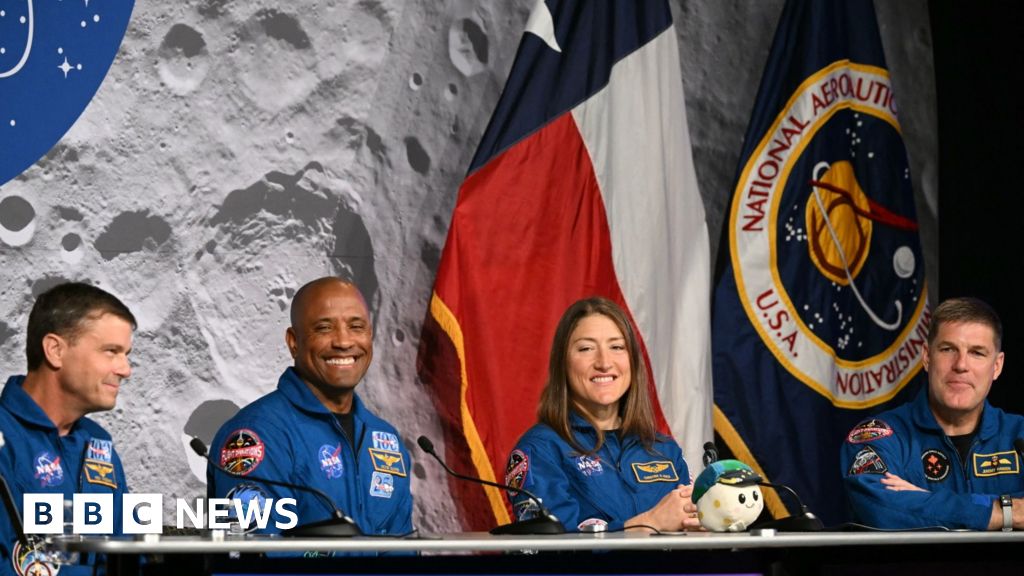
In a groundbreaking achievement that underscores the relentless drive of the United States to maintain its leadership in space exploration, the crew of the Artemis mission convened for their first press conference after completing a 10-day orbital expedition around the Moon. Launching on April 1 from NASA’s Kennedy Space Center in Florida, the crew embarked on a journey that took them beyond the far side of the lunar surface — a feat that not only highlights technical prowess but signals a cultural and geopolitical statement of intent. The mission’s objectives are ambitious: to rekindle human presence on the Moon, establish a permanent outpost, and ultimately, lay the groundwork for manned missions to Mars.
The Artemis program is more than just a quest for scientific discovery; it signifies a strategic shift in international power dynamics. As noted by numerous analysts and geopolitical strategists, the renewed U.S. push to dominate lunar space is a response to the rise of China and Russia in extraterrestrial exploration. China’s recent lunar activities and Mars ambitions, along with Russia’s renewed interest in space, threaten to fracture what was once a mostly American-dominated field. The Artemis mission, therefore, underscores a broader geopolitical contest over the future of space as the new frontier for economic and military advantage.
International organizations and foreign governments are watching closely. The European Space Agency (ESA), India’s ISRO, and others have expressed interest and have begun aligning themselves with lunar and Martian initiatives. Yet, experts warn that this renewed focus on celestial exploration could exacerbate existing international tensions and lead to a new space race. Historians cite the Cold War-era space race as a cautionary tale and emphasize that, how nations choose to collaborate or confront in space will set the tone for global stability in the decades to come. The Artemis mission, with its symbolic return to human lunar exploration, is thus imbued with profound geopolitical impact.
As the world’s eyes turn skyward once more, the unfolding chapter of lunar exploration is determining who will hold sway over the future’s final frontier. Will this herald an era of international cooperation or a new epoch of competition centered around territorial claims, resource control, and technological supremacy? The decisions made today echo beyond the vacuum of outer space— they shape the destiny of nations and societies grounded firmly on Earth. As history’s pen continues to write the story of mankind’s quest among the stars, one thing remains clear: the outcome of this new space race may very well define the geopolitical landscape of the 21st century, leaving humanity to confront the question of whether space can be a shared horizon or a battleground for dominance.”