Matox News

Truth Over Trends, always!

UK Charities Warn Youth Gambling Crisis Could Cut Off Crucial Help Amid Funding Overhaul

Social Crisis Looms as Funding Cuts Threaten Gambling Addiction Support

In our society, the silent toll of addiction continues to ripple through families and communities, exposing deep vulnerabilities that often go unnoticed until tragedy strikes. The recent overhaul of gambling sector funding in the UK has ignited alarm among charities and social commentators, revealing how policy shifts can inadvertently jeopardize crucial life-saving services. Once sustained largely via voluntary contributions from casinos and bookmakers—about 0.1% of their takings—the burden has now shifted to a mandated levy of up to 1.1%, aiming to generate approximately £100 million annually. While this appears as a committed effort to address the growing problem of gambling addiction, experts warn that delays and lack of clear government guidance threaten to unravel the very infrastructure designed to protect vulnerable individuals.

At the heart of this crisis is a fundamental question: how do we reconcile economic policy with social responsibility? The Department for Culture, Media and Sport oversees the new levy process, yet charities such as GamCare and Gordon Moody warn that the transition period could leave hundreds of addicts without essential support. Victoria Corbishley, CEO of GamCare, emphasized, “The uncertainty is causing challenges. We don’t know what commissioners want from April onwards. It jeopardizes services, especially smaller organizations that many depend on for direct support.” Such cultural shifts signify more than bureaucratic adjustments—they threaten the moral fabric of social safety nets designed to extend hope and recovery to those in despair.

For families impacted by gambling addiction, these issues are more than administrative. They are human stories of lost careers, shattered relationships, and lives at risk. Alex, a 41-year-old former teacher, recounts how support from Gordon Moody transformed his life after a period of destructive gambling led him to contemplate ending his own life. His voice underscores a bleak reality: without ongoing support, suicide rates could increase—an outcome society must urgently prevent. Yet, the new funding model’s short-term disruptions pose the risk of leaving many unable to access vital treatment. Gordon Moody’s spokesperson highlighted how “shifting the goalposts” at short notice worsens the crisis, emphasizing the need for interim funding to safeguard human lives.

Social commentators and sociologists like Dr. Samuel Perry have long argued that social stability relies on resilient institutions that prioritize human dignity. The ongoing crisis exemplifies how demographic and cultural shifts can expose the cracks in societal safety structures, especially for vulnerable youth and emotionally fragile communities. As we observe this unfolding landscape, many wonder if policymakers truly grasp the moral imperative to protect the marginalized. For society to heal and progress, it must invest not only in economic solutions but also in the moral fabric that holds families and communities together—faith, support systems, and accessible treatment that affirm human worth.

In the twilight of these challenges, society faces a stark choice: continue down a path of bureaucratic neglect or unite in a collective effort to restore the values of compassion and responsibility. The hope lies in recognizing that behind every statistic is a person—facing their fiercest battles, yearning for dignity, and deserving of a society that cares enough to act decisively. Only by addressing these social issues with unwavering commitment can we aspire to forge a future where renewal prevails over neglect, and hope becomes the foundation for lasting societal change.
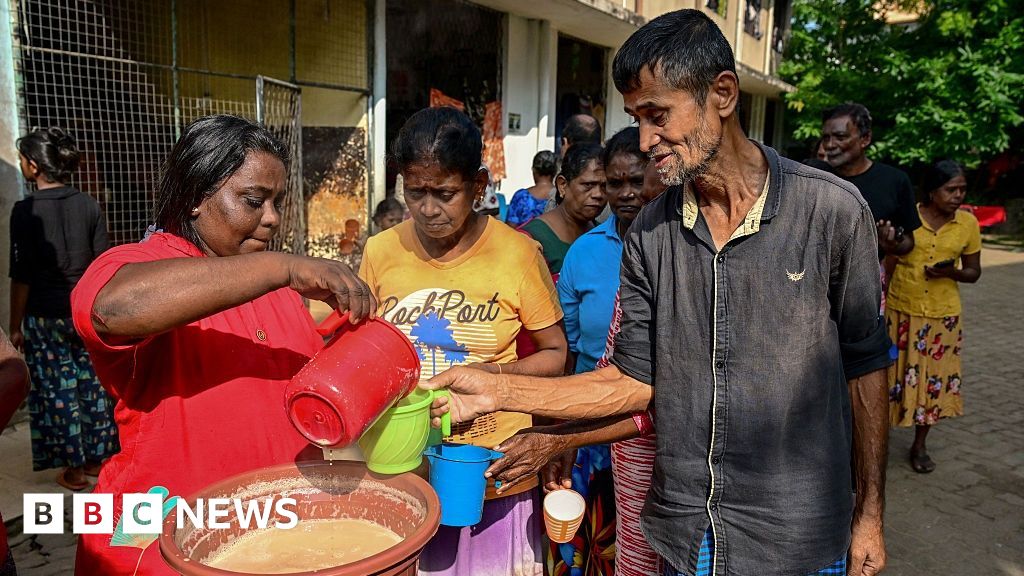
Flood crisis sparks youth-led volunteer efforts in Sri Lanka

Global Implications of Natural Disasters: Sri Lanka’s Battle Against Cyclone Ditwah

The recent devastation wrought by Cyclone Ditwah in Sri Lanka exemplifies how natural disasters are not merely humanitarian crises but also significant geopolitical turning points. With over one million residents affected, the island nation’s worst weather event in recent memory has exposed both the vulnerabilities and resilience of its societal fabric. Experts warn that climate-induced catastrophes will increasingly test the limits of nations like Sri Lanka, forcing a reevaluation of regional security and international aid strategies.

Analysts note that President Anura Kumara Dissanayake’s declaration of a state of emergency underscores the gravity of the crisis. The country’s military has swiftly deployed helicopters and rescue teams, with aid pouring in from around the world. However, questions about how the government handled weather warnings and preparedness are fueling political tensions, with opposition lawmakers accusing authorities of negligence. In a broader context, these internal conflicts threaten to undermine national unity at a critical moment, illustrating how a natural calamity can amplify political fractures. International organizations such as the United Nations are closely monitoring the situation, emphasizing that disasters like Cyclone Ditwah often serve as crucibles that reveal a nation’s capacity for social cohesion.

Within the country, grassroots activism has surged as communities rally to combat despair. In Colombo’s Wijerama neighborhood, volunteers—many previously involved in protests against the previous government’s economic mismanagement—are now channeling their energy into relief efforts, running community kitchens and organizing aid distribution.

  • Activists have compiled hundreds of requests for help, prompting a coordinated effort with authorities.
  • Volunteer groups have reactivated networks used during past crises, demonstrating a continuity of civil society’s resilience.

Despite the political discord at the national level, the people’s spirit of communal aid remains unbroken. Social media campaigns have created a public database of donations and relief needs, embodying a crucial shift from government-led to community-driven responses. As historians and analysts observe, this grassroots mobilization could serve as a template for future resilience, asserting the importance of civil society at a time when national institutions face scrutiny and criticism.

The international community continues to play a vital role, with foreign aid and humanitarian organizations providing critical supplies and expertise. Yet, the crisis in Sri Lanka also underscores the fragile geopolitics underscoring the region. With regional powers poised to influence recovery strategies, questions arise about how India, China, and Western nations will approach the evolving crisis—balancing aid, political interests, and regional stability. Historically, such environmental calamities have acted as catalysts for international intervention, but also as flashpoints for strategic competition, thereby reshaping the regional order.

As Sri Lanka faces an uncertain path to recovery, the lessons learned resonate far beyond its shores. The unfolding story of resilience amid chaos is a stark reminder that history is often written in moments of crisis, where societal bonds are tested and definitions of sovereignty are challenged. With each rescue, each act of solidarity, the island’s narrative blends into a larger tapestry of human endurance—yet the shadow of future storms looms large, urging the world to confront the reality that natural disasters are not on the decline, only escalating.

Indeed, the future hinges on whether nations will heed the warnings and act decisively or allow the currents of catastrophe and conflict to wash away the fragile hopes for stability. As history continues to unfold in Sri Lanka, the weight of the present demands that we recognize—

This is not merely a story of floods and rescue but a harbinger of the geopolitical shifts and societal transformations that define our era. The pages of history are turning, and it remains to be seen whether the forces of unity or division will dominate in this chapter of human resilience.

Daring Exit from El-Fasher: Darfur Youth Courage Amid Crisis

As the Sudanese civil war escalates into a new chapter of brutality, el-Fasher, the capital of Darfur, has fallen after an 18-month brutal siege, marking a significant turning point in an ongoing conflict that continues to threaten regional stability. Fighters from the Rapid Support Forces (RSF), a paramilitary group once allied with the national army, seized the city from government control, leaving a trail of devastation and prompting a mass exodus of civilians fleeing with only the clothes on their backs. The geopolitical impact of this victory for the RSF cannot be overstated, as it pushes the paramilitary group into the last stronghold of western Darfur and weakens the fragile authority of the central government—a move that may reshape long-term power dynamics in Sudan.

International organizations and analysts are quick to condemn the aftermath of el-Fasher’s fall, with widespread reports of atrocities that include mass killings, sexual violence, and destruction of civilian life. Witnesses, including survivors like Abdulqadir Abdullah Ali, recount harrowing tales of shootings and indiscriminate violence inflicted by RSF fighters, who reportedly used live ammunition against fleeing populations. The UN has documented that less than half of the approximately 260,000 citizens who inhabited the city before its fall have been accounted for, indicating an ongoing humanitarian catastrophe. The rise of the RSF in Darfur signals a potential shift in regional power, emboldening a militant faction but also drawing sharper international focus on the crisis—especially as accusations of genocide and war crimes gain traction globally.

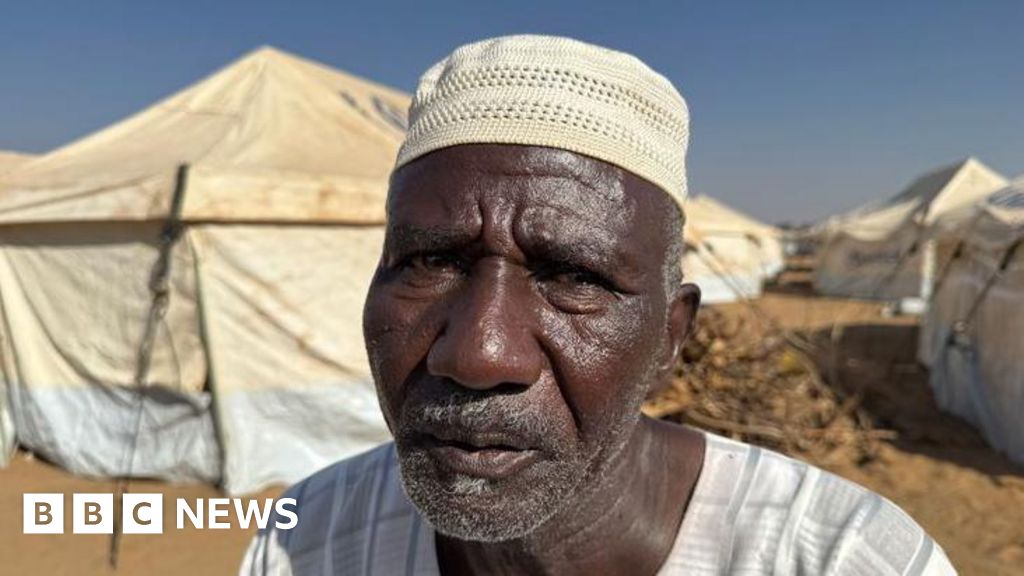
The unfolding chaos has displaced millions, with many fleeing into neighboring countries or settling into hastily assembled camps in northern Sudan, such as the camp in al-Dabbah. Here, survivors paint a grim picture of violence, including systematic looting, sexual violence, and brutal interrogations—actions denied by the RSF, which claims to be misrepresented by political enemies. Yet, the clarity of eyewitness testimonies, like those of Mr. Ali and others, underscores the brutal reality: civilian suffering is mounting, and the fragile ceasefire prospects remain distant. How international powers respond to this escalation will have profound implications for regional security and U.S. geopolitical interests, especially as President Donald Trump promises increased involvement to broker peace.

As history continues to unfold amid the dust and chaos of Sudan’s shattered cities, the geopolitical impact of this conflict extends beyond Africa’s borders. The internal chaos threatens to destabilize neighboring countries and fuels allegations of war crimes that could invoke sanctions and international intervention. The narrative spun by the RSF’s leadership, claiming innocence and accusing their enemies of orchestrating a media campaign, does little to mask the true horror taking place. Many survivors, battered but resilient, cling to their hope amid despair, waiting for a turning point—and for the weight of history to decide whether this dark chapter will be remembered as a turning point of liberation or a tragic descent into further chaos. In the shadows of this unfolding tragedy, the whispers of history remind us: what happens in Sudan echoes far beyond its borders, shaping the destiny of nations and the future of global justice.

Mumbai Families Fret as Data Centres Keep the City Burning Coal—A Tech Crisis for Our Youthful Future

In the bustling streets of Mumbai’s Mahul district, a stark reality unfolds. Kiran Kasbe, a 36-year-old rickshaw driver, navigates through streets lined with produce stalls and choking smog-filled air. This thriving, yet heavily polluted neighborhood exemplifies the complex intersection of urban growth and environmental degradation. Mahul’s residents face serious health challenges—Kasbe’s own mother, who arrived there after her home was demolished, was diagnosed with brain cancer amidst polluted surroundings. Such stories reflect a broader narrative of how economic development often brushes up against the imperative to preserve public health and sustainability.

Meanwhile, India’s rapid push to transform its economy into a global hub for artificial intelligence is fueling an unprecedented data centre boom, especially in mega-cities like Mumbai. Leaked records show that Amazon, one of the world’s largest data centre operators, used 16 facilities within Mumbai alone in 2023—a significant increase from the three zones they publicly acknowledge. This acceleration highlights a broader trend: as digital infrastructure expands, so does the demand for energy. Critics like Bhaskar Chakravorti of the Fletcher School warn that this surge is pushing India’s commitment to a green transition to the brink. The paradox is evident. Tech giants attract applause for green energy claims, yet the reality signals a clash with climate goals—amplified by the exponential growth of datacentres requiring monstrous energy inputs that often rely on polluting energy sources.

Specifically, the rapid expansion of datacentres—most notably those operated by Amazon—has resulted in a paradoxical situation in Mumbai. Sources estimate that Amazon’s 2023 datacentre operations consumed enough electricity to power over 400,000 households annually, with forecasts indicating that such centres could command a **third of the city’s energy** by 2030. In this pursuit of digital dominance, the region’s existing energy infrastructure—comprised of Tata’s coal plants and Adani’s power stations—has been extended well beyond their planned shutdown dates, citing increasing demand from these very datacentres. Yet, this reliance on fossil fuels has transformed parts of Mahul into what local residents call a “toxic hell,” plagued by air pollution, chemical factories, and environmental neglect. Diesel generators powering these datacentres further exacerbate the crisis, making air quality even worse and threatening public health—especially for those living in proximity to these high-energy facilities.

  • Prioritize understanding the true environmental cost behind digital infrastructure
  • Support policies that incentivize renewable energy for urban tech developments
  • Encourage tech giants to adopt more transparent sustainability practices
  • Recognize that economic growth should harmonize with public health and environmental stewardship

As cities like Mumbai grapple with the tension between rapid technological progress and environmental sustainability, it becomes clear that the path forward is as much about redefining growth as it is about innovation. India’s story embodies a larger truth that resonates beyond its borders: true progress entails a balanced embrace of technology and wellness, ensuring that the pursuit of prosperity does not come at the expense of public health or ecological integrity. For today’s youth—ambitious, aware, and ready to lead—the challenge lies in advocating for a vision where lifestyle and sustainability are not mutually exclusive but are woven together into a collective journey of responsible development. As history reminds us, society’s greatest achievements are those that uplift the wellbeing of its people today while safeguarding the world for generations to come.

South Africa Labels Gender Violence a National Crisis Amid Youth-Led Protests

South Africa Declares Gender-Based Violence a National Disaster Amidst Growing Protests and International Concerns

In a decisive move reflecting the gravity of its ongoing crisis, South Africa has officially declared gender-based violence (GBV) a national disaster. The decision follows an unprecedented wave of public outcry and countrywide protests urging the government to confront a crisis that has persisted for decades, yet remains alarmingly unresolved. This escalation in official recognition underscores how deeply entrenched violence against women has become within South African society—a reality that international organizations, including UN Women, have long warned about. With women murdered at a rate five times higher than the global average, the country’s plight not only sparks domestic outrage but also highlights the broader geopolitical impact of failed governance and social norms.

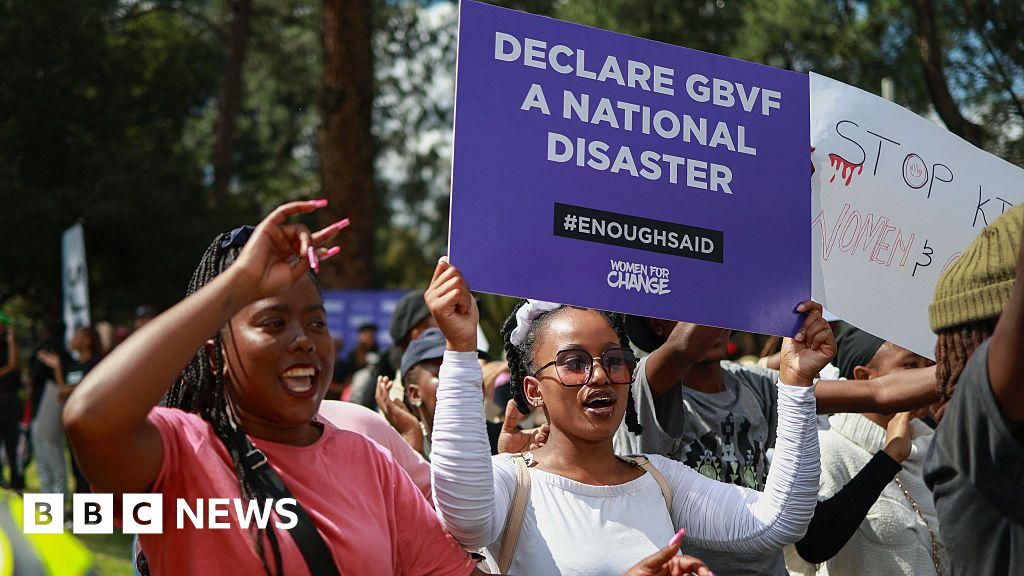
The protests, notably dubbed the G20 Women’s Shutdown, saw thousands of women and allies in major urban centers like **Cape Town**, **Durban**, and **Johannesburg** engaging in a symbolic act—lying down for fifteen minutes at noon, as a gesture of mourning and resistance. This coordinated effort was supported across borders, with formations in **Eswatini**, **Kenya**, and **Namibia** expressing solidarity. Significantly, the movement drew momentum from social campaigns where celebrities and ordinary citizens changed profile pictures to purple, symbolizing awareness and unity against GBV. Such mass mobilizations have begun to force the hand of a government historically reluctant to classify the violence as a crisis, despite repeated warnings from activists, legal experts, and international observers.

The launch of this declaration comes with a stark recognition of systemic failures. South Africa’s Ministry of Cooperative Governance and Traditional Affairs announced the classification after *”a thorough reassessment of previous reports”* and a push from civil organizations demanding action. Yet, despite a wide array of legislation aimed at curbing violence, critics argue that implementation has been lackluster—making the classification a symbolic victory rather than a tangible solution. Analysts from institutions like *International Crisis Group* suggest that such declarations, while crucial, often risk becoming mere gestures unless accompanied by concrete policy shifts. History warns that without action, the risk is a continued cycle of violence, societal normalization of fear, and a weakening of the social fabric.

This alarming situation has spurred individual action as well. Women’s organizations like Girls on Fire advocate for armed self-defense, with many women learning to wield firearms legally, hoping to shift the balance of power in their favor. The tragic stories of survivors like Prudence—who was raped and faced a bureaucratic nightmare to seek justice—highlight the urgent need for societal and legal reform. These grassroots efforts emphasize a crucialNational geopolitical impact: the ongoing struggle in South Africa is emblematic of broader regional instability, where governance gaps foster environments ripe for violence, often spilling over borders and exacerbating migration, refugee crises, and regional insecurity. Experts warn that unless national leadership prioritizes genuine change, South Africa risks further deterioration, with repercussions rippling across the continent and beyond.

As the weight of history presses down and the world watches, the question remains whether this declaration marks a genuine turning point or a fleeting political gesture. The unfolding narrative will test whether international solidarity, grassroots resilience, and government accountability can ultimately confront a societal scourge that threatens to erode the very foundations of a nation struggling to reconcile its promise with its harsh realities. In the shadows of the Union Buildings, beneath the banner of mourning and defiance, the battle for South Africa’s soul continues—its outcome uncertain, its significance immense.

Iran Starts Cloud Seeding Amid Historic Drought Crisis

Iran Confronts Unprecedented Water Crisis

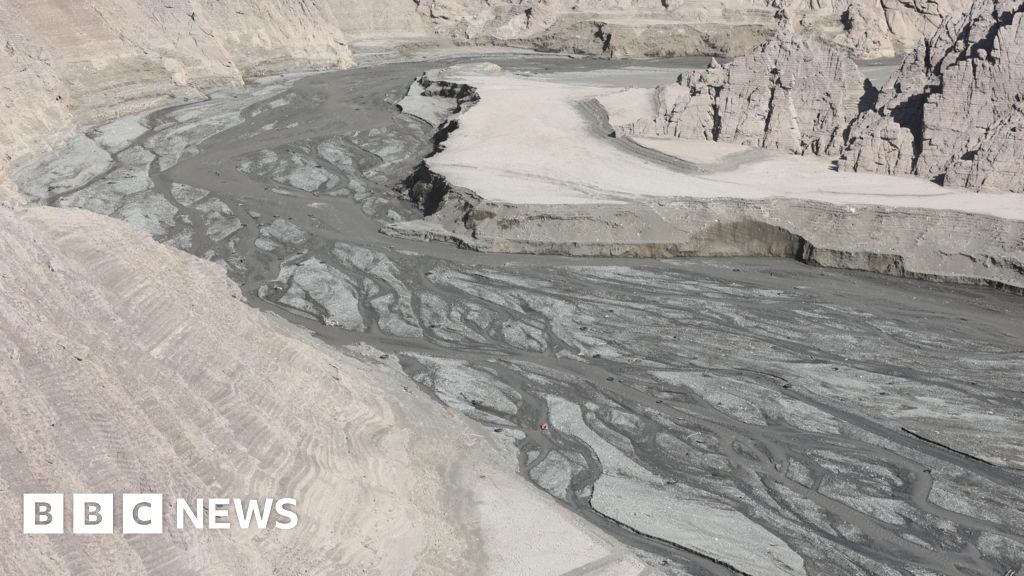
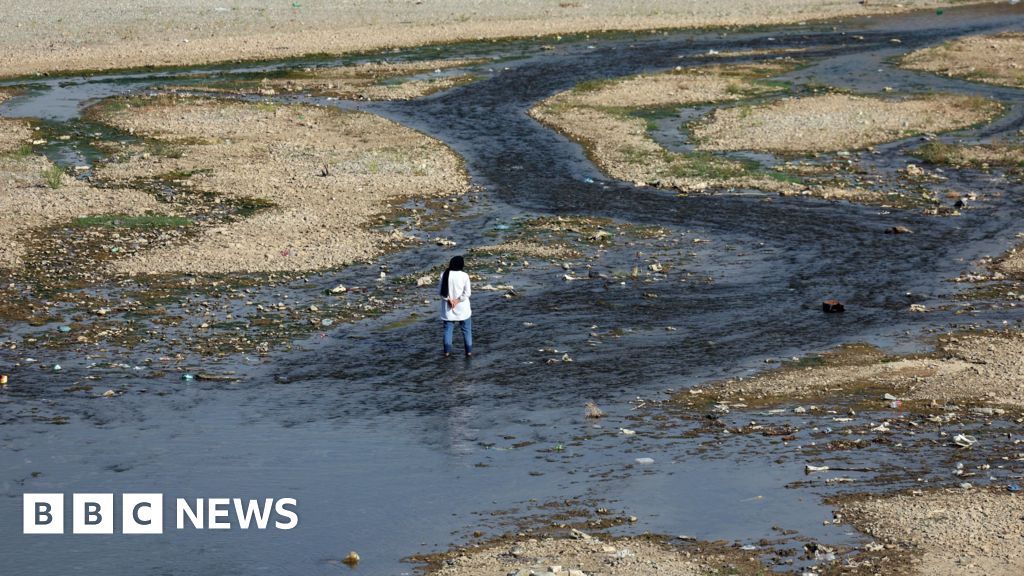
In a stark warning sign for international climate stability, Iran is grappling with its most severe drought in half a century. Authorities report that vital reservoirs, including Urmia Lake—Iran’s largest, have dried to a grim 8% of their capacity amidst record-low rainfall. The crisis has escalated to a point where officials are resorting to controversial measures like cloud seeding—a technique involving chemical agents to artificially induce rain—highlighting the gravity of the situation. This approach, employed over regions like the Urmia basin, exemplifies how nations are increasingly forced to adopt desperate strategies to mitigate environmental collapse. Yet, analysts warn that such measures are only band-aids on a widening wound caused by decades of mismanagement and climate neglect.

Iran’s government has issued stark warnings that the ongoing drought threatens not only water security but also societal stability. Last week, President Masoud Pezeshkian cautioned that without immediate and substantial rainfall, residents of Tehran face possible water rationing and evacuations—an alarming signal for one of the Middle East’s most densely populated capitals. The National Centre for Climate and Drought Crisis Management describes dams in key regions—including West Azerbaijan, East Azerbaijan, and Markazi—as being in a “worrying state,” with water levels dipping into perilously low levels. These developments underscore a broader crisis: a confluence of environmental degradation, water misallocation, and the geopolitical ramifications of a destabilizing climate trend.

Global experts and organizations have underscored that Iran’s plight is emblematic of a wider Mediterranean and Middle Eastern crisis. According to the United Nations, the region is experiencing climate shifts that threaten to drain vital water sources and deepen socio-political tensions. Historically, water scarcity has already fueled conflicts and mass migration, and critics argue that international cooperation remains insufficient to address the root causes of these crises. Meanwhile, the Iranian government’s efforts—such as penalizing excessive water consumption—offer only temporary relief and raise questions about sustainable long-term solutions. As historians and analysts warn, ignoring the mounting environmental warning signs could set the stage for future upheavals with far-reaching consequences.

The current environmental emergency also highlights how a failure to address climate change can exacerbate geopolitical instability. The decision to deploy cloud seeding, while innovative, highlights the desperation of nations trapped between environmental catastrophe and geopolitical limitations. As water reservoirs dwindle and rainfall remains at *record lows*, the weight of history presses down on Iran, serving as a harrowing reminder of the delicate balance between natural resources and national stability. The unfolding story of Iran’s drought serves as a powerful warning that the decisions made—or ignored—today will echo through history, determining whether societies will fall into chaos or find new paths of resilience amid the rising tide of environmental crisis. In this age of shifting climates, the struggle for water may define the next chapter of global conflict—or cooperation—marked indelibly by the choices made in the drought-stricken landscapes of Iran.

Tuesday Briefing: What the BBC’s Crisis Tells Us About Its Failures — and a Path Forward

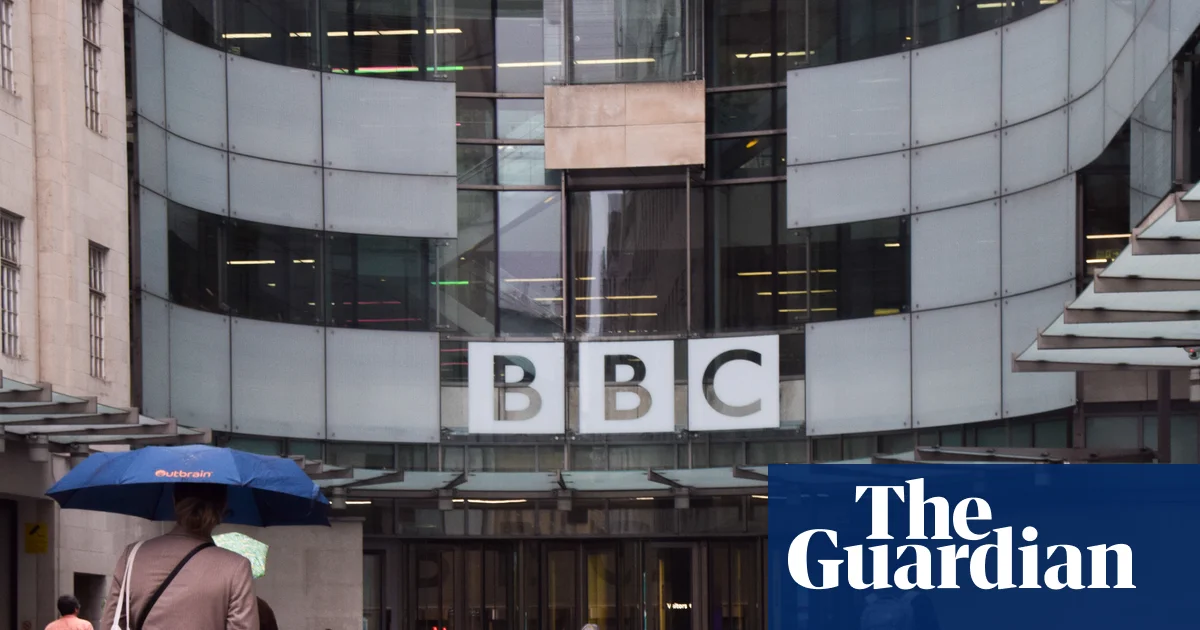
The recent upheaval at BBC exemplifies the volatile state of Western democracies grappling with the tensions between political influence and institutional integrity. The resignations of Tim Davie, the director general, and Deborah Turness, head of news, unfold amid a barrage of criticism led by the right-wing press and aligned political figures, especially from Conservative-linked media outlets. This crisis is not merely about journalism; it is emblematic of the broader struggle for who controls the narrative in a society that faces mounting external and internal pressures.

Experts like Michael Savage, a seasoned media analyst, emphasize how this turmoil exposes weaknesses in the *governance* of the BBC. Amid what he describes as an environment of “weak oversight,” a small clique of board members—including Gibb, whose influence has leaned towards the politicization of the corporation—decided to appoint Prescott to a sensitive advisory role. The fallout reveals how internal decisions are increasingly weaponized, reflecting a pattern seen in other major democracies where institutional independence is compromised to suit specific political agendas. As Britain approaches the critical renewal of its public broadcasting charter in 2027, the question emerges: will this revered institution find itself subsumed into the ideological fold of a nation deeply divided?

On the international stage, the United States swiftly introduces a stark new development that has ramifications far beyond the Atlantic. The “impossible job” now facing BBC leadership is paralleled by the impending battle for influence over global narratives. As US President Donald Trump threatens to sue the BBC for over $1 billion, alleging biased coverage—an accusation echoing the broader fight for media dominance—it becomes clear that the confrontation extends beyond mere legal threats. Such threats are a reflection of how hostile the global political environment has become towards independent journalism. Analysts warn that this clash signals a shift in international power dynamics, where information is weaponized as a tool for shaping perceptions and controlling societies.

There is a rising recognition among geopolitical strategists that the battle for the soul of media is integral to national sovereignty. Countries like France confront their own crises; the recent release of former President Nicholas Sarkozy from custody is a stark reminder of how internal political conflicts can reverberate across borders, affecting diplomatic relations. Meanwhile, Brazil’s hosting of the Cop30 climate talks underlines how global consensus on climate change is fractured, with failing national policies blamed for international chaos—famine, conflicts, and the destabilization of vulnerable societies. As world leaders debate and often delay fundamental reforms, the world stands at a crossroads, with decisions made in the coming months likely to influence generations.

The tapestry of these interconnected crises culminates in a stark lesson: as history continues to unfold, the choices made by key nations and institutions will determine whether the principles of free societies persevere or collapse into new forms of authoritarianism. The BBC, a symbol of the enduring power of public service media, finds its very existence challenged by forces seeking to rewrite the narrative for their own gain. And as international tensions escalate—be it legal threats from Trump or ideological assaults on free press—one truth remains: the battle for truth and influence is the battlefield of the 21st century, where the echoes of today’s decisions will resound through the corridors of history, shaping the destiny of societies yet to come.

Iran’s Water Crisis Deepens as Tehran Faces Unprecedented Drought

Iran, a country long embroiled in geopolitical tensions and economic sanctions, now faces an unprecedented internal crisis: a devastating water shortage that threatens the very fabric of its society and sovereignty. This month, Tehran’s reservoirs are nearing collapse, with officials warning that if the rains do not return soon, the capital may face the grim necessity of water rationing or even evacuation. Such stark warnings are not merely alarmist rhetoric—they are warnings of the profound geopolitical impact of environmental mismanagement, war, and climate change on a nation’s stability. As analysts like Dr. Samuel Livingston of the International Water Resources Group note, these crises have the potential to upend the regional balance, fueling unrest and destabilizing the already fragile landscape of Middle East geopolitics.

Experts suggest that Iran’s historic decades-long water mismanagement has reached a point of no return, exacerbated by recent conflicts and infrastructural decay. The management of reservoirs such as the Latian and Karaj dams, which are now holding less than 10% of their capacity, illustrates a country pushing toward environmental catastrophe. Mohammad-Ali Moallem, the manager of the Karaj Dam, reports a staggering 92% decrease in rainfall compared to the previous year, with most water deemed “dead” and unusable. The situation is compounded by the country’s aging water infrastructure and widespread leakage, factors identified by Iran’s Minister of Energy, Abbas Ali Abadi, as critical contributors to the ongoing crisis. Historically, Iran’s water woes have been dismissed as cyclical, but today they threaten to trigger a humanitarian crisis that could reshape the nation’s internal and regional dynamics.

Adding to Iran’s turmoil, recent military conflicts and targeted strikes have indirectly strained the country’s resilience. Following a 12-day war with Israel, the northern Tehran neighborhood of Tajrish experienced severe flooding, revealing the fragile state of Iran’s infrastructure amidst ongoing hostilities. The Israeli Defense Forces claimed strikes on military targets, but the aftermath underscores the broader impact of geopolitical conflicts on Iran’s capacity to manage natural disasters and environmental pressures. According to Iran’s National Centre for Climate and Drought Crisis Management, other provinces such as West and East Azerbaijan are also witnessing dangerously low water levels, with some dams dropping below three percent capacity—the sort of emergency that could threaten entire cities like Mashhad. The intersection of war, mismanagement, and climate change has created a perfect storm, with the potential to destabilize Iran further and ripple across the region.

From an international perspective, this crisis exemplifies the complex web of how environmental issues are intertwined with geopolitics. The officials’ reluctance to accept the full scope of the crisis, combined with sanctions-induced economic constraints, hampers Iran’s ability to invest in infrastructure or adopt sustainable water management practices. As seasoned analyst Dr. Emily Carter explains, “Iran’s water crisis is a microcosm of a larger trend—climate change exacerbated by internal missteps and external conflicts that will test the resilience of nations and societies in ways previously unimagined.” The looming threat of water shortages may ignite internal unrest, disrupt regional alliances, and pressurize the global community to address issues of environmental security that transcend borders. With rainfall forecasted to remain scarce over the coming week, the decision-makers face a moral and strategic imperative: adapt swiftly or face the chaos of a nation reaching its tipping point.

As history watches with bated breath, the unfolding tragedy in Iran serves as a stark reminder of the fragile balance between environment, geopolitics, and societal stability. The choice before Iran is clear—continue down this destructive path or confront the imperative of sustainable management and regional cooperation. Yet, with each passing day of drought, the once vibrant metropolis of Tehran and the resilient city of Mashhad edge closer to a future defined by scarcity and despair. The pages of history are being written in real-time — and what happens next may define the fate of Iran and the broader Middle East for generations to come. The questions remain: will this be a moment of awakening or the beginning of a long descent into chaos? Only the unfolding events will tell, but the weight of history urges us to watch closely.

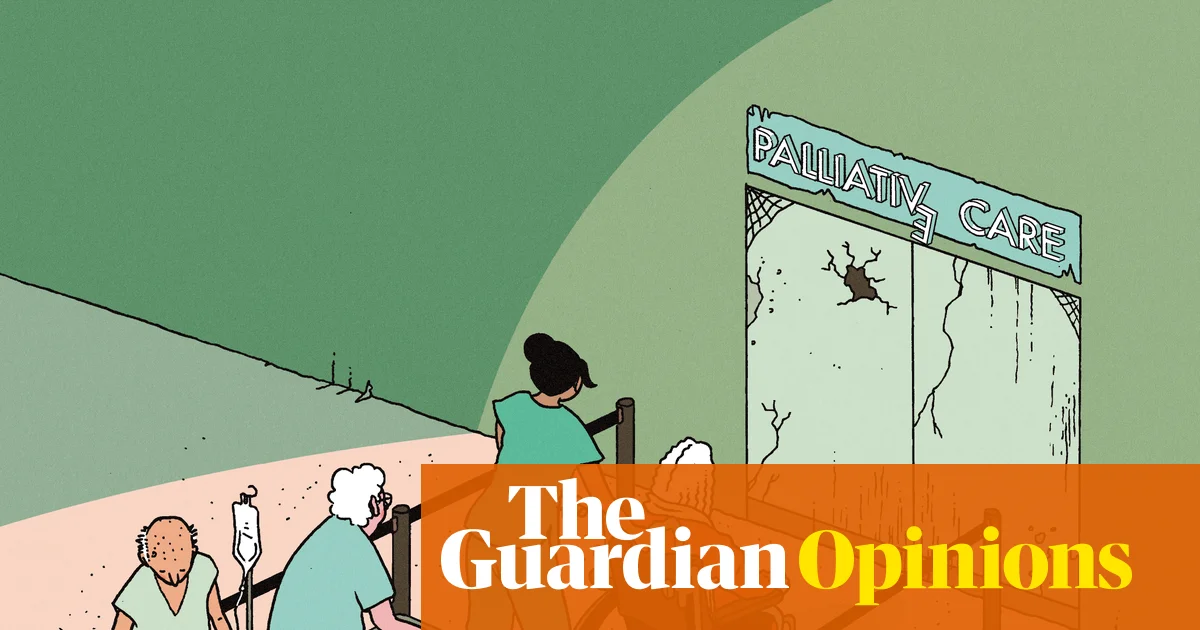
Palliative Care Crisis Reveals Society’s Failure to Protect Our Senior Citizens | Rachel Clarke

Society at a Crossroads: The Silent Crisis in End-of-Life Care

As society progresses, one of its most enduring challenges remains the reality of death—a natural yet often avoided topic that exposes the deep fissures in our social fabric. In Britain today, the state of end-of-life care serves as a stark mirror reflecting how social issues directly threaten families, education, and communities. Despite the nation’s reputation as a caring society, recent reports reveal a distressing decline in the provision of palliative services, exposing vulnerable populations to a grim reality where the quality of care depends heavily on local wealth and charitable goodwill. This systemic neglect not only affects individuals in their final days but also ripples through families, communities, and societal morals, forcing many to confront the uncomfortable truth about how we value human dignity in death.

Historically, death was once a familiar, family-centered affair. During Victorian England, most people died at home, often surrounded by loved ones, with community and familial bonds providing comfort and familiarity. Today, however, less than a third of deaths occur at home, with the majority happening within impersonal hospital or care home settings. The transition from intimate, domestic deaths to highly institutionalized farewells marks a profound cultural shift fueled by economic pressures, institutional constraints, and public discomfort with mortality. Sociologists like Philippe Ariès have pointed out that our societal denial of death results in a paradox: we are reluctant to prepare for or discuss our mortality, yet its inevitability remains a stark and inescapable reality that demands our moral attention and collective responsibility.

The Fundraising Gap: A Society That Outsources Its Humanity

Despite widespread claims of social decency, Britain’s healthcare system increasingly relies on charitable donations to fill gaps that government funding fails to cover. Hospices, which provide critical palliative and end-of-life care, now face a crisis of survival. The latest National Audit Office report reveals that two-thirds of adult hospices in England recorded a deficit in 2023-24, forcing them to slash staff, beds, and community services. This economic squeeze creates a dangerous postcode lottery of care; where you live can determine whether you receive compassionate palliative support or a hurried, institutional farewell. As Sarah Allen, CEO of Arthur Rank Hospice, lamented the closing of nine beds due to funding cuts, it becomes painfully clear that our societal values are at odds with the moral imperative to care for our most vulnerable in their final days.

The Moral Crisis of a Society in Denial

With **demand for palliative services projected to increase by over 25% by 2048**, the current trajectory suggests a society that is unprepared for its own mortality. Political responses tend to be superficial; the recent NHS 10-Year Plan scarcely mentions “palliative care,” signaling a misplaced focus that ignores the growing need. Simultaneously, debates surrounding assisted dying legislation underscore a society grappling with moral dilemmas—should we extend the option of assisted dying when the fundamental care infrastructure is failing? The alarming reality is that hundreds of thousands are unable to access proper pain management or comfort, leaving some to consider suicide as a sad, default solution. The moral failure here lies not only in neglect but in the societal refusal to confront death openly and compassionately, allowing suffering to persist in silence and shadows.

In grappling with these issues, society faces a profound moral question: are we capable of embracing death as a natural part of life, deserving of dignity and care? As social commentators like Robert Putnam suggest, vibrant communities are built on shared values and collective action. If families and communities are to be strengthened, we must challenge the cultural taboo surrounding mortality and foster a renewed ethic of compassion. The final chapter of our societal story is yet unwritten; it is a testament to our moral resolve—whether we will choose to extend our empathy and resources to the most vulnerable at their end, or let them fade silently into the shadows of neglect. Humanity’s greatest hope may lie in our willingness to face death not with fear, but with purpose, kindness, and unyielding dignity.

UK Eyeing Danish-Style Immigration System to Tackle Asylum Crisis

UK Eyes Denmark’s Stringent Immigration Model Amid Growing International Tensions

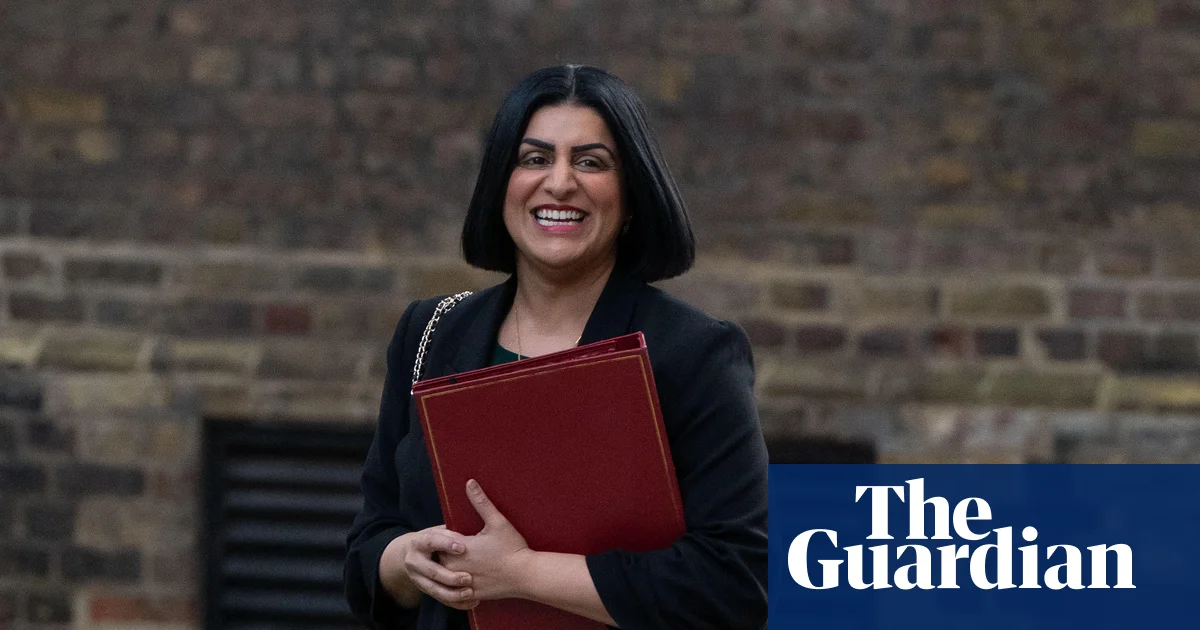
In a move set to reshape the United Kingdom’s approach to immigration, Home Secretary Shabana Mahmood is poised to introduce reforms modeled heavily on Denmark’s controversial policies, which are among the most restrictive in Europe. These proposed measures, understood to be announced later this month, signal a shift toward a tougher stance on refugee arrivals, family reunifications, and border control — policies that have already ignited fierce debate across the continent. Last month, UK officials traveled to Denmark to scrutinize its border policies and asylum restrictions, signaling a strategic shift in the UK’s immigration philosophy amid ongoing political pressures and a rising tide of populist sentiment.

The Danish model has gained notoriety for its uncompromising stance on immigration, with policies that include stringent family reunion rules and the designation of “parallel societies,” where residents from non-Western backgrounds face restrictions on family reunification. In 2022, Denmark rejected residency renewal for over 1,200 Syrian refugees’ in Damascus, considering the region safe enough for return— a move sharply opposed by international bodies like the UN and EU. Critics have labeled these policies as dangerously xenophobic, a charge levelled both domestically and abroad. Nonetheless, Denmark persists, arguing that these measures are essential safeguards for social cohesion and national security. By adopting similar policies, the UK risks aligning itself with this hardline approach, prompting concerns about the geopolitical impact of such a shift on Britain’s international reputation and its relations with neighboring European nations.

Analysts warn that adopting Denmark’s stricter policies could deepen the divide between Western nations and migrant communities, leading to increased social polarization and undermining the UK’s commitments to human rights. Historians like Eric Hobsbawm and modern think tanks warn that such policies may foster “parallel societies,” which could become breeding grounds for radicalization and discord. Meanwhile, some Labour MPs have expressed stark opposition. Clive Lewis criticized the government’s strategy, warning that moving toward a “hardcore approach” akin to Denmark’s could alienate progressive voters and turn Britain into an increasingly divided nation. Other members, including Nadia Whittome, described aspects of the Danish model—particularly concerning “parallel societies”—as inherently racist and dangerous, revealing growing ideological rifts within the political landscape.

More broadly, the move reflects a rising global trend toward stricter border controls and restrictive asylum policies, often at odds with international humanitarian commitments. The European Commission and human rights organizations condemn Denmark’s laws as harmful to migrant rights and social integration. Yet, the political momentum in the UK suggests a desire to outflank Eurosceptic and populist factions like Reform UK. This strategic maneuver raises questions about whether the UK is sacrificing its moral authority and historical commitments to asylum and refugee protections to appease domestic fears and xenophobic sentiments. As Britain recalibrates its immigration policies, it faces inevitably serious consequences—both for its social fabric and its standing on the world stage.

Ultimately, the decisions made today will echo through the corridors of history. As the UK pushes toward a more guarded, exclusionary stance inspired by Denmark, the global community watches, wary of a future where the lines between national interest and human rights blur dangerously. In this unfolding chapter of international politics, the stakes are higher than ever—where the choices of leaders may decide not just the future of migration, but the very soul of nations striving to define their identities amidst the chaos of a changing world.

Social Media Auto Publish Powered By : XYZScripts.com