Matox News

Truth Over Trends, always!

Bristol Schools Disrupted as Support Staff Strike Over Pay—Youth Voice in Crisis

How Economic Disputes and Social Tensions Shape Families, Education, and Communities

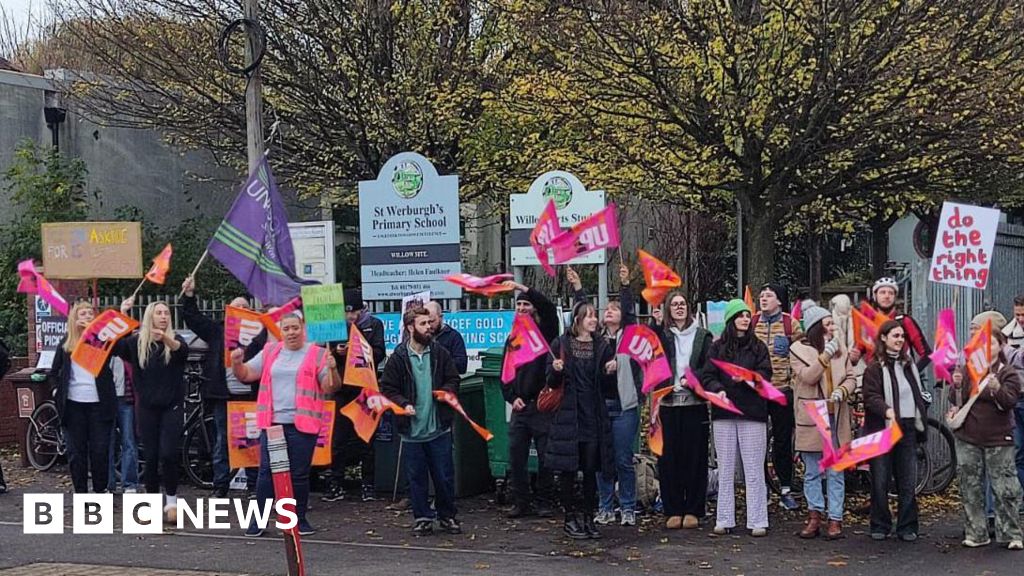
In recent weeks, a wave of social unrest has swept through the educational landscape of Bristol and North Somerset, exposing a broader societal challenge rooted in systemic issues of inequality, fairness, and respect. Support staff at a dozen schools managed by the Cathedral Schools Trust initiated a two-day strike, highlighting a crisis that transcends individual workplaces and touches the very fabric of community stability. This protest was triggered by delayed pay raises—delays amounting to five months of withholding payments—and has left many employees, including teaching assistants, administrators, librarians, and caretakers, feeling *unvalued* and *disrespected*. The ripple effects of such disputes threaten not only the livelihood of individual families but also the quality of education and the cohesion of local communities, intensifying social tensions often ignored in broader policy debates.

According to social commentators and historians like Professor Margaret Mead, who emphasized the importance of social cohesion for societal health, disruptions like these illuminate the fragility of our social institutions. Families reliant on predictable income find themselves in stressful financial situations, with some losing hundreds of pounds annually, as vividly expressed by Steve Brice, a dedicated teaching assistant. He revealed that delays in pay have forced him into financial hardship, affecting his entire household. This scenario underscores an ongoing challenge: *when social actors are mistreated or neglected—particularly those in essential roles—families are destabilized, and the cycle of hardship and social discontent persists.* The values of *fairness* and *respect* are central to maintaining social harmony, yet too often, these principles are sacrificed in bureaucratic or institutional neglect, fueling social division rather than unity.

Educational institutions serve as the backbone of community development, shaping the moral and intellectual fabric of future generations. When support staff, who are critical to the day-to-day functioning of schools, feel *undervalued*, the entire learning environment suffers. Sheila Caffrey, a representative from the National Education Union, stressed that many staff members feel they are *not being adequately valued* by their employers—a sentiment echoed across various sectors in society. Such discontent can ripple through schools, disrupting learning and straining relationships between educators, students, and families. More disturbingly, the social tensions generated by these disputes threaten to erode the respect and trust necessary for a thriving, inclusive society. As sociologist Pierre Bourdieu pointed out, these conflicts are not merely about money but about *recognition* and *dignity*, those intangible social currencies that hold communities together or tear them apart.

Despite efforts by the trust to negotiate, the ongoing conflict reveals a critical truth: social issues today are interconnected with mental health, economic stability, and moral integrity. The response to this crisis must be multifaceted. Solutions should include transparent dialogue, fair compensation packages, and structural reforms that prioritize human dignity over bureaucratic expediency. Only then can we hope to rebuild the trust that sustains communities and sustains families. As social commentators warn, neglecting these issues risks not only a breakdown in societal cohesion but also a decline in the moral fabric that binds us. Yet, amid these struggles, there remains a quiet hope—a belief that societies are capable of transformation when rooted in fairness and respect. Indeed, the unfolding story of these support staff and their fight for justice echoes a broader call for societal renewal—reminding us all that the strength of a society is measured by how it treats its most vulnerable, and how it rises together in the face of adversity.
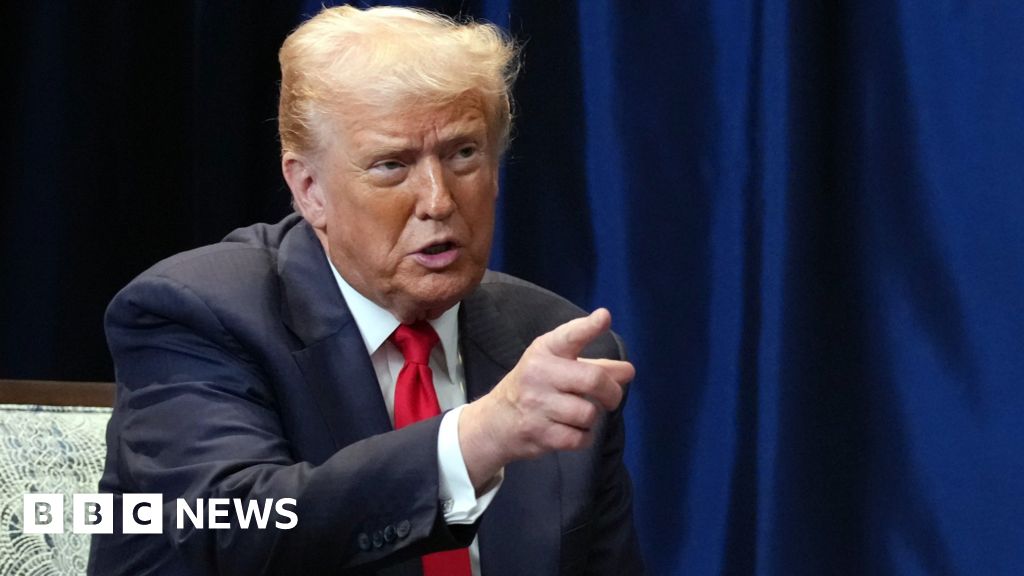
Trump urges military to prepare for 'action' over Nigeria Christian crisis claims
Trump urges military to prepare for ‘action’ over Nigeria Christian crisis claims

The recent escalation of tensions between Nigeria and the United States signals a new chapter in the ongoing struggle for religious and geopolitical dominance in West Africa. President Donald Trump has issued a provocative directive, instructing the US military to prepare for potential intervention amidst claims of religious persecution—specifically targeting Nigeria’s Christian population. Citing alleged atrocities, Trump labeled Nigeria as a “Country of Particular Concern”—a designation with significant sanctions implications—arguing that thousands have been killed in what he describes as a genocide against Christians. While these claims have been met with skepticism by many analysts, the move underscores a broader strategy to leverage religious conflicts as a tool for geopolitical influence, and highlights the US’s repositioning amid a shifting global landscape.

Much of the international community remains divided over the narrative of widespread persecution. Human rights organizations and regional experts assert that evidence does not support claims that Christians are targeted more than Muslims in Nigeria, which is approximately evenly divided between the two faiths. Groups monitoring violence report that both Muslim and Christian communities have suffered atrocities, often driven by complex local conflicts—including the long-standing insurgency of Boko Haram and the Islamic State West Africa Province (ISWAP). These militant groups have wrought havoc in northeastern Nigeria for over a decade, causing unparalleled human suffering. Yet, the global media and narrative promoted by Trump’s administration portray Nigeria’s crisis as primarily religious—a framing that risks oversimplifying a multifaceted conflict rooted in economic, ethnic, and political issues A

  • Trump’s executive actions have included labelling Nigeria as a security threat, intensifying international diplomatic tensions
  • US threats to cut aid if Nigeria does not protect Christians have alarmed regional leaders
  • Analysts warn that such interventionist rhetoric risks escalating violence rather than resolving internal strife

Meanwhile, Nigeria’s President Bola Tinubu has vigorously rejected the US’s characterization of Nigeria as a religiously intolerant nation, emphasizing instead that his government promotes religious tolerance. Speaking amid mounting international pressure, Tinubu’s administration insists that violent incidents are driven by regional conflicts affecting communities of all faiths. Historians and regional experts argue that the US’s focus on religious persecution offers a skewed perspective, neglecting the broader socio-economic factors fueling violence. International organizations like the United Nations and African Union have called for measured diplomacy, but the United States’s aggressive stance signifies a potential shift toward more interventionist policies—a move that could reconfigure alliances and power balances across the continent. As debate rages, the unfolding international response will likely influence Nigeria’s trajectory for years to come, with repercussions extending well beyond its borders.

In the shadows of this rising geopolitical tension, history looms—the intricate web of faith, power, and influence that has defined Nigeria’s recent past is now on the brink of transformation. As America’s rhetoric casts a long dark shadow over the continent’s future, the weight of history presses heavily on all nations involved. Will this be the moment when outside forces redraw Nigeria’s destiny, or will local resilience and diplomacy prevail? The pages of history continue to turn, with each chapter more critical than the last, leaving the international community to ponder whether true peace is within reach or forever beyond grasp amid the tumult of prophecy and power.

Aid Cuts Threaten to Bring Back Malaria Crisis — Time to Prioritize Our Communities

The Hidden Crisis of Malaria: A Societal Wake-up Call

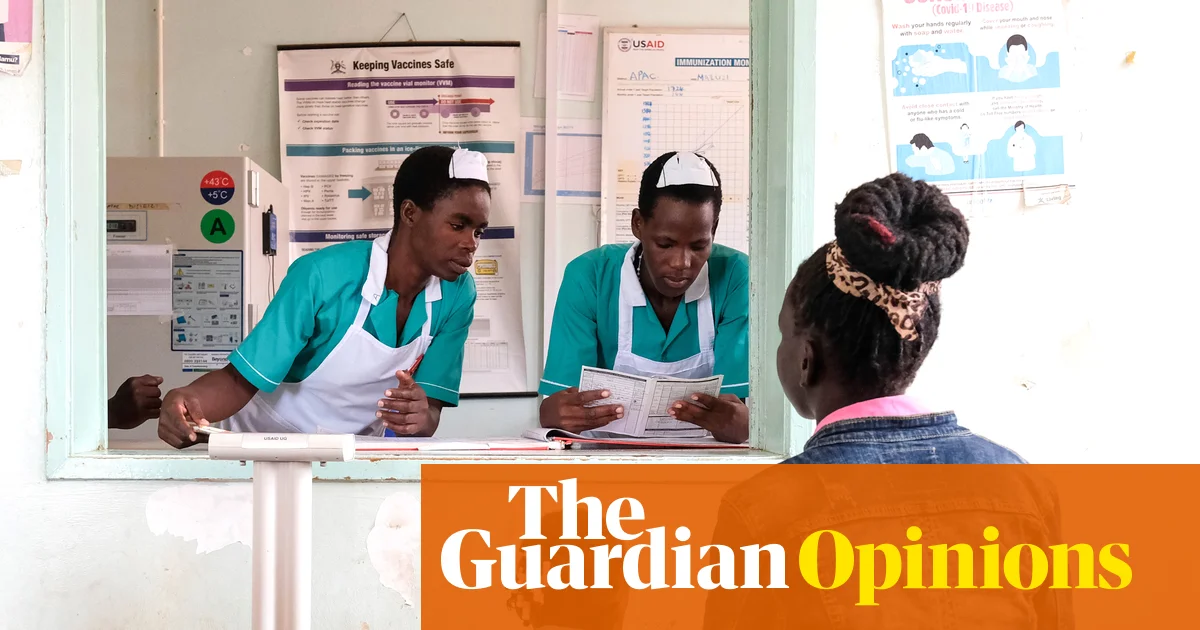
Malaria, a deadly infectious disease primarily impacting communities in Africa, continues to exact an unacceptably high toll on the most vulnerable—small children and expectant mothers. Responsible for nearly 600,000 deaths annually, this disease remains a stark reminder of how neglect, environmental changes, and waning international aid converge to threaten lives and societal stability. Despite ongoing promises to eradicate malaria, recent cuts in funding and global health aid are undoing decades of progress, pushing millions closer to death and disrupting families’ pursuit of security and prosperity.

The role of families and communities in combating malaria is profound, yet they are often the first casualties of the social and economic fallout when aid dwindles. Programs run by the Global Fund to Fight AIDS, Tuberculosis, and Malaria have historically been the backbone of efforts to control the disease. However, with its recent funding shortfalls—especially significant cuts from countries such as Germany and rumoured reductions from the UK—the capacity to deliver essential prevention tools, like bed nets and vaccines, is dwindling. These aid reductions threaten to reverse gains, with the potential to cause nearly a million additional deaths by the end of the decade, according to health experts.

Environmental and Demographic Shifts: Compounding the Crisis

Environmental degradation and climate change are intensifying malaria’s reach. Altered rainfall patterns and rising temperatures are expanding mosquito habitats, making eradication increasingly difficult. The resistance of parasites such as Plasmodium falciparum to existing drugs exacerbates the challenge, echoing past cycles where previously effective medicines—chloroquine and artemisinins—lost their potency. While vaccines offer hope, their limited protective scope and inability to stop transmission mean that without sustained, comprehensive control measures, malaria’s grip will tighten. Social commentator Dr. Robert M. Kaplan warns that these environmental and biological shifts threaten a “perfect storm” that could undo decades of hard-won progress, leaving vulnerable families to face devastation once again.

Importantly, the ripple effects extend beyond health, crippling economies and undermining social cohesion. The economic analysis emphasizes that maintaining the 2030 funding targets could save 1.86 million lives and catalyze an economic surge of $231 billion in African GDP. Conversely, a 20% funding cut could lead to approximately 82,000 additional deaths and a GDP decline nearing $5 billion, underscoring how intertwined health and economic wellbeing are. Families, often already strained by poverty, are pushed further into hardship when preventable deaths occur, eroding the moral fabric of societies built on hope and resilience.

Social Reflection and the Call for Action

As nations face tight budgets and competing priorities, it is crucial to recognize that the fight against malaria is ultimately a matter of moral urgency. The ethical responsibility rests not only with governments but with global society to prioritize life-saving interventions for the voiceless—children and pregnant women—whose futures hang in the balance. Historians and social theorists like Albert O. Hirschman have long argued that societal strength depends on caring for its most vulnerable. If this principle is abandoned, the fabric of our shared humanity frays, and inequalities deepen.

In this moment of crisis, society must reflect on the true meaning of progress. Does it mean just economic growth, or does it encompass the health, dignity, and future of all its members? The challenge lies in restoring faith in collective action, rekindling a spirit of global solidarity capable of rallying resources, innovation, and moral resolve. As society stands at this crossroads, the hope remains—like a flickering flame— that through determined effort, equitable investment, and environmental stewardship, the silent sufferers of malaria can be freed from their suffering. Society’s capacity for compassion and resilience might yet turn the tide, transforming despair into hope and death into life, one village at a time.

Reagan Ad Sparks Trade Crisis: What Blamed for U.S.-Canada Talks Breakdown?

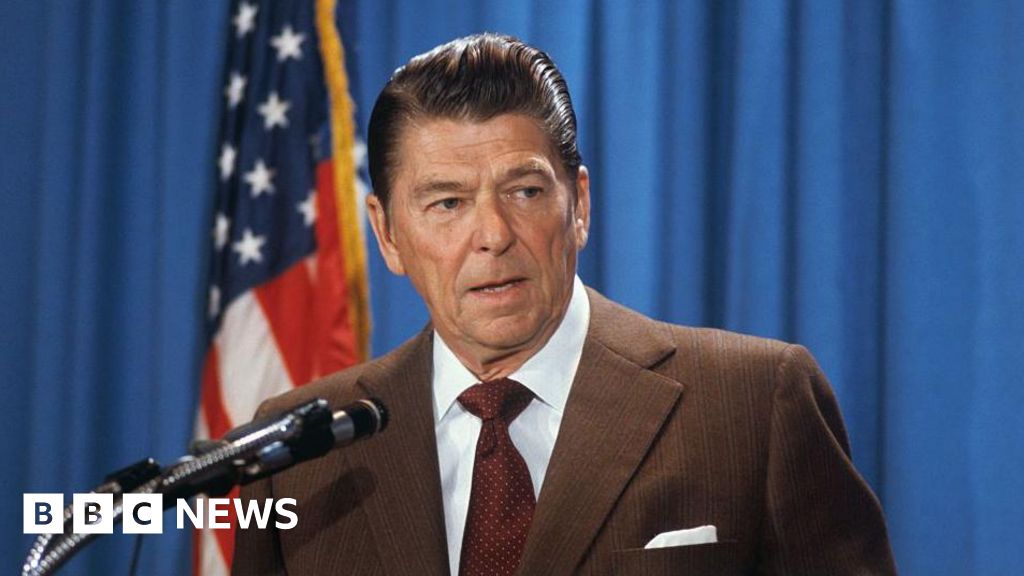
In a dramatic turn of events that underscores the fragile fabric of international economic stability, President Donald Trump has decisively halted all trade negotiations with Canada following the release of a controversial advertisement. The ad, prominently featuring excerpts from a 1987 address to the nation by Ronald Reagan, aims to highlight the perceived dangers of tariffs and protectionist policies. However, critics argue that this move reflects a broader struggle over the future direction of global trade policies—one that could reshape the geopolitical landscape for years to come.

The ad, sponsored by the Canadian province of Ontario, presents transcribed snippets of Reagan’s historic speech, emphasizing his warnings about the long-term consequences of tariffs: “Over the long run, such trade barriers hurt every American, worker and consumer.” By selectively editing and rearranging these excerpts, the ad seeks to underscore Reagan’s commitment to free trade as an economic virtue—yet the controversy surrounding it has ignited fierce political debate across North America. The Ronald Reagan Foundation quickly responded, condemning the ad as a misrepresentation of Reagan’s original message, which was fundamentally rooted in the principles of free trade and economic openness. Meanwhile, Ontario announced it would cease running the ad, citing the need to resume vital trade discussions with the United States—an indication of how high-stakes the rhetoric has become in this trade war.

Esteemed analysts from the International Monetary Fund (IMF) and various economic historians have long pointed to the historic repercussions of tariffs, echoing Reagan’s warnings from decades ago. As the 1987 address makes clear, high tariffs inevitably lead to retaliation by foreign nations, triggering escalating trade wars with devastating consequences. “Markets shrink and collapse, industries shut down, and millions of jobs are lost,” Reagan warned—a stark prognosis that resonates strongly today amidst rising tensions. Many experts see President Trump’s recent actions as part of a broader trend where geopolitical instability threatens global economic cooperation, risking a repeat of the past’s economic tumult.

The geopolitical impact of this dispute extends beyond mere trade. It signals a fundamental shift in how nations approach economic sovereignty and international alliances, especially as the United States reevaluates its trade policy stance. Countries across Europe, East Asia, and beyond are watching closely, aware that the future of free trade hinges on these decisive moments. According to international relations analysts, such moves threaten to unravel decades of progress made toward economic integration and global stability. As President Biden’s administration navigates these turbulent waters, the outcome could either reinforce the post-Cold War order or push the world back toward protectionism and economic isolationism.

With history threatening to repeat itself, the unfolding narrative leaves nations and societies standing at a crossroad where every decision echoes with the weight of history. As the world watches, the question remains: will this clash of trade visions forge a new era of cooperation or plunge the globe into a protracted economic conflict? The answer may well determine the fate of prosperity in the 21st century, reminding us that in the struggle for global influence, history’s pages are still being written, with each chapter etched into the fabric of international relations—an ongoing story that demands vigilance, resolve, and perhaps a renewed commitment to free and fair trade as the cornerstones of a prosperous future.

How America is Reclaiming Its Youth and Turning the Tide on the Drug Crisis

Revitalizing America’s Approach to the Opioid Epidemic: A Shift Toward Harm Reduction and Personal Empowerment

Despite a harrowing history of drug-related deaths driven by the deadly synthetic opioid fentanyl, recent developments across the United States showcase a significant turning point. A combination of innovative harm reduction strategies, comprehensive treatment programs, and community-driven initiatives have contributed to a surprising 25% decrease in overdose fatalities in 2024. States like North Carolina are leading this transformative movement, proving that the pathway to recovery can be multifaceted—centered not just on abstinence, but also on saving lives and fostering resilience.

One of the pivotal elements in this recovery revolution has been the embraced philosophy of harm reduction. Unlike traditional policies that criminalize drug use, harm reduction prioritizes the health and well-being of individuals. Programs such as the Law Enforcement Assisted Diversion (LEAD) in Fayetteville demonstrate how law enforcement agencies are working directly with community organizations to divert individuals from the criminal justice system into support networks that offer treatment, housing, and employment assistance. “Getting people the services they need not only saves lives, but also rebuilds communities,” explains Lt. Jamaal Littlejohn, whose own sister once struggled with substance use disorder. This approach recognizes that personal impact—including mental health, economic stability, and sense of purpose—are essential components of sustainable recovery.

At the heart of these efforts lies accessible, medication-assisted treatment (MAT). Clinics like the Morse Clinic in Raleigh operate with precision, providing medications like methadone and buprenorphine that drastically reduce cravings and withdrawal symptoms. The perspective shared by Dr. Eric Morse highlights a nuanced understanding: while patients might still test positive for illicit opioids, their changed risk landscape—playing what he calls “Russian roulette with fewer bullets”—significantly boosts survival odds. For individuals like Kayla, who once felt trapped in prostitution and homelessness, these treatments have meant a second chance. Her journey from fentanyl addiction to becoming a certified nurse assistant exemplifies how personalized treatment, combined with community support, can catalyze life-changing personal impacts.

Beyond medication, lifesaving tools such as the naloxone nasal spray have played a critical role in reversing overdoses—potentially saving thousands of lives annually. Dr. Nabarun Dasgupta describes naloxone as an almost “miracle drug,” accessible and simple to administer, making it a frontline defense in the ongoing battle against overdose deaths. However, experts warn of the gaps in drug testing, as not all dangerous substances are detectable, emphasizing the importance of comprehensive harm reduction strategies. Author and wellness advocate Johann Hari reminds us that recovery isn’t solely about abstinence; it involves addressing underlying social, economic, and emotional factors that fuel addiction. As policies evolve, the emphasis is shifting toward empowering individuals, recognizing that life isn’t simply a moral failing but a complex journey of resilience.

Undoubtedly, this generational shift signals hope—especially as data indicates Generation Z is less affected by overdose fatalities compared to previous generations. Fueled by awareness, targeted interventions, and a collective refusal to accept death as an inevitability, communities are redefining what it means to heal. Yet, challenges remain, particularly concerning **federal funding**, which threatens to undo progress if programs like Medicaid are compromised. The inspiring progress in North Carolina offers a compelling reminder: when public policy meets community action and personal agency, there’s a promising future beyond the darkest days of America’s opioid crisis.

  • Embrace evidence-based harm reduction policies that prioritize life over stigma.
  • Support community programs offering treatment, housing, and employment to foster sustainable recovery.
  • Recognize the power of personal stories as catalysts for societal change and empathy.
  • Stay informed and advocate for policies that sustain lifesaving tools and funding for treatment programs.

As the nation writes a new chapter in its battle against addiction, the stories of Kayla, Charlton, and countless others remind us that recovery is a journey—marked not just by overcoming substance use, but by rediscovering purpose, hope, and a renewed sense of life. In the end, lifestyle becomes a conscious choice to embrace resilience and conviction, turning the page toward a future where every life is worth fighting for.

WHO: Infectious Diseases in Gaza Escalate as Crisis Deepens

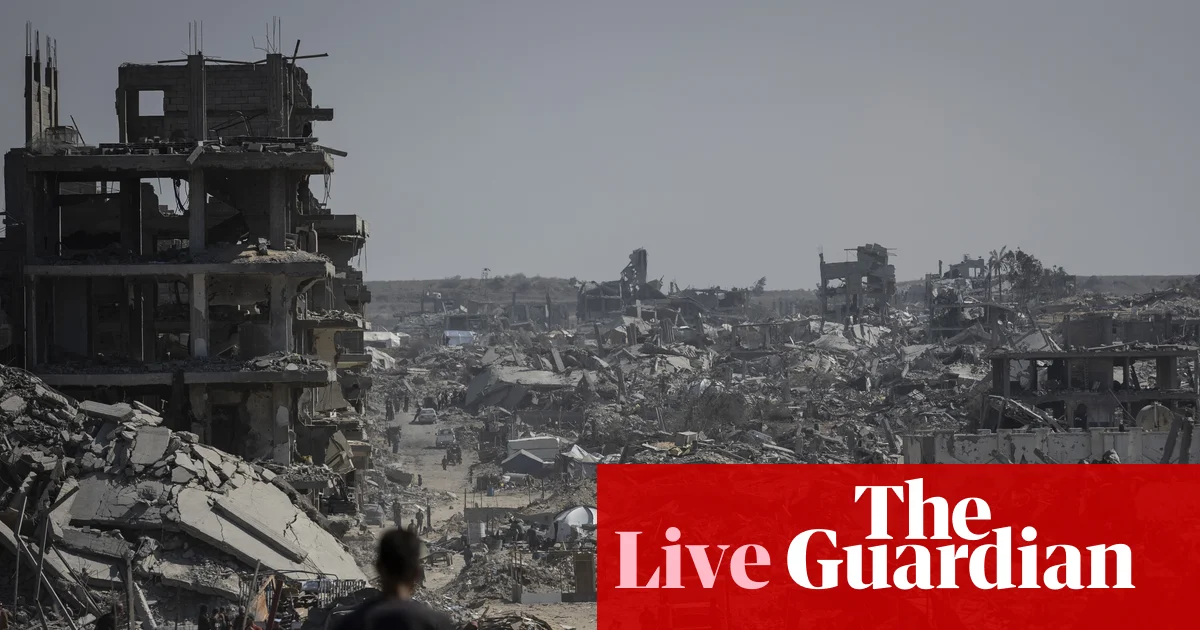
The ongoing crisis in Gaza has escalated into a complex human tragedy with wide-reaching geopolitical consequences. The World Health Organization (WHO) has issued a stark warning, revealing that infectious diseases are “spiralling out of control” within the territory, where only 13 of the 36 hospitals remain partially operational. This collapse of medical infrastructure—highlighted by experts like Hanan Balkhy—underscores the catastrophic humanitarian toll of sustained conflict, which in turn threatens regional stability. As the UN warns that it will take “time to reverse the famine” in Gaza, international aid efforts work feverishly to mitigate the crisis, but the challenges are profound and interwoven with broader geopolitical shifts.

Despite a fragile ceasefire brokered by Egypt and the United Nations, the situation remains volatile, with declarations from western nations indicating plans to deploy international stabilization forces. France and the UK, in coordination with the United States, are preparing a UN Security Council resolution aimed at establishing an international force to restore order in Gaza—an unprecedented move that signals shifting strategies. According to analysts, such measures could reshape the very fabric of Middle East geopolitics, as external powers seek to balance pressure on Hamas and bolster the stability of Israel. The cause-and-effect extends beyond Gaza, with regional actors like Turkey deploying disaster relief specialists amidst mounting criticism of Hamas’s handling of remains and hostages, which have become symbolic of the ongoing gamble for regional influence and narrative control.

Meanwhile, the U.S. under Donald Trump has advanced a bold 20-point plan for Gaza, advocating the disarmament of Hamas, offering amnesty for leaders who decommission their weapons, and establishing governance for a postwar Gaza. This plan, articulated amidst warnings from Israel’s leadership and escalating military readiness, underscores a strategic shift: the push toward redrawing the post-conflict political landscape. Israeli officials, led by Benjamin Netanyahu, remain resolute, affirming their commitment to recover all hostages and reassert control, while Trump’s provocative rhetoric — including threats to “go in and kill” Hamas if ceasefire violations continue — signals a hardening stance globally. Such decisions are not made in isolation; they ripple through societies, igniting debates on sovereignty, interventionism, and stability, and leaving history to record whether these choices steer the region toward peace or prolonged chaos.

As the narrative unfolds, the weight of history presses heavily upon the present. The Gaza crisis exposes a treacherous web of human suffering, international diplomacy, and competing interests—a conflict where each decision echoes beyond the battlefield and into the future of geopolitics. The decade-long struggle remains unresolved, teetering on the cusp of deeper regional upheaval, with the world watching as leaders navigate the perilous line between humanitarian aid, military intervention, and diplomatic negotiations. The story of Gaza—marked by loss, resilience, and strategic gambles—continues to be written, and the heavy hand of history reminds us that the consequences of today’s decisions will shape generations to come.

El-Fasher faces crisis amid war crimes and looming food shortages

International Spotlight on Sudan’s Devastating Civil Conflict

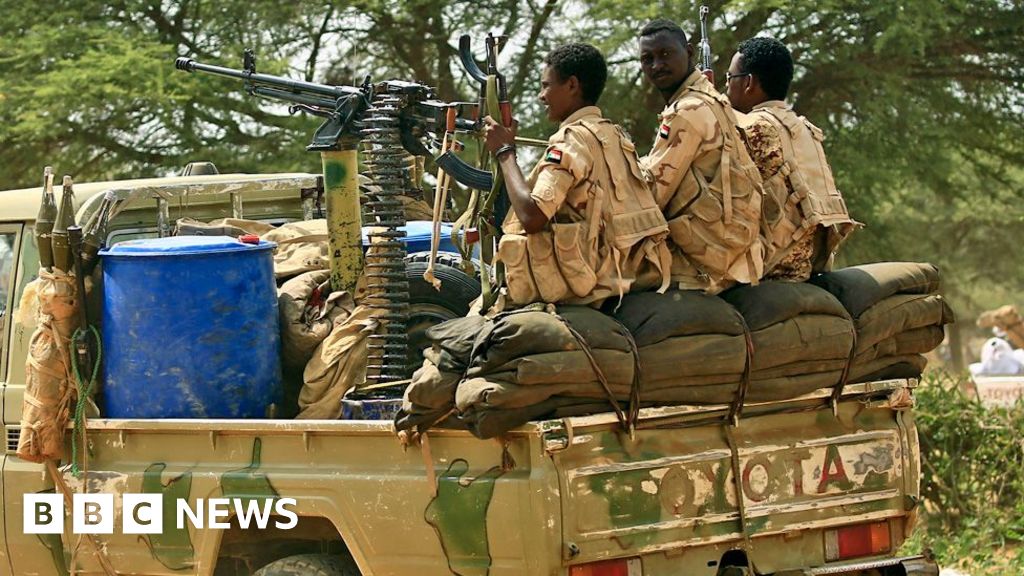
The recent escalation of conflict in Sudan has plunged the nation into its most severe crisis since the civil war erupted in April 2023. Satellite imagery and independent investigations reveal a disturbing pattern of war crimes committed by the Rapid Support Forces (RSF), a paramilitary faction with roots in the notorious Janjaweed militia. According to a research team from Yale University, the RSF has deliberately targeted civilians in the city of el-Fasher, an act against international humanitarian law that merits designation as war crimes. The city’s strategic position—surrounded by a 57-kilometer earthen wall completed by the RSF—has effectively cut off aid and escape routes, trapping an estimated 300,000 residents in what is fast becoming a death trap.

The international community’s response has been largely muted, with many analysts lamenting the absence of decisive action. Satellite images from Maxar Technologies depict the horrifying scale of civilian casualties, with over 60 new burial mounds established in the Daraja Oula neighborhood just within two weeks, signaling mass killing and unrelenting violence. The foundations of the conflict extend beyond mere civil unrest, revealing an evolving pattern of atrocities that threaten to constitute crimes against humanity. Historians and human rights experts warn that these acts of indiscriminate bombardment—targeting mosques, markets, hospitals, and shelters—are not only morally deplorable but also mark a dangerous slide towards lawlessness and chaos.

How Geopolitical Impact Shapes the Future of Africa and Global Stability

The geopolitical impact of this conflict reaches far beyond Sudan’s borders. The current chaos threatens regional stability, especially as it intersects with longstanding ethnic tensions and the lingering shadows of colonialism. Countries such as Egypt and Chad have vested interests in Sudan’s future, while the unrest fuels destabilization that could spill over into neighboring nations. The U.N. and African Union face mounting pressure to intervene, yet international efforts have been hampered by a lack of unified action and persistent diplomatic paralysis.

Globally, the crisis underscores the dangerous consequences of failing to address internal conflicts early. The tide of violence can easily morph into a regional proxy battleground, especially if external powers pursue conflicting interests. Analysts from organizations like the International Crisis Group warn that unless urgent diplomatic measures are enacted—such as ceasefire negotiations and humanitarian corridors—the violence could escalate toward a chaotic deconstruction of Sudanese society. The ongoing destruction of infrastructure and mass casualties threaten to undo decades of fragile regional stability, casting a long shadow over future peace and security in the Horn of Africa.

Humanitarian Catastrophe and the Lessons of History

As the conflict intensifies, humanitarian organizations report that aid efforts are virtually nonexistent. The survivors, confined to shrinking zones of last refuge—mosques, hospitals, and markets—are suffering from severe shortages of food, water, and medical supplies. Satellite imagery depicts horrific destruction, with “burn scars” on key buildings and evidence that civilians inside targeted structures have been burned alive. The research from Yale highlights that more than 174 people have been killed in recent attacks, with many more wounded in what experts label as acts that rise to the level of war crimes.

This unfolding tragedy echoes the darkest chapters of 20th-century conflicts where international inaction allowed atrocities to flourish unchecked. The failure of global powers to intervene decisively now risks permanently damaging Sudan’s social fabric and heritage. The warning signs are clear: without immediate intervention, this conflict could mark the beginning of a new era of regional destabilization and human suffering, leaving a scar on history that will be remembered as a preventable catastrophe.

As the world watches, the weight of history presses heavily upon the conscience of nations. The question remains—will this be a turning point toward justice and reconciliation, or another stark reminder of humanity’s failure to prevent genocide in the modern age? The answer lies in the decisions made today, decisions that will either condemn a nation to oblivion or forge its path toward a fragile peace, amidst the shadows of a conflict that still rages, unseen and unrelenting. Time is running out, and the pages of history are waiting to record whether this crisis will be a testament to collective failure or the catalyst for renewed resolve.

Trump Town Faces Shutdown Boot as Budget Crisis Builds

The US Government Shutdown: A Local Impact with Global Geopolitical Ripples

As the United States government enters its third month of shutdown, the geopolitical consequences are rippling far beyond the halls of Washington, impacting local communities and societies with tangible immediacy. In Martinsburg, West Virginia, a town emblematic of the broader American fabric, federal employees, veterans, small business owners, and residents find themselves at the mercy of political deadlock. While the immediate effects include furloughed workers and shuttered services, analysts warn that this crisis highlights the deeper fissures and vulnerabilities within the very structure of American governance.

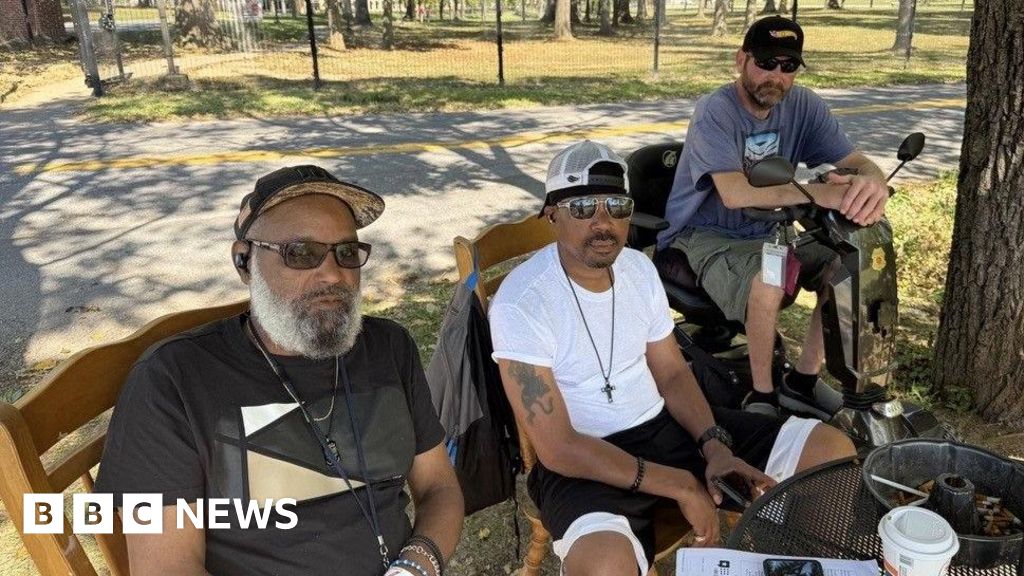
The shutdown began after a contentious political impasse over federal funding, with Democrats and Republicans entrenched in their stance since October 1st. The result has been the suspension of vital programs that sustain not only the lives of millions but also the stability of local economies. For instance, in Martinsburg—an area with a significant federal workforce—over 3,300 federal employees are directly affected, with additional thousands commuting to the capital daily. The impact on veteran care, as seen through the story of Army veteran Jonathan Giba, exemplifies the human toll: delayed medical treatment, halted career transition programs, and a growing sense of worry among those already scarred by service. Somber voices,” as noted by analysts, suggest this crisis is not merely about politics but about the systemic neglect of everyday Americans’ needs.

Within the broader geopolitical context, this shutdown underscores divisions within the United States—dubbed “Trump country”—where a fierce sense of independence and skepticism toward establishment politics runs deep. The political stalemate reflects more than a budget dispute; it embodies an ideological struggle that risks eroding trust in democratic institutions at a time when international confidence in American stability could waver. Historians fragility warn that repeated shutdowns risk long-term damage to the @America’s global standing, as allies and adversaries watch with keen interest. International organizations, like the United Nations, have expressed concerns over the stability of US policies and their capacity to meet global commitments, emphasizing that the world cannot ignore the internal crises of the most powerful nation on Earth.

Meanwhile, the impact is felt deeply within the American heartland—where small businesses like Tina Hissam’s suffer from the ripple effects of disrupted federal contracts and service closures. With USDA service centers shuttered and furloughed IRS workers further delaying claims and refunds, local economies flounder in uncertainty. According to economists and local leaders, such as Kelly Allen of the West Virginia Center on Budget and Policy, the suffering touches every stratum—from laid-off federal personnel to the most vulnerable members whose survival depends on stable government support. These mounting pressures threaten to further destabilize a politically divided society, fueling an urgent call for resolution amid a landscape of growing economic fragility.

As the crisis drags into the months, the narrative remains one of profound uncertainty—where history offers grim lessons: prolonged shutdowns lead to deeper policy failures, increased societal fractures, and a diminishing capacity for government to serve its people. With each passing day, the weight of history presses down; the American experience is once again at a crossroads, teetering between political brinkmanship and the imperative for leadership, unity, and purpose. The question persists—will this be a moment of reckoning, or a chapter of further decline, as the unstoppable momentum of history continues its relentless course?

Campus jobs vanish as financial crisis hits youth future

Society at a Crossroads: The Human Cost of Higher Education Budget Cuts

Across the landscape of British higher education, recent years have revealed a troubling trend: an unprecedented wave of financial austerity measures that threaten the very fabric of our educational communities. The University and College Union (UCU) reports that more than 12,000 jobs have been slashed in the last year alone, with an additional 3,000 positions at risk due to ongoing cost-saving initiatives. These reductions go beyond mere numbers— they echo deeply within the lives of students and staff, altering the core of our societal structure where families, education, and community tie together. As universities grapple with the need to tighten budgets, the moral and social consequences ripple outward: what does it mean for a student aiming for a future, or a lecturer whose livelihood hinges on decisions made in boardrooms?

Disturbingly, this climate of cutbacks fuels a demoralized workforce— university staff report being “exhausted, furious, and undervalued,” as Jo Grady, UCU general secretary, starkly describes. The sustenance of >4 million students in England alone is now shadowed by uncertainty, with many witnessing the disconsolidation of vital support services such as disability resources and cleaning staff. Such austerity measures are not just financial; they strike at the ethical heart of what it means to serve the public good. Sociologists like Michael Apple warn that these policies prioritize economic “efficiencies” at the expense of societal well-being, leading to a long-term decline in social mobility and access to higher education for the most vulnerable.

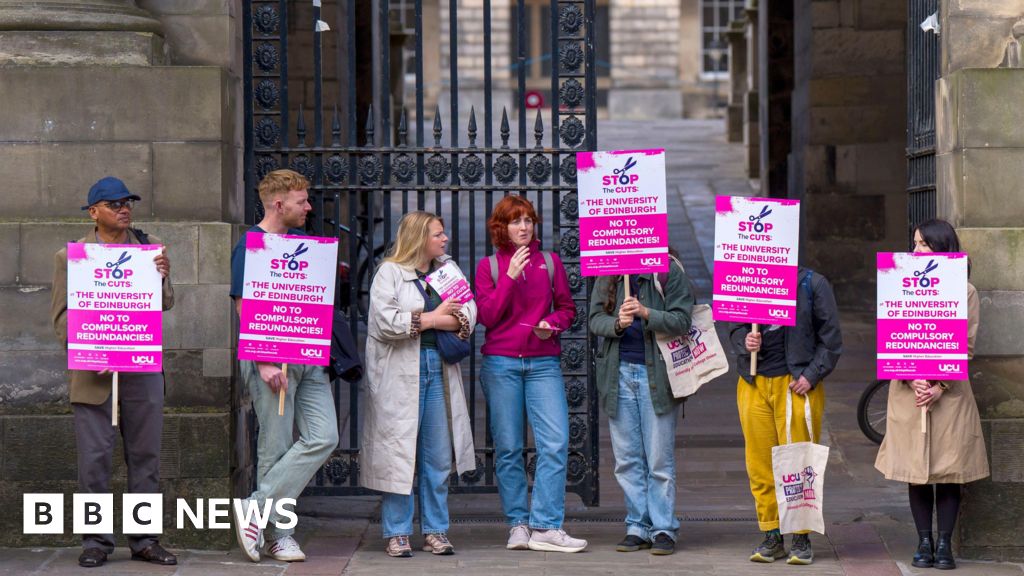
Among those facing the harshest consequences are academic staff like Dr. Zak Hughes, a chemistry lecturer at the University of Bradford, who describes the stark reality: he risked losing his job and, if that happens, will have to move back with his mother into her home, a stark symbol of societal insecurity. Meanwhile, in Edinburgh, a similar story unfolds where a planned £140 million in cuts looms over nearly 1,800 jobs, casting a shadow of doubt over students’ futures. Young people like Caspar Cubitt, a theology student, admit that the uncertainty has caused them to question their very decision to pursue higher education, stirring a cultural shift where aspirations are replaced with apprehensions. The historian David Brooks underscores that these trends threaten the foundations of our civic identity, as universities have long been pillars of societal progress and moral debate.

In response, some institutions call for “swift and decisive action” from the government, emphasizing that financial stability must be balanced against the moral obligation to support future generations. Yet, the crisis illuminates a deeper societal tension: how do we preserve the integrity of education in a system increasingly driven by economic imperatives? For families, this means reconsidering their investments in their children’s futures; for communities, it signals a fracturing of the social fabric that binds generations together. As the philosopher Francis Schaeffer once noted, society is only as strong as its moral commitment to human dignity and shared purpose. The challenge now is to envision a way forward—one that not only mitigates these cuts but also redefines the role of higher education as a true societal good, rooted in the promise of opportunity, hope, and resilience. In this moment of crisis, society is called to reflect: can it transform hardship into a catalyst for moral renewal, ensuring that the pursuit of knowledge remains a pursuit of justice?

Before and after photos reveal glaciers' rapid disappearance—our climate crisis in focus
Before and after photos reveal glaciers’ rapid disappearance—our climate crisis in focus

Global Glaciers in Rapid Retreat: A Warning from the Frontlines of Climate Change

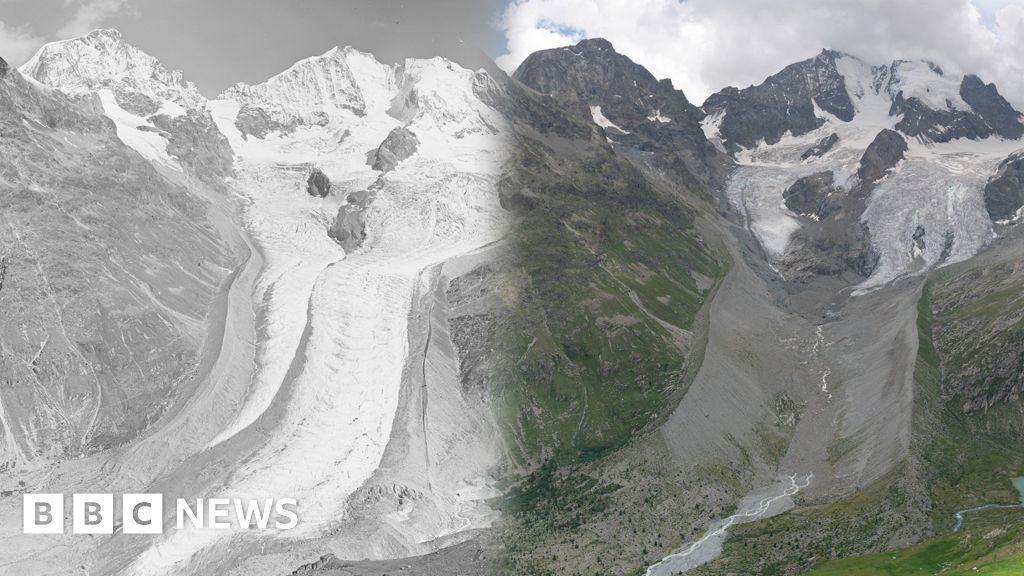
Across the globe, the once-mighty glaciers that have shaped mountain landscapes for centuries are vanishing at an unprecedented rate. In Switzerland, a country renowned for its alpine beauty and climate resilience, the retreat of glaciers like the Rhône and Great Aletsch has become a symbol of a warming planet. Matthias Huss, director of Glacier Monitoring in Switzerland (GLAMOS), vividly recalls his childhood memories of glaciers that once stretched deep into the valleys—memories now replaced by distant, receding ice and growing lakes. The stark reality is that, according to a recent World Meteorological Organization report, glaciers outside the Greenland and Antarctic ice sheets lost a staggering 450 billion tonnes of ice in 2024 alone, enough water to fill 180 million Olympic pools.

Scientists globally warn that the rapid loss of glaciers is a direct consequence of human activity. Prof. Ben Marzeion of the University of Bremen emphasizes: “They are sitting in a climate that is very hostile to them now because of global warming.” The pattern is relentless. Satellite imagery and ground observations from the Alps reveal that some glaciers, previously thought to lose only 2% of their ice annually—considered “extreme”—are now hemorrhaging nearly 6% in a single year. Such accelerated loss underscores how natural glacier fluctuations, once considered slow and cyclical, are being overridden by anthropogenic climate change. The melting is not just a regional problem; it has far-reaching geopolitical impact, threatening fresh water supplies for hundreds of millions in Asia, Africa, and beyond.

In the context of global politics, the melting glaciers serve as stark warnings and call for urgent international cooperation. Asia’s so-called “Third Pole,” the Himalayan mountain range, harbors enough ice to impact nearly 800 million people dependent on meltwater for agriculture, drinking water, and hydropower. Professor Regine Hock from the University of Oslo warns that the “biggest vulnerability” lies in these drier regions, where meltwater is often the sole source of water during summer months. Yet, despite the alarming evidence, some nations continue to prioritize economic growth over environmental stewardship, complicating international efforts to mitigate climate impacts. Historians and analysts concur that the contemporary rapid glacial retreat, especially over the past four decades, is unequivocally linked to the rise of global fossil fuel consumption since the Industrial Revolution.

Decisions Today Will Shape the Glacial Future

The interplay between natural variability and human-made climate change has created a scenario where glaciers are lagging behind current temperatures, with much of their future melt already inevitable. As Prof. Marzeion states, “A large part of the future melt of the glaciers is already locked in.” This means even if global efforts succeed in stabilizing temperatures tomorrow, many glaciers will continue to diminish for decades due to delayed response mechanisms. Yet, some hope persists—research published in *Science* indicates that limiting global warming to 1.5°C above pre-industrial levels could save half of Earth’s remaining mountain ice. Conversely, at the current trajectory of approximately 2.7°C warming, projections suggest that up to 75% of glaciers may ultimately succumb to melting, dramatically reshaping landscapes and societies.

This ongoing retreat portends profound consequences beyond geography; it threatens to destabilize ecosystems, alter river flows, and escalate sea-level rise, which endangers coastal cities worldwide. Provinces like the Himalayas, often dubbed the “Third Pole,” stand as testament to the human toll—where Himalayan glaciers feed rivers vital for agriculture and industry, their loss could trigger water scarcities affecting billion-dollar economies and vulnerable populations alike. This is a crisis that transcends borders, calling on international organizations and world leaders to confront the stark reality of climate inaction—a challenge where history is still being written, and the pages are being turned with every melting glacier and rising sea.

The weight of history presses heavily as glaciers continue to vanish

As the glaciers vanish—once seen as eternal in the eyes of ancient communities—the modern world faces an epochal dilemma: whether to heed the warnings etched into icy scars or to ignore the call to preserve Earth’s irreplaceable cryosphere. In the crucible of mounting evidence and irreversible change, the choices made now hold the power to either forge a sustainable future or condemn generations to witness the relentless advance of a warming world. The echoing cry of the glaciers, frozen in time but melting in reality, reminds us that while the natural cycle of ice and fire has persisted for millennia, human influence now shapes the course of Earth’s history itself—leaving us to linger on the precipice of an uncertain future, where every melting drop writes the beginning of an inevitable transformation.

Social Media Auto Publish Powered By : XYZScripts.com