Matox News

Truth Over Trends, always!

Lyse Doucet: Iran’s Been Ready for This Critical Moment

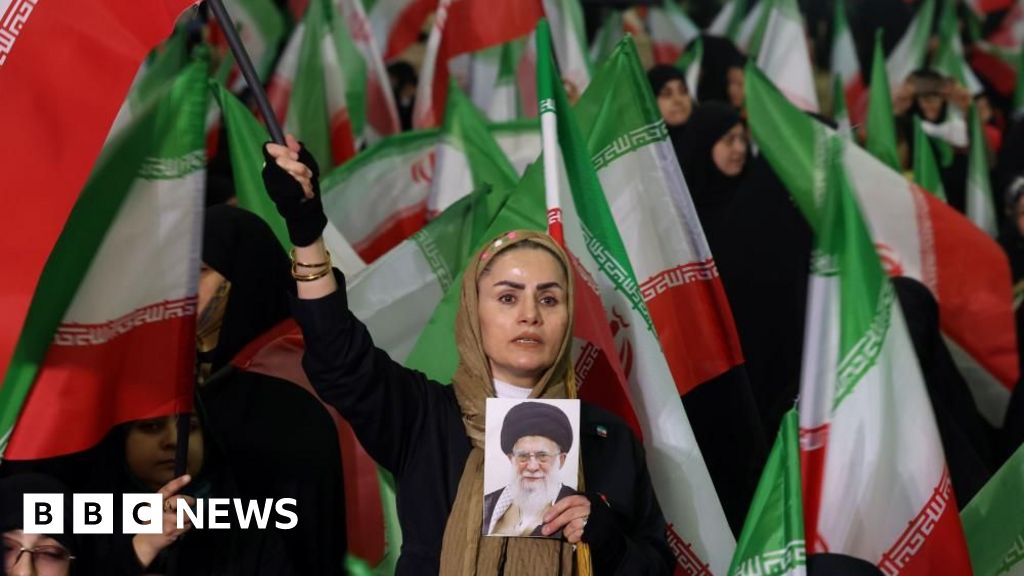
The recent assassination of Iran’s Supreme Leader marks a pivotal moment in regional and global geopolitics. Such a high-profile elimination not only represents a strategic blow to the Islamic Republic but also signals a potential shift in the balance of power across the Middle East. While officials in Tehran immediately vow to “show they have a plan,” analysts and international observers understand that the consequences extend far beyond the immediate grief and outrage. The assassination raises profound questions about internal stability, regional alliances, and the willingness of external actors to influence Iran’s future course.

Historically, leadership assassinations have often been catalysts for unpredictable upheavals. Some experts warn that this act could trigger a cycle of retaliation, destabilizing an already volatile region. As Western intelligence agencies scrutinize the event, many believe it was orchestrated by enemies seeking to weaken Iran’s internal cohesion. The mid-2020s have witnessed a surge in proxy conflicts, economic sanctions, and diplomatic confrontations involving Iran and various global powers, especially the United States and Israel. The targeted killing could serve as a catalyst for escalated military responses, further complicating efforts at diplomatic resolution.

Global and Regional Repercussions

The geopolitical impact of this event cannot be overstated. Iran’s strategic position as a regional power broker and supporter of allied groups from Lebanon’s Hezbollah to the Houthis in Yemen means that any upheaval at the top could trigger ripple effects across entire networks of influence. China and Russia have expressed concern over regional stability, emphasizing the importance of diplomatic solutions, yet malign actors might exploit the chaos to advance their agendas. Meanwhile, European nations, still reconnecting with Iran through fragile nuclear negotiations, face an uncertain path forward as Tehran seeks to consolidate power amid turmoil.

According to renowned geopolitical analyst Dr. Lisa Carter, “This assassination could serve as a turning point, forcing Iran into a mode of internal consolidation, which may result in increased militarization or even harsher anti-Western sentiment. The international community must carefully navigate this fragile juncture, recognizing the potential for a cascade of unforeseen consequences.” The United Nations has called for calm and restraint, but with history as a guide, such moments often spiral toward conflict rather than resolution.

How Decisions Shape Societies

For the Iranian people and their society, the fallout remains unpredictable. Internal stability will be tested as the regime seeks to demonstrate resilience, possibly by tightening internal security or intensifying rhetoric against foreign adversaries. The decision to retaliate or pursue diplomatic avenues will shape Iran’s future trajectory, directly impacting the lives of millions caught in the crossfire. As artists, students, and ordinary citizens watch their country navigate the aftermath, the question persists: how long can stability endure amid such a seismic shift?

In the grand tapestry of history, moments like these—marked by sudden violence at the top echelons of power—are often the prelude to larger upheavals. As historians note, the assassination of Iran’s supreme leader could either plunge the nation into chaos or catalyze a new era of resilience and reinvention. The world watches with bated breath, knowing that the decisions made in the coming days will echo through the corridors of history, shaping destinies of nations yet to be written. The arc of history bends at these critical junctures, and the weight of tomorrow’s stories rests on the choices of today.
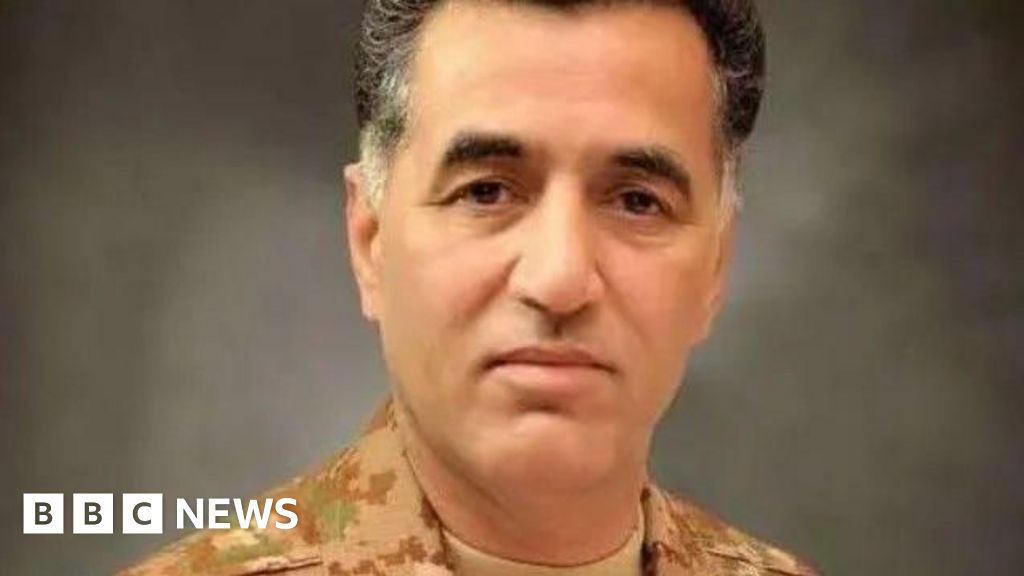
Pakistan’s military locks up ex-spy chief Faiz Hameed for 14 years ahead of critical elections

Pakistan continues to find itself at a critical juncture in its complex political landscape, as recent developments signal both internal struggles and broader implications for regional stability. The sentencing of Faiz Hameed, the former head of the Inter-Services Intelligence (ISI), to 14 years in prison marks a historic moment—the first time in Pakistan’s history that an ISI chief has been court martialled. This unprecedented move speaks volumes about the shifting balance of power within Pakistan’s military and civilian spheres, and serves as a stark reminder of the persistent turbulence in the nation’s governance.

The charges against Hameed—including violation of state secrets and interference in political processes—underscore the tense intersection between Pakistan’s military elite and its political leadership. Hameed, a key figure during Imran Khan’s tenure as prime minister, was known for his staunch support of the ousted leader. The military’s move to prosecute and imprison its former intelligence chief not only intensifies the ongoing politicization of Pakistan’s military institutions but also sends a clear message to those in power: accountability is gaining ground, even against the military’s upper echelons. Historians and security analysts see the case as a *possible sign of internal reforms or factional struggles within Pakistan’s powerful military establishment*, which has historically operated with significant autonomy from civilian authority.

Official reports from the Pakistan Army, citing the Pakistan Army Act, reveal that the court martial proceedings lasted *over a year* and were conducted behind closed doors—symptomatic of the secretive nature that often cloaks military interventions. The charges levied include misuse of powers, involvement in political agitation, and harm to citizens, especially regarding alleged protests related to Khan’s arrest on 9 May 2023. The verdict, although denied public transparency, indicates an intention to curb political interference within the military’s ranks, a move that could shift the longstanding tradition of military dominance in the nation’s politics and mark a pivot toward demonstrating accountability and strengthening civil-military boundaries.

Internationally, this development draws sharp attention from observers and institutions. Global organizations, such as the United Nations and regional security partners, watch closely as Pakistan’s internal dynamics may influence regional stability, especially given ongoing tensions in neighboring India, Afghanistan, and beyond. Analysts warn that any weakening of military influence could have unpredictable consequences, either paving the way toward greater democratic reform or triggering internal unrest. As Pakistan’s future remains uncertain, the court’s decision to sentence a figure of such influence signals an internal shift, but also suggests an escalating battle for dominance between civil authority and military power.

What remains clear is that history continues to unfold rapidly for a nation caught in the throes of reform, resistance, and the relentless pursuit of power. The story of Faiz Hameed is not just about one man—it’s a chapter in a larger narrative of a nation striving to redefine itself. As the dust settles and courts proceed, the weight of Pakistan’s history presses on, leaving the world to ponder whether this moment signifies the dawn of transparency or the prelude to further chaos. Decisions taken today will echo in the corridors of history, shaping the future of a nation whose destiny remains intricately woven into the fabric of regional and global security.

Australia Shark Attack: Woman Killed, Man in Critical Condition on NSW Beach

Rising Tragedy on Australia’s Shores: A Wake-Up Call for Global Marine Safety

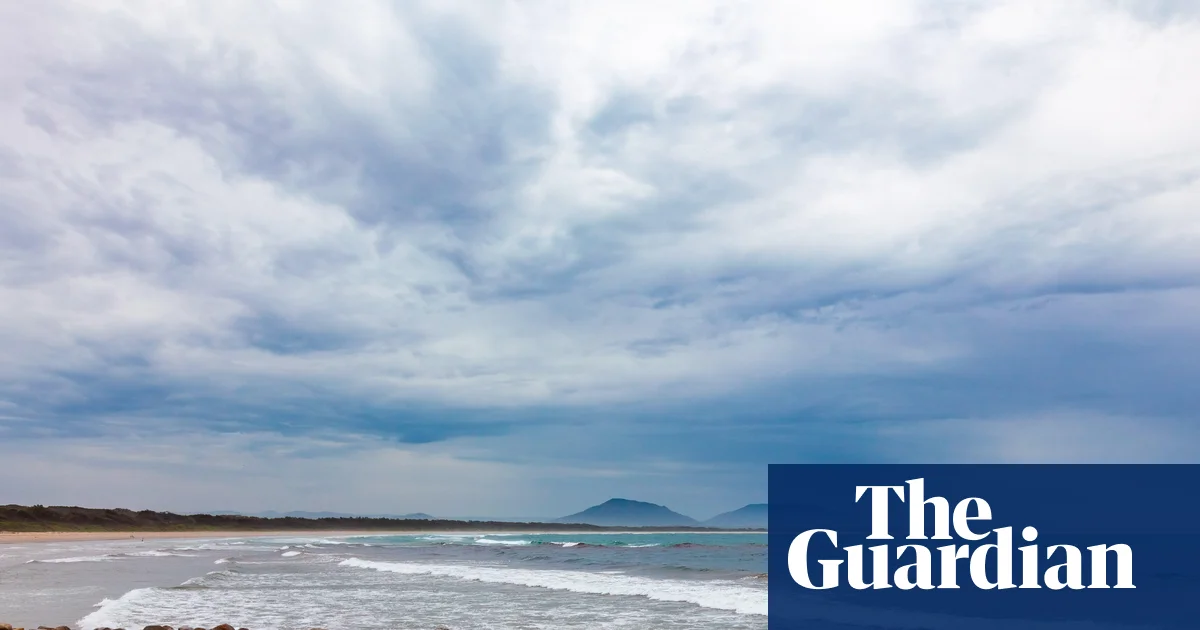
In the latest chapter of Australia’s ongoing struggle with marine safety, a tragic shark attack on the New South Wales mid-north coast has resulted in the death of a woman in her 20s at Kylies Beach. Emergency responders responded swiftly early Thursday morning, but despite their efforts, the woman succumbed to her injuries at the scene. The incident also left a man critically injured, though he is now reported to be in a serious but stable condition. Such events have become a stark reminder of the increasing dangerous interactions between humans and marine life, sparking debates on how international communities should address the rising threat of shark attacks amid climate shifts and human encroachment.

Australia’s rising number of shark bite incidents has raised alarm bells across the international community, with experts citing an unprecedented increase in unprovoked bites over the last two decades. According to Prof. Charlie Huveneers from Flinders University, while the surge in water activities among Australians contributes to the risk, other factors—possibly including climate change, coastal development, and shark migration patterns—are fueling an intensifying threat. Over the past year alone, Australia has experienced five fatalities due to shark attacks, with the current year marking 13 unprovoked bites—10 fewer than 2023 but still indicative of a troubling trend.

Local authorities, responding to the incident, promptly closed Kylies Beach and deployed advanced “smart” drumlines equipped with real-time shark monitoring capabilities. These non-lethal devices, which use baited hooks to lure and tag sharks before releasing them back into open waters, exemplify innovative strategies being considered by international marine safety agencies. A report from the Department of Primary Industries (DPI) aims to identify the species involved and assess the ongoing threat, demonstrating Australia’s commitment to balancing ecological integrity with human safety. Such measures, along with drone surveillance, highlight how technology is increasingly critical in managing human-wildlife interactions on a global scale. However, international experts note that while these efforts are vital, they remain only part of the solution, as the root causes of rising shark encounters are complex and multi-faceted.

Looking beyond Australia, the geopolitical impact of marine safety and climate-related shifts in marine ecosystems could have far-reaching consequences. Nations with extensive coastlines—such as the United States, South Africa, and countries across Southeast Asia—are closely watching Australia’s approach, as the patterns of shark migrations and oceanic changes are global phenomena. As international organizations like the United Nations Environment Programme (UNEP) caution about climate change’s role in altering marine biodiversity, analysts warn that uncoordinated responses could exacerbate tensions and threaten maritime economies. Historians and environmental experts emphasize that these incidents are a “turning point,” underscoring the urgency of collective global action on climate mitigation, marine conservation, and sustainable tourism. Failing to act decisively may result in an era where coastlines are plagued by ever-increasing dangers, and societies are forced to confront the devastating costs of ecological neglect.

In this unfolding saga of survival and sovereignty over the seas, the incident at Kylies Beach serves as a visceral warning—one that underscores how decisions made today will carve the contours of future generations’ relationship with the ocean. As history rushes forward, the question remains: will humanity learn to coexist with these majestic but unpredictable creatures, or will we continue to witness tragedies that echo through the corridors of time? The weight of this moment rests heavily on the shoulders of international leaders, environmental strategists, and communities alike. The tide is turning; the narrative of human stewardship over the ocean is still being written, and the world hangs in the balance as nature’s patterns reveal that no coast, no matter how remote, is immune to the profound shifts underway.

Luton School Prepares for Closure to Fix Critical Ceiling Repairs—Safety First for Our Students

Community in Flux: Addressing the Impact of School Repairs on Families and Education

In the heart of communities like Luton, where education serves as the backbone of society, unexpected disruptions to schools reveal much about the ongoing challenges faced by today’s families. The recent closure of Denbigh Primary School for six months, due to necessary ceiling repairs, underscores a broader societal issue: how infrastructure issues can ripple across communities, affecting educational stability, family routines, and social cohesion. Despite being a temporary inconvenience, such measures highlight the urgent need for systematic investment in local schools—an issue that sociologists and community leaders increasingly scrutinize as a failure of policy and priorities.

Google The gates outside Denbigh Primary School in Luton.
Students will be moved to a temporary site nearby in January

The decision to relocate students, from January onward, to a temporary site on the Bishopscote Road playing fields until July 2026, is more than just logistical; it exposes the vulnerability of our civic infrastructure. The routine inspection that uncovered the ceiling issues sheds light on a systemic neglect—where routine maintenance often takes a backseat amidst funding constraints and administrative oversight, risking safety and long-term community well-being. As historians like E.P. Thompson have observed, neglect of foundational institutions such as schools often signals deeper societal fissures—fissures that threaten to widen if immediate action isn’t prioritized.

At the core of this issue are

  • the safety of children and staff,
  • the disruption of daily routines for working families,
  • and the collection of socio-economic disparities that often underlie infrastructure deficiencies.

The local authorities emphasize that these repairs are mandatory to preserve the “long-term stability and safety” of the school. Yet, critics argue that such measures should be part of a comprehensive, proactive strategy—rather than reactive fixes—highlighting the importance of investing in building resilient educational environments that can withstand future challenges.

For families, these disruptions translate into upheaval, forcing parents to adapt work schedules and children to face new routines—an emotional toll that can ripple through families’ social fabric. Educational stability is more than just infrastructure; it’s about fostering environments where young minds can thrive without fear or interruption. Addressing these issues calls for not only immediate repairs but also a societal reckoning with *how* and *where* we choose to allocate resources. As social commentators argue, investing in the physical and moral fabric of our schools is an investment in the moral health of our society itself.

Ultimately, society stands at a crossroads: it can continue to neglect the vital institutions that shape its future or embrace a revolutionary approach rooted in proactive investment and community engagement. The challenge is to recognize that social issues are inherently intertwined with infrastructure, education, and family well-being. As communities rally to support their children and staff during this transitional period, they embody a collective hope—a hope that society’s focus will shift from short-term fixes to sustained, meaningful reform. Because in saving our schools, we also save our future generations, reaffirming our shared belief that resilience begins with community action, and hope persists in the steadfast belief that society can, and must, do better.”

UK Scholars Critical of China Reveal 'Overwhelming' Beijing Pressure on Universities
UK Scholars Critical of China Reveal ‘Overwhelming’ Beijing Pressure on Universities

UK Higher Education Faces New Frontline in International Power Struggle

In an era where geopolitical conflicts are reshaping international norms, the United Kingdom finds itself caught in a silent but increasingly perilous tug-of-war with China. Recent revelations suggest that UK universities, long regarded as bastions of free thought and academic freedom, are now under intense pressure from Beijing to silence critical research. Academics who dare to scrutinize China’s human rights abuses—particularly concerning the Uyghur Muslim community—have faced threats, sanctions, and institutional censorship. This alarming trend signals a profound shift in the power dynamics associated with global education and international influence, provoking widespread concern about the resilience of academic independence amid economic dependencies.

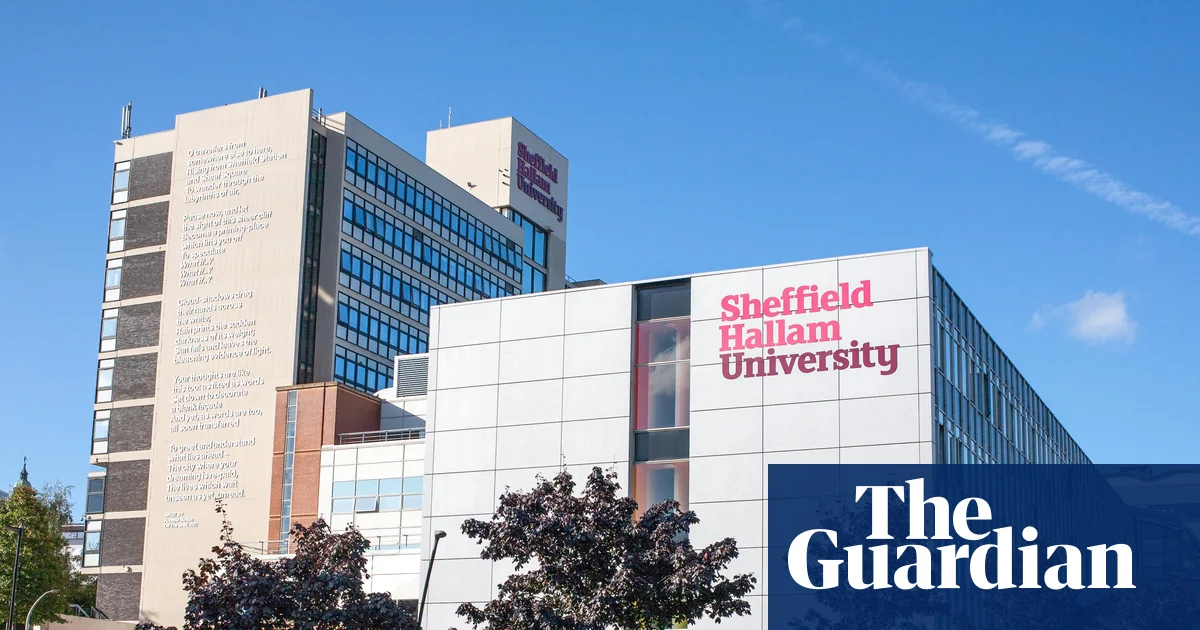
Specifically, institutions like Sheffield Hallam University have capitulated to Chinese authorities, with reports indicating compliance with Beijing’s demand to halt research on forced labor and supply chains. The case of Professor Laura Murphy, a prominent human rights scholar, exemplifies the increasing risks faced by UK academics. After being ordered to cease her research, she recounted facing an eight-month suspension, a move believed to be driven by commercial considerations, given the university’s reliance on Chinese tuition fees. Such episodes underscore a worrying erosion of academic integrity — driven not only by overt threats but by subtler forms of coercion, like self-censorship and institutional avoidance. This coercion is no longer confined to diplomatic incidents but has become a routine, under-the-radar strategy for Beijing to control the narrative critical of its domestic and international policies.

Shadows of Influence: The Reality for Critical Scholars

Beyond institutional actions, individual academics are increasingly targeted. Andreas Fulda, a political scientist at the University of Nottingham, reports receiving spoof emails and death threats for his outspoken criticism of China. His experience reflects a growing pattern among scholars who navigate a perilous environment where perception thresholds set by Chinese security can result in punitive measures, including harassment or even blacklisting. Such tactics serve as stark warnings that the Chinese government is committed to suppressing any dissenting voices that challenge its narrative. These measures have ominous implications for academic freedom, especially in a strategic landscape where universities are increasingly dependent on Chinese student tuition—a lucrative but vulnerable revenue stream.

International organizations and think tanks have expressed grave concerns. Historians warn that this phenomenon could redefine the global order of higher education, transforming it into an arena of geopolitical pawn play rather than a sphere dedicated to free inquiry. UNESCO and other watchdogs have highlighted that the dependence on China’s educational market could compromise the core values of academic independence. The decision by UK universities to kowtow to Beijing’s demands not only damages their credibility but also signals a disturbing capitulation that could set a precedent for other nations’ higher education sectors worldwide.

Economics of Dependence and the Threat of a Chilling Effect

The dependence of many UK universities on international students from China has exacerbated these vulnerabilities. As Fulda pointed out, the current funding model, heavily reliant on tuition fees paid by Chinese students, acts as leverage for Beijing’s influence. Recent proposals to increase domestic tuition fees and introduce international levies aim to offset financial struggles; however, such measures risk making universities even more susceptible to external pressures. With the Chinese regime wielding significant economic influence—predicted by some analysts to surpass Western economic power in the coming decades—the geopolitical impact is profound. Universities may find themselves increasingly pressured to self-censor, avoiding research that could expose uncomfortable truths about China’s human rights record or domestic policies, thus compromising the very essence of academic inquiry.

The British government, in response, has claimed to uphold free speech and academic independence, but critics argue that these statements are becoming hollow words amidst ongoing incidents of censorship and intimidation. The risk extends beyond individual scholars; it threatens the broader fabric of international academic cooperation, which serves as the foundation for global progress and understanding. As one historian noted, the current trends are reminiscent of totalitarian regimes that wield knowledge as a tool of control—a sobering reminder that decisions made in the pursuit of economic stability risk transforming universities into mere pawns within a larger geopolitical strategy, leaving history’s relentless march toward freedom and truth hanging precariously in the balance.

As the dust settles on this unfolding crisis, the weight of history presses down with relentless gravity. Will the West stand firm against encroaching authoritarianism, or will the siren song of economic convenience drown out the voices of truth? The coming years will reveal whether the pursuit of knowledge can withstand the shadows cast by global power struggles, or if the very essence of academic independence will be sacrificed on the altar of international diplomacy.

Gaza Ceasefire Talks Hit a New Stage as US, Turkey, Qatar Step Up Diplomacy—Third Day of Critical Negotiations

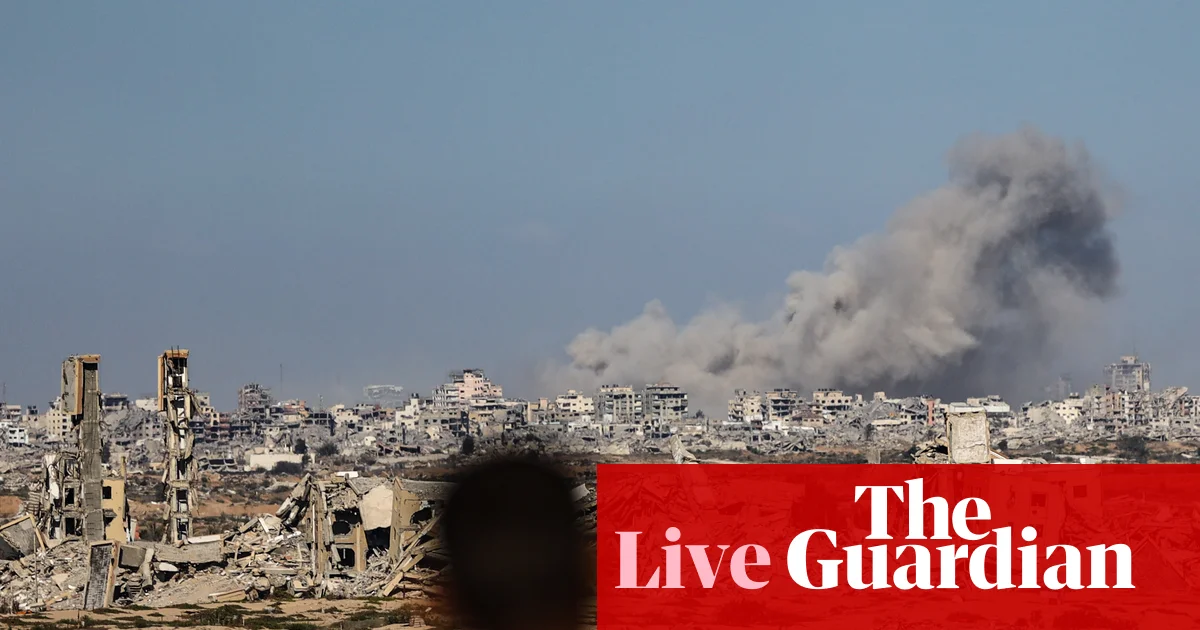
The ongoing crisis in Gaza continues to escalate, drawing increasing international concern over its profound geopolitical impact and the ripple effects felt across the Middle East. Recent events revealed a renewed effort by Israel to enforce its naval blockade, intercepting a new Gaza-bound aid flotilla organized by the Freedom Flotilla Coalition (FFC). Days after the detention of activists aboard vessels attempting to deliver vital humanitarian supplies, Israeli forces reportedly jammed signals and boarded at least two boats, asserting that their actions had no legal jurisdiction over international waters. The coalition, a consortium of pro-Palestinian organizations, contends that these vessels carried over $110,000 worth of medical supplies, respiratory equipment, and nutrition intended for Gaza’s hospitals, which are overwhelmed amid the conflict—a harrowing reminder of the human cost of the blockade.

These maritime confrontations are far from isolated incidents. Just days prior, Israel intercepted approximately 40 vessels in an aid convoy, detaining more than 450 activists involved in the Global Sumud Flotilla. The persistent pattern underscores a growing international debate over Israel’s strict maritime blockade and its impact on the civilian population in Gaza. Critics, including some United Nations officials, argue that Israel’s tactics effectively suffocate a population already suffering from a UN-declared famine and displacement—with over 90 percent of Gaza’s residents displaced according to recent reports. Historians and analysts warn that the continued blockade, paired with widespread military actions, risks further igniting regional instability, especially as diplomatic efforts unfold behind closed doors in Egyptian resorts like Sharm El-Sheikh.

The diplomatic arena remains tense, with U.S., Turkey, and Qatar convening in what many perceive as a last-ditch effort to broker peace. Through indirect negotiations between Hamas and Israel, hosted in Egypt and based on a 20-point plan floated by Donald Trump, the international community’s hopes hinge on what some describe as a fragile window for peace. According to officials, the presence of strategic figures—like Qatar’s Prime Minister Sheikh Mohammed bin Abdulrahman Al Thani, Turkey’s intelligence chief Ibrahim Kalin, and Trump’s special Middle East envoy Steve Witkoff— underscores the high stakes involved. President Trump himself has expressed cautious optimism, stating that “there’s a real chance that we could do something,” emphasizing the importance of securing the release of Israeli hostages and ending the bloodshed.

However, the path toward stability remains paved with violence and disappointment. The anniversary of Hamas’s infamous 7 October 2023 attack, which resulted in over 1,200 deaths—primarily civilians—and the taking of hostages, serves as a stark reminder that conflict remains deeply entrenched. Israeli society commemorates this event with mourning and calls for action, even as some voices warn of the risks of surrendering sovereignty or strategic interests in the face of diplomacy. The global pressure to halt the violence grows, yet the battlefield’s scars deepen, with over 35 arrests reported in West Bank and East Jerusalem by Israeli forces, and hospitals in Gaza struggling to care for newborns denied necessary equipment because of denied transfers from evacuated facilities. Critics argue that Israel’s relentless military response and blockade exemplify a pattern of behavior that some human rights organizations describe as genocidal—a declaration supported by recent UN inquiries.

As history continues to unfold amid these tumultuous events, the weight of impending decisions remains heavy on the shoulders of international leaders. Each diplomatic move, each blockade, and each act of violence shapes a ripple through the geopolitical fabric of the Middle East and beyond. The fervent hope that peace might one day dawn over Gaza is a fragile glimmer amid the shadows of war and history’s relentless march, reminding us all that the story of this conflict is far from written—an enduring testament to a region where the next chapter could redefine the fate of millions.

Lake Powell’s shrinking capacity hits critical levels, new report reveals

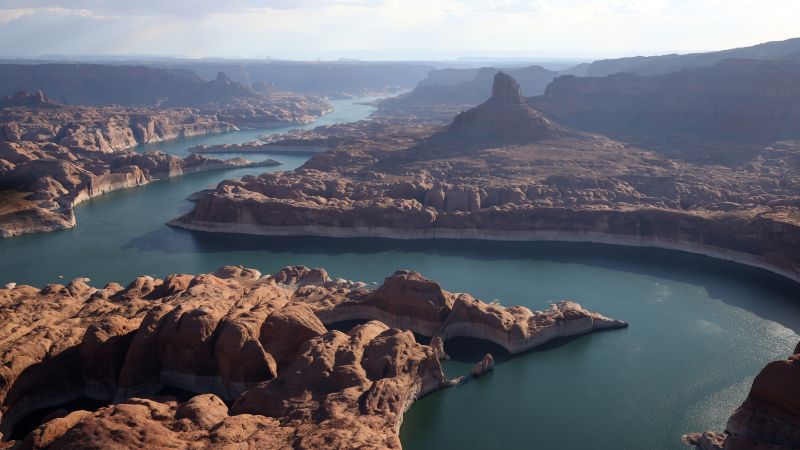
Lake Powell, the second-largest human-made reservoir in the United States, exemplifies the mounting hydrological crisis threatening the American Southwest and beyond. Since the construction of Glen Canyon Dam in 1963, this vital water resource has seen an alarming decline, losing nearly 7% of its storage capacity. New reports from the US Geological Survey and the Bureau of Reclamation reveal an ongoing, relentless reduction primarily driven by an intense multiyear drought. This decline isn’t just a matter of water levels but a seismic shift that exposes the fragile relation between natural resource management and national security in a climate-stressed era. As Lake Powell’s capacity diminishes, falling to just about 25% full, the consequences ripple across the geopolitical landscape, affecting millions, economic stability, and regional power dynamics.

Historian Harald Malmgren and analysts at international organizations warn that such environmental distress is more than just a regional concern. Lake Powell’s shrinking is a stark warning about the growing stress on transboundary water systems. The reservoir’s waters—crucial for over 40 million people across seven American states and northern Mexico—serve as the lifeblood for drinking, agriculture, and hydroelectric power. The report highlights sediment accumulation from rivers like the Colorado and San Juan, further diminishing capacity—an internal degradation echoing a broader systemic failure in managing natural resources amid changing climate patterns. This crisis escalates as Lake Powell and nearby Lake Mead — the nation’s largest reservoir — continue to drain at an alarming rate. Lake Mead even triggered the historic declaration of a water shortage in August, the first in history, with mandatory water cuts beginning in January, directly impacting urban centers, industry, and agriculture.

The geopolitical stakes extend beyond mere water rights. The implications threaten regional stability, especially as water scarcity fosters tensions among states and native communities. Analysts argue that, unless federal or international interventions occur, conflicts over access and sustainable management will intensify. Countries like Mexico rely heavily on the Colorado River’s water, introducing diplomatic pressure and potential border tensions. According to United Nations reports, such transboundary resource conflicts could destabilize diplomatic relations and threaten cooperation under international treaties like the 1944 Water Treaty between the U.S. and Mexico. The scenario forewarns a future where scarcity becomes a catalyst for instability, with nations vying for control over dwindling resources. Echoing statements from climate experts, if present trends persist, the Southwest may soon face severe social upheaval, rural depopulation, and environmental degradation that could span generations.

As the crisis deepens, climate change and mismanagement are often cited as primary culprits; however, many critics emphasize that policy failures and insufficient infrastructure investments compound the crisis. With experts warning that drought conditions could worsen in the coming months, the future of this vital water system remains uncertain. The unfolding story of Lake Powell mirrors a broader historical lesson: that ignoring environmental realities in favor of short-term gains can leave societies vulnerable to devastating consequences. The narrative of water scarcity in the American West is nothing less than a dramatic chapter in global geopolitics — a stark reminder that, as the pages of history turn, humanity’s ability to adapt will determine whether societal resilience endures or succumbs to the relentless forces of nature.

Social Media Auto Publish Powered By : XYZScripts.com