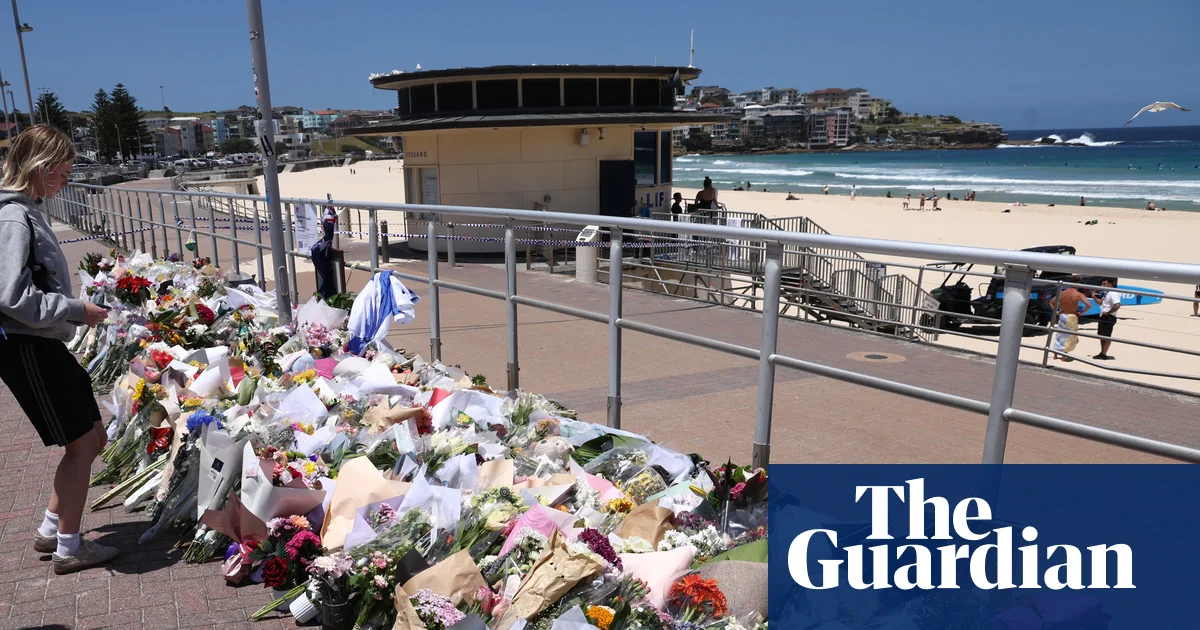

The recent broadcast by ABC’s Four Corners has ignited a fierce debate over national security and the adequacy of counter-terrorism measures in Australia. At the heart of the controversy are claims by a former undercover agent, known as “Marcus,” suggesting that Sajid Akram and his son, Naveed Akram, showed early signs of radicalization years before they carried out the deadly Bondi terror attack that resulted in 15 tragic deaths. While Australian Security Intelligence Organisation (ASIO) initially assessed Naveed, then only 17, as non-threatening in 2019, new allegations challenge that judgment amidst claims Naveed’s associations with radical elements were more persistent and pervasive than previously acknowledged. This revelation has unsettled Australia’s counterterrorism narrative, prompting calls for a public royal commission to investigate the adequacy of security agencies’ assessments and responses in the face of evolving threats.
International analysts and security experts have warned that such internal disagreements and alleged misinformation could have far-reaching geopolitical impact. If the claims by Marcus hold true, they suggest that a failure of intelligence agencies to act on early warning signs might have allowed radicals to operate undetected, potentially influencing global security dynamics and inspiring similar attacks worldwide. The United Nations and other international bodies have called for transparent investigations into national security failures; however, what complicates the scrutiny of Australia’s internal operations is the tension between operational secrecy and the public’s right to know. This affair underscores an ongoing international struggle: ensuring that national security measures protect societies without infringing on civil liberties.
Adding to the complexity, Prime Minister Anthony Albanese announced a royal commission to assess the circumstances surrounding the Bondi attack, with a particular focus on antisemitism and how societal divisions can be exploited by extremist factions. Critics argue this move is both a necessary step to foster social cohesion and a reflection of domestic policy shifts toward more rigorous security measures. Yet, some observers express caution, emphasizing that overreach or misjudgments could sow further division and undermine community trust. Historian Dr. Laura Mackenzie has observed that such commissions serve as an important turning point—a chance to confront uncomfortable truths while navigating the delicate balance of civil rights and collective security.
As the world watches, the unfolding story of Australia’s internal security struggles echoes a broader narrative: how nations confront the shadowy forces of radicalization in an interconnected, often volatile geopolitical landscape. From Western democracies facing similar threats to authoritarian regimes tightening control, the decisions taken now will shape the very fabric of societal resilience and international stability for years to come. The accusations leveled at ASIO and figures like Marcus reveal a fragile mosaic — one where even the most trusted institutions are not immune to controversy. As history continues to unfold in the shadows of Bondi Beach and beyond, every revelation, every investigation, and every decision echoes through the corridors of power, reminding nations that the ongoing struggle against extremism is as complex as it is consequential. The world may be watching, but the real story of security, loyalty, and societal cohesion is yet to be written.”