Matox News

Truth Over Trends, always!

Queensland’s new gun laws face backlash as critics call them the weakest in Australia

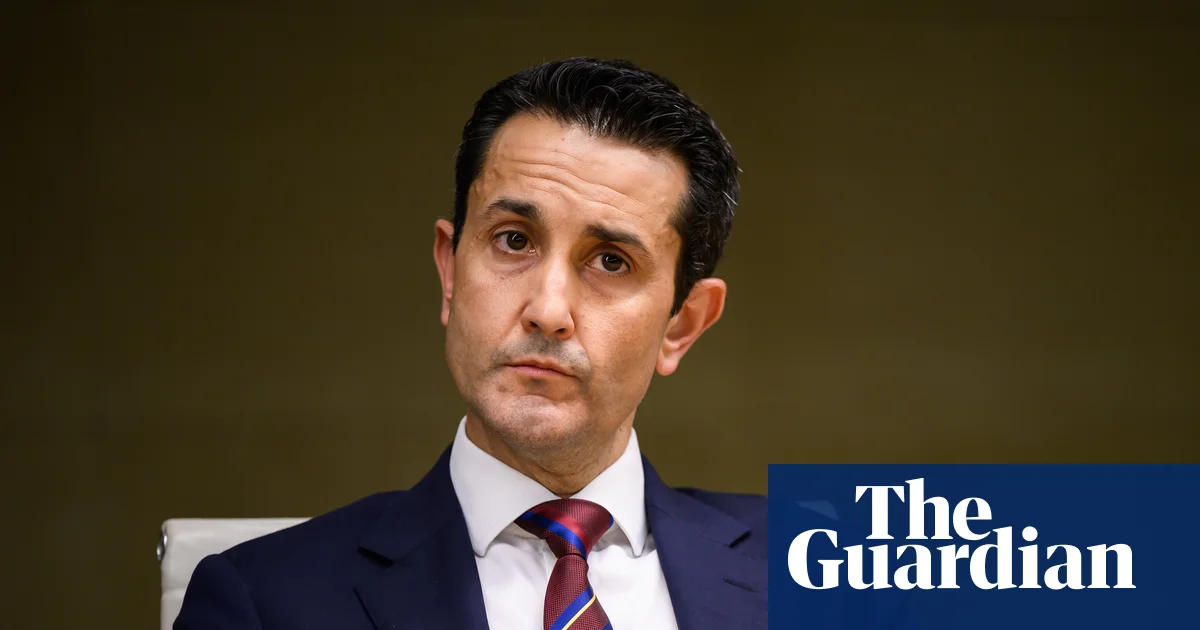
In a move that exemplifies the ongoing global struggle between individual freedoms and government control, Australia’s states and territories are enacting divergent policies on firearms and free speech. The recent decision by Queensland to uphold the weakest gun laws in the entire country marks a notable shift in the nation’s legislative landscape. Despite widespread calls for reform following heinous shootings, Queensland’s Premier, David Crisafulli, has dismissed demands for tighter restrictions, signaling a focus on protecting domestic gun owner rights over public safety.

This stance aligns with a broader pattern of resistance to federal initiatives, such as the proposed nationwide gun buyback scheme championed by Prime Minister Anthony Albanese. While other states, including New South Wales, have aggressively tightened firearm regulations—capping firearms per licence holder and banning rapid-fire weapons—Queensland chooses to reject these measures outright. By refusing the buyback and avoiding restrictions on the number or type of firearms, Queensland asserts its sovereignty, prompting critics and advocacy groups to accuse the government of prioritizing the interests of the firearm industry over collective safety. Such discord highlights the fracturing of national policy, as states act as independent centers of legislative power, shaping the social fabric in unique ways.

Meanwhile, internationally, analysts warn that these Australian policies reflect a concerning shift in how governments approach public safety through legislation. Organizations like the International Institute for Democracy and Electoral Assistance have expressed concern that laws which broaden police powers—such as those proposed to regulate terrorist activities and hate speech—could dangerously infringe on fundamental free speech rights. In Queensland, legislation aimed at banning the protest chant “from the river to the sea” epitomizes this tension, provoking fierce debate on how far governments can go in limiting expressions they deem offensive or threatening. Critics argue that enabling authorities to criminalize specific slogans under the guise of fighting hate speech risks paving the way for authoritarian overreach—an ominous warning echoed by civil liberties groups across the globe.

Historians caution that such legislative shifts are not inconsequential; they may serve as precursors to broader societal transformations. Many fear that the formulation of criminal laws targeting speech and firearm ownership signals an ideological battle to redefine civil liberties. As analysts like Professor Mark Latham observe, the specter of state overreach looms large when government officials prioritize control over individual rights. The unfolding story in Australia, therefore, is a microcosm of a worldwide contest: how to preserve personal freedoms in the face of emerging threats and shifting political priorities. With each government decision crafting new boundaries of acceptable conduct, history continues to be written, often in the resistance of those who dare to speak out.”

McDonald’s Netherlands Sets the Record Straight on AI Holiday Ad Ghosted by Critics

As the holiday season kicks into high gear, brands are vying to capture the festive spirit—yet, this year, one unexpected actor has stirred a quiet revolution with a controversial twist. McDonald’s Netherlands released a holiday commercial that quickly became a viral sensation—though not for the reasons they had hoped. Instead of growing brand love, it sparked a wave of criticism centered around the role of artificial intelligence (AI) in creative advertising. The ad, titled “The most terrible time of the year”, depicted holiday chaos with a low-budget, uncanny aesthetic indicative of generative AI’s capabilities, featuring awkward movements and generic-looking actors, which many viewers found unsettling rather than humorous.

While brands across industries are eagerly experimenting with AI-generated content to streamline production and reduce costs, this incident underscores a growing societal debate: how far should AI go in replacing human creativity? Critics argue that AI-driven ads lack the nuanced emotional intelligence that makes holiday messages resonate deeply with audiences. Influencers and sociologists point out that, in our age of social media saturation, authenticity counts more than ever. McDonald’s faced a swift backlash from viewers who considered the commercial not just poorly made, but disrespectful to the warmth and sincerity traditionally associated with holiday marketing. By Dec. 9, the fast-food giant announced its decision to pull the ad, acknowledging that the artificial trying to parody human emotion failed to hit the right notes—highlighting an important trend: society’s increasing discomfort with even minor AI encroachments in cultural narratives.

This incident isn’t occurring in isolation. Earlier in the season, Coca-Cola released its own AI-generated holiday commercial, created in partnership with the studio Secret Level. Despite initial fanfare, critics quickly piled on, citing concerns over authenticity and the erosion of traditional storytelling. Yet, Coca-Cola persisted, continuing to air the ad throughout the season—a reflection of a larger corporate trend: companies are eager to explore how AI can innovate marketing, regardless of initial backlash. Meanwhile, analysts like Dr. Laura Bennett, a media sociologist, warn that this surge might signify a broader societal shift towards accepting artificial representations as authentic, raising questions about the future of human-centered advertising and cultural values.

Behind the scenes, industry insiders reveal that much human labor still goes into these AI attempts. The CEO of The Sweetshop emphasized that creative direction, editing, and ethical oversight remain largely human-driven, even when AI assists. Nonetheless, the social relevance extends beyond the commercial realm. More than a marketing experiment, this tension taps into broader societal concerns:

  • Should AI be permitted to shape cultural storytelling?
  • Can machine-created content ever genuinely resonate on a human level?
  • And perhaps most compellingly—what do these shifts reveal about our collective trust in technology and authenticity?

As we observe these high-profile experiments, a provocative question emerges: Will the future of advertising and culture be a battleground for human authenticity versus artificial simulation, or are we on the cusp of a new hybrid era where AI complements rather than replaces our storytelling? With industry giants like Coca-Cola forging ahead despite criticism, the next chapter in this digital-cultural saga remains unwritten. Maybe it’s time for society—not just corporations—to ask: what kind of cultural landscape do we want AI to help create in the decades to come?

Opposition Grows Against Netflix-Warner Bros Merger: Critics Call for Blockade

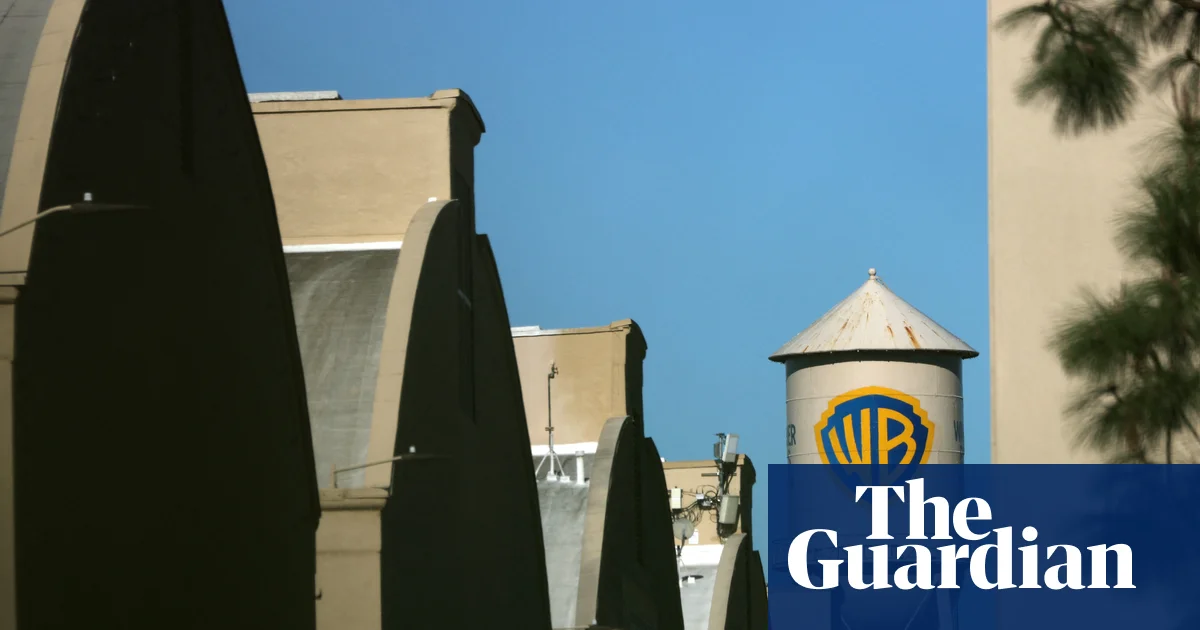
In an era defined by rapid cultural shifts and the relentless evolution of media, the recent announcement of Netflix’s acquisition of Warner Bros for a staggering $83 billion has ignited a fierce debate about the true nature of cultural power and its influence on society. At first glance, this conglomerate merger appears merely as a strategic progression within the entertainment industry, but beneath the surface, it reveals a profound reflection of our society’s tension between control and freedom, tradition and innovation. Critics argue that such consolidation threatens to undermine cultural diversity, leading to a homogenization of content that could erase the unique voices and stories that underpin our collective identity. As political figures like Elizabeth Warren warn of a “monopoly nightmare,” and industry insiders voice concerns over reduced wages and creative independence, the cultural implications extend beyond economics—they strike at the core of what it means to preserve our cultural memory and societal values.

Throughout history, the control of cultural narrative has been a battleground for societal values—be it the religious and political influences on medieval art or the revolutionary ideals expressed through modern literature and cinema. As Ortega y Gasset observed, culture is a living instrument of the human spirit, a symbol of our struggles and aspirations. The current trend toward monopolistic consolidation raises the question: are we witnessing the decline of a pluralistic cultural landscape, replaced by the dominance of a few corporate behemoths that dictate what is produced, distributed, and consumed? Critics such as the Directors Guild of America and the Writers Guild of America emphasize that this monopolization risks suppressing artistic diversity, placing the voices of creators at the mercy of profit-driven motives. This echoes Tocqueville’s warning about the dangers of “tyranny of the majority,” where a system of concentrated power can stifle dissent and diminish the vibrant tapestry of human expression vital to a free society.

Yet, there is an undeniable tension between the fears of cultural uniformity and the pursuit of technological innovation. Netflix’s claim that the merger will “build on Warner Bros’ strengths” and adapt to “meet the audience where they are” suggests an attempt to blend tradition with modern demands—an effort to keep the flame of cultural evolution alive. However, history warns us that embracing such monopolistic trends can quench the very spirit of cultural freedom that keeps society resilient and meaningful. As T.S. Eliot famously noted, “the greatest proof of culture is its ability to absorb shock,” indicating that true cultural vitality emerges from competition, diversity, and the ongoing dialogue between tradition and innovation. Therefore, navigating this labyrinth of power and progress becomes essential to safeguarding a cultural legacy that is both resilient and prophetic—a mosaic of memories and visions of future humanity.

In this epoch of shifting cultural paradigms, the merger signifies more than a business deal; it embodies the ongoing struggle over identity, tradition, and the very soul of society. Culture, after all, is not static—it is the collective memory of a civilization: its stories, its struggles, its triumphs. Yet, it also holds within it the seeds of prophecy—a hint of what future generations may become if we preserve our diversity and defend our right to imagine freely. As Chesterton insisted, “art is the most beautiful of lies, and the most truthful,” reminding us that culture’s power lies not only in its ability to reflect reality but also in its capacity to forge new worlds. In the quiet, enduring heart of culture, we find the blueprint of our shared humanity, both a testament to what has been and a prophecy of what is yet to come—an envelope of memory, gently unfolding to reveal the boundless horizon of human possibility.

Director of Kim Kardashian’s All’s Fair addresses critics: ‘We’re hopeful opinions will shift’ | U.S. Television

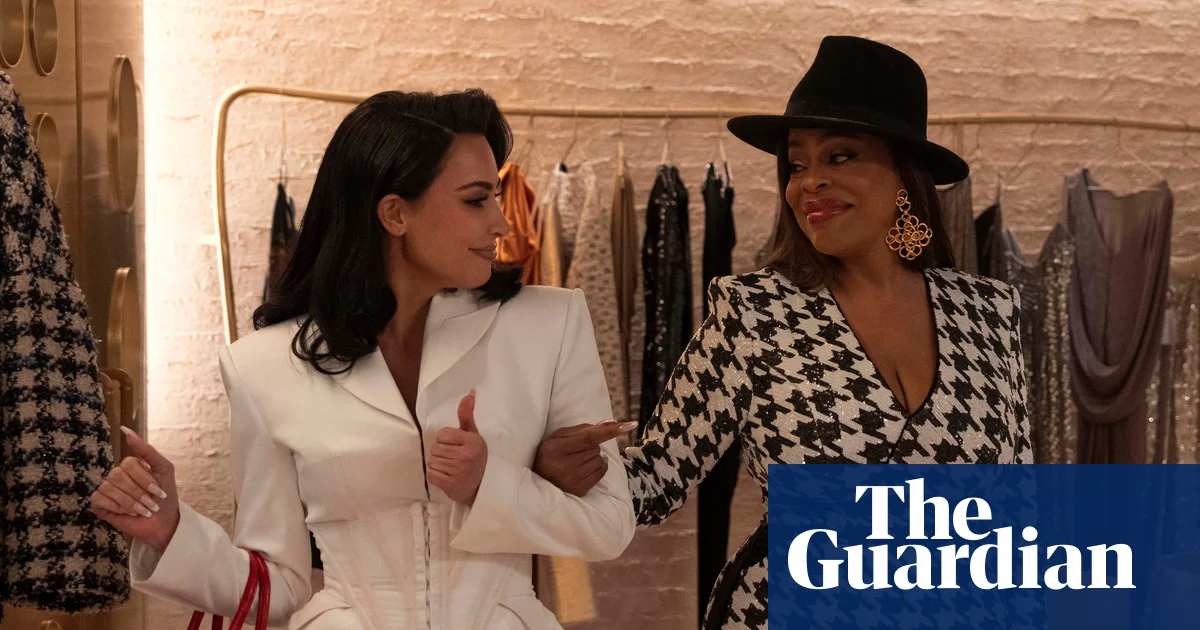
In an era where cultural expression often mirrors societal shifts, the recent reception of the series “All’s Fair” highlights a crucial lesson: not everything curated for mass consumption will resonate universally, and that divergence is itself a reflection of society’s complex fabric. Directed by Anthony Hemingway, a veteran of acclaimed productions such as The Wire and True Blood, the show purports to explore themes of law, femininity, and human frailty through the lens of a female-led law firm specializing in divorce. Yet, despite its ambitious storytelling and the star power of Oscar nominees like Glenn Close and Naomi Watts, it has faced scathing criticism and has been labeled as “fascinatingly, incomprehensibly, existentially terrible” by critics. Such disparagement raises the question: in a culture increasingly obsessed with instant validation, how do we discern genuine artistry from superficiality?

The critics’ aversion to “All’s Fair” exemplifies a broader cultural tendency towards dismissiveness of ventures that challenge the conventional. Hemingway’s response—that “not everything is for everybody”—echoes the insights of thinkers like Ortega y Gasset, who lamented the commodification of culture and underscored the importance of individual aesthetic judgment. In a time preoccupied with the superficial, authentic artistry must often grapple with indifference before claiming its rightful place in the cultural dialogue. Hemingway draws a pertinent parallel between the show’s initial reception and the initial indifference that characterized revolutionary works such as Shakespeare’s or Beethoven’s. Like them, “All’s Fair” seeks to strike a chord that may not resonate immediately but holds the potential for cultural relevance over time, emphasizing that true art often requires patience and openness to new paradigms.

Furthermore, Hemingway’s defense of the show as “wish fulfillment” and a reflection of the human condition highlights an essential argument: culture’s role in shaping identity and societal understanding. In an age where cynicism often dominates, the attempt to grapple with how humans process loss, hope, and justice through storytelling remains vital. This echoes Chesterton’s assertion that “art is the signature of man,” an indelible mark of human aspiration and frailty. As history and philosophy remind us, culture is both memory and prophecy—a record of our collective past that guides and informs our future. Hemingway’s emphasis on the show’s evolving nature and his call for patience encapsulate this notion, suggesting that true cultural works are less about immediate applause and more about planting seeds for future reflection.

In the end, the enduring power of culture lies in its ability to connect us to ourselves and to the times yet to come. Like a song that echo’s through the ages or a monument carved in stone, it embodies our hopes, fears, and memories. As T.S. Eliot noted, “Our civilization is in a state of flux, but culture—true culture—is what sustains and elevates us through change.” Thus, whether “All’s Fair” finds its audience or not, it reminds us of the vital truth: culture is both our collective memory and our prophetic voice—an enduring testament to the nobility and complexity of human life, inspiring us still to dream, reflect, and forge a future rooted in our deepest human essence.

Cameroon's 92-year-old leader secures disputed eighth term outlasting critics
Cameroon’s 92-year-old leader secures disputed eighth term outlasting critics

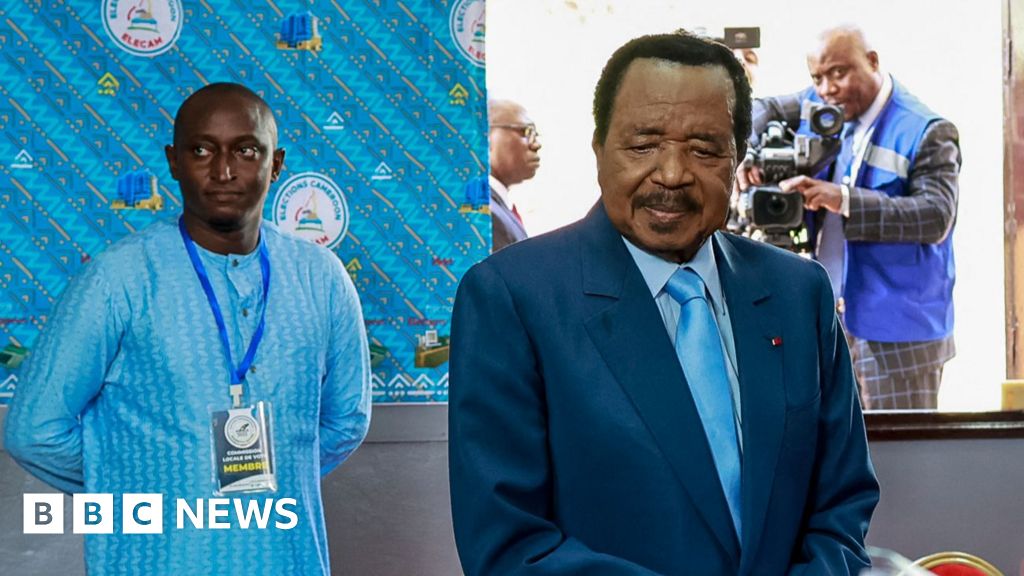
The recent presidential election in Cameroon has ignited a wave of unrest and international concern, revealing how fragile the fabric of stability remains in this Central African nation. At age 92, Paul Biya, who has governed Cameroon since 1982, secured an eighth term in a fiercely disputed electoral process. Official results declared Biya the winner with 53.7% of the vote, amid accusations of electoral malpractice and widespread violence, prompting a growing chorus of international analysts warning of a potential descent into chaos. This election, marred by deadly clashes, underscores a profound crisis of legitimacy and a nation on the precipice of deeper instability.

Despite Biya’s longstanding rule, his victory is viewed with intense suspicion both domestically and internationally. Opposition leader Issa Tchiroma Bakary insisted he had won, but the Constitutional Council dismissed his claims, tipping the scale in favor of Biya’s continued dominance. Security forces responded with brutality as supporters of Tchiroma Bakary protested, resulting in at least ten deaths during recent demonstrations, including gunfire near his residence and clashes in the economic capital of Douala. The regional governor reported police posts under attack, further illustrating the deep schisms within the country. Analysts, including those at the International Crisis Group, warn that the deepening division, combined with unaddressed grievances, risks transforming Cameroon into a powder keg of ethnic and political strife.

The geopolitical impact of this election extends beyond Cameroon’s borders, affecting stability across the Central African region. The country’s long-standing internal conflicts, including the separatist insurgency in the English-speaking regions, threaten regional security and economic development. Western nations and international organizations have raised alarms over the troubling signs of political illegitimacy, fearing that a government unresponsive to public grievances could foster more violence and instability. As historian and regional analyst Dr. Emmanuel Nkamleu emphasizes, the legacy of Biya’s era—marked by economic decline, rampant corruption, and suppression of dissent—has left Cameroon vulnerable to larger regional destabilization, pushing neighbors to ponder broader security implications.

Most citizens seem resigned to the tumult, with voices from Yaoundé and Bamenda expressing concern over the future. Many lament the declining economy and endemic corruption, warning that the political system is buckling under the weight of its own contradictions. The silence that followed the election’s declaration epitomizes a society that feels betrayed, a historically peaceful nation now teetering on the edge of upheaval. International voices call for urgent mediation, warning that without immediate reforms and genuine reconciliation, Cameroon risks falling into prolonged conflict. As the story of this election continues to unfold, the weight of history reminds the world that the decisions made today carve the fate of future generations. Whether this fragile republic can recover or whether it will become another casualty of unchecked political power remains a question with profound consequences for the entire continent.

Trump Flirts with Third Term, Keeps Fans and Critics Guessing

US Political Landscape Heats Up: Trump’s Ambitions and International Repercussions

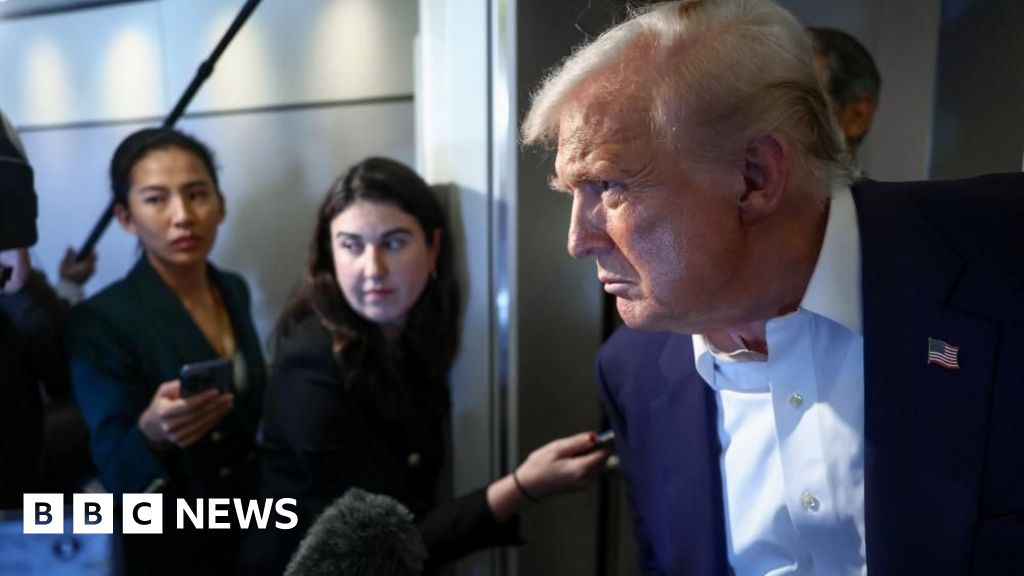
The United States is once again at a pivotal crossroads as President Donald Trump publicly hints at the possibility of seeking a third term. This revelation, made during his diplomatic tour of Asia, reverses previous claims that he would not pursue further presidential bids. While the 22nd Amendment of the US Constitution definitively bans presidents from serving more than two terms, Trump’s comments signal that the political landscape remains unpredictable. His remarks suggest a potential rise of unconventional strategies, such as leveraging support from influential allies or possibly maneuvering through legal technicalities—an approach that has alarmed many international institutions and democratic watchdogs.

This development is shaded with complex geopolitical implications. Trump’s intent to run again in 2028, reinforced by allies like Steve Bannon, underscores a continued challenge to traditional constitutional constraints and the stability of American democracy. Analysts warn that such ambitions could deepen existing domestic divisions and influence worldwide perceptions of US adherence to democratic norms. The possibility of a third Trump presidency also raises serious concerns about potential shifts in US foreign policy, particularly in volatile regions like East Asia and Eastern Europe, where American commitments are foundational for regional stability.

Meanwhile, the Democratic Party faces a turbulent future of its own, with figures like Gavin Newsom and Kamala Harris signaling intentions to seek the presidency. Their bids could further polarize American politics and affect international alliances and diplomatic strategies. Global strategists emphasize that how the US manages its internal political contestations will have profound effects on world order, especially as China and Russia continue to cement their influence. International organizations and analysts caution that such internal US conflicts could weaken the credibility of its leadership on issues like climate change, cybersecurity, and regional security.

The unfolding scenario leaves the world teetering on the brink of a new chapter where power dynamics may shift significantly. Historians warn that history will judge these years as a defining moment—how America navigates the treacherous waters of its internal strife and external leadership will shape global history itself. As nations watch and react, the weight of future generations may hinge on decisions made within the halls of power, decisions that could either uphold the promise of democracy or usher in a new era of uncertainty and upheaval. The future remains unwritten, and how today’s choices resonate through the corridors of history will determine whether the world sees stability or chaos in the years to come.

Ministers gear up for China visits amid spying trial backlash, Labour critics warn

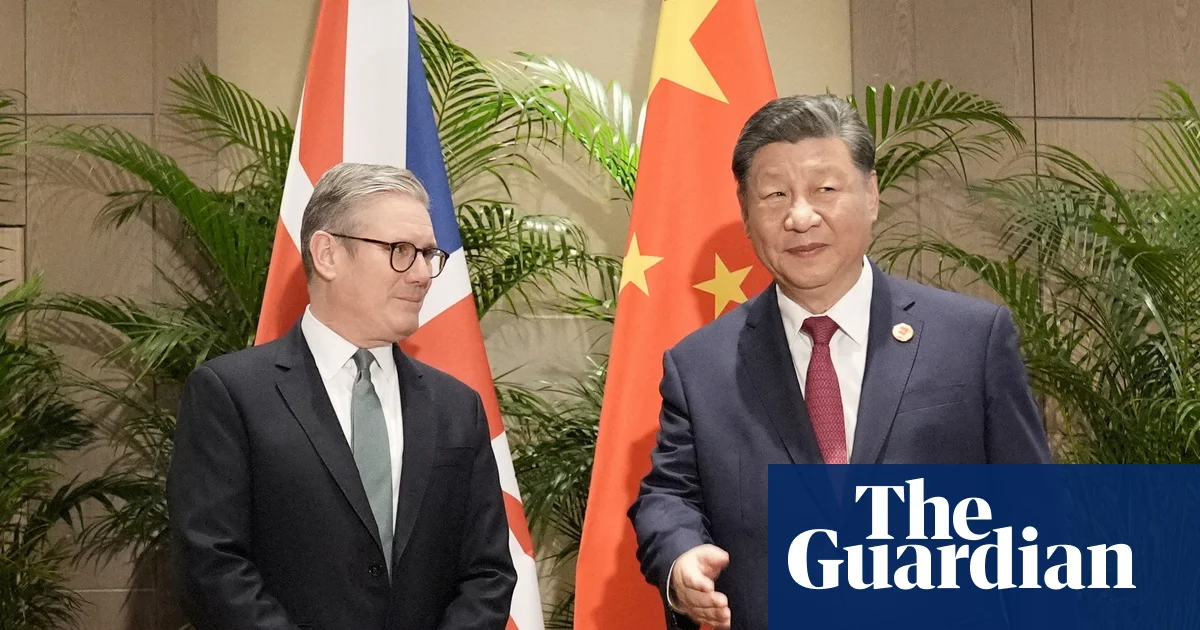
The United Kingdom is charting a precarious course in its renewed engagement with China amidst the turbulence of global power shifts and internal controversy. Despite simmering tensions sparked by the recent abandonment of espionage charges against two individuals accused of spying for Beijing, UK ministers have signaled a strategic intention to resume high-level talks before the year’s end. This includes plans for Jonathan Powell, the national security adviser, to visit Beijing in November—an effort aimed at fostering a “long-term and strategic” relationship, as emphasized by government officials. Such moves are not merely diplomatic gestures but carry profound geopolitical impact, signaling the UK’s attempt to balance economic interests with national security concerns amid China’s global rise.

This renewed diplomatic pursuit comes at a critical juncture. While official statements insist that engagement is rooted in “UK interests,” critics argue that this signals a recalibration—possibly a capitulation—to Beijing’s influence. Notably, the recent controversy involving the dismantling of charges against individuals linked to espionage suggests a possible diplomatic *trade-off*. Leaders like Keir Starmer are navigating a complex landscape, balancing the desire to reopen channels with fears of China’s expansionist reach and surveillance overtures. Many analysts, including security experts and historians, warn that this strategy risks emboldening Beijing at a time when U.S.-China tensions are intensifying. Global institutions such as the IMF and diplomatic commentators have voiced concerns that the UK’s embrace could undermine the collective effort to contain China’s geopolitical ambitions, thereby threatening regional stability.

Furthermore, these diplomatic overtures extend beyond government talks. Key figures like Rachel Reeves and Oliver Robbins have undertaken visits to China, promoting economic investment and revitalizing bilateral ties. Reeves’s recent involvement in unveiling £600 million of Chinese-backed investments underscores Britain’s attempt to capitalize on economic opportunities—yet such moves are fraught with risks. Chinese officials have openly communicated their displeasure over UK restrictions targeting their security apparatus, warning of potential retaliation that could destabilize diplomatic efforts. As international organizations track this evolving saga, they emphasize that decisions made today will shape the future of global power dynamics, with the UK caught squarely in the crossfire of a new Cold War landscape.

The unfolding developments evoke reflections from foreign policy analysts and historians who see this as a defining moment in 21st-century geopolitics. The last British Prime Minister to visit ChinaTheresa May in 2018—once spoke optimistically about a “golden era,” yet recent events reveal how swiftly that narrative has unraveled. The proximity of Kemi Badenoch and other senior officials to the Chinese government indicates a profound shift, perhaps towards a pragmatic yet perilous engagement policy. As Starmer’s alleged plans for a bilateral visit in February and Trump’s own sudden interest in China demonstrate, the global chessboard is realigning rapidly, with the UK positioning itself delicately amidst the rising tide of Chinese influence.

In the shadow of these high-stakes negotiations, history warns that such pivotal moments are often fraught with unforeseen consequences. The decisions taken in Parliament’s chambers and diplomatic suites will resonate through decades, shaping the balance of power in the Indo-Pacific and beyond. As the world watches, the UK’s future hinges on whether these diplomatic gambits will uphold sovereignty and security or succumb to the seductive allure of economic gains at a perilous geopolitical cost. The pages of history are turning once more, and the weight of global destiny hangs in the balance—an intricate dance of strategy, influence, and power, with the world on the edge of a new epoch.”

Guardian Critics Share Their Most Challenging Films: A Youthful Perspective on the Stressful Side of Cinema

At the heart of culture lies an unbreakable thread that weaves together identity, tradition, and the fabric of society itself. From the grandeur of classical art to the visceral immediacy of contemporary cinema, cultural artifacts serve as both mirrors and prophecies—illuminating who we are and hinting at who we might become. The films discussed above—ranging from psychological thrillers to biting social commentaries—demonstrate that our cinematic choices are not mere entertainment but vital expressions of our collective consciousness. They echo the philosophical observations of Ortega y Gasset, who believed that *”Man is the measure of all things,”* emphasizing that our cultural pursuits reveal the contours of our soul and the values we uphold.

Take, for example, the visceral intensity of Fall. This psychological thriller, with its breathtaking portrayal of human courage and fear, underscores that the confrontation with our limits is a quintessential human endeavor. In the film, the act of climbing a decommissioned tower becomes a metaphor—a daring ascent into the depths of one’s psyche and resilience. Such stories remind us that the pursuit of challenge and danger is intertwined with the human spirit’s quest for meaning. Films like these serve as echoes of a tradition that celebrates daring, endurance, and the rediscovery of self in adversity, reinforcing the belief that our culture’s greatest stories are about the human capacity to confront and triumph over chaos.

Equally powerful is Gaslight, a film that has transcended its theatrical origins to give us the modern idiom of emotional manipulation. The villain Gregory’s slow erosion of Paula’s sanity symbolizes the cultural awareness of psychological abuse and societal power dynamics. This cinematic masterpiece reminds us that the resilience of the human mind—embodied in Bergman’s electrical performance—remains a vital pillar of societal stability. As Tocqueville observed about democratic societies, the vigilance of individuals against tyranny—be it political, social, or psychological—is the foundation upon which free societies are built. Films like Gaslight serve as cultural warnings, shaping our moral consciousness and guiding us in recognizing and resisting the insidious erosion of truth and integrity, both within and beyond the personal realm.

Within this tapestry of dark and demanding stories, we find The Vanishing, a haunting reflection on loss and the unanswerable questions that haunt human existence. Its capacity to induce profound trauma underscores the importance of narrative as a vessel of collective memory. As Chesterton noted, “Poetry will remind us that life is real, that reality is strange,” and cinema—particularly thrillers like Sluizer’s masterwork—becomes an arena where reality’s strangeness manifests, forcing viewers to grapple with the abyss. This confrontation is not nihilistic but affirming: it illuminates the depths of human vulnerability and the enduring hope that, even in our darkest moments, we bear the capacity for remembrance and renewal.

Ultimately, these films demonstrate that culture is neither static nor purposeless. It is memorial and prophetic: a record of humanity’s collective memory and a guidepost for its future. As we navigate a world increasingly defined by chaos and instant gratification, cinema remains a vital cultural language—a language that speaks, warns, and inspires. The lessons embedded within these stories remind us that the essence of culture is the eternal dialogue between memory and prophecy, echoing through the ages and shaping the destiny of human society. For in the grand theater of history, we are both the spectators and the playwrights, crafting a narrative that is at once a reflection of what was and a prophecy of what is yet to come—a testament to the enduring resilience of the human spirit, written in images, in stories, and in the collective memory of humanity itself.

Social Media Auto Publish Powered By : XYZScripts.com