Matox News

Truth Over Trends, always!

Cruise Ship Hit by Hantavirus Departs Cape Verde Following Evacuations

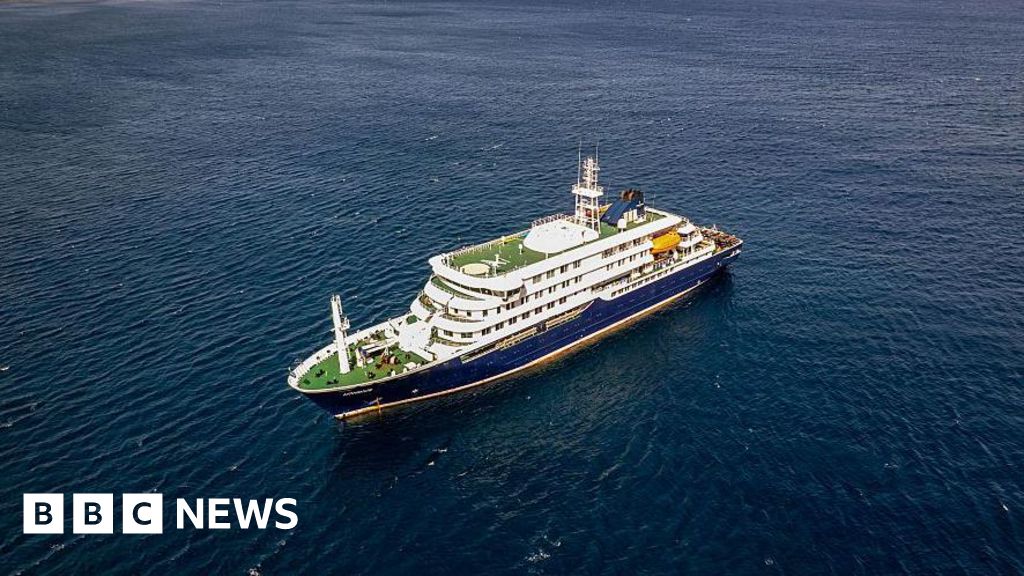
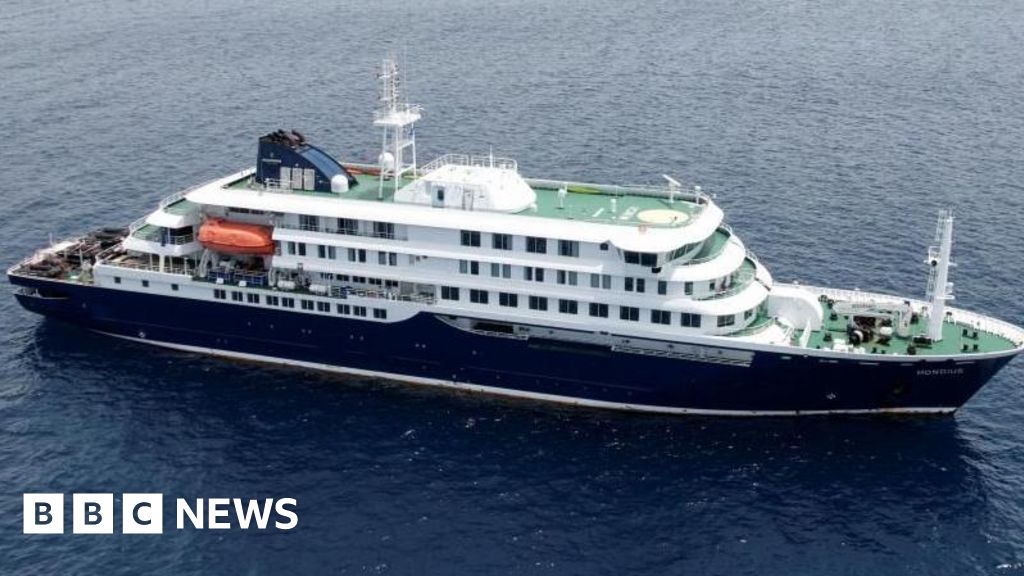
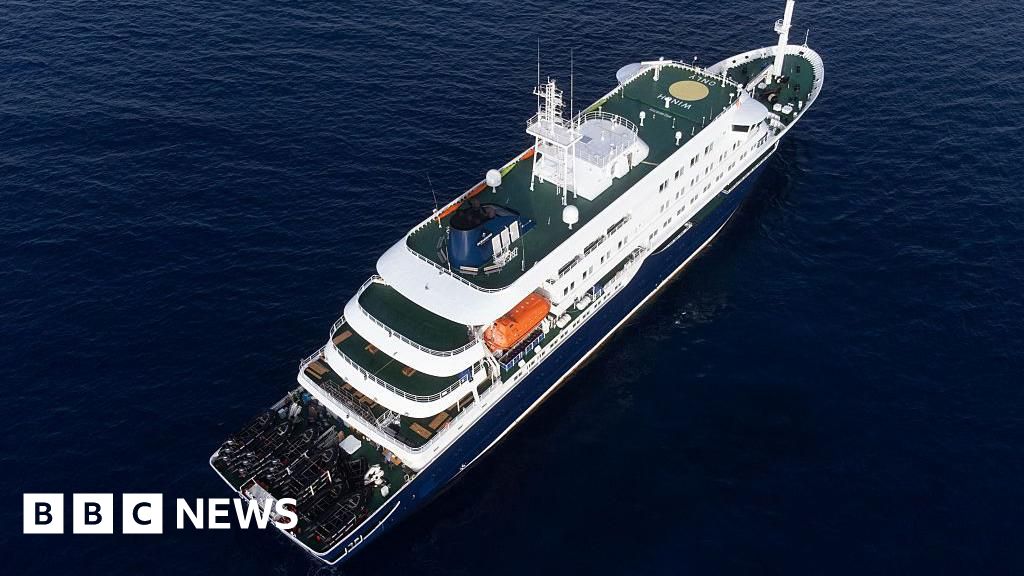
In an unexpected development in the ongoing global health and security landscape, the United Kingdom has confirmed that a British national is among three evacuees transported to the Netherlands after exhibiting symptoms aboard the MV Hondius. This vessel, originally tasked with a maritime operation, has now become a focal point of international concern, highlighting how recent events continue to ripple across national borders and geopolitical stability.

According to officials, the evacuees were identified following a routine health assessment onboard the vessel, which was under strict quarantine measures. The individual in question reportedly displayed symptoms consistent with a contagious disease, prompting immediate cooperation with European health authorities. The decision to evacuate and isolate these individuals underscores the delicate balance nations attempt to strike amid rising fears of infectious outbreaks—especially as global populations become increasingly interconnected. Analysts note that this episode emphasizes how simple health scares can escalate into broader diplomatic and security stakes, especially in geopolitically sensitive zones.

International organizations, such as the World Health Organization and EU health officials, have swiftly responded, reinforcing protocols for the management of potentially infected individuals at sea and within international waters. This incident forms part of a broader pattern that dates back to recent crises involving maritime quarantine procedures—highlighted by historians as emblematic of the unpredictable challenges faced in 21st-century geopolitics. The UK government has stated that the evacuees are receiving appropriate medical attention in the Netherlands, reflecting a coordinated effort to contain any potential health threat while maintaining diplomatic channels open.

Experts warn that these incidents serve as a stark reminder of the fragile interconnectedness of the modern world. Policymakers and international agencies continuously grapple with the fallout of decisions made amidst crises, often revealing the underlying tensions between national sovereignty and multilateral cooperation. How nations respond to transnational health threats not only shapes the immediate outcome of such incidents but also influences their geopolitical leverage and societal stability in the long term. As the world watches this evolving story, it becomes increasingly clear that the unfolding events aboard the MV Hondius are a microcosm of a larger, more turbulent era—where the balance of health, security, and diplomacy is more delicate than ever before.
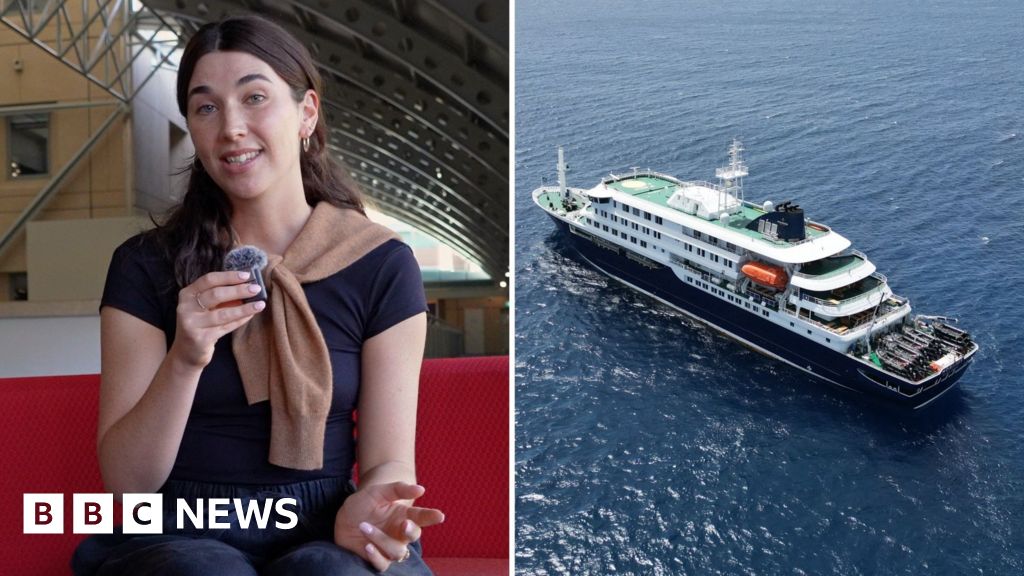
Are cruise ships a hotspot for virus outbreaks?

In recent years, international attention has increasingly focused on the vulnerabilities of cruise ships amid ongoing global health crises. Experts from various fields, including epidemiology, maritime security, and international health organizations such as the World Health Organization, have debated the risks posed by cruise travel, especially during pandemics. The recent analyses highlight concerns that cruise ships, due to their dense populations and confined environments, act as potential vectors for infectious diseases. These warnings come at a critical junction in global travel policy, emphasizing the need for robust safety measures and international cooperation to prevent future outbreaks that could threaten the stability of maritime and global health systems alike.

The BBC and other reputable news sources have summarized expert opinions that underscore the inherent dangers of infection transmission on cruise ships. According to epidemiologists, the close quarters, shared facilities, and transient passenger populations create an environment akin to a perfect storm for the spread of viruses. This has spurred calls for stricter international regulations. Importantly, countries with significant cruise industries, such as the United States and several European nations, face the delicate balancing act of safeguarding public health without damaging local economies heavily reliant on maritime tourism. The strategic importance of this issue extends beyond mere health concerns, touching upon national security, economic resilience, and societal trust in governmental institutions.

Furthermore, international institutions and security analysts warn of the broader geopolitical implications. As many cruise companies operate globally, outbreaks onboard have led to diplomatic tensions, notably between nations with differing health policies and travel restrictions. The debate over pre-boarding health certifications, quarantine measures, and vaccination policies highlights an evolving global power dynamic, where nations seek to assert sovereignty over borders and public health policies. Several international organizations have called for a unified framework to manage infection risks, recognizing that a fragmented response only exacerbates the vulnerability of global maritime corridors. Historians and political analysts note that these decisions—if handled poorly—could lead to a shift in international maritime law, redefining how nations collaborate in crisis situations.

As the world watches these developments unfold, it becomes increasingly clear that the stakes are high. The infection risks associated with cruise ships represent more than isolated health concerns—they embody the ongoing struggle for a new global order driven by health security and national sovereignty. The decisions made today, whether to tighten regulations or to open borders, will have long-lasting repercussions, shaping how societies coexist in an interconnected world. The fragile balance of power, trust, and cooperation hangs in the balance, reminding us all that history is still being written—and that the true test of international resilience remains ahead. The weight of this unfolding saga serves as a stark warning: in the interconnected web of modern geopolitics, the choices of today will echo through generations to come.

Hantavirus Concerns Rise as Cruise Passengers Possibly Exposed, WHO Warns

Global Health Crisis Escalates as New Virus Cases Confirmed on International Vessel

In a troubling development, two confirmed cases of a novel virus have emerged aboard an international cruise ship, raising alarm across nations committed to controlling global health threats. The cases, which involve a pathogen that rarely spreads between humans, are notable for their unexpected transmission, challenging established epidemiological assumptions. The situation has been exacerbated by the tragic loss of three lives, signaling a potentially dangerous turning point in the outbreak that has now captured the attention of global health agencies and governments alike.

The incident underscores the fragile interconnectedness of today’s world, where a virus originating in isolated regions can quickly find new conduits across borders via transportation networks. The cruise ship, which was traveling across multiple jurisdictions, not only raises immediate health concerns but also highlights the geopolitical implications of international mobility during outbreaks. Critics argue that this event illuminates long-standing vulnerabilities in maritime health protocols, and legislators worldwide are under mounting pressure to implement stricter quarantine measures. The International Health Regulations of the World Health Organization (WHO) face renewed scrutiny as nations scramble to contain the potential spread of an elusive pathogen once thought to be confined to remote regions.

Broadly, this crisis is exposing the geopolitical fragility of global health security alliances. Countries with advanced medical infrastructure, such as the United States, the European Union, and Japan, have pledged swift responses, yet the incident exposes cracks in international cooperation. Experts, including renowned epidemiologists and analysts from organizations such as the Centers for Disease Control and Prevention, warn that early containment hinges on transparent information sharing and rapid response coordinated across nations. The virus’s ability to leap between humans despite its rarity increases the risk of wider outbreaks, and history teaches that prompts, decisive action can alter the trajectory of such crises—yet delays or misinformation can deepen the catastrophe.

The geopolitical impact of this development extends far beyond health borders. Heightened governmental measures threaten economic stability, as trade routes and global tourism—particularly in the maritime sector—face disruption. Countries with strategic maritime dominance are positioned to leverage their influence in shaping international responses, potentially fueling geopolitical tensions. Meanwhile, international organizations grapple with the urgent need to facilitate cooperation, despite differing national interests and resource disparities. This event serves as a stark reminder that health crises are intertwined with notions of sovereignty and international diplomacy, where the decisions made can either forge unity or deepen divisions.

As history now watches from the sidelines, the unfolding narrative leaves a haunting question: Will the world united in action succeed in thwarting this invisible threat, or will it reveal that even the most isolated diseases can become catalysts for global upheaval? The weight of history is still under construction, and the choices made in these critical hours will determine whether humanity can prevail against the silent march of the pandemic or succumb to its relentless march. The events aboard this vessel provide a sobering reflection—one that underscores the ever-present danger lurking in borders, seas, and social trust amidst a rapidly changing geopolitical landscape.

Breaking: Australians on cruise amid suspected hantavirus scare; nation's worst diphtheria levels in decades—stay alert, Australia!
Breaking: Australians on cruise amid suspected hantavirus scare; nation’s worst diphtheria levels in decades—stay alert, Australia!

The unfolding events across the world highlight a period of unprecedented geopolitical tension and health crises that threaten societal stability on an international scale. From the strategic recalibrations of China and the United States to the mounting challenges posed by emergent viruses, nations find themselves at a pivotal crossroads where their responses will shape global history for decades to come.

Recently, a troubling outbreak on a luxury cruise ship stranded off the coast of Cape Verde demonstrates the fragility of global health security amidst geopolitical uncertainties. The vessel, carrying 149 individuals from more than 23 different nationalities—including four Australians—became the focus of international concern after a suspected hantavirus outbreak resulted in the deaths of three individuals and left others critically ill. This incident underscores how travel, migration, and global interconnectedness have amplified the impact of infectious diseases, making international cooperation and rapid response more vital than ever.

Furthermore, the outbreak’s genesis and containment efforts reveal the complex geopolitics that influence health diplomacy. The ship’s grounding on the coast of Cape Verde, with local authorities refusing to permit disembarkation, exemplifies how sovereignty, diplomatic relations, and resource allocation become intertwined with global health emergencies. Experts note that viruses like hantavirus, although rare, threaten to breach borders and overwhelm healthcare systems if not managed swiftly and cooperatively. As international organizations such as the WHO emphasize early intervention and transparency, nations must recognize that health crises are no longer isolated incidents but integral parts of a broader geopolitical landscape.

The crisis coincides with economic unrest fueled by the aggressive monetary policy of the Reserve Bank of Australia, which plans to implement a third consecutive interest rate hike. This decision will make borrowing more expensive for millions, forcing mortgage holders to pay hundreds of dollars extra monthly, effectively constraining domestic economies. Analysts warn that such measures, while aimed at curbing inflation driven by global energy disruptions caused by the US-Israeli conflict with Iran, could have devastating social repercussions, including rising homelessness and economic disparity—conditions that often exacerbate the spread of disease and social unrest.

  • In Australia, the national response to the diphtheria outbreak—its worst in over 35 years—spotlights the persistent challenge of disease resurgence amid societal inequalities. Most cases are concentrated among Indigenous communities, where vaccination rates are uneven, revealing how healthcare disparities persist as a critical security issue.
  • Meanwhile, internal political maneuvers, like the Green Party’s strategic voting directions in Queensland’s Stafford by-election, reflect a broader struggle over ideological influence and governance. Such political dynamics directly influence national stability and how countries respond to both health and economic crises.
  • Globally, the rising cost of living, driven by aggressive rate hikes and energy market chaos, further complicates efforts to mitigate health outbreaks. Economists warn that these compounded pressures threaten to unravel social fabric and impede crisis management, forcing governments into difficult choices that will determine the future of their societies.

As the world grapples with these formidable challenges, several international commentators and historians have issued warnings about the rising tide of instability. Many emphasize that the decisions made today—regarding public health, economic policy, and international cooperation—will reverberate through history, defining the legacy of this generation. The convergence of health emergencies, economic strain, and geopolitical rivalry signifies that humanity stands on the brink of a new chapter in global history—one that demands resilience, unity, and unwavering resolve.

In this era of upheaval, each decision, each policy shift, and each crisis response writes a new page in the narrative of our interconnected world. The weight of history hangs heavy, reminding the global community that the future is forged in the crucible of present struggles. As nations confront their vulnerabilities and forge tentative alliances, the true test will be whether they can uphold the principles of sovereignty, responsibility, and solidarity in a rapidly transforming international order.

Three Dead and Outbreak Rumors Spark Concerns on Atlantic Cruise Ship

The World Health Organization (WHO) has issued a brief but significant update regarding a potential resurgence of hantavirus infections across multiple regions worldwide. According to recent reports, one confirmed case has been documented, with five additional suspected cases currently under investigation. While the immediate figures appear modest, the implications for global health security and international stability are profound, especially given the virus’s capacity for rapid spread in vulnerable populations.

This reported incident marks a potential turning point in how nations perceive emerging zoonotic threats. Hantavirus, a disease transmitted primarily via rodent contact, historically remains localized to certain regions such as North America, Asia, and parts of Europe. However, climate change, urban expansion, and increased international travel are progressively blurring these geographic boundaries, escalating the risk of wider outbreaks. Analysts from the Global Health Security Initiative warn that containment becomes increasingly difficult once initial cases emerge outside traditional hotspots. The WHO’s cautious approach—to confirm and investigate suspected cases—underscores the seriousness of this threat.

The geopolitical impact of such health crises cannot be overstated. Nation-states are now recognizing that infectious diseases are no longer confined within borders but are part of a broader security calculus. Decisions on border controls, international cooperation, and resource allocation will directly influence each country’s ability to contain potential pandemics. For instance, especially in regions where healthcare infrastructure may already be strained, the emergence of hantavirus could exacerbate existing socioeconomic inequalities and strain diplomatic relations, particularly if misinformation or inadequate response strategies complicate containment efforts.

Historically, international organizations and governments have learned hard lessons about preventive measures and the importance of global cooperation. The WHO and national health agencies are under increasing pressure to enhance disease surveillance, strengthen public health infrastructure, and foster transparency. Many experts cite the recent outbreaks of other zoonotic infections as evidence that humanity remains dangerously vulnerable. As the world watches in cautious anticipation, the unfolding response to this initial hantavirus case will set a precedent for how future health emergencies will be managed across the globe.

In the grand tapestry of global history, this moment is a stark reminder that viruses do not respect borders. Today’s outbreak could be tomorrow’s pandemic, echoing through the corridors of power and into the fabric of societies worldwide. As nations mobilize and scientists race against time, the story remains unfinished. With every new case, the weight of history presses harder, leaving the world poised between resilience and vulnerability, waiting to see if collective action will turn the tide or if this incident will quietly fade into the annals of forgotten threats, only to resurface when least expected.

Top 14 Casting Flops That Missed the Mark

In the realm of cinematic artistry, the latest Oscar ceremony has introduced a new accolade that celebrates the nuanced craft of matching actor to role. This recognition underscores an enduring truth: beneath the glitz and glamour lies a profound interplay between identity, tradition, and society’s cultural values. While studios may hire stars based on box office potential or commercial appeal, it is often the mismatches—those unusual, sometimes awkward pairings—that leave the most lasting impression, serving as mirrors and foreshadows of our societal fabric.

The phenomenon of a wrong actor in the wrong role can remind one of Ortega y Gasset’s assertion that “The individual’s authentic self is revealed only through its engagement with society’s narratives.” When actors slip into roles that seem to clash with their off-screen personalities, they inadvertently challenge our expectations, forcing us to confront the fluidity of character and identity. Historically, such moments have served as cultural catalysts—think of Charles Laughton’s transformative portrayal of Quasimodo, which defied conventional beauty standards, or Meryl Streep’s uncanny versatility that blurs the line between actor and character. These mismatches serve a vital purpose: they reveal the underlying tensions within our cultural myths and invite us to reconsider what it means to embody authenticity in a world obsessed with appearances.

From a philosophical vantage point, this thematic exploration mirrors a core principle of cultural continuity and upheaval. Tocqueville observed that democracy’s strength lies in its ability to foster individual expression within a collective identity—yet, it is also susceptible to superficiality when appearances are prioritized over substance. In the arts, mismatched casting can either reinforce or subvert societal norms, echoing Chesterton’s claim that “The true task of the artist is not to imitate life, but to reveal its true nature.” When an actor unexpectedly embodies a role that feels incompatible, it becomes a living question: does authenticity reside in talent, or in the cultural symbols that define our time? Sometimes, these mismatches are not flaws but mirrors revealing the fractures within our cultural self-understanding, prompting both reflection and renewal.

Ultimately, culture functions as both memory and prophecy. It preserves traditions while simultaneously challenging us to envisage what lies ahead. The unexpected pairing of star and role reminds us that human identity is not fixed but a fluid continuum—an ongoing dialogue between our past, present, and future. As we contemplate these cultural currents, we are reminded that the true power of art—like the enduring human spirit—is found in its capacity to evoke a collective memory that guides us and a prophetic vision that beckons us forward. In the quiet dissonance of a mismatched actor and role, we sense the timeless truth: that the human story is inscribed in both the lineages we inherit and the horizons we strive to reach.

Tom Cruise Mistook Me for Royalty—A Surprising Encounter with Hollywood’s Finest

In an era where the tide of globalism relentlessly seeks to erode local identities and traditions, the enduring role of culture as both shield and mirror of society cannot be overstated. Throughout history, the cultural fabric of a nation has been the vessel through which collective memory and moral values are transmitted, anchoring societies amidst the chaos of change. The recent story of Welsh singer Katherine Jenkins, a figure whose life intertwines with royal ceremonies and military honors, exemplifies how culture remains the vital link that sustains national identity. Her performances at events like the Queen’s Platinum Jubilee and Royal Variety shows are more than musical showcases—they are expressions of a shared heritage that venerates history, tradition, and societal continuity.

Jenkins’s narrative, with its roots in classical music and her close associations with the Royal Family, illustrates the importance of cultural icons in shaping a society’s moral and aesthetic compass. Her repeated invitations to perform for royalty, coupled with her dedication to military and charitable causes, resonate with the ideas of Ortega y Gasset, who emphasized that culture is the essential safeguard of a nation’s soul. Moreover, her recognition by the crown with an OBE underscores the symbiotic relationship between authority, tradition, and the arts—an alliance that reinforces social cohesion. In a world increasingly driven by transient trends, figures like Jenkins exemplify the resilience of rooted cultural symbols that serve as repositories of collective wisdom and pride.

Yet, the cultural narrative is not static; it is a prophecy and a mirror of human destiny. As Tocqueville observed, democracy and equality threaten to diminish the aristocratic and moral distinctions that underpin society’s structure. However, authentic culture—like Jenkins’s embodiment of classical art—serves as a counterbalance, reaffirming the importance of sovereignty over fleeting modernity. The arts remain a sanctuary where history’s echoes coalesce into a living dialogue, anchored in the enduring truths of a society’s values. In embracing the past’s heritage, we forge pathways toward a future rooted in continuity rather than rupture, ensuring that our collective memory guides us through the uncertainties ahead.

  • The vibrant music and performances that bridge tradition and contemporary life
  • The moral and social influence of cultural icons within the framework of national identity
  • The importance of heritage as both a foundation and a prophecy of societal resilience

In the grand tapestry of human history, culture is both the memory that preserves our essence and the prophecy that shapes our future. Like the great cathedral that endures through centuries, it stands as a testament to human striving and the divine spark that elevates our fleeting individual lives into the eternity of shared purpose. As we listen to the melodies of Jenkins or gaze upon the banners of tradition, let us remember: our culture, in its resilience and renewal, remains the living voice of our collective destiny, echoing through time, whispering that humanity’s greatest legacy is not only what we inherit but what we dare to imagine.”

Luxury cruise canceled after elderly passenger left behind on Lizard Island dies alone, exposing neglect in Queensland

The Australian Maritime Tragedy and Its Global Geopolitical Ripples

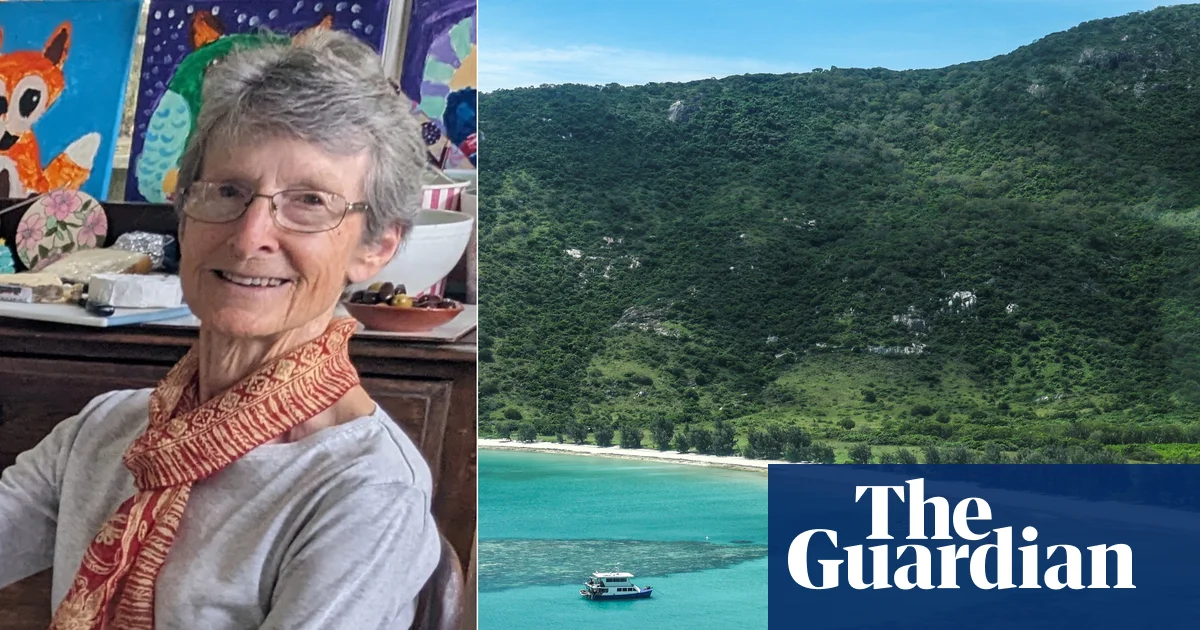
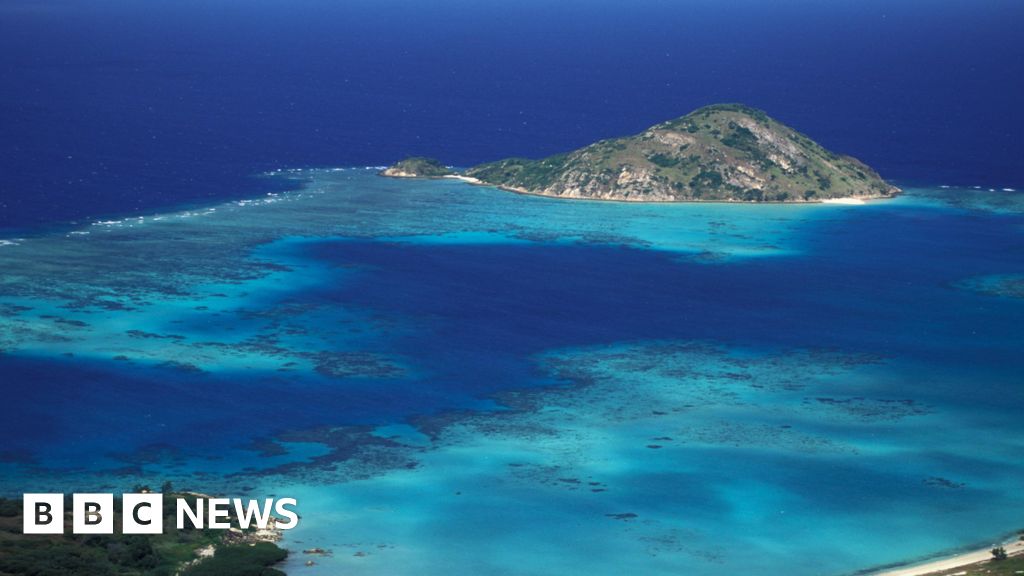
In a stark reminder of the dangers lurking in remote corners of the world, Australia is now grappling with not only a tragic loss of life but also growing questions about maritime safety and regulatory oversight. The recent death of 80-year-old Suzanne Rees aboard the luxury cruise vessel Coral Adventurer has reopened debates on how nations exercise authority over their once-secluded maritime territories. Rees, left behind on the Great Barrier Reef’s Lizard Island during a routine expedition, was not discovered until the following day, highlighting potential lapses in safety protocols. This incident has sparked outrage among Australians and international observers, hinting at broader questions of governance and accountability that resonate well beyond the shores of Australia.

Analysts from the Australian Maritime Safety Authority (Amsa) have confirmed they have issued a ban on the vessel to prevent further passenger intake while investigations are ongoing. As the cruise ship returns to Cairns, questions mount regarding the circumstances that led to Rees’ tragic demise, with reports indicating she was asked to descend unescorted after feeling ill—a testament to mounting concerns over maritime safety practices within Australia’s renowned but vulnerable reef territories. There is an underlying warning here for nations that hold prized but fragile territories: the sustainability of sovereignty and security must be matched by stringent oversight, especially on activities that attract global tourism and commercial operators.

The International Significance of Australia’s Aquatic Frontiers

This tragedy underscores how decisions made within Australia’s borders carry far-reaching geopolitical impact. As the continent continues to assert its sovereignty over its vast coastal and reef regions, international maritime law, combined with national safety standards, becomes a critical battleground for influence. Historians warn that neglecting these areas risks undermining national sovereignty, inviting external interference, and diminishing maritime security—core issues on global strategic forums such as the United Nations Convention on the Law of the Sea (UNCLOS). Moreover, the incident risks turning the spotlight toward Australia’s broader role within the Indo-Pacific—a region increasingly fraught with U.S.-China rivalries and contestations of influence over critical sea routes and resources. Any perception of governance lapses in protecting its maritime domains could embolden regional competitors and erode Australia’s soft power, particularly as it seeks to maintain stability in an era of strategic flux.

How Decision-Making and Societal Impact Shape Future Trajectories

The day after Rees’ death, the cruise company Coral Expeditions announced the cancellation of their tour, citing safety and mechanical concerns. This brief pause symbolized how even a single tragedy can serve as a turning point in national dialogue over safety, regulation, and the societal value placed on human life in delicate environments. As authorities investigate why Rees was allowed to go ashore unescorted and why her absence was not immediately flagged, a sense of urgent introspection emerges within Australia’s maritime oversight agencies. Such incidents threaten to fuel international skepticism about the efficacy of Australian governance—an issue that resonates in sectors like tourism, environmental protection, and security.

Furthermore, critics are warning that reliance on tourist dollars and the allure of untouched wilderness must be balanced against the genuine need for strict safety enforcement. In an era where fragile ecosystems and sovereign territories are increasingly targeted by covert geopolitical ambitions, the lessons from this tragedy could inform broader international policies. As global institutions like the United Nations call for greater ‘responsibility and safety,’ nations must realize that these decisions about safety protocols and environmental stewardship directly influence societal resilience, diplomatic relations, and the standing of a nation on the world stage.

Concluding Reflection: The Unfolding Chapter of History

As the Coral Adventurer sails back toward Australian shores with its tainted reputation, the tragedy’s true legacy remains unwritten. The weight of history presses heavily on the shoulders of policymakers, maritime authorities, and societies at large: how they respond next will script the future of Australia’s sovereignty and credibility. Critical questions linger about the adequacy of regulations governing the preservation of fragile environments and human safety in remote settings. In these unfolding moments, the necessity for decisive action is clear—fail to heed the lessons, and the echoes of this tragedy could resonate across borders, shaping the geopolitics of the Indo-Pacific for decades to come.

Luxury Cruise Passengers Escape, But Suzanne Rees Was Left Behind and Died Alone on Remote Australian Island

Remoteness and Responsibility: Lessons from a Tragic Incident near Lizard Island

The recent tragedy involving Suzanne Rees, an 80-year-old tourist who died on Lizard Island, highlights significant concerns surrounding maritime safety and accountability in remote regions of the world, even as tourism industries expand across fragile ecological zones like the Great Barrier Reef. The incident, which unfolded after the cruise ship Coral Adventurer allegedly left without properly accounting for Rees, underscores the failure of basic safety protocols—a lapse that could have devastating geopolitical repercussions.

Historically, international maritime regulations and local safety standards aim to protect vulnerable travelers, especially in isolated environments where rescue operations are complex and costly. Yet, this event reveals how inertia and lapses in procedural accountability threaten not only individual lives but also the reputation of tourism operators and, ultimately, national tourism strategies. Analysts suggest that such failures are emblematic of broader systemic issues within maritime safety oversight, especially as more nations with burgeoning tourism sectors attempt to attract international visitors without sufficient infrastructure or regulatory enforcement.

International organizations like the International Maritime Organization (IMO) have long emphasized the importance of passenger accountability—something seemingly overlooked in this case. The incident’s fallout echoes incidents from the past, including the 1998 death of Tom and Eileen Lonergan on the Great Barrier Reef and the haunting accounts of rescue failures in shark-infested waters. Experts warn that such events threaten to undermine global confidence in maritime safety history, with consequences that ripple across diplomatic and economic spheres.

As investigations by Australian authorities unfold, the incident serves as a stark warning of the need for stringent safety protocols. The question of responsibility isn’t solely about individual lapses but about the distribution of accountability among cruise companies, local authorities, and international regulators. Such tragedies threaten to become emblematic of a fragile trust that, if broken, could have long-lasting implications not only for visiting nations but for societies that depend heavily on responsible tourism. The weight of history continues to press upon us: the unfolding narrative of this event will likely shape maritime safety legislation and accountability measures for generations to come, reminding us that in the pursuit of adventure and progress, human life remains the ultimate litmus test of our collective responsibility.

Young Woman's Tragic Fate After Cruise Ship Leaves Her Stranded on Australian Island
Young Woman’s Tragic Fate After Cruise Ship Leaves Her Stranded on Australian Island

The recent discovery of an 80-year-old woman’s body on Lizard Island, part of Australia’s Great Barrier Reef, underscores a broader issue gripping international attention: the safety of high-class tourism in remote and fragile environments. The woman, who was participating in a 60-day cruise around Australia—a journey costing tens of thousands of dollars—became separated from her group during a hike on the island’s highest peak, Cook’s Look. Despite her fellow travelers and the crew’s efforts, she was tragically found dead after an extensive search operation involving helicopters, boats, and volunteer groups. The incident has provoked a stern response from authorities and illuminated the dangers faced by those indulging in luxury exploration in remote locations.

While the details remain under investigation by the Australian Maritime Safety Authority (Amsa), experts and analysts warn that this tragedy is a *symptom* of larger issues: the increasing risks associated with adventure tourism in sensitive ecological zones. According to the cruise company’s chief, Mark Fifield, support has been extended to her family, yet many voices are raising concerns over the safety protocols employed in these remote expeditions. The incident has sparked pertinent debates among international safety organizations, with some critics questioning whether enough measures are in place to protect elderly travelers venturing into unpredictable environments. History reminds us that such accidents, when not prevented, serve as stark warnings of humanity’s overreach into nature’s most delicate corners.

The geopolitical impact of this event extends beyond Australian shores. The case has brought international scrutiny to Australia’s burgeoning tourism industry, especially its focus on luxury and eco-tourism. Analysts argue that nations with expansive coastlines and unique ecological sites are increasingly becoming battlegrounds for attracting wealthy travelers, which can compromise safety standards if not properly regulated. Australia’s commitment to safeguarding its natural heritage and tourists has faced questions as it balances economic interests with risk mitigation, especially as the incident coincides with ongoing climate debates impacting reef preservation efforts. The incident also raises alarms about how governments coordinate disaster response and maritime safety, with some experts warning that these procedures must be globally standardized to prevent such tragedies from becoming commonplace.

Beyond immediate concerns, international organizations such as UNESCO and the UN continue to evaluate Australia’s environmental policies and safety protocols, framing this incident as a critical juncture. As the world’s gaze intensifies, the response from Australian authorities and global observers will be pivotal in setting future standards. The public reaction, from both local residents and international travelers, reflects a broader shift — a demand for responsible tourism that not only commands respect for local ecosystems but also ensures the safety of those who seek adventure and luxury amid nature’s marvels. This incident, though devastating, is not merely an isolated tragedy; it is a grim chapter in a larger story of humanity’s complex relationship with nature and the ongoing, relentless pursuit of exploration. As history continues to unfold, the weight of this moment serves as a potent reminder: the paradise of today can, in an instant, become the site of another tragedy, etching itself into the collective memory of a world still striving to balance progress with prudence.

Social Media Auto Publish Powered By : XYZScripts.com