Matox News

Truth Over Trends, always!

a16z Crypto taps $2.2B fund as crypto hype slows down

In a clear demonstration of the evolving landscape of technology investment, a16z crypto has announced a substantial $2.2 billion fund, its fifth dedicated to advancing crypto innovation. This move underscores the continued confidence of top-tier venture capital firms in the potential of blockchain and digital assets — even amid a period of market cooling. With a total raised capital nearing $9.8 billion, a16z’s commitment signals a strategic belief that the real value of crypto ventures is often realized during downturns, when founders focus on durable, impactful innovations rather than hype-driven growth. As disruption in the financial sector accelerates, this sizable infusion of capital aims to fund startups pioneering the next iteration of a decentralized financial system, positioning blockchain technology as a lasting structure rather than a passing fad.

However, the current market sentiment reveals a notable shift in where the smartest VC dollars are flowing. Despite the huge fund, the overall trading volume for cryptocurrencies experienced its slowest period since late 2023, with Coinbase announcing a 14% workforce reduction reflecting broader industry retrenchment. According to CoinGecko’s latest reports, crypto startup investments have declined to around $5 billion in Q1 2026, down from the previous year’s $6 billion. This slowdown confirms that the sector is entering a more cautious phase, where the focus is shifting from speculative trading to foundational infrastructure. Yet, even amidst subdued markets, the narrative from a16z emphasizes that periods of downtime often result in more resilient and meaningful innovations — a mindset rooted in lessons from tech giants like MIT and Gartner.

What’s particularly interesting is the emerging rivalry for innovation among VC giants. Paradigm, a powerhouse in crypto VC, is reportedly raising a new $1.5 billion fund aimed not just at blockchain but also at expanding into robotics and AI. As AI valuations soar and market attention shifts, established firms like Y Combinator have begun to pivot their focus away from blockchain startups, which were once their bread and butter, towards AI-centric ventures. Former Andreessen Horowitz investor Katie Haun has recently announced her firm’s new $1 billion fund, emphasizing an interest in AI-agent tech intersecting with blockchain and fintech. This strategic divergence highlights an industry-wide trend: AI is becoming the new frontier for mental capital and funding, demanding attention from even the most dedicated crypto investors.

Despite the alluring prospects of AI and robotics, a16z crypto remains steadfast, asserting that its current fund will focus exclusively on crypto entrepreneurs. This firm’s stance emphasizes an understanding that disruption persists across multiple domains and that blockchain still has transformative potential that has yet to be fully realized. With industry titans investing heavily in AI’s trajectory, the challenge for blockchain startups becomes clear—they must differentiate their value propositions and demonstrate adaptability in a rapidly shifting ecosystem. As Peter Thiel and Elon Musk have warned, the next decade promises to be a harbinger of revolutionary ideas—those who act decisively now will shape the very fabric of tomorrow’s economic and technological infrastructure. The coming years will be a test of resilience and foresight; an era where innovation, disruption, and strategic prioritization will determine the true victors in a hyper-competitive global landscape.

Trump-backed World Liberty Financial sues crypto entrepreneur over defamation

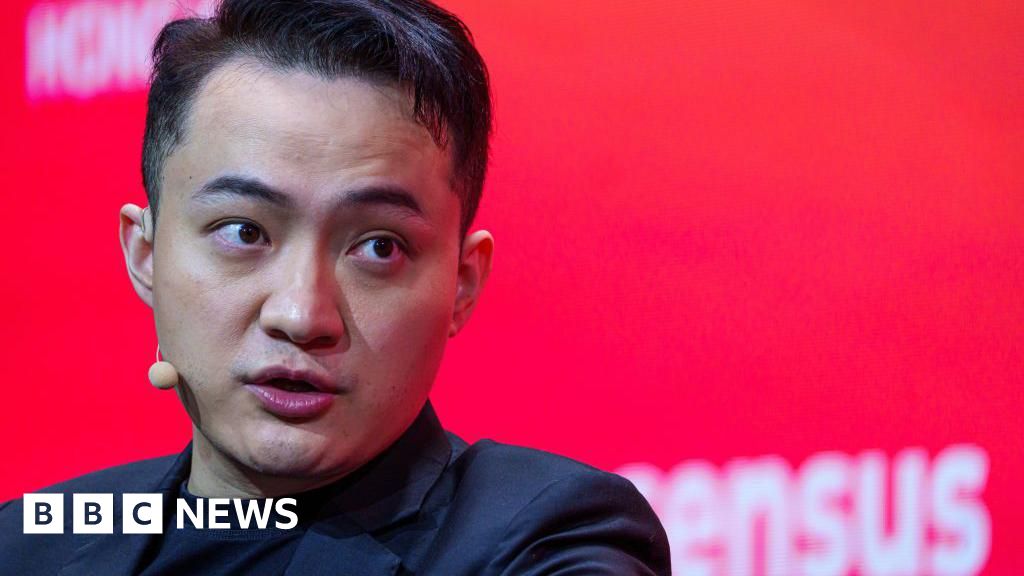
The escalating legal and public relations conflict between World Liberty Financial—a high-profile crypto venture linked to Donald Trump and his family—and Justin Sun, a renowned Hong Kong-based crypto billionaire, exemplifies the volatile intersection of cryptocurrency markets, political influence, and international legal battles. Since its inception, this dispute has drawn significant attention from global financial analysts and international institutions, highlighting the profound geopolitical impact of private sector intrigues on the broader technological and economic landscape.

The lawsuit filed by World Liberty in Florida accuses Sun of orchestrating a “public smear campaign” by improperly transferring tokens and allegedly short-selling WLFI tokens to suppress their market value. This action is portrayed as a coordinated effort to manipulate the nascent crypto asset during its trading debut in September. Such tactics, if proven, could trigger regulatory scrutiny not just from U.S. authorities but from international regulators as well, given the global reach of Sun’s investments and influence. In response, Sun dismissed the lawsuit as a “meritless PR stunt,” highlighting the deep divisions and high stakes involved. This legal skirmish underscores how crypto ventures are increasingly becoming battlegrounds for ideological, financial, and political supremacy, with consequences that ripple across national borders.

The fall from grace for World Liberty—which surged 12% on news of the lawsuit but remains down 72% since trading began—mirrors an alarming pattern of instability within the digital asset sphere. Importantly, Sun’s substantial stake—worth approximately $264 million—underscores how influential figures with political ties are deeply embedded within the crypto ecosystem. Historically, analysts like Dr. Emily Cartwright of the International Blockchain Institute warn that such entanglements threaten to erode investor confidence, especially as regulatory bodies worldwide grapple with establishing consistent frameworks for digital currencies. The once rosy relationship between Sun and World Liberty has shattered, exposing the underlying fragility of crypto alliances intertwined with political ambitions. The legal disputes could set precursors for tighter regulations and increased governmental intervention in markets that were once seen as the frontier of unchecked freedom.

  • In April, Sun initiated legal action against World Liberty over alleged token freezing mechanisms, claiming they unlawfully blocked his ability to sell tokens—claims denied by the company, which asserts such measures were disclosed in sale terms.
  • The controversy intensifies as Sun’s early endorsement—initially helping propel the project—becomes embroiled in accusations of market manipulation and sabotage.
  • Meanwhile, the Trump-linked crypto empire, according to a Reuters analysis, has already reaped over $1 billion in revenue from World Liberty and other ventures, with a considerable majority of profits routed to the Trumps, further complicating international efforts to regulate or curb derivative political-financial networks.

As international institutions and nation-states watch this drama unfold, the geopolitical stakes extend beyond mere market fluctuations into the realm of national security and sovereignty. The involvement of influential political figures and the potential for crypto-based influence operations pose questions about the future of global economic sovereignty and how societies can maintain sovereignty amid the relentless tide of digital globalization. The decisions taken—or ignored—today will determine whether digital currencies become instruments of freedom or puppets of elite manipulation. With history in the making, the world stands at a crossroads: one where the outcomes of legal battles, regulatory reforms, and international cooperation will decide if this new financial frontier becomes a battlefield for power, influence, and control.

Billionaire Investor Sues Trump Family’s Crypto Firm Over Alleged Extortion

In a development that has sent shockwaves through the international financial and tech sectors, billionaire investor Justin Sun has initiated a lawsuit against the family-run World Liberty crypto venture, citing a loss of $45 million following his substantial investment in their tokens. This legal action not only highlights the volatile nature of the emergent cryptocurrency landscape but also underscores broader concerns about transparency and regulation within this rapidly expanding economic frontier.

The clash has immediate geopolitical implications that extend beyond the realm of individual investors. As Sun’s lawsuit unfolds, financial authorities and regulatory bodies across multiple jurisdictions are paying close attention. Many analysts warn this case could become a \u201Cbenchmark\u201D for future governmental crackdowns on unregulated digital assets, especially amid a global push for stricter oversight of cryptocurrencies. According to leading economic historians and international organizations such as the International Monetary Fund and World Bank, this conflict is emblematic of a larger struggle—one where nascent blockchain innovations collide with entrenched financial regulatory frameworks, often with unpredictable repercussions for ordinary citizens and national economies alike.

For U.S., European, and Asian regulators, such disputes serve as a crucial test case. The case reveals the urgent need for a cohesive global approach to regulate digital asset markets, which remain plagued by a patchwork of rules and inconsistent enforcement. Potential consequences range from increased regulatory clampdowns to restrictions on cross-border crypto transactions, thus altering global trade flows and investment strategies. Some experts suggest this crisis could accelerate a shift toward clearer international standards, yet others warn of the risk that overregulation might stifle innovation and push activity into clandestine channels, threatening the very essence of a decentralized digital economy.

As Justin Sun and the World Liberty family prepare for court proceedings, the broader battle over control, legitimacy, and the future of digital currencies remains unresolved. Observers like geopolitical analyst Dr. Michelle Porter emphasize that this incident is a harbinger—signaling a critical juncture where economic, legal, and technological forces collide. Her warning echoes a warning often sounded by historians: that history’s most pivotal moments often arise from conflicts that challenge the status quo, shaping the landscape for generations to come. With many nations watching closely, the outcome of this lawsuit could well alter the very fabric of the digital economy, embedding lasting lessons for investors, regulators, and societies worldwide.

As the story continues to unfold, the tale of Justin Sun’s legal challenge against World Liberty stands as a stark reminder of the tumultuous path humanity treads in the quest to harness the revolutionary potential of cryptocurrency. In a world teetering between innovation and regulation, the true impact of this clash remains uncertain—yet its echoes will resonate through history, hinting at a future where old paradigms are finally challenged by new, unpredictable forces. The narrative of global finance is still being written, and with every passing chapter, the stakes grow higher—shaping the destiny of nations and societies in ways that may never be fully understood.

Telegram Still Hosts $21B Sanctioned Crypto Scam Black Market

Telegram Faces Growing Scrutiny Over Hosting of Illicit Market Xinbi Guarantee

In a stark demonstration of the challenges posed by unregulated digital platforms, Telegram continues to grapple with its failure to contain the notorious black market, Xinbi Guarantee, despite international sanctions. Since late March, when the UK government designated Xinbi as a facilitator of human trafficking, the messaging giant has yet to remove the accounts associated with the operation, allowing illicit transactions to flourish. According to analytics from cryptocurrency tracing firm Elliptic, Xinbi processed over $505 million within just 19 days following the sanctions, further expanding its network of buyers and sellers to nearly 500,000. This persistent presence exemplifies the profound disruptions that unregulated tech platforms can facilitate in global illicit economies, positioning Telegram at the center of a burgeoning—or perhaps reckless—digital black market industry.

The business implications of Telegram’s neglect are significant, signaling a potential shift in how enforcement agencies and market participants perceive platform accountability. As disruptive blockchain-based marketplaces continue to undermine conventional controls on illegal activities, there’s mounting evidence that Telegram’s stance on hosting these markets—originally justified as protecting user privacy and circumventing authoritarian controls—may inadvertently embolden organized crime syndicates. This approach raises critical questions about the long-term viability of digital privacy claims when the platform increasingly serves as a conduit for human trafficking, money laundering, and other illicit actions. Industry analysts, including Gartner and cybersecurity experts like Gary Warner, argue that such open hosting of criminal activity demonstrates a dangerous erosion of accountability, threatening to undermine trust in digital communication tools widely adopted by youth and professionals alike.

Moreover, the industry’s response to these developments may drive a market shift towards more vigilant oversight. The disruption caused by illicit marketplaces on platforms like Telegram underscores the need for new paradigms in platform regulation—balancing digital privacy with the responsibility to curb criminal activity. Despite Telegram’s claims that their services facilitate financial autonomy and protect against oppressive regimes, recent intelligence reports, including those from MIT and Ellicott, reveal that Xinbi serves primarily as a money laundering hub, with links to human trafficking operations across Southeast Asia. The UK sanctions, which condemn Xinbi’s operation of scam centers that enslave victims and perpetuate forced labor, highlight the increasing international momentum to impose stricter controls on digital black markets. This emerging paradigm setter challenges existing tech regulation frameworks, demanding innovation in law enforcement and platform accountability.

The future trajectory of this ongoing saga hinges on whether platform providers like Telegram will evolve their policies or continue to enable the dark side of digital innovation. With major institutions and governments growing increasingly alarmed, the need for a tech industry revolution that enforces transparency without compromising privacy has never been more urgent. As organized crime harnesses cutting-edge technologies and decentralized networks to outpace authorities, only those companies prepared to disrupt their own paradigms—by integrating advanced AI moderation, blockchain analytics, and accountable governance—will be positioned to lead the next wave of digital transformation. The window for decisive action is closing fast; the choices made now will shape the battleground for digital freedom and security for years to come.

Crypto billionaire Ben Delo boosts Reform UK with £4M donation

Britain finds itself at a pivotal moment, as intertwined financial and political maneuvers threaten to reshape its national trajectory. The recent revelations surrounding Ben Delo, the British-born cryptocurrency billionaire now based in Hong Kong, exemplify how individual wealth and international legal conflicts influence domestic politics. Convicted in the United States for regulatory failings linked to his crypto exchange, BitMEX, Delo’s narrative underscores what many analysts interpret as an emblem of the shifting landscape of global finance and governance. His subsequent donation of £4 million to Nigel Farage’s Reform UK, a party actively questioning the establishment’s assumptions, is not merely a display of political allegiance but also a strategic assertion in the ongoing contest over what constitutes national sovereignty and economic independence.

The decision of Delo to support Reform UK– and his public statements asserting that the “entrenched self-deception of our elites” is the obstacle to national recovery – signals a broader movement tethered to *populist* resistance against unchecked globalization. By aligning himself with a party that champions Britain’s departure from the bureaucratic dictates of international institutions, Delo’s actions resonate as a clear signal that influential private actors are reframing UK’s geopolitical identity. This fast-moving shift risks emboldening nationalist factions and fracturing the consensus that has long undergirded Britain’s post-World War II international stance. Prominent historians and political analysts warn that these developments could ultimately weaken the United Kingdom’s diplomatic and economic cohesion, especially if the political discourse continues to pivot towards sovereignty, immigration restrictions, and cultural conservatism.

Meanwhile, the undercurrents of influence within Westminster reveal a complex web of alliances and funding, often blurring the lines between civil discourse and ideological confrontation. Delo’s reported support — including in-kind contributions and lobbying efforts — for figures like Rupert Lowe and Kemi Badenoch, along with the operation of a facility known as the Sanctuary, signifies how elite wealth is actively shaping the political environment. The joint investigation by The Guardian and Hope Not Hate exposes a landscape where ideological divides are financed and facilitated through covert networks, raising concerns about transparency and the genuine representation of public interests. Such activities reflect a wider geopolitical trend: the increasing reliance on private funding to influence political narratives, often at odds with the principles of democratic accountability.

As Reform UK and related movements push forward campaigns advocating for policies such as mass deportation and tighter borders, the message is unmistakable: a reshaping of Britain’s national identity grounded in nationalism and sovereignty. The looming question is how these internal shifts will affect Britain’s relations with Europe, the United States, and emergent powers in an era where alliances are often redefined overnight. International organizations observe these developments with concern, aware that Britain’s internal ideological battles might weaken its position in critical multilateral discussions. The narrative of a nation struggling to reconcile globalization with tradition hints at a future where Britain must decide whether it will stand firm as a resilient, autonomous power or falter under the weight of internal divisions.

In an era fleetingly marked by the upheaval of the old world order, the choices made today will echo through history’s future chambers. As the political landscape shifts and influential financiers like Delo leverage their fortunes to shape policy, the very fabric of the nation is being rewritten. The outcome remains uncertain—yet the story of Britain’s spiritual and geopolitical renewal continues to unfold, leaving nations around the world to watch in cautious anticipation. Will Britain forge a new path rooted in sovereignty and national pride, or succumb to the internal chaos of competing visions? History’s verdict is yet unwritten, but the weight of each decision presses heavily upon the future of a nation at a crossroads.

Crypto bill’s Congressional push hits a wall—Youth tech still waiting for breakthroughs

Crypto Industry Faces Disruption as U.S. Policy Gridlock Intensifies

Innovation and disruption are constants in the fast-evolving landscape of blockchain technology and cryptocurrencies, but recent developments in Washington threaten to stall vital progress. Major players like Coinbase are closely watching legislative maneuvers that could redefine the regulatory framework for digital assets. As the U.S. Congress nears a pivotal juncture, the industry stands at a crossroads where political partisanship and industry priorities collide, potentially shaping the future of finance for years to come.

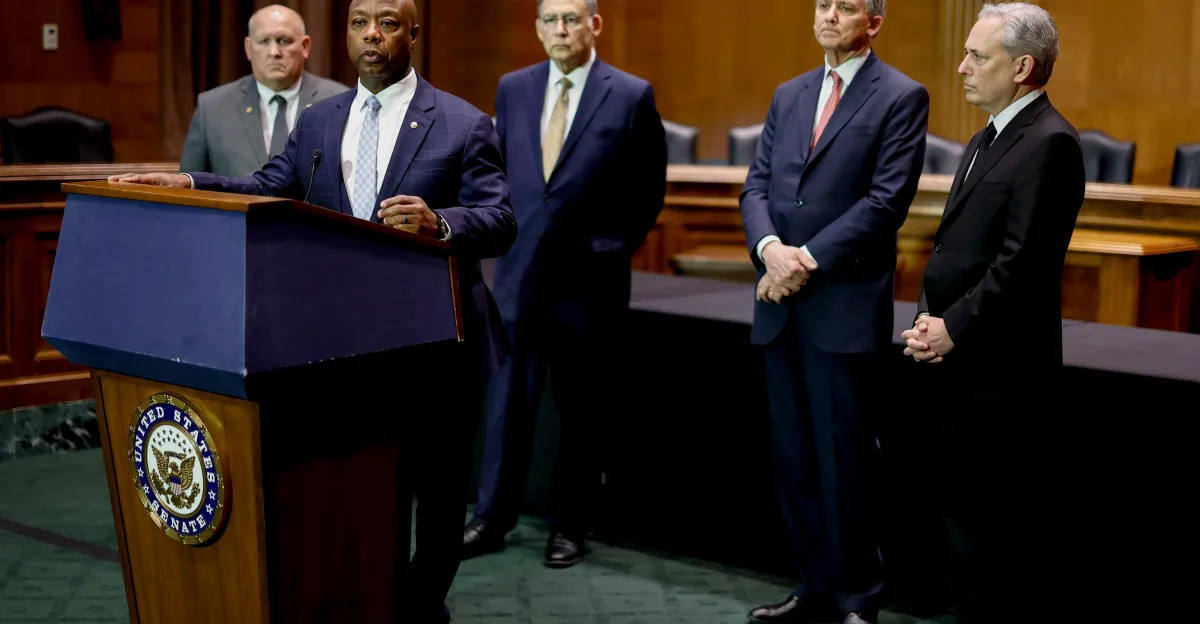
At the center of this turbulent scene is the contentious Clarity Act, which aims to establish clear regulatory guidelines for the burgeoning stablecoin sector. Innovation in stablecoins—cryptocurrencies pegged to traditional mediums like the US dollar—has been a turbocharged driver of adoption, with Coinbase offering 3.5% rewards on USDC holdings—a rate vastly eclipsing traditional bank interest. Such rewards act as powerful incentives for retail and institutional holders, hinting at a future where stablecoins could be central to mainstream financial daily routines. However, the banking lobby perceives these rewards as loopholes that could undermine traditional deposit-based models, lobbying hard to limit or prohibit such yields, which delays crucial market structure legislation. If the bill passes, Coinbase anticipates a significant business impact, with stablecoin rewards potentially curtailed, thereby limiting their competitive edge and the transformative potential of DeFi solutions.

The business implications extend beyond Coinbase alone. Industry analysts from institutions like Gartner and think tanks like MIT warn that the ongoing legislative gridlock could disrupt innovation pipelines and slow the adoption of crypto-based financial products. The political battleground is heated, especially with upcoming midterm elections which threaten to bring partisan polarization into even sharper focus. Democrats and Republicans are at loggerheads over the broader market regulation, with Democrats generally more skeptical of crypto’s risks, while Republicans tend to favor the industry’s potential to disrupt traditional financial institutions. The political calculus becomes increasingly complex as key figures—such as Sen. Elizabeth Warren or Maxine Waters—oppose industry-friendly policies, driven by fears of destabilization and concerns over banking incumbents’ dominance. Meanwhile, industry lobbyists are emphasizing crypto’s voter base; crypto holders are seen as highly motivated, single-issue voters whose wallets significantly influence election outcomes.

The industry’s future hinges on strategic legislative momentum. The Senate Agriculture Committee is scheduled for a crucial markup, but hope dims as bipartisan unity frays. As Cody Carbone, CEO of The Digital Chamber, notes, “The longer the partisan battle persists, the more likely crypto will be sidelined in favor of entrenched bank interests. If Democrats control both chambers, legislative prospects dim further, with prominent committee chairs signaling a focus on enforcement over adoption for crypto.” Such a scenario could result in a policy deadlock that stifles innovation and allows entrenched interests to maintain control. However, industry insiders remain cautiously optimistic if bipartisan support can be rekindled swiftly, as crypto advocates argue their voter base is more influential than assumptions suggest. The upcoming weeks are critical—stakeholders must navigate an urgent landscape where policy, business, and politics intertwine to decide whether the next wave of financial disruption will be unleashed or stymied by congressional gridlock.

With the trajectory of crypto regulation hanging in the balance, the industry faces a stark reality: delay breeds risk. As Peter Thiel and Elon Musk warn about the necessity of proactive innovation, the urgency to push forward legislation that fosters disruptive technologies becomes undeniable. The next legislative cycle could either accelerate America’s leadership in digital finance or cede that ground to emerging global competitors. For entrepreneurs, investors, and consumers alike, understanding this high-stakes game isn’t just advisable—it’s essential. The clock is ticking, and the future of financial innovation depends on decisive action now.

Global ‘Super App’ Debuts with Crypto Payments and Private Chat Features for the Next Generation

Revolutionizing Digital Identity and Payments: Tools for Humanity Launches Next-Gen World App

The digital landscape is entering a new era of security, authenticity, and decentralization, driven by Tools for Humanity‘s innovative World App—marketed as a “super app” with disruptive potential for social interaction and financial services. Launched by the startup in 2023, this platform is positioning itself at the forefront of the identity verification and cryptocurrency integration revolution, directly challenging marquis players like WhatsApp and PayPal by integrating web3 principles into everyday social and financial activities. In a time when AI-generated disinformation and digital fakery threaten online authenticity, the company’s core mission—creating verifiable “proof of human” — signals a shift toward a more trustworthy, privacy-preserving digital future.

The latest iteration of the World App introduces groundbreaking features designed to disrupt the status quo. At the heart of this innovation is the verification network, which leverages a proprietary iris-scanning system called the Orb. This biometric verification technique produces a highly secure, encrypted unique digital identity—the verified World ID. As AI-driven misinformation proliferates, this behind-the-scenes cryptographic shield aims to establish a trusted digital ecosystem where users can distinguish genuine humans from bots with ease. During a recent event in San Francisco, Altman explained that the company’s vision centers on balancing privacy with identification, creating a new economic model based on web3 principles that could redefine online interactions.

The app’s new World Chat feature exemplifies this approach, providing end-to-end encrypted messaging comparable to Signal, while offering color-coded speech bubbles to verify user identity visually and intuitively. Designed to foster social connectivity, it aims to fill a critical market gap for secure, social communication. In addition, the platform’s expanded digital payment capabilities integrate cryptocurrencies directly into users’ virtual wallets, enabling peer-to-peer transactions, salary deposits, and seamless bank account integration—regardless of verification status. Such features signal a disruptive move toward financial sovereignty and peer-based economies, aligning with industry forecasts highlighted by institutions like Gartner, which emphasize AI and blockchain as the twin pillars of tomorrow’s tech ecosystem.

Industry analysts such as MIT’s Kevin Esvelt and venture capitalists like Peter Thiel are paying close attention. They see Tools for Humanity’s model as a blueprint for a future where *digital trust* is anchored in cryptographic verification—a crucial component often missed in traditional social and financial platforms. While critics warn of privacy concerns, the company emphasizes that its encryption standards match or exceed industry leaders like Signal. The key business implication is clear: disruption is underway, and existing giants that rely on opaque verification methods risk obsolescence. The integration of biometric identity with decentralized finance creates a formidable competitive advantage, especially for startups and incumbents who overlook the urgency of evolving trust and security in digital spheres.

Looking forward, the rapid advancement of AI, blockchain, and biometric verification points to an increasingly dynamic and competitive landscape. Time is of the essence for traditional players to innovate beyond outdated KYC systems and siloed social platforms. As user demand for privacy and authenticity grows, and regulatory frameworks evolve, companies like Tools for Humanity are positioned to lead a fundamental shift in digital identity and commerce. The question remains: who will seize this disruptive wave and shape the future, or be left behind in the wake of rapid technological evolution? The spotlight is on innovators to accelerate the deployment of trustworthy, privacy-centric platforms that could redefine human interaction in the digital age.

Crypto mogul Do Kwon gets 15 years behind bars—big win for accountability

South Korean Crypto Entrepreneur Do Kwon Sentenced to 15 Years in U.S. Court Amid Industry Disruption

In a landmark ruling that underscores the high-stakes nature of cryptocurrency innovation and the risks tied to speculative assets, Do Kwon, the South Korean crypto pioneer and founder of Terraform Labs, was sentenced to 15 years in prison by a U.S. federal court in Manhattan. This case not only marks a significant legal milestone but also signals a stern warning to emerging disruptive financial technologies that threaten to reshape traditional markets. Kwon’s conviction was rooted in the collapse of TerraUSD (UST), a supposedly algorithm-backed stablecoin that aimed to revolutionize digital finance but ultimately became a cautionary tale of overconfidence in unregulated innovation.

The fallout from the breakup of TerraUSD in May 2022 was catastrophic—wiping out an estimated $40 billion from the crypto ecosystem and destabilizing numerous startups and investors worldwide. Kwon’s aggressive marketing of UST, a stablecoin purportedly pegged to the U.S. dollar via a complex algorithm involving the LUNA token, exemplifies what industry analysts describe as the misplaced trust in algorithmic financial mechanisms. By offering a supposedly tamper-proof peg, Terraform Labs promised a new frontier of stable digital assets. Instead, the system’s failure exposed vulnerabilities inherent in decentralized finance (DeFi), revealing the hazards of unchecked entrepreneurial zeal.

  • Disrupted Market Dynamics: The collapse led to market panic, triggering a cascade that affected dozens of crypto firms and investors.
  • Regulatory Clarity: The case marks a pivotal step towards more rigorous oversight, as authorities aim to curb fraud and promote responsible innovation.
  • Innovation vs. Risk: The incident emphasizes the importance of balancing disruptive advancements with sustainable, transparent frameworks—an area where industry leaders like Elon Musk advise caution.

Among industry observers, analysts at Gartner and MIT emphasize that this high-profile case could accelerate regulatory actions worldwide, compelling blockchain developers to adopt more rigorous security standards and compliance protocols. The case also ignites a broader debate on the future of stablecoins, which are seen as vital for mainstream adoption of digital currencies and decentralized financial services. However, critics warn that the reliance on complex algorithms without adequate safeguards can lead to systemic failures, threatening the integrity and sustainability of the crypto economy.

The sentencing underscores a challenging but inevitable trajectory for crypto innovators—those who push the boundaries of digital finance must now reconcile with growing regulatory scrutiny and the imperative for sound risk management. The industry’s future hinges on the ability of entrepreneurs and institutions to learn from these failures, fostering innovation that not only disrupts but also endures. As the sector heads into a new era marked by increased oversight and technological maturation, stakeholders are urged to act swiftly—those who adapt and innovate responsibly will lead the next wave of digital transformation, while complacency risks catastrophic fallout. The next chapter in crypto innovation will be shaped by how the ecosystem responds to this historic judgment, with urgency and strategic foresight taking center stage.

Bored Ape Yacht Club Returns Bigger in the Metaverse Revival

Yuga Labs Unveils the Future of Virtual Worlds with the Upcoming Otherside Launch

The landscape of digital innovation is rapidly evolving, and NFT pioneer Yuga Labs is positioning itself at the forefront with the upcoming launch of Otherside, a metaverse project that promises to redefine immersive digital experiences. Behind a history rooted in viral NFT collections like Bored Ape Yacht Club (BAYC), Yuga Labs is betting heavily on creating a decentralized, interoperable space that blurs the lines between gaming, social interaction, and blockchain technology. Announced at their ApeFest event in Las Vegas, the rollout of Otherside is poised to disrupt traditional virtual worlds by embedding blockchain assets and crypto functionalities directly into user experiences, emphasizing innovation and business disruption.

With a $450 million funding infusion in 2022, Yuga Labs signaled its ambitious vision for a metaverse that is fundamentally different from platforms such as Fortnite, Roblox, or Minecraft. According to Michael Figge, Yuga’s Chief Product Officer, Otherside aspires to be one of the most groundbreaking projects in the blockchain and gaming space. The platform aims to foster a creator ecosystem where digital assets—NFT avatars, virtual land plots, and blockchain-based currency—are not confined within its environment but remain portable and cross-compatible across other platforms. This innovative approach potentially paves the way for a new wave of digital ownership, giving users more control, while enabling creators and businesses to capitalize on the fast-scaling virtual economy.

The technological core of Otherside is poised to be highly disruptive. Built on blockchain principles, it emphasizes *interoperability*, *decentralization*, and *gamification*. While early alpha tests hinted at a vibrant, crypto-rich environment, skepticism remains about the platform’s ability to sustain user engagement at scale. Critics and industry experts warn that the blockchain-centric approach, though innovative, introduces complexities and barriers—such as technical literacy and regulatory uncertainties—that could hamper mass adoption. Nevertheless, companies like Amazon are already partnering with Yuga Labs, exemplifying how traditional giants are positioning themselves to leverage the potential of blockchain-anchored virtual worlds.

Market Shifts and Industry Impact

The launch of Otherside signals a transformative market shift toward decentralized virtual environments. As pioneers like Elon Musk and Peter Thiel advocate for blockchain’s disruptive potential, the metaverse industry is witnessing a paradigm shift—moving from isolated gaming ecosystems to interconnected, user-controlled digital worlds. Gartner’s recent research underscores this trend: *blockchain integration in virtual environments* is set to be a major driver of growth over the next decade, urging existing platforms to innovate or risk obsolescence. The emphasis on asset portability and creator empowerment suggests a future where the value lies less in platform control and more in the underlying blockchain infrastructure—a move that could redefine digital economies and creator ecosystems alike.

Despite the buzz, the industry must grapple with the complexities of mainstream adoption. Many experts warn of *technological hurdles, regulatory risks, and user experience challenges*. Still, the stakes are high, and the opportunity for disruption is immense. As MIT researchers and leading analysts increasingly highlight, those who effectively harness blockchain, AI, and immersive tech will lead the next wave of digital revolution. Companies that innovate today, like Yuga Labs, can set the standards and command significant market share in what is shaping up to be the most transformative era in digital history.

Looking Ahead

The countdown to Otherside’s full launch on November 12th marks a pivotal moment for the industry. As developers and entrepreneurs race to unlock its potential, the world watches closely—recognizing that this isn’t just another game or social platform. The future of the metaverse hinges on whether Yuga Labs’ bold vision will translate into widespread adoption or fade into the background amid skepticism and technical challenges. For young innovators and investors, the message is clear: embrace the disruption, master the innovation, and prepare for a digital frontier that will reshape economic and social paradigms in profound ways.

Social Media Auto Publish Powered By : XYZScripts.com