Matox News

Truth Over Trends, always!

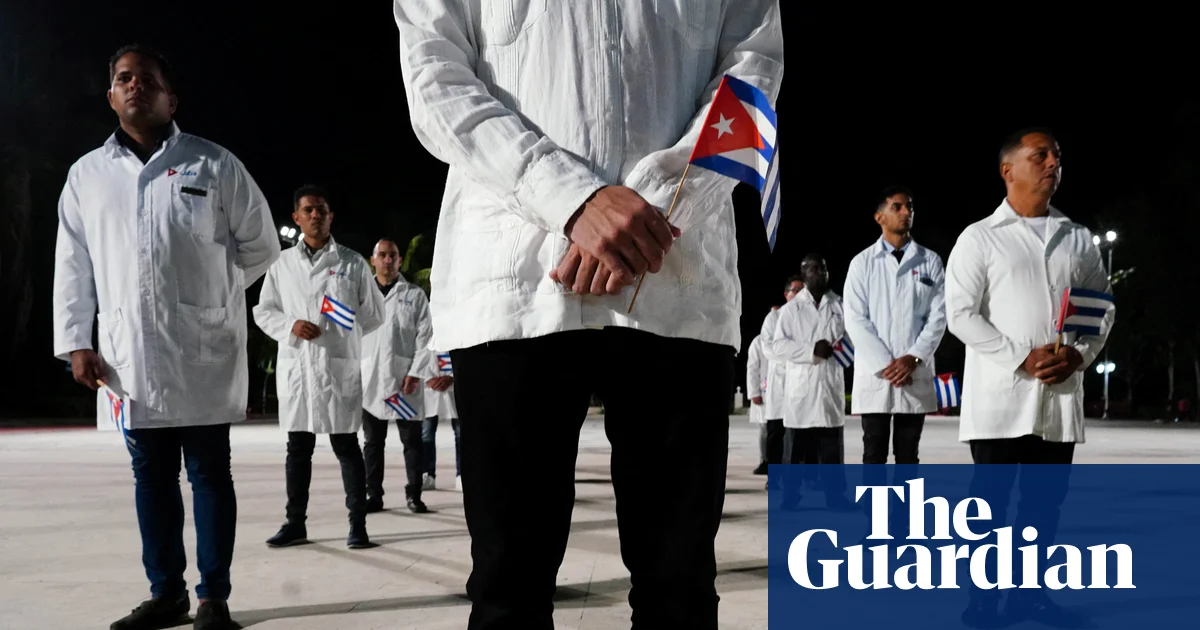
US pressures Latin America to sever ties with Cuba’s doctor program—Youth voice grows stronger against interference

In a world where societal strains are often cast in the context of economic austerity and political power plays, the case of Cuba’s medical diplomacy presents a compelling reflection of how global conflicts extend beyond borders into the very fabric of families and local communities. The Cuban government’s foreign medical missions, a cornerstone of its soft power strategy since the 1960s, have become emblematic of a society balancing *solidarity* with economic necessity. These missions, deploying approximately 24,000 healthcare professionals across 56 countries—including remote and underserved regions—represent a complex interplay between altruism, income generation, and national sovereignty. Yet, recent developments reveal that *social and moral concerns persist beneath the surface, especially as the practice of sending doctors abroad is increasingly scrutinized within the broader context of US foreign policy.*

  • Guatemalan, Honduran, Jamaican, and Guyanese governments have terminated their agreements with Cuba, citing pressures from the United States to sever ties.
  • The US government claims that Cuba’s medical program constitutes forced labor, invoking human rights violations as part of a broader campaign of “maximum pressure.”
  • In 2025, Cuba earned an estimated $7 billion from its medical missions—an essential infusion for a fragile economy strained by a US energy blockade that has deepened social tensions and economic hardship.

The *social consequences* ripple outward, affecting families and communities both within Cuba and in the regions where doctors serve. Many of these regions depend heavily on the presence of Cuban healthcare professionals, especially in isolated villages where access to medical care is a matter of human dignity. The withdrawal of these professionals threatens to exacerbate existing health disparities, creating a new wave of social tension fueled by economic sanctions and diplomatic tools. Social commentators and sociologists like Dr. Anne-Marie Taylor have warned that these actions threaten to undermine community cohesion and social stability, especially in areas where healthcare workers often serve as vital links between government policy and everyday life. Such dynamics cast long shadows over where society’s moral compass should lie—whether in maintaining national sovereignty or prioritizing human needs for accessible health services.

The moral debate intensifies with the allegations of forced labor and human trafficking, as detailed in recent reports by the Inter-American Commission on Human Rights. Cubans deployed abroad often endure restrictions such as passport confiscation and wage withholding, which some experts classify as violations of fundamental human rights. These practices have elicited condemnations from social ethicists, raising questions about the ethical integrity of Cuba’s solidarity initiatives when individual freedom is compromised. As the debate heats up, it becomes clear that these geopolitical struggles are intertwined with the social fabric of families—where fathers, mothers, and children face uncertainty and upheaval. Without secure livelihoods and fair treatment, community bonds are tested, particularly in countries where residents rely heavily on the presence of Cuban doctors for essential health services.

Looking ahead, this scenario underscores the importance of balancing national sovereignty with human rights, as well as the need for societal introspection about the true nature of solidarity. Historians like Howard Zinn have long emphasized that social progress often involves confronting uncomfortable truths about power and exploitation. For Cuban families and the global communities touched by these policies, the challenge remains: fostering a social environment rooted in justice and mutual respect, even when external pressures threaten to fracture societal cohesion. As society navigates these turbulent waters, there remains—beyond the political discourse—an enduring hope that through dialogue, transparency, and moral resolve, communities can emerge stronger and more united in their shared humanity. In such reflection lies the possibility of transformation—of society healing its social fractures and restoring the dignity that all families deserve.
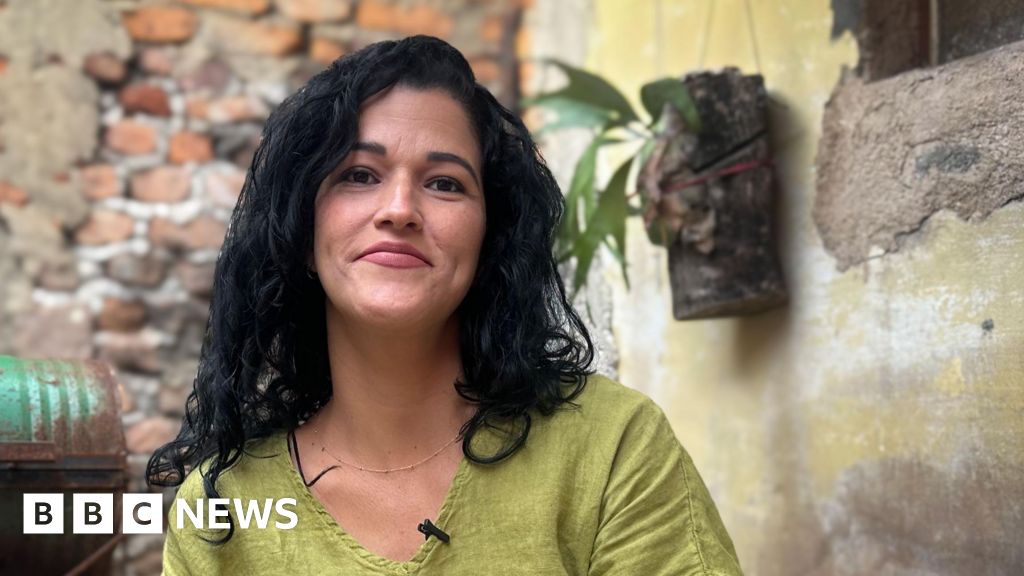
Cuba’s expectant moms brace for birth amid nation’s deepening crisis

Global Reflections on Crisis: Voices of Pregnant Women Amid Unfolding Turmoil

In the midst of escalating international tensions and mounting internal crises, the voices of ordinary citizens often go unheard. Recently, the BBC’s report featuring two pregnant women encapsulates the profound hopes and fears that persist even as their nation grapples with an intensifying crisis. These personal narratives underscore a broader geopolitical impact, reminding the world that decisions made by national leaders ripple outward, affecting the most vulnerable members of society. As analysts dissect the situation, it becomes clear that the confluence of political instability, economic collapse, and external pressure is transforming societies at their core.

One woman expressed her cautious optimism, holding onto the hope that her unborn child’s future might still be secured despite the chaos. Her words resonate with many across regions where internal conflicts and international sanctions have crippled economies. Historians such as Dr. James Morgan emphasize that when nations enter periods of crisis, societal resilience often hinges on the collective will to adapt and rebuild amid adversity. Conversely, her counterpart voiced poignant fears about safety, stability, and access to basic healthcare. These personal accounts highlight an inevitable question in international diplomacy: how do these internal struggles influence global stability? The answer lies in the delicate balance of power, where often, external actors—including global institutions—seek to exert influence to stabilize or capitalize on regional upheavals.

The international community’s response has been multifaceted, with global organizations like the UN calling for aid and dialogue. Yet, critical voices from geopolitical analysts warn that the imposition of sanctions or interventions without understanding local contexts can deepen societal rifts. Decisions made in distant hallways of power continue to echo on the streets, affecting everyday lives and shaping the societal fabric. The crisis raises fundamental questions about sovereignty, intervention, and just governance—debates that have animated political discourse for decades but remain more urgent than ever. As regional leaders maneuver within their complicated chessboards, the fate of nations hangs in the balance, shaped by decisions that may define an era.

As history’s pen continues to inscribe this chapter, the plight of these women symbolizes the profound human toll behind geopolitical strategies. Their hopes and fears serve as a stark reminder that behind every headline and diplomatic summit, real lives are being rewritten — sometimes for better, often for worse. With the world watching, the unfolding narrative remains a testament to the resilience of society and the high stakes of leadership in times of crisis. How history will judge this pivotal moment depends on the collective actions taken today, leaving future generations to reflect on whether this was a turning point toward hope or descent into deeper chaos.

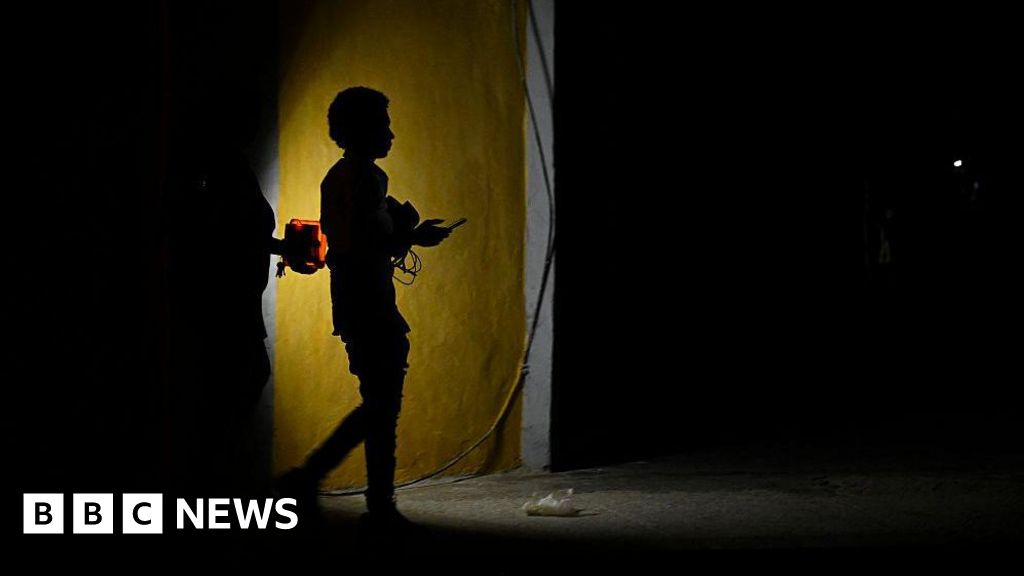
Cuba’s power grid fails, leaving millions in the dark and highlighting urgent needs ahead

Amid growing economic discontent, Cuba faces an acute energy crisis intensified by a prolonged U.S. blockade on oil shipments. For decades, the island has struggled with economic hardships, but recent developments have thrust the fuel shortage into the international spotlight. The blockade, which prohibits the sale of oil and related goods to Cuba, has significantly limited the island’s access to vital energy supplies, thus crippling its capacity to sustain both industry and everyday life. Analysts warn that this ongoing embargo not only hampers Cuba’s domestic stability but also exemplifies the enduring effectiveness of U.S. economic leverage in the Caribbean region.

The geopolitical impact of this crisis extends beyond Cuba’s borders, demonstrating how economic sanctions serve as powerful tools in the broader U.S. strategy to influence regional politics. According to geopolitical experts and international organizations like the United Nations, the blockade’s consequences ripple across neighboring nations, affecting trade routes, regional security, and diplomatic posturing. Historically, commentators such as Dr. James Roberts of the International Institute of Geopolitical Studies argue that such measures underscore a continued effort by the U.S. to curtail Cuba’s alliances with adversarial states, notably Venezuela and Russia, thereby maintaining regional dominance. The energy shortages risk destabilizing Cuban society further, as essential services—healthcare, transportation, and food supply—suffer under the weight of fuel scarcity.

Meanwhile, the international community remains divided in its response. While some nations scrutinize the U.S. embargo, arguing it violates principles of sovereignty and economic development, others uphold it as a necessary measure to pressure Havana into political reform. The European Union and various Latin American countries have called for a reassessment of the sanctions, emphasizing the humanitarian toll and the need for constructive engagement. However, critics contend that these measures serve to entrench authoritarian practices and prolong Cuba’s economic stagnation. The United States, under the current administration, pledges to maintain the blockade, asserting that only through continued pressure will Cuba be compelled to undertake reforms. This stance, viewed by many analysts as a strategic move, ensures that the geopolitical chessboard remains tightly controlled by Washington’s interests.

As history unfolds, the situation in Cuba exemplifies a broader struggle: how global powers wield economic tools to shape the destiny of nations. The ongoing crisis underscores a fundamental question—whose interests are served when the economic lifelines of countries are severed? With each passing day, the weight of history presses down, and the choices made by leaders echo in the future of the Caribbean and beyond. In this volatile arena, the delicate balance of power and influence continues to shift, leaving observers and participants alike wondering—how long can the flames of conflict and sanctions burn before the entire regional fabric is forever altered?

Social Media Auto Publish Powered By : XYZScripts.com