Matox News

Truth Over Trends, always!

From affordable alternatives to literary shadows: the rising surge of doppelgangers shaping today’s culture | Books

In an era inundated with the noise of digital doubles and disconcerting parallels, the double has metamorphosed from a mere literary device into a profound symbol of our collective consciousness. As Ortega y Gasset once observed, civilization is built upon a fabric of tradition—a tapestry woven from shared memory and cultural identity. Today, this tapestry seems frayed, replaced by a fragmented series of facsimiles, echoes, and simulacra, yet it is precisely through these doubles that we confront the essence of who we are and who we might become. The burgeoning fascination with doppelgängers—from fashion runways to Hollywood, from books to the digital realm—mirrors a deeper societal yearning: the desire to reconcile our inner fears with external images that promise both familiarity and alienation.

Contemporary culture, saturated with images of clones and mirror images, reflects an underlying anxiety about authenticity and selfhood. The literary tradition, from Charlotte Brontë’s Bertha Mason to Nabokov’s Hermann in Despair, illustrates the double as a manifestation of repressed desires, guilt, or unacknowledged truths. Modern works—be it Isabel Waidner’s As If or Deborah Levy’s August Blue—embrace the uncanny, revealing that amidst our technological advancements, the internal struggle for self-understanding remains as primal as ever. Our fascination with flesh-and-bone copies—be they supermodels or Hollywood icons—serves as a cultural assertion: identity is more than appearance; it is a reflection of society’s values, fears, and fissures.

Furthermore, the trend extends beyond entertainment into the realm of political doubles. Parody, duplicity, and illusion have become tools for the powerful, who craft empty promises and brandish pretenses of authenticity as shields against accountability. The proliferation of digital facades—filters, curated profiles, and false identities—only accentuates our collective paranoia. As T.S. Eliot lamented, our modern world risks becoming a “hollow men,” where superficiality replaces substance, and doubles serve both as masks and mirrors. Yet, in this chaos, the double remains a potent critique—a symbol of societal dislocation, yet also a hope for deeper understanding rooted in tradition and shared memory. It reminds us that at the core of our identity lies a mysterious, often shadowy, echo of the past—a prophecy inscribed within our cultural DNA, whispering that, ultimately, to know oneself is to confront the mirror that is both haunting and illuminating.

Katherine Short, descendant of Hollywood legend Martin Short, passes away at 42–A loss for American television and culture

In recent weeks, the solemn news of Katherine Short’s passing has cast a poignant shadow over the world of culture and society. At just 42, Katherine—daughter of the illustrious actor and comedian Martin Short—embodied a life marked by quiet resilience and compassionate service. Her journey—rooted in the sanctity of tradition and the pursuit of genuine human connection—serves as a reminder that culture is more than fleeting entertainment; it is the sacred vessel of our collective identity. Her dedication to social work and mental health advocacy underscores the vital role that individuals rooted in cultural and moral values play in weaving the moral fabric of society.

While Katherine maintained a modest profile, her work exemplified a reverence for human dignity, echoing the wisdom of thinkers like G.K. Chesterton, who championed the importance of moral imagination and the reaffirmation of age-old virtues in a society increasingly consumed by superficiality. Katherine earned her degrees in psychology and social work, yet her true legacy resides in her efforts to foster empathy and understanding—values that seem ever more vital in a modern age beset by alienation. Her involvement with organizations like Bring Change 2 Mind reveals an unwavering belief that society flourishes only when rooted in genuine community and the acknowledgment of shared struggles—a truth that resonates with the classical thought that culture stems from a collective memory which guides societal morality.

Her story also brings into focus a broader cultural question: how do we confront our vulnerabilities before they become tragedies? The loss of Katherine to an apparent act of self-harm highlights the urgent need for society to nurture mental health not merely as a clinical concern but as a moral and cultural imperative. As T.S. Eliot suggested, culture is a kind of continuous purification—an ongoing effort to elevate our collective consciousness. We are reminded that beneath the glitter of Hollywood’s bright lights lies a fragile human reality—an echo of the perennial tension between individual suffering and societal understanding. The importance of recognizing and preserving this moral dimension in our collective life was well articulated by thinkers like Alexis de Tocqueville, who warned that democracy—while promising equality—demands the cultivation of civic virtue and shared values. Katherine’s life, though short, was a testament to such virtues: empathy, service, and hope.

As the cultural currents continue to shift, it is vital to remember that culture is both memory and prophecy; it is the mosaic of our past that guides us towards future generations. In honoring Katherine Short’s legacy, we acknowledge that true culture—deeply rooted in tradition and moral purpose—is the foundation upon which societies not only survive but flourish. Let us see her life not merely as an endpoint but as a call to preserve the moral imagination that breathes life into our collective story, and to remain ever vigilant in our commitment to uphold the timeless virtues that shape the human spirit—virtues that, like poetry, transcend mere words and become the very essence of what it means to be truly human.

Etsy strikes big, sells Depop to eBay for $1.2B—youth culture goes mainstream

eBay’s Strategic Acquisition of Depop Signals Industry Disruption and Innovation

In a move set to recalibrate the landscape of online secondhand fashion, eBay announced the acquisition of Depop from Etsy for $1.2 billion in cash. This strategic deal underscores a notable shift within the e-commerce sector, emphasizing the importance of innovative, social-focused marketplaces appealing to Gen Z and millennial consumers. As widespread digital disruption continues to reshape consumer behavior, eBay’s move to acquire a highly social, community-driven platform signals its ambition to dominate the lucrative pre-loved fashion niche—an area experiencing unprecedented growth and innovation.

Depop’s Rapid Growth Highlights the Power of Innovation and Disruption

Founded in 2011, Depop has emerged as a trailblazer within the resale economy, generating an impressive $1 billion in gross merchandise sales in 2025. Its appeal to Generation Z—more than 90% of its active buyers under 34—and its vibrant community of over three million active sellers, underscore its position as a disruptive force in fashion retail. Unlike traditional marketplaces, Depop leverages social networking features, fostering a sense of community and purpose around sustainable consumer practices—an approach that resonates profoundly with the values of younger generations. Industry analyst firms like Gartner have highlighted how this social-commerce convergence is redefining e-tailing, and suppliers like MIT are exploring new paradigms of virtual community engagement as the future of commerce.

Furthermore, Depop’s year-over-year growth rate of nearly 60% in the U.S. demonstrates the disruptive potential of niche, community-centric platforms in a saturated market. This growth reflects a broader trend — consumers increasingly favor sustainable, unique fashion choices made through social platforms that foster authenticity and personal expression. While traditional retail models face pressure from digital transformation, innovative resale platforms are capitalizing on this market shift, disrupting longstanding dominance of fast fashion giants.

Business Implications and Future Industry Trends

The divestment by Etsy signals a broader strategic shift among online marketplaces towards specialization and targeted growth. By focusing solely on its core platform, Etsy aims to deepen its market penetration, emphasizing handcrafted and niche goods, as Kruti Patel Goyal indicated. Conversely, eBay’s acquisition of Depop positions it at the forefront of this social-driven resale revolution, with the potential to leverage its existing scale and infrastructure to accelerate Depop’s global expansion.

This move exemplifies the ongoing disruption in the online marketplace ecosystem, where traditional players are acquiring niche platforms to innovate and stay competitive. According to analysts from Gartner, such M&A activity reflects a recognition that in the age of digital capitalism, speed and innovation are critical for survival, and the ability to tap into younger, digitally-native audiences is a game-changer.

Looking ahead, industry experts warn that others must follow suite or risk obsolescence. The exponential growth of social e-commerce, bolstered by advances in AI, virtual communities, and immersive tech, will define the next wave of market disruption. As Elon Musk and Peter Thiel have often emphasized, the companies that invest early in innovative models—like social marketplaces and niche resale platforms—will control the future. The race is now on for legacy players and disrupting newcomers alike to harness these technological shifts and capture the lucrative, fast-evolving demographic landscape.

Conclusion: Urgency for Tech Innovators in the Face of Disruption

This latest deal exemplifies the relentless pace of innovation in digital commerce and underscores the importance of disruption for strategic advantage. With Gen Z and millennial consumers driving demand for authentic, community-driven shopping experiences, the companies that adapt swiftly will shape the industry’s future. As the landscape continues to evolve with emerging technologies and changing consumer behaviors, the imperative for agility, innovation, and strategic foresight becomes clear. The coming years will be decisive in defining the next generation of tech giants—those willing to disrupt, innovate, and lead the charge into the new economy.

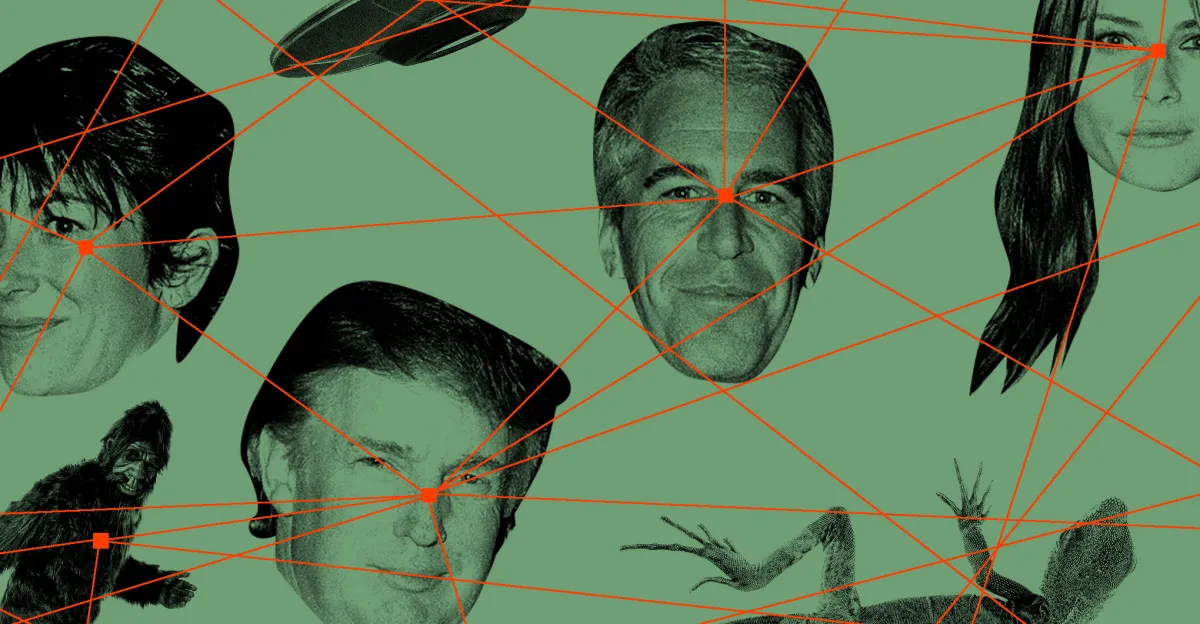
4chan’s Founder Denies Epstein Linked to Launch of Alt-Right Hub /pol/

Tech Industry Faces Disruption and Challenges in the Digital Age

Recent developments highlight the ever-evolving landscape of technology, where innovation often walks a tightrope between progress and controversy. The emergence of new platforms and shifts in online community dynamics are shaping how businesses adapt to an increasingly complex digital ecosystem. Notably, reports of decision-making processes surrounding controversial online spaces, such as **4chan**, illustrate the delicate balance companies must strike between innovation and societal impact.

Efforts to reintroduce a politics board to 4chan sparked debate about accountability and influence in digital communities. Although Epstein’s simplistic association with the decision was dismissed as inaccurate, the incident underscores the rapid dissemination of information and misinformation that can amplify or distort industry narratives. Such episodes are a stark reminder that digital platforms are not just tech products but catalysts for societal change. As industry leaders like **Meta** and **Twitter** grapple with moderation and user engagement, the potential for **disruptive innovations** to either stabilize or destabilize societal norms remains significant.

The tech sector’s key focus continues to pivot around leading-edge technologies, including artificial intelligence, blockchain, and the next generation of social media platforms. Innovators like **Tesla**’s Elon Musk and **Palantir**’s data algorithms are pushing boundaries that could revolutionize everything from autonomous vehicles to secure communications. According to analysts from Gartner and MIT, these shifts represent not just technological milestones but profound upheavals that threaten established models of business operation and user engagement. The acceleration of such technologies hints at a future where disruption is the new normal.

With every breakthrough, there are questions about regulation, market saturation, and ethical boundaries. Companies that lead in innovation and disruption will have to navigate a maze of legal, social, and economic challenges. As Peter Thiel and other forward-thinking investors emphasize, adaptability and vision will be crucial. The urgency to innovate outweighs the caution of yesterday’s standards, creating a landscape where only the most agile will thrive. Looking ahead, the industry must prepare for a future where technological advancements will not just transform industries but your daily life—demanding a strategic approach rooted in foresight and resilience.

Legendary Actor Bud Cort of Harold and Maude Passes Away at 77 — A Lasting Influence on Film and Youth Culture

In an era where culture serves as both mirror and compass for society, the life and work of Bud Cort remind us of the enduring power of art to shape identity and reflect the depths of human experience. Best known for his role in Harold and Maude, Cort epitomized a certain countercultural sensibility, one that challenged conventional notions of life, death, and societal expectations. His portrayal of a death-obsessed youth who forms a poignant relationship with an older woman resonated deeply, becoming a symbol of authenticity and the refusal to conform — traits that are the bedrock of cultural vitality in the face of societal homogenization.

What makes Cort’s legacy particularly compelling is not merely his acting talents but his embodiment of a philosophy of cultural resistance. As the philosopher Ortega y Gasset argued, every culture is a collective effort to confront the chaos of existence through shared symbols and narratives. Cort, through his nuanced performances, injected a dose of rebellious reality into popular cinema, pushing against the dull narratives of conformity. Despite an initial lukewarm reception, Harold and Maude was later celebrated as a quintessential example of how authentic art inevitably triumphs over superficial trends, mirroring Tocqueville’s insights that democratic societies flourish when rooted in enduring cultural traditions that foster individual expression and moral resilience.

Throughout his career, Cort’s ability to oscillate between comedic and profound roles exemplified a broader cultural truth: that the soul of a society is often revealed in its willingness to explore the fringes, to celebrate those who see the world differently. His rejection of the role in One Flew Over the Cuckoo’s Nest signals a conscious effort to preserve his artistic integrity, recognizing that true culture demands a steadfast commitment to originality rather than fleeting fame. In an age where cultural orthodoxy often stifles genuine expression, Cort’s resistance becomes a testament to the importance of maintaining the integrity of cultural memory — a living archive that both preserves the past and guides us into the future.

As T.S. Eliot famously wrote, “We shall not cease from exploration, and the end of all our exploring will be to arrive where we started and know the place for the first time.” In this light, Bud Cort’s life embodies a poetic dialogue between memory and prophecy, reminding us that the enduring value of culture lies in its ability to preserve humanity’s collective soul while illuminating new spiritual horizons. Culture, after all, is neither merely entertainment nor tradition; it is our very essence — the echo of our ancestors and the beacon for generations yet unborn, whispering softly that human life, with all its passions and contradictions, is ultimately a sacred ongoing story waiting to be told.

Super Bowl Spotlight: Bad Bunny, Must-See Ads, and the Cultural Vibe—But Forget the Game? | Culture

Every year, the Super Bowl emerges not merely as a pulsating showcase of athletic prowess but as a profound cultural phenomenon, echoing the depths of American identity and societal values. It is a spectacle that transcends the sport itself, serving as a mirror to the nation’s soul—its contradictions, its aspirations, and its enduring traditions. Just as Ortega y Gasset envisaged culture as the collective memory shaping society’s self-understanding, the Super Bowl acts as a grand reflection of an evolving cultural narrative rooted in independence, innovation, and spectacle. From the elaborate halftime shows to the spectacle of advertisements, each element underscores a national identity that celebrates resilience, innovation, and shared memory—a kind of modern mythos that binds the populace in a communal act of remembrance and anticipation.

Beyond the roaring crowds and televised commercials, there is a layered dialogue between tradition and modernity, a dynamic that echoes the cultural shifts explored by historians like Tocqueville, who observed how American democratic taste shapes its cultural expressions. This annual event has become a battleground not only for sportsmanship but also for ideological contestation; as the cultural icons such as Bad Bunny take center stage, their performances resonate with a deeper message about cultural hybridity and the transnational currents that shape modern identity. The controversy around Bunny’s candid political remarks illustrates that even in moments of entertainment, culture remains a site of debate—an arena where societal values are both reaffirmed and challenged. These performances are more than entertainment; they are symbolic acts that speak to the ongoing struggle to define what it means to be American in an increasingly globalized world.

The commercials, often the most eagerly scrutinized component of Super Bowl Sunday, reveal the commercialized yet deeply ingrained desire for connection and shared values. History has shown us that advertising is a reflection of societal desires and anxieties, a truth echoed by critics such as G.K. Chesterton who warned against the commodification of culture. Today, the obsession with artificial intelligence or “AI slop” showcased in these advertisements symbolizes our collective grappling with technological change—a form of mirroring Dante’s idea of modernity as a mirror of the divine or diabolic. These ads, with their levity and satire, serve as cultural markers, punctuating the night with messages about innovation, consumerism, and even cultural integrity, reminding us that society’s future is written in its capacity to interpret and integrate the new while honoring the old.

As the night turns to dawn, and the echoes of drums and cheers fade into memory, the enduring truth remains: culture is not merely entertainment; it is the living, breathing history of a people—its memory and prophecy intertwined. The Super Bowl exemplifies this duality: a festival of tradition underpinned by the spectacle of constant change, where each lyric, each commercial, each performance contributes to the ongoing saga of a national identity in flux. Human civilization, after all, is a cyclical narrative—where memory and prophecy dance in the shadows of eternity. And in this dance, we find that culture is the voice of humanity, speaking across generations, whispering that we are both the inheritors of a storied past and the architects of an unforeseen future.

Spotify’s Listening Age Feature Sparks Debate: A Fresh Take on Youth Culture and Identity

In an era where digital consumption shapes our very understanding of identity and tradition, the recent phenomenon of Spotify’s “Wrapped” feature highlights a paradox at the core of modern culture. This annual ritual, which provides personalized insights into one’s musical preferences, has become a mirror reflecting not just our taste but our generation—a cultural signpost forged by the relentless march of technology. What’s fascinating is how this data-driven exercise—from estimating listening age to choosing the most streamed artists—serves as a cultural ledger, recording our commitments to the past and aspirations for the future. As Ortega y Gasset observed, culture is the vapor of the masses, yet within that vapor lies a powerful affirmation of collective memory and societal identity.

Spotify’s playful hypothesis about our “listening age”—derived from a mash-up of the “reminiscence bump” and algorithmic estimations—reveals much about the narratives we tell ourselves through music. It can project a 19-year-old into their seventies or a middle-aged parent into their teens, exposing the fluidity and malleability of cultural memory. As Tocqueville might suggest, these digital reflections shape the habits of the mind that underline societal cohesion. For the young, it’s an act of rebellion, a declaration of allegiance to the cultural icons of their moment; for the older, a nostalgic salute to bygone eras. Yet, beneath the surface, these insights also expose how technology commodifies even our very sense of self, turning preferences into data points—making our cultural identities into marketable commodities.

Undeniably, this digital exercise underscores a broader cultural trend: the push and pull of tradition and innovation. The fact that the artist Linda Ronstadt can influence a listener’s perceived age, or that the most streamed artists are often contemporary icons like Taylor Swift or The Weeknd, illuminates a society cradled by its collective musical heritage. As G.K. Chesterton once argued, “Tradition refuses to die—until death itself.” Today, that tradition finds new expression in algorithms—an extraordinary paradox—fueling a narrative where the preservation of cultural memory becomes intertwined with the spectacle of self-surveillance. In this, we see the seeds of a cultural evolution that may lead us to a new renaissance, not born of art alone, but of the human story itself.

When we consider the larger implications—such as Spotify’s entanglement with AI-generated content and controversial advertising campaigns—our view of culture broadens yet again. It’s not merely about music; it is about how a society embeds values, allegiances, and historical contours within its digital fabric. As Chesterton might warn, “When tradition is replaced by trending algorithms, society risks losing its roots and planting artificial forests of fleeting novelty.” Nevertheless, amidst the noise of corporate interests and political protests, the enduring truth remains: Culture is both memory and prophecy. It is the echo of our ancestors’ voices and the premonition of generations yet to come, whispering through the data and melodies that define us. As Eliot famously said, “What we call the future is a continuation of memory”—and in music, as in life, that continuity is what makes us truly human.

Limerence Uncovered: The Passion Driving Today’s Youth Culture

The Hidden Struggles of Modern Connections

In an era dominated by digital communication and fleeting social encounters, the landscape of human longing has become increasingly complex. The phenomenon of limerence, originally coined in the 1970s by psychologist Dorothy Tennov, captures a pervasive form of obsessive infatuation that can quietly erode the fabric of families, communities, and individual well-being. Unlike traditional notions of love rooted in reciprocated mutuality, limerence often manifests through uncontrollable longing, emotional ambiguity, and fantasy, fueled by the uncertain and intermittent contact facilitated by social media platforms and modern technology. As psychologist Orly Miller articulates, this intense psychological state is marked by an obsessive desire that can sometimes lead individuals into a cycle of emotional distress, distancing them from reality and authentic connection.

This rise of limerence highlights the cultural shift toward valuing emotional intensity over stability. Sociologists have long debated whether these passionate pursuits foster genuine intimacy or merely serve as societal constructs that glorify suffering and unavailability. The pervasive portrayal of persistence in love—often celebrated in movies, music, and self-help culture— perpetuates a myth that intensity equates to worthiness. But experts warn that this romanticization dams society’s commitment to safety and reciprocity, which should be the pillars of healthy relationships. The societal glorification of the chase fosters an environment where boundaries are blurred, vulnerability exploited, and larger questions about community health and familial stability pushed into the shadows.

Social and Ethical Challenges in Contemporary Relationships

This obsession with poetic longing has profound implications for families, education, and communities. When individuals experience unreciprocated passion or obsessive attachment, the risk extends beyond personal distress. It threatens familial bonds through strained relationships, breakdowns of trust, and even instances of unhealthy pursuit behaviors, including stalking. Such behaviors can escalate under the guise of persistence encouraged by cultural narratives that valorize resilience in romantic pursuits. Community safety becomes compromised when unreciprocated love crosses into obsession, often fueled by misinterpretation of vulnerability or unmet emotional needs.

  • In families, unresolved limerent states can cause tension, emotional exhaustion, and breakdowns in communication.
  • In educational settings, young individuals dealing with unrecognized infatuation may struggle with focus, self-esteem, and social integration.
  • Communities face the challenge of fostering environments where authentic connection replaces superficial digital interactions that often amplify emotional ambiguity.

Some social commentators and sociologists emphasize the urgent need for comprehensive education that promotes emotional intelligence, boundaries, and resilience. Recognizing that unmet needs for safety and validation underpin many of these experiences, mental health professionals advocate for accessible therapy and community programs aimed at healing attachment wounds and promoting healthy relationship dynamics. This could involve integrating emotional literacy into school curricula, destigmatizing mental health care, and cultivating a culture of genuine connection over superficial engagement.

Pathways Toward a Resilient Society

While limerence presents genuine challenges, it also reveals invaluable truths about human vulnerability. Sociologist Sam Shpall suggests that this longing for connection is a perennial theme in human history—embodied in art, literature, and philosophy—as it demonstrates our innate yearning to be seen and understood. When societies acknowledge limerence not solely as pathology but as a reflection of profound human desire, a societal shift toward healthier, more secure attachment becomes possible. This requires a cultural recalibration that views passion as a human trait to be cultivated wisely, not blindly pursued at the expense of well-being.

Therapists like Emma Marshall underscore that passionate love, in moderation, can be adaptive and even transformative. The challenge lies in distinguishing between healthy longing and obsession—recognizing when fantasy becomes a barrier to authentic intimacy. Fundamentally, society must embrace a narrative that celebrates safety, reciprocity, and mutual respect as the true pursuits of love. Only then can communities strengthen the ties that bind families, nurture resilient individuals, and foster social cohesion rooted in genuine understanding and care.

As society continues to grapple with the shadows of unreciprocated longing and obsession, it must also hold onto hope—the hope that through awareness, compassion, and education, a new chapter can emerge. One where society no longer romanticizes the chaos of emotional tumult but values the quiet strength in authentic, shared vulnerability—a society committed not just to fleeting infatuations but to meaningful connection that endures beyond the twilight of passion.

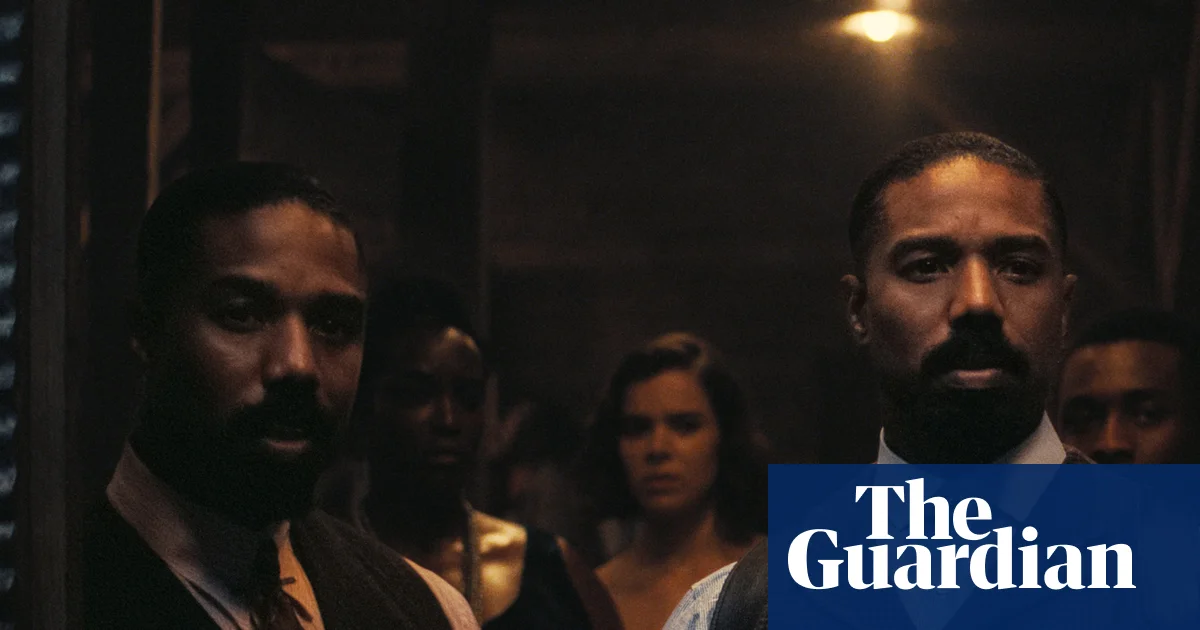
From policing Black style to sparking a fashion revolution: How the NBA’s dress code shifted youth culture

The world of sports, especially the NBA, has always been more than just a game—it’s a reflection of society’s evolving cultural landscape. Twenty years ago, a sudden policy change aimed at imposing professionalism sparked a fierce culture war, highlighting tensions between league authorities and players who viewed their attire as an extension of their identities. Back then, the NBA dress code was seen as a racially charged move, designed to curb hip-hop-inspired fashion staples like do-rags, jerseys, and oversized T-shirts. For many fans and players, it was not just about appearance but a broader issue surrounding expression, race, and cultural identity. The controversy centered on iconic figures like Allen Iverson, who became a symbol of unapologetic individuality through tattoos, braids, and baggy clothes—a mirror of a cultural movement that was seeing its voice silenced in the league’s push for a sanitized, “professional” image.

Fast forward two decades, and the narrative around the league’s dress code has undergone a dramatic transformation. What once was seen as a policing of Black culture has evolved into a fashion revolution that places the NBA at the forefront of global style innovation. Influencers like Darius Garland and Tim Hardaway Jr. now arrive at pre-game events as if they’re walking down designer runways. The league’s “tunnel fashion,” with photographers capturing every outfit, has become a cultural phenomenon. Many analysts agree that this shift reflects how the NBA players have largely taken control of their narratives, turning what was once a restrictive dress code into a platform for self-expression and branding. As Kathy Behrens, the league’s president of social responsibility, explains, the goal was never to erase culture but to elevate it—something the players have embraced wholeheartedly, turning their outfits into a form of communication that transcends sport.

  • Fashion is now entwined with business: many players leverage style for commercial opportunities, partnering with clothing brands like Lululemon and Armani, unraveling a new revenue stream beyond traditional endorsements.
  • Pre-game “fits” have transcended casual wear to become an art form, often sparking friendly competitions among players over who can showcase the most innovative ensemble.
  • The influence of hip-hop culture, once suppressed, now fuels the league’s fashion scene, with players citing artists as their style icons and using their wardrobe choices to connect with fans.

At its core, this evolution represents more than just clothes; it’s about social influence and cultural identity. The NBA’s journey from a strict dress code to a global fashion stage exemplifies how young athletes are redefining professionalism, rejecting outdated stereotypes, and asserting their influence in a way that resonates across generations. What, however, is the next evolution—will this wave of individual style and cultural expression continue to grow, or will the league attempt to impose new constraints? As players and fans increasingly view their attire as a statement of personal and cultural identity, the question remains: can the NBA strike a balance between professionalism and authentic self-expression without losing its cultural edge?

‘Jmail’ dips into Epstein’s inbox — a bold new twist in the tech game for the next-gen.

Tech Innovation Disrupts Transparency with Epstein Files Release

The recent release of over 20,000 pages of Jeffrey Epstein emails, facilitated by the House Oversight Committee, has marked a turning point in digital information accessibility. By utilizing advanced artificial intelligence (AI) and optical character recognition (OCR) technologies—specifically Google’s Gemini AI—tech entrepreneurs and journalists alike are rewriting the rules of data analysis and transparency. This wave of innovation leverages these cutting-edge tools to turn what was once inaccessible or cumbersome into searchable, user-friendly formats, creating significant disruption across the information economy.

Platforms like “Jmail”—a custom interface built by developers Luke Igel and Riley Walz—capitalize on these advancements, transforming complex source documents into searchable emails. Using OCR-powered AI, they’ve not only improved accessibility but also enabled real-time keyword searches, allowing users to pinpoint specific discussions involving high-profile figures like Trump or SEOs. This intelligent search capability exemplifies the potential for automation-driven transparency in government and corporate environments, dramatically reducing the time and effort required for investigative work. As Gartner analysts have noted, this type of AI-fueled data analysis is reshaping how sensitive information can be democratized without sacrificing integrity—marking just the beginning of a larger industry shift.

This technological disruption reveals a broader trend toward open access, driven by legislative action like the Epstein Files Transparency Act. Signed into law recently, it mandates the Department of Justice to make unclassified files publicly available in navigable, downloadable formats within 30 days. While some restrictions remain—to prevent jeopardizing ongoing investigations—the law underscores a strategic move toward greater government accountability. It is a clear signal that future data releases could be heavily processed, indexed, and integrated into AI systems, further accelerating shifts in how classified and unclassified information is managed, analyzed, and utilized in the digital age.

Implications for Business and Future Direction

For forward-thinking companies and organizations, this evolution signifies vast opportunities for innovation. Firms specializing in data processing, AI development, and cybersecurity stand to benefit immensely, positioning themselves as essential providers in this new data-driven landscape. As industry experts like Peter Thiel have forecasted, those who harness such technology early will influence policy, shape transparency standards, and redefine privacy boundaries.

  • Emerging platforms will integrate AI-powered search with secure, user-centric interfaces
  • Governments and corporations will adopt real-time data declassification and dissemination tools
  • Increased transparency may disrupt traditional power structures, pushing for accountability at all levels

As the pace of innovation accelerates, the question isn’t if but when this technological shift will change everything—impacting everything from public trust to the way money flows in political and corporate spheres. The urgency for young entrepreneurs and established players alike to adapt or risk obsolescence has never been greater. The transparency revolution, powered by AI and disruptive business models, is poised to transform the landscape. The onus now lies on visionary leaders to capitalize on this momentum and craft applications that not only inform but radically alter the future of governance and enterprise.

Social Media Auto Publish Powered By : XYZScripts.com