Matox News

Truth Over Trends, always!

Will Ireland's new warning labels finally curb youth drinking?
Will Ireland’s new warning labels finally curb youth drinking?

In a move that underscores how domestic policies intertwine with international trade dynamics, Ireland has delayed the compulsory enforcement of new alcohol warning labels until 2028. Originally signed into law in 2023, these labels aim to combat the nation’s pervasive drinking culture by highlighting the severe health risks linked to alcohol consumption. However, the Irish government cites uncertainty within the global trading environment as the reason for postponing their mandatory adoption, a decision that has ignited debates about the influence of multinational beverage companies on policy decisions and public health priorities versus commercial interests.

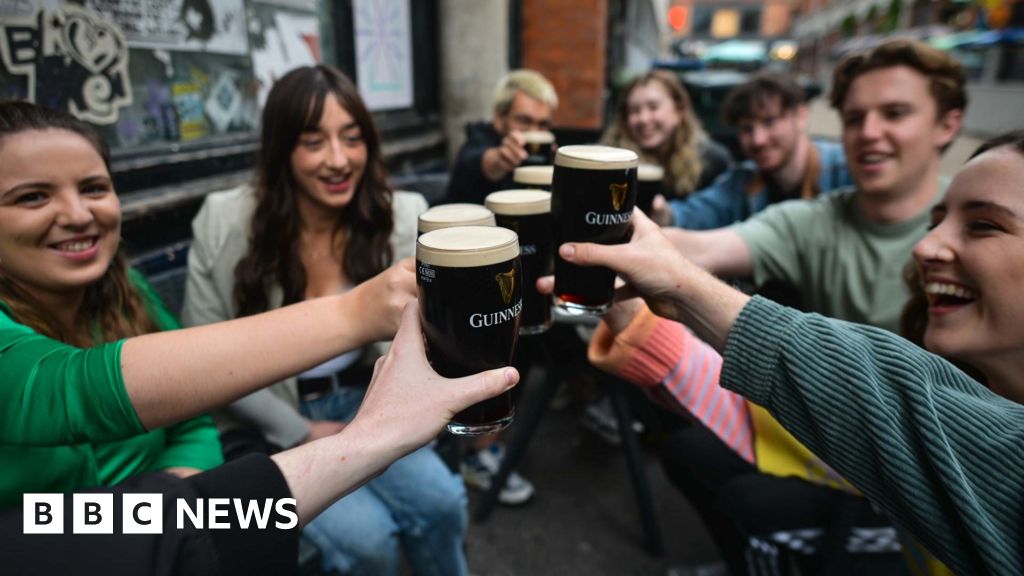
Historians and analysts widely observe that Ireland’s social fabric has been historically woven with or around alcohol—particularly in the form of pints at local pubs, traditional music, and community gatherings. According to public health groups, 75% of Irish youth aged 15-24 now consume alcohol regularly, with binge drinking among the highest in Europe. Despite decreasing overall consumption over the past quarter-century, recent studies indicate that early alcohol use and hazardous drinking patterns among youth remain stubbornly high, driven by cultural acceptance and social norms. The new labels, which explicitly state that drinking causes liver disease and certain cancers, are seen by some as a necessary measure—yet their delayed enforcement exemplifies the power of the alcohol industry lobby and its influence on policy within the European Union’s legal framework.

International organizations such as the World Health Organization have been vocal about the importance of health warnings to curb alcohol-related harm, warning that without decisive action, societies risk a future burdened by preventable diseases. Nevertheless, Ireland’s situation highlights a critical dilemma faced by many nations: how to balance public health initiatives with economic interests. The decision to defer the labels has been condemned by advocates who argue that it is an example of regulatory capture—where entrenched commercial interests influence policymaking—jeopardizing the country’s health future. Meanwhile, industry representatives have called for harmonized EU-wide standards, fearing that piecemeal regulations hamper trade and competitiveness. This ongoing tension exemplifies the geopolitical impact of such decisions, as countries navigate the complex landscape of international trade agreements, health regulations, and corporate influence.

As Irish youth continue to consume alcohol at high rates—despite increased awareness and warning labels—the broader question remains: how resilient are societal norms against the pressures of globalization and corporate lobbying? In Dublin’s bustling streets and vibrant pubs, where social life often revolves around alcohol, many young people like Jack admit they flirt with the idea of sobriety but find it difficult to detach from culturally ingrained patterns. Meanwhile, as the government delays, some health advocates warn that history is watching, and future generations may bear the cost of today’s deferred action. With each passing year, society inches closer to a pivotal crossroads—will it be the moment to confront the deep-seated cultural affinity for alcohol, or will it succumb to the economic forces that threaten to drown out public health priorities? Only time will tell, but the story of Ireland’s drinking culture and its influence on policy decisions remains a stark reminder that history is a battleground where societal values are continually tested and rewritten.

Teens Urge Adults to Curb Harmful Content, Not Them

As Australian society grapples with the complexities of digital safety and youth empowerment, a contentious law has emerged, highlighting a deeper societal tension: the delicate balance between protecting children and preserving their fundamental rights to free communication. Starting December 10, social media giants like Meta, TikTok, and YouTube are mandated to restrict accounts held by under-16s, a move justified by the government and supporters as a necessary shield against harmful content and algorithmic manipulation. However, this policy faces mounting opposition from teenagers themselves, a sign that social shifts and cultural values are in flux, especially among the emerging generation that views digital access as integral to participation in society.

Two 15-year-olds—Noah Jones and Macy Newland—have taken legal action against the law, claiming it strips them of their right to free expression and social connection. Noah, in an interview, emphasized that while online dangers exist, banning young users is not the solution. Instead, he advocates for the allocation of resources towards

  • removing predators
  • curbing harmful content

—initiatives that should be prioritized by the platforms themselves. His perspective echoes the voice of many sociologists, such as Dr. Jordan Peterson, who argue that individual responsibility and education are vital to navigate the digital age, rather than outright bans that risk marginalizing youth from society’s digital fabric.

Meanwhile, Macy recognizes the dual nature of social media: the profound benefits of digital connectivity—such as fostering education, political awareness, and social inclusion—must be balanced against concerns over mental health and exposure to harmful content. Her call for improved education on online safety and age-verification measures reflects a broader societal debate: how can communities safeguard the vulnerable without infringing on their freedoms? According to social commentators like Christopher Lasch, societal resilience depends on cultivating informed, responsible citizens. The challenge for families and educators is to equip youth with critical thinking skills so they can navigate the digital landscape independently, rather than shielding them behind bans that might foster distrust and alienation.

As the legal case progresses, with the High Court weighing the arguments, the societal fabric is tested by questions of morality and societal responsibility. Supporters of the ban, including most adult Australians, argue that protecting childhood from toxicity takes precedence. Yet, critics warn of the potential for social fragmentation and the inadvertent exile of youth to darker, less-regulated online spaces. The debate underscores a societal crossroads: will the community prioritize safety at the expense of connection, or seek a path that preserves both?

In the end, society faces an enduring truth: the digital age demands not just policies but a shared moral compass rooted in understanding and hope. As families, communities, and policymakers strive to forge solutions, they must remember that beneath the debates over laws and technology lie the aspirations of young people—whose future depends on society’s willingness to bridge the divide between protection and freedom, building a society resilient enough to nurture both safety and liberty. Only then can the promise of transformation shine bright amid society’s ongoing challenges.

Social Media Auto Publish Powered By : XYZScripts.com



