
Matox News

Truth Over Trends, always!

Top Smart Home Gear to Elevate Your Curb Appeal in 2026

Smart Home Revolution Accelerates with Cutting-Edge Innovations and Industry Disruption

In a landscape marked by rapid technological evolution, companies like Birdfy, Govee, Cync, and Lutron are redefining the future of smart home technology. The latest wave of innovations—from wireless video doorbells to motorized shades—are not only enhancing user convenience but are also shaking up traditional markets. Experts from Gartner and MIT highlight that these disruptions are poised to overhaul how consumers and businesses approach home automation, emphasizing disruption driven by innovative designs, seamless integration, and increased affordability.

Smart Security and Aesthetic Revolution

Leading the charge, Birdfy has launched an advanced dual-camera, wireless video doorbell that integrates seamlessly into outdoor aesthetics, challenging the perception that smart security gadgets must sacrifice style for function. The battery-powered version, which requires recharge every couple of weeks, offers portability and flexibility, while the wired variant remains a top choice among professionals, as highlighted by Wired’s comprehensive guide. This technological leap signifies a breakthrough in user-friendly reliable security and a pivot away from bulky, conspicuous devices. The implications are substantial: manufacturers now prioritize elegant design without compromising feature sets, signaling a shift towards smart gear becoming integral yet unobtrusive parts of home design.

  • Features include high-definition video, easy installation, and adaptive alerts.
  • Market potential is expanding as consumers increasingly seek stylish, integrated security solutions.
  • Business impact centers on competition with traditional security firms and new revenue streams from smart accessories.

Smart Lighting and Shades—Form Meets Function

Meanwhile, the smart lighting sector, led by brands such as Govee and Lutron, is evolving into a sophisticated industry with “invisible” shifts in aesthetic standards. The Govee outdoor clear bulb string lights and SmartWings motorized shades exemplify this trend. The Shades, particularly, highlight the convergence of design and automation—offering a sleek, cohesive look and customizable privacy features. By automating window coverage in harsh west-facing sunlight, users gain energy efficiency and aesthetic upgrades, fueling market growth for interior and exterior home beautification through tech.

Industry analysts underscore that these smart shades herald an era where home automation will become standard in curb appeal strategies and energy conservation. As Peter Thiel has suggested, disruptive technological adoption accelerates when solutions are both practical and visually appealing, a principle evident in these new product categories.

  • Innovative features include scheduled automation, remote control, and integration with voice assistants.
  • Business implications include expanding premium markets and encouraging user customization.
  • The integration of such tech into existing homes drives a new wave of renovation and upgrade opportunities.

Invisible Integration and Industry Impacts

Furthermore, the industry is witnessing a surge in “invisible” upgrades—smart devices that enhance functionality without altering home aesthetics. Products like Yale’s Approach Lock and Chamberlain’s MyQ Smart Garage Controller exemplify this trend, allowing homeowners to upgrade security and convenience discreetly. Such innovations are disrupting mechanical hardware markets, compelling traditional lock and garage door manufacturers to pivot towards smart, retrofit solutions that require minimal hardware changes.

This shift towards discreet, powerful smart integrations portends a future where home automation becomes an unseen yet essential component of home infrastructure. Analysts suggest that with consumer preference leaning towards seamless, unobtrusive tech, the industry must innovate boldly to stay relevant, and those firms that lead in aesthetic-utility integration will dominate.

The Road Forward: Urgency and Opportunity

As the smart home ecosystem expands, the urgency for companies to pursue rapid innovation grows. The disruption of traditional markets, fueled by sleek and affordable solutions, spells opportunity for disruptive startups and established giants alike. With industry pioneers leveraging AI, IoT, and aesthetic design to redefine user expectations, the next decade promises unprecedented transformation. Stakeholders must act swiftly; the future belongs to those who innovate at the intersection of form, function, and disruption.

In conclusion, the smart home revolution’s momentum underscores an industry in flux—where disruption is no longer optional but imperative. The ongoing integration of stylish, intelligent devices signals a new era: one where technology enhances home life invisibly yet profoundly. Those who seize these opportunities now will shape the future landscape of home automation, setting the pace for a smarter, more connected world.
Students ordered to ditch blazers to boost safety and curb violence

In an era where digital platforms have become the battlegrounds of youth identity and social influence, troubling trends have emerged that threaten the fabric of families and communities across the country. Posts encouraging conflicts between students of different schools—often derogatory, provocative, and designed to incite violence—are proliferating on social media. This phenomenon not only undermines the spirit of mutual respect and cohesion among youth but also creates ripple effects that destabilize local neighborhoods, educational institutions, and the broader societal cohesion that binds us together.

Experts warn that such social media campaigns foster a dangerous climate of divisiveness and hostility. Historians and sociologists highlight that when kids are encouraged to see peers from other schools as enemies, the boundaries of community dissolve. Families and educators, who are the first line of defense against social fragmentation, find themselves increasingly powerless to combat the online influences that normalise aggression and intolerance. According to Dr. Karen Matthews, a sociologist specializing in youth culture, “these provocative online activities chip away at the shared values of respect and unity that are fundamental to a healthy society.”

Social tensions are compounded by a shifting demographic landscape, underlining the need for a societal approach rooted in higher moral standards and community engagement. It is vital for schools, local authorities, and families to recognize the implications of such divisive actions—particularly how they threaten the safety and emotional well-being of young people. The challenge lies in fostering environments that not only prevent violence but actively promote understanding and reconciliation among diverse student populations.

  • Implementing comprehensive anti-bullying and anti-violence campaigns in schools.
  • Engaging community leaders and parents in dialogues that promote societal cohesion.
  • Utilizing social media literacy programs to equip youth with skills to critically evaluate online content.

In confronting these social issues, it is essential to reflect on how the erosion of community bonds impacts educational outcomes and the moral development of youth. The social fabric that sustains families and neighborhoods hinges on shared principles and collective responsibility. As sociologist Amy Chua warns, “the fragmentation of social trust can lead societies down a path of increasing polarization and alienation, where youth might see conflict as inevitable rather than resolvable.” Yet, amidst these challenges, hope remains. By cultivating resilient communities grounded in respect, understanding, and moral clarity, society can forge a future where young individuals no longer see violence as a means of expressing their identity but as a betrayal of our shared human dignity. In this moment of societal reflection, perhaps the greatest challenge—and opportunity—lies in anchoring our youth in values that transcend division, forging a society that refuses to be defined by conflict but instead finds strength in unity and hope for transformative change.

Will Ireland's new warning labels finally curb youth drinking?
Will Ireland’s new warning labels finally curb youth drinking?

In a move that underscores how domestic policies intertwine with international trade dynamics, Ireland has delayed the compulsory enforcement of new alcohol warning labels until 2028. Originally signed into law in 2023, these labels aim to combat the nation’s pervasive drinking culture by highlighting the severe health risks linked to alcohol consumption. However, the Irish government cites uncertainty within the global trading environment as the reason for postponing their mandatory adoption, a decision that has ignited debates about the influence of multinational beverage companies on policy decisions and public health priorities versus commercial interests.

Historians and analysts widely observe that Ireland’s social fabric has been historically woven with or around alcohol—particularly in the form of pints at local pubs, traditional music, and community gatherings. According to public health groups, 75% of Irish youth aged 15-24 now consume alcohol regularly, with binge drinking among the highest in Europe. Despite decreasing overall consumption over the past quarter-century, recent studies indicate that early alcohol use and hazardous drinking patterns among youth remain stubbornly high, driven by cultural acceptance and social norms. The new labels, which explicitly state that drinking causes liver disease and certain cancers, are seen by some as a necessary measure—yet their delayed enforcement exemplifies the power of the alcohol industry lobby and its influence on policy within the European Union’s legal framework.

International organizations such as the World Health Organization have been vocal about the importance of health warnings to curb alcohol-related harm, warning that without decisive action, societies risk a future burdened by preventable diseases. Nevertheless, Ireland’s situation highlights a critical dilemma faced by many nations: how to balance public health initiatives with economic interests. The decision to defer the labels has been condemned by advocates who argue that it is an example of regulatory capture—where entrenched commercial interests influence policymaking—jeopardizing the country’s health future. Meanwhile, industry representatives have called for harmonized EU-wide standards, fearing that piecemeal regulations hamper trade and competitiveness. This ongoing tension exemplifies the geopolitical impact of such decisions, as countries navigate the complex landscape of international trade agreements, health regulations, and corporate influence.

As Irish youth continue to consume alcohol at high rates—despite increased awareness and warning labels—the broader question remains: how resilient are societal norms against the pressures of globalization and corporate lobbying? In Dublin’s bustling streets and vibrant pubs, where social life often revolves around alcohol, many young people like Jack admit they flirt with the idea of sobriety but find it difficult to detach from culturally ingrained patterns. Meanwhile, as the government delays, some health advocates warn that history is watching, and future generations may bear the cost of today’s deferred action. With each passing year, society inches closer to a pivotal crossroads—will it be the moment to confront the deep-seated cultural affinity for alcohol, or will it succumb to the economic forces that threaten to drown out public health priorities? Only time will tell, but the story of Ireland’s drinking culture and its influence on policy decisions remains a stark reminder that history is a battleground where societal values are continually tested and rewritten.

Teens Urge Adults to Curb Harmful Content, Not Them

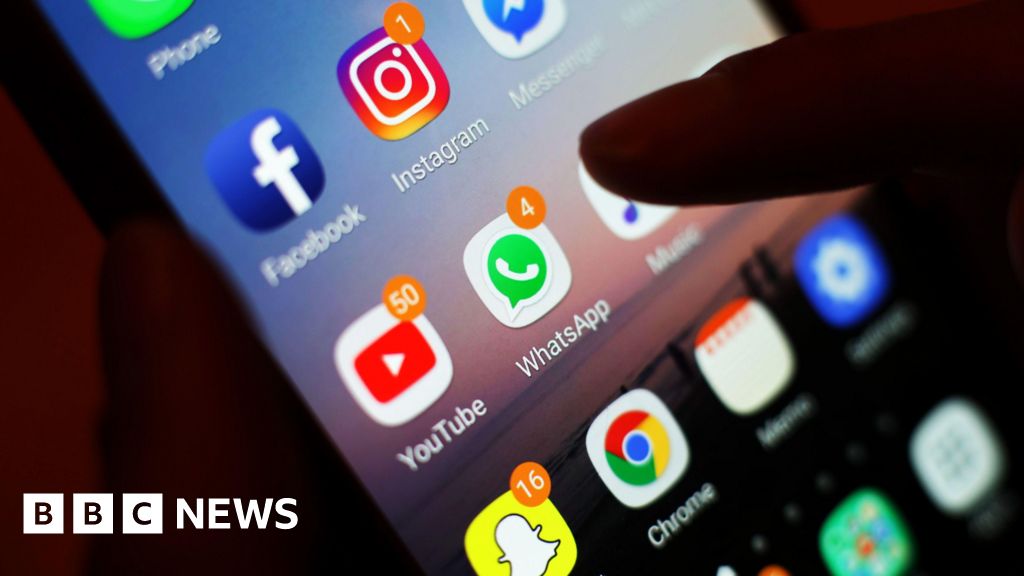
As Australian society grapples with the complexities of digital safety and youth empowerment, a contentious law has emerged, highlighting a deeper societal tension: the delicate balance between protecting children and preserving their fundamental rights to free communication. Starting December 10, social media giants like Meta, TikTok, and YouTube are mandated to restrict accounts held by under-16s, a move justified by the government and supporters as a necessary shield against harmful content and algorithmic manipulation. However, this policy faces mounting opposition from teenagers themselves, a sign that social shifts and cultural values are in flux, especially among the emerging generation that views digital access as integral to participation in society.

Two 15-year-olds—Noah Jones and Macy Newland—have taken legal action against the law, claiming it strips them of their right to free expression and social connection. Noah, in an interview, emphasized that while online dangers exist, banning young users is not the solution. Instead, he advocates for the allocation of resources towards

  • removing predators
  • curbing harmful content

—initiatives that should be prioritized by the platforms themselves. His perspective echoes the voice of many sociologists, such as Dr. Jordan Peterson, who argue that individual responsibility and education are vital to navigate the digital age, rather than outright bans that risk marginalizing youth from society’s digital fabric.

Meanwhile, Macy recognizes the dual nature of social media: the profound benefits of digital connectivity—such as fostering education, political awareness, and social inclusion—must be balanced against concerns over mental health and exposure to harmful content. Her call for improved education on online safety and age-verification measures reflects a broader societal debate: how can communities safeguard the vulnerable without infringing on their freedoms? According to social commentators like Christopher Lasch, societal resilience depends on cultivating informed, responsible citizens. The challenge for families and educators is to equip youth with critical thinking skills so they can navigate the digital landscape independently, rather than shielding them behind bans that might foster distrust and alienation.

As the legal case progresses, with the High Court weighing the arguments, the societal fabric is tested by questions of morality and societal responsibility. Supporters of the ban, including most adult Australians, argue that protecting childhood from toxicity takes precedence. Yet, critics warn of the potential for social fragmentation and the inadvertent exile of youth to darker, less-regulated online spaces. The debate underscores a societal crossroads: will the community prioritize safety at the expense of connection, or seek a path that preserves both?

In the end, society faces an enduring truth: the digital age demands not just policies but a shared moral compass rooted in understanding and hope. As families, communities, and policymakers strive to forge solutions, they must remember that beneath the debates over laws and technology lie the aspirations of young people—whose future depends on society’s willingness to bridge the divide between protection and freedom, building a society resilient enough to nurture both safety and liberty. Only then can the promise of transformation shine bright amid society’s ongoing challenges.

Social Media Auto Publish Powered By : XYZScripts.com