Matox News

Truth Over Trends, always!

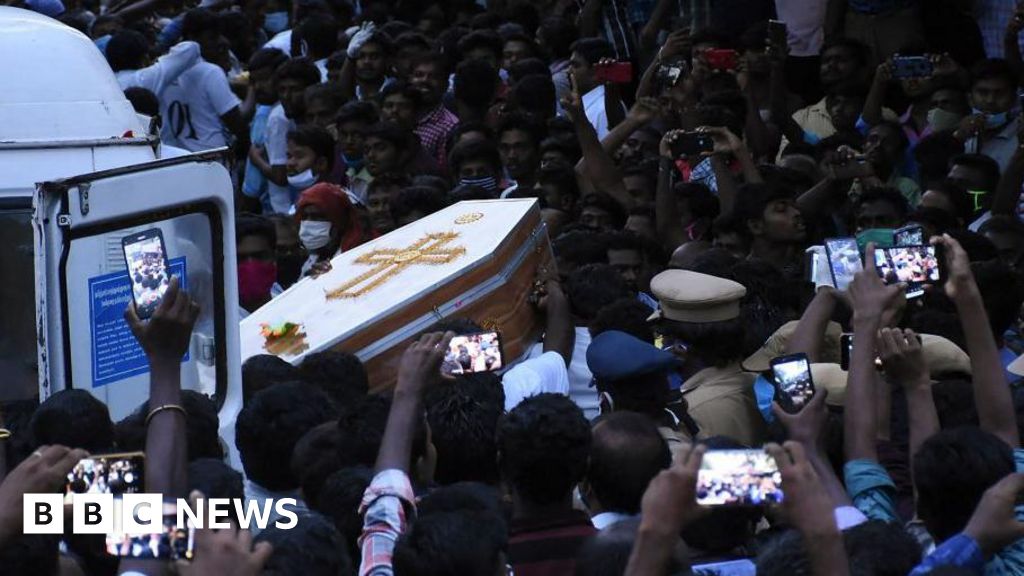
Nine Indian officers face death over deadly Covid-era custody deaths

In a heartbreaking incident that has captured international attention, a father and his son tragically died in custody after being detained on suspicion of violating COVID-19 lockdown rules in 2020. This event, while seemingly localized, underscores the profound geopolitical ramifications of pandemic-related enforcement policies, revealing tensions between national security measures and civil liberties. As countries around the world grappled with the unprecedented challenge of containing the virus, the tragic deaths serve as a stark reminder of the human cost embedded within urgent legal and social responses.

Authorities in the involved nation justified the arrests as part of broader efforts to maintain public order during a period of global crisis. However, critics and human rights watchdogs have questioned the proportionality and transparency of such actions. Prominent international organizations, including the United Nations Human Rights Council, issued statements emphasizing the importance of safeguarding fundamental freedoms even amid emergency measures. Analyzing the incident, many historians and political analysts suggest it highlights the delicate balance policymakers must strike—between safeguarding societal health and respecting individual rights—a debate that remains unresolved in many nations. This tragic case underscores how decision-making during crises can have profound consequences, influencing societal trust and the rule of law.

Furthermore, this event has intensified international discourse surrounding government overreach and the potential misuse of power. Several countries, especially those with emerging authoritarian tendencies, observed the case with increasing concern. Experts warn against the normalization of punitive measures that bypass judicial processes, cautioning that such practices could pave the way for erosion of civil liberties on a wider scale. The incident echoes historical warnings from scholars like Hannah Arendt and George Orwell, emphasizing the importance of vigilance and the preservation of individual rights even in times of crisis. As nations confront the ongoing pandemic, the decisions made in the coming months will almost certainly influence the trajectory of civil liberties and governmental authority for decades to come.

In the grand scope of geopolitics, the incident reveals how a moment of tragedy can catalyze wider debates about law, order, and morality. It also affirms that the choices enforced during global emergencies inevitably ripple across societies, shaping national identities and international relations. The memory of the father and son’s deaths will serve as a stark moral compass—warning future policymakers and citizens alike of the peril of sacrificing fundamental rights in the name of security. As history continues to unfold, the question remains: will this tragedy be a catalyst for reform and accountability, or merely another chapter in the ongoing saga of nations wrestling with the balance of power and humanity? The answer lies within the unfolding narrative, still being written amidst a turbulent global landscape.

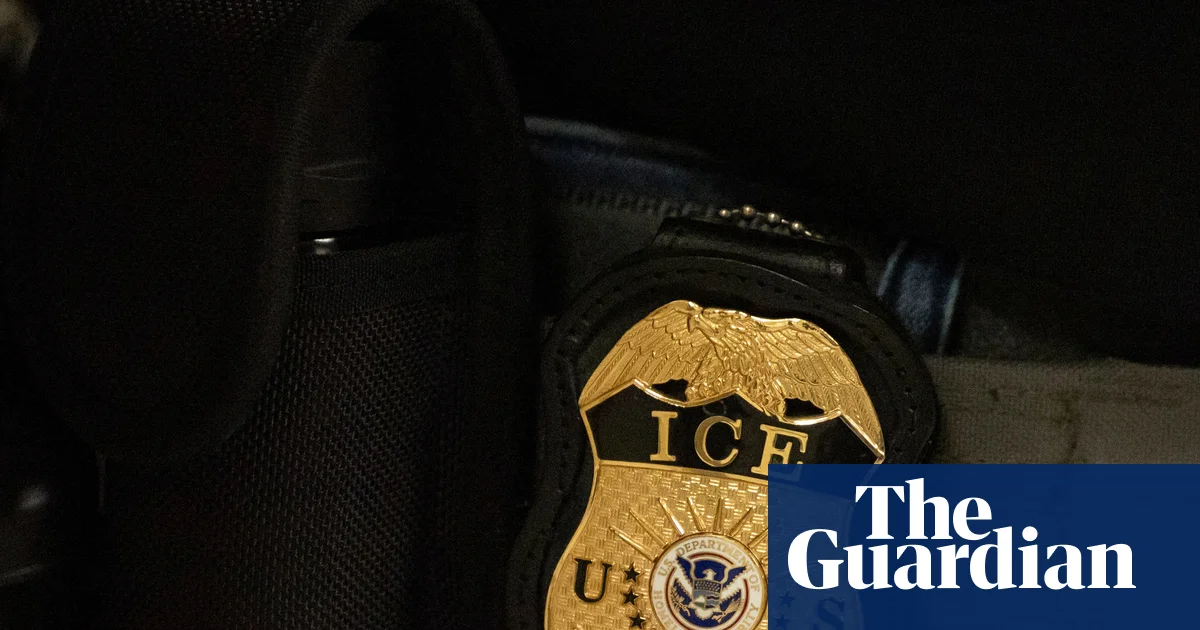
Afghan Asylum Seeker Dies in ICE Custody, US Group Blames Authorities

In a stark illustration of the ongoing immigration and border enforcement policies shaping modern geopolitics, the recent death of Mohommad Nazeer Paktyawal, an Afghan immigrant detained by U.S. Immigration and Customs Enforcement (ICE), has sparked renewed debate about the human toll of America’s immigration crackdown. This tragic event underscores the increasingly severe consequences faced by migrants caught in the machinery of US immigration policies, particularly under administrations committed to mass deportations and strict enforcement.

The circumstances surrounding Paktyawal’s death, which occurred less than 24 hours after his detention in Texas, have raised significant concerns. The 41-year-old, a former Afghan special forces soldier evacuated after the fall of Kabul in 2021, was living with his wife and six children in a Dallas suburb while his asylum case was pending. Yet, despite his service and contribution to both Afghanistan and the US, he was detained while taking his children to school, an event that has become alarmingly commonplace amid the Trump-era policies that have seen ICE’s detention numbers skyrocket to record highs—about 68,000 individuals held as of February, according to recent reports. Analysts warn that this escalation in detention practices increases the likelihood of tragic incidents like Paktyawal’s death, highlighting systemic issues within the enforcement apparatus.

ICE’s official statement claimed Paktyawal was being medically monitored after suffering a swollen tongue, and despite attempts at resuscitation, he succumbed to causes yet to be publicly clarified. Critics argue this incident points to more profound flaws, including inadequate medical care and the brutal reality that many detainees face substandard conditions. Human rights organizations and advocacy groups like AfghanEvac have called for immediate investigations, emphasizing that it is highly unusual for a healthy man to die within a day of detention. The broader geopolitical impact of this event is multi-layered: it exemplifies the human cost of immigration policies that often overlook individual stories and fails to balance national security with humanitarian responsibility.

Historically, the US’s approach to Afghan migrants—many of whom served alongside American forces—has become a contested battleground. Under President Joe Biden’s administration, over 70,000 Afghans entered the US through the Operation Allies Welcome program, but recent policy shifts have seen a rollback of temporary protected statuses granted for humanitarian reasons. The withdrawal of protections for around 14,600 Afghans marks a troubling trend, as many face the peril of deportation despite their service and sacrifices. Experts warn that these policies risk fueling instability both domestically and across regions hosting displaced populations, compounding fears of marginalization and societal division.

As the lights of history’s unfolding narrative continue to cast shadows over this tragedy, the death of Mohommad Nazeer Paktyawal serves as a harbinger of deeper issues within the US immigration system. It forces nations and societies to confront a sobering question: at what cost does the pursuit of strict border enforcement come? The international community watches with cautious concern, as policies shaped in Washington ripple outward—affecting the lives of countless individuals and shaping the geopolitical landscape for generations to come. In the echoes of this loss, history presses on, reminding us that beneath the policies and politics lie human stories—stories that demand justice, compassion, and acknowledgment of the profound human toll.

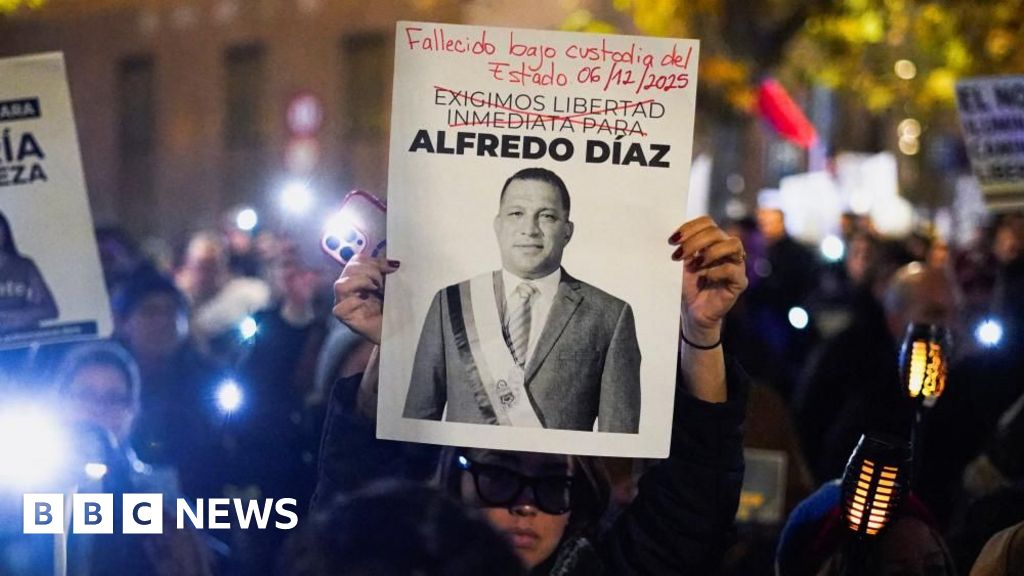
US slams 'vile' death of Venezuelan opposition leader in custody
US slams ‘vile’ death of Venezuelan opposition leader in custody

The recent death of Alfredo Díaz, a prominent opposition figure in VENEZUELA, has ignited a fresh international wave of controversy, exposing the fragile state of human rights and political stability in the country. Díaz, detained in the infamous El Helicoide prison for more than a year, was claimed by the Venezuelan government to have died from a heart attack; however, numerous human rights organizations and opposition groups allege that his death is indicative of ongoing political repression and torture. The death comes at a time of heightened tensions between VENEZUELA and the United States, further complicating the geopolitical landscape of the Caribbean and Latin America.

  • The US has condemned the Maduro regime, describing Díaz’s death as a “vile reminder” of Venezuelan authoritarianism.
  • Washington accuses VICE PRESIDENT NICOLÁS MADURO of wielding a brutal “torture center” and arbitrarily detaining opposition figures.
  • Meanwhile, US military maneuvers—including increased naval deployments and deadly strikes on vessels alleged to be involved in drug smuggling—underscore a significant shift in regional power dynamics.

Senior analysts and international bodies warn that these developments represent a critical turning point in US-Latin America relations. The US administration, under President Donald Trump, has escalated military and political pressure, alleging that Maduro himself is involved in drug trafficking, even going so far as to label Venezuelan drug cartels as terrorist organizations. This aligns with long-standing US efforts to justify intervention on the pretext of anti-drug initiatives—despite widespread skepticism among experts, including those from the United Nations and regional think tanks, who view these tactics as thinly veiled attempts at regime change.

Historically, VENEZUELA has been a nexus of geopolitical contention, with its vast oil reserves positioning it as a critical piece in regional and global strategic calculations. The recent political upheaval—sparked by disputed elections in 2024, which the opposition claims were neither free nor fair—has only deepened the crisis. Opposition leader María Corina Machado warned that Díaz’s death is not isolated but representative of ongoing repression targeting democracy itself, emphasizing that “another political prisoner has died in Venezuelan jails.” Such narratives have served to rally international condemnation and bolster opposition pressures, further isolating Maduro’s government on the world stage.

The U.S. response has been both diplomatic and military, with officials openly accusing Maduro of “emptying his prisons into the U.S.” and directly linking him to drug cartels. Meanwhile, regional actors like Colombia’s President Gustavo Petro have criticized Washington’s military interventions, claiming they seek to “dominate” Latin America’s sovereignty. The deployment of the largest U.S. naval fleet in decades signals a clear message: the American sphere of influence—once considered waning—remains committed to shaping the future of this troubled region. As the Venezuelan army mobilizes thousands in response to what it calls US “threats,” the potential for open conflict looms, echoing the turbulent history of Cold War proxy struggles and regional Cold War realignments.

As the international community watches with bated breath, the fate of VENEZUELA hangs precariously in the balance. The resumption of diplomatic ties—like the agreement between Maduro and Recep Tayyip Erdogan to revive Turkish Airlines flights—offers a fleeting glimpse of normalcy, yet beneath this veneer, geopolitical forces continue their relentless march. The weight of history presses down on this volatile crossroads, and the coming days may witness a shift that defines generations. For in the corridors of global power, the decisions made today will echo through the ages, shaping the destiny of nations caught in the relentless tide of revolution, repression, and struggle for sovereignty.

Teen 'Slender Man' attacker Morgan Geyser caught after fleeing custody
Teen ‘Slender Man’ attacker Morgan Geyser caught after fleeing custody

In recent years, young individuals across the globe have become entangled in developments that underscore the fragility of societal safety nets and the influence of digital folklore. The case of Morgan Geyser, the 23-year-old involved in the infamous 2014 Slender Man stabbing, exemplifies how online mythologies can transcend virtual boundaries, inspiring real-world violence that shocks entire nations. Her escape from a group home in Wisconsin, and subsequent arrest at a truck stop in Illinois, serve as a stark reminder that the confluence of mental health challenges, youthful impressionability, and digital subcultures demands urgent international policy attention.

  • The attack was carried out by Geyser and her childhood friend, Anissa Weier, both aged 12 at the time, motivated by stories from creepypasta—the internet’s dark folklore describing the shadowy figure known as Slender Man.
  • Geyser was sentenced in 2018 to 40 years in a mental hospital—an outcome that reignited debate over juvenile justice, mental health treatment, and the influence of cyberspace on impressionable minds.
  • Her recent attempt to flee detention highlights the ongoing security and societal risks posed by individuals who have been conditionally released, especially when societal cohesion is strained by misinformation and the unchecked spread of fringe narratives.

This incident underscores a >concerning trend recognized by international organizations such as the United Nations, which warns that digital ecosystems can radicalize youth and obscure the line between myth and violent reality. Historians and analysts have long debated whether modern media amplify youthful vulnerabilities or simply reveal existing societal fissures. The Geyser case starkly exemplifies the <psychological toll> of digital mythology, which can distort perceptions of reality, especially among the most impressionable. Many experts argue that the online environment, unlike traditional folklore, is less regulated and more potent in shaping dangerous beliefs—an aspect nations worldwide are now grappling with.

The geopolitical impact of such incidents extends beyond criminal justice. They highlight potential vulnerabilities in national security frameworks, as online subcultures and misinformation networks can proliferate violent ideas across borders without regard for state sovereignty. Some international security agencies are advocating for strengthened cooperation to monitor and counteract the spread of harmful narratives that could incite violence, emphasizing the need for a coordinated approach that involving technological, educational, and legal measures. As nations prioritize these strategies, the consequences of their decisions—whether stronger mental health initiatives or internet regulation policies—will have lasting effects on how societies manage youth wellbeing and digital literacy.

In the broader context of an increasingly interconnected world, the Geyser case is a stark chapter in a narrative still being written. It reminds policymakers, communities, and families that the digital age demands vigilant stewardship of the minds of future generations. History will judge whether decisive, collaborative action can stem the tide of such tragedies or whether mankind will continue to watch helplessly as the line between myth and reality blurs in the chaos of a digital dawn—not with hope, but with the weight of the lessons lost and the future yet to be shaped.

Social Media Auto Publish Powered By : XYZScripts.com