Matox News

Truth Over Trends, always!

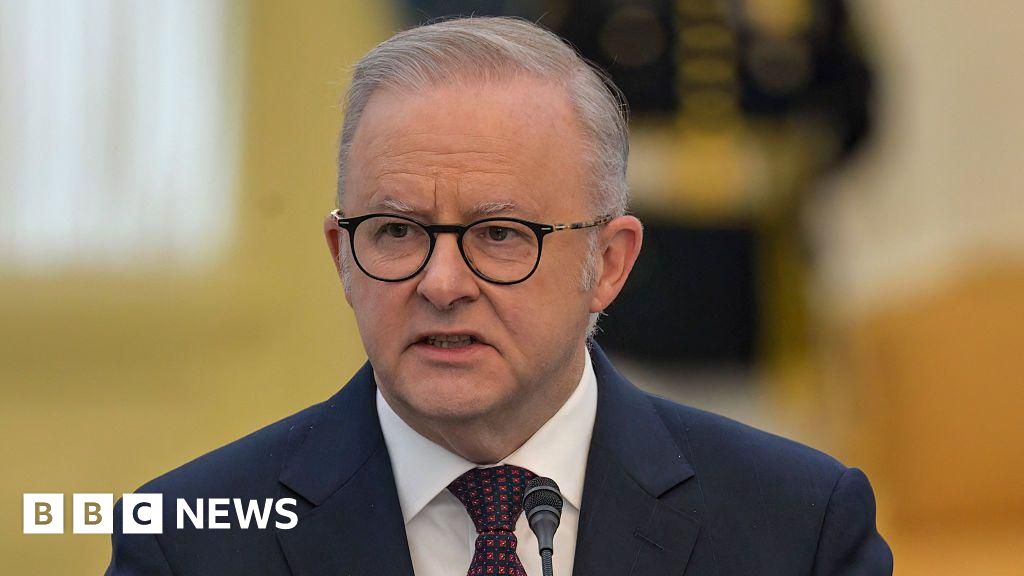
Chinese dance troupe’s Australia tour sparks bomb threat targeting PM

Threats Against Australian Leadership and the Shifting World Order

In a startling escalation of internal security threats, reports have emerged that organizers of a controversial performance were instructed to cancel their events or face far graver consequences — specifically, explosive attacks targeting Prime Minister Anthony Albanese’s residence. This alarming development underscores the persistent volatility in domestic security, as well as the broader implications for international stability and sovereignty. The incident echoes troubling patterns globally, where extremist factions leverage violence to influence political landscapes, often with unintended consequences for national security and diplomatic relations.

Security agencies in Australia have responded swiftly, condemning the threats while reaffirming their commitment to protecting the nation’s leaders. Experts and international observers suggest such threats are symptomatic of broader ideological conflicts fueled by external players seeking to sway political outcomes. Historically, terrorist groups and radical factions have targeted prominent political figures to destabilize governments or send symbolic messages. As noted by regional security analysts, this pattern aligns with recent trends where threats are not merely isolated acts but components of complex geopolitical games involving proxy conflicts, ideological battles, and influence operations. These developments come at a time when Australia finds itself increasingly entangled in global strategic shifts, particularly amidst rising tensions between Western alliances and authoritarian rivals.

The incident also raises concerns about how societal divisions and partisan conflicts can be exploited by extremists to foment unrest. The Australian government’s proactive stance underscores the importance of safeguarding democratic institutions from internal threats masked as ideological expressions. Meanwhile, international organizations, such as INTERPOL, continue to monitor similar threats worldwide, warning that violence against political leaders could escalate if root causes remain unaddressed. Historically, such threats have not only endangered individual lives but also served as catalysts for policy shifts—sometimes leading to harsher security laws or, conversely, societal divisions that threaten cohesion.

The weight of history is clear: when violence targets the core of national leadership, it signals a deeper crisis that reverberates through international borders. As nations grapple with internal radicals, the geopolitical impact inevitably influences diplomatic relationships, especially with allies concerned about regional stability.* The decision by the threat actors to attempt attacks at Albanese’s residence reveals a disturbing intent to send a message—one that echoes through the corridors of power, warning that no leader is immune. In such turbulent times, the world watches as the pages of history are written, ominously reminding us that these moments are more than isolated incidents—they are reflections of a shifting global landscape where the lines between domestic dissent and international chaos blur, leaving societies to grapple with the uncertain future that lies ahead.
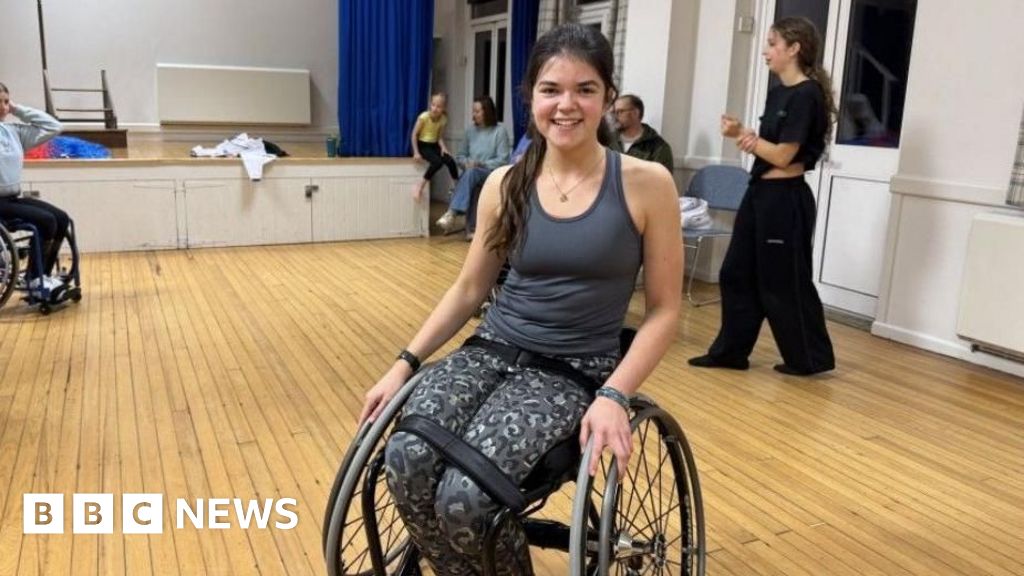
Para Dance Empowers Youth to Escape, Express, and Just Dance Through Life

In an age where the relentless march of modernity often threatens to erode tradition and collective identity, culture remains the vital vessel of our shared humanity. From the ancient rhythms echoing through mythic times to the contemporary expressions of dance and artistic innovation, culture embodies the subconscious of society—its memory, its values, and its very essence. As the historian Tocqueville once observed, democracy’s strength lies not just in political structures but in the moral and cultural fabric that unites its citizens. Today, the resurgence of inclusive and para dance initiatives highlights how culture continues to serve as a bridge—bringing together individuals regardless of their abilities, reinforcing community bonds, and celebrating resilience. It is at once a reminder of our collective heritage and a prophecy of our capacity to adapt and flourish, even in adversity.

Amidst these cultural currents, a profound recognition emerges: art is more than aesthetics; it is a declaration of identity. The story of Hannah, a teenage dancer in wheelchair, exemplifies the transformative power of movement as a form of self-expression and liberation. Her words—”being able to move to music and forget everything and just dance”—resonate with a deeper truth: that culture is an act of rebellion against the chaos of existence and a reaffirmation of life itself. The inclusive dance classes in Oxfordshire, founded by Lizzie Large and supported by spirited communities, echo the philosophical insight of G.K. Chesterton—who believed that true culture awakens the “childlike wonder” within us, reinstating the moral and spiritual vitality that modern society often neglects. These initiatives not only provide physical and mental liberation but serve as a reminder that our culture’s true strength lies in its ability to uplift the marginalized.

With the recent holding of the Para Dance IPC and World Ability Sports Para Dance Championships in Stevenage, a new chapter opens. Though para dance remains outside the spotlight of the Olympic and Paralympic games, the growing recognition of such competitions underscores an essential point: the evolution of culture mirrors humanity’s journey toward inclusion and excellence. As the philosopher Ortega y Gasset asserted, “The health of a civilization can be measured by its capacity to elevate everyone within it.” The medals won by Oxfordshire competitors symbolize more than athletic achievement—they serve as symbols of resilience, proof that culture, when embraced inclusively, can propel society toward a future that values all its citizens’ talents and spirits. If history teaches us anything, it is that culture’s true vocation is to be an anchor of identity and a compass guiding us toward harmony and understanding.

Ultimately, culture holds the mirror to our soul and the map to our destiny. It is both the memory of who we have been and the prophecy of who we are called to become. As the poet T.S. Eliot reflected, “This is the way the world ends—not with a bang but a whimper,”—yet within our cultural formations, there resides a quiet, persistent hope: a lament that awakens us and a promise that propels us. In every dance, every song, and every act of inclusion, we find the enduring testament that human identity is a tapestry woven with history’s threads and humanity’s dreams—an ongoing story, echoing in the footsteps of tradition and innovation alike, urging us to remember and to foresee, in the eternal dance of existence.

Social Media Auto Publish Powered By : XYZScripts.com



