Matox News

Truth Over Trends, always!

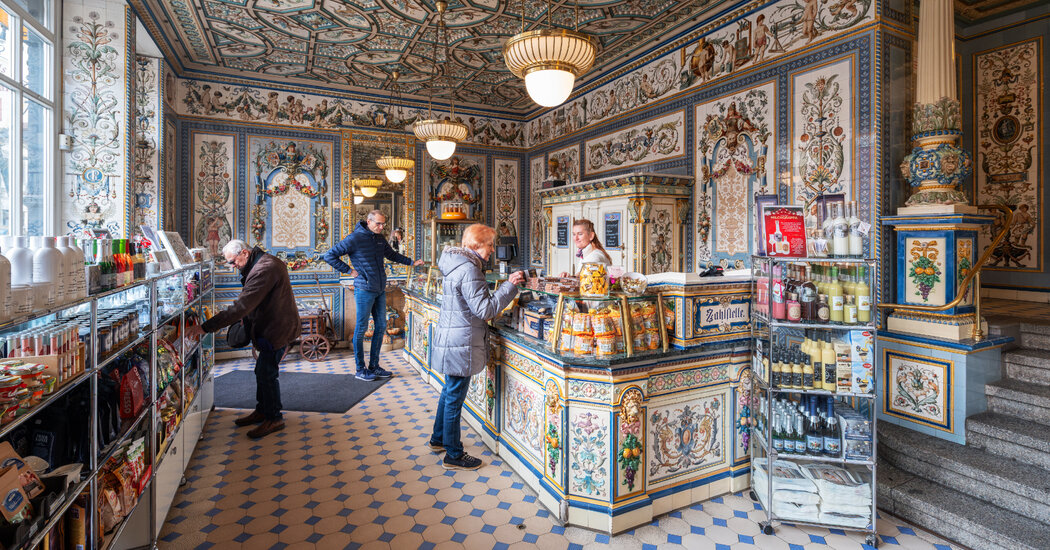
36 Hours in Dresden: Discover the Heart of Germany’s Cultural Heritage

In the heart of Saxony lies Dresden, a city that embodies the profound relationship between culture, identity, and societal continuity. Its historic skyline, lush with restored Baroque architecture, stands as a testament not only to artistic brilliance but also to resilience and the enduring spirit of a people. This city, a crucible where Old Masters like Rembrandt and Canaletto once captured divine beauty, now hosts a vibrant avant-garde movement that demonstrates culture’s ongoing capacity to adapt and evolve. The cultural fabric of Dresden reminds us that history is never distant or detached; it is an intrinsic part of a nation’s soul, shaping its worldview and moral compass.

Walking through Dresden’s streets during the Christmas season, one encounters one of Europe’s oldest and most cherished markets. Here, amid the scent of gingerbread and mulled wine, tradition is not merely preserved; it is reinterpreted. This market, in its timeless aura, echoes a deeper truth articulated by Tocqueville: that democratic societies are rooted in shared cultural practices that foster a sense of collective identity. The celebration of Christmas in Dresden underscores that culture serves as a repository of a community’s values, memories, and hopes for the future. It is a counterbalance to the transient nature of modernity, ensuring that the essence of a people’s story remains alive through symbols, rituals, and shared experiences.

The city’s current cultural scene extends beyond its historical marvels. It is a frontier for modern expressions of artistic innovation, where artists like Gerhard Richter and Anselm Kiefer push boundaries, demonstrating that tradition and modernity can coalesce into a powerful dialogue. This dynamic exemplifies what Ortega y Gasset described as a culture that must \”live through its works,\” heralding an ongoing conversation between the past and present. In this dialogue, culture is not static but a living, breathing entity that anchors society in its roots while propelling it forward. As history teaches us, the true strength of a civilization lies in its capacity to remember and redefine itself in response to the ever-changing currents of time.

Ultimately, Dresden’s enduring charm and cultural vitality remind us that culture is both memory and prophecy. It is memory—a reservoir of traditions, struggles, and triumphs that bind society in shared purpose—and prophecy—a glimpse into what humanity might become when rooted in its most authentic selves. As T.S. Eliot once observed, \”A tradition is an inheritance, and must be a legacy that we care for and pass on.\” Thus, the cultural legacy of Dresden continues to illuminate our path, inspiring a worldview where the origins of our identity serve as the foundation for our aspirations. In the quiet grandeur of its restored facades and bustling markets, there resides a profound reminder: that our culture, like the eternal city itself, is the living archive of human greatness—a prophecy of better days crafted in the mosaic of memory.

Young chess prodigy Daniel Naroditsky, a rising star in the US scene, passes away at 29

Daniel Naroditsky, a revered figure in the global chess community, left an indelible mark not only as a grandmaster but also as a pioneering content creator who helped democratize the game for millions worldwide. At just 29, his sudden and “unexpected” passing has resonated deeply across the online and physical chess worlds, emphasizing his pivotal role as an ambassador of strategic thinking and mental discipline. Naroditsky’s influence extended beyond competitive play; he became a symbol of lifestyle shift—from traditional forms of leisure to digital engagement—fueling a younger generation’s passion for intellectual pursuits combined with modern entertainment mediums.

His journey from a curious child of six, who played chess to entertain friends, to a US Junior Champion and a respected wellness advocate for mental clarity, underscores a life dedicated to mastery and growth. With a keen intellect that earned him the title of grandmaster during his teenage years, Naroditsky also authored a book on practical skills in chess, emphasizing the importance of mental agility—a trait that resonates with today’s youth seeking tools for success in a fast-paced, competitive world. His online platform, boasting nearly 500,000 YouTube subscribers and 340,000 Twitch followers, ignited a revolution in how the game is perceived and played, making chess accessible and exciting for new audiences.

Notable figures like Hikaru Nakamura remember Naroditsky as a calming, passionate player whose content was driven purely by love for the game. “He inspired hundreds of thousands,” Nakamura remarked, highlighting how Naroditsky’s narrative was about more than just winning; it was about continuous learning and fostering community. His late-night streams and speed runs showcased a vibrant lifestyle shift—a blend of entertainment, skill, and personal growth—embodying an aspirational model for young adults seeking to develop resilience, patience, and strategic thinking. Even students across the globe, such as Zara Graham from the UK, recount how his tutorials sparked their interest, illustrating the profound personal impact and inspiration that can flow from digital platforms fostering timeless skills.

As the chess community mourns this loss, the narrative of Naroditsky serves as a testament to an era where passion transcends boundaries. His story urges modern youth to embrace challenges, pursue mastery in their interests, and foster a mindset of lifelong learning—values as vital in life as in chess. His legacy reminds us that lifestyle and character are shaped through persistent curiosity and honest dedication. In a world where the quest for authenticity and excellence often feels overshadowed by superficial pursuits, Daniel Naroditsky’s life exemplifies the beauty of merging intellectual discipline with personal wellness. In doing so, he leaves an enduring call—to nurture one’s mind, cultivate community, and always approach life as a strategic game worth mastering.

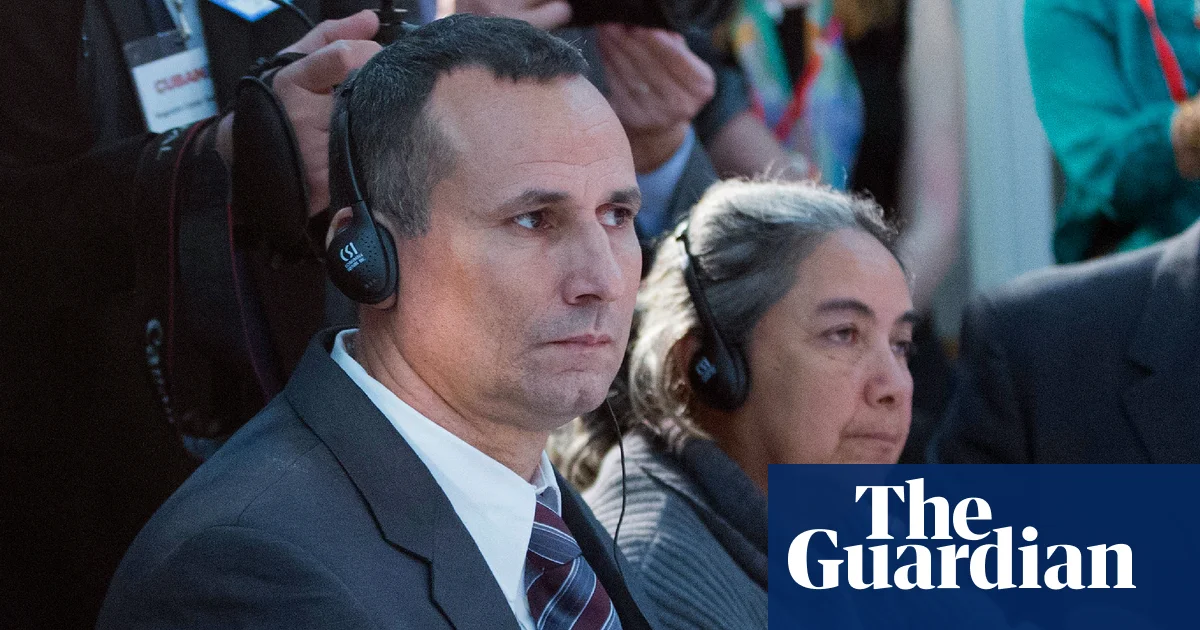
Cuban Dissident José Daniel Ferrer Allowed to Live in Exile in the U.S.

Fate of Cuban Dissident Signals Shifting Geopolitical Tide

The recent release and exile of José Daniel Ferrer, a prominent Cuban dissident, underscores the intensifying struggle between Cuba’s authoritarian regime and the growing wave of pro-democracy voices demanding change. Ferrer, the founder of the Patriotic Union of Cuba, emerged as a symbol of resilience for the island’s entrenched opposition movement, which has endured a relentless cycle of repression and exile for decades. His departure to the United States echoes a broader narrative of international power struggles over Cuba’s future—an island long caught between Cold War remnants and new global alliances.

Within the context of geopolitical impact, Ferrer’s forced exile reflects a significant escalation in Washington’s strategic posture towards Havana. After initial attempts at rapprochement, notably the 2015-2017 Obama-era negotiations, the trajectory has markedly shifted under recent U.S. administrations. The Biden administration’s brief engagement, which led to Ferrer’s release in January, was a calculated move aimed at re-engaging with Cuba only to be reversed by the Trump administration’s delisting of Cuba as a sponsor of terrorism. Such swings demonstrate the fluctuating consensus among Western powers—often driven by domestic political pressures—fueling unpredictability in Cuba’s internal affairs. With Ferrer’s exile, critics argue this signifies the weakening of internal resistance, paving the way for regime consolidation.

Ensconced within this shifting landscape are wider implications that target regional stability. Analysts note that Cuba’s prolonged repression, combined with its economic crisis—amplified by sanctions, mismanagement, and a mass youth exodus—serves as a catalyst for instability. Historian Carlos Ríos warns that the regime’s clampdown—like the recurring mass protests and political imprisonments—risks exporting tensions beyond the island, especially as diaspora communities in the United States and Latin America intensify calls for intervention. The international community’s response, notably the EU’s cautious diplomacy and the U.S.’s strategic maneuvers, highlight an ideological divide—one rooted in contrasting visions of sovereignty and democracy.

Within these mounting tensions, international actors – particularly Washington and its allies – are redefining their roles in Cuba’s future. While the Biden administration initially held out hope of fostering dialogue, the recent crackdown and Ferrer’s exile underscore the persistent resilience of the regime’s grip on power. The ongoing tug-of-war has historic echoes, reminiscent of Cold War confrontations that defined global geopolitics for decades. As Ferrer’s story unfolds, it reminds the world that Cuba remains a pivotal chess piece—its fate intertwined with broader geopolitical currents that threaten to reshape regional alliances and spark new conflicts. The question persists: will this mark the slow unraveling of Cuba’s authoritarian chains, or is it yet another chapter in a classic struggle over sovereignty, influence, and the enduring hope for freedom amid darkness?

The uncertain tides of history continue to roll in, leaving nations and societies to confront the profound realities of power, resistance, and the enduring human spirit. The story of José Daniel Ferrer is far from its final chapter; instead, it serves as a stark reminder that the battle for Cuba’s soul is ongoing, and the weight of history remains heavy, gradually guiding the world toward an uncertain destiny.

Social Media Auto Publish Powered By : XYZScripts.com