Matox News

Truth Over Trends, always!

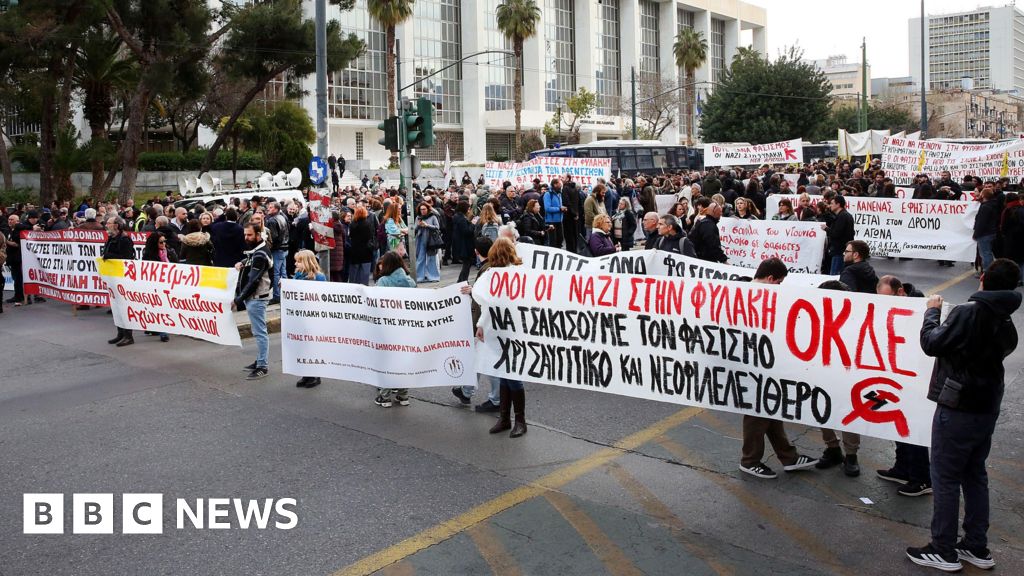
Greek Court Confirms Verdict Against Neo-Nazi Golden Dawn Group

In a significant development within Greece’s** political landscape,** recent judicial proceedings have culminated in the conviction of Nikos Mihaloliakos**,** founder of the now-infamous Golden Dawn party,** alongside several high-ranking officials. This verdict, arriving almost six years after the initial trial, underscores the persistent scrutiny faced by nationalist movements and illuminates the broader ideological battleground shaping modern Europe.

Historical analysts and international observers have long debated the implications of this case, which highlights a troubling resurgence of far-right extremism. The trial’s protracted timeline and eventual verdict reflect the complex interplay between national sovereignty and international pressure. It also brings into focus the delicate balance that European Union and European Court of Justice officials maintain as they address the rise of radicalized political factions. At the heart of this controversy lies a broader question: **How do such judicial findings transform the social fabric and geopolitical strategy of nations embroiled in ideological conflict?**

From a geopolitical perspective, these convictions resonate well beyond Greece’s borders. Historically, the resurgence of nationalist violence threatens to destabilize regional diplomacy and complicate relations with neighboring countries, especially in the volatile Balkan region. The actions taken against figures like Mihaloliakos serve as a stern warning to other extremist groups across Europe, signaling a firm stance from Greek judiciary authorities against the normalization of hate-based politics. As
international organizations such as the United Nations and the OSCE cast an eye over Greece, analysts warn that these legal proceedings could either serve as a blueprint for combatting extremism or, paradoxically, galvanize dissatisfied factions further.

Noted political commentators and historians have noted that Greece’s fight against domestic extremism is intertwined with its geopolitical identity and allegiance within the broader western alliance. The conviction of Mihaloliakos and others echoes similar narratives seen in the European Union’s broader effort to clamp down on ideologies that threaten social cohesion and security. However, critics argue that such legal actions must be accompanied by effective societal measures, lest they become mere symbolic gestures that do little to address underlying grievances and societal divisions. As history has shown, the line between justice and political leverage is razor-thin, and the stakes for Greece are nothing short of historic.

As the shadows of this verdict settle over Athens, the nation finds itself at a crossroads. The echoes of past conflicts and ideological extremes linger, yet the message from the current ruling authorities is clear: **The rule of law must prevail as the safeguard of democracy.** Still, the weight of history is relentless; as Greece continues to grapple with its internal struggles, the world must ponder how the decisions made today will shape future generations. The real test lies ahead—will this judicial victory withstand the storm of societal discord, or will it become a chapter in an ongoing saga of division and conflict? The pages of history are turning, and the story remains unwritten.
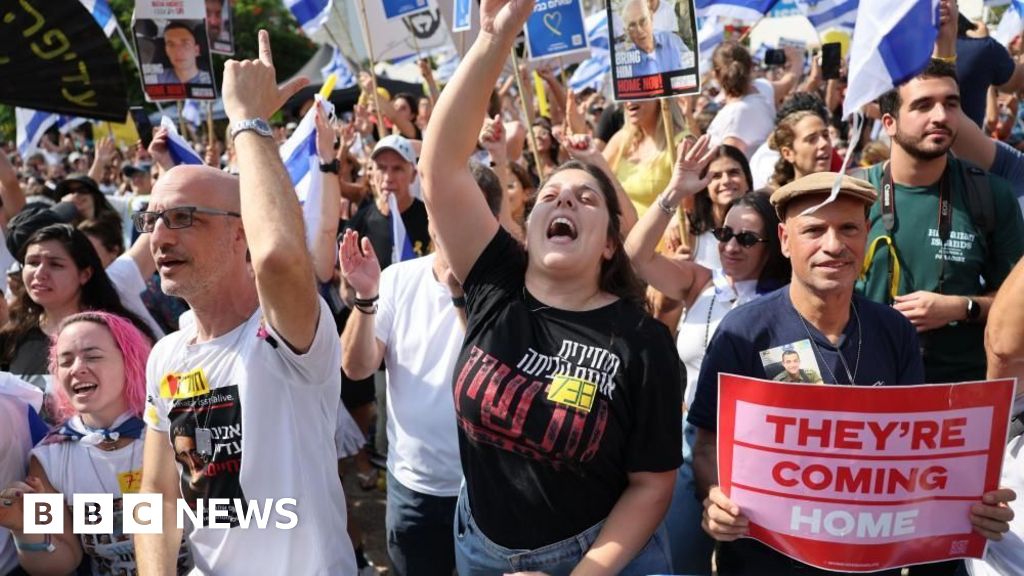

Israelites and Palestinians traded free, as Trump calls it a 'historic dawn' in Middle East
Israelites and Palestinians traded free, as Trump calls it a ‘historic dawn’ in Middle East

Middle East Ceasefire: A New Chapter or a False Hope?

The recent ceasefire agreement in Gaza marks a pivotal moment in the ongoing conflict that has ravaged the region for over two years. After relentless violence, Israel and Palestinian factions, primarily Hamas, have engaged in intense negotiations facilitated by the United States and supported by key regional players such as Egypt, Qatar, and Turkey. The deal, brokered in part by President Donald Trump during his visit to the region, signifies a major step toward potentially consolidating peace—at least temporarily—but also exposes the deep-rooted problems that threaten to undo this fragile truce. The initial hostage and prisoner exchange was celebrated across both sides, with families reuniting in scenes of raw emotion, reflecting the profound human longing for an end to years of suffering.

  • The first phase of the US-backed peace plan involved Hamas returning all living Israeli hostages, while Israel released nearly 2,000 Palestinian prisoners, including those serving life sentences. The exchange was hailed as a “historic dawn” by President Trump during his speech at the Knesset, emphasizing the potential for a new Middle East.
  • To sustain momentum, the parties agreed on a ceasefire that took effect Friday, accompanied by an increase in humanitarian aid into Gaza, aiming to mitigate the catastrophic damage wrought by years of conflict.

However, the true test now begins. Critics and experts, including historians and international observers, warn that this ceasefire and the diplomatic rhetoric mask an array of unresolved disputes that could threaten to plunge the region back into chaos. Key sticking points include the extent and timeline of Israeli troop withdrawals, the disarmament of Hamas—a group that has long rejected disarmament unless a Palestinian state is established—and the future governance structure of Gaza. The plan envisions Gaza under a temporary Palestinian technocratic authority overseen by a “Board of Peace,” with eventual sovereignty transferred to the Palestinian Authority after reforms. Yet, Hamas’s rejection of foreign governance and its demand for disarmament as a precondition for peace complicate the pathway forward, making the full realization of these agreements uncertain.

Despite the optimistic tones, many argue that geopolitical impact of this breakthrough is complex. Israel’s Prime Minister Benjamin Netanyahu and Trump administration appear determined to avoid a complete capitulation to Hamas’s demands, emphasizing security and sovereignty concerns. Meanwhile, regional rivals such as Iran and militant groups remain watchful, assessing whether this peace is genuine or merely temporary tactical maneuvering. Many security analysts, like those at the International Crisis Group, warn that without addressing the core issues—such as Hamas’s disarmament and broader Palestinian statehood aspirations—the cycle of violence could resume at any moment.

History warns that peace negotiations in this region are often mere pauses in a longer struggle, with each attempt at resolution exposing new fractures. Perversely, the international institutions that once aimed to oversee lasting peace are often hamstrung by their own political interests and inability to enforce agreements. As international organizations monitor developments, the perspective of many analysts remains skeptical about whether this latest ceasefire will hold. How subsequent phases unfold—regarding troop withdrawal, governance, and disarmament—will ultimately determine whether this is a genuine turning point or just yet another chapter in a seemingly endless saga of conflict.

As historic moments unfold on the stage of international diplomacy, the shadows of history loom large. The world continues to watch with bated breath—aware that beneath the surface of fleeting peace lies a struggle that has defined generations, and which may yet rewrite the future of the Middle East around the flames of renewed hope or the ashes of unfulfilled promises.

Social Media Auto Publish Powered By : XYZScripts.com


