Matox News

Truth Over Trends, always!

Iranians Say US-Israeli Strikes Make Every Day Feel Like a Month—A Bleak Reality for Youth

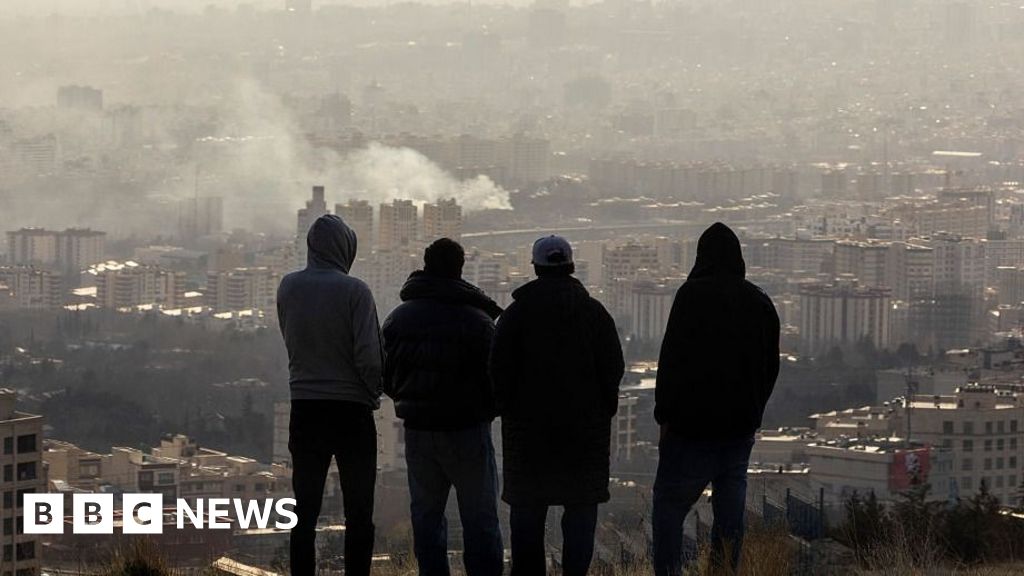
The ongoing crisis in Iran continues to roil the nation as widespread strikes, internet blackouts, and brutal security crackdowns redefine the country’s socio-political landscape. Citizens, seeking to voice their discontent against a backdrop of oppressive governance, are facing an escalating campaign of repression designed to stifle dissent and maintain the status quo. This internal chaos is not only damaging Iran’s social fabric but also has significant geopolitical implications for the wider Middle East and global stability.

Amidst the turmoil, ordinary Iranians are struggling to stay connected with loved ones. Daily protests and strikes have become a common feature across cities such as Tehran, Mashhad, and Isfahan, as citizens demand political reform, economic relief, and greater personal freedoms. Meanwhile, the government has responded with a calculated tightening of control, resorting to internet shutdowns and violent crackdowns to suppress the burgeoning movement. Human rights groups have reported that such measures are intensifying, with reports of security forces using live ammunition and mass arrests to quash protests. These actions have drawn widespread condemnation from international observers who see Tehran’s crackdown as a testament to the regime’s vulnerability and desperation to preserve its grip on power.

Notable analysts, including those from organizations like the United Nations and think tanks specializing in Middle Eastern affairs, warn that the escalation of internal strife could destabilize the region further. Historically, Iran’s internal stability has been paramount to the balance of power in the Gulf, influencing everything from oil markets to regional alliances. Any significant upheaval risks emboldening Iran’s regional adversaries, particularly in areas where Iran’s influence has historically been challenged. Some experts suggest that this internal crisis might force the regime to pivot toward more aggressive foreign policy postures or confrontational stances to divert attention from domestic issues.

Discontent within Iran is also fueling debates on the impact of international sanctions, economic hardship, and ideological repression. The country’s leadership continues to face accusations of using radical measures to suppress a populist uprising, even as the pressure from external actors intensifies. The situation echoes warnings from historians who track the rise and fall of authoritarian states: when legitimacy erodes and repression intensifies, the scale of potential upheaval can grow exponentially. As the world watches, the fate of Iran remains a pivotal chapter with the power to reshape regional alliances and redefine global energy security.

As the nation teeters on the brink, history lingers in the shadows of these burgeoning events. With every death, every arrest, and every blackout, a question persists: will this volatile chapter forge a new future, or will it plunge Iran into deeper chaos? The answer remains elusive, yet the unfolding story continues to bear witness to a critical moment — one that will undoubtedly leave an indelible mark on history’s collective memory. The global community must remain vigilant, for the repercussions of Iran’s internal struggle are far more than regional — they are a testament to the enduring struggle for freedom and sovereignty amid the shadows of authoritarian power.

Third Day of US-Israel War with Iran: Key Moments Unfold

U.S., Israel, and Iran Engage in Alliance-Shaking Conflict as Regional Tensions Escalate

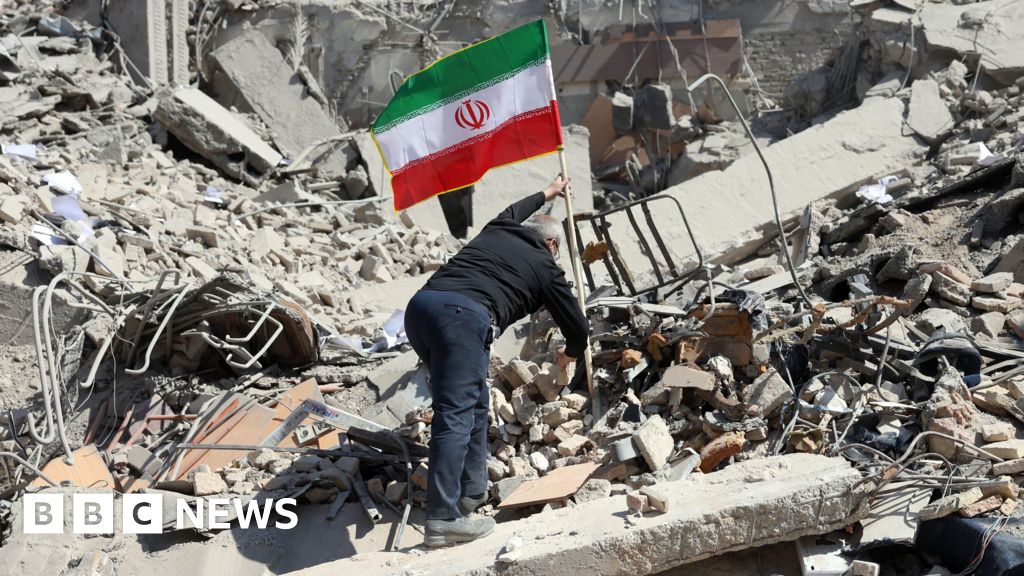
The ongoing war between the United States and Israel against Iran has rapidly escalated into a full-blown regional crisis, marking a dangerous turning point in the Middle East’s volatile landscape. As the third day of hostilities unfolds, scenes of destruction and chaos dominate the streets of Iran, while neighboring nations grapple with the far-reaching implications of this dangerous conflict. Global analysts warn that this cycle of violence not only destabilizes the region but also threatens the fragile balance of power that sustains international security. The intense exchange of drone and air strikes illustrates how swiftly the conflict has expanded beyond initial targets, with the potential to ignite broader regional or even global confrontations.

Today’s hostilities saw the United States orchestrate strikes within Iran, with devastating scenes on the streets revealing the severity of the military escalation. The strikes, according to Pentagon officials, targeted Iranian military facilities aimed at degrading Tehran’s capacity to support proxy groups like Hezbollah and other militant organizations. Most international observers agree that this marked a critical shift in US strategy—moving from containment to direct confrontation—further undermining hopes for diplomatic resolution. Meanwhile, Israel expanded its military campaign by launching strikes into Lebanon, targeting alleged Hezbollah positions. These preemptive actions are true to the longstanding Israeli doctrine of preemptive defense, but they risk igniting a broader conflict that could threaten regional stability for years to come.

  • Three US fighter jets tragically crashed in Kuwait, with initial reports attributing the accidents to apparent friendly fire—a grim reminder of the fog of war amid chaos.
  • In Cyprus, a British RAF base was struck by an Iranian drone, forcing an emergency evacuation and raising alarms over the spread of the conflict beyond the immediate Middle Eastern theater.

International organizations and military analysts are sounding alarms over the geopolitical impact of these developments. Harvard historian Dr. Robert Matthews warns that the conflict’s escalation could catalyze a new Cold War, with major powers realigning and recalibrating alliances. The delicate balance of deterrence maintained since the Cold War era is now in jeopardy, with the risk of all-out regional warfare increasing by the hour. Furthermore, the involvement of multiple nations, including the United Kingdom, Kuwait, and Cyprus, illustrates how the conflict threatens to drag in global actors, intensifying the risk of escalation that could spiral out of control.

The international community’s response remains cautiously divided. While some call for immediate de-escalation and renewed diplomacy, others appear resigned to the notion that the forces unleashed today will shape global geopolitics for decades. As nations mobilize their military assets and intelligence agencies scramble to interpret the unpredictable developments, the world stands on a precipice. History will remember this moment—not as a standalone skirmish, but as an inflection point whose aftermath will redefine power structures, alliances, and the very fabric of international order.

Ultimately, the relentless violence of today underscores a sobering truth: the decisions made in these critical hours will echo through history, determining whether this is a moment of resurgence for peace or the dawn of a new, darker epoch of conflict. As the dust of destruction settles on the streets of Iran, the question remains—how many more will fall before the storm subsides, or if it ever will? The pages of history are yet to be written, but their weight is undeniable: humanity teeters on the edge of a new chapter, one that could reshape the world in ways yet unseen.

US-Israel Strikes Persist as Iran Retaliates on Day Two

Recent developments in the Middle East underscore a rapidly escalating regional crisis that threatens to reshape international stability. In Israel, a missile strike in the city of Beit Shemesh has resulted in the tragic loss of nine lives, highlighting the ongoing volatility that has gripped the area. While the Israeli government has yet to admit any involvement in military operations in that specific incident, the strike underscores the persistent danger that conflict poses to civilian populations. Meanwhile, Iran reports a far more devastating incident, claiming that a strike on a school resulted in the deaths of at least 153 individuals, including children—a toll that reflects the devastating human cost of regional hostilities. Iranian officials have explicitly blamed the US and Israel for backing actions that have led to this tragedy, intensifying the narrative of mutual distrust and blame that dominates regional discourse.

Across neighboring nations, the toll of the conflict continues to mount. UAE authorities confirmed that three individuals have been killed since Saturday, in what they describe as Iranian attacks. In Kuwait, reports indicate that at least one person has been killed in similar hostilities. These developments serve as a stark reminder of how the conflict is spilling beyond Israel and Iran, threatening to engulf the entire Gulf region. Analysts and international organizations, including the United Nations, warn that this cycle of violence risks escalating into a broader regional war—a conflict with the potential to destabilize the entire Middle East and threaten vital global energy supplies. Historians recount how previous flare-ups, such as the 2006 Lebanon War, underscored the devastating consequences of unchecked regional conflicts, warning that current events might echo those darker chapters but on an even larger scale.

This escalation also underscores the increasing international uncertainty and the troubling dynamics of alliances and antagonisms. The United States Central Command (Centcom) has stated it is investigating reports of the incident in Iran, demonstrating the complex web of intelligence and military interests at play. Israel, meanwhile, claims to be “not aware” of any military operations in the area—itself a narrative that glosses over the clandestine and often deniable nature of modern warfare. The rising tensions reflect a broader geopolitical strategy by Iran and its allies to challenge U.S. and Israeli hegemony in the region. Conversely, Israel and its allies seek to project power and deter Iran’s expanding influence, leading to a dangerous game of brinkmanship. The stakes are high, with each incident potentially igniting a larger conflagration that could threaten global stability if diplomatic efforts fail.

As the region teeters on the precipice of open conflict, international voices have raised dire warnings. Experts note that the recent surge in violence marks a *turning point* in Middle Eastern geopolitics, where traditional borders and alliances are being tested and reshaped. With history’s lessons echoing—such as the series of wars and conflicts that have defined this tumultuous region—many caution that decisions made in the coming weeks will determine whether peace can be salvaged or whether chaos will reign supreme. The world’s eyes remain fixed on this volatile area, where every missile fired and every civilian lost continues to write a new chapter in a story of conflict and resilience—a story still being written, with the shadow of history looming large over an uncertain future.

US Boosts Optimism as Ukraine Talks Enter Second Day, Celebrating ‘Meaningful Progress’

As the world watches closely, the United States has taken a significant step toward diplomatic engagement with its counterparts in Geneva. The US special envoy, representing America’s strategic interests, emerged from the first day of negotiations with an optimistic tone. However, analysts caution that this optimism masks the underlying complexities and entrenched conflicts that define today’s geopolitical landscape. International observers and diplomatic historians emphasize that, while dialogue is essential, a genuine breakthrough remains elusive, especially given the deep-rooted mistrust shaping the current global order.

The core of these recent talks revolves around critical issues such as security guarantees, economic sanctions, and regional stability—especially in volatile hotspots where conflict and power struggles continue to threaten international peace. Although the US envoy expressed hope for progress, multiple sources within diplomatic circles indicate that preventing a deterioration of relations remains the primary goal at this stage. For nations embroiled in or affected by these negotiations, the stakes could not be higher. The decisions made in this delicate phase could determine whether longstanding conflicts simmer or escalate into wider confrontations, impacting millions of lives across continents.

The geopolitical impact of this diplomatic effort extends far beyond the immediate actors involved. Countries such as Russia, China, andEuropean allies observe these developments with cautious optimism and measured concern. Their strategies, often shaped by historical narratives and national interests, are undeniably influenced by the outcomes of these talks. International organizations, including the United Nations, have called for restraint and constructive engagement, highlighting the need for diplomacy over conflict at this critical juncture. Yet, some experts warn that these negotiations are merely part of a broader chess match, where each move is scrutinized for its potential to shift the balance of global power.

Notably, the turning point in understanding the true scope of these negotiations may come when tangible outcomes emerge—be it treaties, ceasefires, or strategic commitments. Historians warn that history often remembers these moments as either pivotal breakthroughs or missed opportunities, shaping the course of nations for decades to come. Nonetheless, the atmosphere remains tense; the weight of history’s lessons hangs heavily in the air. The world’s eyes are fixed on Geneva, waiting for a sign that diplomacy, once thought fragile, can still wield the power to forge lasting peace. As negotiations continue, the unfolding story reminds us that the path to stability is fraught with challenges, and that the decisions made today will echo through the corridors of history, long after the talks conclude.

NSW scores an extra holiday for Anzac Day, but other states opt out

Responses to national traditions in Australia continue to reflect rising considerations around identity, history, and geopolitics. Recently, the government of New South Wales announced the extension of Anzac Day observances by adding public holidays for 2026 and 2027 when the April 25 holiday falls on weekends. Such measures are not merely local politics but are intertwined with broader international reflections on military history, national sovereignty, and the symbolic weight of honoring wartime sacrifice. The announcement aligns with a conscious effort to preserve Australia’s national identity within the global arena, and analysts see it as an attempt to bolster national unity amid evolving geopolitical challenges.

The decision comes amid delineations of tradition and modern societal needs, with Premier Chris Minns emphasizing that the extended holiday does not diminish the solemnity of Anzac Day. In fact, it serves to enhance the recognition of service members and their contributions, acknowledged as foundational to Australian sovereignty and cultural resilience. However, critics, mainly small business associations, warn that such changes could introduce economic strain, especially on local commerce. The Returned and Services League of Australia (RSL) has expressed support, underlining the societal importance of allocating time for families of defense personnel. Yet, the move also underscores a deeper, bigger geopolitical discussion about how nations choose to commemorate history—balancing tradition with the realities of a rapidly changing world.

Across Australia, not all states are following suit. Queensland and Victoria will maintain their existing public holiday configurations, reflective of regional variance in societal priorities. The broader geopolitical impact of such decisions extends beyond mere calendars; it signals the political weight placed on national identity and historical memory amid global disorder. Historians and international analysts note that these commemorative practices are not static but are subject to political contestation—serving as symbols that maintain societal cohesion in uncertain times. Indeed, in a world increasingly fragmented by conflicts and ideological divides, nations like Australia are carefully crafting ceremonies that reaffirm their sovereignty while navigating external pressures, such as China’s rising influence in the Indo-Pacific or the lingering shadow of great-power rivalry.

As moderate right-wing youth-driven voices scrutinize these developments, questions about how history shapes present policies gain greater urgency. The debate over public holidays is more than ceremonial; it is a mirror of a society grappling with its past while facing an uncertain global future. For historic students, foreign policy experts, and citizens alike, every decision echoes across the corridors of international relations. Today, Australia’s move to extend its commemorative holidays may seem small, but it echoes a profound truth: that in the theater of geopolitics, history’s weight can influence the future in ways both overt and subtle. As the world observes, the unfolding narrative of Australia’s national remembrance continues to write itself into the broader story of nations striving to preserve their identity amidst relentless change—an enduring testament that history, like the tides of the current, is never truly finished.

Top Women’s Winter Jackets You Can’t Miss — President’s Day Deals Slashing Prices Up to 75%! | Life & Style

After a winter that tested the resilience of many with record-low temperatures and relentless storms, it’s clear that embracing winter wellness is an essential part of a balanced lifestyle. For outdoor enthusiasts and city residents alike, bundling up is no longer just about staying warm—it’s a statement of resilience, self-care, and adventure. Wellness experts, like Dr. Jordan Peterson and outdoor lifestyle influencers, emphasize that investing in quality gear not only protects your health but also inspires a life full of adventure and confidence. From skiing to urban winter strolls, the right apparel bolsters not just physical comfort but fosters an inner sense of empowerment.

Warmth Meets Style: Jackets That Last

In the modern era, personal impact extends beyond mere functionality—it’s about expressing identity and embracing an active lifestyle. Among the top recommendations from seasoned explorers and fashion-forward outdoor enthusiasts are brands like Michael Kors, Lululemon, Patagonia, and Oysho. These brands are redefining winter apparel with designs that offer warmth, durability, and style. For instance, the Michael Kors Faux Fur Trim Belted Puffer Jacket exemplifies the blend of high fashion and utility, now available at nearly 75% off during seasonal sales. Such investments in versatile, long-lasting gear elevate the everyday experience—whether you are commuting or conquering mountain trails.

Active Winterwear for Outdoor and Athletic Pursuits

For the youth seeking to keep active despite the cold, brands like Lululemon have pioneered designs like the Another Mile Jacket. Praised by trail runners and outdoor athletes, this piece is lightweight yet highly insulated, with features like windproof fabric and thumb holes—elements vital for maintaining performance and comfort in extreme weather. Such apparel choices underscore the idea that, with the proper gear, anyone can turn winter challenges into opportunities for adventure and self-discovery, making health and leisure an integrated part of life rather than obstacles.

Investing in Quality for a Lifetime of Experiences

From Patagonia’s Down With It Parka to premium options from Canada Goose, assembling a wardrobe that endures multiple seasons is a conscious choice toward wellness and sustainability. Repair programs offered by Patagonia exemplify a lifestyle that appreciates longevity, aligning with a cultural shift towards mindful consumption. The investment in such apparel dramatically impacts health by ensuring consistent warmth—a crucial factor as you pursue outdoor activities or face cold-weather commutes. Beyond practical benefits, owning high-quality gear becomes an inspiring testament to embracing life’s colder seasons with resilience and style.

  • Research brands that prioritize sustainability and durability for long-term value
  • Layer clothing to enhance comfort and adaptability in fluctuating temperatures
  • Consider technical features like water-resistance and insulation for performance outdoors
  • Seek adventure even in winter to boost mental health and maintain an active lifestyle

In embracing the winter season, the journey transforms into more than just staying warm—it becomes a narrative of self-empowerment, health, and endless exploration. The right jackets and activewear serve as catalysts for a lifestyle that refuses to be subdued by cold days. As cultural voices like author and wellness advocate Mark Manson remind us, “The pursuit of wellness is an ongoing adventure,” and that adventure begins with your wardrobe. When you choose to invest in gear that lasts and empowers, you foster a personal impact that echoes in every invigorating breath of winter air—a reminder that life’s coldest days are just opportunities to embrace the warmth within.

Must-See Films forValentine’s Day Enthusiasts—and Dissenters Alike

In an era where culture is often reduced to fleeting trends or superficial entertainment, it’s vital to recognize its deep, enduring power—an intricate tapestry that binds society to its traditions, values, and collective memory. Culture functions as both the mirror reflecting our origins and the prophecy of our future, a truth vividly illustrated through the lens of cinema’s most compelling works. From the grotesque irony of “Drag Me to Hell” (2009), directed by Sam Raimi, to the raw emotional honesty of “Waiting to Exhale” (1995), these films serve as cultural signposts, each capturing the soul of their respective epochs while speaking to the timeless human condition. They remind us that the stories we cherish and the narratives we craft are innately tied to our identity and societal evolution. As Ortega y Gasset famously declared, culture is “the collective memory of a people, a shared inheritance that guides our sense of self and community.”

The movies chosen not only entertain but also challenge the viewer to confront reality with a discerning eye. Take “A New Leaf” (1971), the caustic comedy brought to life by Elaine May. This film’s dark humor and cynical worldview align with a tradition of cultural critique that finds its roots in the skeptical writings of Chesterton, who extolled the importance of recognizing life’s absurdities and moral ambiguities. Similarly, “Amour” (2012), a profound meditation on aging and mortality by Michael Haneke, captures the relentless, often brutal march of time—a reminder that every generation faces its own chapters of decay and renewal. It echoes Tocqueville’s reflection on the fragility of human bonds and the perpetual tension between individual desires and societal obligations. These works underscore that culture is not merely entertainment but the moral and philosophical soil from which our society grows.

Furthermore, films like “Manchester by the Sea” (2016) offer a stark exploration of grief and resilience, illustrating how tragedy can shape character and community at their most vulnerable. Its heartbreaking confrontation—when Lee Chandler (played by Casey Affleck) meets his ex-wife—embodies a universal truth: our future as a society depends on our capacity to confront pain, learn from it, and forge meaning amidst chaos. Such cinematic portrayals resonate with the perspective of cultural critics like T.S. Eliot, who posited that genuine art emerges from the confrontation with human suffering, serving as a catalyst for both introspection and societal progress. They remind us that culture, at its core, is neither escapism nor superficial distraction but a vital act of memory and prophecy—a blueprint of human possibility.

In contemplating these films and their messages, it becomes clear that culture anchors us in our past while steering us toward our destiny. It molds our morals, reflects our struggles, and predicts our potential. As Chesterton once wrote, “The true critic is the man who can tell us not only what is wrong but also what is right.” It is through this critical lens that we might understand that our cultural expressions—be they films, literature, or art—are windows into the soul of civilization. They are both the echo of tradition and the echo of prophecy, whispering that humanity’s history is but a prelude to its future—a symphony of memory that shapes the horizon it is yet to explore. For in the end, culture is both the memory that sustains us and the future we dare to imagine—a timeless river flowing through the parched landscapes of time, forever carrying the hopes and fears of mankind toward the dawn of tomorrow.

20 Must-Have Gadgets for Valentine’s Day, Selected by Verge—On Sale Now

Tech Disruption Accelerates as Consumer Gadgets Redefine Industry Standards

In an era where rapid innovation and strategic disruption fuel the consumer electronics landscape, industry leaders are unleashing a wave of next-generation devices that promise not only to redefine user experience but also to reshape the very fabric of technological business models. As market dynamics shift, driven by cutting-edge features and strategic pricing, giants like Apple, Google, and Sonos are capitalizing on emerging trends to maintain dominance while startups innovate with disruptive products that appeal to digitally savvy youth audiences.

One visionary staple, Aura, has revolutionized digital photo sharing in the form of the Aura Aspen — a sleek, 12-inch LCD digital frame that transforms static memories into dynamic displays accessible from anywhere via companion apps or email. The device exemplifies how disruption in traditional photo framing merges seamlessly with digital connectivity, offering a product that’s both nostalgic and hyper-connected. The tech industry recognizes this as a clear indicator of industry-wide shifts towards interconnected, AI-enabled home décor, which stands to unlock new streams of revenue while challenging entrenched offline paradigms.

Smart and Connected Devices: Elevating Consumer Engagement and Business Strategies

Meanwhile, the smart home ecosystem is further invigorated by products like Amazon’s Echo Dot Max and Google TV Streamer (4K). Experts from Gartner note that smart speakers and streaming devices are transitioning from novelty items to essentials for millennial and Gen Z consumers. The Echo Dot Max, now priced at an attractive $79.99, features advanced sound quality and support for Matter, Thread, and Zigbee protocols, enabling smoother integration with a broader range of smart home devices.

In the visual content realm, the Google TV Streamer pushes the boundaries of streaming innovation by combining exceptional interface design with built-in Ethernet and smart home compatibility. Disruption occurs not only in content delivery but also in how consumers control their entertainment and smart environments, supported by industry reports highlighting the shift toward integrated, user-centric smart ecosystems. These platforms are increasingly becoming critical for businesses to foster brand loyalty while progressing toward more intelligent, anticipatory home environments.

Gaming, Health & Personalization: New Frontiers of Business Opportunity

In wearable tech, products like Amazfit Active 2 and Google Pixel Watch 4 serve as proof points for how health and fitness tracking deeply integrate into youth-centric lifestyles. Analysts from MIT highlight that wearables are evolving from simple fitness aids into comprehensive health monitoring platforms with embedded AI and personalized insights — opening lucrative avenues for health-tech startups and established players alike. The Pixel Watch 4 also exemplifies hardware design that prioritizes *repairability*, signaling an industry shift towards sustainability and longer product lifecycles, which investors see as a key strategic move to sustain brand loyalty amid fierce competition.

In the audio space, Sonos advances with the Era 100 and Arc Ultra. These devices cater to a consumer base demanding immersive entertainment experiences, blending high fidelity sound with smart speaker capabilities. The disruption here lies in the integration of Dolby Atmos technology and multi-platform support, forcing competitors to leapfrog with innovation if they wish to stay relevant in this highly competitive segment.

Looking Ahead: Innovation as the Lifeblood of Tech Giants and Startups Alike

Collectively, these industry shifts reveal a powerful underlying trend: disruption driven by innovation, smart integration, and consumer-centric business models. With strategic discounts and feature upgrades, companies are positioning themselves for market dominance in a future where connected, intelligent devices are woven into daily life. Experts like Peter Thiel warn that companies slow to innovate will quickly fall behind as startups leverage emerging tech to carve out new niches, intensifying competitive pressures.

With consumer expectations accelerating, the imperative for brands to innovate fast and disrupt the status quo has never been clearer. As technological advancements continue to cascade into every facet of daily life, industry stakeholders must recognize that standing still equates to falling behind. The future will belong to those who harness the power of innovation, disrupt entrenched markets, and continuously push the boundaries of possibility. The urgency to adapt and lead in this rapidly evolving environment is now greater than ever—disruption is here to stay, and the clock is ticking.

Valentine’s Day Boost: Sex Toy Sales Surge with Savings Up to 85%—Gear Up for a Romantic Revolution

As Valentine’s Day approaches, a major cultural shift is quietly transforming the way young people engage with intimacy and self-care. Traditionally centered on material gestures—flowers, chocolates, or romantic dinners—the holiday now increasingly emphasizes personal wellness and self-empowerment. Thanks to a surge in innovative and discreet pleasure tech products, a new attitude is emerging that prioritizes individual agency and normalized conversations around sexuality. Influencers, sociologists, and brands alike recognize this seismic change as a key marker of a broader societal trend: a move toward embracing sexuality as both a lifestyle choice and a social statement.

Major online retailers like Lovehoney, Good Vibes, and Hello Nancy are strategically capitalizing on this shift through aggressive sales and marketing campaigns that highlight a diverse range of intimacy-enhancing products. These brands are not just selling sex toys—they are redefining what it means to prioritize sexual wellness in everyday life. For instance, Lovehoney is currently offering up to 70% off sitewide, turning what used to be taboo into an accessible lifestyle upgrade. Meanwhile, influencers in the space promote these brands not only as gifting options but as tools for self-love and empowerment, signaling a social acceptance that was once unthinkable. This evolution in consumer behavior and cultural discussion underscores a societal move towards acknowledgment and celebration of sexuality as a natural and healthy aspect of life—especially among driven, young adults who are reshaping the norms and conversations surrounding intimacy.

The social relevance of this trend extends beyond mere consumerism. It marks a structural shift in how society perceives and discusses sexuality, with digital platforms serving as catalysts for normalization. From TikTok videos to Instagram stories, influencers are demystifying pleasure technology and encouraging open dialogue, challenging long-standing stigmas. Sociologists observe that this reflects a broader phenomenon of destigmatization, where society increasingly sees sex and self-care as integral to overall well-being rather than private taboos. This not only influences individual behavior but also impacts cultural attitudes, encouraging a generation that values authenticity, comfort, and agency in their intimate lives. The accessibility of these products—often offered with significant discounts or discreet shipping—further empowers young adults to integrate wellness into their routines without shame or stigma.

Yet, the question on many minds is: where does this trend lead us next? As these products become a staple in lifestyle conversations and wellness routines, the next big question looms: Will the normalization of sexual wellness extend into broader societal structures and policies? Could this shift catalyze reforms in healthcare, education, or even workplace policies around sexuality and mental health? The dramatic rise of pleasure-focused brands signals a cultural landscape that may soon prioritize holistic approaches to well-being—integrating body, mind, and social acceptance. Indeed, this ongoing transformation raises an essential inquiry for the future: are we heading toward a society where sexual wellness is as universally accepted and openly discussed as physical health, and what does that mean for the next generation? The answers to these questions will shape not just market trends, but the social fabric itself, as Generation Z and Millennials continue to challenge old norms and forge new pathways toward authenticity and empowerment.

Unlock Your Best Night: 12 Essential Products That Rejuvenate Our Sleep and Fuel Our Day

In today’s fast-paced, youth-driven culture, transforming our relationship with sleep is becoming a defining lifestyle shift. More than just a biological necessity, sleep now embodies the pursuit of _wellness_, _productivity_, and _personal optimization_. These days, consumers are meticulously curating their sleeping environments with an awareness rooted in science, wellness experts’ insights, and a desire for rejuvenation that fuels their daily lives. From innovative sleep masks to the plushest pillows, the sleep industry is experiencing an awakening of its own—transforming bedrooms into sanctuaries for the health-conscious and adventure-seekers alike.

The surge in sleep tech and lifestyle products is backed by a growing body of focused research from authorities like Dr. Michael Breus and wellness advocates such as Arianna Huffington, emphasizing the *crucial link between quality sleep and overall vitality*. Celebrities and influencers, inspired by the holistic health movement, are showcasing their nightly routines, often highlighting personalized strategies—from white noise machines to adjustable pillows—that deepen the personal impact of rest on health, leisure, and inspiration. These shifts signal that our nightly ritual is no longer purely functional but an expression of self-care, identity, and a desire to maximize mental resilience amid the chaos of modern life.

Sleep gear our writers rely on

Passionate about transforming their sleep, many lifestyle writers are turning to the latest innovations. Loop Dream earplugs, for example, have garnered recognition for helping insomniacs overcome environmental noise. Elizabeth Brownfield, a travel and lifestyle writer, shares, _”When noise and jet lag threaten to ruin my night, these earplugs are my saving grace—allowing me to sleep undisturbed regardless of my surroundings.”_ Pricey for earplugs, yet their value is immeasurable for those who prioritize quality rest. Similarly, the Loop Dream Earplugs have become a staple in curated bedtime routines.

Further enhancing personal comfort, the Nest Easy Breather Pillow elegantly marries plush support with sleek design. Its lightweight linen fabric and adjustable loft exemplify the rise of _lifestyle-specific_ bedding that aligns with the desire for _monthly renewal_ of comfort. For those battling noise or cold, devices like the Kipcush White Noise Machine or the Renpho Fabric Heating Pad are natural allies in creating personalized cozy zones—highlighting an understanding that wellness extends beyond mere sleep to encompass holistic comfort adjustments.

Wellness innovations shaping the sleep lifestyle

The pace of life demands adaptable tools—like the Soco Hoodie, a giant, cozy wearable blanket that doubles as both apparel and comfort. For tech aficionados, the Yoto Player (3rd Generation) offers auditory relaxation through curated stories that help transition young or insomniac listeners into restful states, illustrating how *lifestyle technology* now supports both relaxation and mental wellness in bed time routines.

As we redefine our approaches to wellness, the collective shift towards *_personalized, multi-sensorial sleep environments_* exemplifies our broader cultural embrace of _self-optimization_—because genuine relaxation is a strategic investment in health, leisure, and the pursuit of inspiration. This lifestyle isn’t just about sleeping better; it’s a vivid reminder that, in a dynamic world, refinement of our personal sanctuary can serve as a catalyst for transformation, resilience, and ultimately, the full embrace of life itself.

In the end, choosing a lifestyle rooted in wellness and comfort underscores a profound truth: _the journey to embracing our best selves begins with a single, restful night._

Social Media Auto Publish Powered By : XYZScripts.com