Matox News

Truth Over Trends, always!

Second school shooting in Turkey in two days leaves nine dead—another tragedy for our youth

In a devastating incident that has sent shockwaves through the international community, authorities confirm that eight students and one teacher lost their lives in a violent attack at a school. According to Interior Minister Mustafa Cifci, this tragic event underscores the escalating threats facing many nations today, highlighting a dire need for global cooperation in countering violence and securing educational spaces.

The attack, which remains under investigation, has further intensified debates about security policies and international stability. Such violence not only devastates individual communities but also threatens broader geopolitical stability. International watchdogs and human rights organizations emphasize that targeted violence of this nature often signals underlying societal tensions, which—if left unaddressed—can escalate into regional or even global conflicts. Analysts from the United Nations warn that reactive measures, while necessary, must be complemented by long-term strategies aimed at fostering social cohesion, education reform, and counter-terrorism cooperation.

Historically, similar tragedies have revealed the fragile nature of peace in volatile regions, often precipitating shifts in diplomatic relations and internal policies. Historians note that incidents like these act as a warning sign—an urgent call to action for governments and international bodies to reassess their approach to internal security and social harmony. In the context of current global tensions, where geopolitical rivalries and ideological confrontations threaten to destabilize entire regions, such acts of violence serve as grim reminders of the persistent vulnerabilities faced by developing and developed nations alike.

The geopolitical impact of this attack is profound, illustrating how internal security issues ripple outward, affecting diplomatic relations and international perceptions. Countries may face increased pressure to bolster border security, re-evaluate foreign aid priorities, or strengthen local law enforcement as a result. Such decisions invariably influence not only the immediate communities but also shape the futures of societies, impacting education, democracy, and public trust. International organizations emphasize that sovereignty must be balanced against collaborative security measures, or risk further fragmentation of the social fabric.

As analysts ponder the *possible consequences* of this tragedy, it becomes painfully clear that the fight against violence and extremism is far from over. This event, marked by loss and heartbreak, echoes the ongoing struggles faced by nations grappling with new security paradigms and societal divisions. Humanity’s collective destiny hinges upon whether the global community can rise to meet these challenges with resilience and resolve. For now, the shadows of this attack linger, a haunting chapter added to the ongoing narrative of history—reminding us that even in times of peace, vigilance must never waver, for the weight of history continues to unfold with each passing day.

Record High: More Students Missing Over Half of School Days, Raising Concerns about Our Future

Recent reports from England’s educational authorities reveal that while overall school attendance has seen a positive trend, an unsettling disparity persists among students with additional needs. This demographic, which includes children with learning disabilities, behavioral challenges, and other special educational needs, continues to experience higher rates of absenteeism. Such patterns threaten to deepen existing social inequalities and compromise the foundational role of education in fostering a cohesive, resilient society.

The statistics highlight a clear social tension: as general attendance improves, children with additional needs are increasingly marginalized, often left behind in the classroom and in the broader social fabric. Sociologists like Jane Jacobs have long emphasized the importance of inclusive communities, arguing that social cohesion is rooted in the participation and integration of all members. When students with additional needs are absent more frequently, families face added strain, educational institutions struggle to meet diverse requirements, and communities risk creating a cycle of exclusion that damages the moral fabric of society.

Many families of children with additional needs find themselves burdened by a lack of adequate support and understanding from schools and policymakers. The challenges extend beyond academic achievement; they influence familial stability and emotional well-being. Educational psychologist Dr. Samuel Morley points out that consistent school attendance is vital not only for learning but also for developing social skills and confidence. When access and engagement are limited, these children are at risk of falling further behind, affecting their future prospects and the societal integration vital for a healthy nation. This ongoing crisis underscores the urgent need for targeted solutions that address the unique barriers faced by these families.

Proposed interventions include bolstering specialized support services, enhancing teacher training, and fostering collaborative approaches between schools, healthcare providers, and social services. Such measures aim to create an environment where every child’s needs are recognized and met with compassion and competence. Moreover, addressing underlying issues like mental health, poverty, and housing instability is essential for reducing absences and promoting equality. Strategies must focus on building resilient, inclusive educational communities—an effort that demands political will and societal commitment. Only then can the dream of a society where no child is left behind be transformed into a tangible reality.

As society grapples with these social and educational challenges, it is crucial to remember that the true measure of progress lies in our ability to nurture a future where every child has the opportunity to thrive regardless of their starting point. The journey toward inclusion is not merely about improving attendance figures but about restoring hope, dignity, and continuity in the lives of families and communities. In a society seeking its moral compass, perhaps the most profound task is to ensure that no child’s voice is silenced by the silence of absence and that the nation’s strength is built upon the collective resilience of all its members.

Trump delays Iran’s Hormuz closure by 10 days amid US-Israel push on Iran

US-Iran Tensions Reach Critical Point: A New Phase in the Middle East Crisis

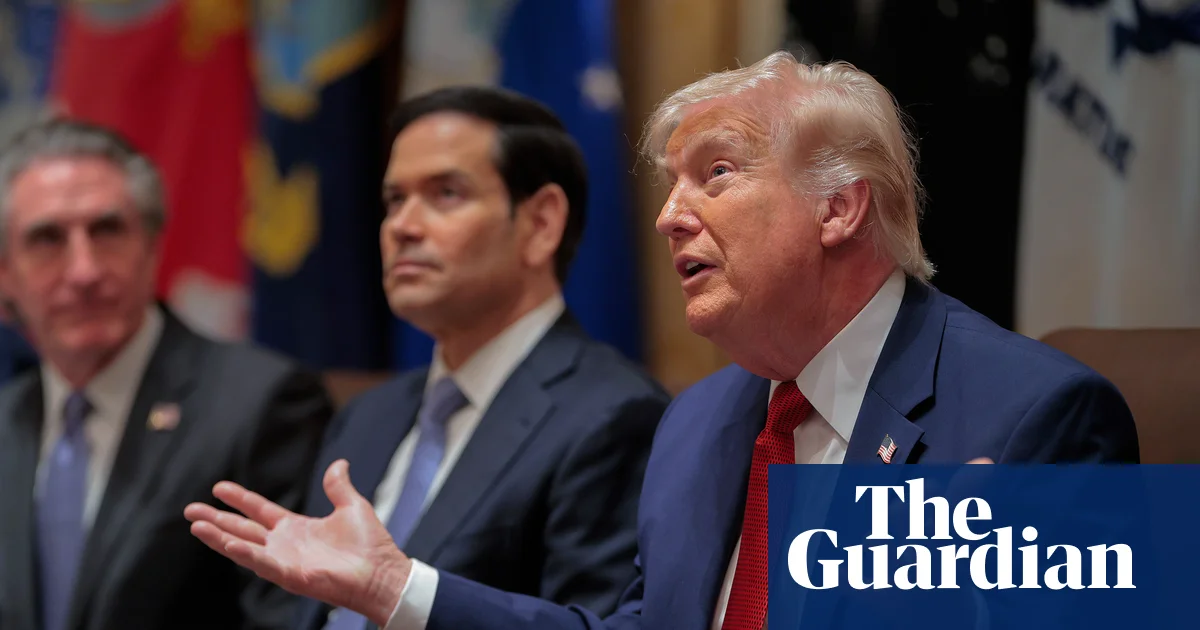
The recent developments in the Middle East signal a pivotal turn in international geopolitics, with United States President Donald Trump extending his deadline for Iran to reopen the strategic Strait of Hormuz. This vital waterway, through which approximately 20% of global oil passes, has become a battleground in a conflict that threatens to destabilize the world’s economic center of gravity. Trump’s decision to pause the destruction of Iran’s energy infrastructure, citing ongoing negotiations, underscores the precarious balance of power and the high-stakes diplomacy at play. Yet, analysts warn that behind this diplomatic veneer lies an escalation of military posturing, with thousands of U.S. troops poised to seize strategic nodes such as Kharg Island, Iran’s principal oil export hub, signaling a possible shift toward open conflict.

Significant strikes by Israel and the U.S. against Iranian military and naval targets—most notably the elimination of the Revolutionary Guards’ naval commander, Alireza Tangsiri—highlight an aggressive effort to dismantle Iran’s maritime capabilities. Administrators such as Adm Brad Cooper have claimed that these actions are barometers of irreversible decline for Iran’s naval strength, yet Iran continues its retaliatory assaults by missile and mine attacks, demonstrating its resilience and capacity for asymmetrical warfare. Meanwhile, Israel contends with missile interceptions in Jerusalem and Tel Aviv, illustrating how regional conflicts are entangling a host of nations beyond the primary adversaries. This broadening of hostilities raises urgent questions about how decisions made today will shape the geopolitical architecture of the Middle East for generations to come.

Diplomacy and Deterrence in a Widening Conflict

Despite the ongoing military escalation, diplomatic efforts persist—albeit amidst deep skepticism. Trump’s administration has proposed a 15-point framework through Pakistan, purportedly offering Iran a pathway to end its nuclear aspirations and regional provocations. However, Iran’s officials dismiss these overtures as “one-sided and unfair,” demanding not only an end to US and Israeli attacks but also reparations and recognition of their sovereignty over the Strait of Hormuz. Such demands, coupled with Iran’s insistence that its defense is justified, reflect the profound divergence in perceptions and intentions that hinder meaningful resolution. According to historians and foreign policy analysts, this discord underscores a reality where dialogue remains fragile, and the risk of miscalculation is dangerously high at a moment when the world watches with bated breath.

Adding to the volatility, the U.S. has bolstered its military presence, risking a broader confrontation that could ignite regional proxy wars. The potential for a ground invasion, particularly targeting Iran’s strategic ports, looms as a dark cloud over the Gulf, with Ali Bahreini, Iran’s envoy to the UN, warning of grave consequences. Meanwhile, Yemen’s Houthis, allied with Iran, have signaled their willingness to retaliate by attacking Red Sea shipping—an economic artery vital to global commerce. These intertwined conflicts threaten to draw more nations into a regional maelstrom, transforming localized skirmishes into a global crisis with far-reaching consequences.

Unfolding History and the Weight of Decisions

As the world teeters on the brink of a broader war, international organizations like the United Nations attempt to serve as mediators, but their influence is waning in the face of aggressive posturing and national self-interest. The death toll, now surpassing 1,900 in Iran and causing mass displacement in Lebanon, signals the human cost of this burgeoning conflict. Leaders in both Washington and Tehran trade warnings with veiled threats, each side prepared to escalate further if the other’s red lines are crossed. In this volatile chess game, every move reverberates across continents, altering geopolitical balances and societal structures. The weight of history, with all its lessons and tragedies, hangs heavy in the balance—yet the story remains open, unwritten, with every day bringing new moves that could either restore peace or plunge the world into chaos.

Resident Doctors in England to Strike for Six Days Over Pay Dispute

As resident doctors in England prepare to embark on a six-day strike following Easter, a stark reminder emerges of the growing fractures within our society’s public health infrastructure. The ongoing dispute, centered on fair compensation, career progression, and respect for medical professionals, underscores deeper societal issues—namely, how economic hardship and demographic shifts threaten the stability of communities, the future of our families, and the integrity of our institutions. The British Medical Association (BMA) blames the government for initiating this long, sustained protest, marking the 15th industrial action by resident doctors since 2020—a clear indication of mounting dissatisfaction among the workforce entrusted with our nation’s health.

This strike signifies more than a labor dispute; it reveals the erosion of trust in vital public institutions that underpin the fabric of our society. The NHS, traditionally regarded as the crown jewel of universal healthcare, faces the ripple effects of these disruptions. NHS leaders warn that cumulative costs of the strike could reach £300 million, a figure that reflects the unsustainable pressures on both the system and the communities it serves. Patients are forced to endure longer waits for tests, treatments, and surgeries—an unspeakable sacrifice affecting families already navigating financial and emotional stresses. Such systemic strains, sociologists say, threaten to widen the gap between those with resources and those without, fueling social divides that challenge our collective commitment to fairness and societal cohesion.

The core issue of the dispute revolves around salary restoration and career advancement. The government proposed a deal aimed at providing more frequent and fairer pay increases, acknowledging the long-standing erosion of real-term salaries since 2008-09; however, the stubborn resistance and differing interpretations of how to implement the pay rise have stymied progress. Dr. Jack Fletcher, head of the BMA’s resident doctors committee, explains that recent negotiations unraveled over the period in which the increased funding would be disbursed—a dispute that goes to the heart of how public trust in fairness and transparency can be maintained. The government’s insistence on spreading pay increases over three years, versus doctors’ demand to receive these funds upfront, reflects broader societal tensions around preferences for immediate justice versus gradual change. As sociologists note, these disagreements aren’t merely about money—they symbolize a contest over respect for professions and the societal value placed on those who serve us in our most vulnerable moments.

Ultimately, the ongoing strike exposes societal vulnerabilities rooted in economic disparities, demographic changes, and cultural shifts. With families bearing the brunt of delayed healthcare, and communities watching healthcare standards ebb away, the challenge is clear: **how do we rebuild trust and ensure fair treatment for those who care for us?** As historians observe, the story of societies constantly battling with issues of fairness, opportunity, and respect is ongoing—labor unrest is often a mirror reflecting deeper moral questions. Yet, hope persists. Constructive dialogue, renewed recognition of healthcare workers’ dignity, and targeted reforms can guide society toward a future where families, communities, and institutions work hand-in-hand for stability and growth. Society’s enduring strength lies in its ability to adapt, learn, and ultimately, transform—turning this moment of crisis into a catalyst for genuine renewal.

NHS Ignored Kent Meningitis Threat for Two Days, Report Reveals

The recent meningitis outbreak in East Kent has once again illuminated the essential role of swift governmental response in safeguarding public health. Initially detected at the Queen Elizabeth the Queen Mother Hospital in Margate, the outbreak served as a stark reminder of the dangers posed by delays in incident reporting. Despite the hospital’s internal recognition of the risks, their decision to wait for a confirmed diagnosis before alerting UKHSA potentially hampered timely intervention. According to Dr. Des Holden, acting chief executive of East Kent Hospitals NHS Trust, officials could have acted sooner, exemplifying a common pitfall within bureaucratic health responses that often prioritize confirmation over immediacy. This hesitation, critics argue, underscores how delays in notifying international health agencies can slow down crucial preventative measures, such as the administration of antibiotics to close contacts or the deployment of targeted vaccination campaigns.

Most concerning is the tragic loss of life—two students, including Juliette Kenny, an 18-year-old described by her family as “fit, healthy, and strong,” fell victim to the disease. The outbreak peaked on 13 March, with 29 cases initially reported. As of recent reports, confirmed cases have decreased slightly to 23, yet the underlying threat remains. International institutions, such as WHO, often emphasize the importance of early detection and rapid response—mandates that local health authorities failed to fully implement during this crisis. The delays highlight a classic case study of how bureaucratic inertia and communication gaps can turn localized health issues into broader crises, especially in densely populated university environments where close contact accelerates transmission. Such events spark widespread debate among health analysts and historians, who warn that, without systemic reform, similar outbreaks could become a recurring threat amid ongoing global health challenges.

In the geopolitical context, the outbreak in Kent showcases the vulnerabilities of national health security in a world increasingly interconnected by travel and migration. Britain‘s response, including the rapid vaccination campaign starting on March 18 and the distribution of over 10,000 vaccines, underscores a critical lesson: preparedness and swift action remain paramount in containing infectious diseases. Yet, critics argue that the initial response was sluggish, exposing cracks in the UK’s public health infrastructure that could be exploited by both natural outbreaks and biological threats. Analysts suggest that these safety gaps weaken the overall resilience of nations and allow geopolitical rivals to exploit perceived weaknesses. Furthermore, the moral dilemma faced by health authorities—balancing process with urgency—reflects broader challenges faced by governments tasked with protecting their citizens amidst unprecedented health crises.

As the global community watches, the Kent meningitis outbreak acts as a stark reminder that history’s lessons remain ever-present: early detection, decisive action, and transparency are not just administrative ideals but vital components of national security. The cost of delay, exemplified by the loss of youthful lives, echoes through the corridors of history, warning future administrations that the true measure of a nation’s strength lies not just in its military might or economic power but in its capacity to safeguard the health and vitality of its people. The unfolding story in Kent is a chapter yet to be fully written—a testament to how urgent decisions, or the lack thereof, shape the course of history and define the resilience of societies under threat.

Australia Politics: NSW Targets Illegal E-Bikes; Kate Chaney Demands Action After 1,000 Days of Gambling Ad Ban Delay

As the world navigates an era of rapid technological and geopolitical change, recent developments underscore the escalating tension between national sovereignty and international influence. Australia’s internal debates about the regulation of emerging technologies and societal issues serve as a microcosm of broader global dynamics. Key actions taken by the NSW government to crush illegal e-motorbikes, including seizing and crushing high-powered ebikes, reflect not merely a local safety initiative but also a cautious pushback against the unchecked proliferation of autonomous and potentially hazardous personal transport devices. This legislative move exemplifies a conservative approach aiming to safeguard public safety and societal order amid surging injuries and chaotic incidents, like the swarm of bikes on the Sydney Harbour Bridge.

Meanwhile, Australia’s domestic policy debates extend into the digital realm and societal health, revealing a nation grappling with the consequences of technological innovation and unchecked commercial influence. The Australian Medical Association has boldly warned that online gambling is causing “immeasurable harm” to Australian families, highlighting a troubling gap in governmental action. Despite a landmark report from late Labor MP Peta Murphy calling for a comprehensive ban on gambling advertisements, over 1,000 days have passed without meaningful legislative response, fueling frustration among progressive advocates and policymakers like independent MP Kate Chaney. Her push for a progressive bill to ban online gambling ads on all platforms over three years underscores the urgency for decisive action, reflecting a broader societal demand for protecting vulnerable populations—especially children—from predatory practices that profit from harm.

Internationally, this internal discord and regulatory inertia resonate across geopolitical borders, as the European Union inches closer to finalizing a landmark free-trade agreement with Australia. The EU’s engagement, led by Ursula von der Leyen, signals a rapprochement that could reshape economic alliances, but not without the strategic and political pressures all nations face. Simultaneously, the global energy crisis, described by Fatih Birol, head of the International Energy Agency, as “the greatest threat in history,” highlights a universe where energy security and access to affordable fuel become central battlegrounds. Australia’s military and foreign policy actors are feeling the heat as regional tensions with the Middle East escalate, adding fuel to an already tense international climate that demands firm national policies and strategic foresight.

In this ongoing saga of national resilience and international influence, the weight of history presses heavily. Leaders and citizens alike find themselves cast adrift in a sea of emerging threats and opportunities, with decisions made today echoing through generations. Will they stand firm in defending sovereignty, safety, and social cohesion? Or will economic interests and global pressures erode their resolve? As Australia and other nations chart their courses, the unfolding story remains one of profound consequence—one that defines the very fabric of their societies and the legacy they leave behind. The nexus of policies on AI, public health, safety, and international diplomacy paints a complex tableau; one, perhaps, where the true battle is for the soul of the nation.

Top 20 Budget-Friendly Outdoor Gear Picks from REI’s Member Days Sale

REI’s Seasonal Sale Highlights Shifts in Consumer Tech & Outdoor Innovation

As the digital economy continues to reshape traditional retail frameworks, REI’s latest promotional event underscores the strategic integration of innovative gear and tech into consumer lifestyles. Running through March 23rd, this exclusive sale leverages membership incentives, offering discounts on cutting-edge Garmin watches, portable outdoor stoves, and rugged tents—an indication of the increasing convergence of outdoor adventure with high-tech innovation. This market shift toward digitally integrated outdoor gear signals a broader trend driven by rising demand among youthful consumers eager for both adventure and connectivity.

Such initiatives are more than just sales; they reflect a fundamental disruption in how companies engage with target demographics. As noted by industry analysts from Gartner, the emphasis is shifting towards personalized, loyalty-oriented marketing approaches that integrate digital membership strategies. REI’s offering of a 20% discount on select items with promo code MEMBER26 exemplifies this shift and underscores the importance of seamless online-to-offline experiences in maintaining competitive advantage. The move to exclusive deals tailored for members also exemplifies how these retailers are harnessing market segmentation to maximize customer retention and lifetime value—an approach heavily endorsed by business strategists like Peter Thiel.

The rise of digitally-native retail strategies aligns with a larger movement of disruption in traditional brick-and-mortar retail models. This is not limited to outdoor gear, but extends to broader sectors where tech-savvy consumers seek innovative, smart products. Companies like Garmin and others are racing to develop wearables that offer nuanced health tracking, navigation, and even environmental sensing. Such developments position these firms at the vanguard of a new consumer frontier: blending physical adventure gear with IoT, AI, and real-time data analytics. This convergence promises to exponentially increase the value proposition for users while forcing incumbents to innovate or cede ground in a fiercely competitive landscape.

Looking forward, industry experts warn that these trends will accelerate as advances in AI and machine learning fuel the development of even smarter outdoor gear and retail platforms. According to MIT’s latest research, the next wave of disruption will come from the integration of cloud native technologies with consumer products, creating a new ecosystem of connected devices and personalized experiences. Whether it’s through AI-enhanced product design or immersive online shopping experiences, the message is clear: the pace of technological innovation will determine which players survive and thrive in this rapidly evolving market. As consumer expectations shift toward intelligent and highly personalized products, businesses that leverage cutting-edge technology now will have a distinct advantage in the race for future dominance.

In conclusion, the reopening of summer markets and the timing of these retail innovations underscore a pivotal moment for industry stakeholders. As Elon Musk has emphasized, “Disruption is inevitable; companies must adopt a futurist mindset to stay ahead.” The integration of advanced wearable tech, AI-driven personalization, and member-centric marketing strategies signifies a new era of agile, innovative business models that will define the next decade. For young consumers and forward-thinking companies alike, the imperative is clear: adapt swiftly, embrace technological change, and lead the charge into a more connected, intelligent, and disruptive future.

Top Outdoor Gear Deals for Young Adventurers: REI Member Days 2026

Outdoor Gear Industry Transformed: How Innovation and Market Disruption Drive Business Evolution

In an era marked by rapid technological advancement and consumer-driven disruption, the outdoor gear industry is experiencing a seismic shift. Major players like REI are leveraging innovative sales strategies—exemplified by their multi-year Member Days events—to foster loyalty while simultaneously transforming the retail landscape. This approach not only disrupts traditional margin models but also showcases how digital engagement and exclusivity can act as catalysts for business expansion. As analyst firms such as Gartner highlight, the retail ecosystem is increasingly gravitating toward experiential and community-centered initiatives, blending online and off-line channels for maximal impact.

The elevation of product innovation is vividly demonstrated through groundbreaking gear offerings. For example, Big Agnes’s Copper Spur HV UL Tent redefines ultralight shelter with its minimalist design, weighing just 2 pounds 10 ounces, yet delivering uncompromised stability and livability. Such advancements exemplify the industry’s move toward disruption, emphasizing weight reduction without sacrificing durability. Similarly, Therm-a-Rest’s NeoLoft Sleeping Pad offers a revolution in sleep comfort, combining lightweight portability with rugged durability—an essential shift indicating that industry players are now prioritizing multifunctionality and efficiency in product development. These innovations serve as strategic business differentiators, setting new benchmarks aligned with the changing demands of tomorrow’s outdoor enthusiasts.

Business implications of this innovation surge are profound. The competitive landscape is shifting towards agile brands capable of rapid product iteration. Companies like REI Co-op are capitalizing on this trend through exclusive deals and strategic partnerships, making the marketplace a hub for high-value, limited-availability items—such as Yeti’s Hopper Flip 8 Cooler and Sea to Summit sleeping pads—that cater to the burgeoning ultra-light, high-performance camping segment. The trend signifies a rising market dominance of brands that successfully blend innovation, sustainability, and community engagement. Industry giants and startups alike are now recognizing that disruption is no longer optional—it’s imperative for survival and growth in a fiercely competitive environment.

Looking ahead, the landscape suggests a future where disruption will accelerate through emerging technologies such as smart gear, eco-friendly materials, and AI-driven personalization. This momentum compels industry stakeholders to act with urgency, investing in R&D and digital transformation to stay ahead. As Elon Musk and venture capitalists like Peter Thiel emphasize, fostering a culture of relentless innovation is essential to capture the value of industry-wide disruption. For young entrepreneurs and established players alike, the message is clear: the next wave of market leadership hinges on embracing innovation and disruptive business models—those who adapt swiftly will shape the future, while the rest risk obsolescence.

In conclusion, the outdoor gear sector exemplifies a broader trend: innovation and disruption are now fundamental to industry evolution. With new products redefining performance standards and strategic marketing reshaping customer relationships, those willing to push boundaries will dominate the next generation of outdoor pursuits. The urgency is unmistakable—businesses that prioritize agility, innovation, and community are poised to lead this dynamic transformation into an unpredictable yet promising future.

Iran's regime remains standing—stay tuned to see if it can hold firm in the coming days.
Iran’s regime remains standing—stay tuned to see if it can hold firm in the coming days.

In a time of escalating tension*, Iran finds its leadership deeply engulfed in a crisis of both confidence and security. As US and Israeli strikes persist in targeting strategic sites across Iran, the country’s political and military elites grapple with mounting pressure to maintain stability amidst an uncertain international landscape. This unfolding scenario underscores the profound geopolitical impact of external intervention and the delicate dance of diplomacy in a region fraught with historical grievances and current conflicts.

For years, Iran has been at the center of global strategic calculations, often viewed through the lens of its contentious nuclear program and regional influence. The recent surge in military actions, however, marks a turning point that could redefine regional power dynamics. Analysts from the International Crisis Group and seasoned historians recognize that Iran’s leadership faces a critical juncture, where the decisions made today will ripple through decades to come. These strikes aim to hinder Iran’s nuclear ambitions but also risk provoking a broader conflict, with the potential to destabilize the Middle East further and challenge international norms.

The crisis extends beyond tangible military targets, touching the very fabric of Iran’s societal foundations. Iranian officials are under enormous strain as they seek to project an image of resilience and control, even as internal dissent simmers beneath the surface. Leadership in Iran is acutely aware that their response could either bolster national unity or deepen divisions, all while navigating a complex web of international alliances and enmities. The ongoing strikes serve as a stark reminder of how external actors can influence internal politics, with consequences that resonate across borders and generations.

  • US and Israel assert that their actions aim to prevent Iran from acquiring nuclear weapons, maintaining that such measures are necessary for regional security;
  • Iran claims that these strikes are acts of aggression that violate sovereignty and threaten regional stability;
  • International organizations, including the United Nations, have called for de-escalation, but their influence remains limited amidst escalating tensions;
  • Historic developments, as noted by analysts, suggest that these military actions could accelerate Iran’s pursuit of strategic autonomy, potentially spawning new alliances or rivalries.

As this saga continues to unfold, the geopolitical landscape remains precariously balanced on the edge of a precipice. The decisions made by Iran’s leadership in the coming days will not only shape their nation’s trajectory but also influence the broader quest for stability and influence in a tumultuous region. History’s pen remains poised, poised to record whether this moment sparks the dawn of renewed conflict or the cautious emergence of a fragile peace.

Trump threatens strikes, demands Iran’s deal within 15 days — US warns Tehran

Rising Tensions and Strategic Movements: US Preparedness in the Middle East

In a clear demonstration of shifting geopolitical tides, the United States has amassed an unprecedented military presence in the Middle East. The deployment of the USS Abraham Lincoln aircraft carrier, along with an entire strike group equipped with F-35 Lightning IIs and F/A-18 Super Hornets, signals a readiness to escalate military options against Iran. For nearly a month, these naval forces have operated in the Arabian Sea, indicating a deliberate strategic posture aimed, analysts suggest, at exerting maximum pressure on Iran. Complementing this buildup, a second carrier, the USS Gerald R Ford, has been positioned in the Atlantic near Morocco, scheduled to traverse the Strait of Gibraltar en route to the eastern Mediterranean—a move that signals a potential for sustained air campaigns against key targets.

This military reinforcement coincides with recent comments by Donald Trump, publicly asserting a two-week ultimatum for Iran to negotiate on its nuclear program. Sources reveal that high-level discussions in Washington have circled around not only limited strikes targeting military or governmental sites but also the possibility of larger-scale operations aimed at dismantling Iran’s nuclear capabilities or even precipitating regime change. Military strategists within the Pentagon have emphasized that these carrier strike groups could generate “several hundred strike sorties a day for weeks,” exceeding even the intensity seen during the brief 12-days war in the Gulf. The precise intentions remain under wraps, yet the message to Tehran is unmistakable: the U.S. is prepared for a decisive escalation if diplomatic efforts falter.

Global Repercussions and the Balance of Power

The geopolitical impact of this military posturing extends far beyond regional borders. Historically, the presence of such formidable naval forces signifies more than mere deterrence; it signals America’s unwavering commitment to safeguarding its strategic interests and allies, particularly Israel. According to analysts from institutions like the Institute for the Study of War and the American Enterprise Institute, the deployment of forces—combined with intelligence movements such as the transfer of six E-3 Sentry Awacs aircraft to Prince Sultan Airbase in Saudi Arabia—indicates a readiness to launch an extensive aerial campaign. This potential for rapid escalation could destabilize the region further, risking wider conflict or drawing previously uninvolved nations into the swirl of wartime politics.

Notably, some military experts warn that the mere show of force might inflame tensions rather than resolve underlying issues. Several senior analysts contend that, given Iran’s robust underground facilities and asymmetric warfare strategies, conventional bombing could prove less effective and more destructive of regional stability. Yet, the Biden administration’s continued military buildup, reminiscent of the post-Iraq invasion surge, hints at an underlying resolve to influence Iran’s nuclear trajectory through maximum pressure. The broader geopolitical ripple effect will likely be felt across energy markets, NATO alliances, and the global balance of power, as nations recommit to the narrative of American dominance and interventionism.

Historical Warnings and the Fragile Path Forward

According to historians and diplomatic experts, the prolonged cycle of threats and military movements carries profound warnings. Since the 2003 Iraq conflict, the Middle East has been a theater where power decisions ripple into prolonged instability—consequences that nations and societies continue to grapple with. The current show of force, framed by some as a “prelude to conflict,” echoes Cold War dynamics and raises questions about the efficacy of military solutions in a complex geopolitical landscape. International organizations have urged restraint, concerned that an ill-judged attack could unleash chaos, destabilize nuclear negotiations, and threaten global energy supplies.

As the world watches the unfolding drama, the weight of history remains heavy on the horizon. Whether diplomatic negotiations will succeed or whether the specter of war will deepen, the decisions made today could define an era. With each carrier deployment and political declaration, a new chapter in the ongoing contest for influence is written—one where the boldest actions might yet carve a scar on history’s fabric, a reminder that in international politics, peace is often a fragile vessel, easily shattered by the weight of impending war.

Social Media Auto Publish Powered By : XYZScripts.com