Matox News

Truth Over Trends, always!

Russian missile hits Kharkiv residential building, leaving seven dead

In a recent development amid the ongoing conflict within Ukraine, President Volodymyr Zelensky announced that ten individuals, including children, have sustained injuries after fresh hostilities. Rescue efforts remain ongoing as emergency responders sift through the rubble of recent strikes, highlighting the persistent toll on civilians caught in the crossfire. This incident underscores how the turmoil initiated by the escalation in Ukraine continues to ripple through local communities, devastating lives and stressing the country’s fragile infrastructure.

The current situation illustrates the geopolitical impact of the escalating conflict, which has drawn sharp international concern and intensified divisions among major world powers. Western nations, led by the United States and European Union, have expressed unwavering support for Ukraine, providing military aid and sanctions aimed at pressuring Russia. Conversely, Moscow maintains its narrative of defending its strategic interests, claiming that recent military actions are necessary responses to NATO’s eastward expansion—an assertion that continues to deepen the global divide. According to analysts from institutions such as the Council on Foreign Relations, these developments risk further destabilizing an already volatile region, with the potential to ignite broader confrontations.

Historically, the Russia-Ukraine conflict serves as a reminder of how local disputes can rapidly escalate into larger geopolitical crises. Many international observers and historians warn that without a diplomatic breakthrough, the consequences could reverberate well beyond Eastern Europe. The United Nations has issued cautious calls for restraint, but their influence remains limited amidst the complex web of alliances and strategic interests. The ongoing violence, and incidents like the recent injuries reported by President Zelensky, emphasize how governments and societies face the persistent threat of escalation, which could threaten global stability and reshape the boundaries of international diplomacy.

As the world watches, the narrative of this crisis remains unwritten, its chapters being shaped by decisions made in capitals across the globe. The collision of national interests, historical grievances, and ideological divides continues to threaten the fragile peace of the international order. With each injured civilian and each destroyed home, the story of Ukraine unfolds as a stark reminder of how history’s most consequential conflicts are often decided not in grand halls of diplomacy alone, but in the quiet rubble-strewn streets where everyday lives are forever altered. Humanity stands at a crossroads—whether to seek peace or be consumed by a conflict that many fear could ignite a broader global confrontation, with the weight of history still looming large in the uncertain days ahead.
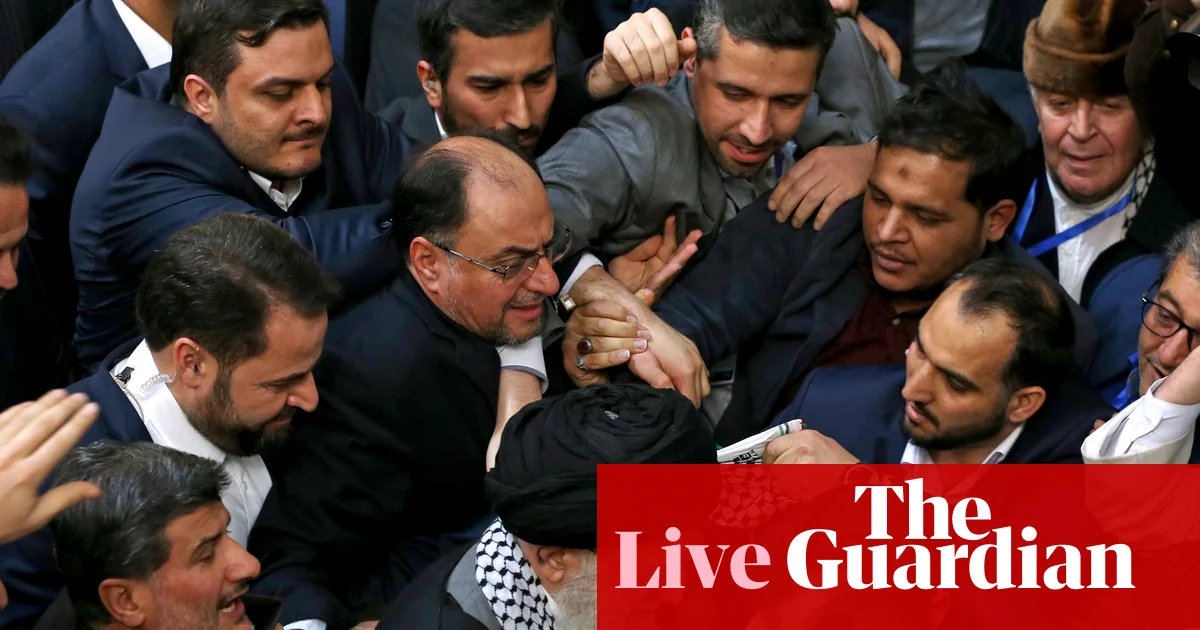
Breaking: Reports Claim Ayatollah Khamenei Dead Amid US-Israel Tensions with Iran

The geopolitical arena has reached a volatile flashpoint following revelations of a severe escalation in Iran. Iran’s Revolutionary Guards declared intentions to unleash the “most ferocious” operational assault in its history against US and Israeli military targets, signaling a dramatic shift in the Middle East’s longstanding regional tensions. This declaration coincides with an unprecedented wave of missile and drone strikes across Iran, which have already resulted in over 200 civilian casualties, according to Human Rights Activists News Agency. The ripple effects are cascading through international relations, raising questions about future stability and the potential for a broader conflict that could threaten global peace.

In an extraordinary turn of events, reports suggest that Iran’s supreme leader, Ali Khamenei, has been killed amidst the ongoing chaos, with claims originating from US President Donald Trump and later corroborated by Iranian state media. This sudden vacuum of power portends a perilous period of political uncertainty, reminiscent of Iran’s struggles post-1989, when the death of Khomeini triggered a reconfiguration of its leadership. The Assembly of Experts is under intense pressure to rapidly select a successor, and the interim leadership council, appointed to manage operations temporarily, faces mounting dependencies amid a rapidly evolving crisis. Such shifts threaten to destabilize Iran’s fragile political order and could embolden radical factions, increasing the likelihood of unrestrained military escalation.

The geopolitical impact of these developments extends beyond Iran’s borders. Iran’s retaliatory strikes across six countries, including a missile attack that wounded 22 in Tel Aviv and fires on the iconic Burj Al Arab and Fairmont hotel in Dubai, have pulled regional alliances—and their undercurrents—into sharp focus. Meanwhile, UAE forces intercepted the majority of over 130 missiles launched at their territory, yet at least one person was killed at Abu Dhabi’s Zayed International Airport. How nations respond to Iran’s upheaval will define the Middle East for decades to come. The broadest concern among global strategists is how this chaos influences the already delicate balance between power and diplomacy, especially as China urges restraint and respect for Iran’s sovereignty, warning against further escalation. The U.N. Security Council’s emergency session underscores the urgency for immediate de-escalation, yet the deeply entrenched interests and conflicting alliances suggest that this crisis could spiral into an unstoppable chain of events.

This unfolding chapter signifies more than just regional conflict; it exemplifies a pivotal moment where decisions made today could forge the world’s future landscape. As Western powers grapple with supporting their allies and maintaining stability, Russia and China are positioning themselves as defenders of sovereignty, challenging the prevailing narrative of interventionism. The divide widens with the United States’ Republican factions overwhelmingly endorsing the attack, contrasted sharply by Democratic voices condemning the aggression as unlawful. Such divisions within the U.S. reflect broader debates about the very nature of American foreign policy and its enduring role on the world stage.

In the shadow of this turmoil, the echoes of history command attention. The world stands at an uneasy crossroads, where the choice between reconciliation and conflict could either usher in a new era of diplomacy or plunge the Middle East—and perhaps the global order—into chaos. The fires ignited by Iran’s leaders, and the fateful power vacuums now forming, threaten to etch this tumult into the annals of history. As nations brace for the long shadows of war, the weight of these defining moments remains heavy upon the shoulders of all — a reminder that in the theater of geopolitics, peace is often but a fragile illusion, easily shattered beneath the weight of power and ambition.

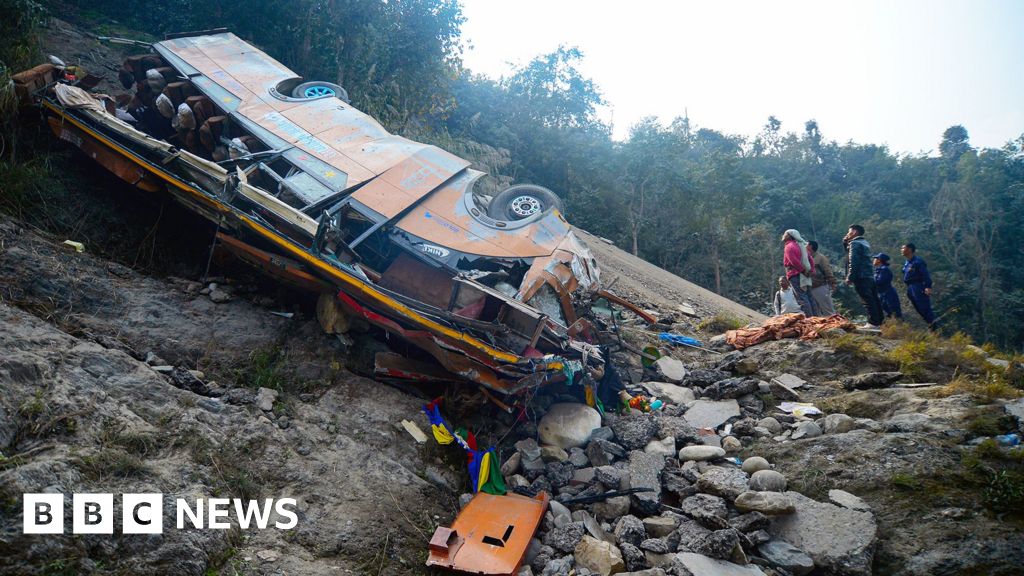
Brit teen among 19 dead in Nepal bus tragedy

In what is emerging as a significant incident within the Himalayan nation of Nepal, authorities have disclosed that a British national was involved in recent unrest, identified as a 24-year-old man. While details remain under investigation, this development underscores the growing complexities of international involvement in Nepal’s fragile security landscape, as well as broader geopolitical sensitivities in South Asia. As Nepal navigates its path amid regional tensions and internal challenges, the presence of foreign nationals caught in such incidents raises questions about foreign influence and security protocols in this strategically crucial country.

The incident comes at a time when Nepal is closely scrutinized by major international players, especially in the context of its relationships with neighboring India and China. Analysts point to Nepal’s dual pursuit of balanced diplomacy in a region marked by strategic rivalry, with international organizations like the United Nations urging caution and stability. The involvement of a foreign citizen has sparked concerns about potential foreign interference, especially given the country’s geopolitical importance as a buffer state between two rising superpowers. The Nepalese government’s response will be pivotal in maintaining national sovereignty while managing external pressures that threaten to destabilize a nation still recovering from decades of internal political upheaval.

International political analysts emphasize the symbolic weight of such incidents in shifting perceptions about Nepal’s security environment. According to seasoned scholars, this particular event highlights how foreign nationals can inadvertently become pawns or catalysts in larger geopolitical chess games. Furthermore, reports from leading agencies suggest that incidents involving foreign citizens often serve as flashpoints for diplomatic standoffs or policy recalibrations, with repercussions felt across diplomatic corridors in Kathmandu and beyond. The United Kingdom, in particular, has expressed concern over the safety and treatment of its nationals, urging Nepal authorities to conduct thorough investigations while reaffirming their commitment to international cooperation.

  • The Nepalese police have released limited information, confirming that the individual was a 24-year-old British citizen, whose motives and background are under review.
  • Diplomatic channels are activated, with the British embassy monitoring the situation and engaging with local authorities.
  • International observers underscore the importance of transparent investigations to prevent escalation or the misconception of hostile intent.
  • Experts warn that unresolved incidents like these could undermine Nepal’s fragile political consensus and regional stability.

As Nepal stands at this critical juncture, history reminds us of the profound weight such seemingly isolated events can carry. The decision of how to handle this incident—whether through diplomatic finesse, robust security measures, or international cooperation—will resonate far beyond its borders, influencing regional alliances, foreign policy, and domestic stability. The stakes are high, and the trajectory of Nepal’s future remains woven into the larger narrative of geopolitical competition and security. This unfolding chapter leaves the world to watch nervously, as the delicate fabric of Himalayan peace is tested once again, revealing that in the theater of international relations, today’s incident could very well be tomorrow’s defining moment.”

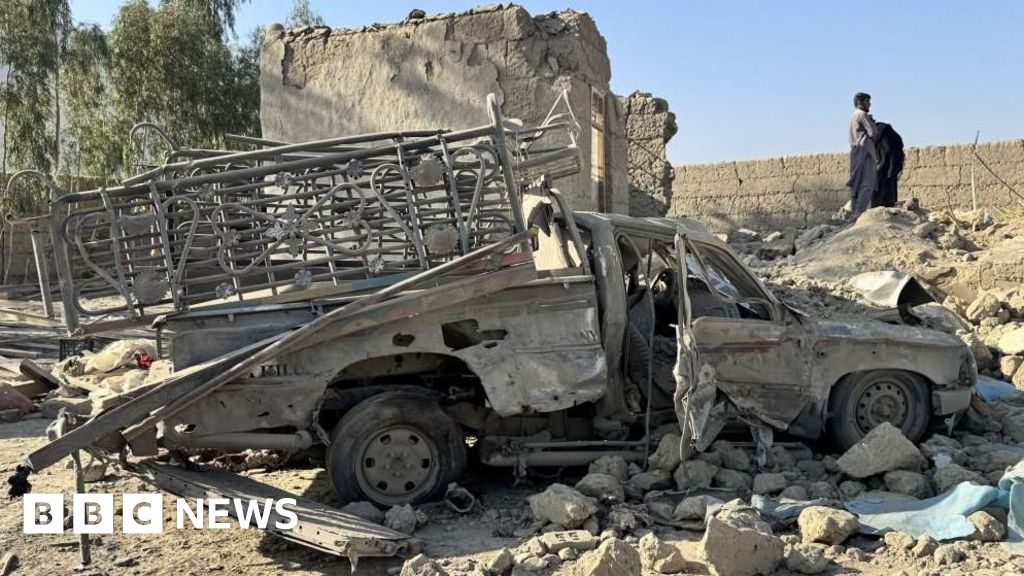
Pakistan strikes Afghanistan; Taliban reports dozens dead amid rising tensions

In a swift and forceful response, Pakistan announced that its military conducted targeted strikes in regions they allege harbor insurgents responsible for recent terrorist activities. The Pakistani government characterized these actions as an act of retaliation for the devastating suicide bombings that recently struck the nation. This escalation highlights the ongoing and deeply complex security challenges faced by South Asian nations amidst rising extremism and unresolved regional tensions.

According to statements from Pakistani authorities, the military launched air and ground operations ostensibly aimed at dismantling militant hideouts in border areas adjacent to Afghanistan. These operations underscore the persistent instability within Pakistan’s tribal regions, where militants often take refuge and orchestrate attacks across the border. Analysts note that Islamabad’s calculus appears rooted in a desire to project strength and deter future assaults, while critics warn of the risk of broader escalation in a volatile geopolitical landscape.

This confrontation has significant geopolitical impact, as regional powers watch closely, wary of the potential for renewed conflict to spill beyond national borders. International organizations, including the United Nations and regional players like India, have expressed concern over the cross-border tensions. Historically, these areas have been a flashpoint for instability, complicating diplomacy and peace initiatives that seek lasting resolution. Experts argue that such military responses, while perhaps pragmatic or necessary from a security perspective, often risk intensifying a cycle of violence that hampers diplomatic progress.

Leading international analysts and academicians caution that, without comprehensive strategies addressing the root causes of militancy and socio-economic grievances, conflicts like these threaten to deepen divisions within societies and destabilize neighboring nations. The decision by Pakistan to escalate military action thus marks a pivotal moment, illustrating how countries under threat must balance the imperatives of security with the broader goal of stability. As history continually unfolds in this troubled region, the world remains captivated — and cautious — about whether this cycle of violence will eventually give way to dialogue or descend further into chaos.

Man arrested after stabbing in western Sydney leaves one dead, two critically injured

Emerging Security Concerns in Australia: A Reflection of Societal Underbelly

In the heart of Australia, a tragic incident has underscored the persistent issues of societal unrest and internal security threats. A man is in police custody after stabbing three individuals near a train station in Merrylands, a suburb of western Sydney. The attack resulted in one death and two critically injured victims, raising troubling questions about community safety and mental health. Authorities swiftly responded, and within moments, managed to apprehend the suspect on Smythe Street. This incident, while localized, echoes broader concerns about social fragmentation and security risks that are beginning to affect developed nations globally.

While the incident appears isolated, analysts argue that such acts of violence are symptomatic of deeper fissures within society—fissures that, if left unchecked, could exacerbate national insecurity. Some security experts warn that the rise in unpredictable violence could undermine public confidence in law enforcement and strain social cohesion. As Australia grapples with internal challenges, the incident raises profound questions about resilience, social policy, and the capacity of Western democracies to protect their citizens. How nations respond to these tragedies can shape their social fabric for generations, a point emphasized by international security think tanks.

Global Implications: Connecting Local Violence to a Broader Geopolitical Canvas

Such outbreaks of violence, while seemingly confined, have global repercussions. In an era where international stability depends on internal cohesion, the European Union, United States, and China watch incidents like this with keen interest. Historians and analysts highlight that domestic disturbances can weaken a country’s soft power, making its geopolitical stance more vulnerable. As international organizations like the UN reiterate the importance of social stability, the ripple effects of violence in Australia underscore the essential need for comprehensive internal security strategies aligned with national interests.

Furthermore, the incident amplifies concerns over how decisions made within global power corridors impact internal security policies in nations worldwide. Australia’s internal security policies, including community policing and mental health initiatives, are now under increased scrutiny, with some observers warning of the dangers of underfunding social safety nets. The shift in policy directions could resonate beyond Australia, influencing security frameworks elsewhere, particularly in regions vulnerable to internal dissent and violence.

Looking Ahead: The Weight of History and Societal Transformation

As the world observes and reacts to such tragedies, the question remains: how will societies adapt and evolve? The incident in Merrylands is more than a local tragedy; it is a stark reminder of a larger turning point in global security and societal resilience. Historians warn that the path nations choose in response to internal crises will define future generations. Will governments strengthen social cohesion or succumb to division? Will policymakers prioritize mental health and social safety, or neglect these issues in favor of superficial measures?

In this unfolding narrative, Australia’s ordeal becomes a symbol of the fragile boundary between order and chaos. The decisions made in the coming weeks will determine if this violence remains an isolated incident or a sign of something far more troubling brewing beneath the surface. As history continues to turn, the weight of unresolved societal tensions hangs heavy, threatening to reshape the geopolitical landscape in ways yet to be fully understood.

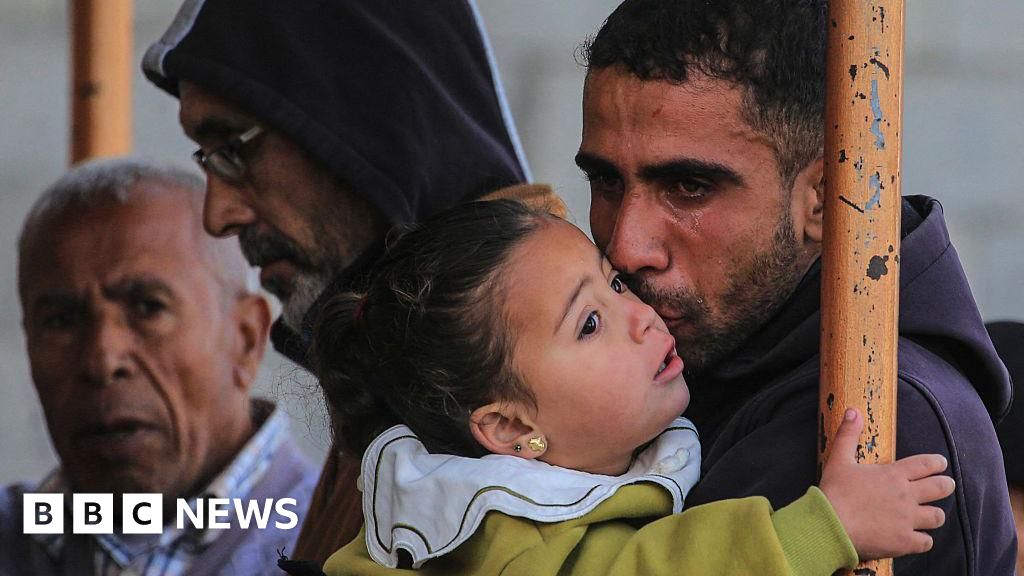
Eleven Dead in Gaza Strikes as Rescuers Respond

The Palestinian Red Crescent has reported a devastating incident in northern Gaza, where a strike on a tent encampment resulted in at least six fatalities. This tragic event underscores the ongoing volatility in the region, highlighting how seemingly isolated acts of violence continue to escalate an already dire humanitarian crisis. As the conflict persists, the implications extend far beyond immediate casualties, affecting the geopolitical stability of the Middle East and challenging the global community’s efforts to foster peace.

In recent days, international observers and regional analysts have been vocal about the destabilizing consequences of such attacks. Historical commentators warn that these incidents threaten to perpetuate a cycle of violence that risks drawing neighboring states into a broader conflict. Meanwhile, agencies like the United Nations have expressed concern over the worsening humanitarian situation, especially as evidence mounts of the profound suffering experienced by civilians caught in the crossfire. The targeting of civilian settlements, including the tent encampment, exemplifies the dangerous erosion of the norms that once aimed to protect non-combatants amidst warfare, further complicating peace prospects.

As the international community grapples with this latest escalation, key questions arise about the role of regional powers and international institutions in de-escalating tensions. Nations such as Egypt and Jordan have historically acted as mediators, but recent developments test their influence amid mounting violence. Meanwhile, the United States remains a pivotal player, balancing support for allies and advocacy for a resolution, while presses for a ceasefire that seems increasingly fragile. Some analysts argue that the current cycle of violence signals a turning point—where diplomatic efforts risk being overshadowed by irrevocable facts on the ground.

The geopolitical impact of these brutal incidents extends far beyond Gaza, resonating across the Middle East and echoing through global power dynamics. As regional alliances shift and superpower interests intersect, the perception of a resilient, if fractured, international order is tested. Countries like Iran and Turkey observe these developments closely, weighing their options in a complex chess game driven by ideological, strategic, and humanitarian considerations. These decisions will indelibly shape the future landscape of the Middle East, affecting millions of lives and the course of history itself.

Readers are left to confront the stark reality: the unfolding story of Gaza is but a chapter in a larger saga of struggle and sovereignty—a saga where every decision echoes across generations. As the world watches, the delicate balance of peace teeters perilously on the edge, hinting that this moment may define the course of history for decades to come—unless decisive action awakens a new hope amidst enduring chaos.

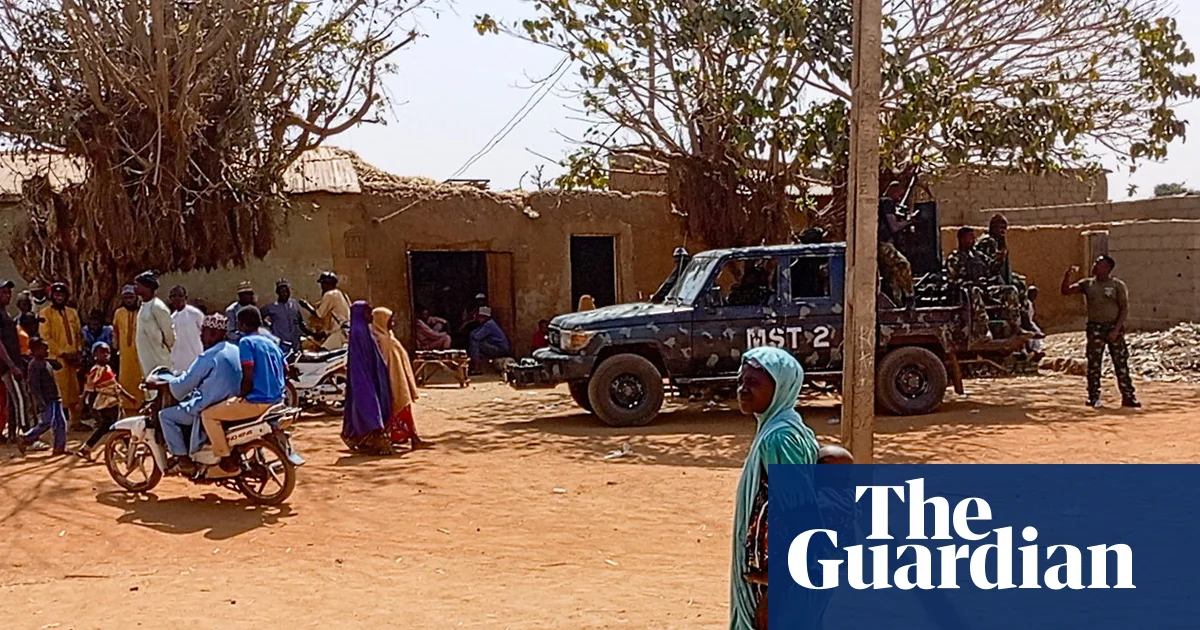
Northwest Nigerian Villages Hit Hard: 32 Dead in Underattack, Residents Report

The recent wave of violence in Nigeria signals a complex and deteriorating security landscape that is reshaping the geopolitics of West Africa. Early Saturday morning, armed assailants on motorbikes launched deadly raids on three villages in Niger State, claiming at least 32 lives and leaving destruction in their wake. These targeted communities—Tunga-Makeri, Konkoso, and Pissa—have become the latest battlegrounds in a series of brutal assaults by unidentified armed groups, often referred to as “bandits,” whose operations have stretched across northern Nigeria for months. The strategic location near the border with Benin Republic underscores the regional implications of this violence, as it threatens stability in neighbouring nations and complicates international efforts to contain the crisis.

The attack, characterized by indiscriminate gunfire, arson, and abductions, mirrors a broader trend of escalating violence that has overwhelmed Nigerian security forces. The perceived failure of local and federal authorities to restore order has alarmed international analysts and organizations, with the United Nations and African Union warning of the potential for wider destabilization. US government officials have accused Nigerian authorities of neglecting their duty to safeguard Christian communities, although the violence itself affects adherents of both faiths. In response, Washington has ramped up security cooperation with Nigeria, including targeted strikes against armed groups in recent months, marking a shift toward direct intervention in a sovereign territory—a move that risks further inflaming local tensions while reflecting the gravity of the threat.

Historians and security experts highlight that Nigeria’s insecurity is not merely a local issue but a mirror of broader regional instability. Analysts point to the proliferation of armed militias and the porous borders that facilitate the movement of fighters and illicit weapons. The current crisis demonstrates how unresolved governance issues, economic hardship, and ethnic tensions have created fertile ground for criminal groups to flourish. In these volatile conditions, the international community faces a vital decision: to bolster security partnerships and counter-terrorism efforts or risk a complete unraveling of Nigerian sovereignty and peace. As residents flee and villages lie in ruins, the continent’s future hangs in the balance, precariously shaped by decisions made in Nairobi, Brussels, and Washington.

With each passing day, the unfolding violence in Nigeria echoes as a stark reminder of how fragile peace remains in Africa’s most populous nation. As security forces scramble to contain the violence and international actors weigh their next moves, the question remains whether this surge in violence is merely the tip of the iceberg or a sign of more profound upheaval to come. One thing is clear: history is being written beneath the smoke and flames—history that narrates a struggle not just for stability but for the soul of a nation that, despite its wealth of resources and resilience, now teeters on the edge of chaos. The road ahead remains uncertain, and for the millions living in the shadows of conflict, each day is a test of endurance and hope amidst the chaos.

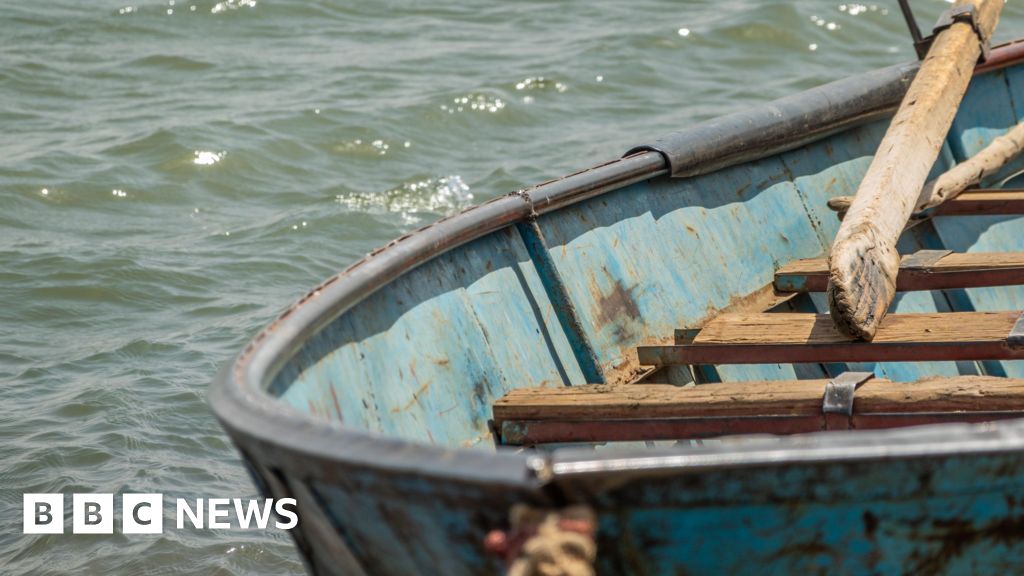
Tragic Loss: Over 20 Dead in Nile Boat Sinkings Amid Sudan Crisis

In a troubling development that has captured international attention, ongoing search efforts persist for the missing passengers of an unidentified incident, which tragically included children. While details remain sparse, the event’s ripple effects extend far beyond the immediate loss, highlighting the fragile state of regional stability and the profound impact on affected communities. Global institutions and nation-states are on high alert, emphasizing the importance of swift resolution and accountability.

As reports surface, the incident has reignited debates over border security, crisis management, and the geopolitical ramifications surrounding the involved regions. Analysts suggest that the event could serve as a pivotal moment, exposing deeper vulnerabilities within certain nations’ response capabilities and their international commitments. According to international observers—such as the United Nations and various regional security alliances—the case underscores a critical challenge: how to effectively respond to crises that are as complex and entwined as the geopolitical interests at stake. In particular, experts warn that failure to address these issues swiftly could lead to further instability, destabilizing not just the immediate area but potentially spilling over into neighboring nations.

Historian and geopolitical analyst Dr. James Carter notes that such tragedies tend to act as catalysts for broader shifts in diplomacy and policy. “When innocent lives—especially children—are lost in these incidents, it often galvanizes international efforts for change, yet it can also be exploited by opportunistic powers seeking to advance their agendas,” he explains. Meanwhile, the European Union and North American alliance networks have issued statements calling for increased humanitarian support and a transparent investigation. However, critics argue that geopolitical interests complicate efforts, with some nations reluctant to openly challenge regional powers that may be implicated in or responsible for further destabilization.

The geopolitical impact of this incident stretches beyond immediate rescue operations. It serves as a stark reminder of the high stakes involved in regional conflicts and their endurance as flashpoints for larger international disputes. The decisions made in the coming days—whether prioritizing humanitarian aid, diplomatic negotiations, or security measures—will shape the future of diplomatic relations and societal stability within the affected regions. As history witnesses yet another chapter unfolding, the weight of last-ditch efforts and international pressures remains heavy. With each passing hour, the world watches, holding its collective breath for a resolution that might yet alter the course of history, leaving behind a haunting reminder: that in the shadows of diplomacy, true tragedy quietly waits to strike, demanding justice and remembrance.

Canada Shooting: 10 Confirmed Dead in Tumbler Ridge School Attack—Suspect Among Victims

The tragic events in Canada this week have sent shockwaves across the nation, with reports confirming that ten individuals, including the gunman, lost their lives in a deadly mass shooting at Tumbler Ridge secondary school in northern British Columbia. This incident, which unfolded within a rural, close-knit community of less than 2,500 residents, underscores a disturbing trend that has begun to challenge the perceived safety and stability of even the most tranquil parts of a country often viewed as welcoming and progressive. More than two dozen victims were hospitalized, some airlifted from the scene, as survivors and families grapple with unimaginable grief. This tragedy highlights the stark reality of firearm violence—a phenomenon that, while often associated with other nations, is increasingly a concern within Canada’s social fabric.

Canadian authorities, alongside provincial officials like nina Krieger, the public safety minister, have described the incident as an “unimaginable tragedy” with implications that extend well beyond this isolated event. The police have identified the suspect but have offered limited details, focusing instead on the immediate aftermath—evacuating students, providing emergency medical support, and calming a traumatized community. They have also emphasized the difficulty in pinpointing a motive, stating, “we’re following all leads,” and remaining cautious to avoid prematurely speculating. The authorities’ response demonstrates a significant mobilization of Canada’s emergency services, which, in turn, highlights broader issues of public safety policy and gun control debates that still dominate the country’s political discourse.

This incident has mixed implications for Canada’s international standing, especially as global institutions and allies observe the nation’s internal struggles with violence. Analysts note that Canada’s reputation as a stable, secure democracy is being tested, as each such event prompts renewed calls for policy reform and questions about societal vulnerabilities. The event does not only threaten domestic harmony; it also touches on broader geopolitical ramifications—where internal instability can sometimes serve as a weak link in national diplomacy. Countries like the United States and the United Kingdom, which grapple similarly with firearm-related violence, watch these developments closely, aware that internal crises can influence international perceptions and alliances. Historically, experts argue, these moments of national trauma have often served as catalysts for intensified security measures, or, conversely, for societal debates that challenge core values and traditional freedoms.

In the long term, Canada’s response to this crisis may influence its position within international community efforts on public safety and human rights, especially when considering the role of international organizations like the United Nations in advocating for firearm regulation. As the country mourns and seeks stability, the unfolding investigation will likely have repercussions on domestic policies and regional alliances. It remains to be seen whether the country will deepen its security infrastructure or succumb to the political pressures to ease firearm restrictions—a debate that resonates across the Western world. In the hallowed halls of history, this moment might be remembered as a turning point where national trauma forced a global conversation on safety, liberty, and the societal fabric that binds us all. The story in Tumbler Ridge, humble yet profound, signifies that in an interconnected world, the choices made in small communities echo far beyond local borders, shaping the very nature of international stability and security.

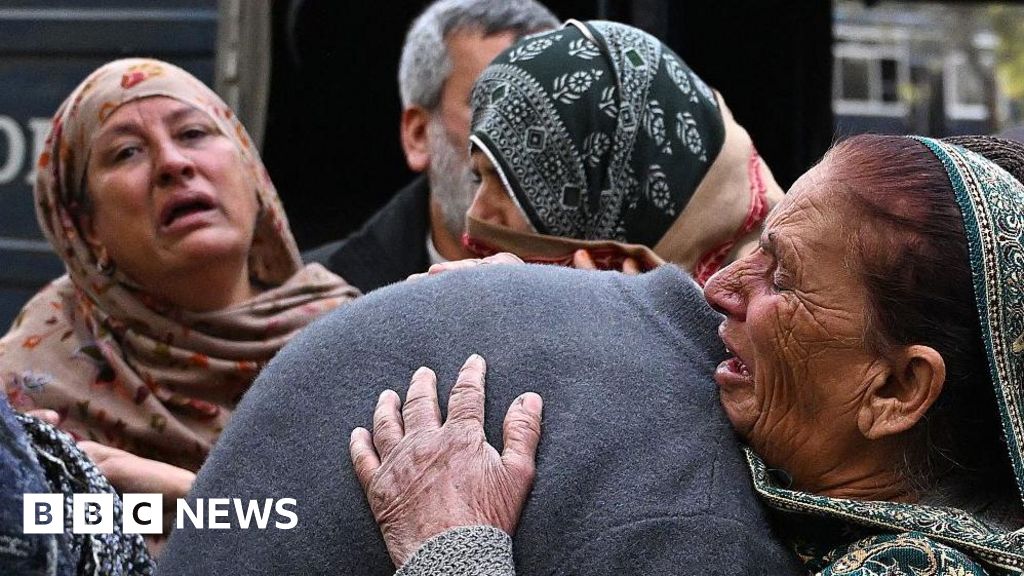
Over 30 Dead in Pakistan Mosque Blast—A Tragic Reminder of Security Gaps

In a tragic and shocking event that has sent shockwaves through the international community, nearly 170 individuals were injured in an explosion that occurred during Friday prayers in Islamabad. The attack, which struck the core of Pakistan’s capital, has ignited fears of increasing instability in the region, with wide-reaching implications for regional security and global diplomacy. As investigators scramble to determine the origins and motives behind this deadly assault, global leaders and institutions are weighing their responses amidst a backdrop of mounting tensions.

Analysts suggest that this act of violence is not merely a tragic incident but a stark manifestation of the deep-seated conflicts and geopolitical struggles in South Asia. Many experts, including officials from the United Nations and regional security think tanks, view this attack as potentially linked to ongoing insurgencies, extremist factions, or even covert international interventions. The repercussions are profound: a destabilized Pakistan risks further fraying the fragile balance of power in a region already fraught with nuclear-armed neighbors and rivalries. This event underscores the fragility of peace in a geopolitically pivotal country caught between the interests of larger powers like China and India.

  • Pakistan, amid internal political turmoil and economic struggles, faces heightened security challenges that threaten its sovereignty and stability.
  • The attack occurs at a time of rising regional tensions over border disputes, trade alliances, and influence pacts, which could be further exacerbated by this violence.
  • International bodies, including Carnegie Endowment for International Peace and Security Council, have called for restraint and increased intelligence cooperation, emphasizing the need to address underlying grievances.

Historical perspectives from leading scholars such as Professor Ayesha Siddiqa and Dr. Peter R. Neumann warn that such attacks could be precursors to broader escalation unless urgent de-escalation and dialogue are prioritized. This event may serve as the latest chapter in a series of incidents that threaten to ignite wider conflicts in the region if not contained. For Pakistan, the consequences are dire: increased *internal security measures*, public fear, and strained diplomatic ties with neighboring states. The attack also raises grave questions about the efficacy of existing counterterrorism efforts and intelligence-sharing frameworks, which many analysts argue are insufficient to prevent such tragedies from recurring.

As the world watches with tense anticipation, the question remains: will this tragedy galvanize international efforts for peace or escalate into a broader conflict? The weight of history presses heavily on leaders’ shoulders. The unfolding aftermath of the Islamabad explosion will determine whether this is a fleeting horror or the harbinger of a new, more dangerous chapter in regional geopolitics. With each failed attempt at peace, the danger grows—an uncertain future still shaped by decisions made in the corridors of power, where the echoes of yesterday’s violence may either forge pathways to reconciliation or plunge the world deeper into chaos.

Social Media Auto Publish Powered By : XYZScripts.com