Matox News

Truth Over Trends, always!

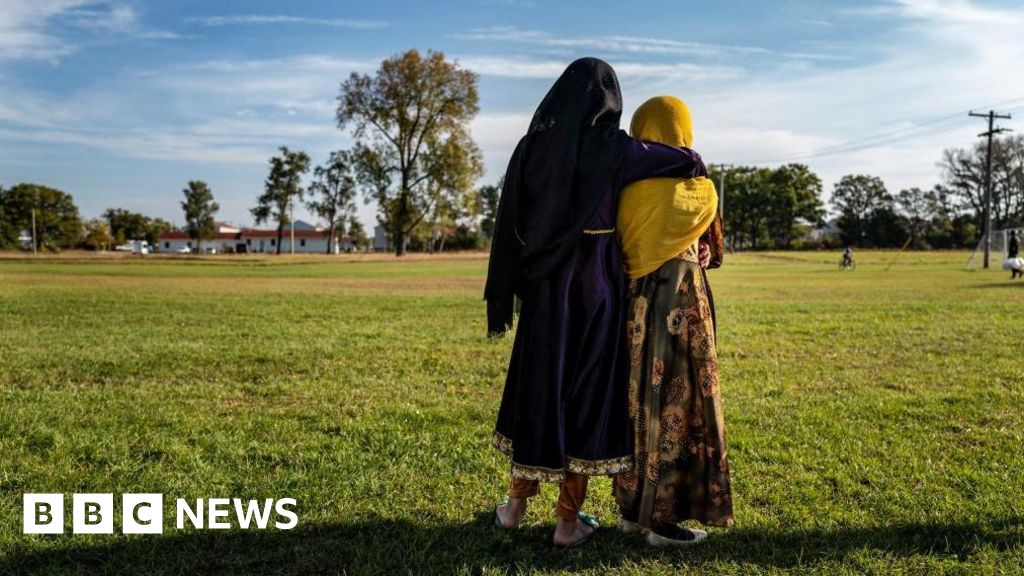
Afghan-Americans demand action from Trump after deadly DC shooting

The recent violence in Washington, DC, marked a tragic chapter in the ongoing challenges faced by Afghanistan and its diaspora post-U.S. withdrawal in 2021. The deadly shooting, which resulted in the death of a National Guard member and left another fighting for life, has reverberated across political and social spheres in America. The suspect, Rahmanullah Lakanwal, a recent immigrant with ties to U.S. forces in Afghanistan, highlights the complex interplay between immigration policies and security concerns. While Afghan-American communities have condemned the attack, emphasizing that the perpetrator does not represent their society, the incident has reignited heated debates surrounding the Biden administration’s immigration programs, especially for those fleeing Taliban-controlled Afghanistan.

In response to the attack, President Donald Trump has swiftly moved to curb further immigration from Afghanistan by pausing all current requests and reviewing green cards issued to residents from 19 countries. This crackdown aligns with his longstanding rhetoric emphasizing national security and border sovereignty over what he deems “third-world” threats. International analysts and observers, including members of the Heritage Foundation and the Council on Foreign Relations, warn that these policies risk undermining the decades-long alliance between the U.S. and Afghanistan’s anti-Taliban forces. They underscore how such decisions may fracture the fragile stability of Afghan communities worldwide, fueling social divisions and eroding trust in government.

Within the United States, many Afghan immigrants express a mixture of gratitude and concern. The Afghan Community Coalition of United States has called for a “comprehensive investigation” into the shooting but urges the Biden administration not to halt Afghan immigration claims, emphasizing the *twenty-year partnership* that saw countless Afghans risking their lives working alongside U.S. forces. Historians like Dr. Ahmed Rashid have noted that the U.S.’s withdrawal was a turning point that left Afghanistan vulnerable to Taliban resurgence, and that the Afghan diaspora has borne the weight of shifting policies with their hopes for safety and stability. Meanwhile, critics warn of potential repercussions if immigration policies tighten further, arguing it could undermine the very principles of refuge and alliance that helped myriad Afghans escape Taliban rule.

As the story unfolds, it leaves the global community in a state of reflection. The young Afghan American who described the attack as “deeply tragic” reiterated that this act was an isolated incident and not reflective of the entire community, which continues to contribute to American society. Still, the shadow of instability looms large, with fears of unpredictable policy shifts and societal marginalization. In the backdrop, the voices of activists like Crystal Bayat, who worry about deportations despite their legal status, reinforce a broader narrative of uncertainty. As the US grapples with its identity and security priorities, the widening fissures in its immigration fabric threaten to leave a lasting scar on history — a reminder that the consequences of decisions made today will echo into generations to come, shaping the geopolitical landscape and the destinies of countless lives caught in the crossfire of shifting allegiances and ideologies.
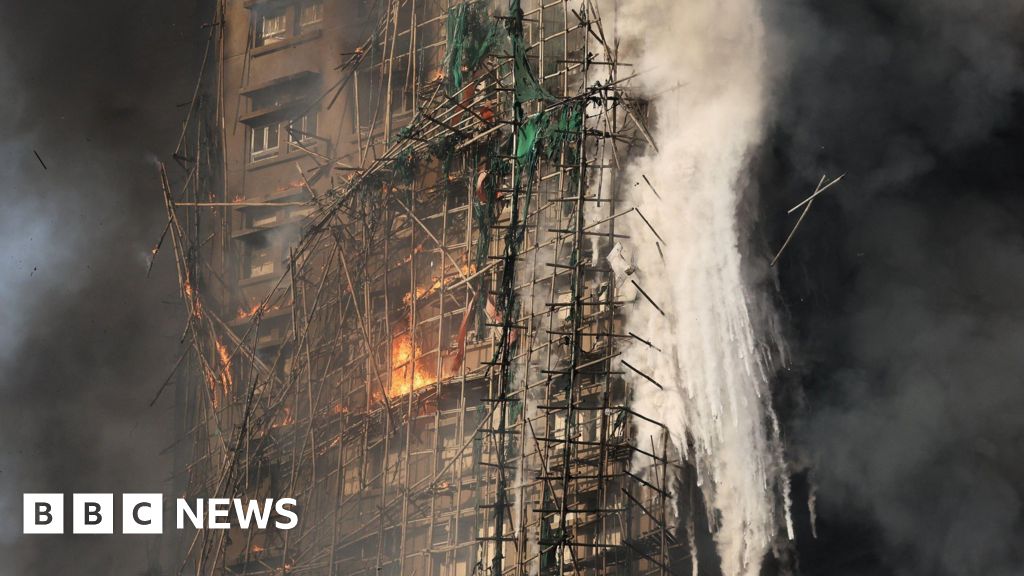

Firefighters hunt for missing amid deadly tower blaze

Hong Kong’s Tragic Blaze Sparks Global Outcry Over Safety and Governance

The recent devastating fire in Hong Kong, a city renowned for its skyline of towering skyscrapers and bustling urban life, has marked a grim milestone. The inferno engulfed the Wang Fuk Court complex in Tai Po, leaving at least 83 confirmed fatalities and dozens more unaccounted for. This tragedy, the deadliest in the city in over seven decades, underscores a critical turning point in the region’s ongoing discourse on fire safety, governance, and urban construction practices. Firefighters battled intense heat, falling debris, and the threat of building collapse, exposing systemic vulnerabilities that have long been on society’s radar but rarely addressed with urgency comparable to their severity.

As authorities scramble to contain the crisis, questions about accountability dominate public debate. Investigations have already led to the arrest of three construction firm executives on suspicion of manslaughter and gross negligence, highlighting concerns over building materials and renovation protocols. Social media and resident testimonies have revealed a disturbing pattern — fire alarms had been disabled during renovations, and the external components such as plastic sheets and polystyrene were identified as potential catalysts for rapid fire spread. Notably, critics contend that older infrastructure, like bamboo scaffolding prevalent in Hong Kong, might have played an unintended role in exacerbating the blaze. The government, led by Chief Executive John Lee, has promised a comprehensive inquiry, but many fear this may only be a prelude to deeper systemic failures.

The geopolitical impact of this crisis extends beyond public safety. Hong Kong, as a global financial hub, balances a fragile autonomy under Chinese sovereignty with its own legal and administrative systems. The leadership’s response to the fire, especially in regard to safety regulations and accountability, influences perceptions of stability and governance. The recent tragedy has reopened debates about fire safety regulations, urban planning, and the use of controversial construction materials, which are under increased scrutiny. Analysts warn that neglecting such issues risks undermining investor confidence and further fueling social unrest. Meanwhile, China’s leadership, embodied by Xi Jinping, has issued messages of sympathy and calls for swift action, underscoring the incident’s resonance across the international stage.

  • Hospitals and rescue teams continue to search for missing individuals amid ongoing dangers posed by structural instability.
  • The use of plastic and polystyrene on exterior building surfaces, coupled with alleged lapses in fire alarm systems, is now central to investigations.
  • Authorities are considering a review of bamboo scaffolding practices, a traditional method in Hong Kong construction, amid concerns over its collapse risk during fires.

Such tragedies serve as stark reminders of how deeply intertwined urban development, safety regulations, and governance are in shaping the destinies of societies. Historians and safety experts warn that the failure to learn from past disasters can inexorably lead to repetition of history’s darkest chapters. The 1948 fire that killed 176 and the recent incident both highlight the costs of complacency. As the dust begins to settle and officials vow reforms, the weight of history presses heavily. Meanwhile, the residents of Wang Fuk Court, many of whom are elderly and have called this complex home for decades, now find their lives forever altered by a moment that will be etched into the chronicles of Hong Kong’s history. The city watches in agonized silence, as the question looms: will lessons be learned, or will this tragedy become but another chapter in a pattern of neglect? As the world bears witness, the story of Hong Kong’s fight for justice and safety continues — a story not yet finished, and perhaps one destined to define an era.”

Woman sentenced to 20 years for deadly attack on Aussie surfers and American in Mexico

The recent tragic murders of three international tourists in Baja California have sent shockwaves through global communities and ignited debates on security and geopolitical stability in the region. The victims—Australian brothers Jake and Callum Robinson, aged 30 and 33, and American Jack Carter Rhoad, 30—symbolize the increasing vulnerability faced by tourists crossing international borders, especially in areas plagued by organized crime. Mexican judicial authorities announced that Ary Gisell Silva, a 23-year-old woman, received a 20-year prison sentence for her direct involvement in instigating and participating in the robbery that ultimately led to their death. This heinous crime underscores a persistent issue: how uncontrolled criminal activity in border regions threatens international security and the reputation of Mexico as a tourist destination.

The geopolitical impact of this incident extends beyond the borders of Mexico. The tragedy intensifies a broader concern among Western nations regarding safety in their citizens’ travel zones, especially in regions bordering the United States. International organizations like the United Nations Office on Drugs and Crime have long warned about the proliferation of violence and organized crime in Mexico, which often spills over into neighboring countries. Analysts suggest that such violent outbreaks not only discourage tourism but also weaken diplomatic relations, prompting governments to reconsider their travel advisories and security cooperation strategies. These developments jeopardize economic and diplomatic ties, emphasizing that violence in regions like Baja California is not just a local issue but a matter of global concern.

Recent history documents a pattern of violence, with other foreign tourists falling victim to criminal activity in Mexico’s Pacific coast regions. In 2015, a notorious attack saw two Australian surfers, Dean Lucas and Adam Coleman, murdered and later burned in Sinaloa. Such incidents serve as stark warnings that criminal enterprises have entrenched themselves deeply within parts of Mexico, intentionally targeting tourists to promote fear and chaos. International observers argue that these recurring tragedies expose underlying geopolitical vulnerabilities and demand urgent action. International organizations and security analysts warn that unchecked violence fuels instability, with ramifications that could reverberate globally if coordinated efforts are not prioritized.

As authorities aim to bring justice for the victims, the broader challenge remains: protecting life and restoring confidence in regions marred by crime. The Mexican government faces mounting pressure to clamp down on organized crime and demonstrate its commitment to safety, not only for its citizens but for international visitors whose livelihoods and families depend on secure borders. Meanwhile, the incident underscores the importance of a strategic reassessment by global actors, emphasizing cooperation and intelligence-sharing to combat transnational criminal networks. The unfolding story leaves us pondering whether the tide can truly be turned or if this is only the beginning of a darker chapter that will reshape how nations view security and sovereignty in the 21st century. Ultimately, the weight of history presses heavily on the collective conscience, reminding us that the choices made today will profoundly influence the safety and stability of future generations.

Russian missile strikes hit Ternopil, killing 25 in deadly western Ukraine attack

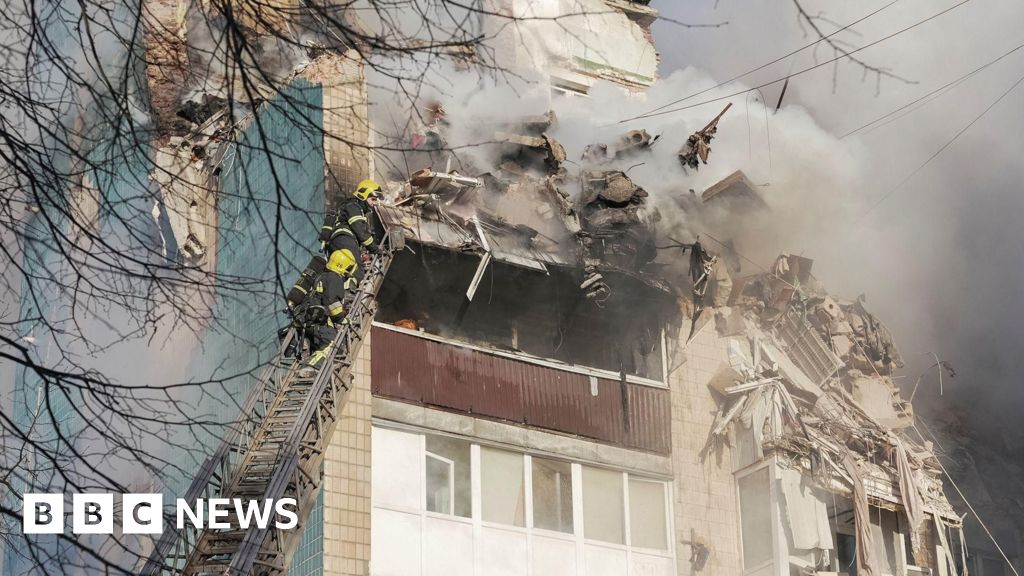
The latest series of attacks in Ukraine underscore the persistent volatility that has defined the ongoing conflict since Russia’s full-scale invasion in February 2022. Attacks targeting civilian populations and critical infrastructure in western Ukraine, notably the city of Ternopil, reveal the brutal reality of a war that shows no signs of abating. According to Ukrainian officials, at least 25 civilians, including three children, lost their lives, with over 70 wounded, many in devastating strikes involving Russian X-101 cruise missiles. As the smoke billows over residential areas and vital infrastructure, the international community faces an urgent question: how long can Ukraine withstand such relentless assault? Analysts warn that with each passing day, the toll on civilian lives and societal resilience intensifies, threatening to fracture the fragile fabric of Ukrainian society.

Ukraine’s military efforts, bolstered by Western aid, demonstrate both resilience and strain. Despite claiming to have intercepted 442 of 476 drones and 41 of 48 missiles—some intercepted by F-16 and Mirage 2000 fighter jets supplied by the United States and its allies—the Ukrainian air defenses are stretched thin. Ukrainian officials have openly pleaded for “the uninterrupted and timely supply of aviation weapons,” highlighting the precarious balance of hope and desperation. Henry Kissinger, once considered a voice of diplomatic pragmatism, has warned that the prolonged conflict risks entrenching divisions and feeding into a cycle of violence that could have lasting repercussions beyond Ukraine’s borders. Meanwhile, Moscow’s claims of targeting Ukraine’s military-industrial complex and energy infrastructure serve as a stark reminder that Russia aims to weaken Ukraine’s willpower, logistical capacity, and civilian morale, especially as the approaching winter threatens to turn the conflict into a brutal, cold endurance test.

The escalation in Russia’s strikes on Ukraine’s energy facilities signals an intent to erode the enemy’s resilience. The recent targeting of critical energy infrastructure in Ivano-Frankivsk and Lviv has resulted in blackouts and rationing, further complicating Ukraine’s ability to sustain the war effort and daily life. As the energy grid becomes increasingly vulnerable, international organizations, including the International Energy Agency, have voiced concern about the mounting costs of war—costs that threaten to reverberate through the economic stability of the entire region. Russia’s Defense Ministry asserts its long-range missile strikes are a reaction to Ukrainian attempts to disrupt Russian territory, including the first publicly acknowledged use of U.S.-supplied Atacms missiles inside Russian borders. This escalation pushes the conflict towards a new phase—one where the boundaries of conventional warfare and proxy assaults become dangerously blurred.

On the diplomatic front, efforts to broker peace are intensifying, but progress remains elusive. President Zelensky’s visit in Ankara for talks with Turkish President Recep Tayyip Erdogan signals a strategic move to seek international mediation, yet prospects for a substantive breakthrough remain limited. Reports suggest that the United States is involved in behind-the-scenes negotiations, with special envoy Steve Witkoff working with Moscow’s Kirill Dmitriev on potential peace initiatives. However, the Kremlin, led by Dmitry Peskov, remains intransigent, declining to send representatives and dismissing rumors of an active peace process. As NATO allies reinforce their support, deploying jets to Poland and increasing military aid, the risk of broader regional destabilization grows. The world watches as Russia’s demands for Ukraine’s neutrality and limits on its military capabilities remain unchanged—an uncompromising stance that prolongs the conflict and threatens to ignite a wider war.

With the upcoming fourth anniversary of the invasion looming, the stage is set for an uncertain future, where history seems poised to judge the choices made on the battlefield and in diplomacy. As civilians endure daily suffering and nations brace for intensified clashes, it becomes increasingly clear that the forces at play are reshaping the geopolitical landscape. The question remains: will diplomacy thaw the frozen conflict, or are we witnessing the birth of a new brutal epoch where history’s penmanship is written in smoke, fire, and the unyielding will of nations forging their own destinies?

Lebanon blames Israel for deadly attack near Palestinian refugee camp, 13 dead

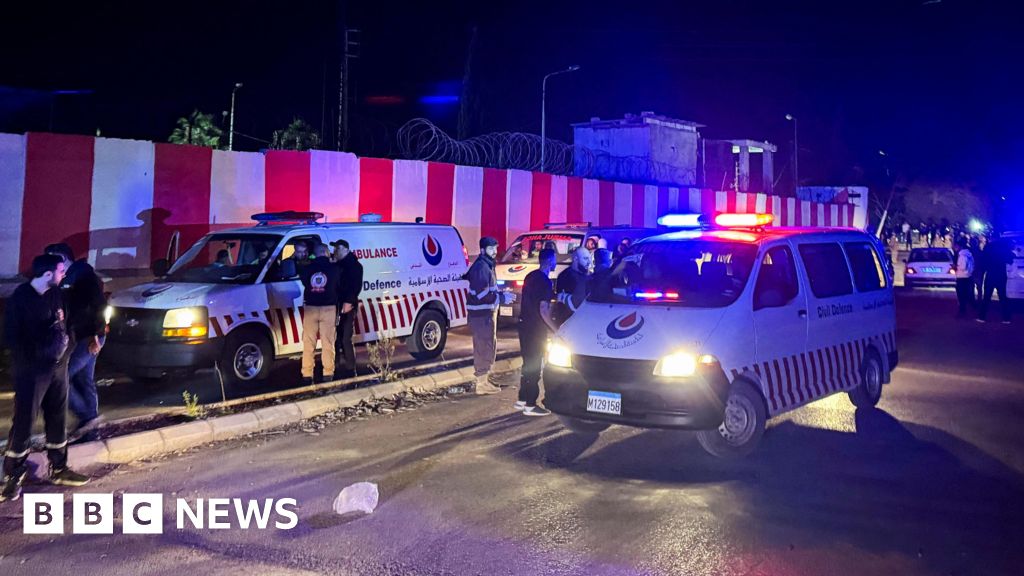
The Middle East remains a flashpoint of conflict, with recent events underscoring the volatility that continues to threaten regional stability and global security. Israel, reiterating its stance against militant groups, launched a strike near the largest Palestinian refugee camp in Lebanon, Ein el-Hilweh. According to Lebanese authorities, at least 13 individuals were killed, with dozens more injured. The Israeli military claimed the target was a Hamas training compound, ostensibly used for planning attacks against Israel, an assertion Hamas vehemently denies, branding it a fabrication and lies. This incident exemplifies how Israel’s technological precision and strategic strikes operate within a complex web of regional alliances and enmities, aiming to weaken militant capabilities while risking civilian casualties.

This violence cannot be viewed in isolation. Since the outbreak of the October 2023 conflict initiated by Hamas’s brutal assault on southern Israel—resulting in approximately 1,200 deaths and multiple hostages—the broader regional picture has deteriorated rapidly. Israel’s military response in Gaza and Lebanon has resulted in devastating civilian tolls, with Palestinian casualties surpassing 69,000, raising alarm among international observers and human rights organizations. Meanwhile, Hezbollah, backed financially and militarily by Iran, intensified its attacks against Israeli targets in a display of solidarity with Palestinians. These actions have pushed the region towards an unstable equilibrium of tit-for-tat violence, with the Lebanese Hezbollah engaging in ongoing hostilities, firing rockets in defense of Gaza, and launching an assault on northern Israel.

Analysts from think tanks and global institutions warn that the geopolitical impact of these escalating conflicts exceeds regional boundaries. They highlight how Iran’s influence and proxy networks have turned Lebanon into a battleground, transforming the Lebanese armed groups into key players in a broader confrontation. The 13-month war culminating in a fierce Israeli offensive in October 2024 has caused the displacement of over 1.2 million Lebanese civilians, sowing chaos and despair. The collapse of Lebanese stability threatens neighboring countries and global markets, especially considering Lebanon’s precarious economic situation. The United Nations and regional powers are calling for restraint, but with conflicting interests and deep-seated hostility, prospects for peace remain distant.

Historian voices and experts warn that decisions made now will carve the contours of future generations’ lives. The ongoing violence—fueling resentment and radicalization—edges the region closer to a broader, perhaps irreversible, rupture. With Israeli officials justifying their strikes as measures to diminish threats, and Hamas and Hezbollah positioning themselves as defenders of Palestinian and Lebanese sovereignty, the battle lines are being redrawn. This relentless cycle of violence exemplifies how international decisions—often made in the shadows—shape societal fate, threatening to plunge the Middle East into deeper chaos. As history unfolds in real-time, it is evident that the weight of these events will be felt long after today’s battles cease, leaving a fractured landscape where hope must fight to survive amidst the wreckage of yesterday’s conflicts.

Polish PM condemns historic sabotage after deadly railway blast—Europe on alert

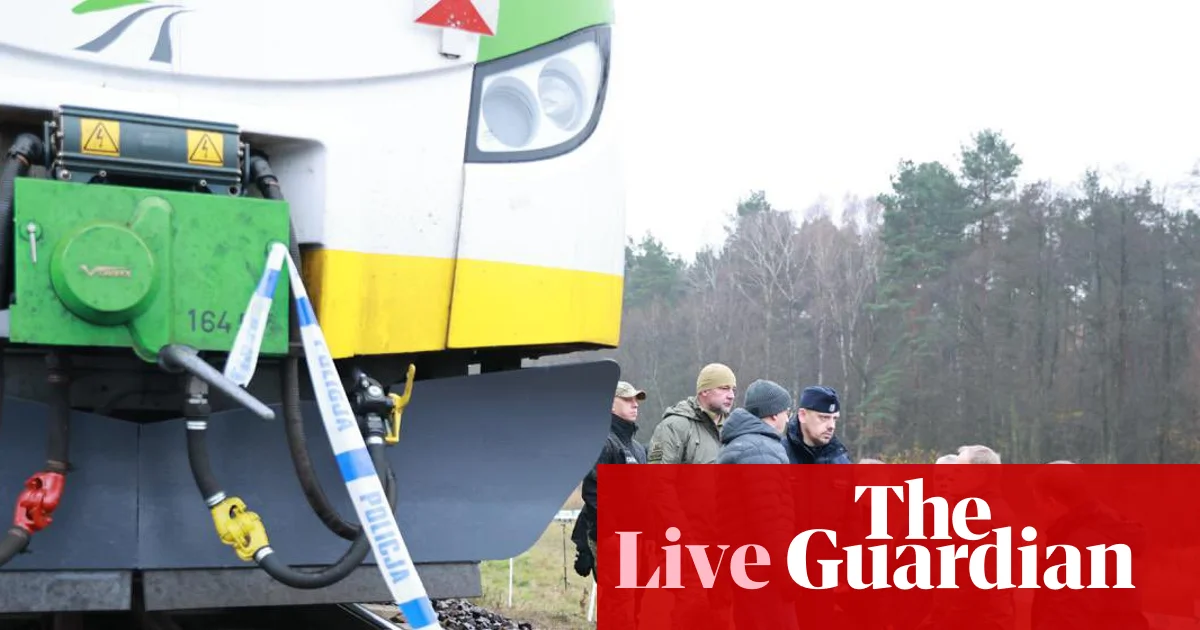
Across Europe, recent developments have thrust the continent into a precarious era of geo-strategic uncertainty. Poland, a pivotal NATO member, has become the epicenter of a marked escalation in hybrid warfare. After an unprecedented act of sabotage targeting a strategic railway route near Lublin, Polish authorities confirmed that an explosive device had been deliberately placed on the tracks, causing significant damage and prompting fears of even broader destabilization. Such incidents are not isolated but part of a broader pattern of covert operations aimed at destabilizing Eastern European nations and threatening NATO’s eastern flank.

Poland’s Prime Minister Donald Tusk described the attack as “an unprecedented act of sabotage aimed at the security of the Polish state and its citizens,” underscoring the gravity of the incident. The attack coincides with high alert due to ongoing hybrid threats from Russia and Belarus. In the wake of more than 20 drones flying into Polish airspace last September, these recent sabotage efforts are fueling fears within NATO that Russia’s military capabilities are evolving to include sophisticated drone warfare and covert sabotage operations. International security analysts warn that Russia could attempt to test NATO’s defenses within the next two to four years, potentially even launching aggressive maneuvers or attacks on Baltic states, which would trigger Article Five of NATO’s charter.

Meanwhile, European Union defense officials, including Andrius Kubilius, have voiced urgent alarms about the possibility of renewed conflict in the Baltics. Kubilius emphasized the importance of lessons learned from Ukraine’s fierce resistance against Russia, advocating for acceleration in NATO and EU defense readiness. His warning indicates a consensus among military strategists that Russia’s forces have not only grown stronger since February 2022 but are now capable of deploying millions of drones to sow chaos and conduct covert operations across Eastern Europe. As these threats loom, policymakers across the continent are under mounting pressure to strengthen alliances and fortify defenses, lest they wake up to a sudden onslaught from a battle-hardened Russian military that eagerly tests the limits of NATO’s resolve.

Adding to the mounting tensions, Poland’s authorities have pointed fingers at sabotage intent on destabilizing their infrastructure and hampering aid deliveries to Ukraine. The incident involving the destruction of a train track and damage to other critical railway sections reflect an alarming escalation in covert actions by unknown actors—most likely aligned with Russia or its proxies. With Prime Minister Tusk asserting that “we will catch the perpetrators, regardless of who their backers are,” the geopolitical implications are profound. This series of deliberate attacks signals a disturbing shift towards asymmetric warfare that directly threatens the stability of European borders and the security of NATO allies. As history continues to unfold, the continent stands at a crossroads; one path leads toward renewed peace through strengthened alliances, while the other risks plunging into chaos as adversaries exploit vulnerabilities that bitter lessons from Ukraine have failed to remedy.

Tanzania police suppress election protests with deadly force

Geopolitical Turmoil in Tanzania: A Nation at Crossroads

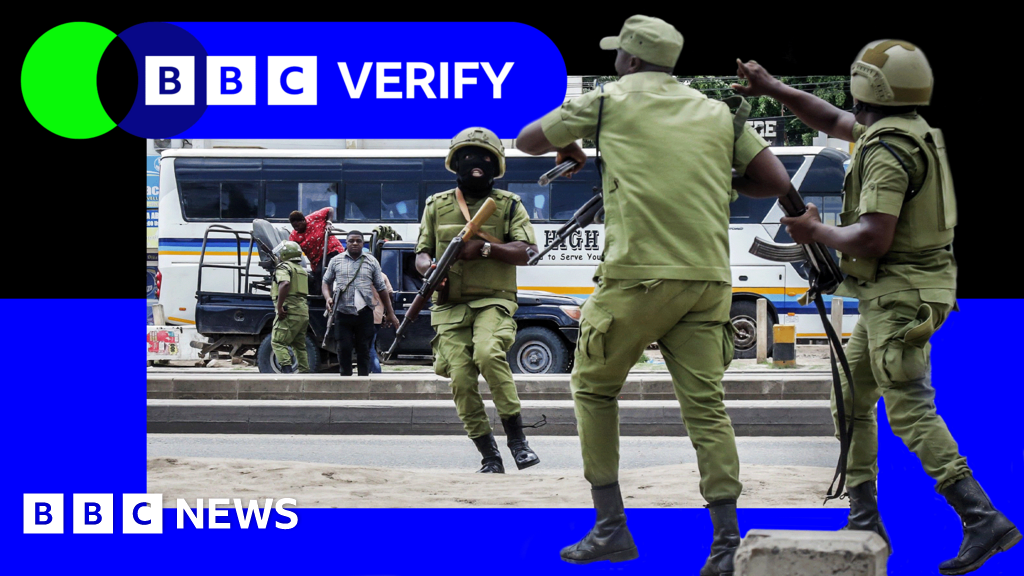
In a sharply escalating crisis, Tanzania finds itself caught in a maelstrom of violence and international warning. Recent reports, verified by BBC and multiple sources, reveal a brutal suppression of protests that erupted amidst contested presidential and parliamentary elections. The scenes emerging from cities like Dar es Salaam, Mwanza, and Arusha depict a nation grappling with deeply rooted political unrest and a government willing to marshal lethal force. The aftermath—hundreds of casualties, detained opposition figures, and a near-total internet blackout—illuminates a troubling chapter in Africa’s ideological landscape, casting long shadows over regional stability.

The elections that sparked these protests were marked by allegations of systematic suppression. Incumbent President Samia Suluhu Hassan secured an overwhelming 98% of the vote, in a result viewed with skepticism by opposition leaders and international observers. Opposition figures faced arrests, bans, and restrictions, raising significant questions about the nation’s democratic trajectory. The OHCHR warned that at least 500 lives have been lost, with many more injured or detained—harsh indicators of a government cracking down on dissent with indiscriminate violence.

The violence peaked on the streets of Dar es Salaam, where heavily armed police units confronted young protesters, firing tear gas, live rounds, and pursuing fleeing crowds in a display of force reminiscent of authoritarian regimes. Eyewitness videos depict harrowing scenes: bodies lying beside main roads, bloodstains marking streets, and hospitals overwhelmed with casualties. Analysts specializing in African geopolitics suggest that this brutal repression is a deliberate effort to silence the younger generation, a movement frustrated by economic stagnation and entrenched political leadership. The international community faces a critical test—whether to condemn these actions or accept them as the new normal, thereby emboldening tyranny across the continent.

As the UN calls for investigations into the killings and violations, the Tanzanian government remains defiant, refusing to release detainees and refusing to admit fault. The region’s stability hangs in the balance; a failure to address these widespread abuses threatens to destabilize a vital corridor in eastern Africa. Historically, analysts have warned that unchecked power and suppression often lead to long-term chaos, reminiscent of past coups and civil conflicts. Tanzania’s current path could either become a cautionary tale or a testament to resilience, depending on the course of events in the coming weeks.

In this unfolding story of loss and resilience, every gunshot, every life lost, becomes a part of the broader narrative in Africa’s ongoing struggle for real democracy and national sovereignty. The world watches as a nation’s future hangs on a knife’s edge, with history waiting to record whether Tanzania’s currents of repression will ultimately lead to reform or further turmoil. Humanity must grapple with the weight of this moment, knowing that the choices made today will echo through generations to come—a stark reminder that some chapters of history are written in blood, and the struggle for freedom remains as urgent as ever.

Russia hits Kyiv with deadly strikes in new wave, officials warn

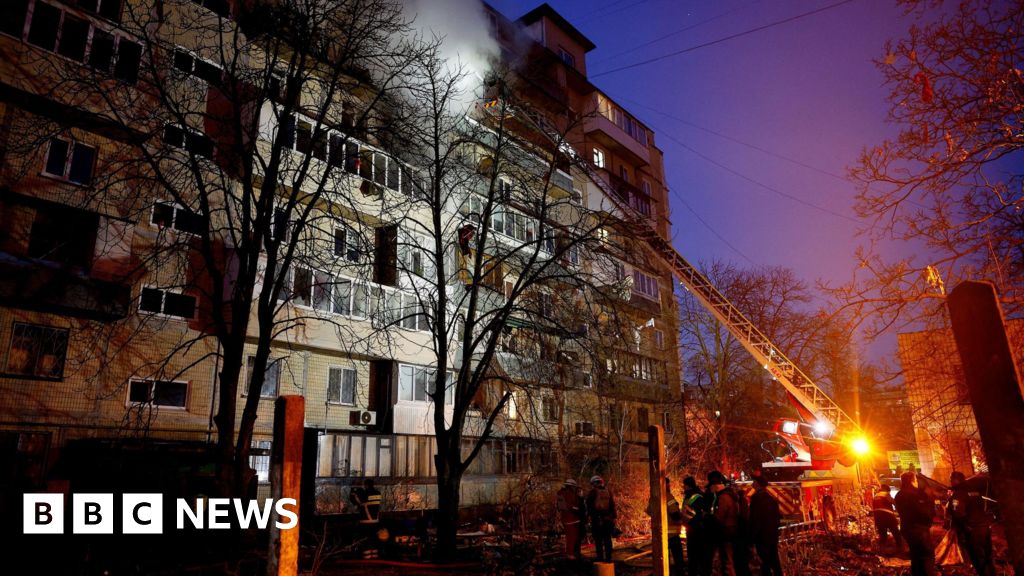
In a devastating escalation of the ongoing conflict in Ukraine, Kyiv has been battered by a wave of Russian drone and missile strikes, resulting in the deaths of three civilians and the injury of over 26 others. Kyiv’s mayor, Vitaliy Klitschko, described the attacks as “massive,” highlighting how residential neighborhoods, hospitals, and critical infrastructure have come under relentless assault. As explosions shook the city’s core, Kyiv’s energy infrastructure suffered severe damage, leaving parts of the city without heat—a bleak reminder of how war inflicts suffering beyond the battlefield. Emergency responders rescued dozens, including victims trapped beneath rubble, emphasizing the human toll of what Moscow claims are targeted military operations, but which Ukrainians see as deliberate acts of terror aimed at civilian populations.

While Russia asserts that its attacks aim to cripple Ukrainian military capabilities, Western analysts remain skeptical. The international community widely views this surge in airstrikes as a deliberate effort to destabilize Ukraine’s resilience—particularly by targeting energy networks that sustain civilian life and undermine morale. Ukrainian President Volodymyr Zelensky responded by demanding “no exceptions” to Western sanctions on Russian energy exports—an urgent call to weaken Russia’s economic backbone. This comes amidst a broader pattern of Moscow’s strategy: deploying drones and guided bombs to weaken Ukraine’s infrastructure, disrupt daily life, and garner pressure for negotiations on Moscow’s terms. Such tactics are reminiscent of a war of attrition where civilian suffering potentially serves as leverage, raising alarms about the broader geopolitical impact on regional stability.

The North Atlantic Treaty Organization (NATO), along with the United States, continues to monitor developments closely. NATO officials have condemned the recent strikes, emphasizing their support for Ukraine’s sovereignty and condemning Russia’s apparent escalation. The turning point came when the U.S., under President Donald Trump’s administration, initially imposed sanctions targeting Russian energy—yet, recent exemptions granted to Hungary reveal a nuanced and evolving geopolitical calculus. Analysts warn that Russia’s repeated targeting of energy infrastructure signifies an attempt to exhaust Ukraine’s civilian resilience and complicate Western efforts to sustain robust support. Additionally, Russia’s claims that these strikes are aimed at “military” targets are increasingly viewed as disingenuous, especially as civilians suffer the consequences.

Historically, conflicts of this nature have underscored a broader strategic contest—one where energy politics, alliances, and military might intersect with societal resilience. As the United Nations and international watchdogs issue warnings about escalating violence, the narrative is shifting toward a larger, more ominous story: a geopolitical chessboard where each strike and diplomatic move could have far-reaching consequences. The future of Ukraine, and indeed the stability of Europe, hangs in the balance, with each side trying to shape the narrative—while the echoes of destruction reverberate through history’s unfolding pages. As Kyiv’s skies burn and civilans endure, the world watches a relentless drama of power, endurance, and the high stakes of a war that threatens to redefine the global order—if not for today, then for generations to come.

UPS Cargo Plane Loses Engine Before Deadly Kentucky Crash

International Reverberations as Louisville Plane Crash Underscores Critical Flaws in Global Supply Chains

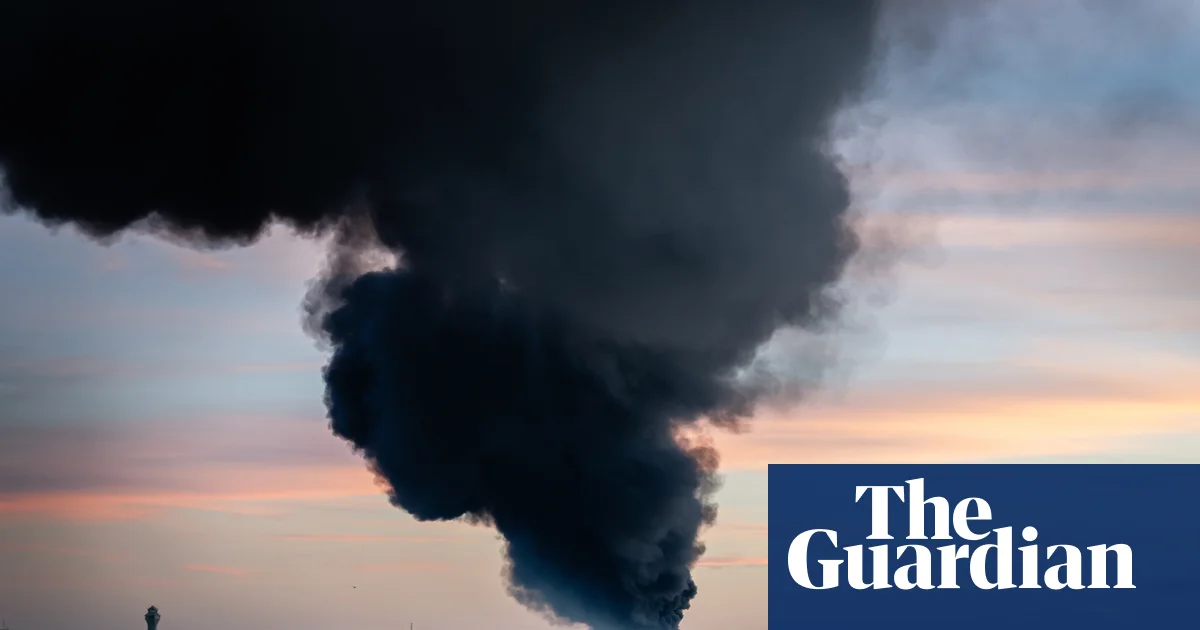
The tragic crash of a UPS cargo plane in Louisville, Kentucky has reverberated beyond domestic tragedy, casting a long shadow on international logistics, safety standards, and the fragile nature of global supply chains. According to officials, the McDonnell Douglas MD-11 aircraft experienced catastrophic failure shortly after takeoff, with investigations revealing that its left engine detached prematurely, igniting fires that led to a deadly explosion and destruction on the ground. At least nine lives were lost, and numerous others were injured, stirring outrage and concern worldwide about the safety of commercial and cargo aviation that underpins commerce from Asia to Europe.

In their exhaustive efforts, investigators from the National Transportation Safety Board have highlighted the significance of such incidents, emphasizing the potential geopolitical fallout. The crash raises serious questions about aerospace safety protocols in major airlines and freight companies operating across borders. Some analysts warn that these failures threaten to exacerbate international trade disruptions, as major hubs like Louisville serve as critical nerve centers in the trans-Pacific and trans-Atlantic corridors. The incident has already impacted flight schedules, with hundreds of outbound flights canceled, illustrating how interconnected the world’s economy has become—an intricate web that is vulnerable when one link breaks.

The broader geopolitical impact is now under scrutiny, with international organizations and security experts cautiously noting the incident’s potential to influence air freight regulations across nations. While authorities have confirmed that no hazardous materials were aboard, the debris field sprawling for half a mile underscores the chaos that ensues when safety measures falter at critical junctures. Historians and analysts assert that akin to the infamous disasters of the past—such as airline incidents that spurred stricter safety protocols—this tragedy could serve as a pivotal point, reshaping how the world perceives the security of supply chains that keep global economies ticking.

As the investigation unfolds and the world watches with bated breath, the Louisville incident remains a stark reminder of the fine line separating routine operations from catastrophic failures. In an era defined by geopolitical tensions and economic competition, governments and international institutions are called to reevaluate their stance on aviation safety standards, freight security, and their strategic alliances. The question remains whether this event will accelerate reforms or merely serve as another chapter in a series of preventable disasters. How nations respond now will inevitably shape the trajectory of international commerce, security, and societal stability in the years to come.

Deadly Drone Strike Claims Over 60 Lives in Sudan’s Besieged City

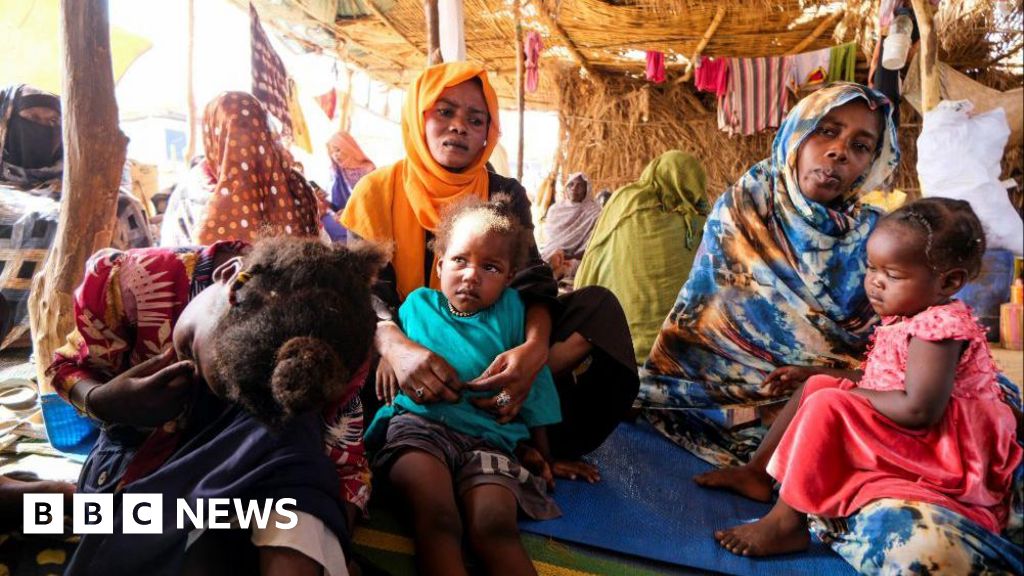
The ongoing conflict in Sudan, particularly in the city of El-Fasher, has escalated into a humanitarian catastrophe, with reports of a devastating drone strike resulting in the deaths of at least 60 civilians. According to the resistance committee for El-Fasher, the attack was carried out by the Rapid Support Forces (RSF), a paramilitary faction at the heart of Sudan’s brutal power struggle. Targeting a displacement shelter within a university—Dar al-Arqam camp—the strike underscores the reckless disregard for innocent lives in an environment already ravaged by years of conflict. The group detailed the destruction as involving two drone strikes and multiple artillery shells, leaving an indelible mark of violence and chaos on a city teetering on collapse.

The situation in El-Fasher has transcended mere warfare and humanitarian neglect; it has blossomed into what international analysts describe as a crisis bordering on genocide. In recent months, the RSF has encircled the city for over 17 months, in a relentless effort to control the last stronghold of the Sudanese army in the Darfur region. This ongoing siege has gutted the city’s medical facilities, food supplies, and infrastructure, leading to the spread of hunger and disease amidst constant bombardments. The United Nations and Human Rights Watch have condemned the escalation, warning that the violence not only endangers Sudan’s territorial integrity but threatens regional stability in a geopolitically sensitive area.

The conflict erupted in 2023, driven by a deadly fallout between top commanders of the Sudanese army and the RSF. As factions vied for dominance, the nation descended into chaos, exposing underlying ethnic tensions and stoking fears of a broader regional destabilization. According to historians and geopolitical analysts, this power struggle echoes the fragmentation that has beset many post-colonial African states, yet the intensity of violence in Sudan is unprecedented in recent history. The conflict has shattered hopes for a peaceful resolution, with international mediators struggling to broker ceasefire agreements amidst growing allegations of war crimes and atrocities, like the recent attack on Dar al-Arqam.

Ultimately, the fallout from Sudan’s chaos extends well beyond its borders, impacting neighboring countries and global geopolitics. As refugee flows increase and regional alliances are tested, the spotlight shifts to international involvement and the effectiveness of diplomatic interventions. Yet, with each passing day, the story in Sudan grows darker, a stark reminder that history’s most harrowing conflicts often stem from fractured states and broken promises. The unfolding tragedy in El-Fasher is a haunting chapter in the story of a nation caught in the grip of turmoil, leaving observers to ponder whether the tides of history may ever turn toward peace or continue to drown an already vulnerable society in an irreversible cascade of violence and despair.

Social Media Auto Publish Powered By : XYZScripts.com