Matox News

Truth Over Trends, always!

Tesla faces second lawsuit over deadly California Cybertruck crash

In a striking development that underscores the mounting challenges facing Tesla and the global push towards electric vehicle dominance, the company is now embroiled in a series of legal battles over safety issues linked to its Cybertruck. The latest suits, filed by the grieving parents of two young victims, illuminate not only profound safety flaws but also raise questions about corporate transparency and regulatory oversight. These incidents highlight how decisions made within corporate corridors can ripple across international geopolitics, influencing trade, regulatory standards, and national security, as major players continue to compete for global auto market supremacy.

On the legal front, California-based Tesla faces accusations that its design flaws—specifically in their electric doors and overall vehicle safety—turned what could have been survivable crashes into deadly catastrophes. The families of Jack Nelson and Krysta Tsukahara accuse Tesla of neglecting known issues, including a concealed manual release system that proved ineffective during fires. The complainants argue that the automaker’s safety features, meant to enhance user experience and sleekness, instead jeopardized lives, with the victims trapped inside the flames due to locked doors and hidden mechanisms. The lawsuit states, “This case arises from catastrophic design defects in the Tesla Cybertruck that turned a survivable crash into a fatal fire.”

The geopolitical impact of these allegations extends beyond mere consumer safety concerns. As Tesla operates globally, with manufacturing and sales networks spanning continents, such safety controversies threaten to undermine its ambitions for international expansion. Governments worldwide, especially in the European Union and Asia, increasingly scrutinize vehicle standards, and these crises could prompt tighter regulations, affecting Tesla’s market access. The wake of these lawsuits comes as the National Highway Traffic Safety Administration (NHTSA) is investigating Tesla’s electric door handles, emphasizing how safety flaws rooted in design choices reverberate through policy and diplomatic channels. Moreover, international critics warn that Tesla’s rapid global expansion may be driven more by technological optimism than rigorous safety testing—prompting calls for a reassessment of how innovation is balanced with consumer protection across nations.

Leading analysts and historians have observed that in the>*era of emerging superpowers like China and the United States, technology firms are increasingly becoming geopolitical battlegrounds*. As Elon Musk seeks to position Tesla as a symbol of the future economy, these safety issues threaten to diminish its diplomatic clout, especially as competitors leverage such vulnerabilities for strategic gains. The unfolding saga foreshadows a time where the decisions of a single corporate behemoth could influence international relations and even economic alignments. As one senior analyst notes, “Tesla’s safety failures are not just about consumer protection—they reflect a broader struggle for technological dominance, where each accident can become a diplomatic incident, and each new regulation can reshape alliances.”

As history continues to unfold, the tragic fates of Jack Nelson, Krysta Tsukahara, and others serve as stark reminders of how technological progress can sometimes outpace safety and accountability. With governments, regulators, and international watchdogs watching closely, the weight of history now hangs in the balance. The path Tesla charts—whether towards safety, innovation, or further controversy—will indelibly influence the legacy of the new century’s enterprise, shaping a world where the collision of ambition and caution is played out on a global stage.
Valencia Faces Severe Floods Again After Deadly Devastation

Spain’s Valencia Region Faces Renewed Flooding Amid Climate Turbulence

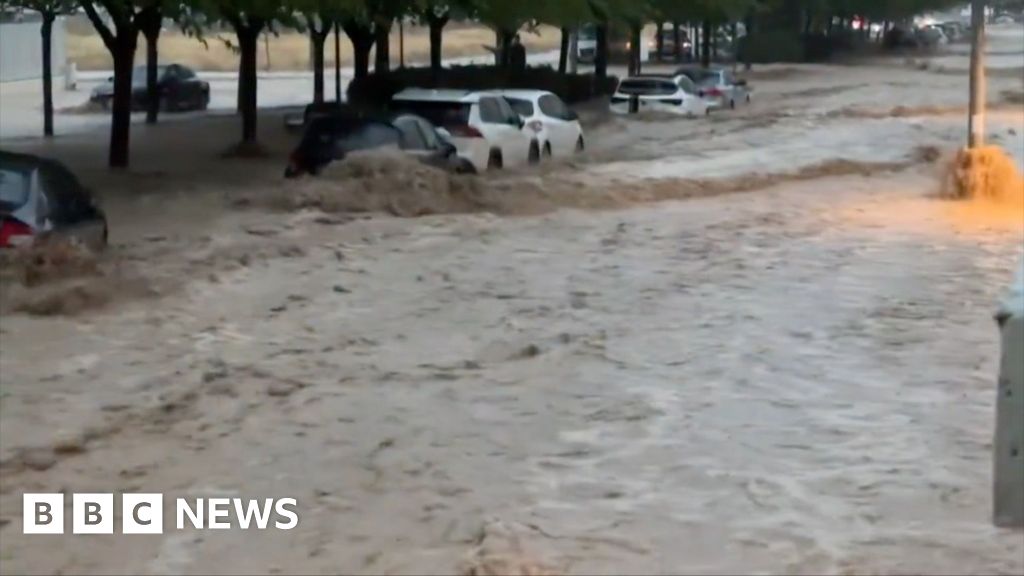
The Valencia region of Spain finds itself once again besieged by the forces of nature, as relentless storm activity wreaks havoc across the southern European coastline. This recent onslaught, driven by Storm Gabrielle, echoes the tragic floods that claimed over 230 lives last year — a sobering reminder of the increasing frequency and severity of climate-induced disasters. The meteorological agency AEMET reported that between 160 and 200mm of rain fell within just six to eight hours around the Ebro delta, unleashing floodwaters that have submerged parts of Valencia and neighboring Zaragoza in the Aragon region. Such intense precipitation reinforces the growing consensus among climatologists that exacerbated weather patterns are becoming a hallmark of a warming planet.

In the face of these natural crises, international analysts and climate experts warn that the global community faces a pressing threshold—one where climate change is no longer a distant threat but a visceral reality impacting everyday lives. The European Environment Agency has repeatedly emphasized that regions like Valencia, famed for their agricultural productivity and tourism, are on the frontlines of climate upheaval. The local authorities responded swiftly by declaring a red alert, enacting emergency protocols to safeguard residents. Schools, public libraries, and parks in Valencia have been shuttered for the day, prioritizing safety against the swift-moving floodwaters. Fortunately, no injuries have been reported so far, but the psychological and economic toll remains palpable, as local communities brace for continued instability.

Geopolitical Ramifications of Environmental Crisis

What might seem like localized weather phenomena are, in truth, intertwined with broader geopolitical implications. Climate volatility disproportionately affects Mediterranean nations like Spain, where water security and agricultural stability are critical to national sovereignty. Countries across Europe, the Middle East, and North Africa recognize the unyielding link between environmental stability and geopolitical security, with some analysts warning that resource scarcity could ignite regional conflicts. The European Union, through initiatives such as the European Green Deal, aims to address climate challenges comprehensively, but critics argue that policy implementation remains sluggish. International organizations like the United Nations have issued stark warnings: failure to adapt to climate realities could intensify migration pressures, unsettle regional alliances, and destabilize fragile states.

Historian and foreign policy analyst Dr. Jonathan Pierce underscores that these recurring weather disasters serve as a stark warning of how decisions made today will influence the geopolitical landscape of tomorrow. “Climate change is no longer an abstract issue,” he asserts. “It is a direct challenge to sovereignty, economic stability, and societal cohesion. Countries that respond proactively will preserve their resilience, while those that ignore the warning signs risk existential crises.” These sentiments are echoed by international bodies that emphasize a need for cohesive global action—action that is still insufficient given the scale of the crisis imminent from climate shifts.

Unfolding the Future of Global Power Dynamics

As we stand at this critical juncture, the decision-making by political and economic leaders now becomes all the more consequential. Valencia’s renewed floods are emblematic of a larger narrative—one where climate variability could reshape alliances, influence global markets, and redefine the responsibilities of powerful nations. From the United States to China, leaders grapple with not just immediate disaster response but also strategic foresight—how to mobilize resources, secure borders, and promote sustainable development amid mounting environmental stress.

History has shown that times of crisis often determine the course of nations; the unfolding story of climate change and geopolitical resilience will be inscribed in the annals of history. As the waters in Valencia recede, the world confronts a sobering truth: the decisions taken in the coming days will either forge a sustainable path forward or plunge societies into chaos under the weight of neglect and complacency. The future remains unwritten—and the fate of countless nations hangs precariously in the balance, awaiting the next chapter in this unfolding saga of environmental and geopolitical upheaval.

Eight thrill-seekers parachute from plane seconds before deadly crash in NSW

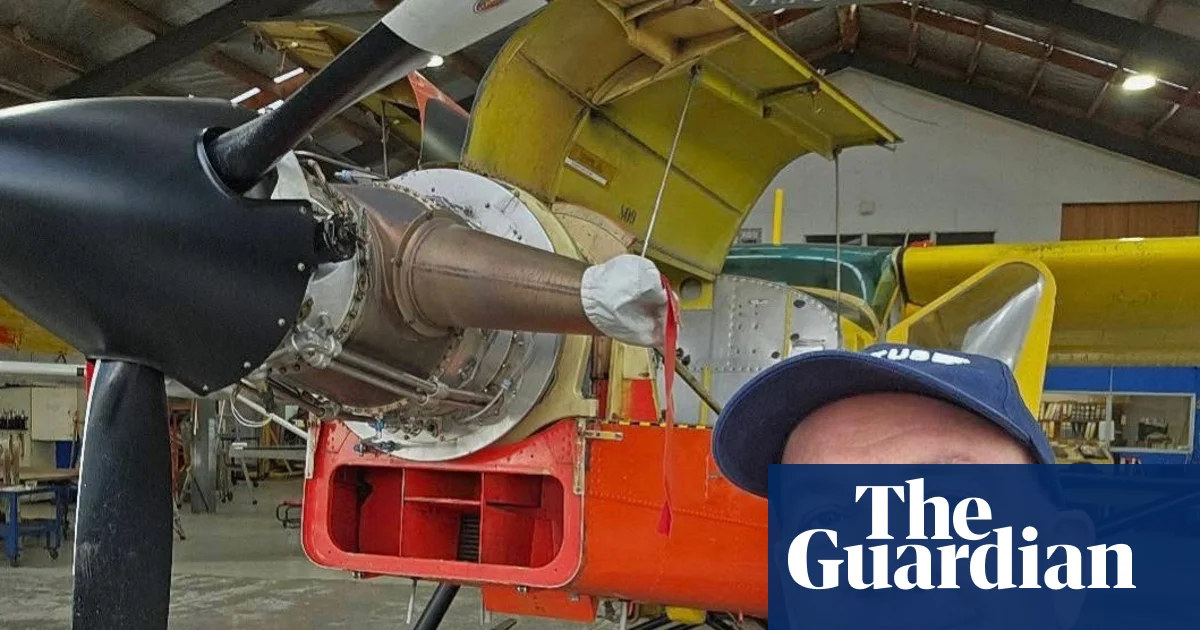
In a stark reminder of the inherent risks associated with extreme sports and aviation, a recent incident near Moruya airport in New South Wales has captured international attention. Eight experienced skydivers, including the renowned instructor Paul Smith, leapt from a light plane just minutes before it tragically crashed, killing Smith and leaving the other skydivers unscathed. The event underscores ongoing debates about aviation safety standards, which are not just national issues but have broader geopolitical implications as countries worldwide grapple with balancing innovation, safety, and economic interests.

The crash, which occurred roughly two minutes after the skydivers exited the aircraft at approximately 14,000 feet, has prompted an investigation conducted jointly by Australian authorities and the Australian Transport Safety Bureau. According to initial reports, witnesses observed “unusual sounds and flight patterns,” indicating potential mechanical or pilot error, though investigators are still to speak directly with the skydivers. The aircraft, built around 1980 and subjected to recent maintenance checks, had completed multiple flights before the incident, raising questions about the adequacy of maintenance standards amid evolving aviation safety protocols. As the world watches, the Australian case exemplifies how local safety lapses can ripple across international boundaries, raising concerns about global standards for small aircraft operations.

Experts like aviation analyst John Fletcher highlight that incidents such as this serve as cautionary tales, reminding nations of the critical importance of investing in rigorous safety czars and oversight, especially within a competitive global industry where international corporations often operate across multiple jurisdictions. While Australia’s aviation safety agencies work to determine the root causes, the incident arrives amidst an era of heightened geopolitical tensions, where the safety and regulation of transportation infrastructure are often intertwined with national security concerns. Moreover, the tragic loss of a distinguished figure like Paul Smith, who earned the highest honors in parachuting and boasted more than 20,000 jumps, sharply underscores how the stakes extend beyond individual tragedies, affecting social cohesion and public trust in safety systems worldwide.

The broader geopolitical impact lies in how this incident echoes across the international community, rallying calls for united efforts to standardize safety regulations—especially in sectors vulnerable to rapid technological changes. International organizations such as the International Civil Aviation Organization (ICAO) are under pressure to reinforce stringent safety protocols, ensuring that such tragedies do not become catalysts for diplomatic disputes. Countries with burgeoning aviation sectors, like China and India, are increasingly scrutinized as their industries expand rapidly without uniformly high safety standards. Historically, failures in aviation safety have had profound consequences: recent accidents have spurred reforms, yet inconsistencies remain a concern. As analysts warn that such tragedies can erode public confidence and serve as leverage in geopolitical conflicts, nations must view aviation safety as an integral part of national security and international diplomacy.

As observers consider the unfolding investigation, the weight of history presses heavily. The incident in New South Wales is not simply an isolated accident but a catalyst for a larger discourse—one that insists humanity must learn from its failures, lest history’s lessons be lost amid political tensions and economic pursuits. With the future of international safety standards hanging uncertain, the world now looks to the findings from Australia, hoping that they mark the beginning of renewed vigilance rather than the continuation of complacency. For history, this tragedy remains a chapter still being written—a stark reminder that, in the quest for progress and thrill, the price of oversight can be measured in lives lost, leaving nations to confront the enduring question: how safe is the sky we all share?.

Social Media Auto Publish Powered By : XYZScripts.com