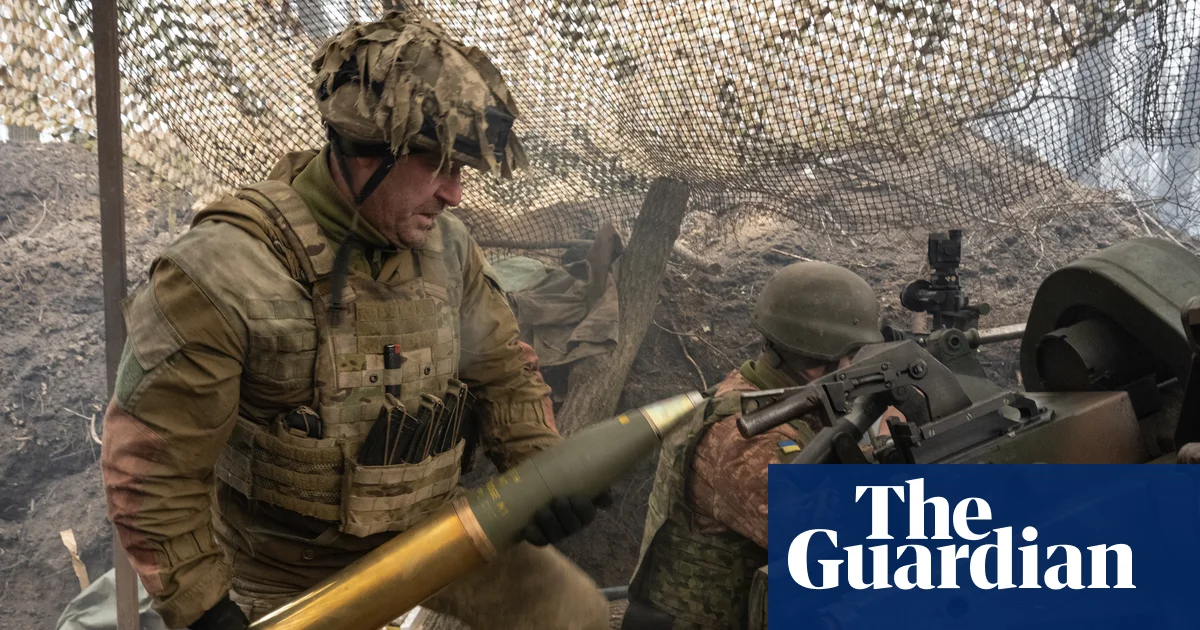
Matox News

Truth Over Trends, always!

Australia news: Luxury car tax tweak may boost EU deal; Dubai flights land in Sydney and Melbourne

The geopolitical landscape in the Indo-Pacific is witnessing a decisive shift as Australia prepares to amend its domestic policies to clinch a lucrative free trade agreement (FTA) with the European Union. This move isn’t just about economics; it signals a strategic realignment aimed at fortifying Australia’s international standing amid ongoing global tensions. Negotiations have been progressing swiftly, with Ursula von der Leyen, the President of the European Commission, potentially set to visit Australia in the coming days—an event that could mark a significant milestone in this diplomatic push.

Key to this diplomatic gambit is a controversial adjustment to Australia’s luxury car tax (LCT), a move that has caught international attention. According to reports, the Australian government is considering increasing the current $80,000 threshold to at least $100,000, a concession tailored to European automakers like BMW and Mercedes-Benz. This adjustment would reduce import tariffs on high-end vehicles, making Australian markets more accessible to European luxury brands while simultaneously positioning the nation as a more attractive partner in commerce. Analysts, including diplomatic strategists and trade experts, observe that this maneuver is a calculated effort to demonstrate Australia’s willingness to flex its economic muscles in service of broader geopolitical ambitions.

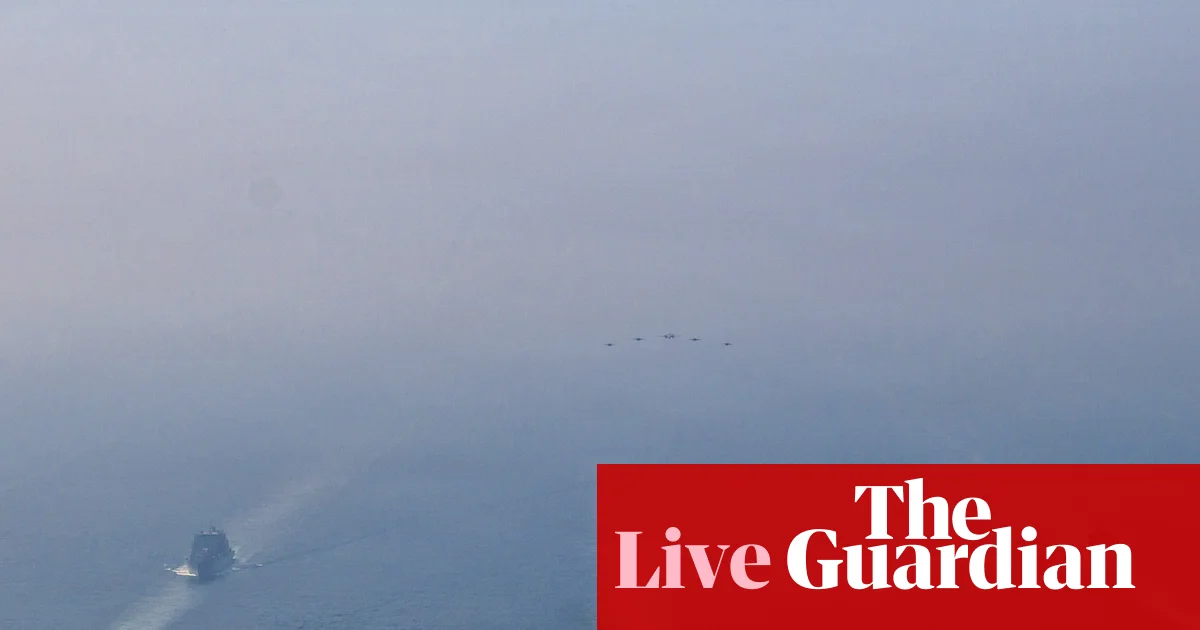
In tandem with negotiations with the EU, Australia’s military posture remains a subject of international intrigue. Reports suggest that Australian personnel may have been aboard a U.S. submarine during an operation off Sri Lanka, which resulted in the torpedoing and sinking of an Iranian warship—an incident that has sent ripples through international security circles. Defense Minister Madeleine King refused to disclose operational details, citing longstanding arrangements with allied foreign governments, notably the U.S. Navy. This situation underscores Australia’s deepening military integration within the AUKUS pact, a strategic alliance that signals a clear pivot towards aligning more closely with Western military interests amidst an increasingly unsettled international order.

Meanwhile, Australia is grappling with severe weather phenomena, as a tropical low threatens the northern coasts with flooding and damaging winds. Such natural disasters have become a stark reminder of the rising stakes in the region’s security and economic stability. Emergency preparations in Queensland highlight the country’s vulnerability to climate events that could further destabilize already precarious social and infrastructural conditions. Historians and Future Impact analysts warn that these environmental challenges, coupled with shifting geopolitical alliances, could accelerate regional realignments—an unfolding narrative of nations adjusting their course under the weight of history’s relentless tide.

Global analysts note that Australia’s dual focus—bolstering economic ties with the EU while navigating complex military alliances—embodies a broader pattern among Western-aligned nations seeking to preserve sovereignty and influence in a rapidly changing world. The decisions made today will ripple across continents, affecting societies, industries, and security architectures for generations to come. As diplomatic doors open and warships move unseen in distant waters, the weight of history presses heavily upon a nation poised on the brink of a new geopolitical chapter—one written as much in boardrooms as it is in the depth of the oceans and the fury of storms.
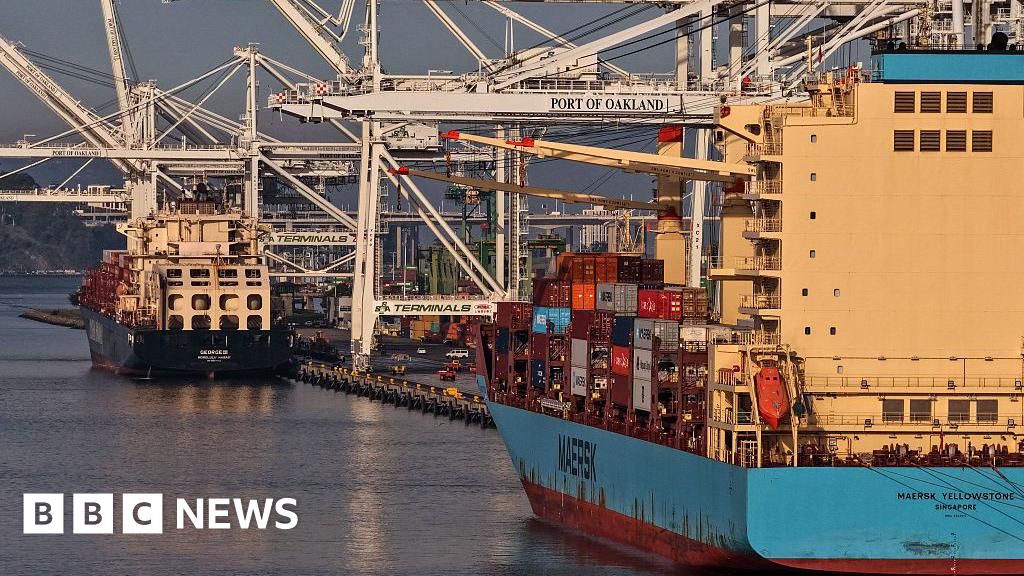

Trade court demands tariff refunds, deal a blow to Trump’s trade policies

In a significant turn of events, a prominent trade court has recently cleared the path for businesses worldwide to secure refunds for tariffs that the Supreme Court invalidated last month. This ruling marks a vital development in the ongoing evolution of international trade policies and signals a potential shift in how nations approach economic sovereignty and commerce regulations. The decision underscores the volatile and unpredictable landscape of global markets, where legal, political, and economic forces intertwine to shape the fabric of international commerce.

The initial Supreme Court decision dismantled a set of tariffs that, for years, served as a tool for several U.S. administrations to protect domestic industries from foreign competition. But its recent reversal prompted uncertainty, especially among businesses that had anticipated potential rebates or refunds due to the ramped-up tariffs. Now, with the trade court’s endorsement, companies can begin pursuing these refunds, thus rekindling economic hopes for many sectors hit hard by previous tariffs. This move has caused ripples across the global economic community, illustrating how legal reinterpretations within the U.S. legal system can send shockwaves through international markets and alliances.

Analyzing this development, respected international trade analysts highlight the geopolitical impact of this shift. Historically, tariffs served as tools of protectionism, often sparking retaliatory measures and trade wars. The recent court decision appears to reinstate a more predictable legal environment within the U.S. and potentially affecting negotiations on trade agreements such as the USMCA or upcoming bilateral pacts. Countries like China, Mexico, and Canada closely monitor American legal dynamics, as this determines their own standing in intertwined trade networks. The renewed availability of tariff refunds could influence American relations with these economic giants, potentially leading to a recalibration of trade strategies and diplomatic dialogues.

Adding complexity, the decision bears profound consequences for emerging economies. As nations such as India and Brazil seek to propel growth through increased trade liberalization, the reactivation of tariff refunds in the U.S. could either bolster or hinder their efforts, depending on how the shifting legal landscape influences global supply chains. The World Trade Organization and other international bodies have voiced cautious optimism; however, many analysts warn that this development could signal a broader return to protectionist tendencies, challenging longstanding efforts to foster open and fair trade. The stakes for sovereignty, economic resilience, and societal stability are rising; what remains uncertain is whether this decision marks a temporary reprieve or the beginning of a fundamental transformation in America’s trade posture.

Many experts warn that such legal victories and reversals, while seemingly technical, embody a deeper battle — one that will determine the future trajectory of global power. Historians and political strategists remind the world that decisions made in courtrooms and legislative chambers today will ripple through generations, shaping whether nations move toward greater economic independence or capitulate to the forces of globalization. As the international community watches with bated breath, one thing is clear: in the unpredictable arena of global geopolitics, the course of history is still being written, and the next chapter could turn the tide of international influence in unforeseen directions.

Top Pokémon TCG Deal: Score the Epic Journey Together 3-Pack Blisters for Just $24!

The Pokémon Trading Card Game (TCG) continues its relentless forward march into the cultural spotlight, especially among the youth who are shaping modern trends. Recently, mainstream retailers like Walmart have taken strides to make Pokémon TCG products more accessible and affordable, a clear reflection of a broader societal shift — lowering the barrier of entry for new collectors and players. The Journey Together 3-Pack Blisters, featuring popular cards such as Yanmega and Scrafty, are now selling at Walmart for under $25, a price point that undercuts many online marketplaces and highlights the increasing commercial significance of casual market penetration.

This trend isn’t just about saving a few bucks; it’s emblematic of a cultural renaissance where Pokémon isn’t solely a nostalgic relic for Gen X and Millennials but a fresh, dynamic lifestyle for today’s youth. Influencers and community leaders, including younger high-profile TCG enthusiasts, are bolstering this wave by emphasizing collecting as a social activity. Iconic gamers like Leonhart and UnlistedLeaf have turned pulling a rare card into an event that transcends the game itself, establishing Pokémon TCG as a form of modern social currency.

Analysts, like Gregory C. Roberts, sociologists examining youth culture, note that this trend symbolizes a shift in how younger generations define status and community. Pokémon’s ability to evolve with the digital era—integrating physical cards with online platforms—further amplifies its social relevance. The recent price reductions on sets like Journey Together underscore an industry response to the waning value of certain chase cards, yet it also opens up avenues for more casual fans to participate without the fear of overspending. The affordability, coupled with online content, turns collecting into a trend of shared discovery, bonding a new generation over nostalgic gameplay and competitive pursuits.

As Walmart and other big-box retailers continue to democratize access to Pokémon TCG, the next question looms: Will this affordability drive a sustained cultural shift, or is it merely a fleeting trend? Beyond the price tags, what does this say about the future of childhood leisure, social identity, and the commodification of nostalgia? The upcoming Pokémon Day 2026 might be the true test, determining whether the franchise’s reinvention as a lifestyle product will embed itself deeply into society’s fabric or fade as just another passing fad.

Sony WH-CH720N: Top-tier sound that’s worth the full price—right now, an unbeatable deal for young tech fans.

Disruption in Consumer Electronics: Sony’s Budget Noise-Canceling Headphones Shift Market Dynamics

The consumer tech landscape continually evolves with innovative products that challenge established giants and redefine value. Recently, Sony has disrupted the premium headphone market segment by slashing prices on their WH-CH720N noise-canceling headphones, a move that could signal broader shifts in how value and performance are perceived in consumer audio technology. Once positioned squarely as an affordable alternative, these headphones now offer mind-blowing features—active noise cancellation, 35-hour battery life, and robust sound quality—at a fraction of previous costs.

Market analysts note that this aggressive pricing strategy exemplifies disruption at play, where established brands are forced to reevaluate their margins and value propositions. Gartner data indicates that cost-effective, feature-rich devices are increasingly favored by younger demographics, who prioritize their tech experience over traditional brand loyalty. Elon Musk’s recent ventures in AI and clean energy corpora highlight how innovation often comes from challenging the^ status quo, and Sony’s latest move echoes this philosophy within consumer electronics. The savings from $180 to under $100 on Amazon and Best Buy—thanks to offers like the one currently blowing the market away—highlight how companies are leveraging cost competitiveness to capture market share. For consumers, it’s a win; but for competitors battling to maintain margins, a warning: the era of premium pricing for feature-rich tech is under threat.

From a business perspective, Sony’s strategic price reduction will likely have industry-wide implications. Traditional audio brands that have relied on premium segmentation might need to innovate further or accept shrinking profit margins. For business leaders and startups alike, this underscores a fundamental shift: disruption no longer just comes from new entrants, but from seasoned companies pivoting boldly to redefine market norms. The trend towards accessible high-performance tech is catalyzed by consumer demand for affordable, durable, and feature-packed products. Companies that harness this trend—possibly integrating AI noise-cancellation with personalized sound profiles or extending battery life—stand to dominate in the next wave of consumer electronics.

Looking Forward: Innovation’s Role in Shaping the Future

The strategic moves by Sony exemplify how disruption fuels innovation. With giants like Apple and Samsung constantly elevating their product offerings, the pressure is mounting for all players to rethink their value propositions. Industry veterans and startups must focus on innovating beyond mere features—embedding disruption into business models that prioritize affordability without compromise. As Peter Thiel advocates, monopolize by innovating in unexpected territories; the race is on for those willing to challenge the status quo.

In the near future, expect to see more breakthroughs in adaptive sound technologies, AI-driven personalization, and integrated ecosystems. These advancements will set new standards, but only for companies that act with urgency and audacity. As markets shift, the key for stakeholders is to remain agile, continuously pushing the envelope of what’s feasible at every price point. The window to lead this transformation is now, and those who hesitate risk obsolescence in a rapidly changing tech battleground.

Trump threatens strikes, demands Iran’s deal within 15 days — US warns Tehran

Rising Tensions and Strategic Movements: US Preparedness in the Middle East

In a clear demonstration of shifting geopolitical tides, the United States has amassed an unprecedented military presence in the Middle East. The deployment of the USS Abraham Lincoln aircraft carrier, along with an entire strike group equipped with F-35 Lightning IIs and F/A-18 Super Hornets, signals a readiness to escalate military options against Iran. For nearly a month, these naval forces have operated in the Arabian Sea, indicating a deliberate strategic posture aimed, analysts suggest, at exerting maximum pressure on Iran. Complementing this buildup, a second carrier, the USS Gerald R Ford, has been positioned in the Atlantic near Morocco, scheduled to traverse the Strait of Gibraltar en route to the eastern Mediterranean—a move that signals a potential for sustained air campaigns against key targets.

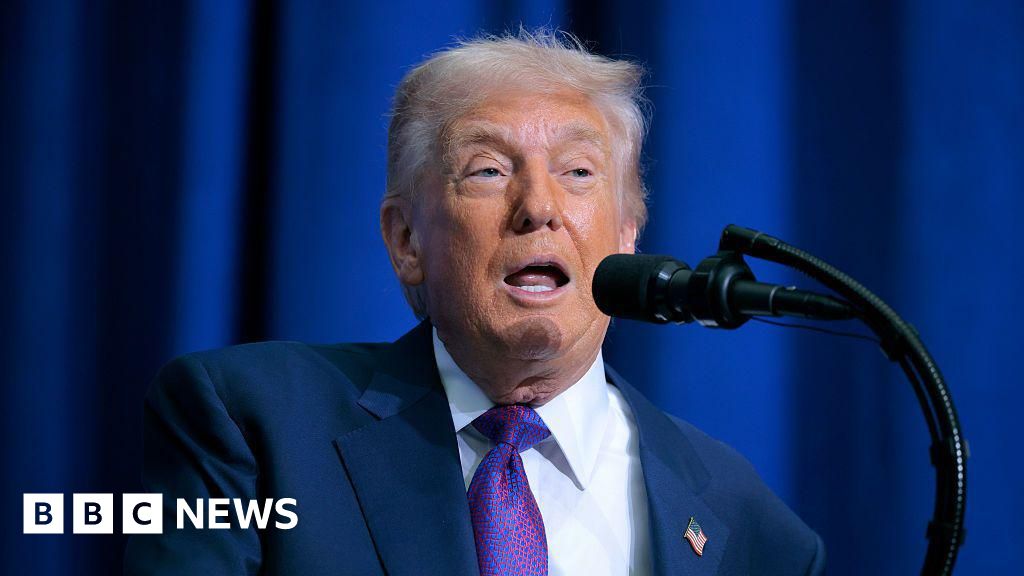
This military reinforcement coincides with recent comments by Donald Trump, publicly asserting a two-week ultimatum for Iran to negotiate on its nuclear program. Sources reveal that high-level discussions in Washington have circled around not only limited strikes targeting military or governmental sites but also the possibility of larger-scale operations aimed at dismantling Iran’s nuclear capabilities or even precipitating regime change. Military strategists within the Pentagon have emphasized that these carrier strike groups could generate “several hundred strike sorties a day for weeks,” exceeding even the intensity seen during the brief 12-days war in the Gulf. The precise intentions remain under wraps, yet the message to Tehran is unmistakable: the U.S. is prepared for a decisive escalation if diplomatic efforts falter.

Global Repercussions and the Balance of Power

The geopolitical impact of this military posturing extends far beyond regional borders. Historically, the presence of such formidable naval forces signifies more than mere deterrence; it signals America’s unwavering commitment to safeguarding its strategic interests and allies, particularly Israel. According to analysts from institutions like the Institute for the Study of War and the American Enterprise Institute, the deployment of forces—combined with intelligence movements such as the transfer of six E-3 Sentry Awacs aircraft to Prince Sultan Airbase in Saudi Arabia—indicates a readiness to launch an extensive aerial campaign. This potential for rapid escalation could destabilize the region further, risking wider conflict or drawing previously uninvolved nations into the swirl of wartime politics.

Notably, some military experts warn that the mere show of force might inflame tensions rather than resolve underlying issues. Several senior analysts contend that, given Iran’s robust underground facilities and asymmetric warfare strategies, conventional bombing could prove less effective and more destructive of regional stability. Yet, the Biden administration’s continued military buildup, reminiscent of the post-Iraq invasion surge, hints at an underlying resolve to influence Iran’s nuclear trajectory through maximum pressure. The broader geopolitical ripple effect will likely be felt across energy markets, NATO alliances, and the global balance of power, as nations recommit to the narrative of American dominance and interventionism.

Historical Warnings and the Fragile Path Forward

According to historians and diplomatic experts, the prolonged cycle of threats and military movements carries profound warnings. Since the 2003 Iraq conflict, the Middle East has been a theater where power decisions ripple into prolonged instability—consequences that nations and societies continue to grapple with. The current show of force, framed by some as a “prelude to conflict,” echoes Cold War dynamics and raises questions about the efficacy of military solutions in a complex geopolitical landscape. International organizations have urged restraint, concerned that an ill-judged attack could unleash chaos, destabilize nuclear negotiations, and threaten global energy supplies.

As the world watches the unfolding drama, the weight of history remains heavy on the horizon. Whether diplomatic negotiations will succeed or whether the specter of war will deepen, the decisions made today could define an era. With each carrier deployment and political declaration, a new chapter in the ongoing contest for influence is written—one where the boldest actions might yet carve a scar on history’s fabric, a reminder that in international politics, peace is often a fragile vessel, easily shattered by the weight of impending war.

Trump warns Iran: 10 days to seal deal or face serious consequences

The United States has recently initiated a significant military deployment to the Middle East, signaling a shift in both regional security dynamics and global strategic calculations. This move comes amidst high-stakes negotiations with the Islamic Republic of Iran over its contentious nuclear program. As diplomatic channels strain under the weight of decades-long mistrust, this military reinforcement underscores a broader narrative: the contest for influence and control in an already volatile region is intensifying, with worldwide implications.

The decision by Washington to escalate military presence is viewed by many analysts as a response to recent advancements in Iran’s nuclear capabilities, despite ongoing negotiations seeking a diplomatic resolution. According to experts such as Dr. James Steele, a senior analyst at the International Security Institute, “This surge of forces signals America’s readiness to project power and deter Iran from progressing further towards nuclear armament, which could destabilize entire regions.” The move also aims to reassure regional allies like Israel and Saudi Arabia, which have long expressed concerns about Iran’s regional expansionism and nuclear ambitions. The renewed military presence in key strategic locations around the Persian Gulf has consequently sent ripples through international markets, affecting oil prices and geopolitical alignments.

Historically, such troop movements often serve as a precursor to broader conflict or a reaffirmation of strategic commitments. In this instance, the decision comes at a critical juncture—as diplomacy remains fragile and trust diminishes. The United States is not acting in isolation: its allies in NATO and the Gulf Cooperation Council are watching closely, hinting at a potential escalation in regional security dilemmas. Meanwhile, Iran condemns these actions as provocative, warning that any aggression could be met with decisive responses, heightening fears of a wider confrontational spiral. The actions of Washington and Iran, therefore, underscore the delicate balance—where diplomatic efforts hang by a thread, and the possibility of conflict looms larger than ever.

International institutions and analysts recognize this moment as a turning point—one that could redefine the geopolitical landscape for decades to come. The United Nations and other global bodies have called for restraint, emphasizing that only through diplomatic engagement can peace be restored. Yet, history warns that such calls often go unheeded when national interests clash with the desire for regional dominance. The US and Iran now find themselves at a crossroads, where their choices will have profound implications for the future of international stability, regional sovereignty, and the global order. As the world watches with bated breath, the weight of history presses heavily on this moment—one that could either mark the beginning of a new era of diplomacy or plunge the Middle East into renewed chaos, forever shaping the course of the 21st century.

White House urges Iran to strike deal as U.S. boosts military presence

Amid escalating international tensions, reports emerging from US media indicate that President Donald Trump has engaged in high-level discussions with national security advisers regarding potential military action. Sources reveal that an attack could be launched as early as Saturday, underscoring the precarious state of global stability. These developments unfold against a backdrop of complex geopolitical maneuvering, where the decision of an influential superpower carries profound consequences for regional and world order alike.

The possibility of a preemptive strike highlights a critical juncture in international relations, raising questions about the escalation of conflicts and the fragility of diplomatic channels. Historically, decisions by superpowers to resort to military force have often recalibrated the global chessboard, leading to unpredictable repercussions. Experts suggest that such an action, if undertaken, would be indicative of America’s intent to project strength and deter perceived threats, but also increases the risk of unintended consequences, including a broader regional conflict. International organizations and foreign governments continue to monitor the situation closely, aware that the decision will reverberate across multiple theaters of geopolitical interest.

Analysts argue that the geopolitical impact of such a strike would not be confined to the immediate target. Historically, when the US has engaged in unilateral military actions, it has precipitated shifts in alliances, economic sanctions, and diplomatic realignments. Countries in the region, especially those with vested interests in stability, are bracing for the possibility of escalation. Senior international diplomats and security analysts warn that rushed decisions could undermine long-standing efforts at diplomacy and increase instability, especially if aligned with broader narratives of national security and sovereignty. The drama unfolding now underscores the delicate balance of power and the perilous path toward conflict, where every decision writ large shapes the lives and societies of millions.

As the wheels of war turn ominously closer, history reminds us of the destructive power of unchecked military cravings and the ripple effects that follow. The shadow of past conflicts looms large, where once hesitant diplomacy was abandoned for force, leaving nations fractured and communities scarred. The world watches with bated breath as America’s leadership grapples with this decisive moment, bearing the weight not only of immediate strategic interests but of the historical trajectory they forge. The unfolding story offers a stark reminder: in the arena of international power, every decision is a chapter in the ongoing narrative of history—one that could end in chaos or the hard-won stability of peace, depending on the choices made in these critical hours.

Trump Looks to Venezuela as Obstacles to Oil Deal Persist

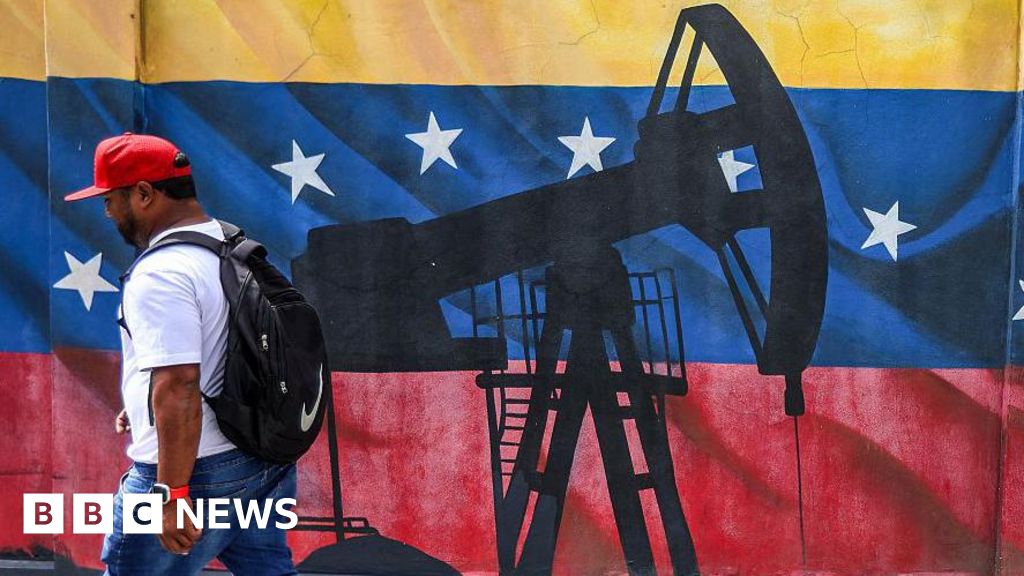
The geopolitical landscape across the Americas has been profoundly shaped by Venezuela’s shifting oil reserves, a development that coincides with a broader narrative of resource reclassification and strategic manipulation. Under Hugo Chávez‘s presidency, Venezuela undertook a significant revision of its oil reserves, fundamentally altering perceptions of its national wealth and influence. Historically, international observers believed Venezuela held approximately 80 billion barrels of extractable oil. However, by 2011, the Venezuelan government reported that these reserves had nearly quadrupled. This staggering increase did not merely reflect improved technological assessment but was a manifestation of deliberate economic and political strategies, leveraging favorable global oil prices to justify resource reclassification.

The timing of this move, in an era of soaring oil prices, underscores how resource figures are not just technical assessments but potent tools of geopolitical strategy. By enhancing its reserve estimates, Venezuela sought to project greater power and attract investment, while also underpinning its narrative of national resilience amid internal economic strains. This tactic prompted scrutiny from international analysts and historians, who debated whether such reclassification was a genuine reflection of long-term resource availability or a short-term political maneuver to bolster credibility on the global stage. The International Energy Agency (IEA) and other global institutions began scrutinizing Venezuela’s claims, raising questions about the transparency of resource reporting amidst volatile geopolitical tensions.

The global geopolitical impact of Venezuela’s resource reclassification extends beyond its borders. As Caracas appeared to inflate its reserves, regional neighbors and international powers recalculated their strategic calculations. Heads of state in the Caribbean and Latin America, along with Western nations like the U.S. and China, closely monitored these developments. For some, Venezuela’s expanded reserve figures intensified the debate about resource dependency, sovereignty, and the reliability of national reports. Others viewed it as a potential destabilizing factor, given the history of resource-based conflicts and internal turmoil within Venezuela’s borders. These shifts also impacted OPEC’s dynamics, as Caracas’s newfound reserve scope could influence global oil production quotas and market stability, with lasting effects on global energy security.

Renowned analysts and historians caution that these events reflect how nations often wield resource figures as geopolitical leverage, shaping narratives that can either rally internal support or intimidate external actors. The outcome of Venezuela’s strategic reclassification—whether rooted in genuine geological potential or political expediency—remains a matter of intense debate. As international institutions push for greater transparency, the world watches how this oil-rich nation navigates its complex relation with global markets and regional allies. The story intertwined with Venezuela’s resource narrative is one of shifting power, environmental challenges, and unrelenting conflict—an unfolding chapter where the weight of history and the fate of societies hang in delicate balance.

Iran open to compromises to seal nuclear deal, says Tehran minister on BBC

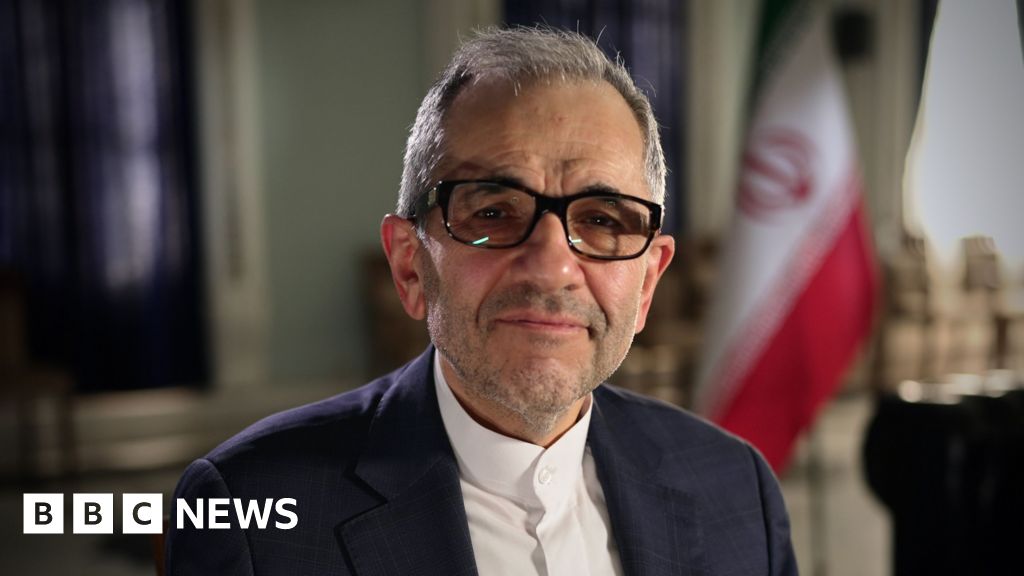
Amid escalating global tensions, the future of Iran and U.S. negotiations remains a focal point for international stability. In an interview with the BBC from Tehran, Majid Takht-Ravanchi, Iran’s deputy foreign minister, articulated a cautious yet hopeful tone, asserting that “the ball was in America’s court to prove that they want to do a deal.” His statement underscores the complex dance of diplomatic signals and counter-signals that have characterized these negotiations for years. While Tehran suggests an openness to a breakthrough, the core issue revolves around whether the United States is genuinely committed to reviving the 2015 Joint Comprehensive Plan of Action (JCPOA), a diplomatic agreement crucial for curbing Iran’s nuclear ambitions and stabilizing the region.

International analysts warn that any delay or perceived lack of sincerity from Washington risks further destabilizing a region already fraught with tension. Historically, the United States under multiple administrations has oscillated between engagement and sanctions concerning Iran, causing uncertainty that affects global markets and alliances. The recent remarks from Tehran serve as a reminder that diplomacy must be grounded in genuine intent; otherwise, the risk of a broader regional arms race or inadvertent conflict looms large. Significantly, the Biden administration’s approach has faced scrutiny from both allies and adversaries, with many fearing that the current political climate in the U.S. could hamper a real commitment to resolving decades-long disputes.

The international community, represented by institutions like the United Nations and leading nations, closely watches these developments, aware that the stakes extend far beyond Iran’s borders. A failure to reach a deal could enhance Tehran’s nuclear capabilities, undermine peaceful diplomacy in the Middle East, and provoke a dangerous escalation affecting Israel, Saudi Arabia, and other regional players. Some experts warn that a breakdown could entrench Iran’s isolation, fueling a cycle of sanctions and clandestine nuclear pursuits, raising questions about the effectiveness of current diplomatic tools to manage this volatile situation.

In this tense tapestry of diplomacy, the fundamental question remains: are the decisions made today shaping a future of peace or plunging the world into further chaos? History has repeatedly demonstrated that moments of diplomatic hesitation can have profound, long-lasting consequences. As the clock ticks, the weight of history presses down upon those in power—reminding us that the course they chart tonight could determine whether countless lives are safeguarded or sacrificed to the shadows of unresolved conflicts. The world holds its breath as the delicate balance of trust, interest, and strategic calculation continues to hinge on the sincerity of one side’s overtures, and whether the other will choose to meet it with genuine resolve.

EU Ukraine Loan Deal Could Boost UK Economy if We Step Up to Help Cover Costs

The European Union has reached a pivotal moment with the recent approval of a €90bn (£78bn) loan intended to sustain Ukraine amidst its ongoing conflict with Russia. This financial lifeline, approved by most EU member states through a process that involved 24 of 27 nations, signifies a strategic effort to bolster Kyiv’s defenses and economy during a period of grueling winter hardship and relentless Russian assaults. The loan, sourced from EU borrowing on international markets, underscores the bloc’s commitment to Ukraine’s sovereignty but also highlights the complex web of decisions and negotiations shaping Europe’s geopolitical posture.

The recent developments bear significant geopolitical impact, especially with the emerging role of the United Kingdom. Despite the UK’s official stance of limited involvement, the EU’s updated loan plan proposes a pragmatic compromise—allowing British firms to supply military equipment to Ukraine under a new clause that promotes a “fair and proportionate financial contribution” from the UK toward the costs of EU borrowing. This move reflects a deliberate diplomatic strategy to find common ground post-Brexit, as seen in the security and defense partnership signed last May, which aimed to reset relations and forge a collaborative front against shared threats. Analysts suggest that this phased approach to cooperation could be a stepping stone toward more substantive integration, particularly in defense realms that have historically been a source of divergence.

International organizations and geopolitical analysts have expressed cautious optimism. The European Commission and regional leaders view this loan as a crucial component in Kyiv’s broader strategy to sustain its military and civil infrastructure, especially as it faces the brutal realities of months of Russian strikes on energy and heating systems, leaving millions vulnerable during winter. The plan allocates €60bn specifically for Ukraine’s defense needs, allowing procurement from EU and closely associated countries such as Norway, with provisions permitting purchases from non-EU nations, including the United States, to ensure Ukraine access to advanced weaponry like Patriot missile systems. Such flexibility underscores the EU’s recognition that a united front in military support requires navigating complex international supply chains, often involving the UK and other allies.

However, the decision also carries a stark warning for the broader geopolitical landscape. The absence of a clear figure for the UK’s financial contribution raises questions about the future scope of post-Brexit cooperation and how far London is willing to go in sharing the burden of European security. Critics argue that piecemeal arrangements risk fragmenting the unity necessary to counter Russian aggression and could embolden adversaries observing European discord. Moreover, the EU’s reliance on borrowing to fund Kyiv’s support illustrates the fiscal challenges faced by the bloc, especially as some nations like Hungary, the Czech Republic, and Slovakia initially hesitated, underscoring the fragile consensus around this aid package. As EU lawmakers prepare to ratify the loan by April, the world watches with anticipation—knowing that these decisions may very well define the present epoch of European stability and independence. We stand at a crossroads where the weight of history exerts a profound influence, and the choices made today will echo through generations, shaping the continent’s destiny in ways still being written.

Social Media Auto Publish Powered By : XYZScripts.com