Matox News

Truth Over Trends, always!

Unilever strikes $44.8bn deal to merge food division with McCormick, reshaping the snack battlefront

Global Food Industry Shake-up: Unilever and McCormick’s Strategic Merger

The international landscape of consumer goods is witnessing yet another pivotal shift as Unilever, a historic titan in the sectors of beauty, personal care, and home products, embarks on a transformative journey by divesting its food division to US-based McCormick. This $44.8 billion deal marks a definitive change from nearly a century of unilever’s focus on broad consumer markets, signaling a deliberate repositioning aimed at sharpening its focus on high-growth sectors such as beauty and personal care. Analysts attribute this to strategic moves within the constraints of geopolitical uncertainties and shifting consumer preferences, emphasizing the importance of international agility in a rapidly evolving global economy.

The merger creates a formidable global flavour powerhouse, combining brands that dominate kitchens worldwide — from Knorr and Pot Noodle to McCormick’s French’s mustard, Cholula hot sauce, and Old Bay seasoning. According to leading economists and industry analysts, this consolidation is more than a corporate reorganization; it is a calculated geopolitical maneuver with tangible ramifications. The control of sprawling food brands spanning multiple continents could influence supply chains, pricing structures, and even national agricultural policies. While McCormick retains its headquarters in the US, the new entity will maintain a significant international presence through Unilever’s existing Dutch base, illustrating the ongoing trend toward corporate decentralization in global markets.

However, this strategic alignment comes with notable **geopolitical implications**. The divestment excludes parts of Unilever’s operations in India and renowned brands such as Horlicks and Boost, underscoring the company’s focus on core markets while signaling an exit from some of the most dynamic and rapidly growing economies. Moreover, the decline in stock prices—Unilever falling 7% and McCormick 5.6%—amid concerns over job security and integration complexities, highlights the risks embedded in such international consolidations. As historians like John Meehan and analysts emphasize, it showcases how **decisions made in boardrooms** can ripple through the geopolitical fabric, affecting employment, local economies, and forms of international cooperation or rivalry.

This amalgamation also signifies a transformative strategy, with Unilever shedding several sectors—ranging from spreads and teas to plant-based meats—to focus on its core personal care and home products. This deliberate shift reflects what some international strategists label as “a move to unlock trapped value”. Still, critics argue that reducing economies of scale could undermine efficiency, provoking a reevaluation of global trade dynamics. The fallout—potential job cuts, changing manufacturing hubs, and the reshaping of supply chains—may serve as a warning for other multinational corporations navigating geopolitical waters increasingly fraught with uncertainties. As the world watches, the decisions of these corporate giants will inevitably impact countless societies, shaping the very structure of consumer culture in the years ahead.

As history continues to unfold under the weight of new alliances and shifting economic power, the global community remains on edge. The marriage of food giants—with all its promise of innovation and efficiency—also exposes vulnerabilities rooted in geopolitical tensions and economic upheavals. From Europe to North America and Asia, the intricate web of corporate interests and national sovereignty teeters on a knife’s edge, making it clear that the forces shaping today’s food industry are also shaping the future stability and order of the international system. The next chapter is unwritten, but the echoes of this historic merger will resonate for generations to come, leaving society to grapple with questions of power, influence, and the true cost of globalization.

House Republicans block Senate deal, pushing partial government shutdown further

The recent failure of United States Congress to address the funding crisis has plunged the nation’s airport security system into unprecedented turmoil. With security agents going unpaid for over a month, chaos has erupted across major transportation hubs, exposing not only the immediate consequences for travelers but also underscoring deeper geopolitical concerns. This critical failure reflects mounting discord within the U.S. political establishment, potentially weakening one of the country’s most vital infrastructure components and revealing cracks in the bipartisan consensus necessary for governance in turbulent times.

The disruption stems from an ongoing budget impasse in Congress, where partisan disagreements have prevented the passage of crucial funding bills. The failure to allocate resources for airport security agents—an essential frontline element—has led to widespread understaffing, delays, and a breakdown of passenger screening procedures. Transportation Security Administration (TSA) officials warn that the integrity of airport security is compromised, jeopardizing not just domestic stability but also the broader diplomatic image of the United States. As analysts note, this crisis is a tangible manifestation of deeper political polarization that threatens to undermine public confidence in government institutions, especially amid rising concerns over security and migration.

International organizations and geopolitical analysts recognize the significance of this domestic instability on a global scale. The International Institute for Strategic Studies (IISS) emphasizes that a weakened U.S. security apparatus can have far-reaching consequences, including empowering hostile actors and encouraging regional destabilization. The disruption of travel and commerce can also ripple into economic vulnerabilities, affecting allies and trading partners who depend on stable transit routes. Some foreign governments have issued cautionary advisories, wary of the broader implications in a world where unpredictable internal conflicts can quickly escalate into diplomatic crises.

Historians and security experts warn that, far from a routine political debate, this standstill symbolizes a larger trend: the gradual erosion of American political consensus that has sustained the nation’s global dominance since the end of World War II. As key international treaties and alliances hang in the balance, the failure to fund essential operations signals a dangerous recalibration of priorities—where partisan bickering takes precedence over national security. The consequences are dire: if the U.S. cannot resolve its internal dysfunction, it risks ceding ground to adversaries who look to capitalize on American vulnerabilities, both at home and abroad.

In a world increasingly shaped by shifting alliances, rising authoritarian powers, and economic upheaval, this domestic crisis is a stark reminder of history in the making. As the day’s headlines continue to unfold, one thing remains clear: the decisions made within Washington’s hallowed halls will echo through history, shaping the future of countless nations and societies. The weight of this unfolding story leaves the global community pondering—how long can the superpower preserve its internal cohesion before the cracks become too deep to mend?

House Plans DHS Funding Deal to End Partial Shutdown—Stay Tuned, Youths

In a time marked by rapid geopolitical upheaval, the United States is retrenching its influence while forging new alliances and strategies in a complex international landscape. Following a partial government shutdown and fractious debates within Congress, the Biden administration appears to be pivoting towards a more assertive posture in the Middle East, especially concerning the Iran conflict. Reports suggest that JD Vance, the Vice President, has emerged as a key figure in negotiations aiming to de-escalate tensions with Iran, signaling a potential shift away from the previous confrontational stance. This pivot comes amidst a backdrop of ongoing diplomatic stratagems, economic pressures, and military posturing, with global repercussions that extend far beyond the narrow corridors of Washington or the Middle East.

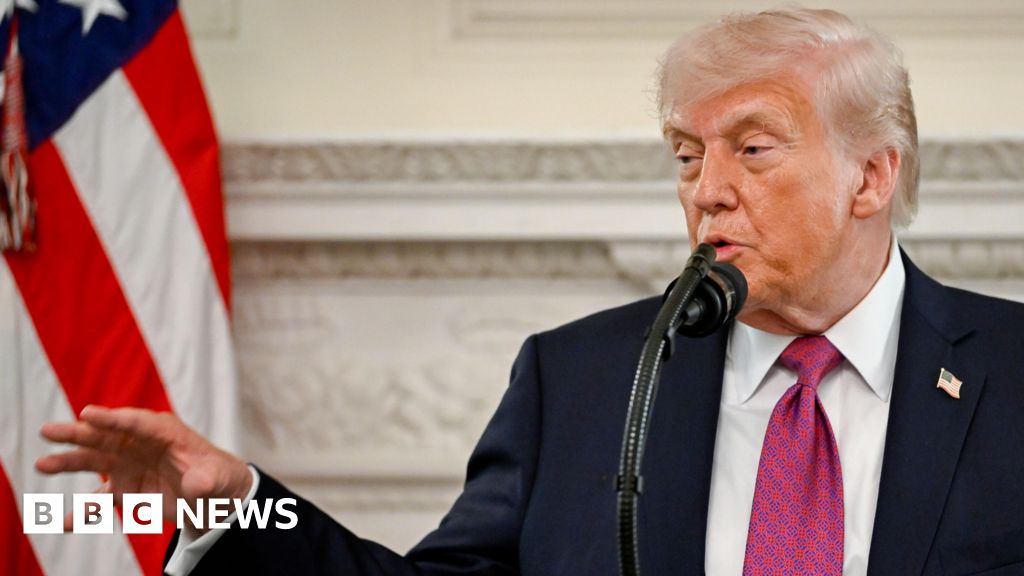
Meanwhile, Saudi Arabia has increased its calls for intensified U.S. action against Iran, reportedly urging President Donald Trump to escalate military strikes. A Saudi intelligence source revealed that Crown Prince Mohammed bin Salman advocates for not only continuing but intensifying confrontations, viewing the ongoing campaign as a “historic opportunity” to reshape the Middle East. The recent assertions by Trump, claiming Iran is *”begging to make a deal”* and allowing oil tankers to pass through the Straits of Hormuz, signal a critical juncture where rhetorical bravado masks the underlying strategic stakes. These developments highlight a fragile balance, where international actors’ decisions directly influence regional stability and global energy markets.

In the European sphere, the G7 foreign ministers convened in Paris to discuss the crisis, amid indications that America’s allies remain skeptical of U.S. ambitions. Secretary of State Marco Rubio emphasized that the U.S. prioritizes the interests of its citizens, dismissing efforts to appease allies as secondary. This stance underscores an emerging rebellion against traditional multilateral diplomacy, where the West grapples with redefining its role and influence. The ripple effects are compounded by economic markets reacting sharply—U.S. stocks plummeted in the largest slump since the Iran-Israel conflict escalated, revealing investor anxiety over the stability of energy supplies and broader geopolitical risks. Analysts warn that these financial tremors could presage a more profound global economic downturn, as confidence in international stability wanes.

Furthermore, the Biden administration’s recent actions—such as the decision to feature President Trump’s signature on U.S. currency and proposed calls to overhaul voting processes—signal a broader shift towards a more domestically focused, nationalist posture. These decisions, coupled with legislative impasses over immigration reforms, reflect a nation redefining its core principles and confronts internal divisions that threaten to weaken its global standing. Historians and geopolitical strategists warn that such internal turbulence, if left unaddressed, could accelerate America’s decline from a unipolar superpower to a nation struggling to maintain its influence amidst rising powers like China and Russia.

As the dust settles over these critical debates and shifting alliances, the world stands at a crossroads where each decision could unleash either a new era of cooperation or the chaos of conflict. The unfolding drama, marked by geopolitical chess moves and national introspection, leaves the global community with a stark warning: that history’s most significant transformations often arrive unannounced, shaping the future in ways that few can fully comprehend. The pages of history are still being written, and the next chapter promises to test the resilience of nations and the resolve of civilizations.

Layla Sleep Deal: Score Up to $600 Off This March!

Layla’s Disruptive Innovations Reshape Sleep Market with Consumer-Centric Strategies

The sleep industry continues to experience a wave of disruption driven by innovation and direct-to-consumer models. Layla Sleep, a notable player in the smart mattress space, exemplifies this shift by combining cutting-edge technology with aggressive marketing tactics aimed at capturing the shifting preferences of tech-savvy consumers. By leveraging online-exclusive promotions and personalized features, Layla is transforming traditional mattress retail paradigms and setting a new industry standard for customer engagement and product differentiation.

At the core of Layla’s advancement lies a focus on smart innovation. Its dual-sided, adjustable mattresses—featuring innovative coil cores and memory foam layers—are designed to appeal to a broad range of consumer needs, from medium-soft comfort to firm support. Additionally, the company’s integration of features such as Alexa compatibility and adjustable bases underscores a strategic move toward coupling bedding with IoT (Internet of Things) ecosystems. Experts from MIT and Gartner highlight that such integration not only enhances consumer comfort but also signals a shift toward smart living spaces—where everyday objects become interconnected assets.

From a business standpoint, Layla’s approach demonstrates a keen understanding of market shifts towards personalization and value. Their targeted campaigns—offering up to $600 off adjustable bases, $200 off on hybrids, and referral bonuses—are designed to foster brand loyalty and viral growth. This aggressive promotional strategy aligns with trends analyzed by Peter Thiel and other industry thought leaders, emphasizing the importance of capitalizing on digital channels to disrupt traditional retail markets. The company’s commitment to inclusivity, exemplified by a 20% discount for military, teachers, and nurses, is also a strategic move to enhance brand credibility in key demographics.

Looking ahead, the implications for the broader sleep and furniture sectors are profound. By seamlessly integrating technology, consumer-centric marketing, and innovative product design, Layla exemplifies the future of disruptive entrepreneurship that combines novation and disruption as core drivers of market evolution. Industry analysts anticipate that such strategic positioning will compel legacy brands to adapt or risk losing relevance in an increasingly competitive environment. As the market evolves, companies that embrace the convergence of IoT, AI, and consumer engagement will not only redefine how people sleep but also how they interact with the broader ecosystem of connected home devices.

With emerging trends pointing towards ever more personalized, connected living experiences, the entrepreneurial momentum seen in Layla’s strategies suggests a dynamic future where such innovations become the new norm. For investors and industry insiders, there is a clear sense of urgency: the next wave of dominance in the sleep tech space belongs to those willing to disrupt convention, harness the power of digital marketing, and tailor experiences to the individual. As technology accelerates and consumer expectations escalate, only the bold will lead the charge into this brave new world of smart, disruptive bedding solutions.

Middle East Tensions: Trump Claims Iran's Still Open to Deal, China Finds Slim Hope for Talks — US-Israel Push Back Against Iran
Middle East Tensions: Trump Claims Iran’s Still Open to Deal, China Finds Slim Hope for Talks — US-Israel Push Back Against Iran

China Sees ‘Glimmer of Hope’ Amid Rising Middle East Tensions

The international landscape is once again at a crossroads, as China’s foreign minister Wang Yi articulated a cautious optimism in recent diplomatic efforts to curb the ongoing Middle East conflict. Despite Tehran’s unwavering stance to continue fighting, Wang described the emergence of “a glimmer of hope” for peace, citing signals from both the United States and Iran of a willingness to re-engage in negotiations.

This diplomatic move comes amidst escalating violence and a series of strategic military operations that highlight a scenario where geopolitical fault lines are intensifying nuclear and regional tensions. Analysts from various international think tanks and United Nations officials have warned that such conflicts threaten to spiral into wider regional chaos, risking destabilization of entire alliances and prompting profound societal repercussions across involved nations.

Regional Actors and the Shadow of Distrust

Historically, Qatar has played the role of a key mediator, but recent developments signal a dramatic shift. Majed al-Ansari explicitly distanced Qatar from alleged US-led negotiations, sarcastically questioning their very existence. This move underscores prevalent distrust among Gulf states towards Washington, driven by previous failed peace initiatives and the complex toll of ongoing conflicts. Experts like Bilal Saab argue that “they’ve been burned by their previous experience,” suggesting that regional players are now skeptical of moves that appear to serve external agendas rather than genuine peace efforts.

Similarly, Turkey has engaged in “intense” diplomatic efforts, seeking to balance relations with both Washington and Tehran. Hakan Fidan’s calls reveal a concerted effort to prevent an unchecked escalation, with warnings from Wang Yi emphasizing that prolonged warfare could only usher in further casualties and regional spillovers. These diplomatic intricacies highlight how global powers manipulate regional dynamics, often at the expense of local stability.

Militarization and the Escalating Cost of War

On the battlefield, the situation is equally dire. The Israeli military reports a series of missile intercepts triggered by Iranian launches, raising fears of a widening conflict. Reports detail that Israeli defenses responded to missile attacks from Iran and Hezbollah, with sirens blaring across central Israel, Jerusalem, and even the occupied West Bank. Meanwhile, Hezbollah launched fresh missile strikes into Israel, confronting the narrative of a potential de-escalation and revealing the deep-rooted animosity and strategic hostility that remains entrenched in the region.

Adding to the tinderbox, Iran is reportedly reviewing the US’s 15-point peace plan, initially rejected, yet still under consideration amidst ongoing threats and military confrontations. United States forces have claimed to have targeted over 10,000 Iranian military assets, signaling that the conflict has turned into a show of unparalleled military might. Historians warn that such escalation risks creating a “fertile ground for further violence,” potentially igniting a broader regional war with devastating societal consequences.

International Community and the Shadow of Uncertainty

The global economic repercussions are already evident, with Asian stock markets falling and oil prices rising amidst fears of a wider conflict. Western intelligence reports suggest that Russia is supplying Iran with drones, food, and medical supplies, aiming to bolster its strategic ally amid this turbulent crisis. Meanwhile, the UN’s António Guterres warns against copying the “Gaza model” in Lebanon, calling for a cessation of hostilities and urging Iran to cease aggressive actions. Yet, many see such calls as echoing hope in a divided international community that remains plagued by skepticism over the sincerity of diplomatic calls for peace.

As history’s pages continue to turn, the unwavering resolve of nations in the Middle East and beyond signifies that the weight of their choices will determine whether peace can prevail or whether the cycle of destruction will persist. The world watches with bated breath, aware that these decisions—acute and irreversible—are shaping the course of future generations. Only time will reveal if diplomacy shall triumph or if history will record yet another chapter of unmitigated chaos.

Australia and EU strike major trade deal amid global chaos

Australia and the EU Forge Landmark Trade and Security Agreements

In a decisive move that echoes across the global political landscape, Australia and the European Union have officially signed a comprehensive suite of trade and security agreements, marking a pivotal chapter in their diplomatic histories. After years of intense negotiations characterized by shifting alliances and strategic recalibrations, the two centers of influence are now forging deeper economic and geopolitical ties that could significantly alter the power dynamics in the Indo-Pacific and Europe. This development is widely regarded by analysts and international observers as a clear signal of both parties’ intent to bolster sovereignty and resilience amid growing global uncertainties.

The agreements, described as “the most sweeping” multilayered accords to date, encompass wide-ranging provisions in trade liberalization, digital cooperation, defense collaboration, and strategic infrastructure development. The EU’s representatives emphasize that these accords will strengthen the economic independence of Australia from traditional alliances while advancing Europe’s strategic footprint in the Asia-Pacific. For Australia, they symbolize a reaffirmation of independence from external economic dependencies, especially amid concerns over China’s rising assertiveness in the region—a subject often highlighted by geopolitical analysts such as those at the International Institute for Strategic Studies.

  • The trade component reduces tariffs, streamlines customs procedures, and expands access for Australian agricultural goods in European markets.
  • The security dimension involves increased intelligence sharing, joint military exercises, and a mutual commitment to countering terrorism and cyber threats.
  • Strategically, the agreements establish a framework for coordinated diplomacy addressing issues from regional stability to climate change, reflecting a more assertive European stance outside its traditional sphere.

This new alliance is more than just economic pragmatism; it signifies a conscious pivot by both parties toward a more autonomous, multi-vector global strategy. Experts suggest that these deals are a response to the shifting U.S.–China rivalry, with Europe seeking to diversify its trade partnerships and Australia aiming to protect its national interests amidst an increasingly volatile Indo-Pacific. International organizations such as the World Trade Organization and regional security forums have already begun analyzing the broader geopolitical impact: a potential reduction in dependence on traditional allies and a move towards a multipolar international order.

From a historical perspective, this signing marks a significant evolution in global diplomacy. Analysts like Dr. Emily Carter of the Global Policy Institute point out that these agreements reflect a broader trend in the 21st century: nations increasingly seeking to forge independent paths, shaping alliances that are flexible and resilient against the unpredictable tides of international politics. Significantly, this evolution signals to other countries—especially emerging powers and middle nations—that economic and security sovereignty are now central to national strategy. Europe’s strategic realignment and Australia’s intent to diversify their global partnerships underscore a fundamental shift in how nations seek to secure their futures in a world where traditional bonds are often tested.

As global actors recalibrate their strategies, the decisions taken today will have lasting repercussions for generations. The ink is barely dry on these historic agreements, yet their impact resonates far beyond the economic corridors and military command centers—embedded in the fabric of global history still being written. The world stands at a crossroads, with the unfolding narrative of these alliances promising either increased stability and prosperity or a tense tug-of-war for influence that could redefine the very essence of sovereignty. The weight of history presses heavy, reminding us that in the shifting sands of geopolitics, each decision bears the power to shape the destiny of nations—and perhaps, the future of the world itself.

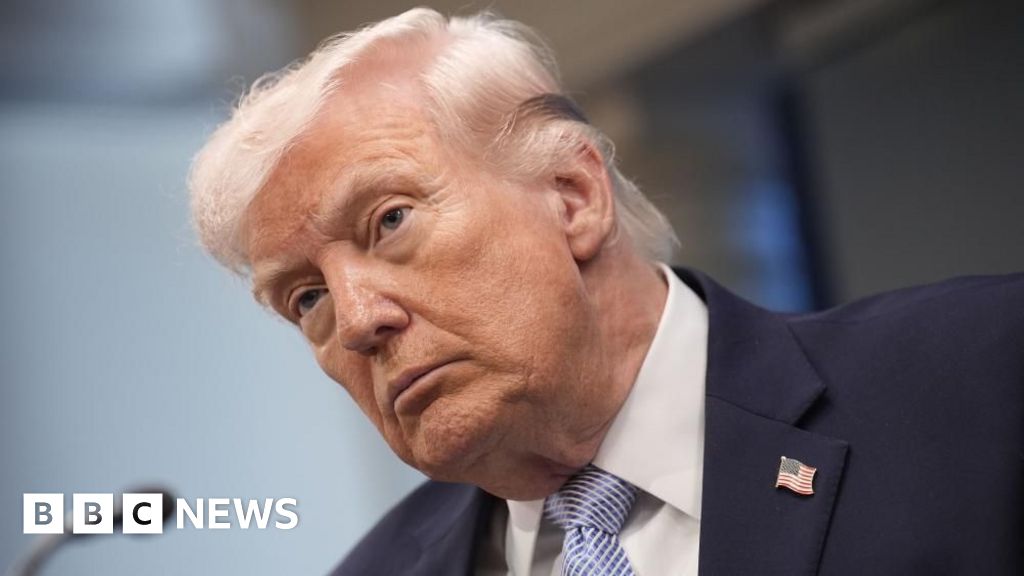
Trump pushes for deal with Iran amid ultimatums, diplomacy, and a Graceland visit

America’s Strategic Maneuvers in a World of Uncertainty

Amidst ongoing military conflicts and escalating global tensions, United States President has continued to navigate a complex landscape of diplomacy, diversion, and surreal political theater. While the nation remains embroiled in wars and economic uncertainties, the administration’s focus has shifted unpredictably—balancing behind-the-scenes negotiations with public spectacle. International observers and analysts suggest that these tactics reflect a broader strategy to maintain American influence regardless of setbacks, yet the overall geopolitical impact remains profound and unpredictable.

The President’s recent activities have included a series of diplomatic efforts aimed at key allies and adversaries alike. Notably, meetings with European leaders have reaffirmed commitments to NATO and counterbalance China’s ascent in the Indo-Pacific. However, these diplomatic gestures are accompanied by episodes that critics describe as “diversions”—symbolic acts or rhetorical excesses that obscure deeper policy shifts. These moments of surrealism, such as unexpected policy announcements or inflammatory statements, risk undermining longstanding alliances, and analysts warn they could embolden America’s foes while alienating its traditional partners. According to experts from the International Institute for Strategic Studies, such erratic behavior may inadvertently diminish Washington’s credibility in critical crisis moments.

Meanwhile, a significant international shift is underway with the renewal of the Iran nuclear agreement, a move that has been met with mixed reactions. The Biden administration’s efforts to re-enter or renegotiate treaties signals an attempt to stabilize volatile regions, yet it also fuels tensions with regional rivals such as Saudi Arabia and Israel. These shifts hold considerable geopolitical consequences: they could either pave the way for renewed diplomacy or deepen regional conflicts. Critics voice concern that such decisions prioritize short-term political objectives over enduring security strategies—an assessment supported by historical analysis pointing to the dangerous repercussions of inconsistent US foreign policy.

The broader international community remains vigilant as the global balance of power continues to shift. Organizations like the United Nations and strategic think tanks warn that instability within the United States’s leadership—exacerbated by internal divisions and unpredictable international antics—could weaken efforts towards global cooperation. As history scholars debate the trajectory of America’s influence, many cite the peril of leadership uncertainty during times of crisis. The enduring question remains: how will these decisions shape the future of international order? With each political wobble, the weight of history presses closer, and the world watches—not knowing if this chapter will end with renewed stability or new chapters of upheaval.

In this volatile arena, the ultimate course of American foreign policy remains uncertain. What appears as distractions and surreal episodes merely mask a turbulent quest for dominance amid a rapidly shifting international landscape. The decisions made today will reverberate through the corridors of power and society for generations, determining whether the global order tilts toward chaos or coherence. As history continues to unfold, one truth remains clear: amidst the chaos, the future is being written—an urgent chapter of geopolitics that no nation can afford to ignore.

Oil prices spike despite historic reserve release deal

The Strait of Hormuz, a vital artery for global energy supplies, has once again become a flashpoint in the ongoing geopolitical tensions that threaten international stability. Recent reports confirm an escalation in Iranian attacks targeting commercial ships navigating this strategic waterway. Experts warn that these incidents could have profound repercussions on world markets and diplomatic relations, emphasizing the fragile balance maintained by international maritime law.

According to sources close to the United States and regional allies, Iranian forces have increased their assaults on merchant vessels, citing broader regional grievances and perceived threats from Western sanctions. Analysts warn that these acts of aggression mark a significant escalation, risking a broader conflict and threatening to disrupt the already delicate flow of oil, which accounts for nearly 20% of global consumption. Historically, control over the Strait has been a strategic objective for various governing entities, but recent events signal a deterioration in diplomatic channels and a move toward aggressive posturing that could ignite larger hostilities.

Global institutions such as the International Maritime Organization (IMO) have issued statements condemning the attacks, urging Iran to refrain from actions that endanger international shipping. However, the geopolitical impact extends beyond maritime safety. The escalation risks emboldening regional power alliances and increasing the likelihood of miscalculation in an already volatile environment. Ongoing strategic analyses by organizations like the Council on Foreign Relations highlight how Iran’s military actions are viewed within a broader context of resisting Western influence, particularly amid ongoing negotiations over nuclear proliferation.

Historian and geostrategic analyst Philip Zelikow warns that the current trajectory could shift the balance of power in the Middle East and redefine global energy security. He underscores that decision-makers in Washington DC, Tehran, and allied capitals are playing a dangerous game, where misjudgment could lead to wider regional conflict or even an open clash. In this tense landscape, every maritime incident underscores the importance of diplomacy and the high stakes attached to maintaining open sea lanes. As international actors weigh options, the world watches with bated breath—each exchange of fire, each diplomatic failure, and each strategic move rewriting the map of influence.

Through the unfolding chaos in the Strait of Hormuz, history reminds us that the course of global events is often dictated by moments of crisis—moments where decisions made in war rooms or diplomatic chambers ripple outwards, shaping nations for generations to come. The question beneath the tumult remains: will the current escalation be contained, or will it ignite a broader conflict that alters the course of history forever?. The answer lies in the decisions yet to be taken, the diplomacy yet to be attempted, and the resilience of a world eager but unprepared for the chaos of unchecked power struggles.

Chelsea sale funds under probe for suspected ‘criminal proceeds’—Roman Abramovich’s deal in question

Jersey authorities are now embroiled in a high-stakes investigation that could reshape perceptions of one of the most high-profile cases of international finance and governance: the 2022 sale of Chelsea FC by Roman Abramovich. The billionaire oligarch’s sale, which netted a staggering £2.4 billion, has since become a geopolitical chess piece, caught in the crossfire of global sanctions and local investigations into alleged proceeds of crime. As London’s political establishment debates the fate of this frozen wealth, analysts warn of the wider geopolitical impact: the outcome could set a precedent for how nations manage the assets of sanctioned individuals amidst turbulent international conflicts.

The core of the dispute rests on the origin of Abramovich’s amassed wealth, which is under scrutiny for potential links to corruption and money laundering. The accounts for Fordstam Ltd—through which the oligarch owned Chelsea—reveal that part of the funds, earmarked for future use, may be tainted by illicit activity. Jersey’s attorneys are assessing whether the assets, currently held in a Barclays bank account and accruing interest, are derived from activities that could be classified as criminal in origin. This stands as a crucial turning point in how international jurisdictions handle wealth tied to individuals linked with authoritarian regimes—particularly Vladimir Putin’s Russia—a nation where the chaotic rise of capitalism amidst state influence created a fertile ground for wealth with questionable origins, as noted by numerous historians and financial analysts.

  • According to legal documents, Abramovich’s funding of Chelsea involved loans routed through offshore entities, notably a £1.4 billion interest-free loan from Jersey-based Camberley International Investments Ltd.
  • Jersey prosecutors are examining whether these assets, or the net proceeds from the Chelsea sale, could constitute proceeds of crime.
  • The UK government, already at odds with Abramovich since sanctions were imposed following Russia’s invasion of Ukraine, claims the money should not be diverted for personal or political gain.
  • Meanwhile, Chelsea’s current owners have created a £150 million financial buffer, a safeguard designed to mitigate potential penalties under the ongoing investigations.

Global institutions and strategic analysts are watching the unfolding story with intense interest because of its broader implications: it underscores the danger of illicit financial flows crossing borders in an increasingly interconnected world. Some international bodies warn that allowing questionable assets to be diverted or hidden could undermine anti-corruption efforts and empower authoritarian regimes’ corruption networks. Conversely, defenders of Abramovich insist that ongoing investigations are politically motivated, and that the assets are lawfully acquired. Yet, as the Jersey-based inquiry delves deeper, it raises uncomfortable questions about how the global community must strike a balance—protecting property rights while denying resource streams to regimes that threaten international stability.

As history continues to unfurl, the Chelsea FC saga becomes a microcosm of a larger struggle: the battle between national sovereignty and international accountability, between the rule of law and geopolitical expediency. The unresolved fate of Abramovich’s fortunes may yet serve as a warning—an ominous reminder that in today’s world, wealth can be both a tool for progress and a weapon for chaos. The final chapter remains unwritten, but its lessons will echo across generations, shaping how nations confront the shadowy nexus of power, money, and politics in the age of global disorder.

Australia news: Luxury car tax tweak may boost EU deal; Dubai flights land in Sydney and Melbourne

The geopolitical landscape in the Indo-Pacific is witnessing a decisive shift as Australia prepares to amend its domestic policies to clinch a lucrative free trade agreement (FTA) with the European Union. This move isn’t just about economics; it signals a strategic realignment aimed at fortifying Australia’s international standing amid ongoing global tensions. Negotiations have been progressing swiftly, with Ursula von der Leyen, the President of the European Commission, potentially set to visit Australia in the coming days—an event that could mark a significant milestone in this diplomatic push.

Key to this diplomatic gambit is a controversial adjustment to Australia’s luxury car tax (LCT), a move that has caught international attention. According to reports, the Australian government is considering increasing the current $80,000 threshold to at least $100,000, a concession tailored to European automakers like BMW and Mercedes-Benz. This adjustment would reduce import tariffs on high-end vehicles, making Australian markets more accessible to European luxury brands while simultaneously positioning the nation as a more attractive partner in commerce. Analysts, including diplomatic strategists and trade experts, observe that this maneuver is a calculated effort to demonstrate Australia’s willingness to flex its economic muscles in service of broader geopolitical ambitions.

In tandem with negotiations with the EU, Australia’s military posture remains a subject of international intrigue. Reports suggest that Australian personnel may have been aboard a U.S. submarine during an operation off Sri Lanka, which resulted in the torpedoing and sinking of an Iranian warship—an incident that has sent ripples through international security circles. Defense Minister Madeleine King refused to disclose operational details, citing longstanding arrangements with allied foreign governments, notably the U.S. Navy. This situation underscores Australia’s deepening military integration within the AUKUS pact, a strategic alliance that signals a clear pivot towards aligning more closely with Western military interests amidst an increasingly unsettled international order.

Meanwhile, Australia is grappling with severe weather phenomena, as a tropical low threatens the northern coasts with flooding and damaging winds. Such natural disasters have become a stark reminder of the rising stakes in the region’s security and economic stability. Emergency preparations in Queensland highlight the country’s vulnerability to climate events that could further destabilize already precarious social and infrastructural conditions. Historians and Future Impact analysts warn that these environmental challenges, coupled with shifting geopolitical alliances, could accelerate regional realignments—an unfolding narrative of nations adjusting their course under the weight of history’s relentless tide.

Global analysts note that Australia’s dual focus—bolstering economic ties with the EU while navigating complex military alliances—embodies a broader pattern among Western-aligned nations seeking to preserve sovereignty and influence in a rapidly changing world. The decisions made today will ripple across continents, affecting societies, industries, and security architectures for generations to come. As diplomatic doors open and warships move unseen in distant waters, the weight of history presses heavily upon a nation poised on the brink of a new geopolitical chapter—one written as much in boardrooms as it is in the depth of the oceans and the fury of storms.

Social Media Auto Publish Powered By : XYZScripts.com