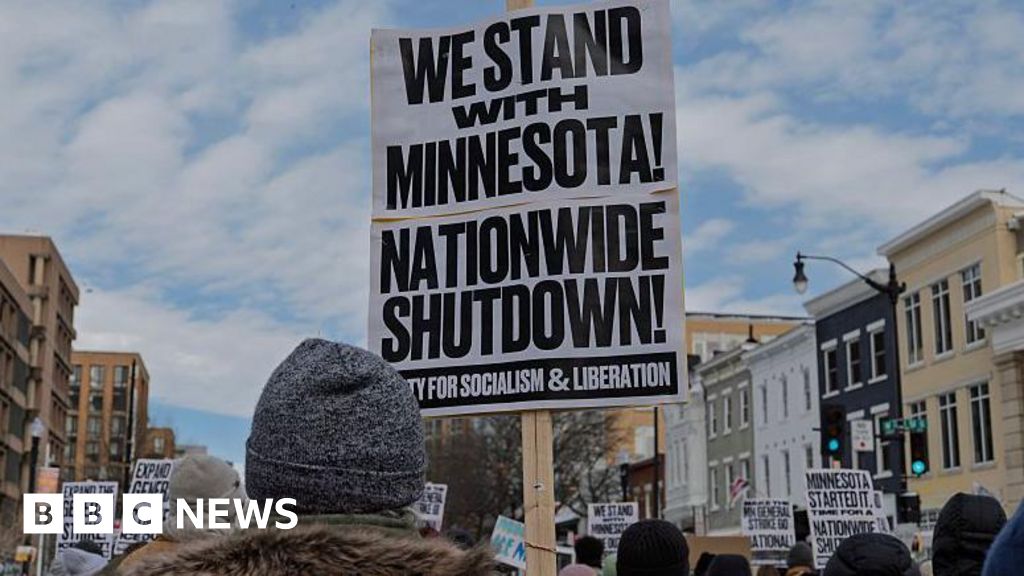

The United States faces a pivotal juncture as the Senate has approved a crucial government funding package amidst rising domestic turmoil. The approval, in a 71-29 vote, signals an unusual moment of bipartisanship, reflecting the heightened tensions surrounding nationwide debates over immigration enforcement and the role of federal agencies such as ICE. This legislative maneuver comes against the backdrop of a series of tragic incidents, notably the deaths of Alex Pretti and Renee Good—both American citizens killed amidst federal police operations in Minneapolis. These events have ignited debate over police and enforcement accountability, exposing the complex intersection of immigration policies and civil rights, and highlighting the potential long-term geopolitical impact of American internal conflicts.
Despite the Senate’s convergence, the legislation faces uncertainty in the House of Representatives, which is currently out of session. A looming partial shutdown threatens to paralyze government functions if disagreements persist. As the Biden administration and Republican lawmakers grapple over DHS funding and reforms, many Democrats are pushing for reforms that would impose transparency and accountability measures—such as mandatory body cameras and restrictions on aggressive patrol tactics. Historians and analysts warn that these internal struggles may not merely affect domestic governance but could ripple globally by undermining the perceived stability and moral authority of America on the world stage. The ongoing debate underscores an enduring truth: that internal American conflicts often serve as a mirror for geopolitical shifts, especially with rival powers like China and Russia closely watching.
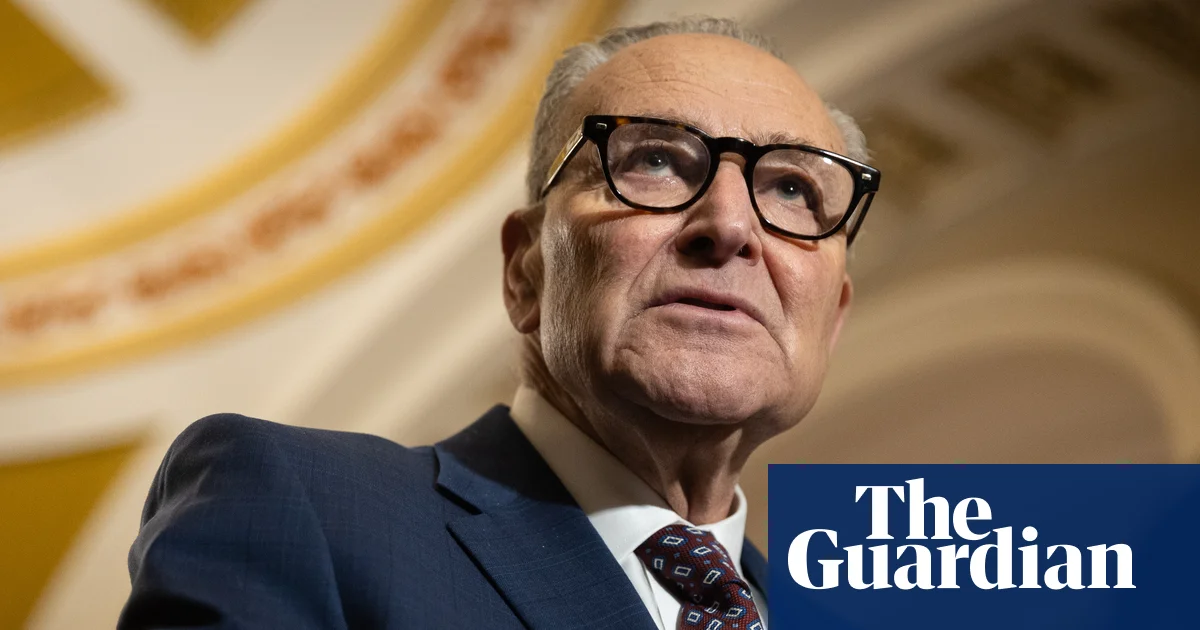
In an intriguing twist, prominent figures like Senator Bernie Sanders sought to reallocate military-grade funds toward domestic priorities like healthcare, symbolizing a broader contest over America’s resource allocation and values. While the Senate approved the budget with bipartisan support, division persists, especially among Republicans eager to attach conservative legislation such as the Save Act. The possible inclusion of restrictive voting laws and other conservative measures threaten to deepen the internal divide, with analysts warning that the outcome will shape America’s future on multiple levels. As Senator Schumer advocates for targeted reforms, Republicans warn that any capitulation to progressive demands could fracture their fragile majority—raising fears that a failure to unify might not only cause a shutdown but also signal a broader political realignment.
Meanwhile, the global implications of this domestic crisis are profound. China and Russia observe these power struggles with keen interest, recognizing that American internal divisions weaken the nation’s capacity to project power and influence. The bipartisan disagreements over immigration enforcement and government spending highlight how internal reform debates serve as a precursor to broader geopolitical trends. As former historians and international observers warn, these internal fissures threaten to diminish America’s standing on the global stage, emboldening adversaries and testing alliances with traditional partners. The current crisis is not merely about budget bills—it is a mirror reflecting the profound uncertainties looming over the world’s most powerful democracy. History remains unwritten, and the weight of the future now hangs heavily in the balance, as the US edges closer to another defining moment in its tumultuous saga.