Matox News

Truth Over Trends, always!

BBC Tours Migrant Camp in France as New Deal Unveiled

The United Kingdom is poised to solidify a significant new agreement with France aimed at curbing the perilous crossings of migrants through the English Channel. Valued at over £600 million, this three-year deal underscores the increasing urgency on both sides of the channel to address one of Europe’s most contentious migration crises. Central to this pact is the deployment of riot police along French beaches, a move that symbolizes a hardening of the border enforcement policies and a decisive effort to deter migrants from risking their lives at sea.

According to the Home Office, a crucial element of this agreement is the conditionality of funding—if Paris fails to reduce crossing attempts within the first year, a portion of the financial aid will be withheld. This stipulation signals a clear shift towards a results-oriented approach, where the UK seeks to pressure France into more vigorous border controls. Such policies, criticized internationally for their aggressive stance, also illustrate the rising stakes of a geopolitical chess match over sovereignty, sovereignty, and security. The wider implications extend beyond bilateral relations, touching on issues of international law, humanitarian concerns, and regional stability.

Meanwhile, France faces mounting domestic pressure and international scrutiny. As journalist James Waterhouse reported from a migrant camp on France’s north coast, thousands still harbor hopes of reaching the UK, despite increasing obstacles. This persistent exodus highlights broader geopolitical shifts, revealing a continent struggling to manage the fallout of unstable regimes, economic hardship, and the global consequences of conflicts elsewhere. Historians and analysts warn that these border battles are not merely about immigration but signal a more profound ideological divide: between open societies with liberal ideals and nations fiercely committed to safeguarding their borders and cultural integrity.

  • The deal marks a critical juncture in UK migration policy, emphasizing immediate border security but raising questions about long-term humanitarian impacts.
  • International organizations such as the United Nations and European Union are monitoring the development, cautioning against measures that could violate human rights.
  • Experts warn that if the trend continues, many migrants could resort to more dangerous routes or become more vulnerable on the fringes of Europe.

As the world watches, the unfolding saga of migration and sovereignty underscores a fundamental fact: the decisions made in the coming months will echo through history, shaping the fate of nations and the destiny of countless lives. From the beaches of northern France to the political chambers of Westminster, the battle over borders, identity, and security remains a defining struggle of our era. The course of this story is still unwritten, but its outcome could very well determine the legacy of our times—a testament to the enduring clash between openness and sovereignty in an increasingly uncertain world.

Trump slows Iran deal push after busy day of diplomacy

The international spotlight has been fixed on the United States amid a series of strategic maneuvers suggesting a potential reassessment of its impending engagement in South Asia. Recent reports indicate that key figures within the US diplomatic and security establishment, including special envoy Steve Witkoff and Jared Kushner, observed an apparent shift in their diplomatic posture. Rather than proceeding directly to Islamabad as initially scheduled, these senior officials diverted to Washington D.C., signaling a pause rather than a definitive move forward. Meanwhile, the head of negotiations, Vance, was seen entering the White House for urgent policy consultations, highlighting the intensity of the internal debates within the Biden administration.

This development coincides with mounting concerns about regional stability and the fragile balance of geopolitical power. As the US debates its next steps, analysts fear that this hesitance could mayhem ripple across broader strategic landscapes. Historically, the decisions made by superpowers in moments of uncertainty have profound and lasting consequences. Some experts argue that such diplomatic backtracking might reflect internal assessments of risks associated with escalating conflicts or unintended escalation, especially in a region as volatile as South Asia. The implications for Pakistan and its neighbors are critical; a delay could either be a calculated effort to recalibrate US policy or a sign of underlying disagreements within Washington about the best approach to regional influence.

International analysts, including those from The Council on Foreign Relations and London-based think tanks, warn that “U.S. indecisiveness can inadvertently empower regional adversaries” and that delays often fuel uncertainty. The strategic calculus appears to be shifting, as how decisions are made now will influence the geopolitical landscape for decades to come. The possible postponement of a critical diplomatic move indicates a moment where geopolitical impact might result in an even more complex environment – one where alliances are tested, security dilemmas deepen, and the balance of power continues to fluctuate.

As history hangs in the balance, global audiences are left pondering the lasting significance of these momentous decisions. Will this pause mark a strategic recalibration aimed at stability, or is it a harbinger of deeper instability? The unfolding narrative of diplomatic diplomacy and regional confrontation remains uncertain, yet unmistakably pivotal. The choices made in these tense and shadowed corridors will echo through the corridors of history, shaping the course of nations, the lives of millions, and the global order itself. The weight of the future now rests on the uncertain pivot of men whose decisions are watched by the world, as the unfolding story continues to be written amid the tumult of geopolitics.

SpaceX Eyes $60B Deal to Acquire Cursor, Signals Big Tech Moves

SpaceX and Cursor Collab Signals a New Era in AI Innovation and Industry Disruption

The alliance between SpaceX and Cursor marks a monumental shift in the landscape of artificial intelligence development, with significant implications for both technological progress and competitive advantage. This strategic partnership aims to combine Cursor’s cutting-edge knowledge work AI, renowned for its precision and efficiency among expert software engineers, with SpaceX’s formidable computational backbone—specifically its Colossus supercomputer, equipped with a million H100 equivalents. Such a synergy is set to revolutionize the creation of highly optimized AI models, positioning the collaboration at the forefront of innovation.

According to industry experts, including analysts at Gartner and MIT technology researchers, the use of vast computational resources—particularly H100 GPU clusters—will drastically accelerate the training of advanced AI models, pushing the boundaries of what is currently feasible. The partnership underscores a trend toward disruptive innovation—harnessing industry-scale supercomputing power for rapid deployment of AI that can dominate knowledge-based tasks, from coding to problem-solving. This level of integration exemplifies a new paradigm where the convergence of space-grade computing and AI expertise could set a blueprint for future tech dominance, compelling rivals to evaluate their own resource strategies.

Business Strategy and Industry Impact

The collaboration’s financial architecture is equally noteworthy. Cursor has granted SpaceX the right to acquire the AI firm later this year for $60 billion, or alternatively, SpaceX can choose to pay $10 billion for their collaborative developments. This dual pathway underscores an aggressive confidence in the commercial viability of the joint development efforts, signaling a strategic gamble that could reshape the AI market by consolidating innovation within a single tech giant. Such moves are reminiscent of divergence strategies seen in Elon Musk’s other ventures, with a focus on dominance and rapid scaling.

  • Innovation: Deployment of millions of GPU cores for AI training, radically reducing development timelines.
  • Disruption: Challenging traditional cloud-based AI models by leveraging space-grade supercomputing infrastructure.
  • Business implications: Potential market consolidation, setting new valuation benchmarks for AI startups, and redefining enterprise AI usage.

As the AI arms race intensifies, industry insiders warn that this partnership could accelerate global shifts toward autonomous systems, intelligent coding assistants, and knowledge synthesis tools, supplanting many conventional software development paradigms. Given SpaceX’s track record of pushing technological frontiers—think Starship and Falcon programs—its foray into AI via Cursor elevates the urgency for competitors to innovate or face obsolescence. The partnership not only exemplifies how industry titans are deploying unprecedented resources but also foreshadows a future where AI becomes fundamentally intertwined with space-grade hardware.

Future Outlook: The Next Phase of Tech Disruption

With the collaboration underway, the industry must brace for a phase of rapid displacement and evolution. As Gartner analysts predict, the integration of supercomputing with knowledge work AI will unlock capabilities previously considered science fiction—transforming sectors like software development, scientific research, and even complex decision-making systems. The critical question for industry leaders remains: who will adapt quickly enough in this new landscape? The clock is ticking, and in the race for technological supremacy, those who leverage innovation and massive computational resources now will dictate the future’s winners and losers.

In conclusion, the SpaceX-Cursor partnership exemplifies a pivotal turning point in tech history—disrupting existing industry norms while setting a blistering pace for future breakthroughs. As this alliance advances, it will be imperative for stakeholders to stay vigilant, innovate relentlessly, and harness the potential of this disruptive wave before it reshapes the entire technological ecosystem.

South Africa's top cop faces charges over controversial health deal
South Africa’s top cop faces charges over controversial health deal

In a moment that could reshape elements of governance and accountability within South Africa, Fannie Masemola, a prominent figure in the country’s law enforcement hierarchy, faces serious allegations of failing in his duties to provide proper oversight. Such accusations come at a time when global stability increasingly hinges on the integrity and effectiveness of national leadership, especially in nations with emerging political landscapes. The outcome of this controversy is poised to exert a profound geopolitical impact, influencing how other nations perceive domestic stability and international commitments.

International analysts widely interpret these developments as emblematic of a broader regional and global trend: the tightening scrutiny of government officials tasked with upholding rule of law amidst growing transnational pressures. Organizations such as the United Nations and regional watchdogs have long emphasized the importance of transparency and accountability in fostering peace and stability. In this context, the allegations against Masemola could serve as a critical litmus test for South Africa‘s commitment to reform and good governance. Such internal struggles are not isolated; they resonate across continents, reminding other nations of the delicate balance between authority and oversight, especially in countries navigating economic challenges and security threats.

Historians and political analysts note that periods of internal crisis frequently precipitate shifts in diplomatic relations and can weaken a nation’s standing in the international arena. The controversy surrounding Masemola underscores how decisions within national institutions can have ripple effects—destabilizing alliances, undermining investor confidence, and inspiring both internal dissent and external skepticism. For South Africa, a country with a strategic position at the crossroads of Africa and the global economy, such internal upheaval threatens to diminish its influence and complicate efforts to address regional conflicts, economic disparity, and shared security concerns.

As the investigation into Masemola continues, the world’s watchful eye remains fixed on how South Africa will navigate this turbulent chapter. Will this crisis be a catalyst for reform, or will it expose deeper fissures within the nation’s governance framework? The decisions made now will undoubtedly echo through history, shaping reputations and alliances for generations to come. With geopolitical currents rapidly evolving and global pressures mounting, this episode underscores a vital truth: the fate of nations is inexorably intertwined with the integrity of their leaders. The unfolding story of Masemola’s controversy embodies more than a single allegory of failure; it is a microcosm of the ongoing struggle for sovereignty, justice, and stability in an uncertain world.

Score an $85 discount on the Sonos Era 100 — the latest refurb deal you can’t miss!

Sonos Reshapes Audio Industry with Innovative Refurbished Offerings and Next-Gen Smart Speakers

In a bold move demonstrating disruption and strategic innovation, Sonos has unveiled the Sonos Era 100 and refurbished models, significantly lowering the entry barrier for consumers seeking high-quality audio. By eliminating microphones in its standard model, Sonos strategically reduces costs and appeals to market segments wary of privacy or excessive spending, while maintaining premium sound quality. This move not only intensifies competition but stresses the importance of cost-effective innovation in an increasingly crowded smart speaker landscape.

Equipped with dual tweeters, a midwoofer, and support for Bluetooth alongside traditional Wi-Fi, the Era 100 exemplifies disruptive technology. It offers features such as Apple’s AirPlay 2 and Sonos’ proprietary Trueplay tuning, marking a clear shift towards customization and spatial sound optimization. Additionally, the model supports line-in connections via an optional USB-C adapter, an important nod to the resurgence of analog sources like turntables amidst digital dominance. Notably, paired with voice assistants like Amazon Alexa or Sonos Voice Control, the Era 100 redefines the potential of compact, yet highly capable, smart audio devices. This aligns with industry analysts’ predictions (e.g., Gartner) that intelligent audio devices will become central to the connected home.

Another key product, the Era 300, caters to audiophiles and larger spaces with six drivers, Dolby Atmos support, and spatial audio capabilities. It exemplifies the evolution of home entertainment systems into immersive experiences. As the market shifts towards next-generation audio formats, Sonos’ focus on spatial and multi-dimensional sound positions the company as a formidable disruptor capable of challenging traditional home theater giants. The simultaneous support for Bluetooth, line-in, and Wi-Fi ensures that these products are not just premium but versatile, appealing to a broad spectrum of consumers. As Peter Thiel emphasizes, “Innovation that upends the status quo is key to long-term dominance,” and Sonos seems intent on embodying this principle.

The strategic use of refurbished gear and aggressive pricing—up to 25% discounts with a one-year warranty—are signs not only of market agility but of a deliberate attempt to accelerate adoption and fend off emerging competitors in the smart speaker arena. Business implications are profound: as rising consumer demand for affordable, high-quality audio products grows, companies that leverage cost-effective innovation and broad ecosystem integration will define the industry’s future. In a landscape where disruption often shifts market leadership overnight, the firms that capitalize on these trends today will shape the smart home narrative for years to come.

Conclusion: A Future Defined by Innovation and Urgency

As the industry moves into a phase where holistic ecosystem integration and advanced spatial sound become the norm, traditional players face an uphill battle to stay relevant. Sonos’ newest offerings not only demonstrate a keen understanding of evolving consumer preferences but also reflect a broader technological shift towards cost-conscious, yet sophisticated, audio solutions. The urgency for industry leaders is clear: those who innovate rapidly and disrupt entrenched markets will secure their futures. With giants like Elon Musk and Peter Thiel emphasizing the importance of maintaining a disruptive edge, it is evident that the next decade will be pivotal — innovation is no longer optional but essential for survival in the rapidly transforming landscape of consumer tech and smart audio solutions.

From luxury to high street: Can you spot the real deal in jeans?

Fashion enthusiasts and industry insiders are witnessing a renaissance of denim—a trend that transcends mere clothing and taps into broader societal narratives around sustainability and authenticity. From the luxurious, yet highly coveted Alaia jeans in an Aegean blue to JW Anderson’s collaboration with Uniqlo, priced pocket-friendly at just £34.90, the denim resurgence highlights a shifting cultural landscape. While Alaia’s luxury offering commands a premium at around £800, demand for these Japanese-crafted jeans is sky-high, with stores advising customers to reserve or call ahead—a sign that authentic craftsmanship remains highly valued despite the proliferation of affordable options. Meanwhile, Uniqlo’s collection, favored on recent fashion runways, demonstrates that minimalist, classic styles continue to dominate the youth-driven market, bridging the gap between high fashion and streetwear.

The debate? Can a £34.90 pair of jeans really compete with the craftsmanship and longevity of a luxury piece that costs hundreds more? Industry experts like Amy Leverton of Denim Dudes point out that manufacturing methods and fabric composition largely influence how jeans age over time. Sagging and shape loss—common complaints with cheaper denim—are often a result of looser weaves and stretch content, which are intrinsic to fast fashion pieces. Some enthusiasts argue that the beauty of this trend is in the relationship with the garment, where better quality denim not only lasts longer but also visually improves with wear. It’s a shift in attitude—less disposable fashion and more embracing of durability and sustainability—as highlighted by Evoléna de Wilde d’Estmael of Faircado, who emphasizes that authentic denim should hold its shape and often improves with age, encouraging a more purposeful consumption style.

However, what truly elevates this denim craze is the social and cultural impact of transparency and sustainability. Thanks to the advent of digital product passports, consumers are becoming more aware of the environmental footprint and ethical sourcing behind their garments. This transparency threatens to expose the superficiality of low-cost fast fashion, which often sacrifices quality and ethics to keep prices low. As d’Estmael points out, brands that prioritize transparency will either adapt or face extinction in an era where younger consumers care more than ever about where their clothes come from. This ethical awakening is pushing brands to consider secondhand markets more seriously, with many—like Leverton—preferring to wear vintage Levi’s, reinforcing the idea that authenticity and quality are more sustainable and socially relevant than ever.

The luxury denim market isn’t just a fleeting fad either. High-end brands are pushing boundaries, with Bottega Veneta and Valentino unveiling leather and embellished denim as luxury statements. Margot Robbie’s upcoming Chanel jeans, expected to retail at a premium, exemplify this crossover. Yet, beneath the surface, a question of value emerges: can a pair of jeans genuinely be worth hundreds, or is this simply an artifact of inflation and marketing hype? With production struggles stemming from skilled labor shortages and factory closures—especially in Japan’s traditional selvedge denim hubs—the true cost of premium jeans is more nuanced than their price tags suggest. This raises an essential question: as consumers become increasingly aware of the economic illusions behind fashion, will the next phase be a shift back towards secondhand and vintage markets, where authenticity is measured less by price and more by provenance? Ultimately, this cultural trend is not just about jeans but about redefining the values of quality, ethics, and social relevance in fashion’s next chapter.

LegalZoom Deal: Score 10% Off Your LLC Setup with this Exclusive Code!

LegalZoom’s Revolution in Legal Services: Catalyzing Disruption and Innovation

In today’s rapidly evolving digital economy, LegalZoom exemplifies how technological disruption is transforming traditional legal services. Once confined to law firms and brick-and-mortar offices, legal assistance is now accessible at the click of a button, thanks to advancements in online platforms. The company’s recent expansion into small business formation, estate planning, and intellectual property registration underscores a broader industry shift towards democratized, cost-efficient legal solutions. This shift challenges the longstanding incumbents and propels the legal industry toward a future where automation, AI, and digital platforms are central to legal practice, echoing insights from institutions like MIT and industry analysts at Gartner who emphasize the importance of innovation in maintaining competitive edge.

The core technological innovation driving this disruption is the deployment of AI-driven document automation, combined with user-friendly interfaces that reduce complexity for consumers. LegalZoom’s seamless LLC formation process, which allows users to establish a business for around $500 in roughly half an hour, exemplifies this trend. Such services leverage sophisticated algorithms to handle filings, legal document creation, and compliance, freeing up legal professionals to focus on higher-value tasks. This model presents a significant value proposition to young entrepreneurs and startups, offering a level of readiness and affordability previously unavailable. Furthermore, the integration of attorney review services, such as unlimited revisions and ongoing legal consultations, signifies a hybrid approach that combines automation with expert oversight—an effective recipe for disruption.

Business implications of this evolution are profound. Traditional law firms face existential threats as their value proposition is chipped away by platforms that offer transparency, speed, and affordability. The availability of services such as trademark registration—which starts at $899 plus federal fees—illustrates how digital platforms are scaling legal expertise, making comprehensive legal protections accessible to a broader demographic. This democratization aligns with a broader cultural shift,” suggests Peter Thiel, emphasizing that innovation in legal tech can reduce barriers for startups, fostering a more dynamic entrepreneurial environment. As Gartner analysts warn, falling behind in adopting such innovative models could mean obsolescence for legacy industry players. For entrepreneurs, the ease of managing legal processes online not only accelerates business launch timelines but also compels traditional firms to rethink their business models, integrating digital services to stay competitive.

Looking forward, the momentum behind legal technology signals a pivotal juncture. The convergence of AI, blockchain, and data analytics promises to further refine and personalize legal services, potentially transforming the industry into a fully automated, on-demand marketplace. As Elon Musk advocates for frontier technologies disrupting established sectors, the legal industry is exhibiting similar traits of rapid innovation and radical market shifts. The urgency for stakeholders—whether law firms, startups, or investors—is clear: embrace digital transformation now or risk being rendered obsolete. The next wave of legal tech will undoubtedly redefine how legal services are delivered, making it crucial for players to act swiftly, innovate boldly, and harness these industry-shaking technologies to secure their future.

Iran ceasefire deal: Partial victory for Trump, but with heavy costs

In a development that could redefine regional dynamics and reshape international perceptions, the recent two-week ceasefire between the United States and Iran signals a significant departure from decades of adversarial posturing. This unprecedented diplomatic move, though temporary, reflects shifts in geopolitical calculations driven by both strategic necessity and growing international pressure. As analysts revisit the histories of regional conflicts and the long-standing tensions surrounding Iran’s nuclear ambitions, the potential for a new chapter in Middle Eastern diplomacy emerges, with implications extending well beyond the Persian Gulf.

Many experts argue that the US’s willingness to engage in dialogue — even if just for a brief period — highlights a recognition that traditional military dominance alone cannot resolve complex geopolitical issues. According to seasoned international relations scholars, this pause could serve as a critical stepping stone toward more comprehensive dialogue. The United Nations and regional powers have long called for diplomatic solutions, but the recent move by Washington indicates a possible shift in tone and strategy. By engaging directly with Iran, the US risks altering longstanding alliances, and potentially undermining broader efforts to contain Tehran’s regional influence, but it also opens avenues that could lead to a more balanced order in the Middle East.

Historically, U.S.-Iran relations have been marked by decades of suspicion, sanctions, and intermittent confrontations—each conflict deeply intertwined with the broader strategic contest between the Western bloc and Iran’s desire for regional influence. The breakthrough in initiating a ceasefire could potentially recalibrate reputations and alliances. International analysts, such as those at the International Crisis Group, warn, however, that this is no guarantee of peace; yet, the move emphasizes the importance of diplomacy and negotiation amid persistent fears of escalation. The impact on regional actors—such as Saudi Arabia and Israel—remains uncertain, as they navigate their own fears of being marginalized or caught in the ripples of a shifting strategic landscape.

The geopolitical impact of this unprecedented diplomatic engagement extends far beyond the Middle East. It demonstrates a signal to global powers that traditional military dominance is no longer the sole means to influence outcomes. As such, allies and adversaries alike are compelled to reconsider their own strategies and policy frameworks. Russia and China observe keenly, recognizing that shifts in U.S. tactics could ripple into broader alliances and partnerships, affecting global stability. The World Trade Organization and other multilateral institutions are also likely to watch whether this temporary peace holds—and whether it inspires a more comprehensive approach to international conflict resolution.

In the final analysis, the recent move toward a ceasefire with Iran marks a turning point in history—an event fraught with uncertainty yet brimming with possibility. As diplomatic corridors open and new dialogues commence, the world is left to wonder: is this the dawn of a genuine shift toward peace, or merely a fleeting pause before the next storm? The shadows of history loom large, reminding us that the decisions made today will echo through generations. The unfolding story of this diplomatic gambit has yet to be written, but its pages are already heavy with the weight of countless hopes, fears, and ambitions that could ultimately define the course of global history.

MAGA Movement Fractures: Trump Warns Iran Risks ‘Entire Civilization’ Over Deal – Live Update | Trump Admin

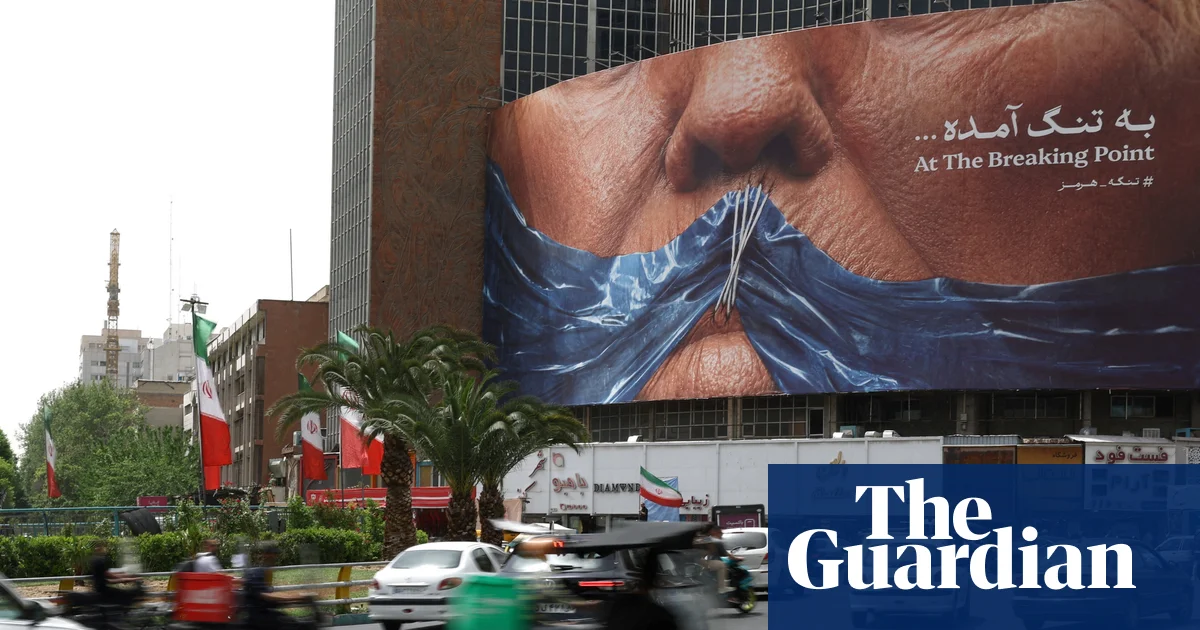
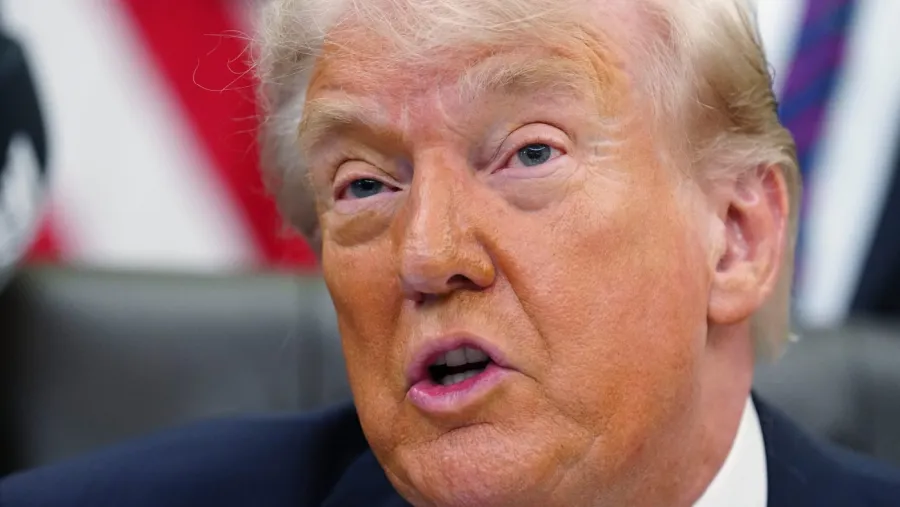
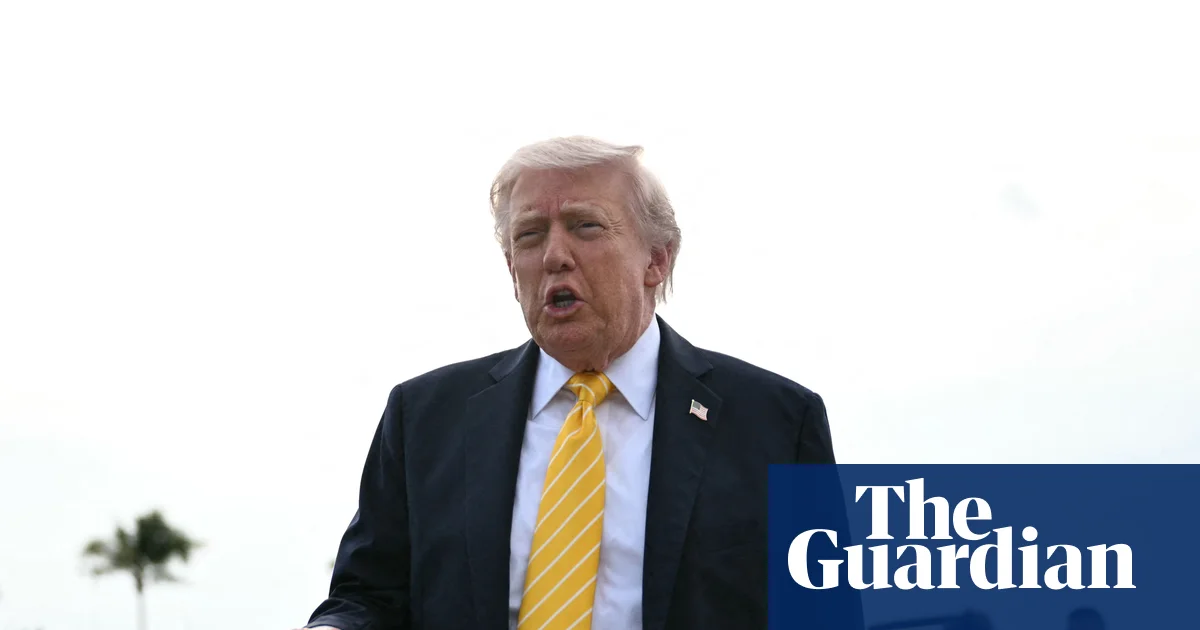
As President Donald Trump escalates his rhetoric and military threats against Iran, the geopolitical landscape of the Middle East and international diplomacy faces unprecedented turbulence. Trump’s recent threats, including promises to target Iran’s civilian and energy infrastructure if Tehran fails to reopen the Strait of Hormuz, represent a significant departure from traditional U.S. policy. Historically, such threats have been condemned by international watchdogs and analysts who warn that escalating military rhetoric could spiral into a full-scale conflict with widespread consequences. Prominent geopolitical scholars argue that these actions risk destabilizing the already volatile region, with ripple effects extending far beyond Iran’s borders, impacting global energy supplies and regional alliances.

The U.S. administration’s stance appears to have fractured even within Trump’s own political base. As the crisis deepens, voices from the right-wing echo chamber are voicing concerns over the potential for catastrophic escalation. Former Fox News anchor Tucker Carlson condemned the escalation as “vile on every level,” emphasizing that the threats to kill civilians and destroy Iran’s infrastructure are reckless and unprecedented in American foreign policy history. Meanwhile, figures like Marjorie Taylor Greene have openly called for his removal under the 25th Amendment, citing concerns over his mental stability amid these threats. This internal rift underscores a larger pattern of disunity, as even the most conservative factions begin to question the wisdom of Trump’s aggressive approach.

Internationally, responses have been mixed but increasingly alarmed. The European Union and United Nations have expressed concern over the risk of war, with diplomats warning that such threats undermine efforts toward de-escalation. Historically, analysts like Dr. James Dobbins, a retired U.S. diplomat, have emphasized that miscalculations driven by inflammatory rhetoric could escalate into a conflict that would have devastating regional and global consequences. Oil markets have reacted sharply as well; Brent crude prices have surged above $110 a barrel, reflecting fears of supply disruptions given Iran’s strategic importance. Oil experts warn that such instability could trigger a broader energy crisis, reverberating through global markets and economies already fragile from recent disruptions. The geopolitical upheaval around the Strait of Hormuz thus has the potential to reshape international alliances, reduce U.S. influence in the region, and force nations to recalibrate their foreign policies based on security and economic interests.

This crisis unveils a stark reality: the decisions made today could define the future of international order for decades to come. The dramatic threats by Trump, coupled with internal fractures and global unease, serve as a sobering reminder that the course of history remains uncertain. The coming days will test whether diplomatic channels can withstand this storm or if a misstep will plunge the world into conflict. As history continues to unfold, one thing becomes clear—the era of unchecked military bravado risks turning into a chapter marked by irreversible consequences for nations and societies across the globe. The weight of those choices now hangs heavily in the balance, casting shadows over what the future holds for international peace and stability.

Trump warns Iran: No deal, and we’ll hit back hard in one night

Amid mounting tensions in the Middle East, United States President has issued a stark ultimatum to Tehran, demanding the reopening of the Strait of Hormuz before a crucial deadline on Tuesday. This narrow waterway, a vital artery for global energy supplies, lies at the heart of an escalating geopolitical standoff that could reshape international security and economic stability. The Biden administration’s move underscores a broader strategy to assert dominance in the region while warning that any disruption to this strategic chokepoint could trigger a cascade of consequences worldwide.

The Strait of Hormuz handles approximately 20% of the world’s oil trade, making it indispensable to global energy markets. Its control has long been a point of contention, especially amid Iran’s tense relations with Western powers. Since the US reimposed sanctions and withdrew from the JCPOA (Joint Comprehensive Plan of Action), tensions have soared, with Iran threatening to block the strait in response to American and allied pressures. International analysts warn that a closure—whether intentional or accidental—could spike oil prices, destabilize economies, and ignite broader regional conflicts. The International Energy Agency (IEA) recently cautioned that any disruption here would send shockwaves through global markets, risking a rise in energy costs that could undermine governments and threaten the fragile economic recovery in many nations.

Historically, the control of the Strait of Hormuz has been a flashpoint in regional power struggles. Experts note that the US’s current posture appears aimed at deterring Iran from taking aggressive actions, while simultaneously signaling to Tehran that the West remains steadfast in protecting its interests. Military analysts highlight that the US has increased naval patrols and strategic deployments in the region, signaling a readiness to respond if Iran attempts to close the strait. Meanwhile, Tehran continues to leverage its strategic position, asserting that Western interference and sanctions undermine regional sovereignty. The situation has drawn the attention of international organizations like the United Nations, which have called for restraint and diplomatic engagement to prevent escalation. Yet, with each passing day, the risk of miscalculation increases, and the potential for an all-out conflict looms larger.

Historians and policy experts warn that these tensions are not new but have been accumulating for decades. The decisions made today could set a precedent with far-reaching effects. Scholars like Barry Buzan have argued that control over key maritime choke points is central to modern geopolitics, with the US seeking to maintain influence over strategic waterways while Iran and other regional actors push back to assert their sovereignty. The international community faces a pivotal choice: continue navigating a dangerously fragile status quo or pursue diplomatic paths that could ease tensions. As the US deadline approaches, the world watches with bated breath—every headline, every drone flyby, every command signals the unfolding chapters of history that will define the 21st century. Will cooler heads prevail, or will this be the spark that ignites a broader Middle Eastern conflagration? Only time will tell, but the stakes could not be higher, for every nation, every society, and every future generation.”

Social Media Auto Publish Powered By : XYZScripts.com