Matox News

Truth Over Trends, always!

Iran Ends Deal, Signals New Nuclear Stance—What Youth Should Know

Global Shifts Shake Foundations of Middle East Stability as Iran Ends Nuclear Agreement

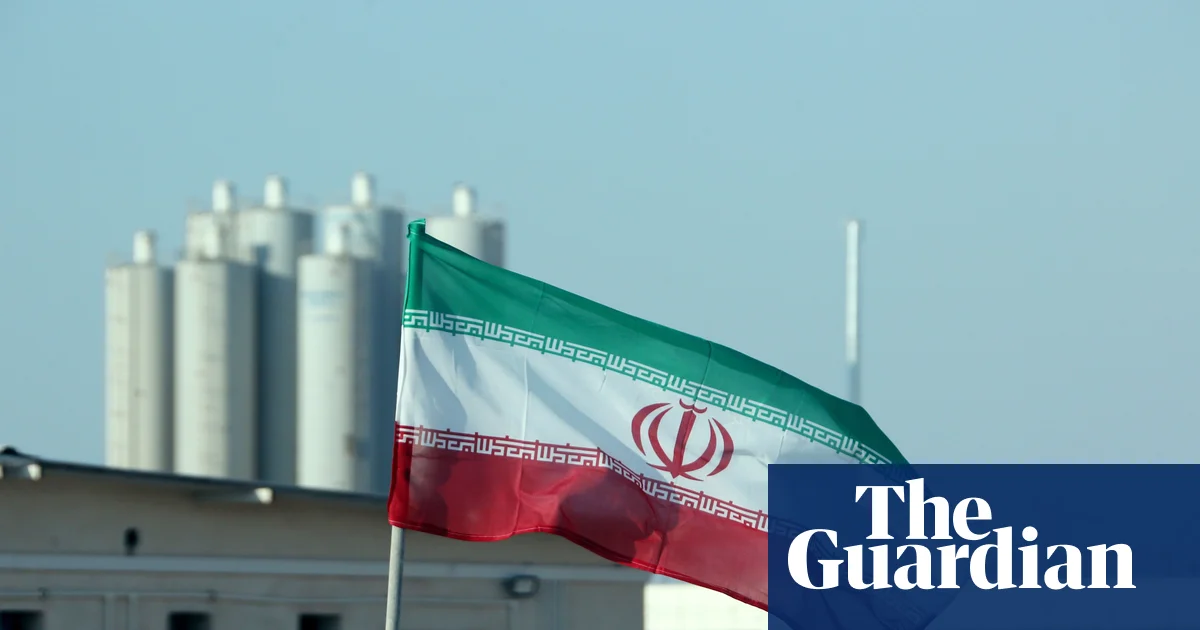
The end of the 2015 Joint Comprehensive Plan of Action (JCPOA) by Iran marks a decisive turning point in international diplomacy and security. After years of diplomatic stalemate, Tehran announced on Saturday that it was no longer bound by the agreement—an accord originally aimed at curbing Iran’s nuclear ambitions in exchange for eased sanctions. This move signals a potential escalation in regional tensions and sets the stage for a new, unpredictable phase in global geopolitics.

Signed in Vienna by Iran, China, Britain, France, Germany, Russia, and the United States, the JCPOA was heralded as a diplomatic triumph promising peace after long-standing hostility. Yet, years of US withdrawal, European diplomatic failures, and regional conflicts have eroded hopes for its revival. After a series of confrontations—including deadly bombings in Iran attributed to Israel and the US—the agreement’s collapse is seen by many analysts as an irreversible step toward renewed nuclear proliferation risks.

Geopolitical Impact of the Deal’s End

The snapping back of UN sanctions under Article 41 of the Security Council resolution 2231—triggered after Iran’s refusal to cooperate with nuclear inspectors—materialized a stark warning: the international community’s collective efforts to prevent nuclear proliferation are unraveling. Most notably, this re-imposition of sanctions effectively circled back to the deal’s termination, opening a perilous new window of uncertainty.

  • Iran’s immediate response was to cease all compliance with nuclear restrictions, claiming the agreement has been effectively nullified.

Western powers, led by Britain, France, and Germany, continue to advocate for diplomatic solutions, even as they reimpose sanctions in a clear show of strength and resolve. Their joint statements explicitly mention a desire to seek “a new diplomatic solution,” aiming to confine Iran’s nuclear pursuits without resorting to military action. However, critics warn that such gestures may be too little, too late, as regional instability intensifies and Iran’s own nuclear ambitions accelerate.

How Decisions Shape Societies and Nations

The escalation of tensions has far-reaching consequences for global security, economic stability, and regional alliances. The United States, under President Donald Trump, zeroed in on maximum pressure, attempting to isolate Iran through crippling sanctions meant to choke its economy. Yet, these strategies risk pushing Iran into the arms of China and Russia, potentially establishing new spheres of influence that could undermine Western dominance in the Middle East. International organizations, like the IAEA, now face a more complex challenge to monitor Iran’s nuclear activities amid rising distrust.

According to military analysts and historians, Tehran’s refusal to cooperate after the deal’s collapse is both a response to the sustained pressure and a calculated move to leverage its nuclear program as a geopolitical bargaining chip. The European Union and United Nations find themselves at a crossroads: pursue diplomatic negotiations or face the consequences of uncontrolled proliferation. The stakes have never been higher, and the weight of history suggests this crisis could redefine the balance of power for decades to come.

In the Shadow of the Future

As Iran prepares to mark termination day at the UN in New York, the world stands on the precipice of what many experts dread as a “new nuclear age.” The decisions made today will resonate through history, shaping the contours of international relations and national security for generations. The unfolding story—marked by failed diplomacy, mounting mistrust, and strategic resilience—underscores the profound truth that the past is prologue, and the future remains an uncertain chapter yet to be written. The pages are turning rapidly, and only time will reveal which path leads to lasting peace or chaos.

Vivienne Westwood’s granddaughter calls out brand as Riyadh Fashion Week deal sparks controversy

Fashion’s Fight for Social Justice: The Vivienne Westwood Legacy in a Changing World

The recent decision by Vivienne Westwood’s brand to showcase in Riyadh fashion week has ignited a fierce debate about the delicate balance between artistic expression and social responsibility. While the brand insists that their presence in the Gulf state is meant to facilitate dialogue and understanding, critics—including the granddaughter, Cora Corré—argue that such moves undermine the very values Westwood championed during her lifetime. This controversy underscores a larger, cultural shift within the fashion industry: the tension between global commerce and social activism, especially when powerful brands become unintentional agents of geopolitical diplomacy.

At the heart of this debate is the cultural impact of celebrity and brand influence on social values. Westwood, known for her punk rock ethos and outspoken activism, used her platform to challenge injustice—campaigning against fracking and advocating for Julian Assange. Yet, her brand’s decision to participate in Saudi Arabia’s glitzy fashion scene raises questions about how much influence elite fashion has in shaping societal norms. Influencers, sociologists, and analysts suggest that this dichotomy between style and substance exposes a broader societal undercurrent: are these gestures of cultural exchange or silent endorsements of controversial regimes? The fact that Kate Moss recently appeared in a charity T-shirt—featuring vintage Westwood graphics—further complicates the narrative, blurring lines between activism, fashion, and commercial interests.

This move also awakens concerns about the social relevance of fashion—particularly in nations with documented human rights violations. Human Rights Watch has called Saudi Arabia’s record “abysmal,” citing brutal repression of dissent and the criminalization of LGBTQ+ individuals—who face fines, flogging, or imprisonment. Despite this, Saudi Arabia is aggressively cultivating a global image as a hub of luxury and entertainment, investing heavily in high-profile events and celebrity-driven spectacles. Critics argue that these efforts, often endorsed by iconic brands, serve as a fine veneer masking deep-rooted abuses—raising the key question: are we commodifying human rights issues, or are these cultural exchanges genuinely fostering change?

As the winds of change blow through fashion, the implications extend beyond style into societal narratives. The questions that remain are profound: does stepping into an oppressive society simply normalize its realities, or can it be a catalyst for progressive dialogue? The answer may depend on perspective, yet one thing is clear—how iconic brands leverage their influence could define the next era of cultural activism. With Stella McCartney being approached for comment and ongoing discussions about the true impact of such high-profile endorsements, the next big question may be: Will fashion continue as a tool for social change, or will it become merely a business of appearances—lost in the glamour and gloss of luxury?

Trump kicks off first phase of Egypt deal, signaling bold new move

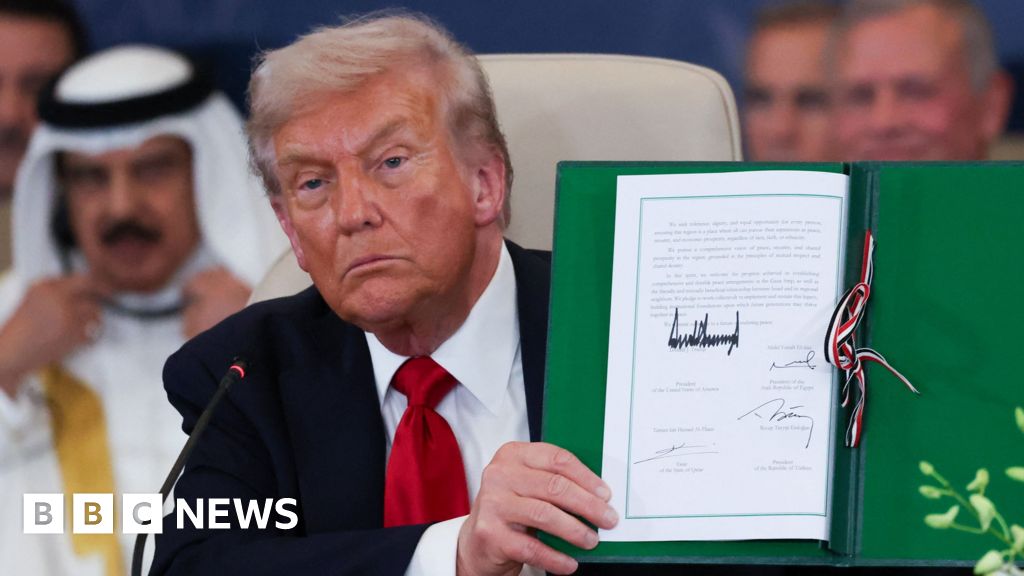
In a significant milestone for Middle Eastern geopolitics, US President Donald Trump along with other key world leaders convened in Egypt to sign the groundbreaking first phase of a ceasefire agreement in Gaza. This diplomatic breakthrough follows a period marked by intense violence, hostages, and longstanding tensions. The summit, hosted by Egypt’s President Sisi, was carefully orchestrated to serve as a turning point—an effort to forge a new path toward peace in a region historically plagued by conflict. The agreement’s signing marked a notable moment, not just for the immediate ceasefire, but for what analysts argue could be a foundation upon which a broader peace process might be built.

The symbolism was palpable. Trump posed proudly in front of a banner reading “Peace 2025,” signifying a forward-looking vision that aims to secure stability over the coming years. During the summit, Trump, Sisi, Qatar’s Emir Tamim bin Hamad Al Thani, and Turkey’s President Erdogan all signed the document, explicitly endorsing the initial phase of peace. The gathering’s optics signaled a rare moment of international consensus on the necessity of renewing dialogue in a tumultuous region that has endured decades of conflict. The involvement of key players exemplifies a recognition that international cooperation remains crucial for the stability of the Middle East, and that only through unified effort can progress be achieved.

Furthermore, the release of Israeli hostages and Palestinian prisoners prior to the signing could be seen as a pragmatic step toward de-escalation—an acknowledgment that confidence-building measures are essential for any meaningful peace. As historians and international analysts point out, this phase could set a precedent, emphasizing that even amidst enduring conflicts, diplomacy remains an indispensable tool. The United Nations and various international organizations have cautiously welcomed the progress, highlighting that the road ahead remains fraught with challenges. Yet, this effort demonstrates that the collective will of regional and global powers can, at least temporarily, override the divisions that have long defined the landscape.

The geopolitical impact of this development extends far beyond Gaza. The outcome may influence U.S.-Middle Eastern relations, reshape alliances, and impact broader regional stability. Countries such as Turkey and Qatar, often viewed as regional mediators, are positioning themselves as pivotal stakeholders in a peace process that could redefine traditional power balances. For Israel and the Palestinian Authority, this is a moment of immense hope and uncertainty alike—an opportunity to build on momentum or risk slipping back into cycle of violence. As the international community watches closely, experts warn that real peace will depend on sustained negotiations and tangible changes on the ground.

Yet, history has shown that the path to peace in the Middle East is seldom straightforward. The looming question remains whether this first phase signifies a true turning point or merely a fragile pause in a long-standing saga. As the dust settles on the summit, the world’s gaze remains fixed on a region where each decision—each handshake and promise—could rewrite the narrative of conflict. The future of the Middle East holds its breath, as the weight of history continues to unfold with every diplomatic gesture, every scrap of hope offering a glimpse of what could be, if only the will persists.

Protests Reject President Rajoelina’s Deal, Police Respond with Rubber Bullets

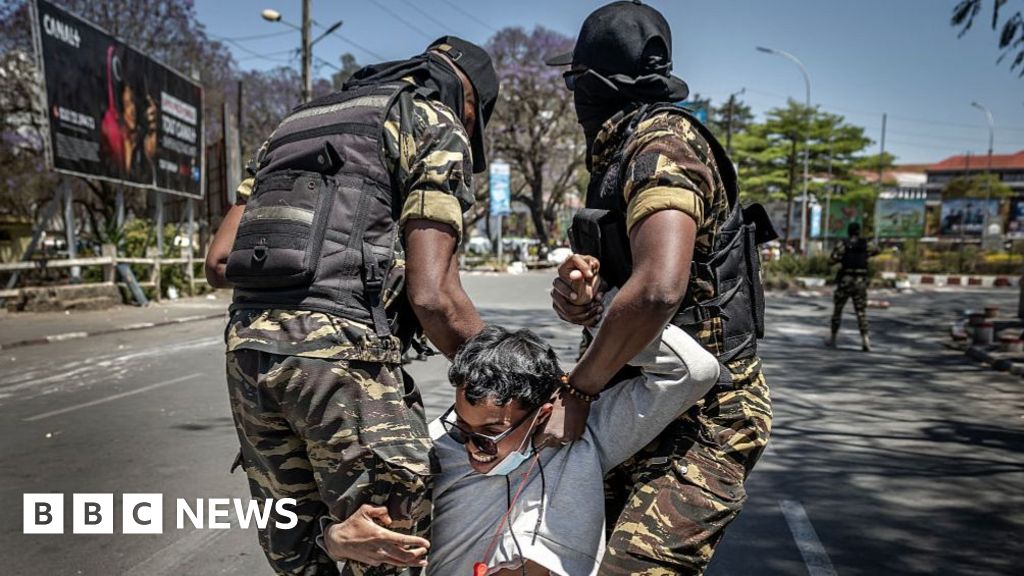
In a striking display of unrest shaping the Indian Ocean region, Madagascar faces a pivotal crisis as youth-led protests continue to challenge the authority of President Andry Rajoelina. Over the past two weeks, the island nation’s streets have become a battleground where thousands of young Malagasy citizens, under the banner of Gen Z Mada, have demanded fundamental change. Their relentless push for respect for human rights and an end to chronic corruption and mismanagement underscores a broader pattern of youth activism proliferating across Africa, reflecting frustrations that threaten to destabilize one of the world’s most geopolitically strategic regions.

The escalation of violence and repression highlights how internal discontent can ripple outward and jeopardize regional stability. Security forces, using rubber bullets and tear gas, have violently dispersed protesters in Antananarivo, with reports of numerous arrests and casualties, including at least 22 fatalities, according to international observers. This brutal crackdown, amid a backdrop of persistent power outages and economic hardship—fueled by high unemployment and soaring living costs—has revealed a government increasingly disconnected from its people’s aspirations. As analysts warn, such suppression often fuels further unrest, risking broader upheaval that could destabilize Madagascar’s fragile political landscape and draw in regional powers and international actors seeking stability and influence in the Indian Ocean.

Within this volatile context, Rajoelina’s attempts at dialogue—characterized by town halls, promises of power reform, and a vague pledge to resign if outages aren’t resolved—have failed to quell the movement. Notably, his decision to dismiss his entire government and appoint an army general as prime minister last week has only intensified opposition. The youth demographic, which commands significant influence and symbolizes a wider disenfranchisement, remains resolute. Their declaration that “the Malagasy people do not submit” signals a potential turning point in national politics, reminiscent of previous waves of youth-driven activism on the continent that have challenged entrenched regimes.

International organizations and regional analysts observe that the ongoing turmoil in Madagascar encapsulates a broader struggle—governance deficit meets the urgent demand for reform. As African Union member states grapple with similar upheavals, Madagascar’s crisis accentuates the importance of addressing youth grievances before they expand into uncontrollable conflicts. The growing gap between government actions and public expectations poses serious questions about the future trajectory of democracy and stability in the region, especially as foreign actors watch keenly for opportunities to extend influence or promote stability at any cost.

Now, as the Malagasy youth continue their fight amid a tense standoff, the question remains whether the country’s leadership will heed the warning signs. The unfolding scenario underscores the weight of history—how a nation’s choice to suppress or listen to its young can determine its future. With each passing day, Madagascar’s story reshapes the geopolitical chessboard in the Indian Ocean, leaving the world to ponder whether this is just a chapter in larger regional upheaval or the beginning of a new era where youth voice becomes an unstoppable force.

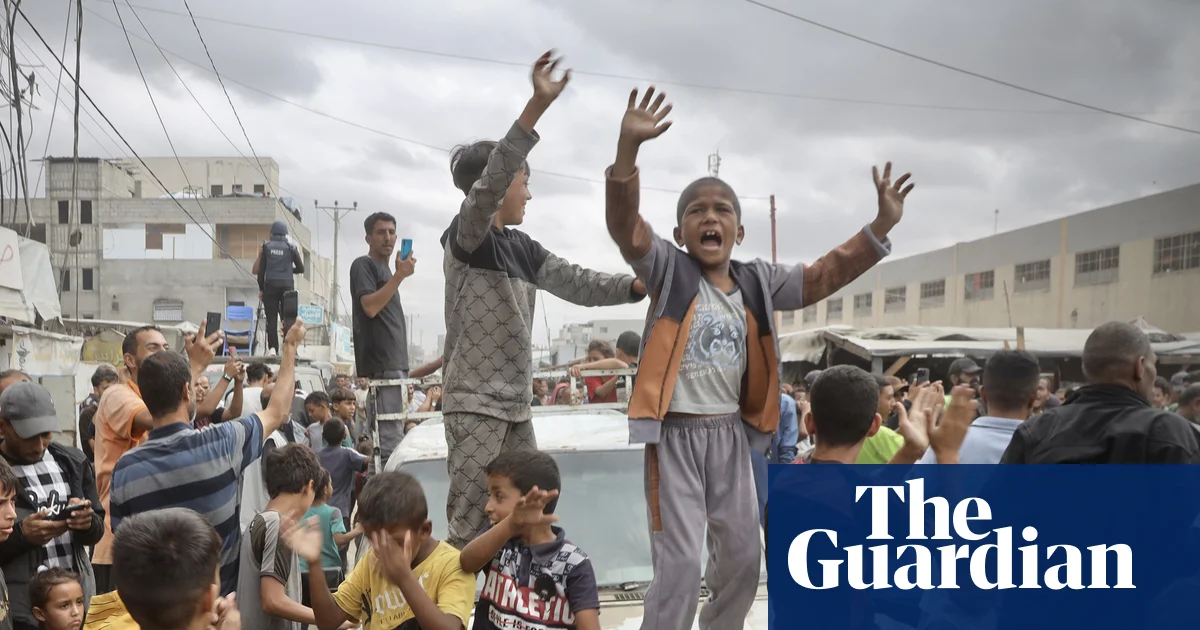
Palestinians Celebrate Ceasefire Deal: A Step Towards Peace—Today in Focus Extra | Gaza

Ceasefire Sparks Hope in Gaza and Beyond

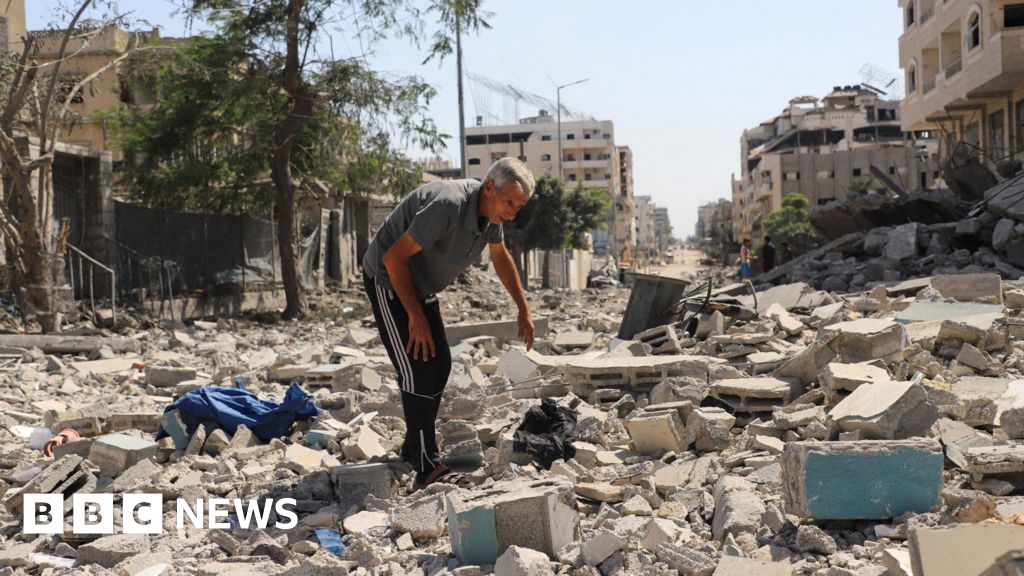
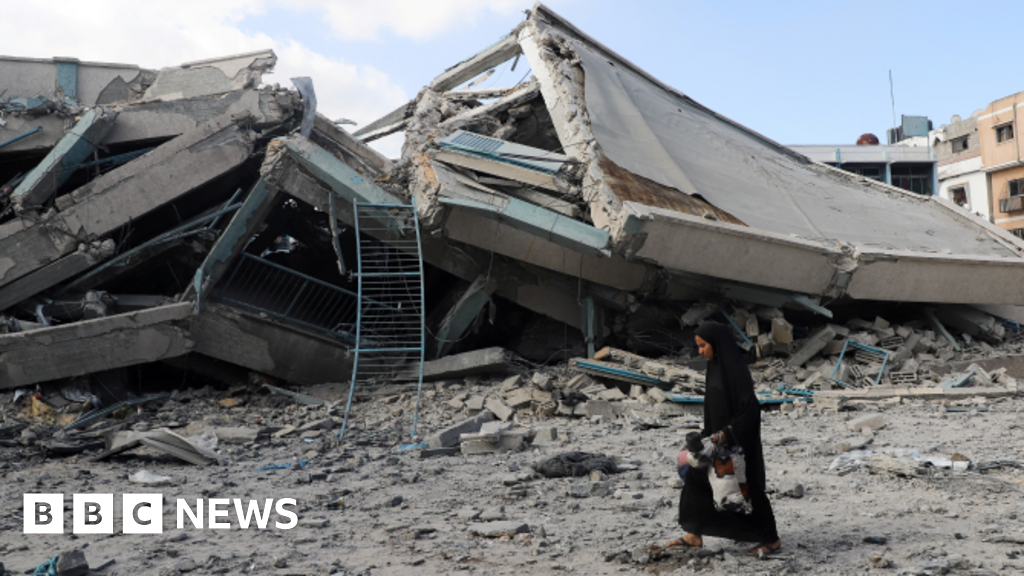
In a significant diplomatic breakthrough, Israel and Hamas have announced a ceasefire agreement in the ongoing Gaza conflict, bringing a temporary end to what has been a harrowing two-year war zone. Announced in the early hours of Thursday, this development signals a potential shift in the relentless cycle of violence that has gripped the enclave, yet analysts warn that the road ahead remains fraught with challenges and unresolved issues.

The reactions from those directly impacted paint a complex picture of relief mixed with lingering pain. Ansam Tantesh, an English graduate living in Gaza, encapsulates the suffering faced by civilians: “The pain, she shares with Annie Kelly from The Guardian, ‘will never leave my heart’. Despite the cessation of airstrikes, the human toll—marked by loss, destruction, and trauma—continues to overshadow hopes for peace.” Humanitarian workers like Mai Elawawda emphasize that while the ceasefire provides a crucial pause, the dire needs for food, water, and shelter remain unmet for many Gazans. The ongoing humanitarian crisis underscores how decisions made at the international level directly affect daily life and human rights in conflict zones.

Despite the optimistic headlines, experts underscore that this ceasefire is but a fragile pause, not a definitive resolution. International organizations, such as United Nations officials and regional analysts, warn that the underlying issues—territorial disputes, refugee rights, and security guarantees—still loom large. The international community remains divided over assigning blame and responsibility, with some nations advocating for a permanent solution and others calling for a pragmatic, immediate ceasefire. Historians like Noam Chomsky have long highlighted the regional geopolitical stakes, noting that the conflict is deeply embedded within broader regional rivalries involving Iran, Egypt, and Turkey. Such dynamics complicate efforts for a durable peace, as well as influence the strategic calculations of global powers.

  • The ceasefire marks a potential turning point, possibly opening diplomatic channels that have been closed for years.
  • However, persistent issues such as the blockade of Gaza, settlement expansions, and the status of Jerusalem threaten future stability.
  • International organizations stress that sustainable peace requires addressing these root causes, not just temporary truce agreements.

The geopolitical impact of this ceasefire extends well beyond Gaza’s borders. Israel faces intensified scrutiny over its military operations and settlement policies, which critics argue exacerbate instability. Meanwhile, Palestinians in Gaza and the occupied West Bank see this as a moment of cautious hope, yet also warn against complacency. Historically, such brief pauses in conflict have often been undermined by unresolved grievances, making future confrontations all the more probable. The decisions made now will undeniably shape the socio-political fabric of the region for generations, determining whether this fragile moment of peace transforms into a lasting resolution or simply a fleeting respite in an ongoing saga of conflict.

As the dust settles and international observers watch closely, the weight of history presses heavier than ever. The coming days will reveal whether this peace holds—a brief hope or a true turning point—yet the scars of this ordeal will remain, etched deep into the collective memory of a fractured region. The world stands at a crossroads, witnessing a moment where diplomacy and perseverance are tested, and where the future of millions hangs in the balance. The unfolding story of Gaza is not just a regional saga but a chapter in the ongoing contest for influence, security, and dignity on the global stage.

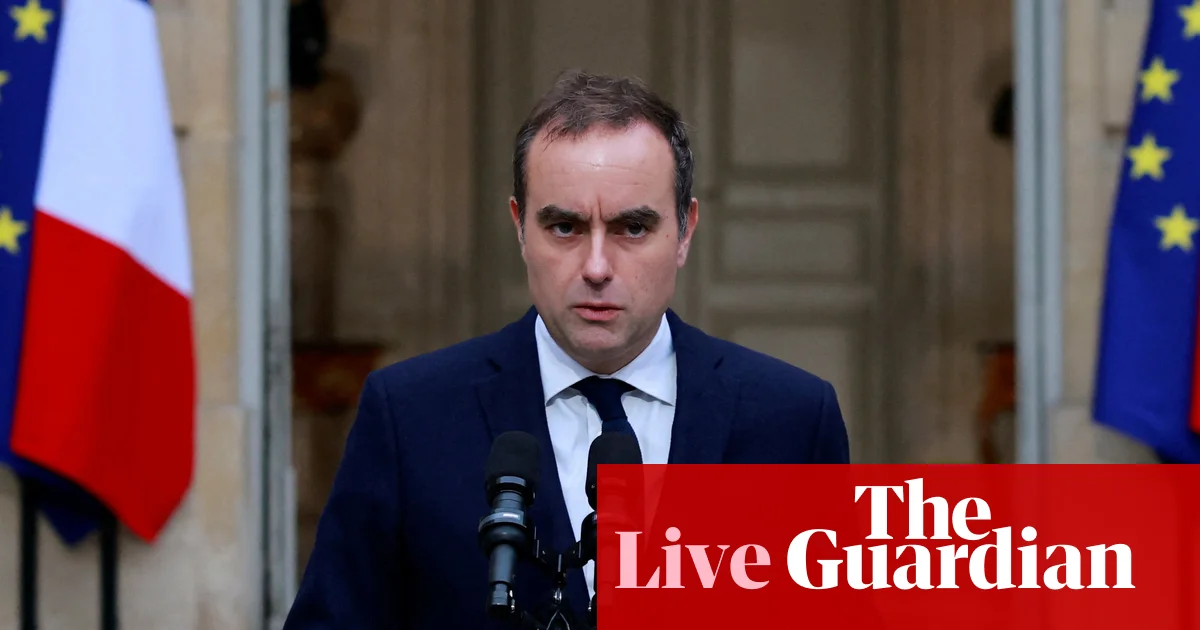
Outgoing French PM: Strong Will to Reach Budget Deal, No Snap Elections on Horizon | Europe Update

France’s Political Crises Unfold: A Threat to European Stability

In what can only be described as a deepening crisis within one of Europe’s key nations, France is embroiled in political chaos that threatens its stability and, by extension, the coherence of the European Union. Recent developments reveal a fragile government under President Emmanuel Macron‘s leadership, with the resignation of Prime Minister Sébastien Lecornu marking yet another chapter in a series of tumultuous events since Macron’s re-election in 2022. As the nation grapples with deadlock and discontent, international analysts warn that such internal instability risks emboldening far-right factions like Marine Le Pen’s National Rally, with potentially far-reaching geopolitical consequences.

At the heart of the current turmoil is France’s inability to pass a coherent budget, a dire consequence of a hung parliament and fragmented political alliances. Lecornu, appointed after Macron’s 2022 re-election, has publicly expressed the desire to craft a budget by year’s end, signaling some convergence among diverse political factions. However, the overarching issue remains—the longstanding deadlock has rendered Macron’s presidency increasingly isolated, with mounting calls from within his own camp for early resignation or snap elections. Historian Jacques Dupont notes that this political paralysis could drastically alter France’s constitutional balance of power and erode public confidence.

  • Macron’s refusal to resign amidst plummeting popularity, with polls indicating that 70% of French citizens favor his stepping down, underscores the severity of the crisis.
  • Prime Minister Lecornu’s resignation and subsequent statements have highlighted a stubborn political deadlock, with attempts at coalition-building proving futile.
  • The political landscape in France appears ripe for exploitation by far-right parties, who are gaining popularity, further threatening the foundational stability of the Fifth Republic and the European project itself.

This ongoing crisis signals a pivotal moment for France and its societal fabric. International institutions such as the European Commission and OECD are closely monitoring the situation, understanding that prolonged instability could destabilize European markets and diplomatic ties. Scholars warn that if Macron’s government fails to reassert control, it could accelerate separatist movements, particularly in territories like New Caledonia, where political tensions have already delayed autonomy negotiations. The possibility of political fractures extending from mainland France to its overseas territories illuminates the complex geopolitics at play.

The recent upheaval in France is reminiscent of historic political crises that reshaped nations and continents. Many analysts draw parallels with de Gaulle’s resignation in 1969, an act that reshaped France’s political landscape and set a precedent for presidential accountability. The potential for Macron’s resignation or the dissolution of parliament could usher in a new era—one fraught with uncertainty but also an opportunity for renewal. As Macron prepares to address the nation, the world watches with bated breath, realising that the unfolding chapters in France’s history may well define the geopolitical contours of Europe for decades to come. The weight of history now rests heavily on the shoulders of its leaders, in a country whose decisions continue to echo across the global stage. As the crisis deepens, the question remains: will France find its way back to stability, or will this turmoil ignite a broader upheaval that reshapes the continent entirely?

Gaza Peace Talks Continue as Trump Calls Deal ‘Really Good’ Chance for Progress

The Middle East remains at a pivotal crossroads, with recent developments in Gaza signaling both a potential shift in conflict dynamics and a test of international diplomacy. As Israel ratchets up its offensive in Gaza City, the international focus has shifted toward indirect negotiations aimed at forging a durable peace, with the U.S. peace plan emerging as a central, yet contentious, element of this process. The upcoming talks in Sharm El-Sheikh are crucial, as they seek to create the “field conditions” necessary for an exchange—one that could see hostages released and relative calm restored for the first time in months.

Leading this diplomatic push are influential figures like Donald Trump and **Israeli Prime Minister Benjamin Netanyahu**, who have expressed optimism about the possibility of an agreement. Trump, now a key envoy in the negotiations, publicly stated that the first phase of the peace effort—focused on the release of hostages—”should be completed this week,” indicating a real sense of urgency. Analysts and historians warn, however, that such optimistic rhetoric often masks deeply entrenched issues, particularly Hamas’s refusal to accept the plan’s **disarmament** clause and its insistence on remaining part of Gaza’s governance. Meanwhile, Palestinian factions and regional actors—especially **Qatar** and **Egypt**—are playing critical roles, facilitating shuttle diplomacy that is seen as essential given the profound mistrust between Israel and Hamas.

The geopolitical impact of these negotiations is profound. If successful, they could serve as a blueprint for a broader peace settlement—potentially reshaping societal relations and regional stability. Yet, the balance remains delicate. Israel’s security concerns persist, especially regarding Hamas’s future role, which remains a sticking point. Hamas’s statement indicated willingness to release all Israeli prisoners, both living and dead, but avoided addressing its disarmament—raising doubts among critics that foundational issues might plunge the talks into failure. International organizations such as the United Nations have called for restraint, with Secretary-General Antonio Guterres warning that the opportunity presented by Trump’s initiative “must be seized” to prevent further tragedy. Conversely, opponents argue that the peace plan, especially with its concessions, risks rewarding continued militant influence while failing to address broader issues of Palestinian sovereignty, thus challenging existing international norms.

As the conflict’s toll continues to climb—over 67,000 killed in Gaza alone, including thousands of children—the regional and global repercussions grow ever more urgent. Countries such as the United Kingdom and regional powers are now openly supporting the U.S. efforts, yet skepticism remains. Critics warn that history repeatedly demonstrates how fragile ceasefires and peace agreements can be, especially in a context where past promises have been broken and trust remains elusive. The voices of analysts like *Benny Morris* and *Rashid Khalidi* echo warnings that the deeper issues—like the status of Palestinian sovereignty, disarmament, and the future governance of Gaza—must be resolved for peace to hold. Otherwise, the cycle of violence threatens to erupt again, possibly even more devastating than before. As the world watches anxiously, the story of Gaza continues to unfold—each negotiation, each development, adding a new chapter to a conflict that Western leaders and regional stakeholders alike consider among the most complex and perilous the modern era has faced.

This Week’s Top Deal: Kid-Friendly Kindle Paperwhite Outperforms the Adult Model

Market Disruption and Innovation: Amazon’s Kindle Offers Signal Industry Shifts

The consumer electronics industry remains a fiercely competitive battleground, fueled by rapid technological innovation and strategic disruption. Recently, Amazon’s latest Kindle lineup, including the Kindle Kids, Kindle Colorsoft Kids, and notably the **Kindle Paperwhite Kids**, exemplifies how entrenched players are innovating to sustain dominance amidst a shifting digital landscape. With prices dropping to historic lows — the Kindle Paperwhite Kids now retailing at $134.99, down from $179.99 — such aggressive pricing underscores Amazon’s strategy to consolidate market share in the e-reader space. This move challenges traditional rivals and forces them to rethink their offerings in the face of Amazon’s relentless push for affordable, feature-rich devices that appeal to a broader demographic, especially younger readers.

This pattern of disruption extends beyond individual products to broader industry trends. Experts from Gartner point out the increasing convergence of hardware, content, and AI-driven personalization, transforming e-readers from mere reading devices into integrated learning platforms. Amazon’s push into kid-friendly devices reflects a broader market shift where the focus is no longer solely on hardware capabilities but on creating ecosystems that foster digital literacy and lifelong engagement. Such strategic positioning foreshadows a future where edu-tech integration and gamification will redefine consumer expectations and unlock new revenue streams, making traditional book publishing and educational content delivery more competitive.

Hardware Innovation and Gaming Disruption: The 8BitDo Ultimate 2

In the gaming sector, recent innovations notably include the **8BitDo Ultimate 2** wireless gamepad, now available at discounted prices — in white for $59.98 and black for $62.99 — marking a rare opportunity for gamers seeking premium accessories. This controller’s compatibility with the upcoming **Nintendo Switch 2**, original Switch, and PC exemplifies a new era of hardware interoperability, challenging proprietary standards that once limited gamer choice and ecosystem lock-in.

  • ReplacesHall effect joysticks with tunneling magnetoresistance (TMR) technology for drift resistance and increased power efficiency.
  • Features trigger stops, LED-illuminated joystick rings, and additional shoulder buttons for advanced control — perfect for high-performance gaming.

The design innovations reflect a broader trend wherein hardware manufacturers leverage cutting-edge materials and ergonomic engineering to disrupt established markets. Industry analysts note that this focus on augmenting user experience and durability is vital for staying ahead in a competitive landscape increasingly driven by consumer demand for versatility and longevity. This kind of disruption might also accelerate the commoditization of console peripherals, compelling leading brands to innovate beyond incremental improvements and aim for transformative technological leaps.

Implications for Business and Industry Dynamics

These developments signal a profound shift in how companies approach market competition. Amazon’s aggressive pricing and ecosystem integration demonstrate the efficacy of disruption through affordability and ecosystem lock-in, pushing rivals into a price and innovation race. Meanwhile, hardware players like 8BitDo are leveraging technological breakthroughs to redefine quality benchmarks, forcing industry-wide innovation cycles. Institutions such as MIT and industry giants like Elon Musk’s companies emphasize the importance of disruptive innovation as essential for future growth, and these product launches underscore that message.

For investors and entrepreneurs, the key takeaway is clear: timing and agility matter more than ever. As the industry continues to evolve rapidly—fueled by advances in AI, materials science, and digital integration—the capacity to innovate swiftly will dictate who leads the next wave of technological disruption. The convergence of consumer electronics, gaming, and educational tech signals a future where sustained competitive advantage will hinge on how quickly companies adapt to emerging trends and consumer expectations. The next decade promises an unprecedented level of technological transformation, and those who act decisively will shape the future landscape of digital innovation.

Trump sets Sunday deadline for Hamas to accept Gaza peace deal

The escalation of violence in Gaza has once again thrust the Middle East into the global spotlight, with US President Donald Trump taking an unprecedented stance. On his Truth Social platform, Trump issued a stark ultimatum to Hamas, demanding the militant group accept a proposed US peace plan or face “all hell,” a phrase that underscores the gravity of the current situation. The plan, set to be enforced by a strict deadline of 18:00 Washington time (22:00 GMT) on Sunday, calls for an immediate cessation of hostilities and the release of 20 Israeli hostages within 72 hours—along with the remains of those believed to be deceased— in exchange for hundreds of Gazans detained by Hamas. This intense diplomatic ultimatums reflect America’s strategic pivot to project influence amidst rising tensions, a move strongly opposed by many analysts concerned about the unpredictable consequences of such escalations.

International mediators have reportedly engaged with Hamas’s military leadership in Gaza, but internal divisions threaten the viability of the US proposal. According to credible sources, Hamas’s military wing refuses to accept the plan, primarily because it demands the immediate handover of all hostages within the first three days of a ceasefire—a move analysts describe as effectively stripping Hamas of its strongest leverage. Meanwhile, some elements within Hamas’s political hierarchy in Qatar appear more receptive, though their influence remains limited due to their lack of control over the armed group’s core operations and hostages. Such internal disagreements highlight the complex web of power struggles within Hamas itself, complicating international efforts to mediate a sustainable resolution. The fact that only 20 of the roughly 48 hostages believed to be held are confirmed alive adds a layer of tragedy and urgency to the negotiations, with many fearing that the window for safe resolution is rapidly closing.

The backdrop to this crisis is the devastating Israeli offensive launched in response to the October 7 attack by Hamas, which resulted in approximately 1,200 fatalities and 251 hostages taken—an atrocity that shattered Israel’s sense of security and prompted a sweeping military campaign in Gaza. The Israeli Defense Forces have responded with relentless aerial and ground assaults, leading to over 66,288 Gaza residents reported killed by Hamas-controlled health authorities. These staggering figures illustrate the profound human toll of the conflict, and experts warn that continued fighting risks a broader regional escalation, with global powers watching intensely. The United Nations and other international organizations have issued calls for ceasefires and negotiations, but their influence is waning in the face of entrenched hostility and deep-seated grievances.

Within this maelstrom of violence and diplomacy, the geopolitical impact is undeniable. The unfolding crisis tests the limits of international diplomacy and underscores the fragile balance of power in the Middle East. Leaders from Europe to Asia are watching with wary eyes, aware that any misstep could trigger a larger regional conflict. Historians and strategic analysts warn that decisions made in these critical days could shape the course of history—either paving the way towards peace or unleashing a relentless cycle of violence. As civilians bear the brunt of these hostilities—caught between political agendas and military might—the question remains: how much longer can the world afford to stand by and watch as history continues to be written in blood?

In the shadows of diplomacy and war, the future hangs precariously, with each decision echoing through the corridors of power and the lives of those entangled in this enduring conflict. The weight of history presses down heavily—every choice a chapter in a story still unwritten, yet profoundly felt. The question now is whether the international community can forge a path toward lasting peace, or if the flames of ongoing hostilities will consume all hopes of resolution, plunging the region—and perhaps the world—into chaos once more.

NBCUniversal’s YouTube TV Deal Brings Some Shows Straight to YouTube, Giving Fans More Options

In a bold move that underscores the accelerating disruption of traditional media, NBCUniversal has announced a strategic partnership with YouTube TV to expand its digital footprint. While financial details remain confidential, the deal notably includes exclusive rights to full TV shows, clips, and highlights, along with a reinvigoration of NBC Sports Network (NBCSN), which was shut down four years ago. This move exemplifies how legacy broadcasters are leveraging innovative streaming platforms to recapture viewer engagement and monetize content, signaling a clear shift in the industry dynamic.

As Matt Schnaars, an NBCUniversal executive, articulated, the company is advancing its Peacock strategy by launching new channels on YouTube Primetime Channels and maintaining a presence on Google TV. This multi-platform approach leverages the dominance of tech giants like Google to disrupt traditional cable models, turning to streaming-first strategies that cater to the increasingly digital-first consumer base. Such initiatives not only amplify NBC’s reach but also illustrate a broader industry trend where content licensing and platform partnerships are becoming vital for maintaining relevance in a saturated media ecosystem.

Industry analysts such as Gartner and MIT’s Media Lab emphasize that these shifts reflect a broader trend of disruptive innovation—where established broadcasters are adopting tech-driven models to avoid obsolescence. The relaunch of NBCSN and its inclusion in subscription packages are particularly notable, as they suggest that media conglomerates are experimenting with hybrid revenue streams—combining traditional advertising, subscription fees, and licensing—aimed at capturing diverse consumer segments. The move also hints at a strategic pivot: utilising sports content as a key driver for new revenue sources, especially as rights for marquee events are increasingly becoming battlegrounds for digital dominance.

  • Reintroducing NBCSN into subscription bundles enables monetization outside conventional cable subscriptions, broadening revenue options.
  • This strategy allows NBCUniversal to adapt rapidly to the post-linear era, where viewers demand on-demand, multi-device access.
  • Furthermore, leveraging popular streaming platforms complicates regulatory and competitive landscapes, posing both opportunities and challenges for existing players.

As industry leaders like Elon Musk and venture capitalists such as Peter Thiel have long argued, the future of media is rooted in innovation and disruption. The implications of NBCUniversal’s moves extend beyond mere content distribution; they represent a pivot point that could redefine revenue models, consumer engagement, and competitive strategies across the media landscape. With tech giants investing heavily in original content and distribution innovations, traditional broadcasters are compelled to rethink their business models swiftly. Ignoring these shifts risks obsolescence, but those who innovate—like NBCUniversal—stand to reshape the very fabric of entertainment consumption in the coming decade.

Fundamentally, the industry is on the brink of a transformation driven by technological convergence and audience-centric strategies. As new partnerships and streaming innovations emerge, it becomes increasingly clear that those who adapt quickly will dominate the next era of entertainment. The question remains: in an era of unprecedented disruption, will legacy players lead the charge or fall behind as nimble tech companies redefine the rules of the game?

Social Media Auto Publish Powered By : XYZScripts.com