Matox News

Truth Over Trends, always!

Bangladesh's Sheikh Hasina Faces Death Sentence Over Human Rights Violations
Bangladesh’s Sheikh Hasina Faces Death Sentence Over Human Rights Violations

The recent sentencing of Bangladesh’s former prime minister Sheikh Hasina to death in absentia has sent shockwaves across the global geopolitical landscape. Convicted by a Dhaka tribunal for crimes against humanity related to a brutal crackdown on student-led protests, this verdict underscores a turbulent chapter in the nation’s ongoing struggle with authoritarianism and political instability. As international institutions and human rights organizations weigh in, the case exemplifies a broader shift in how emerging democracies are navigating the preservation of justice amid internal conflicts and external pressures.

  • The tribunal accused Hasina of incitement, ordering executions, and negligence—charges rooted in her alleged direct involvement in a deadly crackdown that left up to 1,400 dead during a year-long uprising.
  • Despite her vehement denial, claiming the proceedings as a “politically motivated charade,” the verdict has ignited fierce reactions, including nationwide protests and heightened security alerts in Dhaka.
  • Her exile in India and the refusal of extradition by New Delhi reflect the complex, multi-layered geopolitics at play, where regional alliances influence justice and accountability.

From the perspective of global analysts, this case reveals a pattern of rising authoritarian tendencies cloaked under the guise of judicial reform. Historians warn that such politically charged trials risk destabilizing fragile democracies, especially when the judicial process is perceived as a tool for political retribution. The United Nations has expressed concern over the death penalty, emphasizing that international standards demand fair trials and judicial transparency. Yet, the tribunal’s transparency—broadcast live and scrutinized by observers—has not assuaged critics who see the proceedings as a spectacle designed to eliminate political rivals rather than deliver justice.

In the wider geopolitical context, India’s role remains ambiguous. While claiming neutrality, New Delhi’s refusal to extradite Hasina underscores its strategic calculus—balancing regional stability against Islamabad’s interest in destabilizing Bangladesh through influence over opposition factions. Consequently, neighboring countries are closely watching the unfolding political storm, with many fearing that escalation could destabilize the region further. With China and the United States weighing competing interests, Bangladesh finds itself caught in a geopolitical tug-of-war that could have ripple effects across South Asia and beyond.

The verdict also reaches into the societal realm, stirring deep wounds among families of the slain protesters. For many, including Golam Rahman, whose son Nafis was shot during the crackdown, justice is a long-awaited step towards catharsis. Yet, the pensive shadows of repression remain, with critics warning that a harsh, punitive crackdown might suppress dissent temporarily but exacerbate long-term instability. The upcoming election, now stripped of most opposition parties, will be a litmus test of Bangladesh’s political future—whether it will drift further into authoritarianism or attempt genuine reform amidst swirling chaos.

As Hasina’s supporters and critics ultimately face at the crossroads of history, the global community remains vigilant. The unfolding story of Bangladesh is emblematic of a world where rising nationalism, regional rivalries, and internal strife threaten to rewrite the narrative of democracy and justice. In this moment of palpable tension, it is clear that the repercussions of this verdict—whether a step towards justice or a catalyst for further turmoil—will resonate far beyond the boundaries of Dhaka, shaping the course of history in South Asia and challenging the foundations of international law itself. Only time will reveal whether Bangladesh’s future will be molded by the rule of law or the relentless tides of political upheaval, as a nation stands on the precipice of its own destiny, teetering between the shadows of oppression and the hope for lasting change.


Female MPs face death and rape threats after condemning neo-Nazi rally outside NSW Parliament

In a disturbing display of the persistent reach of extremist ideologies, Australia continues to grapple with the consequences of its complex approach to political protests and hate speech. Recent reports from New South Wales reveal a troubling escalation: two prominent female MPs—federal MP Allegra Spender and state MP Kellie Sloane—have received **threats** following their condemnations of a neo-Nazi rally outside the NSW parliament. These threats, including death and dehumanizing calls, underscore a **growing threat** not only to individuals but to the very fabric of societal tolerance in the region. The rally itself, attended by around 60 men clad in black and advocating against the “Jewish lobby” using classical antisemitic tropes, exemplifies the destructive power of unchecked radicalization, which analysts warn could destabilize domestic cohesion and fuel international tensions.

The Australian government and police authorities have faced intense scrutiny over their handling of the event. Despite the rally’s approval by local police, critics argue the decision reflects a **double standard**—a claim the authorities deny. Speaking on ABC radio, NSW Premier Chris Minns dismissed accusations of bias, emphasizing that police responses were routine but failing to clarify the procedural missteps that permitted the rally’s occurrence. Reports of an “internal communication error” suggest systemic issues in monitoring and controlling hate-fueled activities. Academic experts and human rights organizations have long cautioned that such lapses have **serious geopolitical implications**. They argue that allowing neo-Nazi symbols and speech in Australia fuels a broader pattern of nationalist resurgence, which can carry over into international conflicts involving Australia’s allies and adversaries in the Indo-Pacific region.

The **global impact** of this domestic unrest should not be underestimated. As the world watches, nations like Germany, France, and the United States are witnessing resurgent far-right movements that echo rhetoric seen in the neo-Nazi rally. Historians warn these symbol-laden events serve as **warning signs**—deepening divides that threaten to distort the global order. The Australian government is now contemplating bans on Nazi symbols and speech, aiming to “clarify and codify” hate laws. Such legislative moves are crucial; but they also raise critical **questions about free expression and state overreach**, issues that deeply resonate across democracies. The international community, including the UN and human rights watchdogs, emphasizes that **decisions surrounding hate speech laws** must balance security with civil liberties, or risk igniting new conflicts under the guise of protecting societal cohesion.

As .history continues to unfold in real time, the significance of these events transcends the shores of Australia. In a world where **extremism** feeds on division and silence, the choices made today will define the battlegrounds of tomorrow’s struggle for justice, tolerance, and unity. The recent neo-Nazi rally acts as a stark reminder that the **fight against hatred** is not only domestic policy but a **cornerstone** of international stability. As political leaders chart their course—balancing **security concerns** with the rights of citizens and the urgency of moral clarity—they must confront an evolving reality: that history will judge how decisively they resisted the forces seeking to divide humanity along racial and ideological lines.

British Ex-Soldier Detained Over 2012 Kenyan Woman’s Death

British Army Faces International Scrutiny as Extradition of Former Soldier Unfolds

The recent arrest and impending extradition of Robert James Purkiss, a former British soldier, to Kenya in connection with the 2012 murder of 21-year-old Agnes Wanjiru, have reignited debates surrounding accountability, justice, and the geopolitical implications of military conduct abroad. Detained in Wiltshire, Purkiss’s case epitomizes a long-standing struggle for justice by the victim’s family and the broader Kenyan community, questioning the effectiveness of British military oversight in overseas conflicts and the accountability structures of former colonial powers.

According to the National Crime Agency (NCA), Purkiss’s arrest followed a warrant issued in September, as Kenya rigorously pushes for justice decades after the tragic incident near a British army training camp in Nanyuki. Details reveal a disturbing pattern linking British soldiers to misconduct and unresolved crimes, a concern that has led Kenyan authorities yet again to demand international cooperation. This case, underscored by the victim’s family’s assertions of deliberate cover-ups, underscores how the intersections of military presence and local communities can lead to deep-seated trust issues and wider geopolitical consequences.

Historical and Political Contexts Shape the Case

  • The 2018 inquest concluded that Ms. Wanjiru had been unlawfully killed by British soldiers, with subsequent investigations revealing possible confessions from soldiers and alleged cover-ups. Such findings highlight ongoing questions about military accountability in overseas operations.
  • In 2021, a Sunday Times investigation reported a British soldier’s confession to colleagues regarding the killing, resulting in further controversy over the army’s internal discipline and transparency.
  • In response, the British army announced in 2024 it was conducting an internal review into its conduct in Kenya, uncovering at least 35 suspected cases of sexual exploitation, including after the army’s official ban on such conduct in 2022. This move signals an effort to address past abuses, but critics argue it raises questions about how those investigations are coordinated with international justice systems.

International organizations and analysts have warned that unresolved cases like these threaten to undermine Britain’s global reputation and complicate diplomatic ties with African nations. Critics argue that colonial-era attitudes and reluctance to confront past misconduct fuel a culture of impunity, emboldening further abuses. Historians such as Orlando Patterson and organizations like Human Rights Watch suggest that justice for victims, whether in London, Nairobi, or elsewhere, depends heavily on proactive accountability and transparency—premises that remain sorely tested in this case.

Geopolitical Impact and Societal Consequences

The decision to extradite Purkiss carries significant geopolitical impact. For Kenya, this symbolizes a potential shift toward greater judicial sovereignty, asserting that former colonial powers must confront their past misdeeds in new and tangible ways. For Britain, it highlights the challenge of reconciling its historical military presence with contemporary standards of justice and accountability, especially in fragile post-colonial contexts.

This case exemplifies the larger struggle for post-colonial nations to reclaim agency over their histories and seek justice for victims of past abuses. As Kenyan officials press for the suspect’s trial, questions arise about how many other unresolved cases linger behind a façade of diplomatic immunity. The international reaction underscores a growing demand for more robust accountability measures from Western military forces operating abroad, amid fears that past impunity could threaten future stability and international trust.

As history continues to unfold, the case of Agnes Wanjiru becomes more than just a local tragedy; it is a stark reminder that in the complex chessboard of geopolitics, the pursuit of justice can become a catalyst for wider systemic change. With each legal move and diplomatic negotiation, the weight of history presses down, shaping the future of international justice and the moral responsibilities of mighty nations. The question remains: how will the words of justice and accountability echo across continents, or will they fade into the shadows of history, leaving unresolved wounds that threaten to unravel fragile alliances?

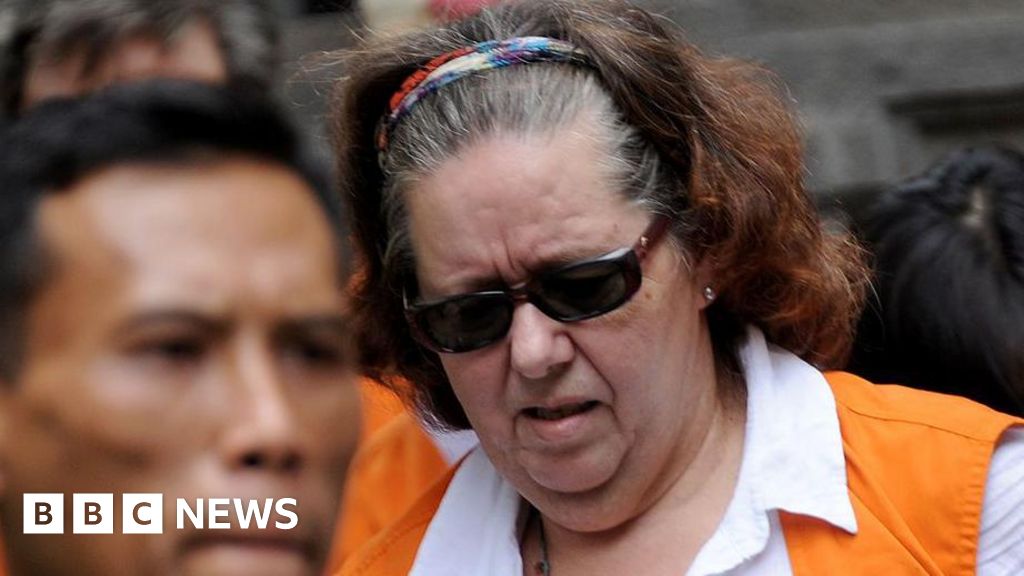
Lindsay Sandiford Returned Home After 12 Years on Indonesian Death Row

In a dramatic turn of events that underscores the complex interplay of justice, diplomacy, and international influence, Britain successfully repatriated Lindsay Sandiford, a grandmother who had spent over a decade on Indonesia’s death row for drug trafficking. This case exemplifies how weaker nations, often under international pressure, are increasingly compelled to grant clemency in high-profile scenarios involving foreign nationals. Sandiford’s release—closely tied to a bilateral deal between the UK and Indonesia—sheds light on the broader geopolitical impact of terms that seem to prioritize diplomatic relations over strict adherence to stringent national laws.

Indonesia’s stance on drug enforcement remains one of the world’s most severe, with harsh penalties including the death penalty for traffickers handling significant quantities of narcotics. Yet, recent months have shown a palpable shift. The release of the *”Bali Nine”* members—after nearly 20 years—alongside the *repatriation of Filipina Mary Jane Veloso* who narrowly escaped execution, signals a nuanced approach driven by international pressure and diplomatic negotiations, rather than a softening of Indonesia’s tough-on-drugs posture. Analysts note that these actions serve to protect Indonesia’s international image while balancing domestic law enforcement needs, thus highlighting the geopolitical impact of maintaining sovereignty while managing external diplomatic expectations.

The decision by Jakarta to release Sandiford and Shahabadi, citing “humanitarian grounds”, echoes a broader pattern observed by international observers, including global institutions and renowned historians who analyze the strategic calculus behind Indonesian drug policies. Many agree that Indonesia’s tough stance acts as a double-edged sword—deterring trafficking while risking diplomatic fallout. Decisions like these influence local and international perceptions—often forcing nations into a moral and diplomatic balancing act. Countries such as the UK leverage their diplomatic influence to negotiate softer penalties, emphasizing the growing importance of soft power in conflicts that once would have been seen as solely domestic issues.

As the weight of these decisions unfolds on the global stage, the geopolitical impact continues to grow. The withdrawal of the *”Bali Nine”* and the release of Veloso demonstrate that international cooperation—often fraught with tension—can lead to outcomes that challenge the notion of absolute sovereignty. These shifts signal a new era where national laws are increasingly intertwined with the diplomatic interests of global powers. And as history beckons to be written anew, the world watches with bated breath—knowing that the next chapter in Indonesia’s unrelenting war on drugs could either bolster its formidable reputation or expose fissures that threaten its diplomatic standing, all while the sands of history continue to shift beneath the feet of nations vying for influence in this turbulent, interconnected world.

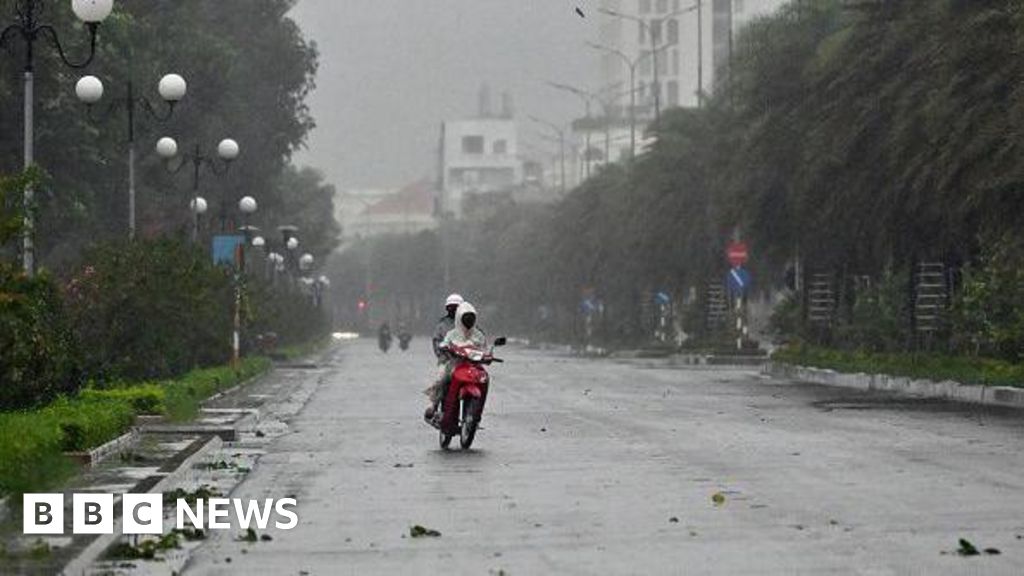
Typhoon Kalmaegi strikes Vietnam after devastating Philippines, death toll surpasses 114

Typhoon Kalmaegi Leaves Trail of Destruction Across Asia, Starkly Revealing the High Stakes of Climate and Geopolitical Decision-Making

As Vietnam, the Philippines, and neighboring nations grapple with the aftermath of Typhoon Kalmaegi, the storm underscores the profound geopolitical impact of climatic forces. Making landfall in Vietnam Thursday evening, Kalmaegi—locally known as Tino—brought with it winds exceeding 92 mph, flooding entire towns, uprooting trees, and crippling vital infrastructure. With over 114 fatalities already reported in the Philippines, and thousands evacuated, the disaster exemplifies how natural calamities are increasingly intertwined with geopolitics and global stability. Experts from international organizations and historians emphasize that the storm’s devastating course is not merely a random act of nature but a stark reminder of the vulnerability inflicted by uncooperative climate policies and regional tensions.

The Vietnamese government has responded with an unprecedented mobilization, deploying more than 260,000 soldiers and utilizing over 6,700 vehicles to contend with the crisis. Such massive state-led efforts highlight how nations, especially in Southeast Asia, are under immense pressure to organize complex disaster responses in a climate-altered world. Meanwhile, local authorities warned of flooding risks in seven provinces and urged sustained vigilance amid forecasts of waves reaching 8 meters in the South China Sea. This profound threat to coastal communities—especially fishing fleets and tourism hotspots—aligns with warnings from the Vietnamese National Center for Hydro-Meteorological Forecasting and echoes prior catastrophes like Typhoon Damrey in 2017. As NIEHS, an influential think tank, warns, these recurring natural disasters are symptoms of a broader “climate crisis fueled by geopolitical inertia,” with vulnerable populations bearing the brunt.

Across the Philippines and Vietnam, historic floodwaters and storm surges have devastated communities, transforming vibrant cities like Cebu into scenes of chaos and despair. Deadly floods in the Philippines have wiped out entire neighborhoods, and President Ferdinand Marcos Jr. has declared a state of emergency, signaling the severity of the crisis. Such events are not isolated but are symptomatic of a region increasingly troubled by _climate-induced_ upheavals—an issue that analysts predict will only worsen without international cooperation. As Vietnam’s deputy director Nguyen Xuan Hien alludes, these storms serve as harsh warnings: “Typhoon Damrey was less intense but still caused damage; Kalmaegi is a message that we must remain vigilant.” At its core, this reminds the world that decisions made in distant capitals—regarding climate policy, military readiness, and regional alliances—directly influence the fate of millions.

As history unfolds and the storm’s aftermath gives way to recovery and reflection, the geopolitical landscape faces a decisive moment. The profound destruction leaves underlying questions about discipline, preparedness, and international solidarity. Will nations recognize the interconnectedness of environmental and security issues? Or will they continue to prioritize short-term economic and political gains over sustainable, collaborative responses? The rising tide of Kalmaegi and its relentless march through Asia’s heartland leaves a haunting message—one that echoes through the corridors of history, calling for urgent unity or risking that the next chapter in this unfolding tragedy may be even darker. This is a story not just of weather but of a world at a crossroads, where the choices today will write the final lines of tomorrow’s history books.

Maine mom wins $25M in wrongful death case after leukemia tragedy involving daughter

Recent legal proceedings in Maine have rekindled a global conversation about accountability and medical standards, illustrating how individual justice can echo far beyond local borders. A civil jury awarded $25 million to Lyndsey Sutherland for her wrongful death lawsuit against Mid Coast Medical Group. This case, centered around the tragic loss of her 15-year-old daughter, Jasmine “Jazzy” Vincent, exemplifies the profound impact that a single verdict can have on societal perceptions of medical responsibility and the pursuit of justice. Although the verdict—comprising $10 million for Jazzy’s wrongful death and $15 million for pain and suffering—is subject to appeal due to jurisdictional caps, its significance reaches well beyond the State of Maine.

Historians and analysts concur that this case serves as a potent reminder that when medical professionals fail to adhere to minimum care standards, the ripple effects are destructive and far-reaching. Jazzy’s initial diagnosis of pneumonia, followed by a misinterpretation of symptoms related to a steroid-related condition, underscores how crucial accurate diagnosis and timely treatment are—especially for pediatric patients. The failure to identify her actual illness, acute lymphoblastic leukemia, led to her untimely death from cardiac arrest, illustrating the deadly cost of negligence. Such instances in the United States have prompted international observers and medical watchdogs to reassess protocols and standards—highlighting a pressing need for global reform to prevent similar tragedies.

This case also underscores how the decisions made in local courts can serve as templates for international discussions on medical accountability. International organizations such as the World Health Organization (WHO) emphasize the importance of stringent medical standards and legal recourse. Yet, critics argue that in many parts of the world, similar cases go unresolved or unnoticed due to systemic flaws or corruption. The Maine verdict becomes more than just a legal victory; it acts as a rallying point for advocates demanding justice and transparency worldwide. Countries grappling with healthcare deficiencies are now watching closely, aware that the outcome of justice in one nation can inspire change global-wide. This case may ultimately catalyze discussions on legal reforms, insurance policies, and the role of medical oversight across borders—highlighting how decisions in small localities carry the potential to influence global health policies.

As the verdict sparks debate, the broader geopolitical impact becomes increasingly evident. America’s legal case at home casts a spotlight on the broader issues related to healthcare accountability, which has tangible effects on international diplomacy and economic stability. Nations are increasingly pressured to adopt more rigorous medical and legal standards, not just to meet global benchmarks but also to shape their national identities as responsible members of the international community. How a country handles its medical negligence cases, whether through litigation, reform, or oversight, signals its commitment to safeguarding its citizens and upholding justice. Meanwhile, critics within international organizations warn that neglecting these standards could promote a pattern of complacency—a dangerous precedent with potentially devastating consequences. Ultimately, the verdict and its aftermath serve as a stark reminder that justice is the bedrock upon which societal stability is built, and that the weight of history continues to be written in moments like these.

Death Toll Climbing as Aid Faces Blockades in Jamaica's Hardest-Hit Areas
Death Toll Climbing as Aid Faces Blockades in Jamaica’s Hardest-Hit Areas

Hurricane Melissa’s Devastation: A Stark Reminder of Nature’s Fury and Geopolitical Shifts

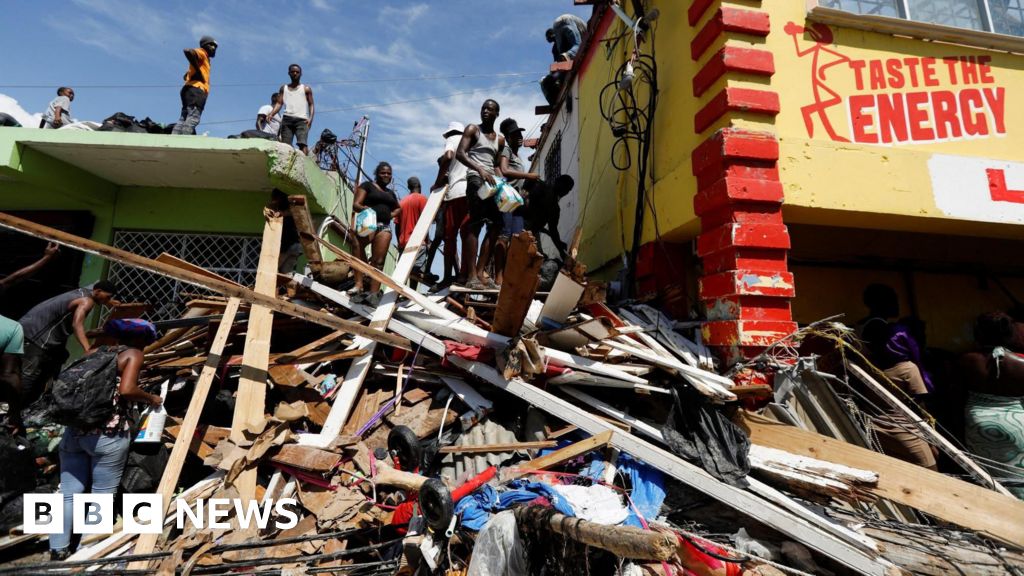
Hurricane Melissa, one of the most formidable storms to ever strike the Caribbean, has left a trail of destruction across multiple nations, reaffirming the continent’s vulnerability to increasingly powerful weather phenomena. Making landfall in Jamaica as a category five storm, with winds reaching 185 mph (295 km/h), the hurricane has demonstrated the intensifying severity of natural disasters linked to climate change, according to climatologists. Countries such as Haiti, Cuba, and even territories like Bermuda have experienced its wrath, exposing systemic weaknesses and the urgent need for international cooperation and robust disaster preparedness.

In **Jamaica**, the destruction has been severe, with entire communities cut off, homes flattened, and infrastructure left in ruins. Search and rescue efforts reveal scenes of devastation, especially in western regions where satellite imagery shows complete obliteration of some villages. Local residents articulately describe scenes of chaos, with roads blocked by fallen trees and widespread power outages—highlighting the challenge of providing aid in a country already strained by economic and social issues. Analysts warn that such natural calamities threaten to exacerbate existing inequalities, potentially destabilizing nations and fueling regional insecurity. It is a sobering reminder that the Caribbean’s geostrategic position has placed it on the frontline of climate change’s geopolitical impact, forcing neighboring nations and global institutions to confront a grim reality: the need for resilience in the face of unpredictable and increasingly destructive storms.

Meanwhile, in **Haiti**, the devastation intensified. According to UN reports, over 30 lives have been claimed, primarily due to flooding when a river overflowed in Petit-Goave. Around 15,000 civilians are sheltering across more than 120 relief centers, yet comprehensive assessments remain elusive due to inaccessible regions. Haiti’s fragile infrastructure—hindered by political instability and poverty—struggles to cope with such crises. International organizations like the UN warn that ongoing instability complicates disaster response efforts, threatening to turn localized tragedies into broader humanitarian crises. The storm’s impact underscores how conflicts and weaknesses in governance undermine a nation’s ability to survive such natural adversities, amplifying the impacts while exposing geopolitical vulnerabilities.

Turning to **Cuba** and its resilience, the island’s government reports that more than 3 million citizens faced life-threatening conditions. Nearly 240 communities have been cut off by landslides and flooding, with no fatalities yet, thanks to extensive evacuation campaigns. UN officials commend Cuba’s preparedness but emphasize that the island’s capacity to withstand such chaos is limited, especially with persistent economic constraints. The storm’s aftermath has increased calls within the global community—specifically from Western nations—to evaluate how aid and diplomatic support can bolster regional resilience. As international institutions analyze the repercussions, some argue that the response to Melissa reveals the urgent need for a restructuring of geopolitical alliances, prioritizing swift aid delivery and long-term climate adaptation strategies.

Beyond immediate relief, the storm intensifies ongoing debates over the geopolitical consequences of climate-induced disasters. Decisions by major powers to bolster humanitarian aid, or lack thereof, will significantly influence regional stability. The UK’s pledge of an additional £5 million, along with the United States deploying disaster response teams, exemplify how global actors maneuver in a landscape increasingly shaped by climate crises. As history demonstrates, failure to adapt and invest in resilient infrastructure amidst a changing climate could sow the seeds for future chaos, displacing millions and destabilizing entire regions. With the World Food Programme coordinating logistics across several nations, it becomes clear that the battle is as much about geopolitics as it is about saving lives.

As the world watches the Caribbean’s suffering unfold, the legacy of Hurricane Melissa underscores a profound truth—that our planetary fate is now intertwined with geopolitical choices, human resilience, and international cooperation. The storm’s wrath serves as a harrowing chapter in an ongoing story of climate change, conflict, and survival—reminding us that history is still being written, with every decision echoing through the corridors of power and the lives of countless innocents. Will this be a turning point leading to global unity, or merely another chapter in humanity’s struggle against the forces of nature? The answer remains uncertain, but the weight of history presses heavily upon our collective conscience.

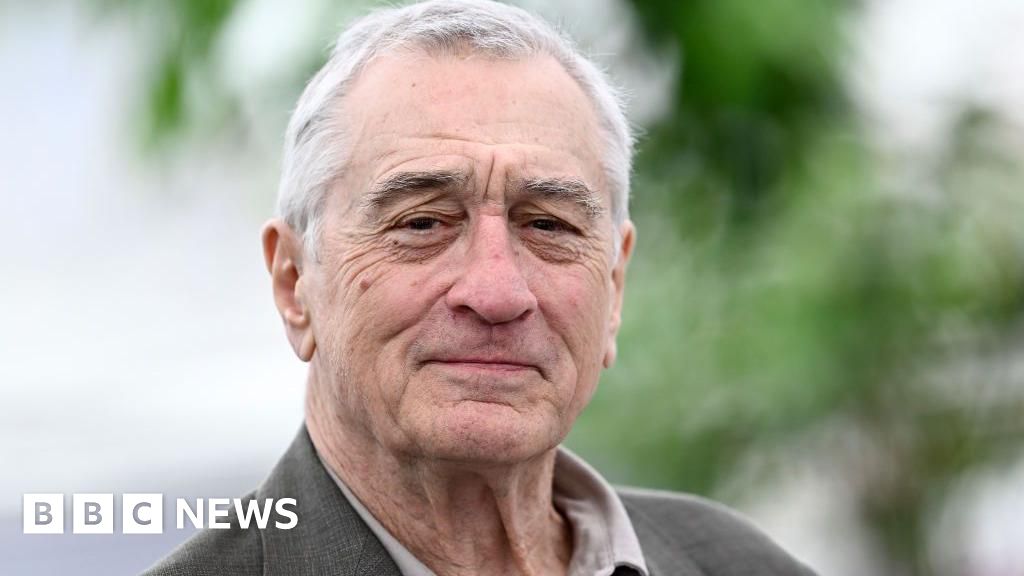
Five suspects face charges in Robert De Niro's grandson's overdose death
Five suspects face charges in Robert De Niro’s grandson’s overdose death

The recent crackdown on a fentanyl distribution network in New York has garnered international attention, representing a broader struggle faced by numerous nations grappling with the devastating opioid crisis. Five individuals—Bruce Epperson, Eddie Barreto, Grant McIver, John Nicolas, and Roy Nicolas—have been formally charged with conspiracy to distribute and possess with intent to distribute fentanyl-laced counterfeit prescription pills. This case underscores the lethal potency of illicit synthetic opioids, which have become a dangerous commodity in the global narco-economy and pose significant public health and security challenges to countries worldwide.

  • The suspects allegedly used social media platforms and encrypted messaging services to sell thousands of pills, resulting in at least three teenage deaths over the summer of 2023—highlighting how technological platforms are exploited for criminal enterprises.
  • The victims included Robert De Niro’s grandson, Leandro De Niro-Rodriguez, and others, revealing how the opioid epidemic is impacting prominent families and raising awareness among international audiences.
  • Authorities link these deaths to a broader network that traffics counterfeit pills containing fentanyl—a synthetic opioid many international organizations warn is up to 100 times more potent than heroin, significantly increasing overdose risks.

Analysts and international institutions, such as the United Nations Office on Drugs and Crime (UNODC), recognize this case as emblematic of a global epidemic. They warn that the proliferation of synthetic opioids—especially fentanyl and its analogs—has transformed the drug trade into a transnational battlefield. This escalation not only threatens national security but also destabilizes communities, especially among youth, whose vulnerabilities are exploited by organized crime syndicates. Turning points in law enforcement efforts—such as this recent case—highlight the importance of international cooperation in tracking illicit networks and dismantling supply chains that span borders.

The geopolitical impact of these domestic investigations reaches far beyond New York. Countries involved in or affected by the fentanyl trade face mounting pressure to strengthen border control, law enforcement capabilities, and international diplomatic efforts to curb drug flows. As historian and geopolitical analyst Dr. Maria Reynolds notes, “The drug trade has become a tool of asymmetric warfare—destabilizing governments and societies from within, while heightened enforcement can serve as a catalyst for greater international collaboration.” This case emphasizes that decisions made at the municipal level ripple through diplomatic channels, affecting relations between nations and shaping global drug policies.

Furthermore, the tragic death of Robert De Niro’s grandson serves as a stark reminder of societal vulnerabilities and the profound human toll of these clandestine networks. The narrative continues to unfold as authorities push for harsher penalties, with each conviction emphasizing the urgency of a global strategy against the synthetic opioid scourge. The charges, which carry mandatory minimum sentences of 20 years and up to life imprisonment if proven, represent a firm stance against organized crime but also raise questions regarding the social and economic factors that facilitate the surge of counterfeit pharmaceuticals. Society must recognize that battling this crisis involves not only law enforcement but also comprehensive public health initiatives and international cooperation.

As the world watches, history remains in the making. The story of this case intertwines with the broader arc of a dangerous era—one where synthetic drugs threaten to undermine social order and challenge national sovereignty. The sobering truth is that beneath these headlines lie potential flashpoints that could ignite larger conflicts—be they diplomatic, social, or economic. In this shadowy domain of modern drug wars, every arrest, court ruling, and international agreement shapes a future that remains unknowable, yet undeniably urgent—a stark reminder that, in the ongoing battle for global stability, history’s pen is still writing.

Jamaican Citizen’s Death Sparks Urgent Calls for UK Rule Reforms in Overseas Territories

In recent weeks, a tragic incident has shone a stark light on the ongoing social and healthcare disparities within the British overseas territories. Robert Baker, a 63-year-old dual citizen of Jamaica and Montserrat, passed away after the UK government declined to assist him in accessing life-saving treatment outside of his remote island home. This heartbreaking event underscores a broader pattern of moral neglect and policy failures that jeopardize the well-being of communities living under colonial-style governance without adequate support systems.

Baker’s story is emblematic of the struggles faced by families and individuals in regions devastated by natural disasters, such as Montserrat’s 1995 volcanic eruption, which eradicated its capital and decimated essential infrastructure. Despite over 30 years passing, hospitals and emergency services on the island remain inadequately equipped, forcing residents to seek medical care abroad at great personal cost. His family’s desperate efforts and the family’s plea for equitable treatment reveal how social injustice prevents vulnerable populations from accessing healthcare equal to that of the UK mainland. For many families in these territories, the lack of proper medical infrastructure translates directly into loss of life, economic hardship, and shattered hope.

Social commentators and sociologists argue that this chain of neglect is emblematic of a broader failure to recognize the moral obligation owed to colonial subjects. Some critics equate the policies governing these territories with systemic apathy—policies that dismiss the need for adequate health services, education, and social support—for the sake of austerity and political expediency. The case of Robert Baker has also catalyzed calls from community leaders and parliamentarians like Donaldson Romeo, who describe the existing scheme as “deeply flawed” and “insufficient in relation to the scale of need”. Their stance echoes the voices of historians who argue that colonial legacies continue to shackle these populations, underlining the importance of restorative justice and policy reform.

  • Many territories, including Montserrat, lack the infrastructure to respond adequately to health crises, often leaving residents with no choice but to seek treatment abroad.
  • The current scheme allows a paltry number of patients from each territory to access NHS care annually, but the costs—travel, accommodation, and subsistence—are typically borne by families or the territories themselves, compounding hardship.
  • Advocates are calling for a fundamental overhaul of these policies to ensure equal healthcare access, dignity, and humanity to all British citizens residing in overseas territories.

As society debates questions of justice, sovereignty, and moral responsibility, the story of Montserrat’s healthcare crisis compels a profound reflection: How long can we remain indifferent to the suffering of those who live beyond the immediate reach of our societal safety nets? The future of these communities depends on an awakening—one that recognizes that social cohesion is rooted in fairness, compassion, and the unyielding pursuit of dignity for every human life. With each shared story and policy discussion, society inches closer to a landscape where no family bears the burden of neglect in silence, and where hope begins to restore the fractured promise of justice and care for all.

Digital Decluttering: The Swedish Death Cleaning Trend for Teens and Beyond

Innovative Strategies Transform Digital Legacy Management in End-of-Life Planning

As the digital age accelerates, a critical yet often overlooked frontier is digital estate management—the methodical organization of personal data for end-of-life scenarios. The recent case involving Adam Liljenberg’s family highlights a burgeoning industry shift: technology firms and service providers are stepping in to revolutionize the way our digital legacies are handled. From malware-laden phones to complex, multi-layered data silos, the challenges facing heirs and executors demand innovative solutions that go beyond traditional physical estate planning.

Disruption and Innovation Fueling Digital Death Cleaning

The concept of Swedish death cleaning, long favored for organizing physical belongings, is now gaining momentum in the digital realm. Companies like Stow & Behold and other emerging startups are deploying intelligent software and AI-driven tools to automate digital asset management. These platforms are designed to facilitate tasks such as scanning physical documents, organizing photos, and encrypting sensitive information to prevent leaks—anticipating a future where digital inheritance management is seamlessly integrated into estate planning.

  • Automation of digital inventory logging
  • Advanced encryption and privacy controls
  • Cloud-based access for authorized heirs
  • AI-driven categorization and contextual tagging

This disruption is not happening in isolation. Think tanks such as Gartner and MIT are emphasizing the strategic importance of digital resilience and cybersecurity in personal data management. As Elon Musk and Peter Thiel warn about the vulnerabilities in our digital footprints, industry leaders recognize that a proactive approach to digital estate planning could be a significant business opportunity with profound societal impacts.

Business Implications and Future Trajectory

The shift towards comprehensive digital estate solutions signals a broader transformation in how businesses approach data security and user experience. By integrating digital death cleaning into mainstream estate planning, companies can position themselves as essential intermediaries in a highly sensitive market—one that combines personal data, privacy concerns, and technology. This trend not only opens doors for new business models but also compels legacy firms to innovate rapidly, adopting SaaS platforms, AI, and blockchain for secure data transfer and ownership verification.

Moreover, the industry is responding to a rising demand for personalized digital care. For example, the emphasis on safeguarding sensitive content—be it memories, financial records, or private correspondence—underscores the importance of customizable privacy settings. Such features are critical in avoiding situations where unexpected data leaks cause emotional distress or legal complications for heirs. Innovations like these also underscore a broader push: the digital estate industry is not just about logistics but an ethical imperative to protect personal dignity and privacy at life’s end.

The Urgency of Embracing Digital Estate Management

As digital assets expand exponentially, the imperative for comprehensive, secure, and user-friendly digital estate management solutions becomes undeniable. Industry experts from institutions like Gartner forecast that by 2025, over 60% of digital heirs will rely on specialized platforms to manage their inherited data, up from negligible figures today. This prodigious growth underscores the necessity for early adoption—both from individual users aiming to secure their digital legacy and businesses poised to lead this disruptive wave.

In this rapidly evolving landscape, those who ignore the importance of digital death planning risk being left behind. With technology advancing at breakneck speed, organizations that leverage innovation—be it AI, blockchain, or cloud computing—will shape the next chapter of personal data management. The message is clear: the future belongs to those who act now, integrating digital estate solutions into the core of estate planning and cybersecurity strategy.

Social Media Auto Publish Powered By : XYZScripts.com