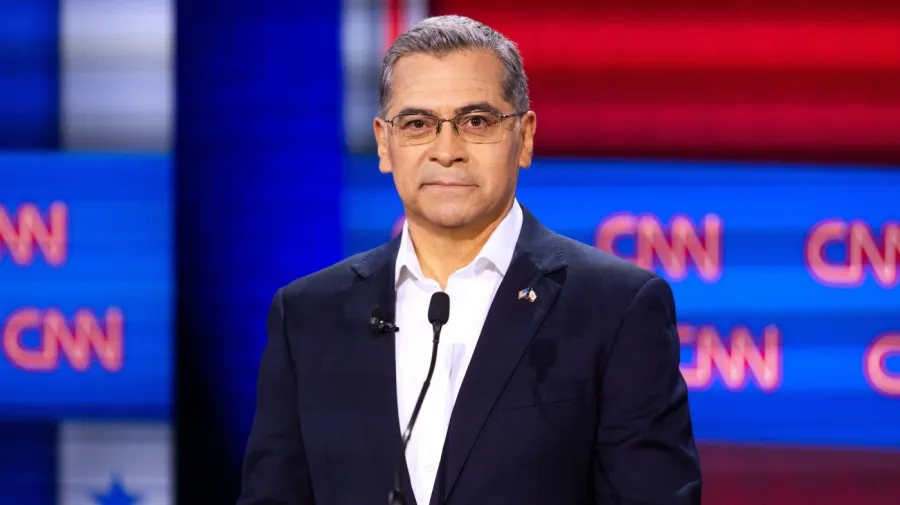

Amidst the tumultuous landscape of California politics, a fierce power struggle is emerging as candidates vie to shape the Golden State’s destiny. The recent gubernatorial debate, ignited by the looming exit of Gavin Newsom due to term limits, revealed a political arena rife with strategic maneuvers and ideological clashes. At the center stands Xavier Becerra, the former Health and Human Services Secretary, whose surge to frontrunner status underscores a seismic shift within the Democratic echelon of the state. Candidates seized upon Becerra’s rising prominence to underscore divergent visions for California’s future, each advocating policies rooted in their own interpretation of progress and authority.
The contest reflects a broader struggle over who holds the power to dictate policy and influence the everyday lives of Californians. With the exit of Eric Swalwell, a congressman whose departure has further unsettled the political landscape, the race has pivoted on not just individual charisma but on ideological allegiance. These elections serve as a battleground where fundamental questions about governance, economic reform, and social policy are fiercely debated. Candidates are positioning themselves as the custodians of either tradition or change, weighing the importance of state sovereignty against federal influence, especially in a state often perceived as a barometer of national political trends.
This intra-party strife exposes a deeper conflict over the direction of American liberalism. Powerful figures and constitutional experts point to historical parallels, observing how California’s political upheaval echoes past battles over state autonomy and federal overreach. The contest reflects a microcosm of the national ideological schism—between the desire for radical transformation and cautious reform—each camp eager to carve its legacy into the annals of history. The ultimate outcome hinges on who can wield influence over the state’s legislative machinery, shaping policies that influence everything from public health to economic vitality. The stakes imply not just a fight for office, but for the very soul of Californian governance.
As these political machinations unfold, it becomes increasingly evident: politics is less about personal ambition and more about the grand narrative of power and influence. The decisions made and policies enacted are instrumentally linked to the people’s fate—either safeguarding their liberties or extending the reach of government authority. In the grand theater of public life, each campaign, debate, and legislative push plays into a larger story of struggle for control over the future. The contestants are not merely vying for votes but for the mantle of leadership that will determine California’s—and by extension, America’s—course. In this relentless pursuit of power, history reminds us that those who command policy influence the very fabric of society, etching their will into the annals of time. Ultimately, it is the decisions of these political actors that write the next chapter of the nation’s destiny—an epic where the stakes are nothing less than the soul of a state and the future of the republic itself.