Matox News

Truth Over Trends, always!

Waymo Scores Green Light to Expand Deep into Bay Area and SoCal

Waymo’s Autonomous Expansion Signals a New Era in Urban Mobility

Waymo, the front-runner in robotaxi innovation, has announced a major step forward in its autonomous vehicle (AV) deployment strategy. The company has received official approval to operate fully autonomous vehicles across a significantly broader region in California, including key areas like the East Bay, North Bay (Napa/Wine Country), and Sacramento, as well as extending its territory in Southern California from Santa Clarita up to San Diego. This territorial boost not only exemplifies relentless innovation but also underscores the disruptive potential of autonomous mobility to reshape urban transportation paradigms.

While regulatory hurdles remain—since additional permits are required for commercial passenger services—Waymo’s recent expansions demonstrate industry confidence in AV technology. Targeting a mid-2026 launch in San Diego, the company’s strategic timeline aligns with broader industry expectations for large-scale autonomous deployment. This timeline reflects the urgency to capitalize on technological advances, as other players like Tesla, Uber, and emerging startups accelerate their own autonomous initiatives. The push into new markets is further amplified by Waymo’s recent announcements to expand into Minneapolis, New Orleans, and Tampa, alongside plans to eliminate safety drivers in Miami ahead of commercial launch, signaling a paradigm shift in the traditional ride-hailing model.

Business implications of these developments are profound. As disruption accelerates, traditional taxi and ride-sharing industries face existential threats, while new entrants with agile autonomous fleets could dominate urban mobility markets. Major corporations such as Google’s parent company Alphabet (which owns Waymo) are positioning themselves as long-term players, banking on AVs becoming the dominant form of city transit. The deployment of AVs on freeways—now operational in Los Angeles, San Francisco, and Phoenix—further enhances their viability by addressing long-haul efficiency issues, making shared autonomous rides a practical alternative to personal vehicles.

Experts at institutions like Gartner and MIT emphasize that this wave of innovation might redefine business value propositions, emphasizing technological disruption that could make private car ownership less relevant. However, the rapidly evolving regulatory landscape and safety concerns pose risks, especially as the industry grapples with potential safety pitfalls and public acceptance. As Elon Musk and Peter Thiel have long argued, the key to winning the autonomous revolution lies in rigorous testing, robust infrastructure, and a daredevil willingness to challenge conventions.

Looking ahead, the trajectory of Waymo and other autonomous pioneers indicates an urgent race to dominate the mobility landscape. With new markets opening and regulatory frameworks evolving quickly, the next few years promise an unprecedented transformation where innovation and disruption converge to redefine how millions move within urban environments. Investors, policymakers, and tech innovators must stay alert to this impending upheaval—those who adapt swiftly will shape the future of mobility, while laggards risk obsolescence in a rapidly shifting landscape.

This state’s love for chiles runs so deep, they actually passed a law about them!

Across the diverse landscapes of New Mexico, a unique cultural movement thrives—centered around an ingredient as vibrant and fiery as the state itself: the chile. For many residents, this isn’t merely about flavor; it’s a way of life that permeates daily routines, social customs, and even legislative identity. The state has gone so far as to create a law to honor the significance of chiles, underscoring their deep-rooted role in local culture. This dedication reflects a broader trend where food transcends nourishment to embody community, identity, and a commitment to preservation of tradition.

Rooted in history and celebrated through an iconic question—”Red or green?”—chile consumption in New Mexico encapsulates regional pride and a celebration of local agriculture. This simple query symbolizes a cultural fork in the road—a choice that aligns with personal taste but also signifies belonging. Recognized by culinary experts and wellness advocates alike, the chile tradition embodies a balance of flavor, wellness, and cultural resilience. It invites both locals and visitors to partake in a shared ritual that strengthens community bonds while connecting individuals to the land and its history.

By embracing this fiery emblem of New Mexico’s spirit, many find a source of personal health and inspiration. Rich in antioxidants, capsicum in chiles has been hailed by nutritionists such as Dr. Michael Greger for its potential health benefits, including metabolism boosting and anti-inflammatory properties. Beyond physical wellness, the ritual of preparing and choosing between “red” or “green” fosters mindfulness and a sense of rootedness. For those seeking a lifestyle that emphasizes authentic self-expression and cultural connection, engaging with local food traditions offers a pathway tailored to both health and identity. As wellness experts like Celestine Chua highlight, authenticity in daily choices is central to personal happiness.

  • Travel Tip: Explore Santa Fe and Albuquerque, where chiles are woven into everything—from art galleries to street food stalls—offering an immersive experience.
  • Lifestyle Hack: Incorporate local ingredients like fresh chiles into your diet for a flavor and health boost that keeps you connected to your roots.
  • Key Takeaway: Let the stories behind local traditions inspire you to discover your own cultural markers, transforming everyday choices into meaningful expressions of identity.

In a world driven by rapid change and fleeting trends, New Mexico’s fiery embrace of tradition reminds us that true vitality stems from authentic connections—whether to land, culture, or self. As you reflect on the simple yet profound question of “Red or green?”, consider how embracing your roots and passions can fuel your journey of self-discovery and well-being. Ultimately, it’s about finding that perfect balance—where tradition fuels your health, flavor enriches your days, and community provides a lasting sense of purpose. In this ongoing pursuit of a vibrant life, perhaps the most powerful takeaway is that our personal and cultural stories are the most enduring recipes for fulfillment.”

NVIDIA, Qualcomm Team Up with US & Indian VCs to Power India’s Next Deep Tech Wave

India’s Deep Tech Ecosystem Gets a Major Boost with US-India Coalition

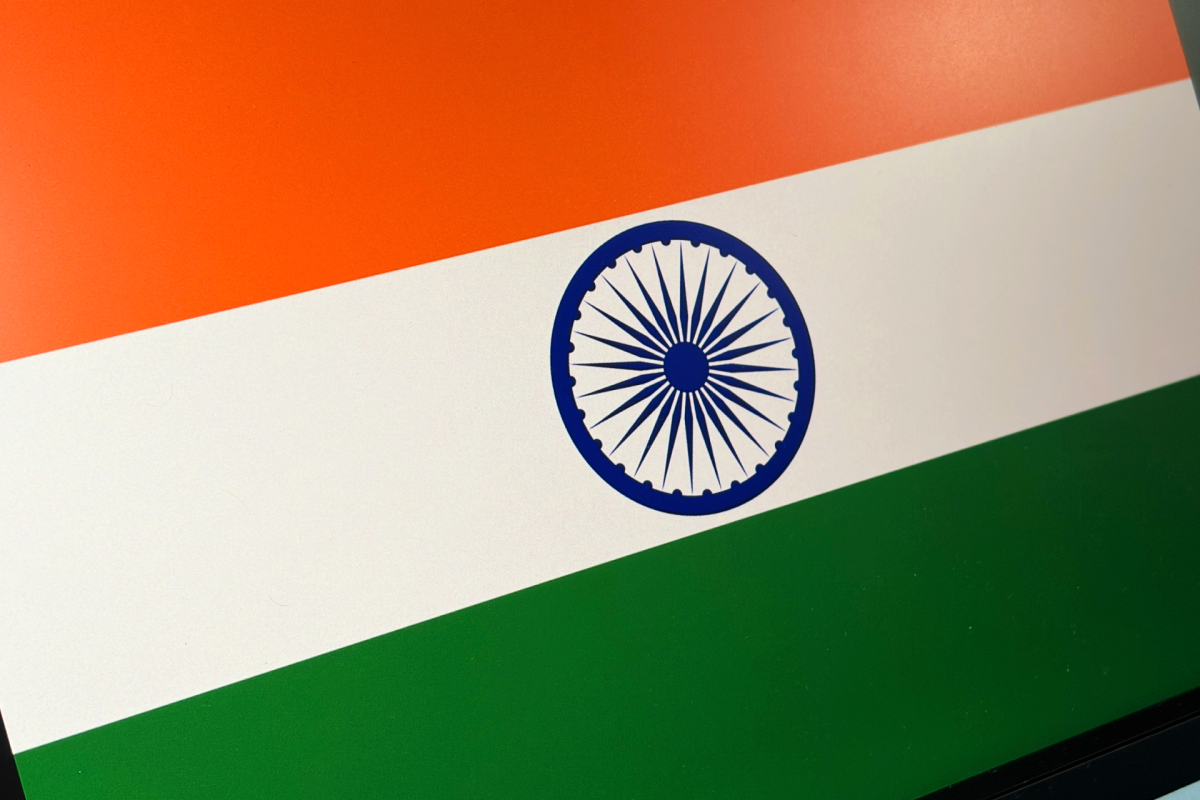
In a significant move toward disruption of traditional markets and the acceleration of technological sovereignty, major players like NVIDIA and Qualcomm Ventures have joined forces with leading Indian venture firms to bolster India’s deep tech startup scene. Launching in September with over $1 billion in commitments, this coalition signifies a strategic pivot aimed at fostering innovation in areas such as satellite technology, semiconductor design, and quantum computing. Known for transforming industries through breakthroughs like AI accelerators and advanced chipsets, NVIDIA’s involvement as a strategic advisor—without direct funding—underscore the increasing importance of technical mentorship and ecosystem validation.

Indian startups have already demonstrated remarkable growth, boasting over 180,000 enterprises and more than 120 unicorns, yet a gap persists in capital dedicated to *fundamental infrastructure-scale innovations*. These ventures require long-term investments, often facing reluctance from risk-averse venture capitalists favoring proven, lower-risk models. This market gap is crucial for future global leadership and technological sovereignty, especially as major economies race to dominate core sectors such as biotech, space tech, and AI. The latest alliance, led by the India Deep Tech Alliance (IDTA), aims to fill this void by integrating capital, mentorship, and access to networks for startups involved in these high-impact domains.

Strategic Partnerships and Policy Acceleration

  • Participation from top U.S. and Indian investors, including Accel, Blume Ventures, and YourNest Venture Capital.
  • NVIDIA’s contribution as a technical guide will facilitate best practices in AI and accelerated computing deployment.
  • Qualcomm Ventures extends beyond funding to help startups leverage their internal expertise and network, emphasizing business disruption at the infrastructure level.
  • The Indian government’s recent ₹1 trillion (approximately $12 billion) Research, Development, and Innovation (RDI) scheme aims to empower long-term projects in key sectors like space, quantum, and biotechnology, positioning India as a burgeoning epicenter of deep tech innovation.

Experts such as Elon Musk and Peter Thiel have long emphasized the importance of building an ecosystem capable of sustaining disruptive innovation. The coalition’s strategy aligns with this vision, recognizing that *role models and substantial investment* are necessary to propel India into a new era of high-tech manufacturing and innovation. The alliance’s collaborative policy efforts could catalyze India’s emergence as a global hub for frontier technology, challenging incumbents in Silicon Valley and Shenzhen.

Implications for the Global Tech Landscape

While India’s deep-tech funding rose 78% year-over-year to $1.6 billion in 2024, disparities with mature markets remain stark. The new coalition and India’s proactive government initiatives could serve as catalysts to bridge that gap, drawing increased global capital and corporate interest. As MIT researchers note, ecosystems built on a foundation of strategic mentorship and long-term vision tend to produce market-changing companies within a decade. The current momentum indicates a potential surge in Indian-based, science- and tech-heavy firms that will become mainstays on global exchanges.

This shift signals a time-sensitive race for technological leadership; companies and nations that act decisively now will shape the future of innovation and economic power. With the participation of industry giants like NVIDIA and Qualcomm, combined with supportive government policies, India is poised to become a dominant player in the emerging frontier sectors. Tech entrepreneurs and investors alike must recognize that **the next wave of industry disruption is already under way**, and strategic engagement today will determine who leads tomorrow.

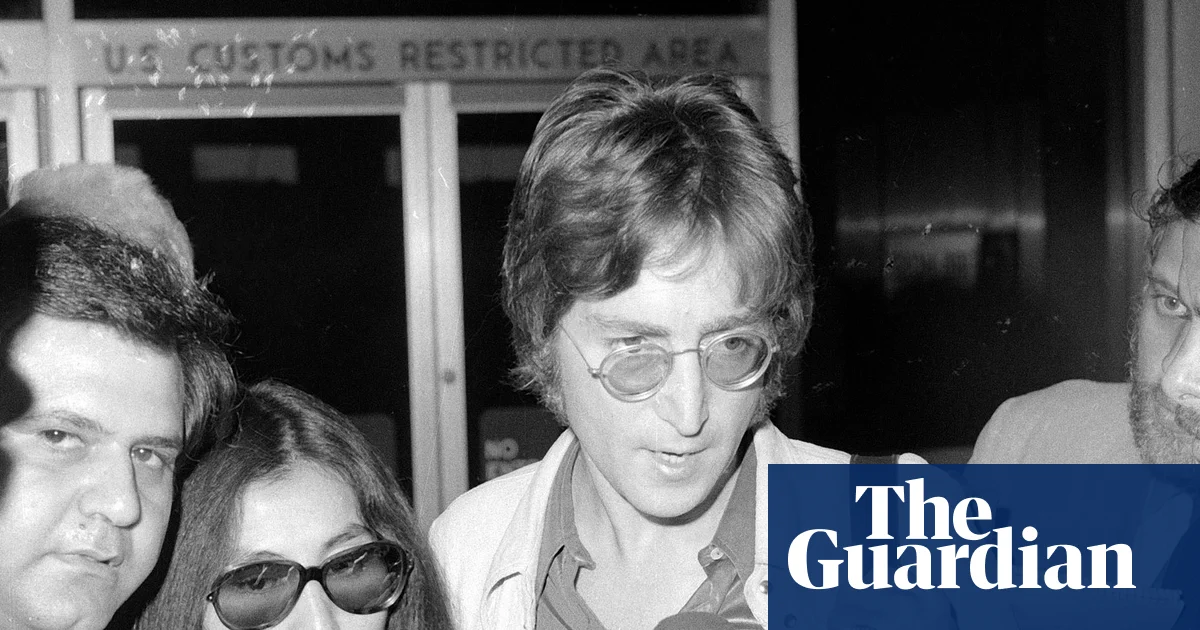
Exclusive: Rediscovered John Lennon interview exposes deep American fears of widespread phone-tapping

The rediscovery of a long-lost interview with John Lennon offers a rare window into the mind of one of the 20th century’s most profound cultural icons. Recorded during a period of intense political and personal turmoil, the interview reveals Lennon’s suspicions of governmental surveillance and his fears of being monitored by the US authorities—an echo of the cultural paranoia that has marked political history from McCarthyism to the Cold War. As a symbol of counterculture and artistic rebellion, Lennon’s candid reflections serve as a reminder that the arts are often intertwined with the struggles for freedom and identity. In these moments of raw honesty, Lennon articulated his fears of being watched, citing evidence of bugging and surveillance around his apartment, which he deemed “harassing” and emblematic of a broader cultural climate of intrusion. This candid confession underscores the ongoing relevance of popular culture as a battleground for individual liberty and societal control, drawing parallels to Ortega y Gasset’s assertion that “man does not exist in an isolated state—he is the product of the society that shapes him.”

Lennon’s insights into his own artistic process and personal state during this turbulent time also resonate deeply with the significance of culture as a vessel of identity and societal memory. Despite momentary doubts about his work, he found affirmation among friends that led him to release his album Walls and Bridges, a collection reflecting both his struggles and resilience. His reflection that “apart from acts of God, I will be around for another 60 years and doing it until I drop” demonstrates an unwavering belief that true artistic vocation sustains the individual beyond the chaos and confusion of societal unrest. Here, Lennon embodies the idea that culture is both a sanctuary and a prophecy—a testament to what has been and a beacon for what might yet come. As T.S. Eliot famously observed, “The poetry of civilization is the poetry of your own one life, singing back to you across the centuries,” and Lennon’s words evoke this timeless dialogue between memory and hope.

Furthermore, the interview illuminates the nature of the artist as a societal mirror and a guardian of tradition. Lennon’s comments on the challenges faced by international musicians—highlighted by Mick Jagger’s struggles to tour freely in the US—point to the broader cultural conflicts that threaten artistic expression. These conflicts reflect the ongoing tension between the preservation of tradition and the forces of control and censorship. Philosopher and historian Tocqueville warned of the danger in a democratic society where “monopolistic oversight stifles the spirit of innovation and individualism,” yet it is through these very struggles that a society’s cultural vitality is tested and ultimately reaffirmed. Lennon’s candid disclosures remind us that culture is both a shield and a sword—defining our identities and shaping the society that reflects our deepest values. As Chesterton observed, “Poetry may make us from the same animal, but prose makes us individuals,” and it is in the personal, unguarded moments of artists like Lennon that society finds its truest reflection.

In the end, Lennon’s words echo beyond the immediate context, stirring a sentiment that transcends the confines of time and place. Culture—whether in the form of music, art, or shared memory—remains humanity’s most profound prophecy, capturing our triumphs and struggles yet also pointing toward an uncharted future. Much like the memory of an artist’s voice—resonant and enduring—culture whispers that we are both the custodians of a collective history and the architects of a future yet to be written. It is, as T.S. Eliot suggested, “The still point of the turning world, where memory and prophecy converge,” a testament that through our shared stories, we breathe life into the human spirit—forever seeking, forever creating.

Social Media Auto Publish Powered By : XYZScripts.com