Matox News

Truth Over Trends, always!

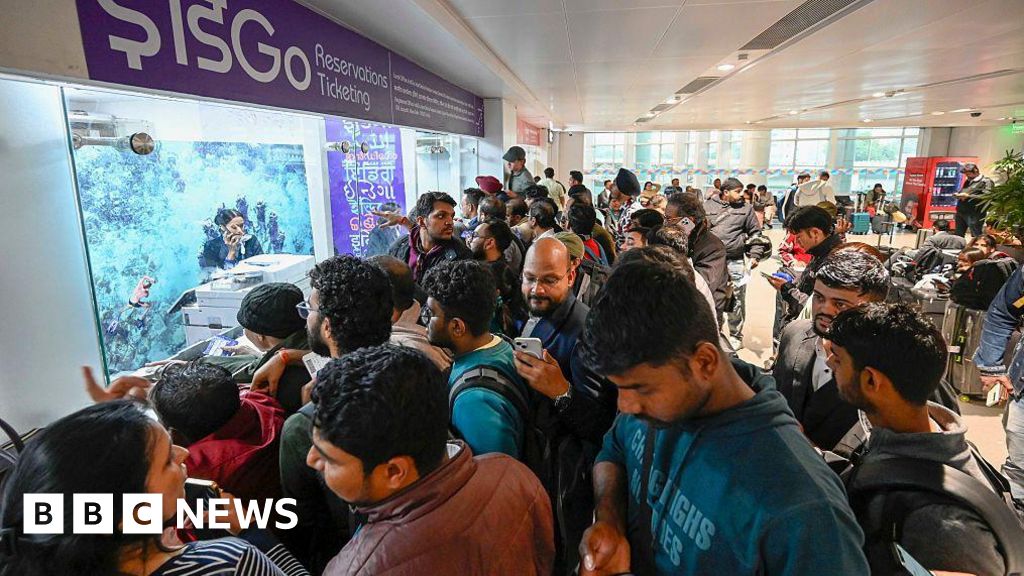
Travel chaos deepens in India as hundreds of flights are grounded—disrupting millions' plans
Travel chaos deepens in India as hundreds of flights are grounded—disrupting millions’ plans

The recent turmoil within India’s aviation sector underscores the profound internal challenges facing one of the world’s fastest-growing economies. The shutdown of IndiGo, the nation’s largest airline, has triggered widespread travel disruptions at a critical time—India’s peak travel season—highlighting systemic vulnerabilities rooted in recent regulatory reforms. As thousands of passengers remain stranded amid a backdrop of domestic chaos, India finds itself at a crossroads where domestic policy decisions could ripple across geopolitical lines.

Over the past week, IndiGo canceled hundreds of flights, leaving major airports in Delhi and Mumbai overwhelmed with unprepared travelers. The airline’s leadership indicated that complete operational recovery might not occur until 10 February, citing increased rest rules and night-duty restrictions as key factors. The new regulations, intended to improve pilot safety, have instead exposed critical planning gaps, which the Indian aviation regulator bluntly attributed to “misjudgment and planning gaps.” The regulator, alongside the government, has demanded detailed restructuring plans from IndiGo, emphasizing the urgency of aligning safety with operational efficiency—an effort to appease both safety advocates and economic stakeholders.

This crisis comes amid acute domestic unrest over the impact of recent policy shifts, which have faced sharp criticism from pilot associations, safety experts, and even international observers. The Airline Pilots Association of India warns that any easing of duty regulations risks “gravely” compromising safety, emphasizing that the balance between flexible regulation and public security remains precarious. At the same time, the government’s visible displeasure reveals an attempt to assert control amidst *public outrage* and operational breakdowns. These developments, analysts argue, threaten to undermine India’s global reputation as a reliable air travel hub, with potential consequences for foreign investment, tourism, and diplomatic relations.

On the geopolitical front, India’s internal strife in its aviation sector signals a broader narrative. As India asserts itself on the world stage through ambitious economic initiatives, such as the Make in India campaign and regional infrastructure projects, domestic instability may serve as a cautionary tale. Historically, rapid economic growth combined with regulatory missteps can serve as vulnerabilities exploited by rivals or destabilized by external shocks—be it regional conflicts or global economic downturns. The international community, including institutions like the International Civil Aviation Organization, closely monitors such crises, understanding that internal challenges in a rising power can influence geopolitical stability.

As passengers voice their frustration—the Singaporean High Commissioner even lamenting lost personal milestones—the incident leaves a stark reminder: the decisions made today in policymaking and crisis management will reverberate across the region and beyond for decades to come. The unfolding story in India is more than an aviation crisis; it is a reflection of a nation striving to balance rapid growth with the complexities of governance, safety, and international reputation. The weight of history presses down as the world watches, knowing full well that in these turbulent times, a single misstep can threaten to rewrite the trajectory of a nation’s rise—leaving future generations to grapple with the consequences of decisions shrouded in the fog of uncertainty.
Iran’s Water Crisis Deepens as Tehran Faces Unprecedented Drought

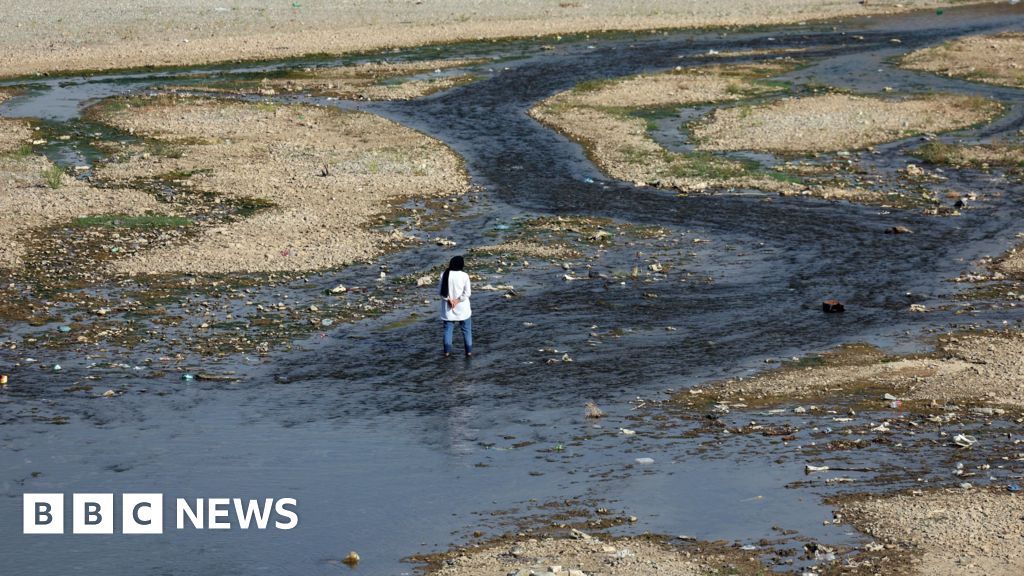
Iran, a country long embroiled in geopolitical tensions and economic sanctions, now faces an unprecedented internal crisis: a devastating water shortage that threatens the very fabric of its society and sovereignty. This month, Tehran’s reservoirs are nearing collapse, with officials warning that if the rains do not return soon, the capital may face the grim necessity of water rationing or even evacuation. Such stark warnings are not merely alarmist rhetoric—they are warnings of the profound geopolitical impact of environmental mismanagement, war, and climate change on a nation’s stability. As analysts like Dr. Samuel Livingston of the International Water Resources Group note, these crises have the potential to upend the regional balance, fueling unrest and destabilizing the already fragile landscape of Middle East geopolitics.

Experts suggest that Iran’s historic decades-long water mismanagement has reached a point of no return, exacerbated by recent conflicts and infrastructural decay. The management of reservoirs such as the Latian and Karaj dams, which are now holding less than 10% of their capacity, illustrates a country pushing toward environmental catastrophe. Mohammad-Ali Moallem, the manager of the Karaj Dam, reports a staggering 92% decrease in rainfall compared to the previous year, with most water deemed “dead” and unusable. The situation is compounded by the country’s aging water infrastructure and widespread leakage, factors identified by Iran’s Minister of Energy, Abbas Ali Abadi, as critical contributors to the ongoing crisis. Historically, Iran’s water woes have been dismissed as cyclical, but today they threaten to trigger a humanitarian crisis that could reshape the nation’s internal and regional dynamics.

Adding to Iran’s turmoil, recent military conflicts and targeted strikes have indirectly strained the country’s resilience. Following a 12-day war with Israel, the northern Tehran neighborhood of Tajrish experienced severe flooding, revealing the fragile state of Iran’s infrastructure amidst ongoing hostilities. The Israeli Defense Forces claimed strikes on military targets, but the aftermath underscores the broader impact of geopolitical conflicts on Iran’s capacity to manage natural disasters and environmental pressures. According to Iran’s National Centre for Climate and Drought Crisis Management, other provinces such as West and East Azerbaijan are also witnessing dangerously low water levels, with some dams dropping below three percent capacity—the sort of emergency that could threaten entire cities like Mashhad. The intersection of war, mismanagement, and climate change has created a perfect storm, with the potential to destabilize Iran further and ripple across the region.

From an international perspective, this crisis exemplifies the complex web of how environmental issues are intertwined with geopolitics. The officials’ reluctance to accept the full scope of the crisis, combined with sanctions-induced economic constraints, hampers Iran’s ability to invest in infrastructure or adopt sustainable water management practices. As seasoned analyst Dr. Emily Carter explains, “Iran’s water crisis is a microcosm of a larger trend—climate change exacerbated by internal missteps and external conflicts that will test the resilience of nations and societies in ways previously unimagined.” The looming threat of water shortages may ignite internal unrest, disrupt regional alliances, and pressurize the global community to address issues of environmental security that transcend borders. With rainfall forecasted to remain scarce over the coming week, the decision-makers face a moral and strategic imperative: adapt swiftly or face the chaos of a nation reaching its tipping point.

As history watches with bated breath, the unfolding tragedy in Iran serves as a stark reminder of the fragile balance between environment, geopolitics, and societal stability. The choice before Iran is clear—continue down this destructive path or confront the imperative of sustainable management and regional cooperation. Yet, with each passing day of drought, the once vibrant metropolis of Tehran and the resilient city of Mashhad edge closer to a future defined by scarcity and despair. The pages of history are being written in real-time — and what happens next may define the fate of Iran and the broader Middle East for generations to come. The questions remain: will this be a moment of awakening or the beginning of a long descent into chaos? Only the unfolding events will tell, but the weight of history urges us to watch closely.

WHO: Infectious Diseases in Gaza Escalate as Crisis Deepens

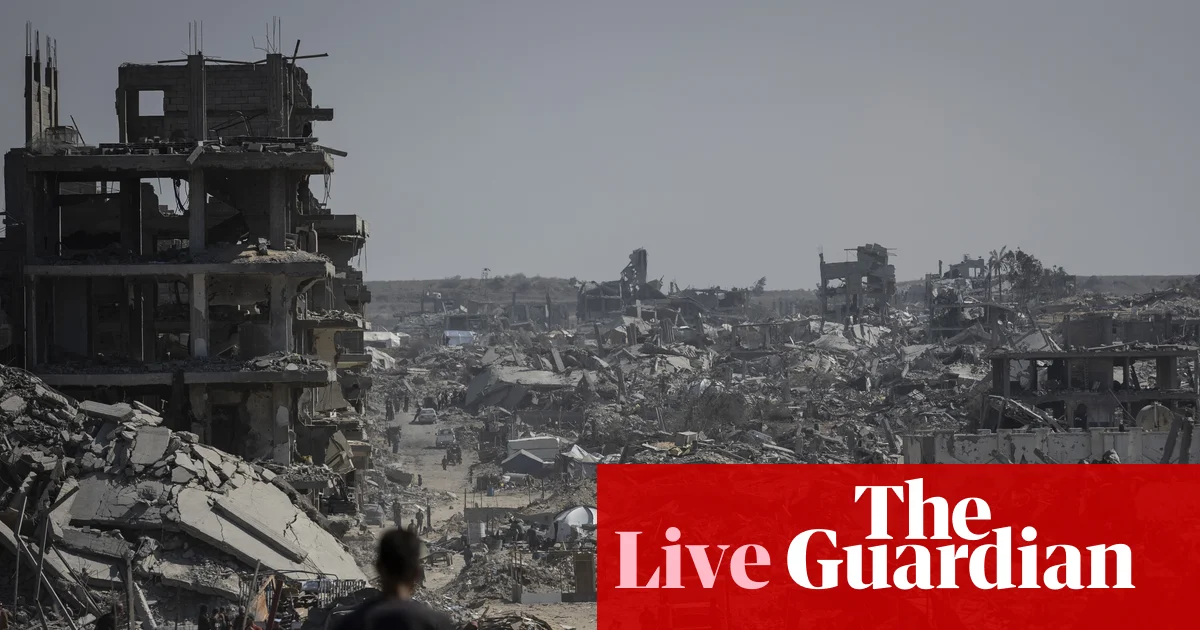
The ongoing crisis in Gaza has escalated into a complex human tragedy with wide-reaching geopolitical consequences. The World Health Organization (WHO) has issued a stark warning, revealing that infectious diseases are “spiralling out of control” within the territory, where only 13 of the 36 hospitals remain partially operational. This collapse of medical infrastructure—highlighted by experts like Hanan Balkhy—underscores the catastrophic humanitarian toll of sustained conflict, which in turn threatens regional stability. As the UN warns that it will take “time to reverse the famine” in Gaza, international aid efforts work feverishly to mitigate the crisis, but the challenges are profound and interwoven with broader geopolitical shifts.

Despite a fragile ceasefire brokered by Egypt and the United Nations, the situation remains volatile, with declarations from western nations indicating plans to deploy international stabilization forces. France and the UK, in coordination with the United States, are preparing a UN Security Council resolution aimed at establishing an international force to restore order in Gaza—an unprecedented move that signals shifting strategies. According to analysts, such measures could reshape the very fabric of Middle East geopolitics, as external powers seek to balance pressure on Hamas and bolster the stability of Israel. The cause-and-effect extends beyond Gaza, with regional actors like Turkey deploying disaster relief specialists amidst mounting criticism of Hamas’s handling of remains and hostages, which have become symbolic of the ongoing gamble for regional influence and narrative control.

Meanwhile, the U.S. under Donald Trump has advanced a bold 20-point plan for Gaza, advocating the disarmament of Hamas, offering amnesty for leaders who decommission their weapons, and establishing governance for a postwar Gaza. This plan, articulated amidst warnings from Israel’s leadership and escalating military readiness, underscores a strategic shift: the push toward redrawing the post-conflict political landscape. Israeli officials, led by Benjamin Netanyahu, remain resolute, affirming their commitment to recover all hostages and reassert control, while Trump’s provocative rhetoric — including threats to “go in and kill” Hamas if ceasefire violations continue — signals a hardening stance globally. Such decisions are not made in isolation; they ripple through societies, igniting debates on sovereignty, interventionism, and stability, and leaving history to record whether these choices steer the region toward peace or prolonged chaos.

As the narrative unfolds, the weight of history presses heavily upon the present. The Gaza crisis exposes a treacherous web of human suffering, international diplomacy, and competing interests—a conflict where each decision echoes beyond the battlefield and into the future of geopolitics. The decade-long struggle remains unresolved, teetering on the cusp of deeper regional upheaval, with the world watching as leaders navigate the perilous line between humanitarian aid, military intervention, and diplomatic negotiations. The story of Gaza—marked by loss, resilience, and strategic gambles—continues to be written, and the heavy hand of history reminds us that the consequences of today’s decisions will shape generations to come.

Social Media Auto Publish Powered By : XYZScripts.com



