Matox News

Truth Over Trends, always!

Robots with weapons hit the battlefield in Ukraine—showing innovative defense in action

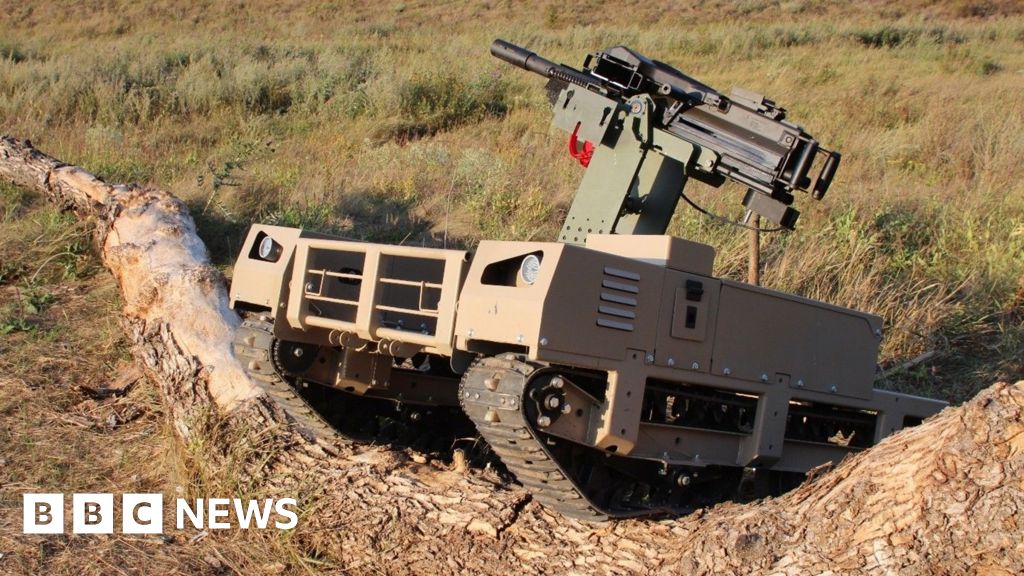
In a decisive move that signifies a profound shift in the landscape of modern warfare, Ukraine has announced the deployment of armed robotic units on the battlefield against Russian forces. This development marks an unprecedented step in the ongoing conflict, reflecting Kyiv’s strategic adaptation to new technological frontiers and the increasing importance of unmanned combat systems in contemporary military doctrine. As conflicts increasingly intertwine with advancements in artificial intelligence and robotics, the outcome of this deployment could redefine power dynamics not only regionally but across the global geopolitical spectrum.

The Ukrainian government’s initiative signals a broader trend among nations with vested interests in technological superiority. According to defense analysts and military strategists, this move underscores a deliberate effort to minimize human casualties while maximizing operational efficiency. The use of armed drones and autonomous systems could serve as a force multiplier, allowing Ukrainian troops to target enemy formations with precision that diminishes the risks associated with traditional combat. However, such developments are not without controversy; they raise significant concerns over ethical standards, escalation risks, and the potential for unintended consequences. International organizations such as the United Nations have issued cautious statements, urging restraint and emphasizing the need for clear international regulations governing autonomous weapon systems.

The geopolitical impact of Ukraine’s decision resonates far beyond its borders. This technological leap could inspire other nations to accelerate their own military modernization programs, particularly in regions where ongoing conflicts threaten regional stability. Historically, the proliferation of autonomous weapons has been contentious, with critics warning against a future where machines could operate independently in lethal scenarios. Yet, proponents argue that such advancements are essential for maintaining strategic parity, especially against adversaries who continue to modernize their forces. These developments could provoke a new arms race, further complicating diplomatic negotiations and sowing seeds of instability in an already fragile international order.

As international institutions grapple with the implications of autonomous weaponry, a pivotal question emerges: how will the shift towards robotic warfare influence the fabric of society, sovereignty, and ethical warfare? Debates among historians and strategists emphasize that technology alone does not determine the outcome of conflicts; it is the underlying political will, public support, and adherence to international law that ultimately shape history. Looking ahead, the unfolding of Ukraine’s robotic battalions stands as a stark reminder that the course of geopolitics is often dictated by innovation—an ongoing saga where humanity teeters on the edge of a new frontier. As the world watches, the echoes of this bold step will reverberate through history, leaving future generations to grapple with the true meaning of victory and the cost of technological dominance.

Anthropic Pushes Back After Pentagon Calls It a ‘Supply Chain Threat’

U.S. Pentagon Designates Anthropic as a Supply Chain Risk: A Disruptive Move with Far-Reaching Business Implications

In an unprecedented decision that underscores the escalating geopolitical stakes in AI innovation, United States Secretary of Defense Pete Hegseth has ordered the Pentagon to label Anthropic as a “supply-chain risk,” effectively banning U.S. military contracts with one of the industry’s leading AI firms. This move signals a radical shift in how government agencies perceive and regulate AI giants, especially those considered potential security vulnerabilities due to foreign influence or ownership, and could disrupt the flow of AI development for defense and commercial sectors alike. Previously, Anthropic was celebrated for its Claude AI model, a major player in the rapidly evolving AI ecosystem, but now faces the threat of being sidelined at a critical time of geopolitical tension and technological disruption.

This decision arrives after weeks of tense negotiations between Anthropic and the Pentagon, centered on ethical and strategic use of AI technology. The Department of Defense demanded a broad usage agreement, explicitly permitting AI to be applied for “all lawful uses,” including autonomous combat, which Anthropic rejected based on its ethical stance. With the designation of a “supply chain risk,” the Pentagon aims to shield itself from potential security vulnerabilities—foreign control, influence, or ownership—that could compromise sensitive defense systems. The move establishes a new precedent where AI companies could be classified as security risks, compelling Silicon Valley to rethink their engagement with government agencies under the specter of national security.

Critics and industry experts are raising alarms over the implications of this action, with Dean Ball, senior fellow at the Foundation for American Innovation, condemning it as “the most shocking, damaging, and overreaching thing I have ever seen the U.S. government do.” Such sentiments reflect a broader concern that the move might ignite a dangerous precedent, fostering a climate of lawfare and regulatory overreach that could stifle innovation. Meanwhile, Sam Altman, CEO of OpenAI, announced that his company had secured a deal with the Department of Defense to deploy models in classified environments, emphasizing safety principles such as prohibitions on domestic mass surveillance and autonomous weapons. This delineation signals a potential bifurcation in AI applications, where some firms may be selectively allowed to work with military and intelligence agencies.

From a strategic business perspective, the designation of Anthropic as a security risk could accelerate industry shifts towards more government-friendly AI solutions or push companies to develop sovereign and domestically controlled AI platforms.

  • Disrupts supply chains of AI models crucial for national security and commercial innovation.
  • Raises questions about governmental influence over proprietary AI technology.
  • Set a potential precedent for further restrictions on emerging AI firms linked to foreign influence.

This movement also indicates that AI’s role in national security is stepping into a new era, where innovation pathways are increasingly being dictated by geopolitical considerations rather than purely technological capabilities. As industry leaders and policymakers grapple with defining AI’s ethical and strategic boundaries, disruption in the AI landscape becomes inevitable.

Looking ahead, the industry faces a crucial crossroads: Whether to adapt to a cautiously constrained regulatory environment or forge ahead with a more autonomous, globally competitive approach. The decision will have profound implications for American leadership in AI innovation, cybersecurity resilience, and tech sovereignty. The stakes are high—the coming years will determine if American AI firms can continue to innovate free from overreach or if they will be confined by an increasingly securitized national agenda. In this dynamic, the urgency for stakeholders to embrace disruptive innovation with strategic foresight has never been clearer, as the battle for AI dominance intensifies on multiple fronts. The future of American AI—its autonomy, security, and global competitiveness—hangs in the balance.

Vegetarian Diets Offer Youth a Stronger Defense Against Cancer Risks

The Growing Conversation on Diet and Its Societal Impact

Recent landmark research has revealed that dietary choices significantly influence the health of individuals and, consequently, the well-being of entire communities. The study, encompassing over 1.8 million people across various nations, underscores a complex relationship between lifestyle, societal structure, and public health outcomes. Specifically, vegetarians exhibit a notably lower risk of five common cancers, such as pancreatic, prostate, breast, kidney, and multiple myeloma, which collectively account for a substantial portion of cancer mortality. The implications of these findings extend beyond individual health, touching on the fabric of families and the future of societal healthcare systems. As Dr. Aurora Pérez-Cornago from the University of Oxford highlights, “This study is really good news for those who follow a vegetarian diet because they have a lower risk of five cancer types, some of which are very prevalent in the population.”

However, the research also sheds light on critical social tensions and nutritional gaps within specific communities. Vegetarians and vegans face increased exposure to certain risks, such as a nearly doubled likelihood of developing the most prevalent type of esophageal cancer, known as squamous cell carcinoma. This finding raises questions about how dietary restrictions and choices can inadvertently create vulnerabilities within vulnerable populations. Furthermore, vegans, despite their health benefits, show a 40% higher risk of bowel cancer, often attributed to lower calcium and nutrient intake. These findings reveal an urgent need for comprehensive nutritional education and accessible food options to prevent further health disparities in our society. As sociologists like Dr. Samuel Green argue, “Diet is not just a personal choice; it’s a social determinant that influences community health and social equity.”

Families and Education: Bridging the Nutritional Divide

Social issues surrounding diet have profound effects on families and educational institutions. In many communities, access to balanced nutrition is hindered by economic disparities, cultural norms, and misinformation. Schools often serve as battlegrounds for these debates, striving to provide meals that are both nutritious and culturally sensitive but facing challenges due to budget constraints and conflicting dietary trends. The study’s results emphasize the importance of fostering an environment where youth can learn about sustainable, nutrient-rich diets that minimize health risks. Educators and community leaders must work together to promote dietary literacy, ensuring that children and their families can make informed choices that safeguard their health without falling victim to industry-driven misinformation or affordability issues.

The societal challenge lies in addressing these disparities while respecting individual cultural identities. As historian Dr. Abigail Rivera notes, “Our collective future depends on creating inclusive, supportive frameworks that empower families to nurture healthier lifestyles. This involves reforming educational curricula and community programs to prioritize nutritional equity and cultural sensitivity.” The goal is to bridge the gap between knowledge and access, transforming societal attitudes towards diet in a way that strengthens community resilience and fosters long-term health outcomes.

Reflections on Society’s Challenges and the Path Forward

Within the broader context of social transformation, this research prompts a moral reflection on how society values health, nutrition, and collective well-being. As sociologists and social commentators deliberate on these findings, a common theme emerges: the necessity of reimagining our social infrastructure to better support informed, healthier choices. While the study highlights the protective effects of plant-based diets against many cancers, it also signals the importance of ensuring these diets are nutritionally complete. This entails charting a balanced approach that considers how societal trends—such as the rise of ultra-processed foods and vegan products—impact community health. Such efforts must be rooted in education, accessible nutrition, and community engagement, forging pathways toward a society where health equity is not an aspiration but a living reality.

As society stands at this crossroads, the challenge is to transform knowledge into action—supporting families, empowering youth, and reconstructing social systems that nurture well-being. The future calls for resilience, compassion, and informed leadership. In this ongoing story of societal evolution, the hope remains that through collective effort, we can construct communities where health is a shared promise and a foundation for a better tomorrow. Amid the societal upheaval, the enduring human spirit seeks to turn awareness into positive change, forging a society where every individual can thrive in harmony with their community and environment.

Albanese Government Plans $3 Billion Sale of Historic Defense Sites to Make Room for New Housing, Says Richard Marles

Australia’s Strategic Shift: Defence Land Divestment and Its Geopolitical Impact

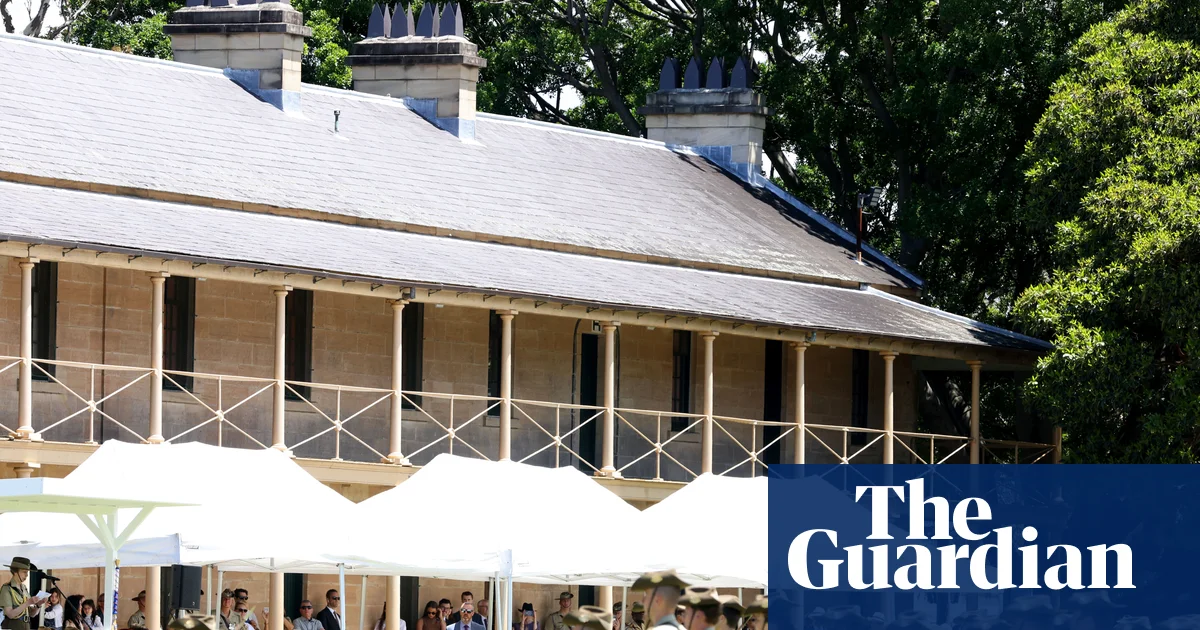
In a decisive move signaling a profound reorientation of its defense strategy, Australia has announced plans to liquidate over $3 billion worth of defence properties nationwide. This initiative emerges after a comprehensive, multi-year audit, which revealed that many sites—such as Victoria Barracks in Sydney, Melbourne, and Brisbane—serve little to no strategic purpose in today’s security landscape. The audit, culminating in 2023, underscores a critical headache for policymakers: the burden of legacy infrastructure that has become a drain on resources and an obstacle to modernizing the nation’s military capabilities.

The audit’s findings point to a landscape dotted with redundant military sites—including airbases, warehouses, and even islands like Sydney’s Spectacle Island—costing taxpayers millions in maintenance. Yet, the sale of these assets carries more than financial implications; it signifies a turning point in geopolitical strategy and national identity. As defense analysts note, such divestments open opportunities to repurpose land for housing that could benefit a nation facing ongoing population pressures, while reallocating vital resources toward modern capabilities, including the yet-to-be-developed nuclear submarines under the AUKUS agreement. According to international security experts, this shift is not merely administrative but reflects a broader realignment in Australia’s strategic posture amidst the emerging Indo-Pacific security dynamic.

Reallocating Resources and Reconceptualizing Defense

The sale of more than 60 properties—including high-profile sites like Spectacle Island and Victoria Barracks—aims to raise an estimated $1.8 billion net proceeds after costs, while saving roughly $100 million annually in upkeep. The plan is coupled with a push to relocate public servants to upgraded, modern office spaces, signaling an end to decades of underutilized, decaying infrastructure. Crucially, the government emphasizes that funds will be reinvested into enhancing defense capabilities, laying the groundwork for Australia’s increased involvement in regional security arrangements and strategic deterrence measures.

  • Assets such as Newcastle’s HMAS Penguin, used for diving operations, are to be partially retained for future military endeavors.
  • This redistribution of assets aligns with Australia’s broader vision of strengthening its deterrence posture, especially as regional tensions with rising powers intensify.
  • Heritage sites, including WWII-era cabinet rooms, are poised to be opened to the public, exemplifying how history and modernity can coexist within the national consciousness.

By strategically shedding surplus properties, Australia aims to craft a leaner, more agile defense estate better suited to contemporary threats. As military and security experts from organizations like the International Institute for Strategic Studies warn, this initiative should be viewed as a vital adaptation—one that blunts the risk of legacy infrastructure crumbling into obsolescence while bolstering current and future military readiness. This reallocation is critical, especially as China continues its assertive expansion, and regional allies look to Canberra for leadership and reassurance.

Historical Legacy and Future Uncertainty

The sale of historic sites like Victoria Barracks and Sydney Harbour’s Spectacle Island stirs a complex debate rooted in national identity. Many Australians, as noted by historians, still regard these sites as symbols of resilience and sacrifice, especially given their roles during World War II. While critics argue that divestment risks erasing parts of the country’s military heritage, proponents contend it is a necessary step toward ensuring the defense force is equipped for the challenges of the 21st century.

Authors Jan Mason and Jim Miller have emphasized that, “maintaining the status quo is not an option,” underlining the urgent need for change in defense management. As these historic sites potentially give way to housing and commercial developments, the political backlash is inevitable, echoing broader concerns about the balance between heritage and modern utility. Yet, policymakers insist that such sacrifices are justified to empower Australia’s security future and solidify its strategic independence in a turbulent Indo-Pacific region.

As the dust settles on this bold land sale, the true geopolitical impact remains unclear—yet undeniable. This is a moment when history is being written in real time, and the decisions made today will echo for generations. Will Australia’s rationalization of its defence estate forge a more resilient nation, or mark the loss of irreplaceable symbols of past sacrifices? The unfolding narrative remains a testament to the ongoing struggle between legacy and progress, a reminder that the weight of history still influences the shape of the future.

Newsom taps ex-CDC insiders to shape California’s new health defense system

California Reinvents Public Health in a Society Divided

In a decisive move emblematic of an evolving cultural shift towards scientific innovation, California’s governor Gavin Newsom has appointed two prominent former Centers for Disease Control and Prevention (CDC) officials to lead a new state initiative aimed at modernizing public health infrastructure. This initiative, known as the Public Health Network Innovation Exchange (PHNIX), seeks to bridge the divide between scientific integrity and societal trust—a challenge that resonates deeply within communities grappling with misinformation, vaccine skepticism, and the erosion of shared moral consensus. Sociologists like Richard Sennett warn that societal cohesion hinges on **trust in human institutions**, yet current social tensions threaten to fracture the fabric that holds families, education systems, and communities together.

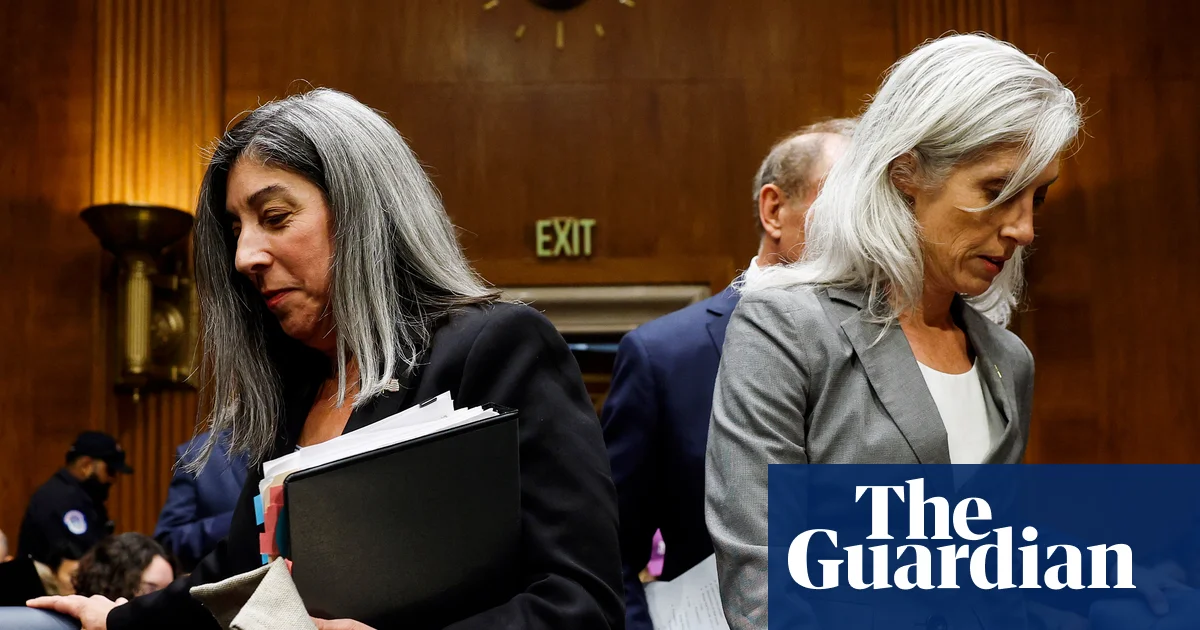
The appointment of Dr. Susan Monarez and Dr. Debra Houry highlights California’s stance amid national debates on public health policy, particularly in the wake of conflicts with the Trump administration. Monarez, who was dismissed from her CDC leadership role less than a month into her tenure after refusing to step down, clashed with the prior administration over vaccine policy, demonstrating a broader societal tension over individual rights versus government mandates. Both Monarez and Houry voiced concerns before Congress about vaccine agendas under secretary Robert F Kennedy Jr., emphasizing the importance of *trustworthy, science-based health policies* in preserving public safety. This effort underscores a societal acknowledgment that families and communities rely on transparent leadership to navigate the moral dilemmas of modern health crises.

According to Newsom, PHNIX aims to _“bring together the best science, tools, and minds to _advance public health,”_ reinforcing the significance of **technological innovation** and **information infrastructure** in restoring societal confidence. Yet, beneath this progressive veneer lies a deeper question about how social issues like vaccine skepticism impact family health, educational stability, and community cohesion. As sociologist Charles Murray argues, societal strength depends on shared moral values that foster **trust in scientific expertise**—a principle now under scrutiny in an era marked by misinformation and cultural polarization. These social tensions threaten to destabilize the very fabric that sustains societal order, from school classrooms to neighborhood streets.

At its core, California’s bold strategic shift signals a societal effort to reclaim integrity in a fractured social landscape. As Newsom positions California as a bastion of scientific resistance against what he perceives as federal overreach, communities are placed at a crossroads—either embracing a future rooted in evidence-based policies or succumbing to the path of division and distrust. The challenge for families and youth alike is profound: how to cultivate a society where science serves as a moral anchor in a world of shifting cultural norms. As history warns us, societies that ignore this delicate balance risk unraveling their social cohesion. Yet, dreams of societal renewal also persist, nurtured by the hope that through unwavering commitment to truth and stability, communities can emerge stronger—ready to forge a future where trust is restored, and society’s moral compass is reoriented toward unity.

EU Paves Way for Faster Military Moves Across Europe, Boosting Youth Defense Confidence

The European Union is intensifying its efforts to reinforce military readiness across its member states in a move that signals a clear shift towards integrated defense capabilities. The recent announcement by the EU executive to streamline cross-border troop movements is part of a broader strategic initiative to counteract escalating regional tensions, specifically in light of recent warnings from security experts regarding Russia’s potential to attack within five years. The EU is positioning itself to become a frontline defender, emphasizing a coordinated approach that could dramatically alter the continent’s security landscape. As European leaders debate the logistics and funding of this ambitious plan, the core aim remains the same: bolster deterrence and ensure swift military response in the face of emerging threats.

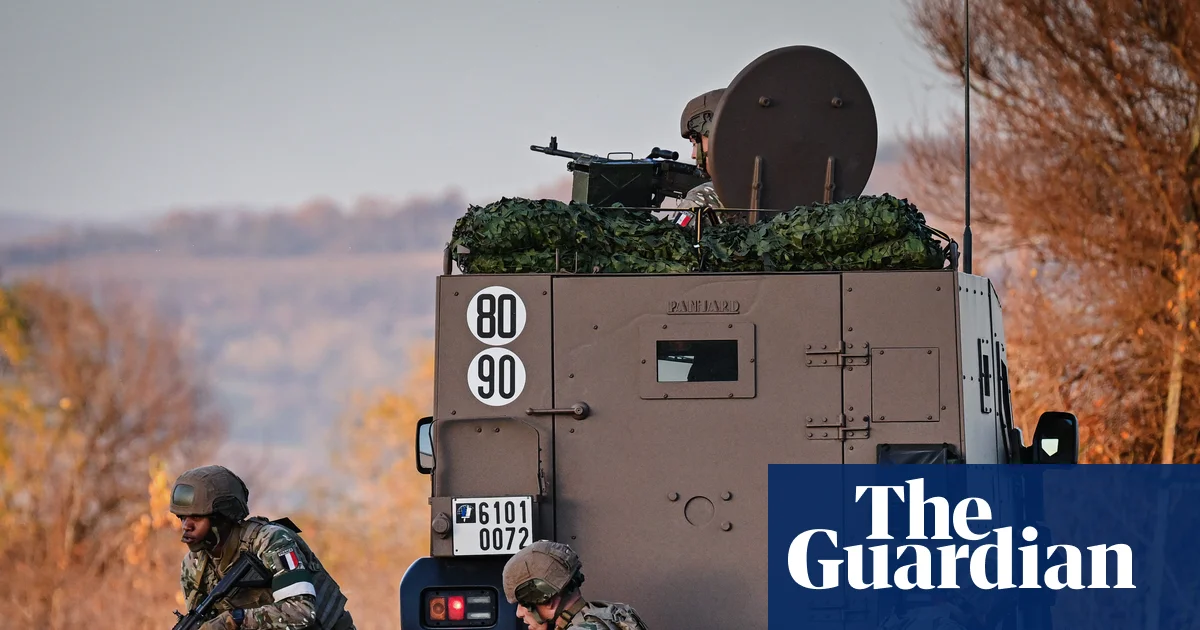
The crux of this initiative involves dismantling bureaucratic hurdles that currently hinder rapid troop movements. According to EU officials, obstacles such as inadequate infrastructure—bridges incapable of supporting heavy tanks, narrow railway tunnels, and incompatible track gauges—pose serious impediments to military logistics. The European Commission has proposed creating a “military Schengen” zone, allowing armies to traverse borders as seamlessly as civilians do. Key to this plan is prioritizing the strengthening of 500 critical points—bridges, tunnels, roads, and ports—at an estimated cost of €100bn. Such investments are seen as essential for ensuring that NATO’s collective defense is complemented by improved continental military mobility, a point underscored by Kaja Kallas, the EU foreign policy chief, who bluntly stated that existing rules, such as the 45-day notice requirement for troop movement, are “not good enough” for an era of heightened tension.

This move draws considerable attention from analysts and international organizations concerned with the geopolitical ramifications. While the EU emphasizes that these measures are designed to underpin NATO’s strategic planning, critics warn of a potential escalation of tensions, especially with Russia. The prospect of Europe becoming a more militarized continent—ready to move armies swiftly across borders—raises fears of militarization spiraling further. Historian and security analyst Dr. Marcus Feldman warns that such initiatives may inadvertently provoke an arms race or regional instability. Nevertheless, EU officials maintain that modernization of infrastructure and legal reforms are vital deterrents against potential aggression, especially in a volatile security climate spurred by Moscow’s recent strategic postures.

Funding remains the most contentious aspect of this initiative. The EU plans to allocate approximately €17.6bn from its long-term budget, with a broader €2tn plan facing resistance from member states wary of increased spending. Nevertheless, the logic remains clear: in an increasingly unpredictable world, preparedness and rapid mobilization are the new currencies of security. As nations within the bloc are often required to co-fund defense projects, the convergence of economic and strategic interests highlights an evolving geopolitical landscape—one where collective action is increasingly deemed necessary to navigate threats that transcend borders. The coming years will test whether these measures can deliver a credible deterrent or merely serve as a fragile veneer over underlying divisions and uncertainties.

As the echoes of history reverberate through the corridors of power, the unfolding plans for a more integrated and mobile European military force cement a stark reality: the continent stands at a crucial juncture. The decisions made today—how well infrastructure is upgraded, how swiftly policies adapt—will undoubtedly shape the fabric of European sovereignty and security for generations. The weight of history is pressing down, with each step towards militarization carrying profound consequences; the thresholds of peace and conflict are now razor-thin, and the world watches as Europe writes its next chapter in a saga of resilience and confrontation.

Hamas Tunnel Defense Blocks Gaza Ceasefire Progress

Amid escalating violence and political deadlock, Israel, the United States, and regional actors are embroiled in a tense effort to forge a lasting ceasefire in Gaza. The recent return of US envoy Jared Kushner to the region underscores the renewed diplomatic urgency. Despite the sporadic releases of hostages and humanitarian aid, fundamental issues such as Hamas’s disarmament, future governance of Gaza, and international security arrangements remain unresolved. Analysts from the International Crisis Group warn that these sticking points threaten to unravel international efforts, emphasizing how fragile peace still teeters on the brink of collapse.

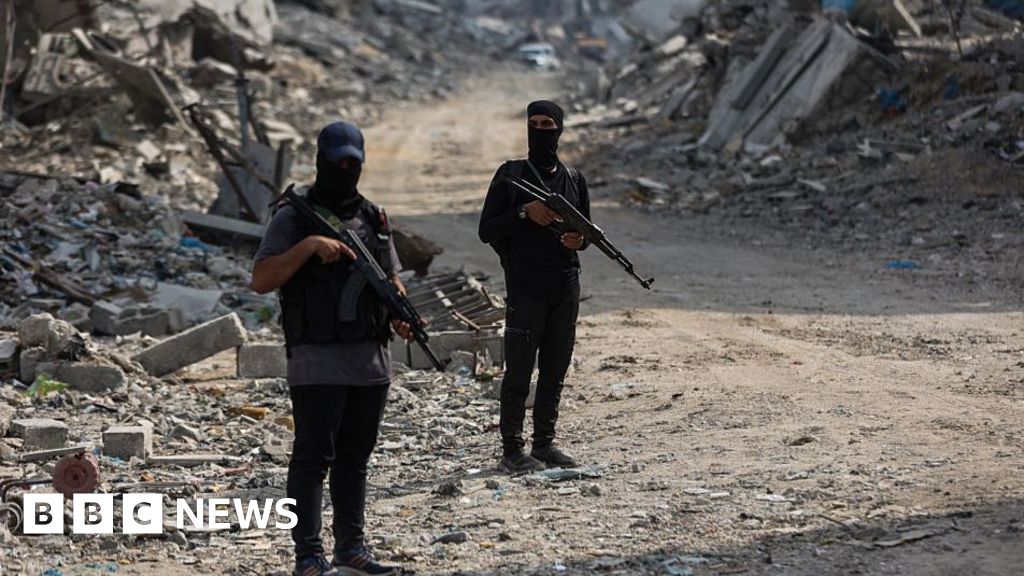
Key negotiations have been marred by entrenched positions from both sides. Hamas continues to demand safe passage for its fighters in Rafah, which Israel has categorically rejected. Notably, the recent negotiations reveal a divide not only over tactical ceasefire measures but also over the overarching disarmament and demilitarization of Gaza. The plan, supported by some Western analysts, envisions a phased approach—initially securing the release of hostages and rebuilding trust, then progressing toward disarmament. However, Benjamin Netanyahu and his government maintain that any disarmament must be accompanied by the complete demilitarization of Hamas and the establishment of a robust international security force—a prospect that many nations and regional actors find problematic due to concerns over sovereignty and long-term stability.

Amid these negotiations, the regional geopolitical landscape is in flux. Arab countries, wary of the potential permanent division of Gaza, have issued cautious statements emphasizing the risks of a divided Palestinian territory. Meanwhile, Israel’s occupation of over half of Gaza’s territory and its resistance to involving the Palestinian Authority reflect a broader tension: how to reconcile security concerns with hopes for peace and Palestinian sovereignty. The Trump administration’s recent plan, notably excluding pathways to Palestinian statehood, has further deepened regional skepticism. Historians such as Rashid Khalidi argue that without a political solution rooted in Palestinian self-determination, the cycle of violence and fragmentation may continue indefinitely, with serious consequences for global stability.

As conflict continues, the weight of history bears down on negotiations that could define the future of the region. The ongoing tragedy—marked by over 69,000 lives lost and countless others displaced—reminds the international community that decisions taken today will echo through generations. With both sides entrenched and external powers cautious about full involvement, the possibilities for a sustainable solution appear so distant, yet the urgency to act remains clear. The story of Gaza is still being written, with each chapter promising either the dawn of peace or the descent into further chaos—here, history’s choice hangs in the balance, waiting to see which path will be forged in the sands of a conflict that has already reshaped the geopolitical map for a generation.

Zelensky Prioritizes Defense of Donetsk as Special Forces Mobilized

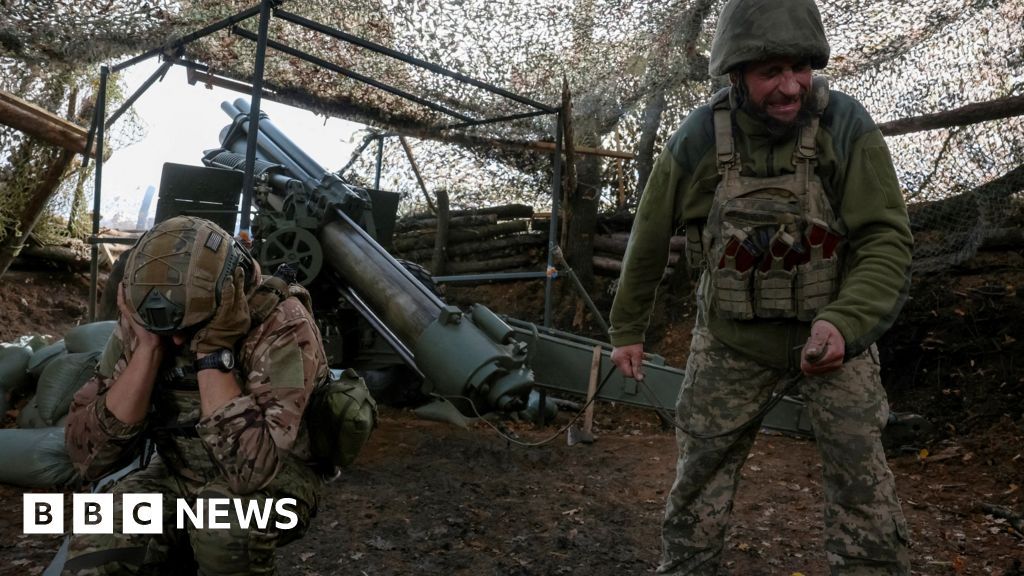
The ongoing Ukraine crisis has reached a critical juncture, with the city of Pokrovsk emerging as a focal point in the broader geopolitical chess match between Russia and Ukraine. Ukrainian President Volodymyr Zelensky has declared the defense of the town a “priority” amidst persistent Russian advances in the Donbas region. Reports from local sources confirm that Kyiv has deployed elite special forces—military intelligence and assault groups—to shield this strategic transport hub. The decision underscores Kyiv’s resolve to hold onto vital supply routes, which, if lost, could jeopardize Ukraine’s territorial integrity and its efforts to resist Russian expansion. Meanwhile, Moscow’s demand that Kyiv cede all of Donbas—including areas currently under Ukrainian control—forms part of its broader strategy to consolidate territorial gains and secure geopolitical leverage.

United efforts to secure Pokrovsk have become emblematic of the larger standoff gripping the region, where control over key infrastructure becomes a symbol of resilience or capitulation. The Ukrainian military reports indicate that approximately half of the city is a “grey zone“, a contested buffer where neither side has full control. The presence of Ukrainian special forces positioned against Russian advances highlights the high-stakes nature of this conflict, which analysts deem a critical battleground in Kyiv’s effort to reinforce sovereignty. The deployment of elite units—including officers from Ukraine’s GUR—reflects a strategic shift aimed at disrupting Russian advances and inflicting costs that could hamper Moscow’s ambitions in the region.

Meanwhile, Russia’s military claims they advanced by thwarting an attempted deployment of Ukrainian special forces near Pokrovsk, asserting that all 11 soldiers involved in an airborne operation were killed. This action signals that Moscow perceives Pokrovsk as a critical prize—one that could possibly unlock the remaining territories of Ukraine’s Donbas. The Russian Federation controls roughly a fifth of Ukrainian territory, including Crimea—the peninsula annexed in 2014—an act that still reverberates within the international community. The geopolitical impact of such territorial control cannot be understated, as Russia seeks to craft a new world order with Ukraine puppeteered by Moscow’s influence. The Biden administration and the United Nations continue to monitor the snap conflicts, wary of a broader escalation that could draw NATO into direct confrontation.

As military analysts and historians observe, Kyiv’s firm stance reflects a broader message: the resistance to Russian domination is not merely tactical but symbolic of a nation’s will to survive. The upcoming battles for the industrial zones and railway stations could determine whether Ukraine’s logistical lifelines endure or collapse into chaos. Washington’s frustrations with the Kremlin’s reluctance to pursue meaningful peace negotiations have manifested in new sanctions and diplomatic setbacks, further complicating the prospect of a swift resolution. Yet, the persistent resilience of Ukrainian forces and the strategic importance of Pokrovsk suggest that the conflict’s future remains unwritten, hanging precariously in a balance that history will remember. Will Kyiv hold the line, or will the tides of war carve a new, darker chapter in the annals of geopolitics? Here, amid the battlefield dust and geopolitical gambits, the true weight of history continues to unfold, with each decision shaping the destiny of nations and societies alike.

UN backs Morocco’s claim to Western Sahara—Youth Defense of Sovereignty

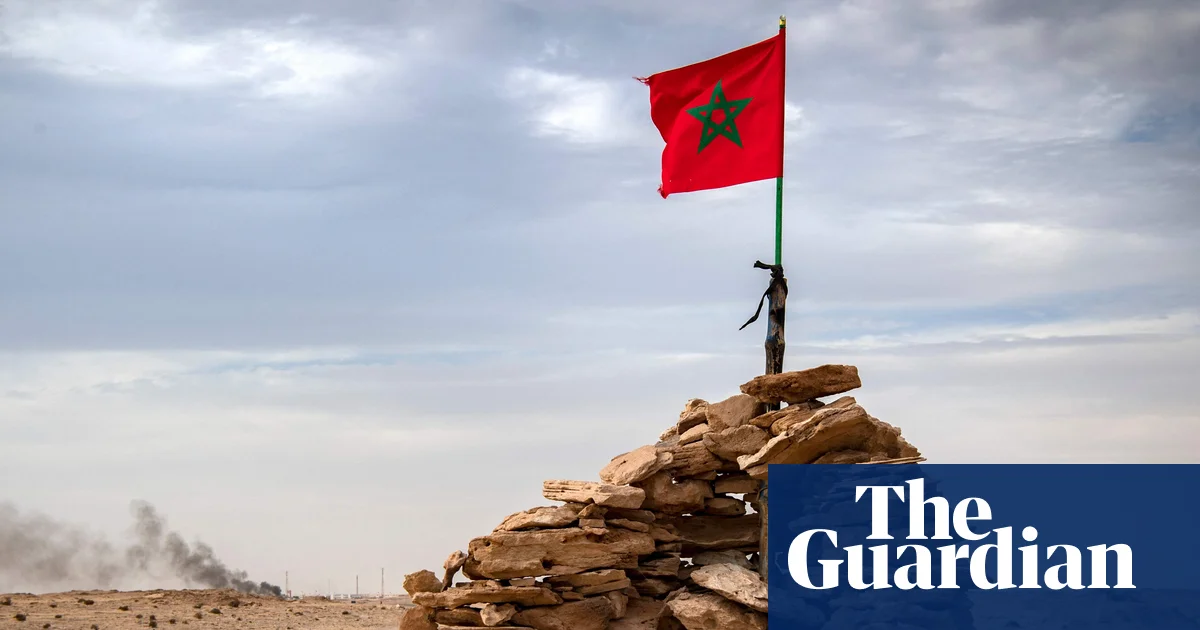
In a watershed moment for international geopolitics, the United Nations Security Council has approved a landmark resolution supporting Morocco’s claim to Western Sahara, a contentious, phosphate-rich territory long marred by dispute and unresolved conflict. This decision, backed by a broad coalition of nations and notably sponsored by the United States, marks a decisive shift in the diplomatic landscape of North Africa. The resolution underscores a preference for autonomy combined with Moroccan sovereignty, effectively sidelining the long-held demand for a *referendum on full independence* advocated by the Polisario Front and its allies. As the global community’s focus shifts toward pragmatic solutions, the question remains: how will this influence regional stability and the broader balance of power?

This move is not merely about territorial sovereignty but about geopolitical impact. While the resolution has garnered support from most European Union member states and an increasing number of African nations seeking stability and economic development, it has faced fierce opposition from Algeria, a key supporter of the Polisario Front. Algeria perceives this shift as a threat to the independence aspirations of the Sahrawi people, who have endured decades of displacement and statelessness. The stalemate immediately raises critical questions: can diplomacy forge a new path or will this deepen tensions in a region historically plagued by conflict? Analysts from the International Crisis Group warn that while the resolution appears to favor Morocco, the core issues—self-determination, resource rights, and regional influence—are far from resolved, highlighting the persistent **u**tension and instability.

Historically, Western Sahara’s strategic importance cannot be overstated. Under Spanish rule until 1975, the territory has since been at the center of a bitter struggle involving Morocco, Polisario, and external powers vying for influence. The 1991 ceasefire was intended to set the stage for a referendum, yet voter eligibility disputes and ongoing clashes have indefinitely postponed resolution. More recently, Morocco has transformed the area through infrastructure development—constructing ports, highways, and urban settlements—further consolidating control. Meanwhile, the Polisario Front denounces any move perceived as legitimizing Morocco’s occupation, asserting that “peace *can never be achieved* by rewarding expansionism.” The UN’s heavy-handed measures, including decades of peacekeeping efforts, now face re-evaluation amidst shifting international support, threatening to alter the *status quo* entrenched for over thirty years.

As U.S. Ambassador Mike Waltz declared the resolution “historic,” the broader implications for international diplomacy become clear. The move aligns with Washington’s strategic interests, signaling a tilt toward pragmatic autonomy solutions that sideline calls for full independence. Yet, critics argue that this narrow victory could sow the seeds of renewed conflict, especially as the Polisario camp remains committed to self-determination. The broader regional calculus involves **u**s backing Morocco as a linchpin in North African stability, but it also risks heightening tensions with Algeria and other neighbors invested in Sahrawi independence. This pivot could fundamentally reshape how nations approach conflict resolution in contested regions, setting precedent for future geopolitical disputes rooted in resource control and sovereignty.

As the diplomatic landscape evolves, the next chapter remains to be written. The UN’s renewed mission and the international community’s divided stance are testaments to the complexity and high stakes of this conflict—a clash over land, identity, and influence. In the shadow of shifting alliances and unending aspirations for sovereignty, history’s relentless march continues, leaving the world perched on a precipice of uncertainty. What future awaits Western Sahara? The answer hinges on decisions yet to be made—and the enduring will of its people, whose hopes for justice echo in the ongoing contest for their homeland.

US Defense Secretary Pete Hegseth’s Flight Lands Safely in UK After Unscheduled Stop

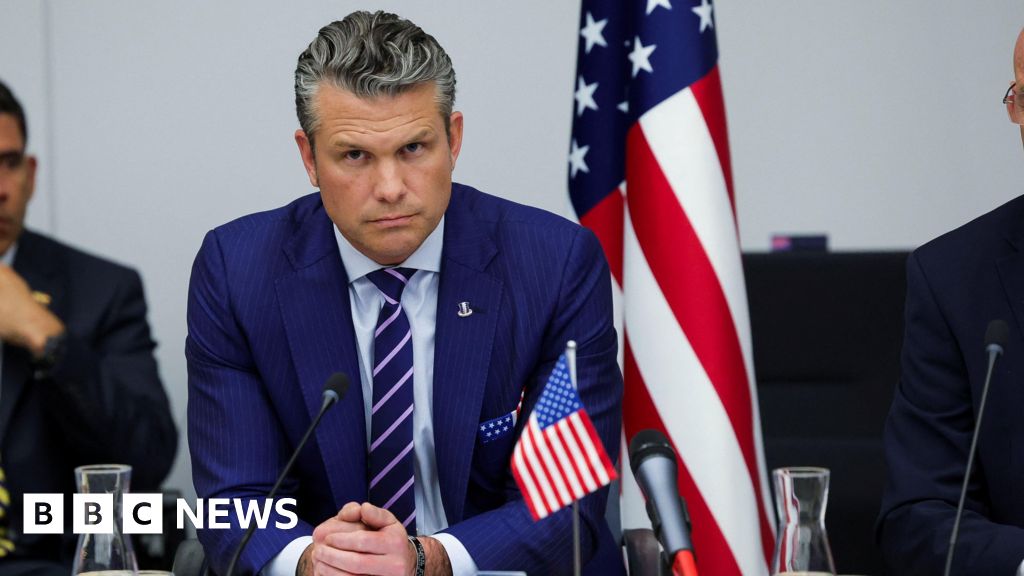
In an unfolding incident with significant geopolitical repercussions, US Secretary of Defence Pete Hegseth’s aircraft made an unexpected emergency landing during a return flight from a NATO Defence Ministers’ meeting in Belgium. The Pentagon confirmed that the aircraft, en route back to the United States, experienced a crack in the windshield, prompting standard safety procedures and a precautionary landing in the UK. Despite the sudden turn of events, officials assured the public that all onboard, including Hegseth, are safe.

This incident underscores the increasing vulnerability of high-profile government assets during a period of heightened international tension. Tracking by BBC Verify, combined with FlightRadar24 data, revealed that the aircraft began losing altitude off the southwest coast of Ireland, before looping eastward. The aircraft’s transponder then issued a “7700 squawk code,” a universal signal among aircraft indicating a general emergency. Such protocols reveal how fragile even the most secure operations can be when hardware failures occur unexpectedly—a fact new to international observers addressing the risks of global leadership. In February, a similar crisis unfolded when a government plane carrying Secretary of State Marco Rubio was forced to turn back due to a crack in the cockpit window, illustrating a disturbingly recurring issue with safety standards in high-stakes air travel.

The international significance of these events extends beyond mere technical failures; they highlight the imperative for robust security and safety protocols amidst a rapidly evolving geopolitical landscape. The NATO defence meeting in Belgium, which was focused on security assistance for Ukraine, marks a critical phase where alliances are tested and various nations argue over support strategies. The United States, as a leader within NATO, bears the weight of maintaining both military readiness and diplomatic credibility. Analysts warn that such technical mishaps, if frequent or perceived as downgrades in preparedness, could diminish trust among allies and embolden adversarial blocs that seek to exploit perceived vulnerabilities. For many historians and security experts, these incidents serve as stark reminders: in today’s volatile world, one misstep can ripple across continents, altering the balance of power.

As the aircraft safely touched down in the UK, the incident remains a vivid emblem of today’s unpredictable global stage. The image of a top US defense official’s plane grappling with technical failure amid international crises leaves an indelible mark on the collective consciousness. With nations eyeing each other warily, and the specter of conflict lingering over fragile peace agreements, these moments become more than mere technical anomalies—they are a testament to the mounting pressures on the machinery of global security. As history continues to unfold, the question remains: how many more crises will test the resilience of our alliances, and at what point will the cracks in the global order become impossible to conceal? The answer—like the fragile windshield of Hegseth’s plane—remains unseen but undeniably imminent, waiting to shape the course of history yet to be written.

Social Media Auto Publish Powered By : XYZScripts.com