Matox News

Truth Over Trends, always!

Hamas Tunnel Defense Blocks Gaza Ceasefire Progress

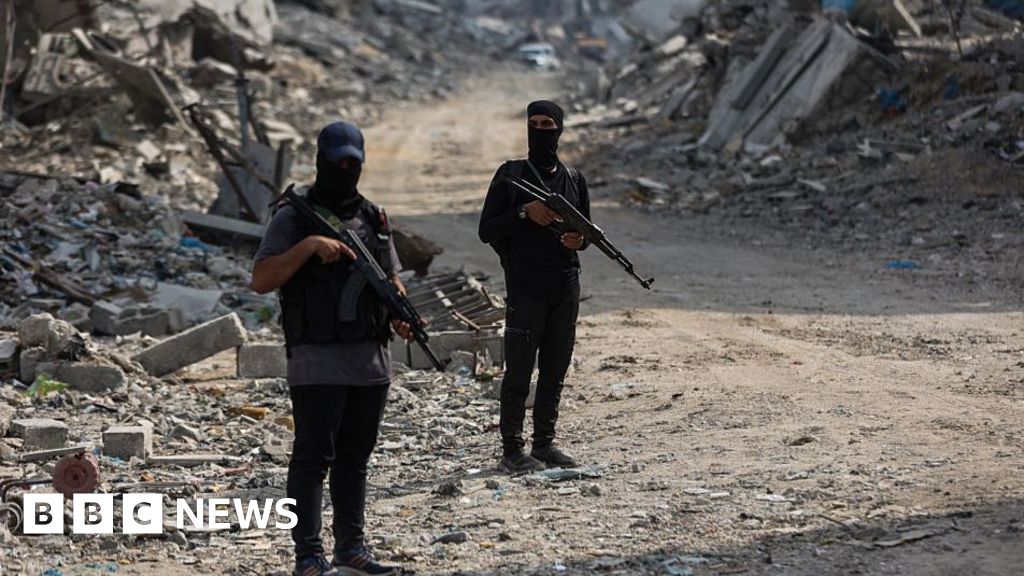
Amid escalating violence and political deadlock, Israel, the United States, and regional actors are embroiled in a tense effort to forge a lasting ceasefire in Gaza. The recent return of US envoy Jared Kushner to the region underscores the renewed diplomatic urgency. Despite the sporadic releases of hostages and humanitarian aid, fundamental issues such as Hamas’s disarmament, future governance of Gaza, and international security arrangements remain unresolved. Analysts from the International Crisis Group warn that these sticking points threaten to unravel international efforts, emphasizing how fragile peace still teeters on the brink of collapse.

Key negotiations have been marred by entrenched positions from both sides. Hamas continues to demand safe passage for its fighters in Rafah, which Israel has categorically rejected. Notably, the recent negotiations reveal a divide not only over tactical ceasefire measures but also over the overarching disarmament and demilitarization of Gaza. The plan, supported by some Western analysts, envisions a phased approach—initially securing the release of hostages and rebuilding trust, then progressing toward disarmament. However, Benjamin Netanyahu and his government maintain that any disarmament must be accompanied by the complete demilitarization of Hamas and the establishment of a robust international security force—a prospect that many nations and regional actors find problematic due to concerns over sovereignty and long-term stability.

Amid these negotiations, the regional geopolitical landscape is in flux. Arab countries, wary of the potential permanent division of Gaza, have issued cautious statements emphasizing the risks of a divided Palestinian territory. Meanwhile, Israel’s occupation of over half of Gaza’s territory and its resistance to involving the Palestinian Authority reflect a broader tension: how to reconcile security concerns with hopes for peace and Palestinian sovereignty. The Trump administration’s recent plan, notably excluding pathways to Palestinian statehood, has further deepened regional skepticism. Historians such as Rashid Khalidi argue that without a political solution rooted in Palestinian self-determination, the cycle of violence and fragmentation may continue indefinitely, with serious consequences for global stability.

As conflict continues, the weight of history bears down on negotiations that could define the future of the region. The ongoing tragedy—marked by over 69,000 lives lost and countless others displaced—reminds the international community that decisions taken today will echo through generations. With both sides entrenched and external powers cautious about full involvement, the possibilities for a sustainable solution appear so distant, yet the urgency to act remains clear. The story of Gaza is still being written, with each chapter promising either the dawn of peace or the descent into further chaos—here, history’s choice hangs in the balance, waiting to see which path will be forged in the sands of a conflict that has already reshaped the geopolitical map for a generation.

Zelensky Prioritizes Defense of Donetsk as Special Forces Mobilized

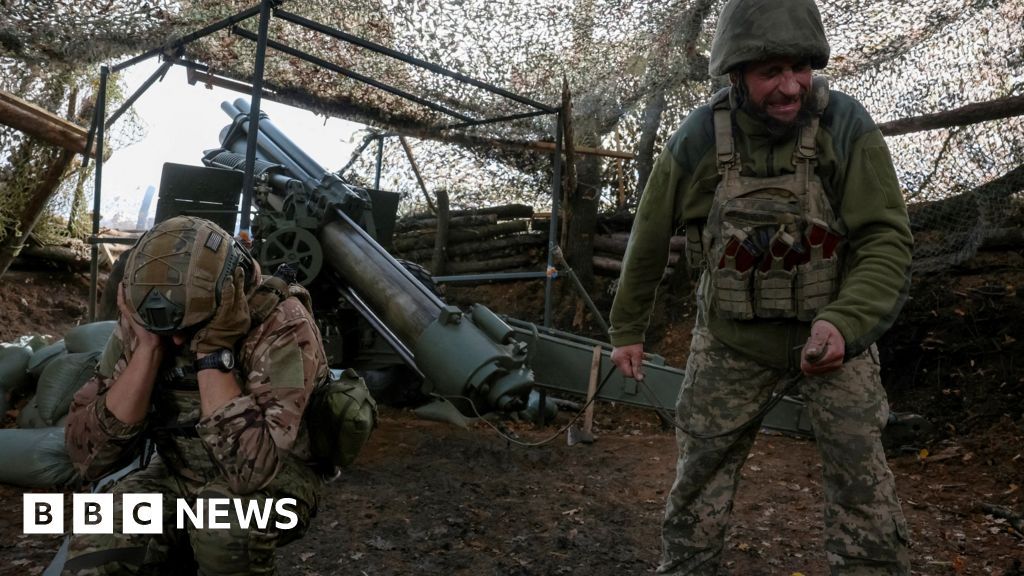
The ongoing Ukraine crisis has reached a critical juncture, with the city of Pokrovsk emerging as a focal point in the broader geopolitical chess match between Russia and Ukraine. Ukrainian President Volodymyr Zelensky has declared the defense of the town a “priority” amidst persistent Russian advances in the Donbas region. Reports from local sources confirm that Kyiv has deployed elite special forces—military intelligence and assault groups—to shield this strategic transport hub. The decision underscores Kyiv’s resolve to hold onto vital supply routes, which, if lost, could jeopardize Ukraine’s territorial integrity and its efforts to resist Russian expansion. Meanwhile, Moscow’s demand that Kyiv cede all of Donbas—including areas currently under Ukrainian control—forms part of its broader strategy to consolidate territorial gains and secure geopolitical leverage.

United efforts to secure Pokrovsk have become emblematic of the larger standoff gripping the region, where control over key infrastructure becomes a symbol of resilience or capitulation. The Ukrainian military reports indicate that approximately half of the city is a “grey zone“, a contested buffer where neither side has full control. The presence of Ukrainian special forces positioned against Russian advances highlights the high-stakes nature of this conflict, which analysts deem a critical battleground in Kyiv’s effort to reinforce sovereignty. The deployment of elite units—including officers from Ukraine’s GUR—reflects a strategic shift aimed at disrupting Russian advances and inflicting costs that could hamper Moscow’s ambitions in the region.

Meanwhile, Russia’s military claims they advanced by thwarting an attempted deployment of Ukrainian special forces near Pokrovsk, asserting that all 11 soldiers involved in an airborne operation were killed. This action signals that Moscow perceives Pokrovsk as a critical prize—one that could possibly unlock the remaining territories of Ukraine’s Donbas. The Russian Federation controls roughly a fifth of Ukrainian territory, including Crimea—the peninsula annexed in 2014—an act that still reverberates within the international community. The geopolitical impact of such territorial control cannot be understated, as Russia seeks to craft a new world order with Ukraine puppeteered by Moscow’s influence. The Biden administration and the United Nations continue to monitor the snap conflicts, wary of a broader escalation that could draw NATO into direct confrontation.

As military analysts and historians observe, Kyiv’s firm stance reflects a broader message: the resistance to Russian domination is not merely tactical but symbolic of a nation’s will to survive. The upcoming battles for the industrial zones and railway stations could determine whether Ukraine’s logistical lifelines endure or collapse into chaos. Washington’s frustrations with the Kremlin’s reluctance to pursue meaningful peace negotiations have manifested in new sanctions and diplomatic setbacks, further complicating the prospect of a swift resolution. Yet, the persistent resilience of Ukrainian forces and the strategic importance of Pokrovsk suggest that the conflict’s future remains unwritten, hanging precariously in a balance that history will remember. Will Kyiv hold the line, or will the tides of war carve a new, darker chapter in the annals of geopolitics? Here, amid the battlefield dust and geopolitical gambits, the true weight of history continues to unfold, with each decision shaping the destiny of nations and societies alike.

UN backs Morocco’s claim to Western Sahara—Youth Defense of Sovereignty

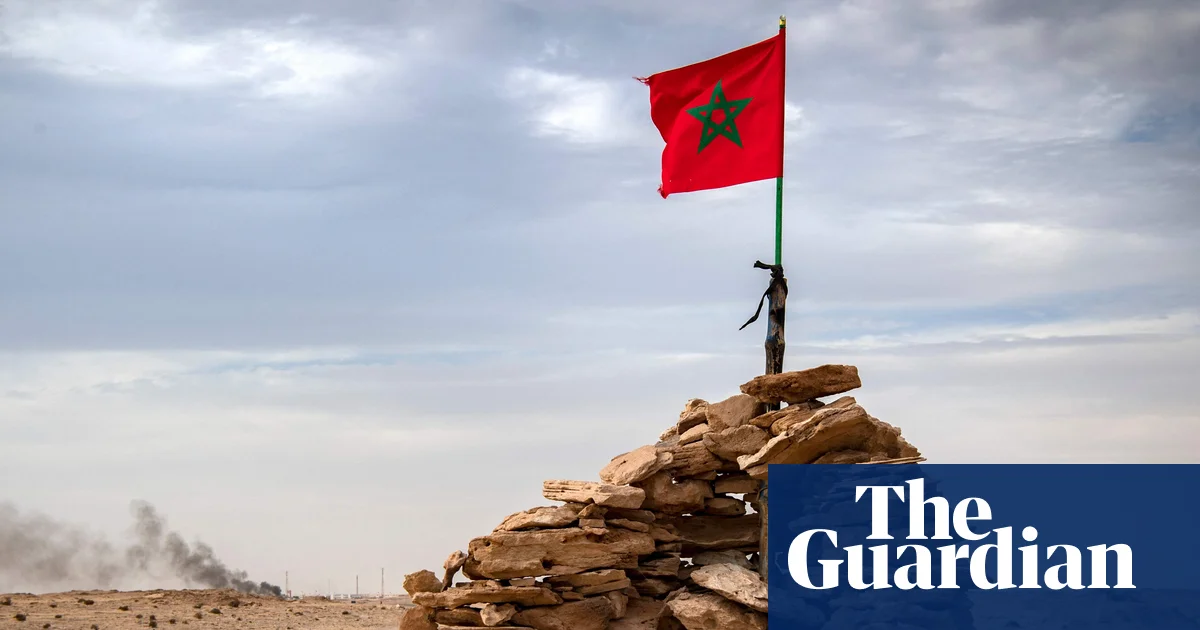
In a watershed moment for international geopolitics, the United Nations Security Council has approved a landmark resolution supporting Morocco’s claim to Western Sahara, a contentious, phosphate-rich territory long marred by dispute and unresolved conflict. This decision, backed by a broad coalition of nations and notably sponsored by the United States, marks a decisive shift in the diplomatic landscape of North Africa. The resolution underscores a preference for autonomy combined with Moroccan sovereignty, effectively sidelining the long-held demand for a *referendum on full independence* advocated by the Polisario Front and its allies. As the global community’s focus shifts toward pragmatic solutions, the question remains: how will this influence regional stability and the broader balance of power?

This move is not merely about territorial sovereignty but about geopolitical impact. While the resolution has garnered support from most European Union member states and an increasing number of African nations seeking stability and economic development, it has faced fierce opposition from Algeria, a key supporter of the Polisario Front. Algeria perceives this shift as a threat to the independence aspirations of the Sahrawi people, who have endured decades of displacement and statelessness. The stalemate immediately raises critical questions: can diplomacy forge a new path or will this deepen tensions in a region historically plagued by conflict? Analysts from the International Crisis Group warn that while the resolution appears to favor Morocco, the core issues—self-determination, resource rights, and regional influence—are far from resolved, highlighting the persistent **u**tension and instability.

Historically, Western Sahara’s strategic importance cannot be overstated. Under Spanish rule until 1975, the territory has since been at the center of a bitter struggle involving Morocco, Polisario, and external powers vying for influence. The 1991 ceasefire was intended to set the stage for a referendum, yet voter eligibility disputes and ongoing clashes have indefinitely postponed resolution. More recently, Morocco has transformed the area through infrastructure development—constructing ports, highways, and urban settlements—further consolidating control. Meanwhile, the Polisario Front denounces any move perceived as legitimizing Morocco’s occupation, asserting that “peace *can never be achieved* by rewarding expansionism.” The UN’s heavy-handed measures, including decades of peacekeeping efforts, now face re-evaluation amidst shifting international support, threatening to alter the *status quo* entrenched for over thirty years.

As U.S. Ambassador Mike Waltz declared the resolution “historic,” the broader implications for international diplomacy become clear. The move aligns with Washington’s strategic interests, signaling a tilt toward pragmatic autonomy solutions that sideline calls for full independence. Yet, critics argue that this narrow victory could sow the seeds of renewed conflict, especially as the Polisario camp remains committed to self-determination. The broader regional calculus involves **u**s backing Morocco as a linchpin in North African stability, but it also risks heightening tensions with Algeria and other neighbors invested in Sahrawi independence. This pivot could fundamentally reshape how nations approach conflict resolution in contested regions, setting precedent for future geopolitical disputes rooted in resource control and sovereignty.

As the diplomatic landscape evolves, the next chapter remains to be written. The UN’s renewed mission and the international community’s divided stance are testaments to the complexity and high stakes of this conflict—a clash over land, identity, and influence. In the shadow of shifting alliances and unending aspirations for sovereignty, history’s relentless march continues, leaving the world perched on a precipice of uncertainty. What future awaits Western Sahara? The answer hinges on decisions yet to be made—and the enduring will of its people, whose hopes for justice echo in the ongoing contest for their homeland.

US Defense Secretary Pete Hegseth’s Flight Lands Safely in UK After Unscheduled Stop

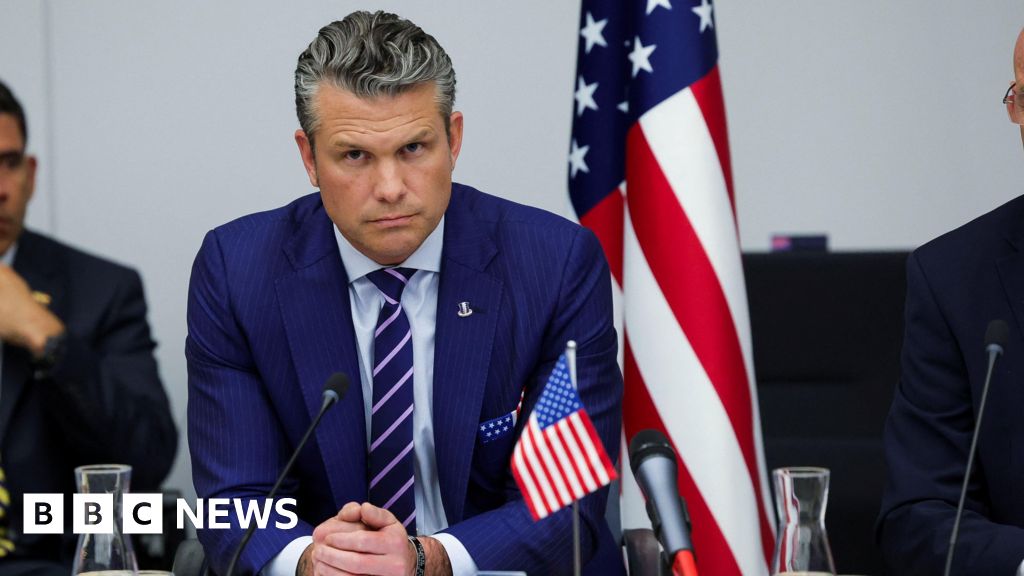
In an unfolding incident with significant geopolitical repercussions, US Secretary of Defence Pete Hegseth’s aircraft made an unexpected emergency landing during a return flight from a NATO Defence Ministers’ meeting in Belgium. The Pentagon confirmed that the aircraft, en route back to the United States, experienced a crack in the windshield, prompting standard safety procedures and a precautionary landing in the UK. Despite the sudden turn of events, officials assured the public that all onboard, including Hegseth, are safe.

This incident underscores the increasing vulnerability of high-profile government assets during a period of heightened international tension. Tracking by BBC Verify, combined with FlightRadar24 data, revealed that the aircraft began losing altitude off the southwest coast of Ireland, before looping eastward. The aircraft’s transponder then issued a “7700 squawk code,” a universal signal among aircraft indicating a general emergency. Such protocols reveal how fragile even the most secure operations can be when hardware failures occur unexpectedly—a fact new to international observers addressing the risks of global leadership. In February, a similar crisis unfolded when a government plane carrying Secretary of State Marco Rubio was forced to turn back due to a crack in the cockpit window, illustrating a disturbingly recurring issue with safety standards in high-stakes air travel.

The international significance of these events extends beyond mere technical failures; they highlight the imperative for robust security and safety protocols amidst a rapidly evolving geopolitical landscape. The NATO defence meeting in Belgium, which was focused on security assistance for Ukraine, marks a critical phase where alliances are tested and various nations argue over support strategies. The United States, as a leader within NATO, bears the weight of maintaining both military readiness and diplomatic credibility. Analysts warn that such technical mishaps, if frequent or perceived as downgrades in preparedness, could diminish trust among allies and embolden adversarial blocs that seek to exploit perceived vulnerabilities. For many historians and security experts, these incidents serve as stark reminders: in today’s volatile world, one misstep can ripple across continents, altering the balance of power.

As the aircraft safely touched down in the UK, the incident remains a vivid emblem of today’s unpredictable global stage. The image of a top US defense official’s plane grappling with technical failure amid international crises leaves an indelible mark on the collective consciousness. With nations eyeing each other warily, and the specter of conflict lingering over fragile peace agreements, these moments become more than mere technical anomalies—they are a testament to the mounting pressures on the machinery of global security. As history continues to unfold, the question remains: how many more crises will test the resilience of our alliances, and at what point will the cracks in the global order become impossible to conceal? The answer—like the fragile windshield of Hegseth’s plane—remains unseen but undeniably imminent, waiting to shape the course of history yet to be written.

Denmark ramps up Greenland defense with new ships, jets, and command center

Greenland’s Strategic Shift: Denmark’s Defense Boost Amid U.S. and Russian Interests

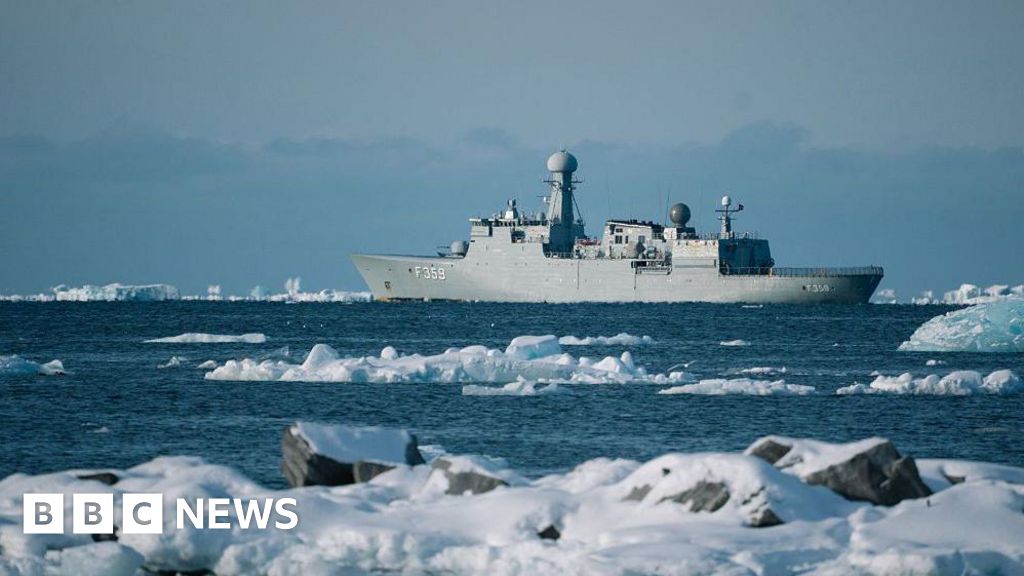
In a decisive move reflecting the escalating geopolitical contest for the Arctic, Denmark has announced a substantial increase in defense spending—$4.2 billion (£3.2 billion)—aimed at augmenting security in Greenland and the broader Arctic and North Atlantic regions. This decision, unveiled amidst rising global tensions, signifies a clear intent to secure Danish sovereignty over Greenland, an island of immense strategic value. The investment includes acquiring 16 additional F-35 fighter jets from the United States, bringing its fleet to 43, and deploying new naval and aerial patrol assets, alongside establishing a dedicated Arctic command in Nuuk. Foremost, the initiative emphasizes deterrence and asserts regional influence within NATO’s framework, illustrating Denmark’s resolve to maintain sovereignty amid external pressures, particularly from the U.S. and Russia.

How Decisions Shape Nations and Societies

The significance of Denmark’s military build-up extends beyond mere defense; it underscores a strategic positioning amid a rapidly evolving international landscape. Greenland, with its vast natural resources and proximity to Russia and North America, has long fascinated global powers. U.S. President Donald Trump repeatedly expressed interest in acquiring Greenland, citing its “critical” role in security and economic dominance. His controversial suggestion of U.S. control over the island, combined with his son’s covert visit for media purposes, exposed both Washington’s strategic calculations and the fragility of Denmarks’s sovereignty. As historian Dr. Margaret Colby notes, Greenland’s importance is rooted in its geographical location—serving as a gateway for military and commercial interests—and its resource wealth, including rare earth minerals. These factors make the island a focal point for geopolitical rivalry.

Moreover, the new Danish defense package involves rich infrastructural investments, like constructing undersea cables, maritime patrol planes, and early-warning radars—each designed to bolster deterrence and safeguard not only Greenland but also NATO allies. The establishment of the Arctic command headquarters in Nuuk marks a tangible shift towards asserting control, providing a strategic foothold that can influence regional stability. International analysts warn that such moves may trigger a new arms race in the Arctic, forcing nations to reconsider their military posture and alliances. The decisions by Denmark resonate as a message that sovereignty over the Arctic’s resources and strategic corridors remains fiercely contested, impacting local societies and shaping global diplomacy.

Unfolding the Geopolitical Narrative

As Russia doubles down on Arctic military presence and China extends its influence into the region through economic corridors, the Arctic is transforming into a critical arena of superpower competition. Meanwhile, Washington’s past interest in Greenland underscores its strategic importance—hosting a U.S. radar base crucial for monitoring Russian and Chinese activity. The recent developments have turned Greenland from a peripheral territory into a focal point of international importance, echoing the Cold War years when global power struggles centered around the Arctic and the Atlantic.

International organizations like NATO are placing heightened emphasis on the Arctic, but as geopolitical stakes tighten, questions about sovereignty, militarization, and resource control intensify. Critics argue that these developments risk destabilizing an already fragile region, potentially sparking conflicts that could echo through history. The decisions on Greenland’s future, influenced by Denmark’s military investments and external interests, will undoubtedly leave indelible marks on international relations. As history unfolds in the icy depths of the Arctic, one thing remains certain: the battle for control of Greenland has become emblematic of larger, global ambitions, with stakes that could redefine the geopolitical landscape for generations to come.

Social Media Auto Publish Powered By : XYZScripts.com