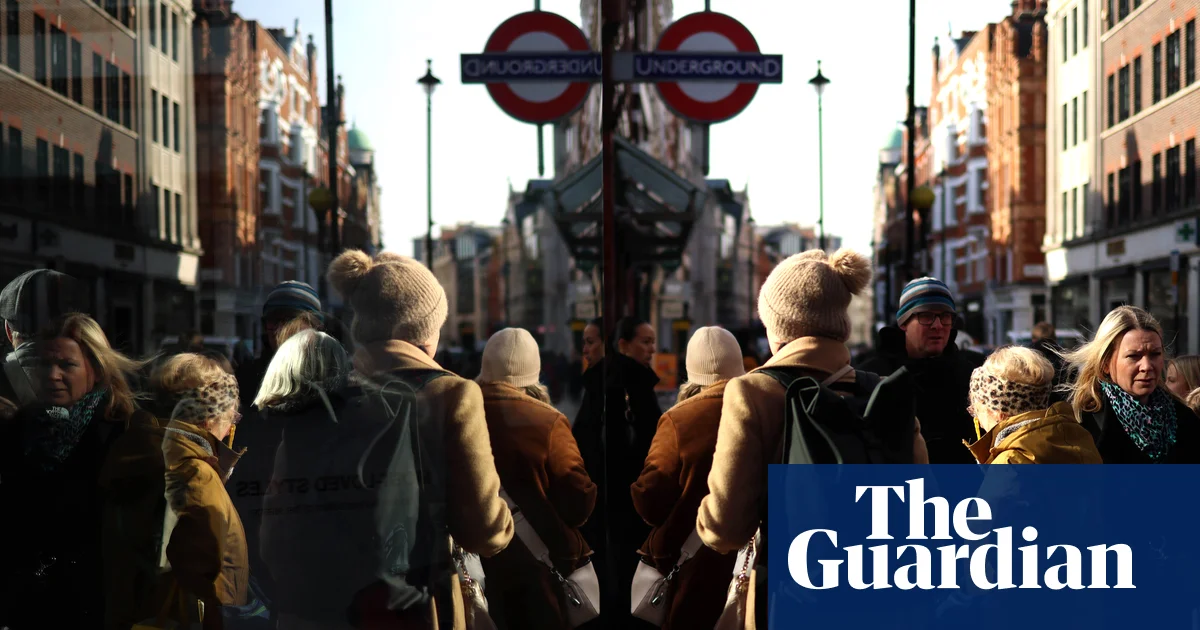

The United Kingdom has experienced a surprising economic uptick, with official data revealing a 0.5% growth in February. This increase, reported by the Office for National Statistics, was unexpected and initially suggested a resilient economy before the ominous shadow of ongoing conflicts cast a pall over prospects for 2023 and beyond. The revision of January’s flat earnings to a modest 0.1% growth further underscores a fragile recovery. Yet, the dawn’s brightness appears to be fleeting, as the looming crisis in the Middle East threatens to sideline hopes for sustained economic momentum. Economists, who had previously anticipated only a slight 0.1% expansion, now grapple with the harsh reality that geopolitical upheavals can swiftly dismantle economic resilience.
The crisis’s core — the effective closure of the Strait of Hormuz — has propelled oil and gas prices to heights not seen in recent memory, forcing analysts and international organizations to re-evaluate forecasts for UK growth in 2026. This strategic waterway, vital for global energy supplies, has become an arena of conflict and uncertainty, with far-reaching geopolitical consequences. The surge in energy costs is fueling inflationary pressures, compelling monetary authorities to consider interest rate hikes, which could choke off economic growth and deepen societal strains. As the International Monetary Fund and other global analysts alarmingly adjust their outlooks, the message is clear: The ripples of Middle Eastern conflict are spreading across global markets, reshaping the economic landscape.
Meanwhile, surveys reflect a sharp decline in business and consumer confidence within the UK, signaling growing concern about the country’s economic future. Investors and policymakers alike are wary of the war’s impact, suspecting that escalating inflation may necessitate higher interest rates—a move that risks stifling investment and employment. Experts warn that the long-term geopolitical repercussions could be profound, destabilizing societies and fostering a climate of uncertainty that hampers vital economic reforms. The conflict’s influence extends beyond mere market fluctuations, touching the very fabric of society, and raising questions about leadership, national security, and strategic alliances. The United Kingdom finds itself at a crossroads, caught between economic recovery and the volatile tides of regional conflict.
Within this tumultuous context, the broader geopolitical battle emerges as a defining feature of the 21st century’s initial decades. Historians and analysts have long warned of the dangerous escalation when regional powers contest vital chokepoints and resources. Today’s crisis exemplifies these warnings; the closure of the Strait of Hormuz not only threatens the UK and Western economies but also signals a potential shift towards a new era of instability. As global institutions grapple for influence and direction, the weight of history presses heavily upon the decisions made in this crucible of conflict. The outcome is uncertain, but the message is unmistakable: the decisions taken in the coming months could reshape the international order itself, forging a new chapter marked by uncertainty and upheaval.
As the world watches, the unfolding story of this conflict is akin to a shadow creeping across the pages of history—a reminder that in the theater of geopolitics, the pen can be as powerful as the sword. Today, nations stand at a critical juncture; tomorrow, the narrative may be one of resilience or ruin. While the dust from current battles settles, one truth remains: the global stage is set for an epoch-defining chapter, and the outcome will determine the course of history for generations to come. The question is not if but how humanity will confront its most daunting challenges, as the weight of destiny presses upon us all.