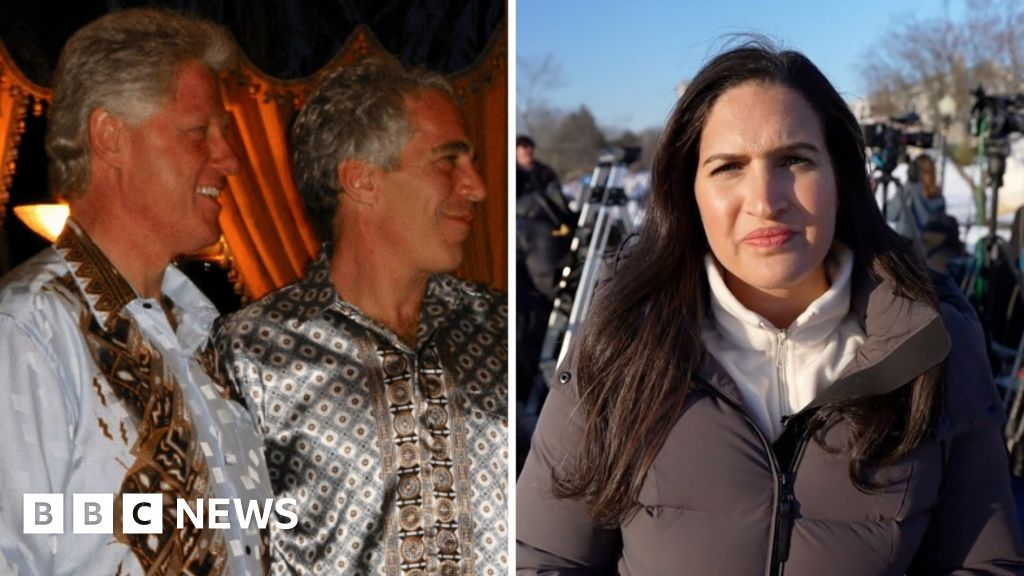

Bill Clinton’s Testimony Sparks International Debate Amid Election and Power Struggles
The recent deposition of Bill Clinton before the House Oversight Committee has thrust the American political landscape into a tumultuous spotlight, shedding light on the entrenched power and secrecy that often characterize Western democracy’s elite. Despite Clinton’s vigorous denial of any knowledge regarding Jeffrey Epstein’s criminal activities, the implications of this hearing reach far beyond U.S. borders, resonating with international concerns over accountability and transparency among powerful leaders.
This high-profile event also coincided with the deposition of Hillary Clinton, signaling a potential turning point in the ongoing scrutiny facing the political class. The proceedings, amplified by calls from Republicans for the transcripts’ release and Democrats suggesting the need for former President Donald Trump to participate, underscore a deepening partisan divide—not only in America but as a precedent that could influence political accountability globally. As analysts from international watchdogs observe, such spectacles often serve as reflections of the fragile balance between justice and political self-preservation, affecting national stability and societal trust in institutions.
Global Impact: A Question of Power, Justice, and Societal Integrity
From a geopolitical perspective, the Clinton hearings carry weight well beyond the borders of the United States. Countries around the world watch anxiously, aware that political scandals involving the highest echelons of power can catalyze broader demands for transparency and rule of law. According to international legal scholars, these revelations test the resilience of democratic norms and may influence how emerging nations shape their own governance structures. Key institutions such as the United Nations and regional bodies will likely interpret this crisis as a warning sign: even the most powerful can be vulnerable to oversight, but how societies respond can determine their future stability.
Voting populations across various nations increasingly demand accountability, wielding social media and grassroots movements to challenge elites and push for reforms. The Epstein scandal, intertwined with accusations of elitism and unchecked influence, fuels societal debates about how power is derived, maintained, and challenged. As historians and geopolitical analysts warn, failure to confront these issues risks perpetuating cycles of corruption and disillusionment, which could inspire populist upheavals or authoritarian backlashes in vulnerable regions.
The Unfolding Narrative: History in the Making
As the revelations from Clinton’s deposition unfold, history continues to be written in real time. The intersection of personal scandal with national policy underscores a profound truth: the decisions made today about accountability, transparency, and justice will shape the fabric of global society for generations. Decisions taken in the corridors of power—whether to conceal or confront—will echo across continents, influencing societal trust and the legitimacy of institutions in ways that are yet to fully unravel.
In a world eager for stability amid chaos, the weight of history presses heavily on political figures. The stories forged within these testimonies forge a new chapter—one marked by the struggle for truth in a universe where power often seeks to obscure itself. The coming days will reveal whether justice can transcend politics or whether the shadows of past transgressions will continue to loom over the future of democracy. As history’s tide carries us forward, the fate of societies hangs in the balance, awaiting the steps of those who hold the keys to revelation and reform.