
Hurricane Melissa Ravages Jamaica: A Nation’s Fight for Survival and Sovereignty
The recent onslaught of Hurricane Melissa has left Jamaica grappling with one of the most devastating natural calamities in its history. As the strongest storm to strike the Caribbean island in modern times, with sustained winds of 185 mph (297 km/h), Melissa’s ferocity has exposed the vulnerabilities of this small yet resilient nation. According to official reports, at least 28 lives have been lost—a grim milestone that encapsulates the storm’s brutality, with the death toll likely to rise as authorities gain access to previously unreachable areas. This tragedy underscores how natural forces continue to test a country’s capacity for resilience and sovereignty in the face of divine and climatic upheaval.
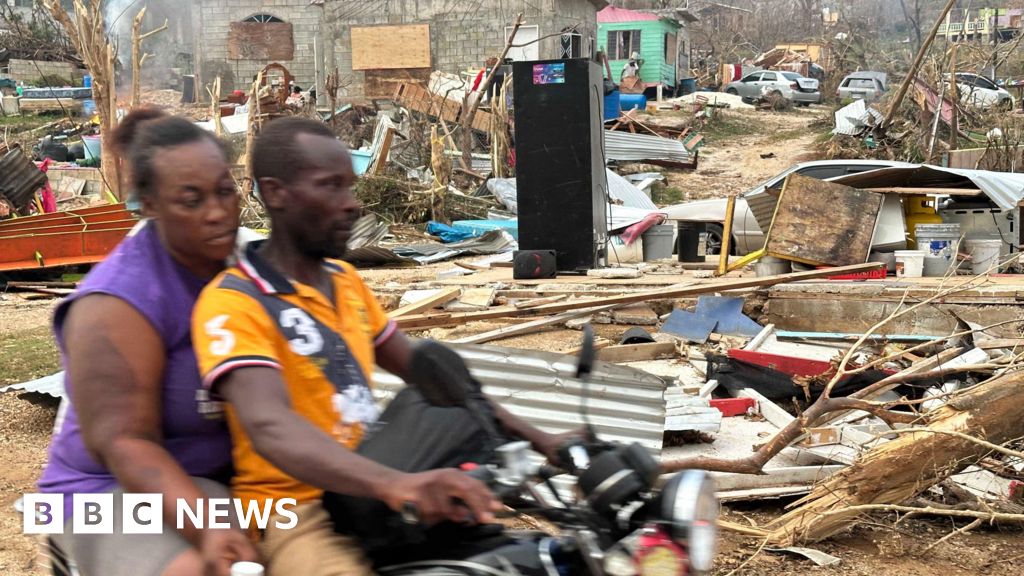
From the coastal town of Whitehouse in Westmoreland to the heart of rural farms, scenes of chaos and destruction dominate the landscape. The aftermath reveals piles of debris, mangled trees, and battered buildings that speak to the storm’s unrelenting power. Local authorities report that over 90% of homes have been destroyed in nearby St. Elizabeth, and communities are left in darkness—many without access to power, water, or communication networks. This emergency has prompted international aid efforts, with countries such as the United States deploying Disaster Assistance Response Teams and the United Kingdom pledging millions in relief. Yet, for thousands of Jamaicans, the immediate challenge remains: survival amid the ruins, with hope dwindling as frustrations mount.
The geopolitical impact of Melissa’s devastation extends beyond its immediate environmental consequences. It has laid bare the fragility of Jamaica’s infrastructure and the crucial need for sovereignty in crisis management. Prime Minister Andrew Holness has emphasized that priority must be given to clearing debris and restoring essential services—an effort impeded by blocked roads, inaccessible regions, and logistical hurdles. Meanwhile, the deployment of over 200 Starlink devices by the government signifies a step forward in bridging the communication gap, a vital move that highlights how international cooperation can serve as a lifeline during national emergencies. However, analysts warn that the true test lies in Jamaica’s capacity to maintain control over its own destiny amidst external aid, ensuring that aid reaches those most in need without becoming entangled in geopolitical interests.
Historians and international security experts point out that such natural disasters often catalyze broader political and societal shifts. While aid efforts are critical, the aftermath fuels a debate on whether Jamaica can build more resilient infrastructure or if it risks becoming increasingly dependent on foreign powers. As economist and geopolitical analyst Dr. Marcus Bennett notes, “It’s a stark reminder that sovereignty isn’t just contested in the realm of politics; it’s also forged in how a nation responds to nature’s fury.” The storm’s wrath could serve as a turning point—either galvanizing efforts toward greater self-reliance or exposing vulnerabilities that foreign players could exploit or influence. Such moments have historically redefined nations, and Jamaica now stands at a crossroads, with its future hanging precariously in the balance of resilience and external aid.
As the island continues its slow journey from despair toward recovery, the human spirit’s resilience shines through. Wounded communities, like that of Robert Morris, vow to rebuild despite losing everything, embodying a defiant hope that refuses to be extinguished. The narrative of this disaster remains unwritten, yet the weight of history presses heavily—doomsday warnings echo from the past about natural disasters catalyzing social upheavals or political realignments. As Jamaica walks this perilous path, the world watches—holding its breath as the product of countless choices, sacrifices, and struggles begins to shape the next chapter of Caribbean history. Whether the island’s sovereignty is preserved or further challenged, the unfolding saga of Melissa’s aftermath will be remembered as a stark testament to a nation’s relentless fight for survival in the eye of a relentless storm.