Matox News

Truth Over Trends, always!

Support Worker Fights to Get Paid Amid Disability Scheme Delays Hurting Youth Accessibility

Growing Delays in Access to Work Scheme Strain Disabled Communities

Recent reports indicate a concerning increase in delays to the Access to Work scheme, a government initiative designed to provide vital support for disabled individuals to participate fully in the workforce. These delays are not merely administrative hiccups but represent deeper societal challenges—hampering families’ economic stability, disrupting educational opportunities, and fragmenting communities intended to foster inclusion. As social commentators and sociologists warn, such setbacks threaten to undermine the very fabric of a society striving for equity and productivity.

The delays in processing leave many disabled people without the necessary assistive support, often for extended periods. This reality is painfully felt by families relying on these services; parents and caregivers find their children deprived of essential accommodations needed for learning and development. For many young people, especially those in educational institutions, such disruptions hinder their right to pursue an independent and fulfilling life. The societal implications are profound—when families are stretched thin trying to compensate for systemic failures, the community’s cohesion suffers and the promise of social mobility diminishes.

The social fabric of communities with high rates of disability is particularly strained as public institutions struggle to keep pace with the demand for support. Historians and social theorists have long observed that social issues rarely exist in isolation; rather, they compound, creating a cycle of disadvantage that affects not only individuals but entire neighborhoods as well. This phenomenon underscores the need for urgent reforms—streamlining administrative processes, increasing funding, and fostering a societal culture that values inclusive participation. Failing to act risks consolidating divisions, marginalizing those who are often already vulnerable.

Ultimately, these delays serve as a stark reminder of the ongoing moral and ethical challenge faced by society: to ensure that vulnerable populations are not left behind in the pursuit of economic growth. Social justice advocates emphasize that support systems like Access to Work are not optional but fundamental to realizing a truly equitable society. As the nation navigates these challenges, the hope remains that collective effort, compassionate policy reform, and societal awareness can turn setbacks into opportunities—transforming societal neglect into a renewed commitment to inclusion. If society can recognize and rectify these flaws, it may yet forge a future where no one is left to struggle in silence, and where every individual’s potential is celebrated as integral to the collective good.
AI in Breast Cancer Detection: Catching Early, Cutting Delays by 12%—A Win for Society

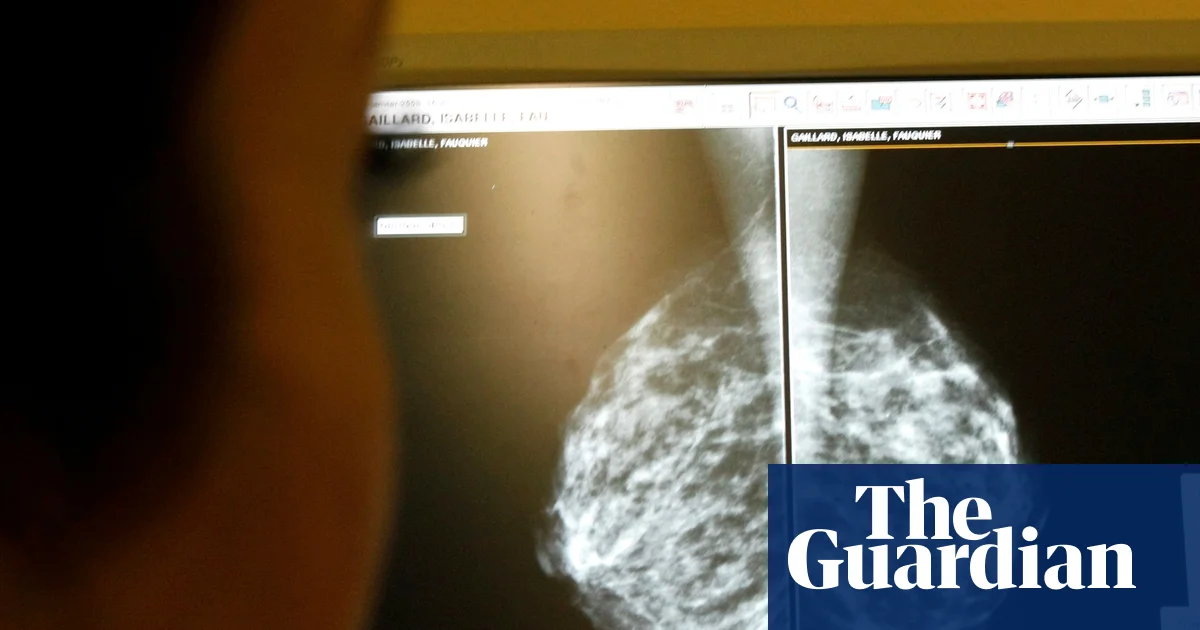
In an era marked by rapid technological advancements, the healthcare sector stands at a crossroads, where the integration of artificial intelligence (AI) promises to revolutionize traditional practices. A groundbreaking study published in The Lancet highlights how AI-supported mammography screening can significantly improve early detection and reduce the incidence of subsequent breast cancer diagnoses. This research, involving a vast cohort of 100,000 women in Sweden, offers a glimpse into a future where families, communities, and educational institutions could benefit from a more efficient and effective approach to combating one of society’s most daunting health challenges. The evidence suggests that when AI pairs with skilled radiologists, the potential to save lives and alleviate healthcare burdens grows exponentially.

  • AI-enabled mammograms resulted in a 12% reduction in breast cancer diagnoses in the years following screening.
  • Over 81% of cancers were detected at the screening stage with AI support, compared to 74% in traditional methods.
  • There was a 27% decrease in aggressive cancer subtypes, offering hope for less invasive treatments.

The societal ripples of these findings extend beyond immediate health outcomes. As social commentators and historians have noted, early detection technologies don’t merely save lives—they reshape perceptions of healthcare, challenge complacency, and redefine societal resilience. For families, this means less devastating news and a greater chance to plan for a future that includes more moments together. For educators and youth, the promise of integrated AI systems emphasizes the importance of STEM education, fostering a generation equipped not just to utilize, but to innovate in the face of complex social issues.

However, voices like Dr. Sowmiya Moorthie from Cancer Research UK urge caution, highlighting that AI should support, not replace, human judgement. As historians have shown, technological progress often carries social tensions, especially when it risks devaluing the human touch that is vital to healthcare. The challenge lies in implementing these innovations thoughtfully, ensuring continuous monitoring and regional adaptability—all while safeguarding the moral imperative to uphold human dignity and comprehensive care. As Dr. Kristina Lång from Lund University emphasizes, the cautious rollout is essential to maintain trust and effectiveness across diverse communities.

Ultimately, society’s journey toward integrating AI in breast cancer screening underscores a larger narrative: the need for equitable access, ethical oversight, and community engagement. When sociologists like Charles Murray or Ben Shapiro consider the implications of technological shifts, they highlight the importance of preserving societal cohesion amid rapid change. In a world where innovations offer hope, it is vital that families and communities remain at the heart of this transformation—ensuring that progress enhances human well-being without sacrificing the core values that bind us together. As society stands on the cusp of a new chapter, the challenge remains: to harness these technologies not just for efficiency but to foster a future where health inequities diminish and every individual has a fighting chance—for themselves, for their families, and for the society we all share.

Trump Threatens New Tariffs on South Korea Over Trade Deal Delays

Trump’s Tariff Brinkmanship: A New Chapter in Global Trade Relations

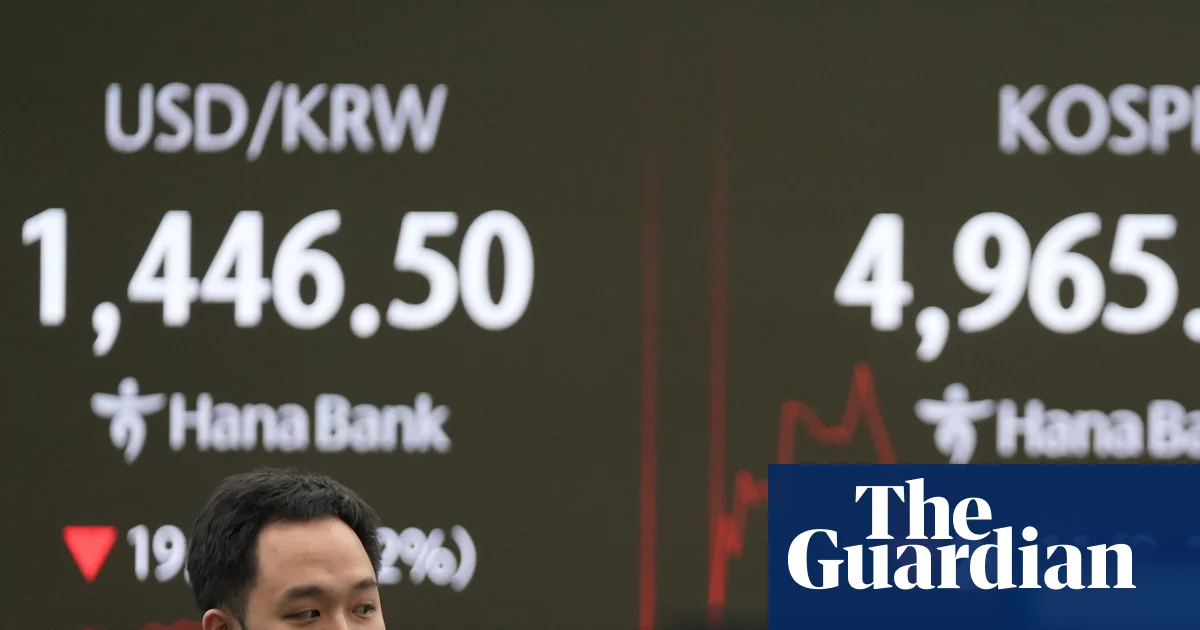
The United States under President Donald Trump has reignited tensions with its key allies by threatening significant tariff hikes on South Korea, threatening to reverse the gains from last year’s historic trade and security agreements. In a sharply worded social media post, Trump indicated that the tariffs on Korean exports would jump from 15% to 25%, citing the lack of parliamentary ratification of the deal as a pretext. While the US administration still has to formally initiate these measures, the move sent shockwaves through global markets and diplomatic circles, highlighting an aggressive stance that has become emblematic of Trump’s approach to foreign economic policy.

South Korea’s presidential office responded swiftly, stating it had not been notified of any impending tariff increase and planned to dispatch trade ministers to Washington for urgent talks. This diplomatic friction underscores a deeper discord over the status of last year’s agreement, which it claims was a mere memorandum of understanding rather than a binding treaty, thereby complicating its legal standing in Seoul. The dispute exemplifies how geopolitical decisions made in Washington directly impact South Korea’s industrial sectors, particularly automobile and pharmaceutical industries, which are vital to the nation’s economy. Historically, analysts emphasize that such tariffs pose a dual threat: they jeopardize economic stability and could lead to a wider ripple effect destabilizing the regional balance of power.

Broadening the Scope of Trade Warfare

  • Since re-electing the aggressive trade policies, Trump has issued threats to multiple trading partners, including Canada and various European nations.
  • He proposed a 100% tariff on goods crossing the US-Canada border, a move aimed at intimidating Canada as it explores a new trade deal with China.
  • Earlier in January, Trump threatened to impose tariffs on European nations over a proposed purchase of Greenland, though these threats have since been rescinded amid international backlash.

International organizations, such as the World Trade Organization (WTO), have expressed concern over these volatile tactics, which risk undermining the post-World War II global trading system rooted in stability and predictability. Economists warn that Trump’s use of tariffs as leverage, often seemingly impulsively, injects an unprecedented level of uncertainty into international markets. The Atlantic Council‘s Josh Lipsky pointed out that recent actions are a clear indication of growing impatience among US policymakers, with the volatility alone imposing significant costs across global markets.

Impacts on Global Geopolitics and Society

This relentless brinkmanship reflects a broader shift in international relations, where economic disputes are increasingly intertwined with geopolitical strategy. As the US demonstrates a willingness to impose unilateral tariffs to punish allies and enemies alike, it signals a departure from traditional multilateral diplomacy. The ripple effects extend far beyond trade numbers, affecting national security alliances, regional stability, and societal welfare. Countries like South Korea now face the dual challenge of safeguarding their economic interests while navigating an increasingly unpredictable global landscape—a scenario that history warns could lead to lengthy conflicts with long-term repercussions.

History scholars observe that recent precedents—such as the Smoot-Hawley tariffs of the 1930s—remind us how protectionist measures can deepen global economic downturns and foster international discord. As the world watches, it remains uncertain whether this volatile phase will mark a turning point toward renewed cooperation or a descent into protracted trade wars that threaten the fabric of global stability. The unfolding decisions and reactions today may well define the geopolitical landscape for decades to come, leaving a legacy etched into history’s cumulative story of conflict and resilience.

England's hospitals brace for risky winter surge amid discharge delays
England’s hospitals brace for risky winter surge amid discharge delays

Overcrowded Hospitals and Social Failures in England’s Healthcare System

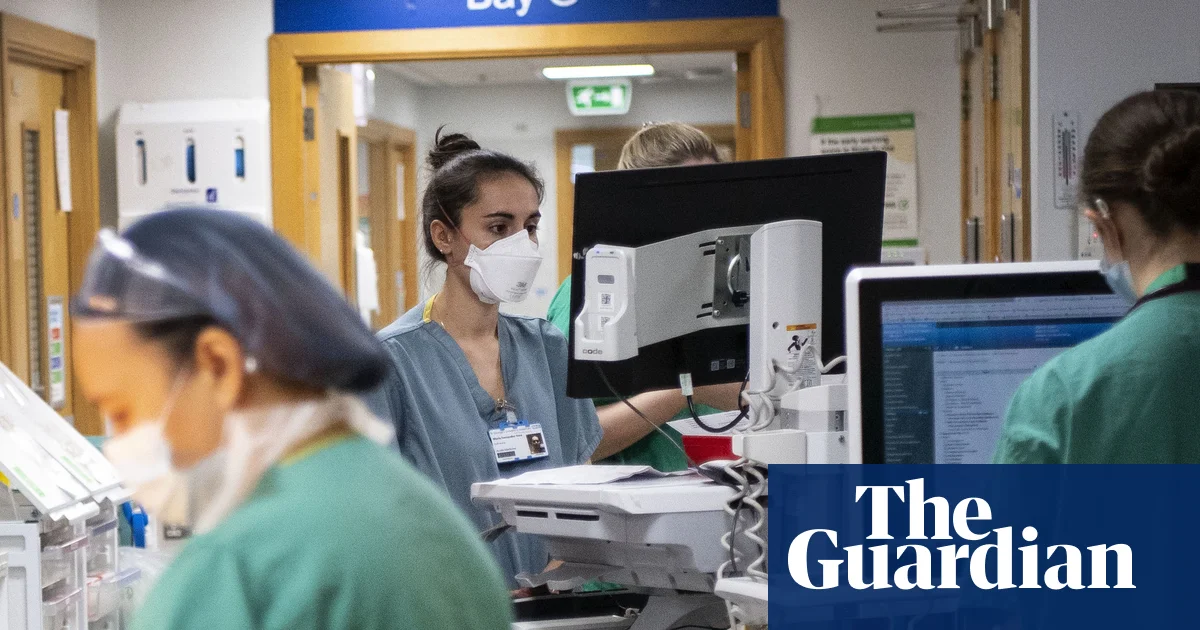
As the winter chill sets in across England, alarming headlines reveal a healthcare crisis that threatens the very fabric of our communities. Hospitals are grappling with unprecedented overcrowding, driven in part by an increase in acute illnesses like the seasonal flu. Analysis from the Health Foundation shows that the number of patients delayed in discharges has risen sharply, with nearly 19,000 more bed days lost this year compared to the same period last year. This situation magnifies societal and familial strains, as families face longer waits with loved ones in incapacitated health, and communities bear the brunt of the faltering social safety net.

At the core of the crisis lies a complex web of social issues—primarily the chronic shortage of social care and community support—exacerbated by fiscal austerity measures and demographic shifts. The ageing population and extended life expectancy, while victories of modern medicine, have paradoxically created new challenges. Senior doctors, including Dr. Vicky Price, warn that these persistent bed shortages will inevitably lead to preventable deaths, casting a shadow over the moral fabric of the NHS. Rates of delayed discharges, where patients deemed medically fit-to-leave remain hospitalized due to lack of social care, have created bottlenecks that ripple through emergency services, leading to ambulance queues, overcrowded emergency rooms, and longer wait times. By focusing on these issues, sociologists like Dr. Robert Putnam argue that societal cohesion and moral responsibility toward vulnerable populations are under threat as these healthcare failures deepen.

Moreover, the ramifications extend beyond hospitals into families and local communities. Children with sick or elderly relatives are often caught in the turmoil, witnessing loved ones stuck in limbo amid unending waits and fractured social support. The financial toll on families unable to access adequate care at home compounds their difficulties, further straining social cohesion. The moral question arises: how can society claim to prioritize the wellbeing of its most vulnerable when systemic failures compromise the dignity and safety of all? The social fabric frays as hospitals reduce capacity in response to financial cutbacks—partly a calculated response to austerity policies—and as neglect of social care infrastructure leaves families with no options but to endure prolonged crisis. According to the Royal College of Emergency Medicine, nearly 17,000 avoidable deaths last winter were attributed to these delays, underscoring the tragic human cost of inadequate social foresight.

Despite government claims of proactive measures, the reality remains bleak. Efforts to ramp up vaccination and streamline hospital operations are commendable but insufficient to address the underlying social failures. As Rory Deighton of the NHS Confederation highlights, “delayed discharges have been a longstanding challenge,” and without significant investment in social care, the cycle of overcrowding and preventable death will persist. Sociologists and social commentators emphasize that true progress hinges on restoring the social contract—rebuilding the capacity of communities to care for their own—before hospitals become more crowded with preventable tragedies. As society stands at this crossroads, the hope resides in recognizing that social wellbeing is the foundation of national resilience. Only by addressing these interconnected issues—social, economic, and moral—can we strive toward a future where healthcare is a promise fulfilled, not a broken vow left for families to bear.”

No 10 delays four England mayoral votes, sparking claims of undermining democracy

Society Reacts to Postponement of Key Local Elections in England

The recent decision by the government to delay mayoral elections in four regions of England—namely Greater Essex, Norfolk and Suffolk, Hampshire and the Solent, and Sussex and Brighton—has ignited a firestorm of controversy. Originally scheduled for this year, these elections have been pushed back until 2028, ostensibly to allow more time for local government reorganization. Critics, however, argue that this move is less about administrative efficiency and more an overreach that undermines democratic principles. The postponement threatens to disenfranchise approximately 7.5 million voters, raising serious questions about the integrity of local governance and the foundational right to democratic participation.

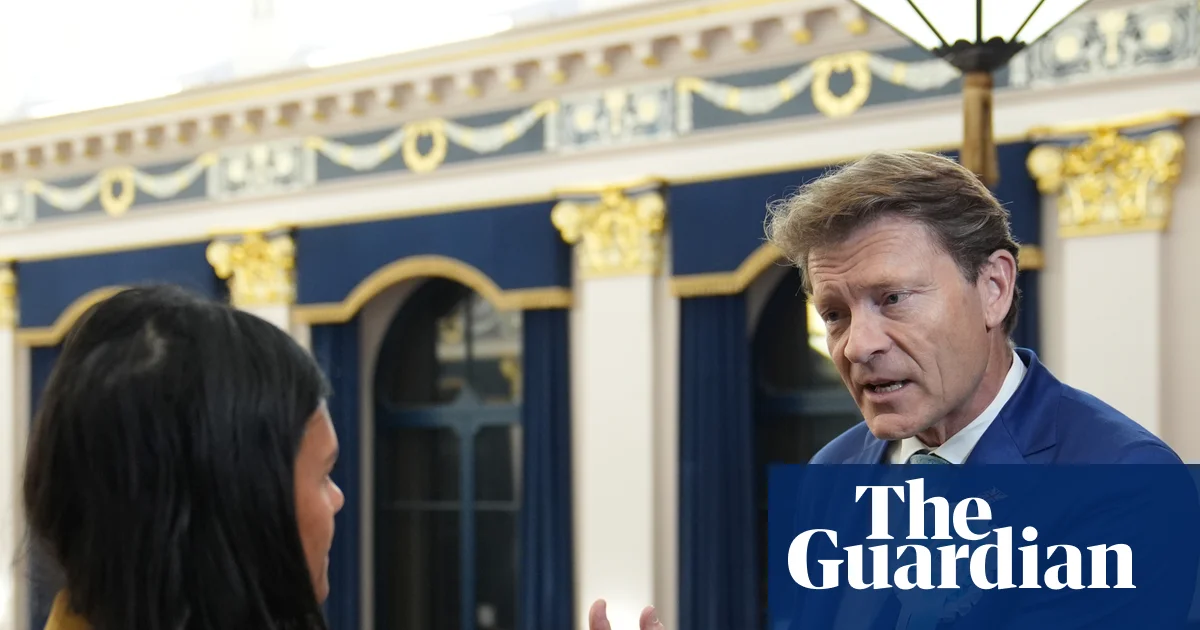
Social commentators, including sociologists and historians, express concern that such postponements could set a dangerous precedent for the erosion of democratic accountability. They warn that in societies where local elections are deferred or canceled, it often signals a drift towards authoritarianism or at least an undermining of the collective voice. Opposition parties, such as the Liberal Democrats and Reform UK, have condemned the move as a blatant attempt by the ruling Conservative government to hijack the democratic process. Richard Tice, Reform UK’s deputy leader, likened the cancellation of elections to practices seen in dictatorial regimes, asserting that “7.5 million people are now going to be denied the opportunity of voting in mayoral elections.” This rhetoric underscores the fears that such delays may further polarize communities and weaken the social fabric that holds them together.

At the heart of this debate is the impact on families, local communities, and the quality of education. Many argue that postponing elections disrupts community engagement and stifles voices, especially as the government claims the delays are necessary for “getting it right,” yet critics contend that the true motivation is political self-preservation. Meanwhile, the moral and human implications of this delay are profound: it deprives residents of the opportunity to shape policies that directly affect their livelihoods, from education funding to social services. As *sociologists like Seymour Martin Lipset* have noted, “democracy involves not just the process of voting but the ongoing engagement and empowerment of communities.”

  • Postponement affects approximately 7.5 million voters
  • Delays aim to facilitate local government reorganization
  • Opposition parties argue it undermines democratic rights
  • The move coincides with a surge in Reform UK’s local electoral success

As society grapples with these challenges, the overarching question remains: will democracy’s voice be silenced in the pursuit of political expediency, or will communities find renewed strength to demand accountability?

In the silent corridors of local councils and in the bustling streets of communities left waiting, the answer will decide the moral compass of the society we are forging. Society stands at a crossroads—where the true measure of a nation’s strength is not in its institutions alone but in the resilience of its families and the hope that even in the darkest hours, transformative change can be born from the collective will of its people.

Doctors warn NHS test delays threaten hundreds of thousands in England

UK Healthcare Crisis: Widespread Test Delays Threaten Patient Outcomes

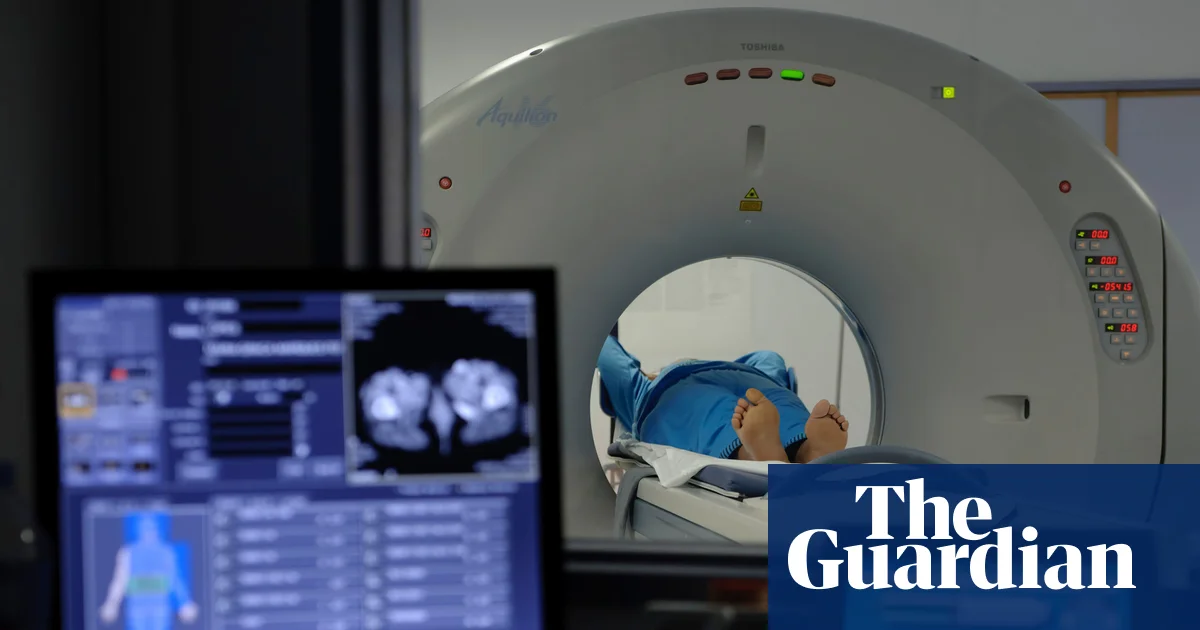
The United Kingdom currently faces a troubling healthcare crisis that underscores the cracks in its once-lauded National Health Service (NHS). According to recent data analyzed by the Royal College of Radiologists (RCR), nearly 400,000 patients—specifically 386,849 in September—are waiting more than six weeks for essential diagnostic tests such as CT scans, MRIs, ultrasounds, and other critical assessments needed to identify life-threatening conditions. These delays are more than mere inconveniences; they pose genuine risks to patient health, with some potentially facing preventable deaths due to late diagnoses.

This crisis is further compounded by official targets set by NHS England, which aims to limit waits of over six weeks to less than 20% of all patients by 2027. Yet, as the Royal College reports, nearly half (46%) of trusts are failing to meet even this reduced benchmark, highlighting a healthcare system in crisis. With many hospital trusts unable to meet their own standards since 2015, the delays reflect deeper systemic issues—including chronic radiologist shortages and inadequate healthcare funding—further exacerbating a situation where timely diagnosis can mean the difference between life and death. As Dr. Stephen Harden, president of the RCR, emphasized, “Any delay to accessing treatment can worsen health outcomes and even lead to preventable deaths.”

Broader Implications: How Internal Failures Signal Geopolitical Consequences

The unfolding UK healthcare crisis has judged the nation’s social and political fabric as fragile, while casting a shadow over the government’s reputation and impacting societal trust. International observers, including global health analysts and historians, warn that such systemic failures are indicative of larger governance issues. The Department of Health and Social Care claims to have inherited a “broken NHS” but asserts that recent reforms and investments—albeit insufficient—are turning the tide. Nevertheless, critics and independent organizations such as the Institute for Fiscal Studies have cast doubt on future promises, especially their bold pledge to restore an 18-week maximum waiting period for hospital care by 2029—a goal increasingly viewed as overly optimistic given the persistent backlog.

These internal failures do not exist in isolation; they ripple into the international arena by affecting the UK’s standing as an advocate for health security and stability. As population health declines due to untreated diseases, the United Kingdom’s influence wanes. Furthermore, the ongoing healthcare quandary underscores the critical importance of not only military and economic strength but also resilient public health systems—an insight that international point-men like the World Health Organization recognize, especially amidst emerging global health threats.

Historical Context and Future Outlook

Medical historians often cite the UK’s NHS as a beacon of socialized medicine, but recent trends demonstrate that even the most revered institutions are susceptible to resource misallocation and political neglect. This crisis reflects a broader tale of national priorities shifting away from patient-centered care toward bureaucratic and financial constraints. As analysts observe, if the UK’s healthcare system continues to falter, it risks becoming a cautionary tale of social decline, with its societal fabric unraveling under the weight of unmet needs and lost trust.

The warnings issued by think tanks and independent analysts point toward an ominous future where the repercussions of delayed diagnoses and inadequate treatment could escalate into a broader humanitarian catastrophe. The fight for better healthcare is now intertwined with national sovereignty, economic stability, and international influence. As Britain grapples with internal failures, the pressing question remains: how will history judge this chapter—whether as a moment of decline or a catalyst for reform? The answer lies just beyond the horizon, waiting to be written in the blood and resilience of a nation at a crossroads, teetering on the brink of an uncertain future, where the weight of mounting failures drags the last remnants of trust into an uncertain abyss.

Staff shortages from government shutdown hit US airports, causing delays for travelers

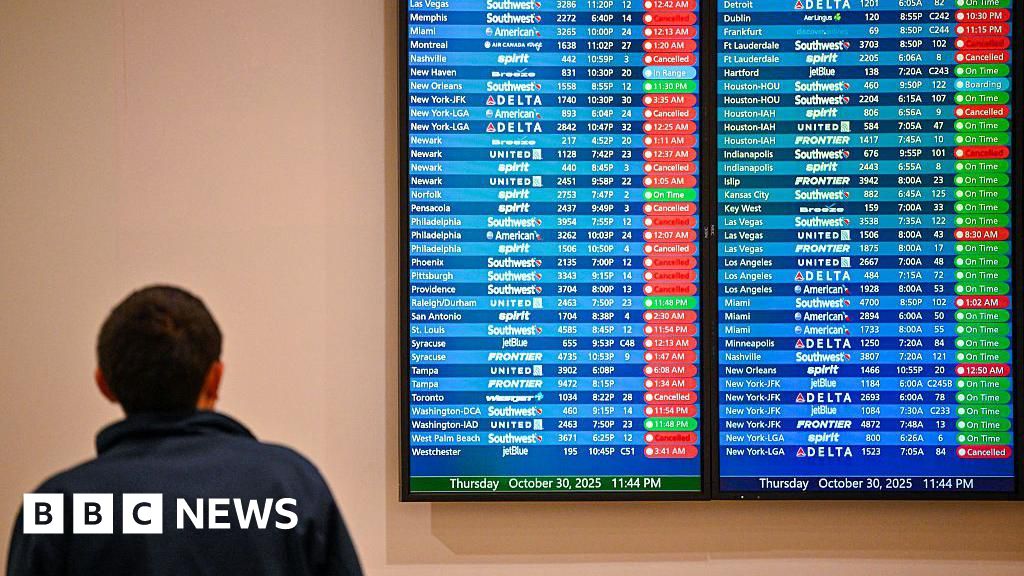
The ongoing United States federal government shutdown has precipitated a crisis extending far beyond Capitol Hill, revealing vulnerabilities in America’s critical infrastructure, notably its aviation sector. With nearly 13,000 air traffic controllers working without pay, widespread delays and cancellations have become the new norm at major hubs like Newark Airport. On Sunday morning alone, a ground stop was issued at one of the country’s busiest airports, exemplifying the severity of staffing shortages that threaten both safety and economic stability. According to the Federal Aviation Administration, approximately half of the 30 major US airports are experiencing significant staff deficits, as controllers grapple with the ethical dilemma of working unpaid versus risking safety. This situation underscores a broader systemic failure that has alarmed not just domestic observers but international stakeholders tracking the stability of global air traffic flow.

Officials, including Transportation Secretary Sean Duffy, have issued stark warnings over the potential fallout: “Flights will be canceled across national airspace to ensure safety,” he declared. The FAA has resorted to restricting flight traffic to mitigate risks associated with an overburdened and underpaid workforce operating under extreme stress. Analysts warn that the consequences of this shutdown extend beyond the skies, disrupting commerce, tourism, and international diplomacy. Flight data from Saturday showed over 4,500 delays within the US and more than 500 cancellations, illustrating how delinquent internal governance directly impacts global connectivity. This crisis is unfolding at a pivotal moment, raising urgent questions about the capacity of American institutions to maintain their global leadership role amidst internal chaos.

International organizations and geopolitical analysts emphasize that US stability is crucial to the global balance of power. As the world navigates complex geopolitical shifts, turmoil within the US government sends ripples through alliances and economic networks. Here, the failure of bipartisan negotiations over budget appropriations not only exposes domestic political fragility but also fosters uncertainty for allies and adversaries alike. The inability of lawmakers to compromise, as Democrats demand extensions of tax credits and reversal of Medicaid cuts, highlights a deeper conflict over the nation’s future direction. Many experts warn that such dysfunction, if prolonged, could diminish the nation’s soft power and challenge its role as the world’s economic anchor, fostering an environment where authoritarian regimes might seek to exploit American vulnerabilities to reshape the geopolitical landscape in their favor.

Historians and international analysts warn that this internal chaos could serve as a precursor to larger unravelings, as the US faces rising challenges from rising powers such as China and Russia. The decision-making paralysis at the federal level exemplifies a fragile democracy strained by internal divisions, threatening to weaken the safeguards that underpin global stability. The implications for societies worldwide are profound: economic disruptions cascade into social unrest, migration crises, and a newfound uncertainty about the future. As history continues to be written amidst this chaos, the world watches intently, acutely aware that the unfolding crises in America may well influence the course of global history for decades to come. Will this rising tide of internal disintegration force a reevaluation of American supremacy, or will resilience emerge from the crisis? The answer remains unwritten, but the weight of history presses heavily on today’s shoulders.

Gaza Kids Suffer Amid Delays in Evacuation Blink—Israel Under Pressure

The Human Toll in Gaza: A Cry for International Action

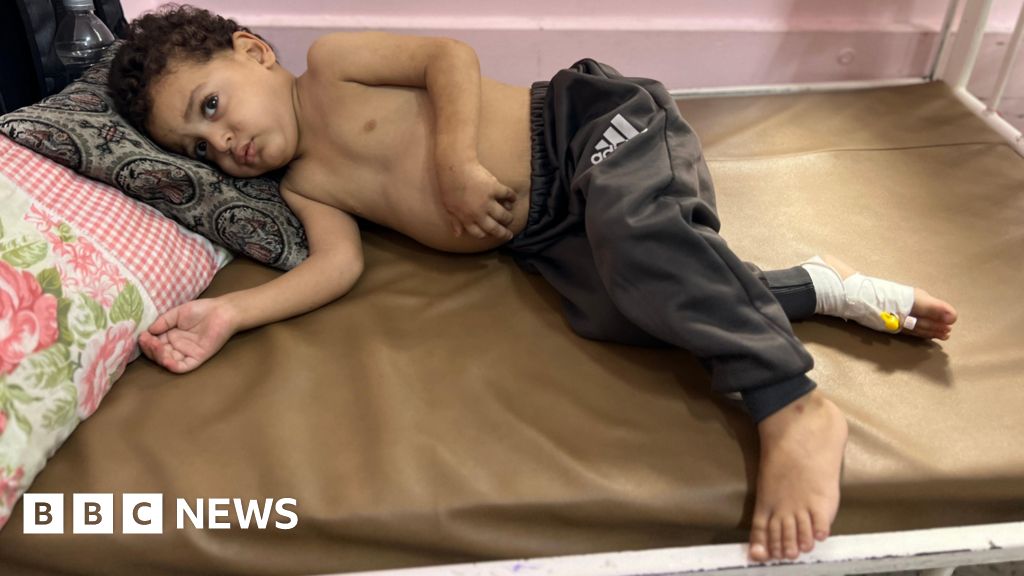
Amidst the fragile ceasefire in Gaza, the true magnitude of the humanitarian crisis remains painfully visible. Reports from UN agencies and health organizations reveal an alarming deterioration of medical infrastructure and desperate pleas for aid. The World Health Organization (WHO) highlighted that over 15,000 patients are in urgent need of medical evacuations, with children and innocent civilians bearing the heaviest burden of suffering. Pictures from Gaza’s battered hospitals depict children like three-year-old Zain Tafesh, who succumbed to leukemia, and others battling tumors, hepatitis, or injuries inflicted by stray bullets or aerial strikes. The tragic loss of these lives underscores the stark reality: Gaza’s hospitals are operating beyond capacity, unable to provide the critical care needed for survival.

Geopolitical Stalemates and the Impact on Humanity

The core issue fueling this humanitarian disaster is the prolonged blockade and political impasse that continues to choke Gaza’s borders. Despite the ongoing ceasefire, .Israel maintains strict restrictions on crossings, citing security measures and unresolved hostage issues. Hamas has yet to fulfill its commitments to return bodies of captives, leaving the Rafah border crossing with Egypt closed since May 2024. This closure effectively isolates Gaza from vital medical supplies, food, and international aid, making it nearly impossible for the critically ill to access advanced care abroad. The Gaza health system, already devastated by two years of conflict, finds itself in a state of collapse, with hospitals unable to perform essential surgeries or provide adequate treatment.

Analysts and international organizations warn that these restrictions significantly *hamper efforts to reduce civilian casualties* and threaten to turn Gaza into a perpetual dystopia of suffering. Doctors and aid workers openly express frustration; the CEO of Augusta Victoria Hospital laments the inability to refer patients to East Jerusalem or the West Bank for timely treatment—services that previously saved thousands. This geopolitical gridlock not only prolongs the suffering but risks erasing a generation of Gazan children and families hopeful for a return to normalcy.

International Response and the Call for Change

Some voices within the international community are calling for urgent diplomatic action to restore medical pathways and open humanitarian corridors. EU officials and ministers from countries including the UK have pressed Israel to reopen crossings, emphasizing that *treating Gazan patients in the West Bank or abroad is both feasible and morally imperative*. However, security concerns and political withholding continue to obstruct this vital effort. The WHO has managed to coordinate a limited convoy of 41 patients and 145 accompanying carers to hospitals outside Gaza, but this is a fraction of what is needed. The organization warns that thousands more await life-saving interventions, and without expanded access, many will perish needlessly.

Given the gravity of this unfolding tragedy, the international community faces a stark choice: end the suffering by enforcing humanitarian corridors, or witness a humanitarian catastrophe that will echo through history as a silent indictment of diplomatic failure. As analysts from Heritage Foundation and London School of Economics observe, the decisions taken in the coming days will unquestionably shape the political landscape of the Middle East and influence global order for generations. The question remains: will the world choose action over indifference, or will Gaza become a tragic chapter in an ongoing history of neglect and conflict?

Conclusion: The Unfolding of a Humanitarian Crisis

The weight of history presses heavily on these present moments. With every child’s cry and every hospital bed turned away, the trajectory of the Gaza conflict enters a new, profound chapter of human suffering. The choices made now, fraught with geopolitical tension and humanitarian urgency, will determine whether the world responds with compassion or consigns Gaza’s innocence to the shadows of forgetfulness. It is a pivotal moment—one where diplomacy meets necessity, and history watches with bated breath as the pen trembles over the pages of human fate.

Social Media Auto Publish Powered By : XYZScripts.com