Matox News

Truth Over Trends, always!

China steps in as peace broker in Iran conflict—will they deliver?

In a noteworthy development on the international diplomatic stage, China has signaled a significant shift towards promoting peace and dialogue amid ongoing global tensions. According to statements released by the Chinese Foreign Ministry, high-level officials have embarked on “new efforts” aimed at fostering diplomatic solutions to regional conflicts. This move comes after months of escalating tensions in various flashpoints across Asia and beyond, where military posturing and economic sanctions have heightened fears of broader confrontation. The joint diplomatic efforts underscore a strategic pivot that could influence the future of geopolitical stability, particularly in areas prone to conflict escalation.

The joint statement issued by China and its counterparts emphasizes that “dialogue and diplomacy are the only viable options to resolve conflicts.” This declaration highlights a deliberate attempt to recalibrate previous assertive postures, especially regarding control of vital waterways such as the Strait of Taiwan, the South China Sea, and other key maritime arteries. The statement also called for the protection of these waterways, emphasizing their international significance and potential as flashpoints for future confrontations. Such rhetoric is a deliberate contrast to earlier assertiveness, signaling that China may be seeking to reframe its image as a responsible global stakeholder and peace advocate, even as its actions remain closely watched by rival powers.

International analysts, including senior analysts from the International Crisis Group and historians specializing in Asian geopolitics, evaluate this diplomatic shift with cautious optimism. They emphasize that “while rhetoric may be evolving, the geopolitical landscape remains fragile.” They warn that permanent peace hinges not only on words but on tangible actions, including mutual de-escalation, respect for international treaties, and safeguarding vital communication channels among global powers. The recent statements are viewed by many as a calculated move by China to demonstrate its willingness to cooperate amidst mounting pressures from the United States and regional allies. However, whether this marks a genuine turn toward peace or merely a temporary diplomatic façade remains uncertain—an ambiguity that leaves the world’s security outlook hanging in the balance.

This diplomatic development arrives against a backdrop of a rapidly shifting geopolitical climate, where conflicts are increasingly intertwined with economic competition, technological rivalry, and ideological disputes. The decisions taken today will undoubtedly influence not only bilateral relationships but also global stability, affecting nations’ security, trade, and societal peace. As U.S. officials and European allies monitor China’s diplomatic moves, the world watches with bated breath for indications of whether this was merely a pause or the beginning of a genuine détente. The weight of history looms, reminding all that the true test lies ahead: can words be translated into lasting peace, or will the current moment serve as another fragile chapter in an enduring saga of international discord?

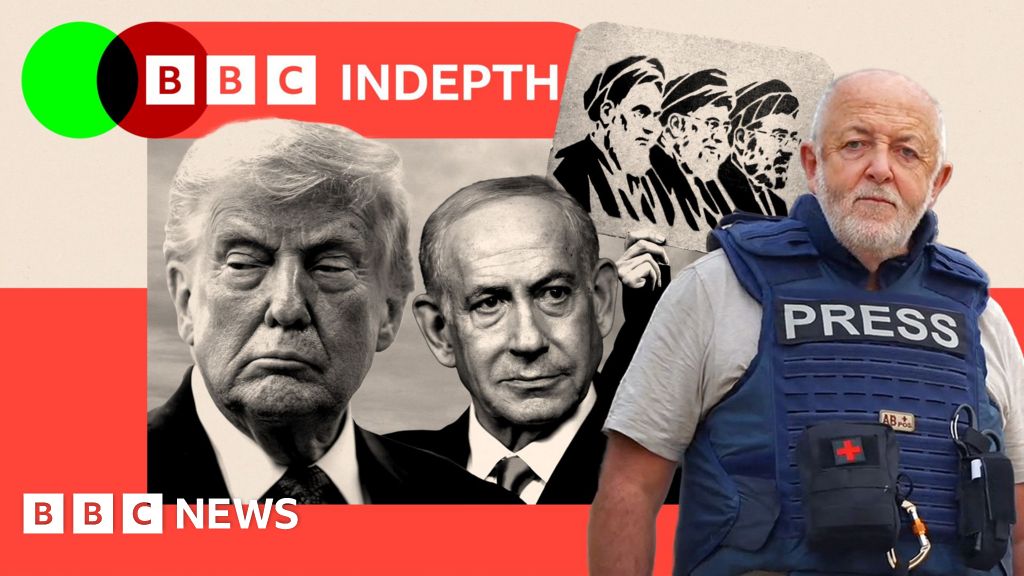
Trump’s Gut-Driven Tactics Fail to Deliver

One month into the escalating conflict in Iran, the international community is observing a critical turning point that could reshape regional stability and global power dynamics. Under the shadow of widespread protests and a challenged government, President Donald Trump’s reliance on a gut-instinct approach to policy is increasingly coming into question. Analysts caution that traditional methods might lack the necessary precision and strategic foresight required in a volatile geopolitical environment, especially amidst the complex history of Iran’s resistance to external influence and internal upheaval.

Multiple events over the past month have underscored the limitations of reactive diplomacy in the ongoing crisis. The Trump administration’s emphasis on swift, decisive action—often driven by instinct rather than coordinated strategy—has faced mounting skepticism from foreign policy experts and international organizations. The U.S. State Department and Congress are now debating the effectiveness of sanctions, military posturing, and diplomatic isolation — efforts that have so far failed to stem the unrest or foster meaningful negotiations. Meanwhile, regional powers such as Saudi Arabia and Israel monitor developments closely, wary of a potential power vacuum that could embolden Iran’s adversaries or destabilize the Middle East further.

The geopolitical impact of these shifting strategies extends beyond the Middle East, with analysts warning that decision-makers worldwide need to recalibrate their approach to crisis management. International institutions, including the United Nations, have called for renewed dialogue and restraint, yet the lack of unified action highlights a growing confidence gap among global powers. Historians point to past conflicts where reactive policies—often motivated by domestic political pressures—resulted in prolonged instability rather than resolution. Today’s scenario presents a stark reminder of how short-term instincts can undermine long-term peace efforts and deepen divides among nations.

  • Efforts to impose targeted sanctions on Iranian leaders and key institutions have yet to quell the protests or address underlying grievances.
  • The possibility of military interventions looms, but experts warn such actions could escalate into wider regional conflicts with unpredictable consequences.
  • Diplomatic negotiations remain stalled, with neither side willing to compromise or engage in meaningful dialogue.
  • International organizations call for a de-escalation, but their influence is limited without a cohesive strategy rooted in long-term stability rather than reactive measures.

As the crisis evolves, the stakes for global security are immense. Historians and analysts warn that blindly reacting to developments without a comprehensive understanding of Iran’s internal dynamics risks a spiraling conflict that could destabilize the broader Middle East, disturb global energy markets, and challenge the very fabric of international diplomacy. How world leaders respond in the coming days will determine whether this chapter of unrest becomes a catalyst for reform or a catalyst for chaos. As history continues to be written, the weight of these decisions will echo through generations, revealing whether they committed to foresight or succumbed to instinctual impulses — an enduring testament to the importance of strategic wisdom in navigating the uncertain waters of geopolitics.

Rising Stars Shine: Youth League Championships Deliver Thrilling Matches

Newcastle vs. Barcelona: A Heart-Wrenching Draw

In a gripping encounter that showcased the best of both clubs, Newcastle United fell victim to a last-minute penalty by Lamine Yamal in their UEFA last-16 clash against Barcelona. As the final whistle blew, the scoreline sat at 1-1—a result that left the Magpies with a bitter taste in their mouths. Midfielder Harvey Barnes expressed his frustration, stating, “It was really hard to take,” encapsulating the emotional rollercoaster that fans and players alike experienced during this electrifying match.

The drama unfolded at St. James’ Park, home to the unwavering supporters of Newcastle, who were treated to an evening of high stakes and nail-biting action. With mere seconds left on the clock, Yamal’s skillful maneuver in the penalty area sealed a fate that felt all but avoided. Prior to that, a stunning strike from Callum Wilson had given the home side an early lead, one that they fought hard to protect, displaying commendable defensive solidarity.

Despite being under immense pressure, the Newcastle defense held strong, and goalkeeper Nick Pope delivered several key saves that kept the home side in contention. However, Yamal’s late penalty disrupted what had been a masterclass in resilience. Commentators noted that while the Magpies had much to be proud of, moments like these underscore the fine margins that define knockout football.

  • Callum Wilson opened the scoring for Newcastle with a phenomenal goal.
  • Nick Pope recorded multiple crucial saves that held off the Barcelona attack.
  • Lamine Yamal’s penalty equalizer came in the dying seconds, changing the course of the match.

This clash between Newcastle and Barcelona transcended mere statistics and standings; it served as a reminder of the power of sports to unite. As teams gear up for the second leg, anticipation hangs thick in the air, proving that triumphs and setbacks alike are woven into the rich tapestry of the game. In moments like this, it becomes evident that sports are not just about wins and losses; they forge bonds between players, clubs, and fans, reminding us of our shared love for the beautiful game.

Source link

Minns Government's Overreach: Protest Restrictions Fail to Deliver, Constitutional Challenge Reveals | NSW
Minns Government’s Overreach: Protest Restrictions Fail to Deliver, Constitutional Challenge Reveals | NSW

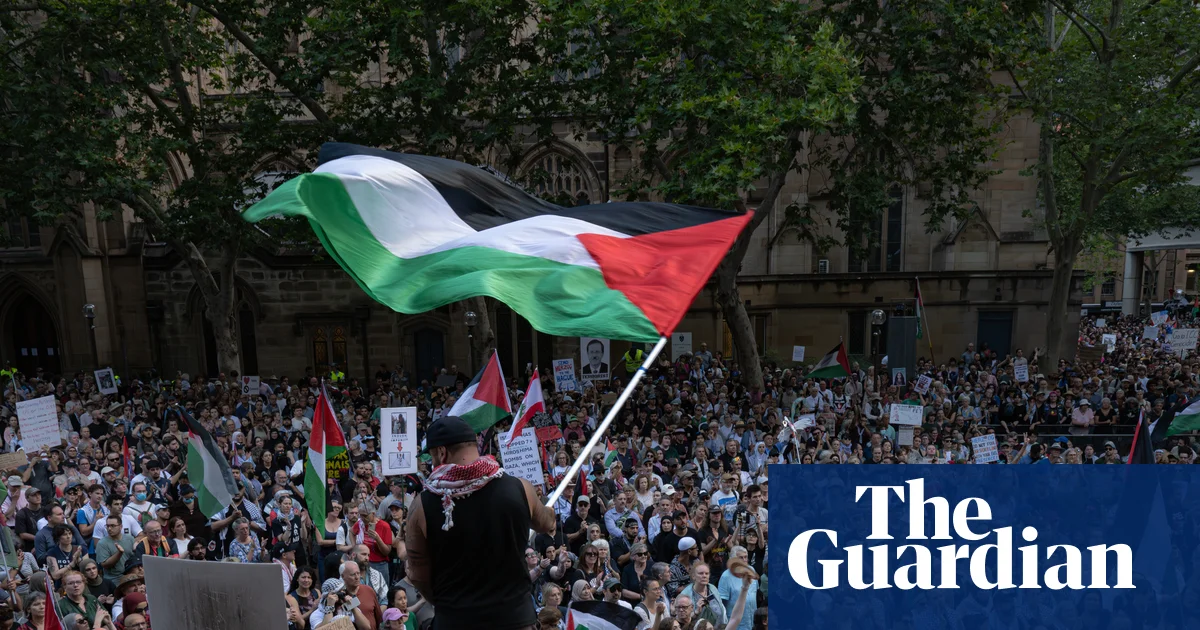
Australia finds itself at a critical crossroads as new legislation aimed at curbing protests in Sydney’s CBD is challenged in court, reflecting larger global debates about security, civil liberties, and social cohesion. The NSW government’s recent anti-protest law—enacted in response to a terrorist incident at Bondi—restricts the use of the Form 1 system, a legal tool historically employed to facilitate peaceful demonstrations and negotiate between protesters and authorities. However, critics argue that these measures threaten the very fabric of democratic expression and impose unjust limits on constitutional freedoms.

Legal representatives for groups including the Blak Caucus, Palestine Action Group (PAG), and Jews Against the Occupation ’48 appeared before the court, asserting that the law “impermissibly burden[s] the implied constitutional freedom of communication” essential to political discourse. Lawyer David Hume SC questioned the legitimacy of targeting protests to “enhance social cohesion,” alleging that such restrictions are not only unnecessary but also counterproductive. His argument underscores a broad concern among civil libertarians and international observers that the law mirrors policies seen in other regions where governments leverage security rhetoric to suppress dissent.

The NSW police have extended the public assembly restriction multiple times, citing unspecified community safety concerns rather than concrete intelligence. Such measures effectively prohibit protests in designated areas, including the recent rally against Israeli President Isaac Herzog’s visit, which turned violent. This pattern of enforcement raises alarms about the erosion of democratic rights during a period of heightened political tensions. Critics argue that the restrictions amount to a “fox guarding the henhouse,” allowing authorities to unilaterally decide which protests are permissible, thus undermining checks and balances that should safeguard democratic liberties.

Geopolitical Impact and Society

The implications of Australia’s approach extend beyond domestic borders, influencing regional stability and global perceptions of governance. International organizations and security analysts observe that laws labeled as “anti-terror” often serve as pretexts to consolidate executive power and silence opposition. Historically, countries that prioritize security over civil-liberties risk sowing social discord and fostering perceptions of authoritarian drift. In Australia, this has prompted scrutiny from historians and political analysts who warn that persistent restrictions on protest could lead to long-term societal fractures and loss of public trust in institutions that are supposed to protect democratic rights.

The debate over the legislation also mirrors larger geopolitical dynamics—particularly in the context of Australia’s alliances and regional role. While the government asserts the measures are necessary to combat extremism and maintain social order, critics warn these policies could backfire, fueling resentment and radicalization among marginalized communities. International institutions, such as the United Nations, have historically cautioned against overly broad security measures that infringe on fundamental freedoms—warning that societies risking this balance might ultimately weaken their social cohesion rather than enhance it.

As the court case unfolds, so too does the broader narrative of a nation grappling with its identity—ballasted by the weight of its history of protest and activism. Historians highlight that every attempt to silence dissent often echoes through generations, shaping perceptions of justice and freedom. The verdict in this case will inevitably influence future legislation, testing the resilience of Australia’s democratic principles. Like a shadow cast by history’s unfolding tapestry, the outcome of this legal challenge could determine whether the nation marches toward greater liberty or into the muted silence of authoritarian conformity—leaving the world contemplating the true cost of security in a fragile society.

Can Bangladesh's new leader deliver real change after the decisive election win?
Can Bangladesh’s new leader deliver real change after the decisive election win?

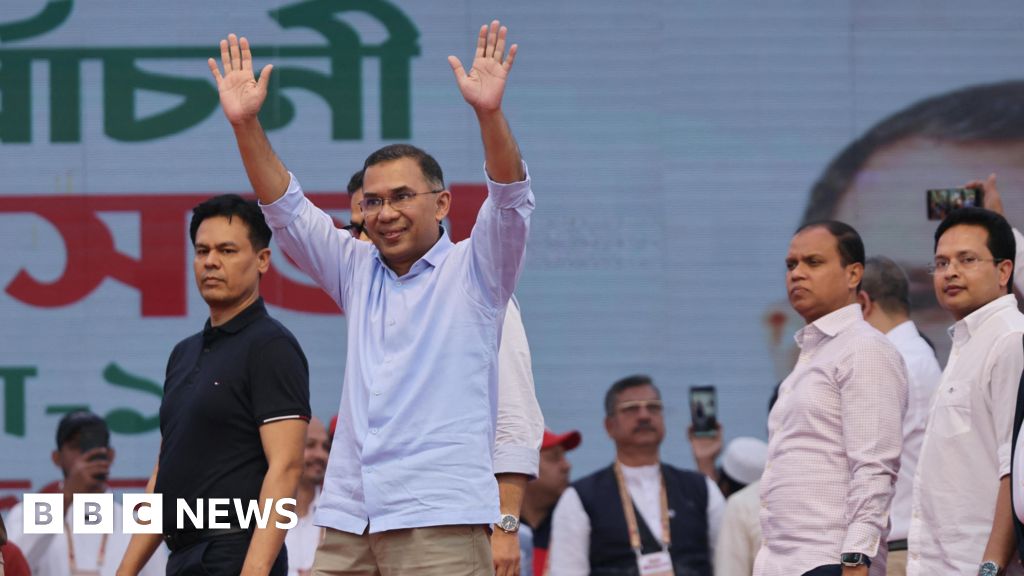
In a significant development unfolding in Bangladesh, Tarique Rahman is poised to assume the position of prime minister, just 18 months after a wave of mass protests led to the ousting of the nation’s longest-serving leader. This political shift signals not only a change in leadership but also a potential realignment of regional influence and domestic policy direction, with profound geopolitical implications for South Asia. As analysts scrutinize the unfolding scenario, the global community observes with cautious interest, knowing that such leadership transitions can define a nation’s trajectory for decades to come.

Rahman’s impending ascension comes after tumultuous protests that challenged the established political order. Many see this as the culmination of persistent calls for reform, yet it raises questions about the broader stability of Bangladesh. Historically, Rahman, son of influential political figure Begum Khaleda Zia, has been a controversial figure, both revered by supporters and criticized by opponents for his association with past political conflicts. International political analysts such as those at the Council on Foreign Relations have emphasized that Rahman’s rise could herald a new chapter — one that might either stabilize or further polarize a nation already grappling with economic and social issues.

The geopolitical impact of this transition extends beyond Bangladesh, affecting regional relations with neighboring India, China, and the broader Indo-Pacific. As the country re-enters a phase of political redefinition, the influence of China and India looms large—each vying for strategic leverage in the world’s eighth most populous nation. The prospective leadership of Rahman could influence Bangladesh’s foreign policy stance, with potential shifts toward aligning more closely with China’s Belt and Road Initiative or reaffirming ties with India, considering its strategic importance and shared borders. This political recalibration is being closely monitored by international bodies like the United Nations and ASEAN, which emphasize stability in South Asia as critical to regional peace.

However, historical voices warn that such rapid political shifts often carry risks. Renowned historians and geopolitical analysts have noted that leaderships emerging from unrest sometimes face legitimacy challenges, internal divisions, and external pressures. The current upheaval in Bangladesh underscores the fragile balance between reform and chaos, reminding the global audience that decisions made today can reverberate across generations. As the country moves forward with Tarique Rahman at its helm, the weight of history seems to hang thick in the air — a testament to the fact that in the dance of nations, the steps taken now will shape the world order tomorrow. In the unfolding chapters of this story, the true impact of this leadership transition remains to be written, but its echoes will undoubtedly resonate far beyond the shores of Bangladesh.

Rising Stars Shine: Young Athletes Deliver Breakthrough Performances in Latest Matches!

De’Aaron Fox Named Injury Replacement for NBA All-Star Game

In an exciting twist for the 2023 NBA All-Star Game, De’Aaron Fox of the San Antonio Spurs has been selected as an injury replacement for Giannis Antetokounmpo, the superstar forward for the Milwaukee Bucks. This announcement has sent a wave of anticipation through the basketball community, with fans and analysts alike eager to see what Fox will bring to the prestigious annual event.

Fox’s inclusion in the All-Star lineup is a testament to his hard work and performance throughout the season. As the core leader of the Spurs, he has consistently logged impressive stats, proving instrumental in the team’s competitive play. This season, Fox has averaged 24.5 points, 6.1 assists, and 4.3 rebounds per game. His speed and agility make him a disruptive force on the court, something that has not gone unnoticed by coaches and commentators around the league.

  • Game Highlights: Fox’s ability to penetrate defenses has been commendable, currently ranking in the top tier for drives per game.
  • Impact Player: Coaches across the league have praised Fox for his leadership qualities and adaptability in clutch moments.
  • Fan Interaction: His engaging personality has won him a dedicated fanbase, evident from his social media interactions.

Speaking on his selection, Fox expressed gratitude, stating, “It’s an honor to represent my team and city. I hope to make the most of this opportunity.” Many view this chance as pivotal not only for Fox’s career but also for inspiring young athletes who look up to him. With Fox stepping onto the All-Star stage, he aims to put in a performance that may very well redefine expectations for future All-Stars.

As the All-Star Game approaches, it serves as a reminder of the unifying power of sports in our society. Beyond victories and losses, events like these transcend simple competition, bringing together fans and players from all walks of life. The camaraderie shared among athletes and supporters fosters a sense of community that is truly unparalleled. In this spirit, all eyes will be on De’Aaron Fox as he takes the court, not just as an individual player but as a representative of the perseverance and passion that defines basketball at its core.

Source link

Rising Stars Shine Bright: High School Championships Deliver Thrilling Moments!

76ers Star Shines in Unique Spotlight at Dog Challenge

In an intriguing crossover of athleticism and entertainment, Philadelphia 76ers star, Joel Embiid, showcased his skills off the basketball court at the Purina Pro Plan Incredible Dog Challenge Agility Show, which took place in Philadelphia. Known for his compelling performances in the NBA, Embiid took a brief respite from basketball to demonstrate his handling of two dogs, embodying the spirit of competition in a different arena.

During the event, which was filmed in front of an enthusiastic crowd, Embiid ran the agility course alongside his canine companions, delivering an impressive performance. Commentators noted that his ability to navigate the course with precision highlighted not only his athletic prowess but also an unexpected flair for dog handling. “Joel’s agility and focus are commendable. It clearly shows he approaches every challenge with the same determination,” remarked former professional dog trainer, Karen Smith, who observed the event closely.

The event was not just a spectacle of agility but also served to enlighten viewers about the bond between humans and dogs. With agility courses mimicking fundamental basketball drills, many fans drew parallels between the two sports. The synergy of Embiid’s athleticism with the graceful movements of the dogs captivated audiences. Viewers were left with memorable moments such as the dogs’ dynamic jumps and swift turns that echoed a well-executed basketball play.

  • Joel Embiid wowed the crowd with precision and speed during the agility course.
  • The event showcased the importance of discipline and teamwork, applicable in both dog handling and sports.
  • Embarrassed by only minor errors, the overall performance emphasized the fun in competition.

This unique event stands not merely as a footnote in sports news but as a reminder of the diverse talents elite athletes can exhibit. Sports transcend mere scores and stats; they forge connections among people from all walks of life. As Embiid embraced this new challenge, it became clear that the love for competition extends beyond the basketball court. Events like the Incredible Dog Challenge not only entertain but also unite communities, emphasizing that greatness knows no boundaries – whether it be through hoops or agility courses, sports celebrate shared passion and commitment. As fans eagerly await the next NBA season, they are reminded that the essence of sportsmanship lies in every adrenaline-fueled moment, whether the stars are dunking basketballs or training dogs.

Source link

UN Climate Talks Fail to Deliver New Fossil Fuel Commitments

Global Climate Diplomacy Faces Standoff at COP30 in Belém

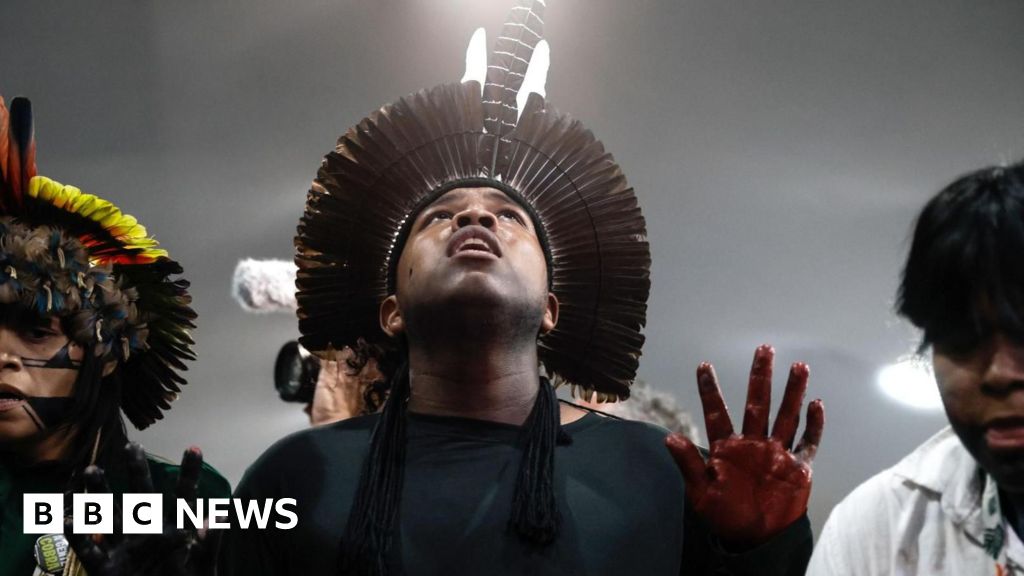
As the United Nations Climate Summit COP30 wrapped up in Belém, Brazil, a palpable sense of frustration and disillusionment echoed across the international community. Despite weeks of tense negotiations, the final deal—dubbed the Mutirão—failed to include a direct reference to the core issue gripping sky-high global temperatures: the reliance on fossil fuels. This outcome underscores a deepening divide between developed nations and oil-producing countries, revealing the entrenched interests that threaten serious climate action.

The summit, taking place amid a backdrop of chaotic protests, devastating weather, and even a fire in the venue, was marked by a struggle of ideals and power. Over 80 countries, including the UK and sweeping European Union, had sought commitments to accelerate reductions in oil, coal, and gas use. However, the fierce resistance from OPEC nations like Saudi Arabia and major fossil fuel exporters meant that those calls were ultimately sidestepped. A clear shift in diplomatic tone became evident: the large oil-producing nations insist on their “sovereign right” to exploit fossil fuel reserves, branding such pursuits as essential for their economic growth. This stance has sparked intense scrutiny from historians and analysts, many warning that these fixed positions threaten the very fabric of future international climate policies.

Notably, the absence of a delegation from the United States—after President Trump’s declaration to withdraw from the Paris Agreement—symbolized a troubling trend of American retreat. While many nations, like India, praised the outcome as “meaningful,” the global effort to limit warming to 1.5°C remains elusive. The UN itself expressed concern that current trajectories jeopardize this target, highlighting that global efforts are “failing.” Meanwhile, representatives of poorer nations, especially small island states, emphasized that the final agreement’s promises to bolster climate finance—like the newly established Tropical Forests Forever Facility—are crucial for their survival. The geopolitical impact of this exchange is clear: the world’s poorest are demanding recognition and assistance, yet the divisions over fossil fuel exploitation threaten to deepen inequalities.

The Belém summit was plagued not only by diplomatic stalemates but also by logistical chaos—outdated infrastructure, weather disruptions, and even security breaches temporarily overshadowed the proceedings. As the summit drew to a close, a common thread emerged: nations are increasingly driven by self-interest rather than collective action. While countries like India advocate for “meaningful” progress, and a coalition of small island states push for urgent deforestation action, the larger geopolitical chess game continues. The global community stands at a crossroads—an inflection point where the choice to forge a sustainable, equitable future or succumb to the entrenched interests of fossil fuel dominance will define a new chapter of history. The weight of these decisions echoes loudly, leaving us all to wonder: will this be the moment that global climate action finally takes root, or are we merely witnessing a prolongation of the same deadly game, with the planet paying the highest price?

Young Stars Shine: High School Championships Deliver Thrilling Performances

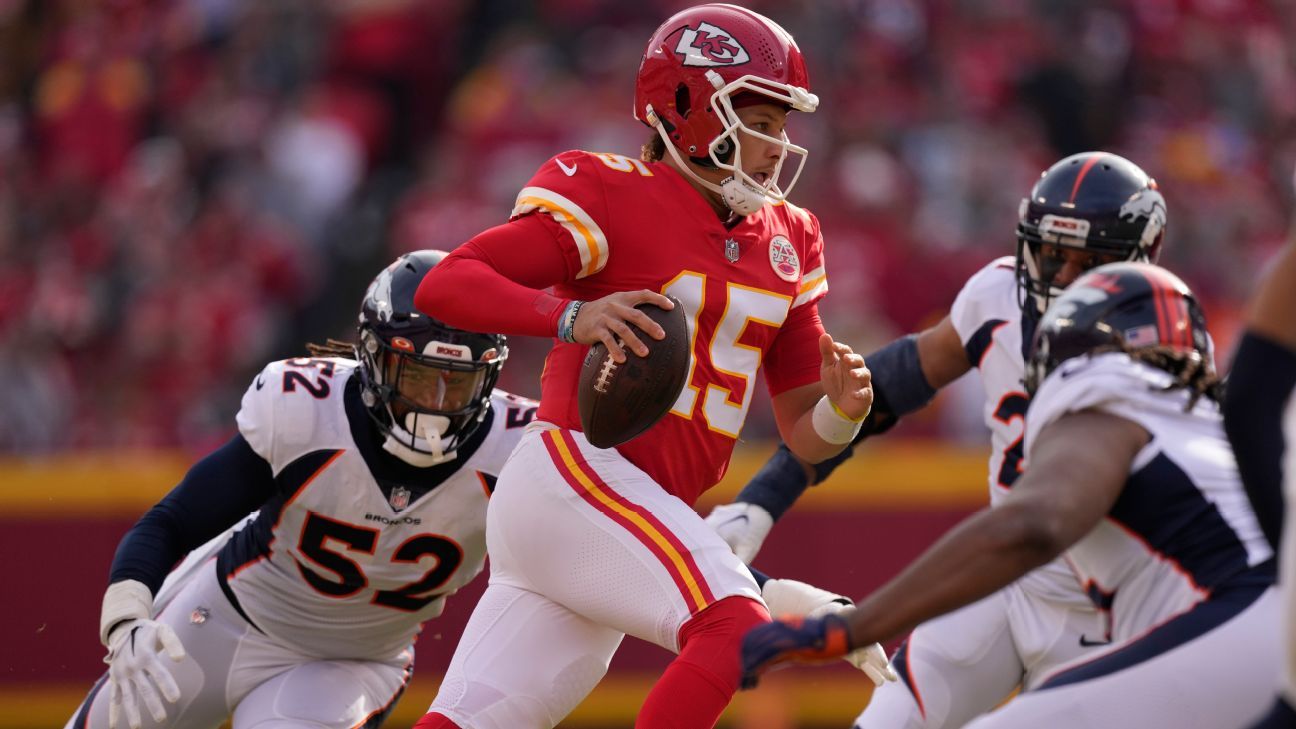
Football in Spain: Chiefs vs. Broncos Showdown

This weekend, the excitement was palpable as the Kansas City Chiefs faced off against the Denver Broncos in a highly anticipated match. In the world of football, young fans are becoming increasingly engaged, captivated by not just the athletes, but the stories behind their journeys. At the forefront of this clash was the competition between quarterbacks Baker Mayfield and Josh Allen, two players who represent the hope and determination of a new generation in the sport.

The game did not disappoint as both teams showcased their skills and perseverance. The first half saw Mayfield’s precision passing, leaving the defense scrambling and earning him a commendable first-quarter touchdown. Meanwhile, Allen retaliated with a spectacular deep throw that resulted in a stunning catch from his receiver, bringing the Buffalo Bills back into contention. As the second half commenced, the game intensified with both teams exchanging powerful plays.

  • Baker Mayfield completed 24 of 32 passes for 305 yards and 2 touchdowns.
  • Josh Allen matched him with 23 completions on 29 attempts, totaling 290 yards and 3 touchdowns.
  • Defensive highlights included crucial sacks from both teams, shifting the momentum frequently.

Commentators noted that the game was not merely about individual glories; it was a testament to teamwork and strategy. As the clock wound down, and tensions escalated, the crowd erupted when Mayfield orchestrated a comeback drive. The final minutes were nothing short of dramatic as he skillfully maneuvered the field, delivering a touchdown pass that left fans on the edge of their seats. In the end, it was Allen’s powerful throw that sealed the victory, but both quarterbacks proved they were worthy of their spotlight.

As the final whistle blew, the game reflected more than just points on a scoreboard; it showcased the unity that sports can foster among fans and players alike. With every throw and tackle, young athletes like Mayfield and Allen inspire future generations to dream big. In a world often divided, football stands as a beacon of hope, offering a common ground where rivalries are fierce yet respectful, and where every touchdown resonates far beyond the field. This is the spirit of sports; an arena where talent meets determination, and where every game writes a new chapter in the heart of the young and young at heart.

Source link

“Rising Stars Shine: Young Athletes Deliver Thrilling Performances in Latest Competitions”

Playoff Picture Shifts as Teams Battle for Glory

The playoffs are in full swing, and fans are witnessing an exhilarating evolution in the standings across various conferences. As we enter the critical weeks leading to the postseason, teams are stepping up their game, vying for a coveted spot in the championship series. Coaches, commentators, and players alike are buzzing about the dynamics at play, making it a thrilling time for sports enthusiasts.

One of the most captivating storylines this season has been the resurgence of teams previously underestimated. The Mavericks, under the guidance of Coach Jason Kidd, have made significant strides, currently sitting in playoff contention thanks in large part to the star performances from players like Luka Dončić. Commentator Mike Breen noted, “When Dončić is at his best, this team can compete with anyone.” In contrast, The Warriors, despite their history of success, face challenges with injuries and inconsistent play, causing concern among their fan base.

Key match highlights over the past few weeks have underscored the shifting tides in the playoffs. Notably, the last-minute victory by the Celtics against The Heat showcased both teams’ tenacity, securing a heart-stopping win for Boston. Other remarkable instances include

  • The Bulls snapping a losing streak with a dominant win over The Knicks.
  • A stunning comeback by The Nets, overcoming a 20-point deficit against The Lakers.
  • Remarkable performances from rookie players that have injected new energy into their respective franchises.

As the playoff picture becomes clearer, it’s evident that teamwork and resilience are paramount. Coach Gregg Popovich of The Spurs remarked, “In the playoffs, it’s not just about the stars but how well the whole team performs.” With each game, players are reinforcing the bond that ties them to their fans and to one another. As the final buzzer sounds on the regular season, it becomes increasingly clear that sports are more than mere competition; they are a testament to the unifying spirit of determination, joy, and the relentless pursuit of excellence.

Source link

Social Media Auto Publish Powered By : XYZScripts.com