Matox News

Truth Over Trends, always!

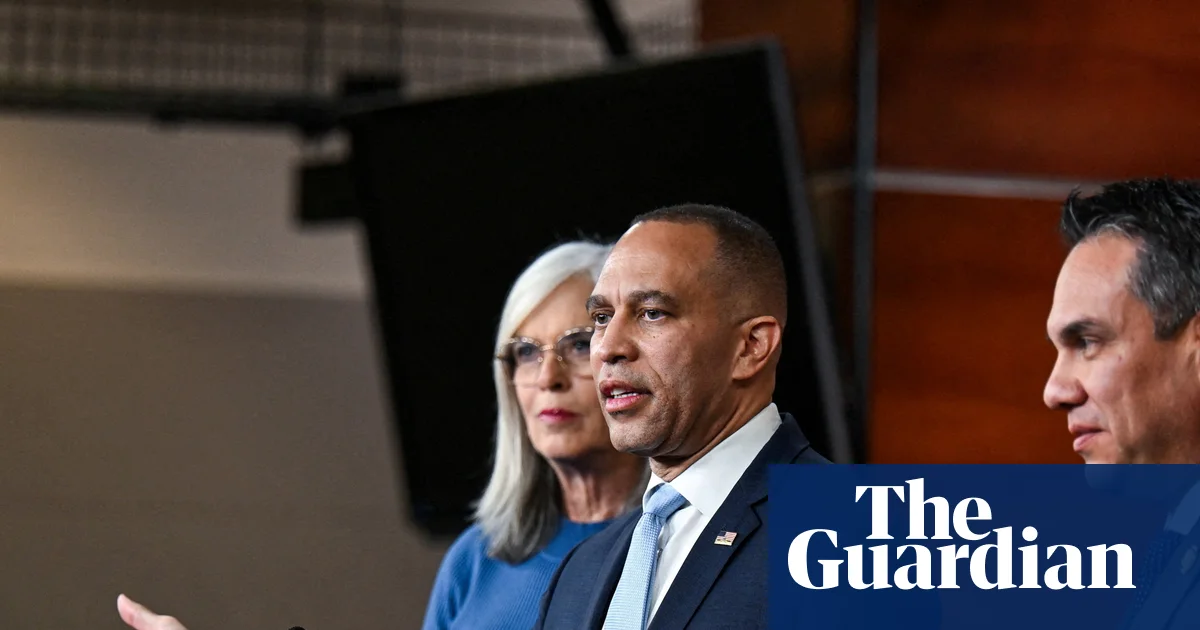
House Republicans block Dem effort to reel in Trump’s Iran war powers

In a dramatic display of how geopolitical tensions are escalating in the Middle East, efforts by House Democrats to curb President Donald Trump’s war powers over Iran and broader Middle Eastern conflicts have been thwarted on Capitol Hill. The Democrats attempted to pass a resolution through a procedural shortcut called unanimous consent—intended to be a swift, uncontested move—yet the effort was cut short when Republican pro forma speaker Chris Smith refused to recognize lawmakers from the opposing party. This procedural blockage underscores the deep partisan divide that complicates the U.S. response to ongoing regional crises, as lawmakers grapple with how to contain conflicts that threaten both regional stability and international security.

Since the temporary ceasefire announced on Tuesday, cracks in the fragile truce have appeared. Israel continues its military strikes in Lebanon, asserting they are targeting Hezbollah, but Iran maintains the ceasefire covers these actions—an assertion rejected outright by both the US and Israel. Lebanese casualties have surged past 1,000 with over 254 confirmed dead and hundreds injured, as central Beirut bears the scars of relentless bombardment. Meanwhile, Iran has reportedly re-blocked oil tanker traffic through the Strait of Hormuz, just hours after briefly permitting passage—highlighting how the delicate balance of regional maritime trade and strategic chokepoints remains precarious. Such developments threaten the stability of global oil markets and U.S. interests, raising alarms among international observers and analysts who warn that the Middle East’s latest flare-up is far from contained.

The international community has expressed grave concern. The UN Secretary-General warned that continued Israeli military activity in Lebanon “poses a grave risk” to any diplomatic progress. Meanwhile, U.S. Senator JD Vance described the ceasefire as “fragile,” reflecting a broader skepticism rooted in the unpredictable nature of Middle Eastern conflicts. House Minority Leader Hakeem Jeffries and other Democratic leaders have criticized the insufficient nature of the ceasefire and called for immediate congressional action to “permanently end the war in the Middle East,” although Congress remains on recess until mid-April. It reveals how U.S. domestic politics—divided and increasingly influenced by partisan interests—continue to hinder decisive action in a region where every decision could reshape the global geopolitical landscape, impacting millions on the ground.

  • The Pelosi-led resolution aimed to limit Trump’s war powers, but was blocked as partisan tensions overshadowed efforts to forge a clear U.S. policy.
  • Israel’s ongoing strikes and Iran’s reassertion of control over key maritime routes threaten to prolong the conflict, risking regional escalation.
  • International organizations and analysts warn that unfinished diplomacy and unpredictable military actions threaten to ignite a broader global confrontation, with consequences reverberating through commodity markets, international alliances, and regional power balances.

As the world watches the chaos unfold, historians and geopolitical analysts warn that this is a <turning point>—a period where the decisions of a few could ignite a chain reaction of conflict. The frozen diplomacy, combined with the mounting casualties and strategic maneuvers, leaves the international order on the brink of a new, unpredictable chapter. History’s pen is poised, and the weight of every decision now carries the potential to tilt the scales of global power for generations to come. As flames flicker in Beirut, and the Strait of Hormuz remains volatile, the question remains—who will write the next chapter in this unfolding crisis, and at what cost to humanity?
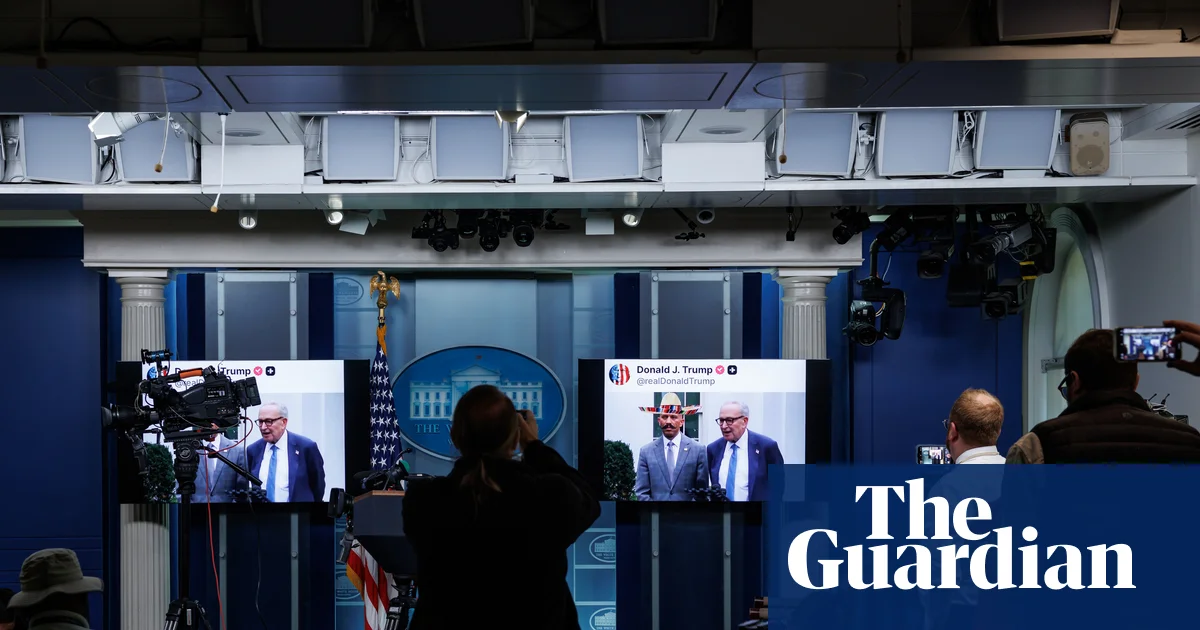

White House loops racist deepfake of Dem leaders—Trump admin’s reckless stunt

In a disturbing display of the current state of American politics, the White House recently became a stage for a provocative propaganda campaign that underscores the deep divisions threatening the nation’s stability. On Wednesday, the briefing room was inundated with circulating deepfake videos mocking Democratic leaders, with content that is as divisive as it is racially charged. These fabricated clips, posted by President Trump, distort reality by falsely portraying Senate Minority Leader Chuck Schumer and Hakeem Jeffries as endorsing racist stereotypes, with Schumer allegedly calling Democrats “woke pieces of shit” and Jeffries portrayed wearing stereotypical Mexican attire. Such weaponization of misinformation not only diminishes the dignity of American political discourse but also fuels dangerous narratives that have historically led to violence and societal fracturing.

Beyond the rhetoric and propaganda, these events reveal a pattern that analysts see as emblematic of the broader geopolitical impact of American internal conflicts. The use of such racist narratives echoes historical conspiracy theories, notably the “great replacement” theory, which has been repeatedly linked to violent acts by white supremacists. This conspiracy—at the core of several mass shootings and racial pogroms—used fear-mongering to justify acts of terror, emphasizing the perceived threat of immigrant populations replacing white citizens. The rhetoric, amplified by social media and political figures alike, risks diminishing America’s standing as a beacon of democracy and tolerance in the eyes of the world. Such divisiveness, when internalized and exported, weakens international confidence in the stability and moral authority of the U.S. government, which can have ripple effects across markets, alliances, and diplomatic relationships.

Meanwhile, critics argue that the White House’s approach to the ongoing government shutdown is mired in irresponsible tactics that undermine genuine negotiation efforts. As the deadlock continues, key issues—such as immigration, healthcare, and economic stability—remain unresolved. The administration’s framing of Democrat policies as conspiratorial attempts to favor illegal immigration disproportionately stokes nativist fears, even as the factual basis remains misplaced. According to prominent international organizations and independent analysts, such inflammatory tactics threaten the international reputation of the United States as a democratic leader committed to rule of law and human rights. Ever more, the world looks to what happens within the U.S., recognizing that internal turmoil can quickly spill into global instability, especially in an era marked by geopolitical rivalry with China, Russia, and rising authoritarian regimes.

The recent provocations at the White House serve as a stark reminder of how decision-makers’ rhetoric can shape, or distort, the historical narrative unfolding across borders. As historians and international think tanks assess the trajectory of American politics, the emerging picture suggests a nation grappling with its identity amidst internal conflict and external pressure. The consequences of these divisions extend beyond mere politics—they threaten to redefine the post-World War II order, challenging longstanding alliances and forcing nations worldwide to reconsider their perceptions of U.S. leadership. In a world increasingly defined by chaos and uncertainty, the true weight of history looms large—an unyielding reminder that the choices made today will reverberate through generations, shaping the destiny of nations and society as a whole. As the spectacle unfolds, it leaves the impression that, in this moment, the United States stands at a crossroads—its decisions setting the stage for what will be written into the annals of history, with the future hanging precariously in the balance.

Social Media Auto Publish Powered By : XYZScripts.com


