Matox News

Truth Over Trends, always!

Politicians Demand Meeting with Travelodge CEO Over Maidenhead Assault Case

In a global landscape increasingly governed by security concerns and public accountability, recent revelations surrounding Travelodge highlight a troubling deficiency in hotel safety protocols that extends beyond national borders. Over twenty Members of Parliament (MPs) have demanded an urgent review with the company’s CEO after a disturbing incident where a woman was sexually assaulted following her stay at a Travelodge location. The incident—triggered when a perpetrator, Kyran Smith, was able to acquire her room number and key card through manipulated security procedures—raises profound questions about guest safety and corporate responsibility in the hospitality industry worldwide. These events serve as a reminder that fundamental security standards are a matter of national, and indeed international, importance—a lapse in protocol can have devastating consequences.

From the perspective of international relations, such incidents underscore the pivotal role that public trust plays in maintaining societal stability and safeguarding individual liberties. The case, which resulted in Smith’s conviction and seven-and-a-half-year jail sentence, exposes how weaknesses in hotel security—such as relaying visitor information and insufficient staff vetting—can be exploited to commit heinous crimes. Experts from various fields warn that failing to uphold rigorous security protocols is not just a local issue but a threat to public confidence in international travel infrastructure. The MPs’ letter—signed by prominent figures including former Labour shadow chancellor John McDonnell—isters a broader concern: whether current policies adequately protect vulnerable travelers, especially women traveling alone. This incident, coupled with ongoing debates surrounding international standards for safety in travel and accommodation, speaks to an urgent need for global cooperation and stricter compliance to global safety benchmarks.

As international organizations scrutinize the incident, the emphasis has shifted toward how corporations respond to failures and how policies can evolve to prevent future tragedies. The decision by Travelodge to offer a meager £30 refund—considered offensive and inadequate by many—was quickly condemned, fueling debates about corporate accountability and the moral obligation to prioritize guest safety over cost-cutting measures. The company’s promise to review and reinforce its security processes signals a potential shift in industry standards but simultaneously exposes the vulnerabilities in private enterprise’s capacity to protect its customers. Such events ripple outward, impacting national security and the broader geopolitical landscape, as the safety of citizens abroad becomes a contentious issue for governments and international agencies alike.

In a world where security failures can tarnish a country’s reputation and undermine international travel, the significance of this case extends far beyond the hotel chain. It is a stark reminder that the decisions made in corporate boardrooms often echo through international corridors of power”, shaping perceptions, influencing policy, and even affecting the balance of power among nations. As history continues to unfold and authorities grapple with implementing more robust safety protocols, the weight of this incident lingers—a potent reminder that in the age of global interconnectedness, the safety of one traveler can become the security concern of many nations. How the world responds to such breaches today will determine whether we can forge a future where trust is restored and safety is paramount, or whether society will remain vulnerable to the darkest threats lurking behind hotel doors.

Labour MPs demand quick fix for broken student loan system

Parliament Addresses Growing Concerns Over Predatory Lending Practices

In recent parliamentary debates, Members of Parliament (MPs) have expressed mounting concern over what they describe as “rip-off” interest rates and unjust changes to repayment terms that are affecting countless families across the nation. Such financial practices, often criticized as exploitative, threaten to widen existing social divides, placing a disproportionate burden on working-class communities and young families. The conversations reflect a broader societal reckoning about the ethics of lending and the role of financial institutions in safeguarding social cohesion.

Historical patterns show that indebtedness, when left unchecked, can destabilize families and undermine community trust. Sociologists like Dr. Lisa Cohen argue that predatory lending not only exploits economic vulnerabilities but also perpetuates cycles of poverty and social marginalization. With interest rates that often surpass legitimate risk assessments, families find themselves trapped in debt spirals, unable to escape the burdens imposed by unfair lending practices. The ripple effects extend beyond individual borrowers, impacting local schools, community health, and long-term economic stability.

The Impact on Families and Education

Families subjected to inflated interest rates and sudden changes to repayment schedules experience a direct hit to their household stability. It is not uncommon for parents to struggle just to keep up with mortgage or consumer debt, often sacrificing investments in education for their children. Children’s access to quality education suffers when families face financial insecurity, with some schools witnessing higher dropout rates, especially in underprivileged neighborhoods. Experts highlight that these patterns threaten to entrench inequality, as economic hardship in the home correlates strongly with diminished educational outcomes.

  • The increasing debt burden can lead to poorer health outcomes as families deprioritize preventative care or mental health support, compounding societal inequalities.
  • Educational disparities widen when youth are unable to afford after-school programs, tutoring, or even basic supplies, creating a cycle of disengagement from societal participation.
  • Financial instability affects not only individual households but erodes the very fabric of community resilience.

Social Tensions and Calls for Reform

In response to these challenges, social commentators and civic leaders advocate for stronger regulatory oversight. Many believe that financial institutions should be held accountable for transparent lending practices and fair interest rates. The ongoing debate emphasizes the need for reforms that prioritize socioeconomic fairness, ensuring that the most vulnerable are protected from exploitation without undermining the integrity of the financial system. As Dr. Michael Andrews, a noted social historian, points out, “A society that tolerates such disparities risks losing its moral compass.”

The proposed solutions include establishing caps on interest rates, enhancing borrower protections, and increasing public awareness of financial literacy. Moreover, some call for community-based alternatives to traditional banking that serve as a counterbalance to predatory lenders. These initiatives are seen as crucial steps toward fostering a society where opportunity is not just available to the privileged but accessible to all.

A Society at a Crossroads

As these social issues continue to unfold, it becomes clear that the fabric of society is under strain, challenged by economic disparity and cultural shifts that threaten to fracture social bonds. The stories of families struggling under debt load are not isolated — they are emblematic of a larger moral question: How do we define fairness and responsibility in our economic system?

While the challenges are formidable, history suggests that meaningful change often begins with community awareness and collective action. The hope resides in a society willing to confront uncomfortable truths, where reform is driven by a shared moral compass. In this landscape of social tension and possibility, the future hinges on our commitment to fairness, the protection of family stability, and the nurturing of resilient communities capable of transforming adversity into collective strength. Here, society’s ultimate challenge—and its greatest hope—lies in ensuring that compassion guides fiscal policy, and that all voices, especially those silenced by debt and inequality, find their rightful place at the table.

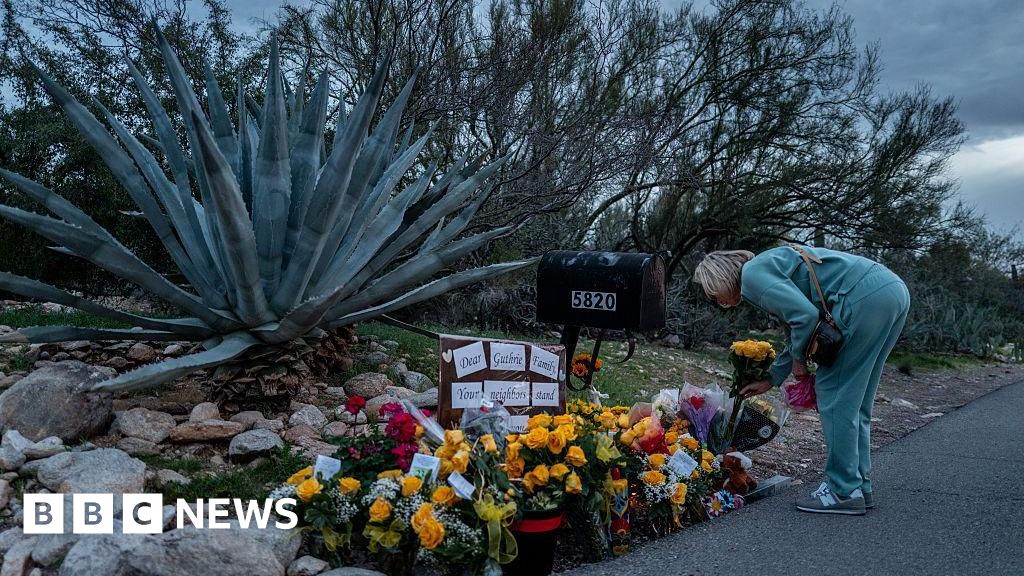
Abduction, Bitcoin Demand, TV Legend: Why Nancy Guthrie’s Case Rocks America

Global Attention Turns to Alleged Abduction as Savannah Guthrie’s Fame Sparks International Concern

In recent days, the world has been captivated not only by entertainment news but by a deeply troubling incident involving the mother of NBC’s prominent journalist, Savannah Guthrie. Her mother’s reported abduction has ignited a wave of international concern, exposing vulnerabilities within global security frameworks and raising alarm about the safety of families connected to influential figures. This event, amplified by Guthrie’s fame, has unexpectedly thrust an isolated criminal act into the spotlight with profound geopolitical ramifications, revealing how personal tragedies can echo far beyond national borders.

The case has become a subject of frantic coverage across international media outlets, with some analysts describing it as “a stark reminder of the vulnerabilities faced by public figures and their families”. While initial reports remain sketchy, sources suggest that the abduction could be linked to escalating geopolitical tensions, with some experts noting that such incidents often serve as tools for intimidation or political messaging. International law enforcement agencies, including INTERPOL, have issued alerts, emphasizing the importance of cross-border cooperation. The incident, seemingly personal, thus takes on a broader geopolitical significance—highlighting the fragile nexus between private security and national stability.

Scholars and analysts tracking the unfolding situation point to the underlying influence of international tensions and the growing use of covert operations by various state and non-state actors. According to a report by the International Crisis Group, such events can often be manipulated for strategic leverage, aiming to unsettle political climates or distract from broader issues like economic instability or military conflicts. The U.S. State Department and other regional security institutions are reportedly engaged behind the scenes, assessing whether this incident is an isolated crime or part of a larger pattern of targeted intimidation aimed at affecting the morale of influential personalities.

Historically, incidents involving prominent families connected to media and political spheres are not unprecedented. Some experts, including noted historian Dr. Elizabeth Hartwell, draw parallels with Cold War-era espionage, where personal vulnerabilities were exploited as means of psychological warfare. Guthrie’s prominence ensures that her family’s plight garners widespread attention, which could serve as a cautionary tale underscoring the importance of international cooperation and stronger security measures. Failure to address these vulnerabilities risks emboldening those who threaten societal stability, illustrating how individual cases can precipitate wider geopolitical shifts and societal upheavals.

As the world watches, the decision-makers face a critical moment. The ability of international institutions to respond effectively, while safeguarding the rights and safety of all citizens, underpins the current crisis’s gravity. The unfolding narrative underscores that, amidst this chaos, we are witnessing a pivotal chapter in the ongoing struggle to preserve national sovereignty and societal resilience. As Savannah Guthrie and her family navigate this harrowing chapter, history looms—a relentless reminder that, in a world increasingly interconnected, the line between personal tragedy and geopolitical turmoil is often disturbingly thin. The future remains uncertain, but the echoes of this event will surely resonate through the corridors of power, shaping policy and security paradigms for years to come.

Experts demand release of boat strike footage as US admiral claims no ‘kill them all’ orders | US military

In a sharply escalating confrontation on the global stage, the United States has come under intense scrutiny over its recent military operations against suspected narcotics vessels in the Caribbean. The controversy erupted following reports that a U.S. military strike, ordered during the Trump administration, resulted in the death of survivors—an action that has ignited debates over legality, ethics, and the very nature of American military engagement in conflict zones. The attack, which took the lives of 11 individuals, is now a flashpoint in discussions about the use of force in international waters, especially when linked to the ongoing war on drugs and fentanyl trafficking from Venezuela.

This recent wave of strikes marks a paradigmatic shift from traditional interdiction efforts, moving toward a more aggressive and controversial strategy. Defense officials claim that the operations are intended to curb the flow of illegal narcotics into the U.S., but critics—including prominent human rights organizations and congressional investigators—argue that these actions breach international law and principles of due process. According to Sarah Yager of Human Rights Watch, the U.S. cannot legally justify killing presumed vesseľ operators without a formal declaration of war, warning that the current approach risks setting a dangerous precedent where extrajudicial killings become normalized without accountability, especially as the Biden administration faces mounting calls for transparency.

The controversy substantially deepened when allegations emerged that Secretary of Defense Pete Hegseth had issued explicit orders to “kill them all,” including survivors attempting to surrender or escape the wreckage. This claim has ignited bipartisan concern in Washington, as lawmakers from both parties question whether such directives violate rules of engagement and international humanitarian laws. During congressional hearings, military officials vehemently denied the existence of any explicit “kill all” orders, although some senators, such as Thom Tillis, expressed alarm at the possible implications of targeting defenseless individuals. The debate underscores the geopolitical impact of America’s expanding latitude for military action, which threatens to undermine the perceived legitimacy of U.S. foreign policy while risking new conflicts in fragile regions.

Analysts warn that, beyond its immediate legal and ethical questions, this campaign could have profound repercussions on global stability. Historian John Jones from the International Security Council states that when a superpower resorts to extrajudicial strikes, it risks eroding international norms that safeguard human rights and sovereignty. Critics contend that the U.S.’s aggressive tactics may fuel anti-American sentiments across Latin America and the Caribbean, fostering instability and empowering hostile actors. As the global community watches, the West’s confidence in its moral authority hangs in the balance, with the forces of geopolitics and justice colliding in a tumultuous contest for influence and moral legitimacy. The unfolding controversy leaves the world on edge, as history’s pen continues to chart a new chapter—one that might forever redefine the boundaries of military authority and the moral boundaries of intervention.

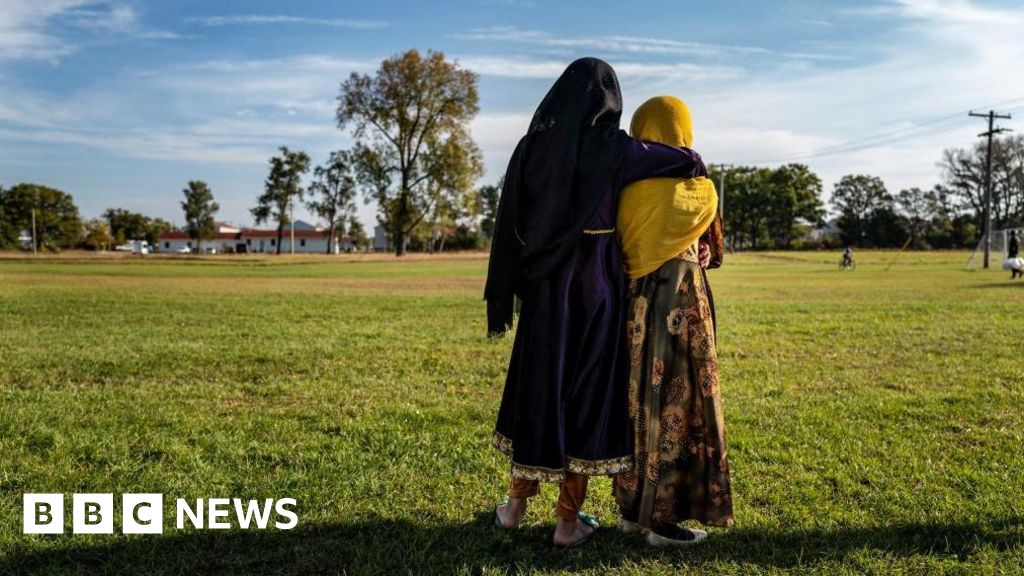
Afghan-Americans demand action from Trump after deadly DC shooting

The recent violence in Washington, DC, marked a tragic chapter in the ongoing challenges faced by Afghanistan and its diaspora post-U.S. withdrawal in 2021. The deadly shooting, which resulted in the death of a National Guard member and left another fighting for life, has reverberated across political and social spheres in America. The suspect, Rahmanullah Lakanwal, a recent immigrant with ties to U.S. forces in Afghanistan, highlights the complex interplay between immigration policies and security concerns. While Afghan-American communities have condemned the attack, emphasizing that the perpetrator does not represent their society, the incident has reignited heated debates surrounding the Biden administration’s immigration programs, especially for those fleeing Taliban-controlled Afghanistan.

In response to the attack, President Donald Trump has swiftly moved to curb further immigration from Afghanistan by pausing all current requests and reviewing green cards issued to residents from 19 countries. This crackdown aligns with his longstanding rhetoric emphasizing national security and border sovereignty over what he deems “third-world” threats. International analysts and observers, including members of the Heritage Foundation and the Council on Foreign Relations, warn that these policies risk undermining the decades-long alliance between the U.S. and Afghanistan’s anti-Taliban forces. They underscore how such decisions may fracture the fragile stability of Afghan communities worldwide, fueling social divisions and eroding trust in government.

Within the United States, many Afghan immigrants express a mixture of gratitude and concern. The Afghan Community Coalition of United States has called for a “comprehensive investigation” into the shooting but urges the Biden administration not to halt Afghan immigration claims, emphasizing the *twenty-year partnership* that saw countless Afghans risking their lives working alongside U.S. forces. Historians like Dr. Ahmed Rashid have noted that the U.S.’s withdrawal was a turning point that left Afghanistan vulnerable to Taliban resurgence, and that the Afghan diaspora has borne the weight of shifting policies with their hopes for safety and stability. Meanwhile, critics warn of potential repercussions if immigration policies tighten further, arguing it could undermine the very principles of refuge and alliance that helped myriad Afghans escape Taliban rule.

As the story unfolds, it leaves the global community in a state of reflection. The young Afghan American who described the attack as “deeply tragic” reiterated that this act was an isolated incident and not reflective of the entire community, which continues to contribute to American society. Still, the shadow of instability looms large, with fears of unpredictable policy shifts and societal marginalization. In the backdrop, the voices of activists like Crystal Bayat, who worry about deportations despite their legal status, reinforce a broader narrative of uncertainty. As the US grapples with its identity and security priorities, the widening fissures in its immigration fabric threaten to leave a lasting scar on history — a reminder that the consequences of decisions made today will echo into generations to come, shaping the geopolitical landscape and the destinies of countless lives caught in the crossfire of shifting allegiances and ideologies.

Family of missing Colombian youth demand answers after U.S. strike targets suspected drug vessel

In the vibrant coastal regions of Colombia and Venezuela, a quiet lifestyle revolves around the sea — a life rooted in tradition, community, and the pursuit of peace amidst turbulence. Yet, recent US military strikes targeting alleged drug-trafficking vessels have cast a shadow over these once tranquil waters. These covert operations, justified by American officials as efforts to combat narco-terrorism and drug-related violence, have sparked fierce debates about legality and human rights, raising questions about the true cost of national security measures. The stories of local fishermen, like Juan Assis Tejeda and others, reveal a sobering reality: they fear that innocent lives, livelihoods, and even civilians might be caught in the crossfire of international politics.

The US claims that these strikes are necessary defenses against criminal networks that threaten regional stability and American lives, citing an increase in cocaine seizures and the rising toll of fentanyl in the US as evidence. However, critics, including international law experts and local communities, argue that these actions resemble extrajudicial killings—a stark departure from the rule of law that emphasizes arrest, trial, and sentencing. Juan, an experienced fisherman who often surveys the waters near Venezuela, shares a poignant perspective: “We just go after tuna, but sometimes drones hover over us — we’re afraid. It’s not right to be pursued and targeted like terrorists without proof, just for earning a living.” Such testimony underscores that in these moments, what the global stage doles out as “security” can sometimes feel like an assault on everyday lives, on well-being, and on the pursuit of simple peace.

The reactions from regional leaders also underscore the underlying geopolitical tensions. Colombia’s President Gustavo Petro has challenged the US’s narrative, condemning the strikes that reportedly killed civilians, including local fishermen and farmers. Petro’s stance aligns with a broader suspicion: that behind the veneer of anti-drug efforts lies an attempt to exert political pressure on Venezuela’s government and its controversial leader, Nicolás Maduro. Many locals believe that these military moves serve as a tool to destabilize the region further, possibly paving the way for more direct American influence, which could threaten the sovereignty of these nations and their communities. Such multi-layered tensions bring to light a crucial fact—lifelines of culture and livelihood are often caught in the crossfire of superpower ambitions.

Amid these turbulent waters, the local community’s resilience remains a quiet but powerful force. Stories from fishermen like Mr. Tejeda show their unwavering desire to live peacefully, unaffected by the global game of power. These men and women are not targets—they are just ordinary people caught in extraordinary circumstances. Their stories serve as a reminder that, at the heart of every geopolitical conflict, there are human lives seeking stability and dignity. As these small villages watch and wait, they embody the spirit of relentless hope: a hope that one day, diplomacy and respect for sovereignty will prevail, and the love of the sea will return to being a source of life, not conflict.

Reflecting on these narratives leaves us with a profound understanding: lifestyle is more than leisure or routine; it’s a journey to embrace resilience in uncertainty. These coastlines, woven with stories of struggle and hope, remind us that true security arises not from the barrel of a gun, but from respect—respect for life, for community, and for sovereignty. As we watch these waters, may we find the wisdom to navigate our own lives with clarity and purpose, standing for fairness amid the chaos, and cherishing the peaceful pursuits that truly define our well-being.

Young Conservatives demand independent watchdog to oversee Telegraph sale

The ongoing saga surrounding the sale of the Telegraph exemplifies the complex interplay between national sovereignty, foreign influence, and media independence — issues at the very heart of UK and international geopolitics today. The government has been called upon to intervene in what has become a highly contentious sale process, with critics arguing that it risks surrendering control over a major British institution to foreign interests, notably Abu Dhabi’s Sheikh Mansour. Instead of trusting the opaque dealings of private entities or foreign-funded conglomerates, many analysts stress the urgent need for a transparent, publicly orchestrated auction, potentially administered by the Competition and Markets Authority or the Cabinet Office. Such moves highlight the broader debate over sovereignty versus global capital flows, a tension shaping policies across the globe.

The sale, initially triggered by Lloyds Bank’s seizure of the Telegraph from its previous owners, the Barclay family, has been in limbo for over two years. Its revival was complicated further when RedBird IMI, led by Abu Dhabi’s Sheikh Mansour, was forced to restart the process after its junior partner withdrew a bid—shattering any illusions of swift transfer. With legislation now banning foreign state ownership of UK newspapers, the sale’s future hangs precariously. Critics, including prominent UK politicians and legal experts, warn that such foreign influence could threaten the integrity of the British press, rendering it susceptible to external agendas. The UK government’s cautious stance—demanding control over the process—reflects a broader concern: that allowing a foreign-owned entity uncontrolled access to UK media could erode national interests.

International organizations and strategic analysts underscore that the geopolitical impact of this situation extends beyond the boundaries of the UK. As the country seeks to defend its sovereignty against creeping foreign influence, the fate of the Telegraph serves as a flashpoint illustrating the struggle for control over information and influence. Historian Simon Schama and think-tank experts emphasize that media ownership shapes societal narratives and national identity — and the danger of foreign entities wielding such power cannot be ignored. The possibility that Sheikh Mansour and the UAE could influence editorial direction or sway political opinion represents a threat to democratic accountability, further complicating the sale. Meanwhile, lawmakers are contemplating invoking new laws, such as the Foreign State Influence (FSI) regime, aimed at safeguarding national assets from foreign interference — a move that underscores the rising tension between economic interests and national security.

As policymakers wrestle with whether to pursue a government-led auction or to rely on investigative bodies like the CMA, the larger narrative persists: the very fabric of the UK’s media landscape is at risk of being reshaped by international power plays. The decision to pause or press forward in this sale will significantly influence the balance of societal influence, economic stability, and national sovereignty. With powerful interests closely watching this unfolding drama, the future of the Telegraph may ultimately symbolize a broader cultural and geopolitical battle—one where the stakes extend far beyond the paper’s print dates, echoing in the corridors of power and shaping the course of history yet to be written.

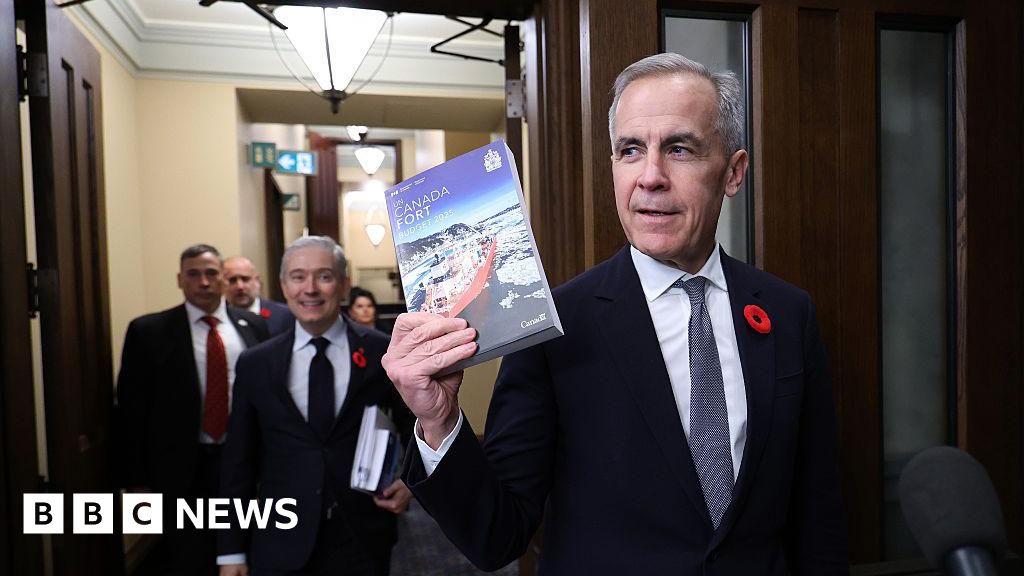
Carney's federal budget ramps up spending to fight back against US tariffs, youth demand stronger economic resilience
Carney’s federal budget ramps up spending to fight back against US tariffs, youth demand stronger economic resilience

Canada’s Bold Fiscal Shift: Carney’s Budget Sparks Global Geopolitical Ripples

In a decisive move reminiscent of emerging economic strategies, Canada’s Prime Minister Mark Carney has unveiled his government’s inaugural federal budget, an ambitious blueprint aimed at transforming Canada’s economic landscape amid increasing US tariffs and trade tensions. Touted as an “investment budget,” it signifies a deliberate pivot towards resilience and global competitiveness, with a stark acknowledgment of Canada’s economic vulnerabilities and the need for swift, bold action. The plan projects a record-breaking deficit of C$78 billion—second only in Canadian history—yet underscores a strategic gamble: attracting C$1 trillion in foreign investment over the coming five years to offset the fiscal deficit and energize growth.

Internationally, the geopolitical impact of Canada’s budget resonates beyond its borders. By committing to a C$280 billion investment in trade infrastructure, the government aims to double exports to non-US markets over the next decade, signaling a strategic diversification of its trade dependencies—a move heavily scrutinized by analysts as a potential recalibration of North American economic ties. This shift is part of a broader bid to challenge the US’s economic dominance and make Canada a more attractive hub for international business than its southern neighbor. In tandem, the budget allocates nearly C$1 billion to integrate artificial intelligence into government and commercial sectors, reflecting a forward-looking approach in harnessing technological advancements to bolster national resilience and global influence.

However, critics skewer the plan as a double-edged sword, pointing to the austerity measures within its framework. The government plans to cut 40,000 federal jobs by 2029 and slash international aid to pre-pandemic levels, demonstrating a readiness to accept short-term societal pain for long-term strategic gain. This, combined with lowering immigration targets and restricting student visas, fuels internal debate about how decisions shape Society’s fabric. The budget’s passage, hampered by a fragile minority government and potential defections—such as the recent defection threat from a Conservative MP—heightens the risk of political upheaval, possibly even triggering a federal election. Such instability only underscores the *turning point* at which Canada finds itself—a nation at crossroads, balancing economic revitalization against social and political turbulence.

Recognized by international organizations and historians alike as a critical moment, this expansive budget reflects a broader blueprints for national sovereignty amid global shifts. Analysts from the International Monetary Fund and economic historians warn that Canada’s strategies could redefine the geopolitical landscape of North America, challenging the U.S.’s supremacy while building a more autonomous Canadian economy. Yet, the true impact remains uncertain—whether these bold initiatives will succeed in rescuing the nation’s future or merely deepen the shadow of mounting deficits and social unrest. As the dust settles over Ottawa, the world waits, shoulder to shoulder with Canadians, for the next chapter in this unfolding saga—an era where the decisions made today may well dictate the course of history for generations to come.

Youth voices demand change for ‘embarrassing’ Prince Andrew road names in Maidenhead

In a world increasingly scrutinizing traditional symbols of power and history, local disputes such as those unfolding in Maidenhead over streets named after Prince Andrew exemplify the palpable tension between legacy and societal values. Once regarded as innocuous commemorations, street names have become focal points of controversy, reflecting broader trends of re-evaluating historical figures and their associations. These small but poignant disputes are emblematic of a wider, global wave of social accountability that challenges entrenched establishments worldwide.

As King Charles moves to officially strip Prince Andrew of his titles following allegations linked to Jeffrey Epstein, the repercussions underline a crucial shift in the British monarchy’s public image and legitimacy. The decision to initiate a formal process to revoke the disgraced prince’s honors and to abandon his residence signal more than mere internal royal restructuring; they showcase a nation grappling with accountability and the need to redefine its moral compass amidst rising call-outs of historic misconduct. Internationally, the ripple effects resonate as other nations observe Britain’s handling of its colonial—and in this case, familial—legacy, examining their own historical narratives for potential reassessment.

  • According to international legal experts, such as Harvard Law Professor Alan Dershowitz, this type of public accountability framework in Britain reflects a broader trend where societal pressure influences legal and political recalibrations. Likewise, historians note that the monarchy’s shift mirrors a parallel phenomenon where societies are confronting difficult pasts, questioning earlier symbols of authority, and pushing for significant institutional reforms.
  • Meanwhile, international organizations like Amnesty International and other human rights groups continue to press governments worldwide to face uncomfortable truths about their histories, often using street renamings and symbolic acts as catalysts for deeper societal change.

In this context, the controversy over street names in Maidenhead underscores how local decisions become microcosms of larger geopolitical debates. The residents’ concerns about the association of their addresses with controversial figures reveal a collective desire to distance society from outdated symbols that no longer reflect contemporary values. It is a vivid example of society’s ongoing struggle—highlighted by political analysts like Dr. Elizabeth Holmes—between preserving history and forging a new moral narrative. Such debates, embedded in communities, often foreshadow shifts in national discourse and policy that can ripple outward.

As history continues to be written, the struggle to confront and reinterpret the past remains fraught with challenges. The decisions made today—whether it involves renaming streets or re-evaluating venerable institutions—carry profound geopolitical significance. They shape the moral fabric of societies and influence the global balance of power, testing whether nations can reconcile their histories with evolving standards of justice and accountability. The ongoing saga of Prince Andrew and streets in Maidenhead may seem localized, but they are woven into the broader narrative of a world where history’s weight remains in flux, urging humanity to consider whether the course set by past leaders is truly aligned with the future they aspire to build. The pages of history turn relentlessly, never forgiving, always compelling, as every decision tomorrow’s leaders make will echo through the corridors of eternity, shaping the course of nations in a turbulent, ever-changing world.

Left’s tech teens plead for scraps — now they demand the whole feast

Automation Disrupts Youth Employment and Industry Landscape: What the Future Holds

Across the globe, innovative automation technologies are dramatically reshaping the traditional employment landscape, with startling implications for the coming decade. In Japan, these disruptions are already visible, where robots stock convenience store shelves. However, the question remains—when will the United States follow suit? Corporations like Walmart have experimented with robot-assistants, though their initial ventures into shelf-scanning technology were eventually abandoned. This suggests a rapid evolution in machine vision and AI capabilities—advancements that promise to revolutionize retail, logistics, and beyond, with disruptive implications for employment and the economy.

The decline in youth participation in the labor force underscores the profound shift caused by automation. Data from the U.S. Census Bureau shows that between 2000 and 2025, the percentage of Americans aged 16–19 actively engaged in the workforce has plummeted from 52.3% to just 34.8%. This contraction is driven largely by technological displacement—a trend that reduces entry-level opportunities such as stocking shelves, flipping burgers, or delivering pizza. As Elon Musk and other tech visionaries predict, these innovations—while boosting corporate profits—contribute to a labor market increasingly hostile to entry-level workers.

  • Automation reduces labor costs for employers
  • Workers face fewer opportunities for skill development
  • Youth miss critical early work experiences essential for long-term career growth

Moreover, the disruption extends into the gig economy, with autonomous delivery robots like those tested by Uber Eats and DoorDash stepping into markets traditionally served by young human drivers. This technological pivot is fueled by stagnant wages and rising living costs, pushing adults into low-wage side gigs—further squeezing out the next generation from meaningful employment opportunities. As Gartner’s industry analysts warn, the race to automate essential services could accelerate, creating a future where jobs for young adults become relics of the past.

Indeed, these trends threaten to erode the foundational opportunities that foster independence and economic literacy among teens. Historically, early job experiences offered invaluable lessons in managing finances, interpersonal skills, and responsibility. Now, as offshoring and automation complete their sweep, the remaining jobs are increasingly competitive and scarce. As Peter Thiel and other Silicon Valley thinkers emphasize, this technology-driven disruption necessitates urgent policy and industry shifts to preserve the pathway to economic self-sufficiency for future generations. Moving forward, the rapid pace of innovation demands that business leaders, policymakers, and educators act decisively—if the opportunity for young people to learn and grow in the labor market is to survive the oncoming storm.

Social Media Auto Publish Powered By : XYZScripts.com