Matox News

Truth Over Trends, always!

Youth demand clear stance on school smartphone ban amidst societal debate

In recent years, English schools have grappled with a growing debate over the presence of mobile phones within the classroom. A new regulation aims to restrict or outright ban the use of these devices during school hours, citing concerns over distraction, academic performance, and the overall well-being of students. While proponents argue that limiting phone access can foster better engagement and social interactions, critics contend that such measures might inadvertently harm families’ ability to communicate and underscore broader issues around digital dependency and social cohesion.

From a societal perspective, the shift toward banning mobile phones in schools reflects a larger cultural transformation. As sociologists William Ellery and Sharon Block have observed, the digitization of everyday life has reshaped communal bonds and youth identity. The rise of social media platforms has made digital connectivity not just a convenience but a vital part of social life, especially for younger generations. When schools restrict this connection, they may inadvertently impose a societal stressor, forcing families and communities to re-evaluate how they navigate generational divides in technological familiarity.

This policy also raises pertinent questions regarding social equity. Schools serving diverse communities have reported concerns about the uneven impact of such bans. For instance, families from low-income backgrounds or those reliant on mobile devices for emergency communication worry that these regulations could deepen existing disparities. Research from social commentaries like those of sociologist Dr. Lisa Neville emphasizes that policies which dismiss the social realities of marginalized groups risk alienating vulnerable families and eroding trust in educational institutions. The challenge lies in balancing the need to create conducive learning environments with respect for families’ essential roles in societal cohesion.

Furthermore, implementing a mobile phone ban touches upon broader questions of personal responsibility and moral development. Critics suggest that instead of blanket bans, schools should foster digital literacy programs that teach responsible use of technology. Education theorist Dr. Robert Evans advocates that **empowering students with skills to manage their digital lives** can produce healthier social interactions and reduce harmful behaviors like cyberbullying and screen addiction. These strategies align with the understanding that technology, when harnessed responsibly, has the potential to revolutionize education and community engagement, rather than undermine it. As families and educators work together, the hope is to cultivate a generation that navigates the digital age with moral clarity and social responsibility.

Ultimately, the debate over mobile phones in schools embodies society’s ongoing struggle with technological change and cultural adaptation. As we stand at this crossroads, there remains a profound need for policies that respect the complexity of social bonds, the importance of family communication, and the educational mission to prepare responsible, connected citizens. Society’s challenge is to forge a path that embraces the potential of technology while safeguarding the human touch that binds communities together. The future, therefore, hinges not solely on regulation but on a moral revolution—an awakening to prioritize values over devices. Amid the turbulence of change, there persists a quiet hope that society can reconstruct a future where families, communities, and institutions grow stronger through shared understanding and resilience, illuminating a path rooted in humanity’s enduring capacity for renewal.

Prosecutors demand Tiger Woods’ prescription records following Florida arrest

Recent developments in international legal proceedings have highlighted the increasing intersection between domestic judicial systems and broader geopolitical influences. An upcoming legal order concerning a golfer’s medication regimen, including detailed instructions on dosage and driving warnings, exemplifies how legal frameworks are adapting to complex societal issues that transcend national borders. Although seemingly isolated, such cases ripple across global societal norms, policy debates, and diplomatic relations, underscoring the shifting landscape of law and order in a rapidly interconnected world.

This case, which is poised to result in a detailed legal mandate later this month, demonstrates an emphasis on personal responsibility and public safety. As recorded in the court files, authorities are preparing to issue specific directives that will regulate the golfer’s medication intake, fulfilling a broader societal need for accountability and transparency. This move signals a potential escalation in the scope of judicial oversight concerning individual health choices and their wider societal repercussions. These legal actions, while centered on an individual, carry significant geopolitical impact, as they set precedents on how states and international bodies may regulate health issues that intersect with safety and security policy.

Within the international arena, analysts suggest that these domestic legal adjustments reflect a broader trend: nations are increasingly aligning their health governance with security paradigms. Global institutions, including the World Health Organization (WHO), have emphasized the importance of medication safety and driving regulations as critical components of public policy. As noted by leading historians and policy experts, such decisions are often intertwined with national sovereignty, public safety concerns, and the strategic interests of global powers—each seeking to influence how individual freedoms are balanced against collective security.

  • Furthermore, the case underscores the importance of transparent communication and adherence to regulations, shaping societal attitudes towards health and safety directives in a world fraught with uncertainty.
  • As this narrative unfolds, the stakes transcend a single court case. It exposes the delicate balance nations must strike between individual rights and collective security, a tension with profound repercussions on societal cohesion and international diplomacy. Historians warn that these legal decisions may become benchmarks for future policy directions, potentially influencing international treaty formations and cross-border health regulations. As the world watches, the weight of history reminds us that even the smallest legal orders—like controlling medication use—can resonate on a global scale, shaping the very fabric of international stability and societal order. The unfolding story of this legal judgment leaves the international community on the edge of a new chapter—one where individual choices are increasingly intertwined with global security and sovereignty.

    “We Demand a Voice: Citizens Push Back Against Displacement for Nigeria’s Capital”
    “We Demand a Voice: Citizens Push Back Against Displacement for Nigeria’s Capital”

    In a stark reminder of the persistent challenges faced by developing nations navigating rapid urbanization, Nigeria finds itself embroiled in a contentious struggle over the displacement of its citizens. The ongoing eviction campaign to facilitate the development of a new administrative capital has sparked widespread outrage among displaced populations, who accuse the government of failing to honor its commitments and neglecting basic human rights. These events underscore a broader dilemma for many emerging economies: the tension between state-led development projects and the societal costs they impose.

    At the heart of the controversy are residents who have been forcibly evicted from their homes, often under claims of improving infrastructure and modernizing urban centers. However, as reports reveal, many of these individuals have been left stranded, with promises of compensation and resettlement yet unfulfilled. Critics argue that this highlights a fundamental flaw in Nigeria’s development approach—prioritizing ambitious growth at the expense of vulnerable communities. International observers, including the World Bank and Amnesty International, have raised alarms about inadequate safeguards and the violation of residents’ rights. Such criticism is not merely local; it echoes concerns across the global geopolitical landscape about how resource-rich countries manage development and social inclusion.

    Analysts suggest that Nigeria’s predicament has significant geopolitical impact, shaping perceptions among foreign investors and international partners. The country’s leadership, under President Buhari, has sought to position Nigeria as an economic powerhouse, yet the unfolding social discontent undermines these ambitions. Universities of geopolitical strategy warn that sustained unrest and international condemnation risk undermining Nigeria’s credibility, especially on the continent. Moreover, the failure to protect the rights of displaced citizens threatens to ignite regional instability and foster a cycle of unrest that could draw in neighboring nations, further complicating efforts to stabilize the region.

    Esteemed historians and political analysts emphasize that Nigeria’s current trajectory is emblematic of the perils faced by nations striving to balance development with social justice. “This crisis exposes a disconnect between policy and practice,” notes Dr. Jane Thompson, a specialist in African geopolitics. “The decision to relocate the capital was strategic, but the way it has been executed risks alienating the very populations that should be part of Nigeria’s future. The international community watches closely, as these decisions will influence diplomatic relations and aid strategies for years to come.” As Nigeria navigates its internal struggles, the world remains vigilant — aware that the outcomes here will serve as a stark lesson in the high-stakes game of global development.

    In the shadows of history, Nigeria’s eviction crisis unfurls like a powerful narrative of ambition, neglect, and societal resilience. The story remains unfinished, yet its repercussions promise to echo through the corridors of power long after the dust settles. Will Nigeria address its internal inequities and forge a future rooted in justice and inclusion, or will this chapter become a cautionary tale of progress driven at the expense of its people? The moment of reckoning is upon us, and history’s judgment on Nigeria’s leadership hangs in the balance—an enduring testament to the enduring clash between development and dignity.

    Students Rally Against Teacher Shortages to Demand Change
    Students Rally Against Teacher Shortages to Demand Change

    Strategic Support for Students: Addressing Educational Pressure in Guernsey

    Amid mounting concerns over academic pressures faced by students, officials in Guernsey are exploring innovative solutions to bolster educational outcomes. The possibility of deploying specialist teachers from outside the island signals an understanding that traditional classroom approaches may no longer suffice in nurturing the next generation. This initiative highlights broader societal issues regarding the escalating expectations placed on young learners, the stress they endure, and its ripple effects on families and communities.

    The decision comes at a time when educators and social commentators recognize that the pressures confronting students are multifaceted. Many families are grappling with the demands of competitive academic environments, which often lead to anxiety, burnout, and a sense of inadequacy among pupils. According to sociologist Dr. Lisa Grant, “When the focus shifts solely to exam results, the holistic development of a child is compromised, impacting not only their well-being but also the stability of family units and local communities.” The involvement of specialist teachers is intended to offer targeted support, alleviate some of these burdens, and foster an environment where learning is less about pressure and more about engagement.

    Incorporating external expertise aligns with global trends emphasizing mental health and student-centered learning,” notes educational historian Dr. Paul Evans. However, critics caution that merely bringing in specialists may overlook deeper structural issues, such as curriculum rigidity or societal expectations that dictate academic excellence as the primary pathway to success.

    • Many families face economic strains that hinder access to supplementary resources, intensifying disparities and academic inequalities.
    • Schools are often underfunded, limiting their capacity to offer personalized support or mental health services.
    • The societal fixation on individual achievement fosters competitive atmospheres, which can be detrimental to community cohesion and the collective well-being.

    Addressing these issues requires a comprehensive approach—one that involves community engagement, policy reform, and investment in mental health infrastructure.

    As society advances, the challenge remains to cultivate an environment where young people can thrive without sacrificing their mental health or social bonds. The integration of specialists into Guernsey’s educational framework exemplifies one step toward that goal, emphasizing the need for resilient communities capable of nurturing not only academically capable but emotionally healthy individuals. In the quiet hopes of a child finding joy in learning and a family standing united amidst societal pressures, dawns a new opportunity for transformation—if society dares to pursue it with earnest resolve.

    Parents of tragedy victims demand tougher minibus safety rules
    Parents of tragedy victims demand tougher minibus safety rules

    Community Outrage Sparks Call for Educational Transport Reforms After Tragic Loss of Students

    The tragic death of 13 students from a Hagley school in a recent bus accident has reignited long-standing debates about the safety standards governing school transportation. What was initially a community tragedy has now become a catalyst for urgent calls to reform existing policies surrounding how teachers and school staff commute. As families mourn and community members grapple with the profound sense of loss, voices demanding systemic change have begun to echo nationwide, highlighting the often overlooked vulnerabilities within our education system’s logistical framework.

    This incident sheds light on the broader implications of how social & institutional structures impact families, educators, and the safety of our youth. In many cases, these tragedies expose patterns rooted in underfunded infrastructure and regulatory gaps that prioritize convenient scheduling over student security. Historically, rural and underserved communities have faced disproportionate risks due to limited resources, a reality social commentators and sociologists have criticized as a systemic failure to protect the most vulnerable. Parents and guardians are now demanding stricter oversight and mandatory safety standards for school-related transportation, emphasizing that the health and safety of children should never be compromised for expedience or budgetary constraints.

    In response to this crisis, many are advocating for policy changes that might include

    • Mandatory seatbelt installation on all school buses
    • Enhanced driver training and certification programs
    • Regular safety audits and inspections
    • Restrictions on teacher or staff commutes in private vehicles without proper safety measures

    Representatives of local communities suggest that these measures are not merely logistical improvements, but vital components of a moral duty to uphold the ethical responsibility of safeguarding our youth. Social scientist Dr. Lauren Myers states that “public safety policies reflect our collective moral fabric; when we neglect them, we threaten the future of our society itself”. At the core of this discourse lies the question of cultural values concerning safety, responsibility, and childhood protection. As the social fabric evolves, the imperative to protect our future generations becomes a shared moral obligation, urging schools, governments, and communities to move from reactive measures to proactive reforms.

    As we confront the social issue of youth safety in the context of education, it remains clear that the path forward must involve more than policy changes; it demands a societal shift in how we value and invest in our children’s safety and well-being. While families mourn and communities seek justice, there lingers a quiet hope — that through collective effort and principled action, society can turn tragedy into an awakening. In this moment of profound loss, hope resides in the recognition that meaningful change can transform our communities into safer, more resilient spaces for generations yet to come. Society’s response to this tragedy will ultimately reflect our moral clarity and commitment to safeguarding the most precious amongst us — our children.

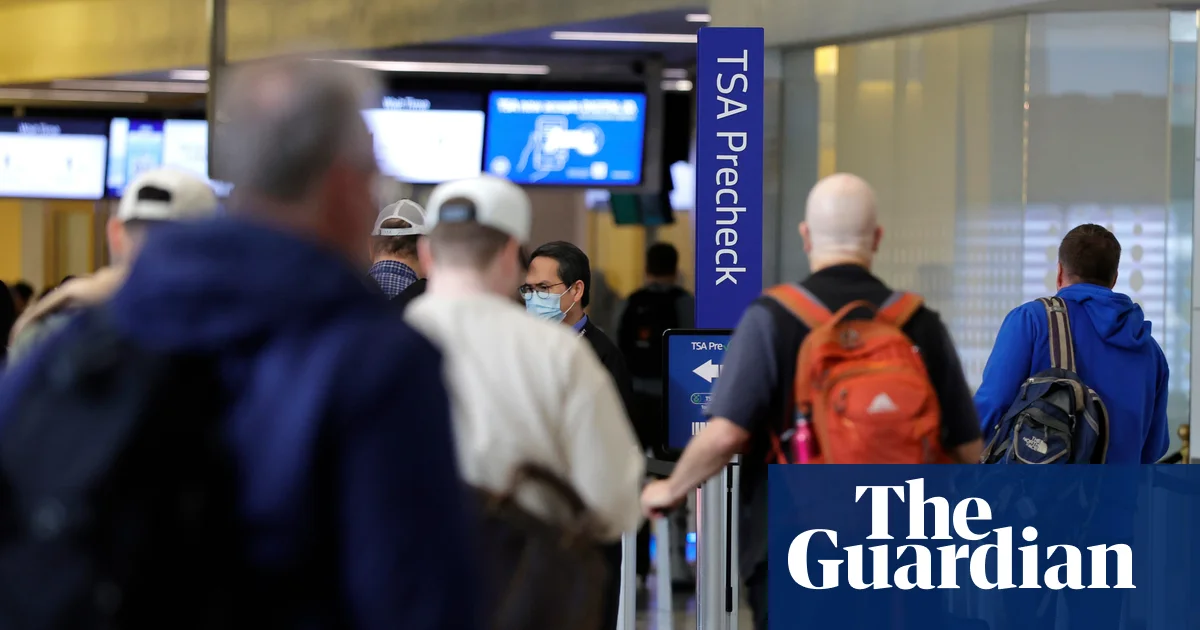
    Airline CEOs Demand Congress End Shutdown and Pay TSA Heroes
    Airline CEOs Demand Congress End Shutdown and Pay TSA Heroes

    The U.S. government shutdown: A warning sign for international stability

    The recent partial government shutdown in the United States has underscored the profound geopolitical impact of domestic political failures on global systems. As CEOs of major American airlines publicly urged Congress to swiftly end the 29-day crisis, the ripple effects have extended beyond U.S. borders. Over 50,000 airport security officers have been forced to work unpaid, causing widespread disruption at key international gateways. The consequences resonate internationally, where a stable U.S. economy and security frameworks are foundational to global financial markets and diplomatic relations. Prominent analysts warn that prolonged political stalemates threaten America’s reputation as a reliable partner, potentially emboldening adversaries and unsettling allies.

    The useless partisan brinkmanship and its costs

    The crisis traces back to Congress’s failure to approve funding for the Department of Homeland Security, with disagreements rooted in contentious immigration reforms that led to the funding lapse on 13 February. The shutdown has prompted significant operational setbacks; airlines warn of increased delays during what is expected to be a record-breaking spring travel season, with an anticipated 171 million flyers. The CEOs of airlines like American, United, Delta, Southwest, JetBlue, and Alaska Airlines have jointly emphasized that such disarray damages consumer confidence and compromises national security. These disruptions highlight a broader phenomenon: how internal U.S. political disputes can destabilize markets, hurt citizens’ daily lives, and expose vulnerabilities in the country’s leadership and governance.

    International repercussions and historical lessons

    Internationally, this political chaos signifies more than a mere domestic issue; it serves as a cautionary tale valued by global powers and institutions. The United Nations and World Economic Forum have warned of the risks posed by hyper-partisanship in Western democracies, suggesting that such instability can undermine collective efforts against international threats like terrorism and climate change. Historically, as noted by historians like Charles Beard and Barbara Tuchman, internal divisions—particularly during crises—have frequently left nations vulnerable on the world stage. The current scenario in the US demonstrates that in a deeply interconnected world, political gridlock in one large power can have cascading effects on global commerce, security, and diplomacy, sowing uncertainty far beyond national borders.

    As the world watches the United States grapple with its internal conflicts, an enduring question remains: how long can the world afford to wait for their fractured political system to stabilize? The ongoing paralysis leaves international societies pondering the resilience of Western institutions—whose credibility and stability remain essential for global peace and prosperity. In this turbulent time, where history continues to write itself with each headline, the weight of the future’s uncertainty presses heavily upon us. The unfolding saga of the US government shutdown remains a stark reminder: in an era of swift change, nations must brace for the unpredictable echoes of their internal struggles as the world’s compass continues to sway.

    UK under pressure as locals demand removal of Cyprus military bases
    UK under pressure as locals demand removal of Cyprus military bases

    In a dramatic escalation of regional tensions, Britain faces mounting pressure from Cyprus and international observers to withdraw its military bases from the island, amid a series of provocative attacks by regional actors. The unprecedented drone strike on RAF Akrotiri and subsequent interception of additional aerial threats have thrust the colonial-era installations into the geopolitical spotlight. Notably, the protests sweeping through Nicosia underscore a broader sentiment of resentment towards these bases, perceived by many as remnants of colonial dominance and potential catalysts for regional instability. As the island grapples with its complex history and contemporary security threats, the core question remains: how do decisions regarding these bases influence regional stability and the future of Cypriot sovereignty?

    Analysts point to the increasing role of regional proxy conflicts and the evolving Middle Eastern landscape as critical factors fueling this crisis. The Cypriot foreign minister, Constantinos Kombos, disclosed that the drone responsible for the attack was launched from Lebanon, a nation long embroiled in turmoil and linked to Iran’s Islamic Revolutionary Guard Corps and Hezbollah. This connection signals a dangerous expansion of proxy warfare into the Eastern Mediterranean, with Iran seeking to extend its influence and destabilize U.S.-allied nations in Europe and the Middle East. The incident underscores the precarious security environment—an environment where British assets, especially the crucial RAF Akrotiri airbase, are now seen as targets in a broader regional chess game. This evolution of threats prompts a re-evaluation of Britain’s strategic interests and raises questions about the sustainability of foreign military presence in historically complex territories.

    International organizations and military experts warn that the continued reliance on outdated colonial arrangements could have disastrous consequences. The NATO alliance, often positioned as the guarantor of regional security, faces its own internal struggles, especially with Turkey’s opposition to Cyprus’s NATO membership. Despite ongoing efforts to bolster Cyprus’s defenses with European military cooperation and rapid deployment of European ships and aircraft, critics argue that these measures fall short of deterring well-equipped adversaries armed with precision drone technology and proxy support. Needless to say, such vulnerabilities threaten not only regional peace but also the global balance of power, with potential ramifications cascading into international markets and diplomatic relations.

    The unfolding crisis commands the attention of historians and geopolitical analysts who warn that this chapter in Cyprus’s history might prove pivotal. As historians note, the last major upheaval — the Turkish invasion in 1974 — reshaped the island’s political landscape. Today, the threat of renewed conflict and the expansion of proxy wars over strategic territories like Akrotiri cast a shadow over the island’s future. The decision by Oxford and London to maintain these bases, despite international protests, signals a stubborn commitment to preserving post-colonial military dominance—yet it also risks igniting a conflict that could eclipse even the past upheavals. With socio-political unrest simmering and calls for full Cypriot sovereignty growing louder, the question remains: will these historic quarrels deepen or finally give way to a new chapter of independence and peace? As the world watches, one truth persists—Rome wasn’t built in a day, and the flames of this unfolding saga have only just begun to ignite.

    Politicians Demand Meeting with Travelodge CEO Over Maidenhead Assault Case
    Politicians Demand Meeting with Travelodge CEO Over Maidenhead Assault Case

    In a global landscape increasingly governed by security concerns and public accountability, recent revelations surrounding Travelodge highlight a troubling deficiency in hotel safety protocols that extends beyond national borders. Over twenty Members of Parliament (MPs) have demanded an urgent review with the company’s CEO after a disturbing incident where a woman was sexually assaulted following her stay at a Travelodge location. The incident—triggered when a perpetrator, Kyran Smith, was able to acquire her room number and key card through manipulated security procedures—raises profound questions about guest safety and corporate responsibility in the hospitality industry worldwide. These events serve as a reminder that fundamental security standards are a matter of national, and indeed international, importance—a lapse in protocol can have devastating consequences.

    From the perspective of international relations, such incidents underscore the pivotal role that public trust plays in maintaining societal stability and safeguarding individual liberties. The case, which resulted in Smith’s conviction and seven-and-a-half-year jail sentence, exposes how weaknesses in hotel security—such as relaying visitor information and insufficient staff vetting—can be exploited to commit heinous crimes. Experts from various fields warn that failing to uphold rigorous security protocols is not just a local issue but a threat to public confidence in international travel infrastructure. The MPs’ letter—signed by prominent figures including former Labour shadow chancellor John McDonnell—isters a broader concern: whether current policies adequately protect vulnerable travelers, especially women traveling alone. This incident, coupled with ongoing debates surrounding international standards for safety in travel and accommodation, speaks to an urgent need for global cooperation and stricter compliance to global safety benchmarks.

    As international organizations scrutinize the incident, the emphasis has shifted toward how corporations respond to failures and how policies can evolve to prevent future tragedies. The decision by Travelodge to offer a meager £30 refund—considered offensive and inadequate by many—was quickly condemned, fueling debates about corporate accountability and the moral obligation to prioritize guest safety over cost-cutting measures. The company’s promise to review and reinforce its security processes signals a potential shift in industry standards but simultaneously exposes the vulnerabilities in private enterprise’s capacity to protect its customers. Such events ripple outward, impacting national security and the broader geopolitical landscape, as the safety of citizens abroad becomes a contentious issue for governments and international agencies alike.

    In a world where security failures can tarnish a country’s reputation and undermine international travel, the significance of this case extends far beyond the hotel chain. It is a stark reminder that the decisions made in corporate boardrooms often echo through international corridors of power”, shaping perceptions, influencing policy, and even affecting the balance of power among nations. As history continues to unfold and authorities grapple with implementing more robust safety protocols, the weight of this incident lingers—a potent reminder that in the age of global interconnectedness, the safety of one traveler can become the security concern of many nations. How the world responds to such breaches today will determine whether we can forge a future where trust is restored and safety is paramount, or whether society will remain vulnerable to the darkest threats lurking behind hotel doors.

    Labour MPs demand quick fix for broken student loan system
    Labour MPs demand quick fix for broken student loan system

    Parliament Addresses Growing Concerns Over Predatory Lending Practices

    In recent parliamentary debates, Members of Parliament (MPs) have expressed mounting concern over what they describe as “rip-off” interest rates and unjust changes to repayment terms that are affecting countless families across the nation. Such financial practices, often criticized as exploitative, threaten to widen existing social divides, placing a disproportionate burden on working-class communities and young families. The conversations reflect a broader societal reckoning about the ethics of lending and the role of financial institutions in safeguarding social cohesion.

    Historical patterns show that indebtedness, when left unchecked, can destabilize families and undermine community trust. Sociologists like Dr. Lisa Cohen argue that predatory lending not only exploits economic vulnerabilities but also perpetuates cycles of poverty and social marginalization. With interest rates that often surpass legitimate risk assessments, families find themselves trapped in debt spirals, unable to escape the burdens imposed by unfair lending practices. The ripple effects extend beyond individual borrowers, impacting local schools, community health, and long-term economic stability.

    The Impact on Families and Education

    Families subjected to inflated interest rates and sudden changes to repayment schedules experience a direct hit to their household stability. It is not uncommon for parents to struggle just to keep up with mortgage or consumer debt, often sacrificing investments in education for their children. Children’s access to quality education suffers when families face financial insecurity, with some schools witnessing higher dropout rates, especially in underprivileged neighborhoods. Experts highlight that these patterns threaten to entrench inequality, as economic hardship in the home correlates strongly with diminished educational outcomes.

    • The increasing debt burden can lead to poorer health outcomes as families deprioritize preventative care or mental health support, compounding societal inequalities.
    • Educational disparities widen when youth are unable to afford after-school programs, tutoring, or even basic supplies, creating a cycle of disengagement from societal participation.
    • Financial instability affects not only individual households but erodes the very fabric of community resilience.

    Social Tensions and Calls for Reform

    In response to these challenges, social commentators and civic leaders advocate for stronger regulatory oversight. Many believe that financial institutions should be held accountable for transparent lending practices and fair interest rates. The ongoing debate emphasizes the need for reforms that prioritize socioeconomic fairness, ensuring that the most vulnerable are protected from exploitation without undermining the integrity of the financial system. As Dr. Michael Andrews, a noted social historian, points out, “A society that tolerates such disparities risks losing its moral compass.”

    The proposed solutions include establishing caps on interest rates, enhancing borrower protections, and increasing public awareness of financial literacy. Moreover, some call for community-based alternatives to traditional banking that serve as a counterbalance to predatory lenders. These initiatives are seen as crucial steps toward fostering a society where opportunity is not just available to the privileged but accessible to all.

    A Society at a Crossroads

    As these social issues continue to unfold, it becomes clear that the fabric of society is under strain, challenged by economic disparity and cultural shifts that threaten to fracture social bonds. The stories of families struggling under debt load are not isolated — they are emblematic of a larger moral question: How do we define fairness and responsibility in our economic system?

    While the challenges are formidable, history suggests that meaningful change often begins with community awareness and collective action. The hope resides in a society willing to confront uncomfortable truths, where reform is driven by a shared moral compass. In this landscape of social tension and possibility, the future hinges on our commitment to fairness, the protection of family stability, and the nurturing of resilient communities capable of transforming adversity into collective strength. Here, society’s ultimate challenge—and its greatest hope—lies in ensuring that compassion guides fiscal policy, and that all voices, especially those silenced by debt and inequality, find their rightful place at the table.

    Abduction, Bitcoin Demand, TV Legend: Why Nancy Guthrie’s Case Rocks America
    Abduction, Bitcoin Demand, TV Legend: Why Nancy Guthrie’s Case Rocks America

    Global Attention Turns to Alleged Abduction as Savannah Guthrie’s Fame Sparks International Concern

    In recent days, the world has been captivated not only by entertainment news but by a deeply troubling incident involving the mother of NBC’s prominent journalist, Savannah Guthrie. Her mother’s reported abduction has ignited a wave of international concern, exposing vulnerabilities within global security frameworks and raising alarm about the safety of families connected to influential figures. This event, amplified by Guthrie’s fame, has unexpectedly thrust an isolated criminal act into the spotlight with profound geopolitical ramifications, revealing how personal tragedies can echo far beyond national borders.

    The case has become a subject of frantic coverage across international media outlets, with some analysts describing it as “a stark reminder of the vulnerabilities faced by public figures and their families”. While initial reports remain sketchy, sources suggest that the abduction could be linked to escalating geopolitical tensions, with some experts noting that such incidents often serve as tools for intimidation or political messaging. International law enforcement agencies, including INTERPOL, have issued alerts, emphasizing the importance of cross-border cooperation. The incident, seemingly personal, thus takes on a broader geopolitical significance—highlighting the fragile nexus between private security and national stability.

    Scholars and analysts tracking the unfolding situation point to the underlying influence of international tensions and the growing use of covert operations by various state and non-state actors. According to a report by the International Crisis Group, such events can often be manipulated for strategic leverage, aiming to unsettle political climates or distract from broader issues like economic instability or military conflicts. The U.S. State Department and other regional security institutions are reportedly engaged behind the scenes, assessing whether this incident is an isolated crime or part of a larger pattern of targeted intimidation aimed at affecting the morale of influential personalities.

    Historically, incidents involving prominent families connected to media and political spheres are not unprecedented. Some experts, including noted historian Dr. Elizabeth Hartwell, draw parallels with Cold War-era espionage, where personal vulnerabilities were exploited as means of psychological warfare. Guthrie’s prominence ensures that her family’s plight garners widespread attention, which could serve as a cautionary tale underscoring the importance of international cooperation and stronger security measures. Failure to address these vulnerabilities risks emboldening those who threaten societal stability, illustrating how individual cases can precipitate wider geopolitical shifts and societal upheavals.

    As the world watches, the decision-makers face a critical moment. The ability of international institutions to respond effectively, while safeguarding the rights and safety of all citizens, underpins the current crisis’s gravity. The unfolding narrative underscores that, amidst this chaos, we are witnessing a pivotal chapter in the ongoing struggle to preserve national sovereignty and societal resilience. As Savannah Guthrie and her family navigate this harrowing chapter, history looms—a relentless reminder that, in a world increasingly interconnected, the line between personal tragedy and geopolitical turmoil is often disturbingly thin. The future remains uncertain, but the echoes of this event will surely resonate through the corridors of power, shaping policy and security paradigms for years to come.

    Social Media Auto Publish Powered By : XYZScripts.com