Matox News

Truth Over Trends, always!

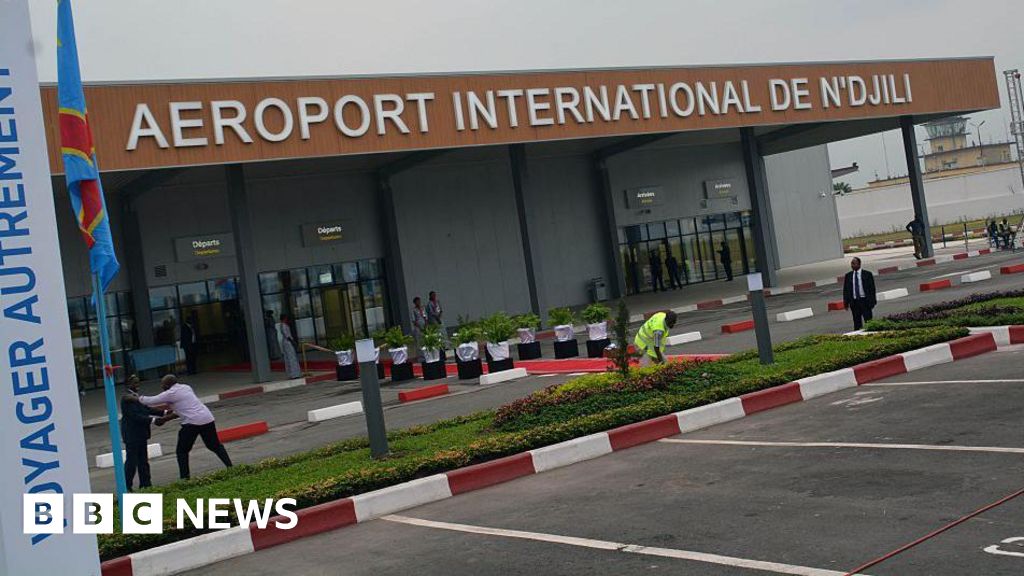
DR Congo welcomes first US deportees, standing firm on border security

In a significant development for Central Africa, the recent negotiations between the Congolese government and the Rwanda-backed M23 rebels herald a tentative step toward de-escalating ongoing hostilities. Both parties announced commitments to facilitate humanitarian aid, safeguard civilians and critical infrastructure, and establish a monitoring mechanism for a permanent ceasefire. While such declarations are promising, the real measure of their success will be gauging whether these pledges translate into sustained stability in a region historically plagued by conflict and proxy interests.

Analysts and international organizations, including the United Nations and various regional watchdogs, have underscored the critical importance of these talks. The conflict in eastern DR Congo is layered with complex geopolitical undercurrents involving neighboring countries and distant global actors. The M23 insurgency, initially a local movement, has grown into a symbol of broader regional unrest, often linked to Rwanda’s strategic interests. Critics warn that without addressing underlying grievances and regional power dynamics, any ceasefire may be superficial, risking the return to violence once initial troop withdrawals or ceasefire monitoring efforts falter.

The geopolitical impact extends beyond the immediate conflict zone. The fragile agreement signals a potential shift in regional alliances and perceptions of stability, which influence international investment and diplomatic engagement. Countries like Uganda and Burundi face mounting pressure to counteract proxy violence, while the European Union and United States continue to monitor developments closely, wary of unleashing chaos that could spill into neighboring East African nations. The decisions made in these negotiations could either catalyze a broader process of stabilization or pave the way for renewed chaos if external powers and local actors fail to uphold their commitments.

Historians and strategic think tanks warn that the true test lies in translating diplomatic gestures into tangible outcomes. Political analyst Dr. Samuel Greene emphasizes that “history shows that ceasefires in conflict zones like eastern DR Congo are often fragile, reliant on external peacekeepers, and subject to immediate re-escalation if underlying grievances remain unaddressed.” This underscores the critical need for sustained international engagement, transparent monitoring, and genuine reconciliation efforts. Without these, the region risks spiraling into deeper turmoil, undermining decades of fragile peace efforts and endangering the sovereignty of local states.

As the world watches, both the Congolese government and the M23 rebels are at a crossroads. Their handshake could be a prelude to lasting peace or a veneer concealing unresolved conflicts. The decisions taken in the coming days will echo through history’s corridors, defining whether Eastern Congo can finally find stability or remain ensnared in the cyclical violence driven by external interests and internal divisions. The weight of history is pressing heavily, and only time will reveal if this gamble on diplomacy is the final chapter or merely a fleeting pause in an ongoing struggle for sovereignty, security, and peace.
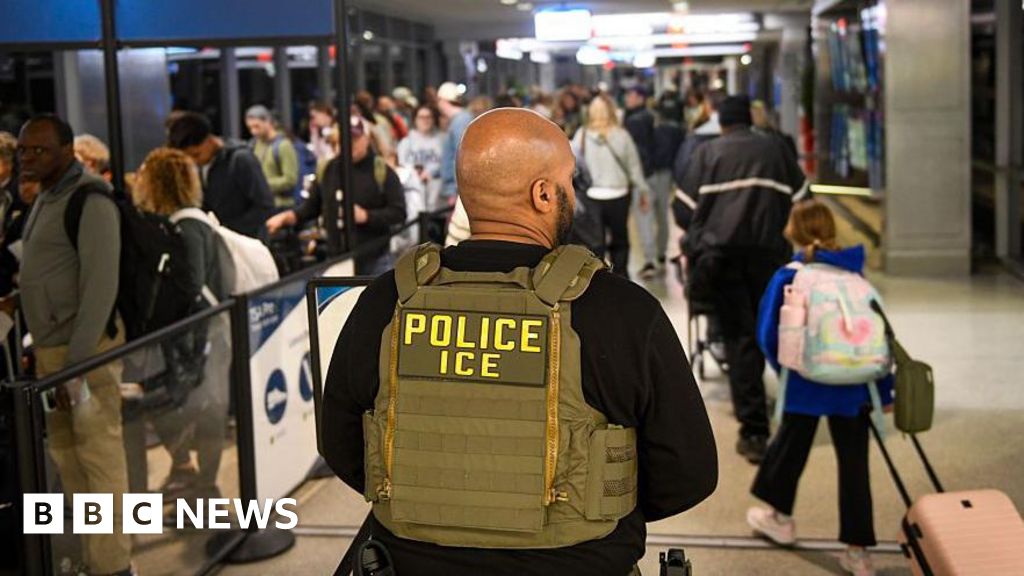
DR Congo Opens Doors to US Deportees, Young Voices Watch Closely

In an era marked by increasing migration crises and shifting geopolitical alliances, the recent decision by Democratic Republic of the Congo (DR Congo) to accommodate third-country migrants signals a complex interplay of humanitarian values and international strategy. According to an official statement, the decision affirms DR Congo’s commitment to human dignity, international solidarity, and the protection of migrant rights. This move comes amid mounting pressure from global organizations and emerging regional dynamics, positioning Kinshasa on a new geopolitical footing as a sympathetic refuge for displaced populations crossing borders from non-neighboring nations.

What makes this decision particularly noteworthy is its adherence to a broader pattern of international cooperation driven by both moral imperatives and pragmatic geopolitical calculations. Analysts suggest that DR Congo is aligning itself with a global narrative emphasizing humane migration policies, possibly to bolster its international standing and foster diplomatic goodwill. This stance is reinforced by the involvement of major UN agencies and regional powers, who see in such commitments a means to stabilize fragile border regions and mitigate the risks associated with uncontrolled migration flows. According to experts like Dr. Martin Collins, a senior analyst at the International Migration Institute, this development could redefine Central Africa‘s role in global migration landscapes, turning the nation into a key player in regional security and cooperation initiatives.

However, the decision also carries significant geopolitical implications. Critics warn that embracing third-country migrants might ignite internal debates about sovereignty, resource allocation, and social cohesion. Historically, migration can be both a catalyst for economic renewal and a source of social strain, especially in nations already grappling with internal challenges. The shift signals a broader push by some governments to leverage migration policies as a soft-power tool in their diplomatic arsenal. Meanwhile, neighboring countries watch closely, wary of potential spillovers that could destabilize already volatile regions. As China and Russia expand their influence across Africa, local decision-makers are increasingly caught between aligning with global standards and safeguarding national interests.

International organizations like the International Organization for Migration (IOM) have applauded DR Congo’s move, describing it as an important step towards a more humane and coordinated migration framework in Africa. Nevertheless, the global community remains divided over migration policies, often reflecting deep ideological rifts. For instance, the European Union continues to grapple with externalizing migration control, while the United States debates immigrant integration policies at home.

As the world watches this unfolding chapter, the true weight of history begins to crystallize. Nations are no longer isolated actors but interconnected entities whose decisions about migration, sovereignty, and humanitarian responsibility echo across continents. The decision by DR Congo might seem a modest act at first glance, but in the grand chessboard of international diplomacy, it signals a potentially transformative shift—one that could redefine regional alliances and influence global migration narratives for decades to come. The sweep of history remains unwritten, yet its next movement seems toward a future where sovereignty and solidarity collide on an ever-expanding international stage.

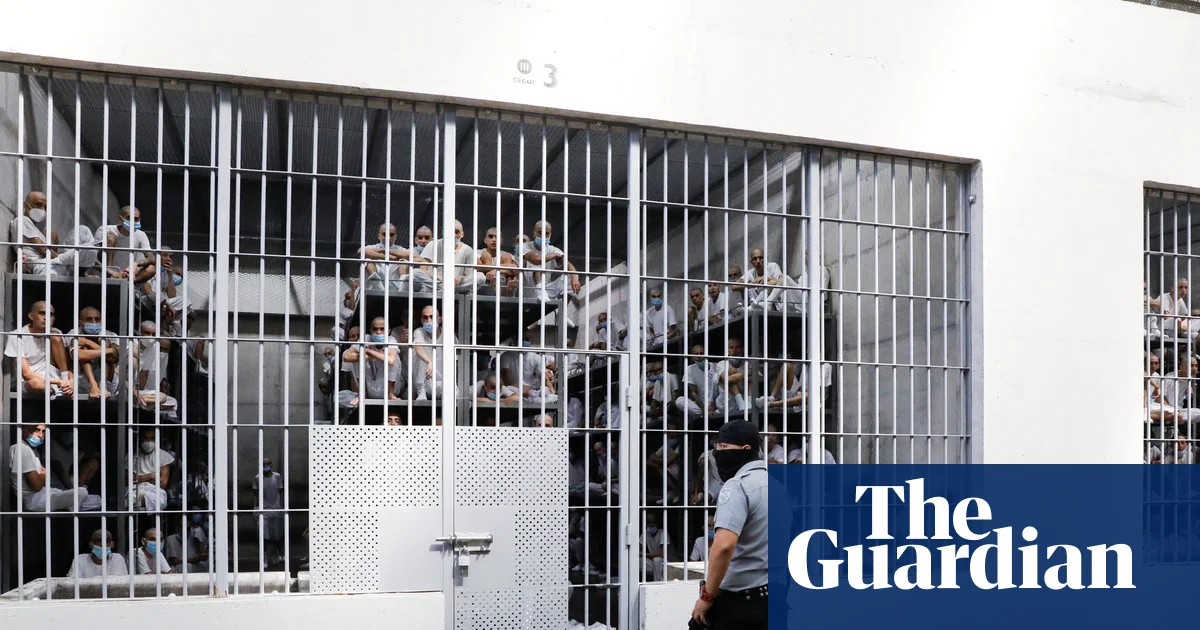
Venezuelan Deportees Expose New Torture Allegations at El Salvador Mega-Prison

The ongoing controversy surrounding the treatment of Venezuelan migrants deported to El Salvador underscores a troubling shift in regional geopolitics and human rights accountability. A coalition of human rights organizations has filed a petition with the Inter-American Commission on Human Rights, exposing grave allegations against Salvadorian authorities for abuses against 18 Venezuelan men. These men, expelled by the United States to Salvador’s notorious Cecot facility, claim they endured torture, sexual assault, and medical neglect—a pattern of abuse detailed in testimonies and supported by medical corroboration. This case highlights the geopolitical impact of US and Salvadorian policy decisions, which some analysts warn may set a dangerous precedent for extrajudicial detention and international complicity in human rights violations.

The allegations expose a systematic pattern of mistreatment within Cecot, including beatings, humiliation, and deprivation of basic needs. The men, many of whom faced no criminal records before being expelled, describe prolonged physical and psychological trauma, with scars and post-traumatic stress persisting long after their release. “One man still has scars from shackles, a haunting reminder of what he endured,” reports one survivor, highlighting how detention conditions—windowless cells, constant bright lights, inadequate water, and food—violated fundamental human rights. Human rights groups and legal advocates emphasize that these abuses are not isolated incidents but part of broader violations linked to the US’s controversial use of the 1798 Alien Enemies Act. Critics argue that this law, invoked by the Trump administration to swiftly expel Venezuelan migrants, facilitated the transfer of individuals to countries with questionable human rights records, effectively sacrificing migrants’ dignity in the name of national security.

The fallout extends beyond individual suffering; it exposes a disturbing alliance between U.S. policies and Salvadorian authorities. Under President Nayib Bukele, El Salvador has escalated its suppression, enacting a “state of exception” since 2022 that allows mass detention without due process—impacting approximately 1.4% of its population. This autocratic turn raises alarms among international watchdogs, with critics warning that the government may be complicit in perpetuating abuses cloaked in the guise of security. The international community is divided, as some institutions hesitate to criticize a regime increasingly regarded as drifting toward authoritarianism, while others insist that accountability—whether through the Organization of American States or independent international courts—is imperative to uphold human rights standards.

As legal battles unfold within U.S. courts and international bodies, the weight of history bears heavily on current decisions. The United States’ role in enabling abuses by invoking wartime laws for deportation, combined with El Salvador’s current repression, challenges the legitimacy of regional human rights protections. While some jurisdictions have responded to international mandates, how El Salvador’s autocratic leadership chooses to position itself remains uncertain. Many believe that the outcome of these cases could redefine regional alliances and influence policies for decades to come. The story of these migrants—a microcosm of broader geopolitical struggles—is not yet written, but the message is clear: the shadows of past injustices linger, and history demands that they be confronted before shadows fully eclipse the future of justice and human dignity.

Social Media Auto Publish Powered By : XYZScripts.com



