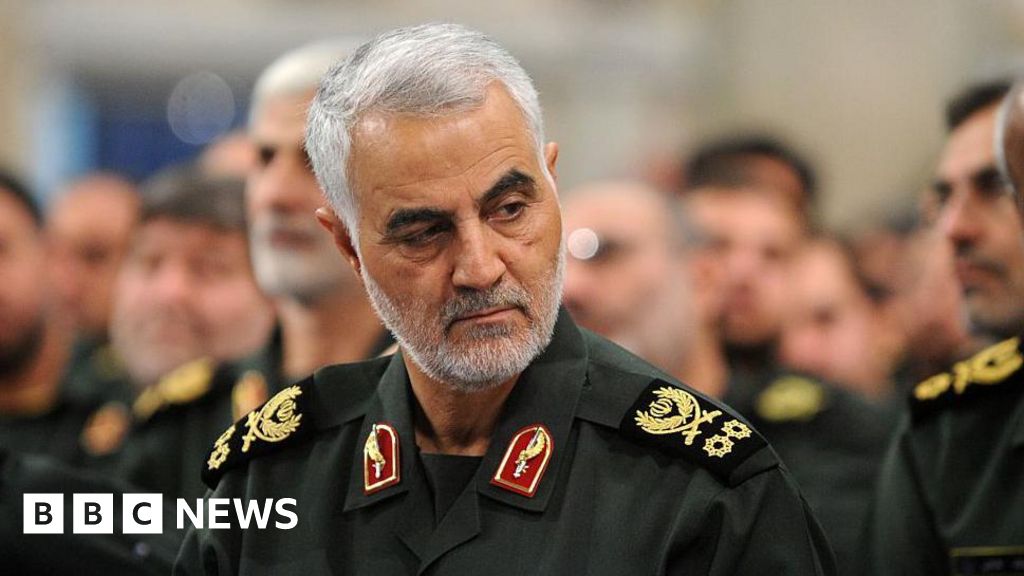

In a development that underscores ongoing tensions between Iran and the United States, officials announced that the niece and grand-niece of the slain Iranian general Qasem Soleimani are currently in the custody of US Immigration and Customs Enforcement. This move has not only rippled through diplomatic channels but also raised critical questions regarding the broader geopolitical ramifications of holding relatives of one of Iran’s most influential military figures.
Historically, Soleimani has been symbolized as the architect of Iran’s regional strategy, particularly through the Quds Force, which has supported various proxy groups across the Middle East. His assassination in 2020 by a U.S. drone strike marked a significant escalation in the American effort to curb Iran’s influence, further intensifying a cycle of retaliations and diplomatic confrontations. Now, with the detention of his relatives, analysts suggest a strategic shift by U.S. authorities, potentially aimed at exerting pressure on Iran’s leadership or gathering intelligence linked to Iran’s regional activities.
International organizations and regional observers such as the Middle East Institute and prominent analysts have weighed in on the implications. Dr. Elizabeth McGregor, a geopolitical analyst, states that “This move could be interpreted as a signal of an evolving U.S. policy—one that is increasingly targeting Iran’s internal networks and family ties to weaken its geopolitical resilience. Importantly, such actions highlight the delicate balance of power and the extended reach that modern conflicts have, often blurring the lines between diplomatic maneuvering and international law.” This underscores how decisions made in Washington not only influence diplomatic relations but also ripple through regional stability, impacting millions caught in ongoing conflicts.
The U.S. government’s decision to detain family members of a foreign adversary signals a potential new phase in the broader strategic rivalry. While some argue it is a necessary measure to confront Iran’s regional ambitions, critics contend that it risks fueling anti-American sentiment and destabilizing diplomatic channels. The tension is further compounded by Iran’s staunch rejection of the move, vehemently asserting that the detention infringes upon their sovereignty and risks escalating the rivalry to new heights.
As history continues to unfold in this complex arena, the world stands at a crossroads. The detention of Soleimani’s relatives is not merely a moment of legal or diplomatic agency but a stark reminder of the deep-rooted conflicts that shape our modern geopolitical landscape. With every decision, nations hold a mirror to their values and strategic priorities, knowing that the ripple effects may well resonate for generations. The weight of history presses heavily, as these actions may ultimately redefine the contours of Middle Eastern power dynamics and the broader international order—an unfolding saga where the reach of influence extends beyond borders, and the stakes could not be higher.