Matox News

Truth Over Trends, always!

Fact-Check: Viral claim about health benefits of detox teas rated False

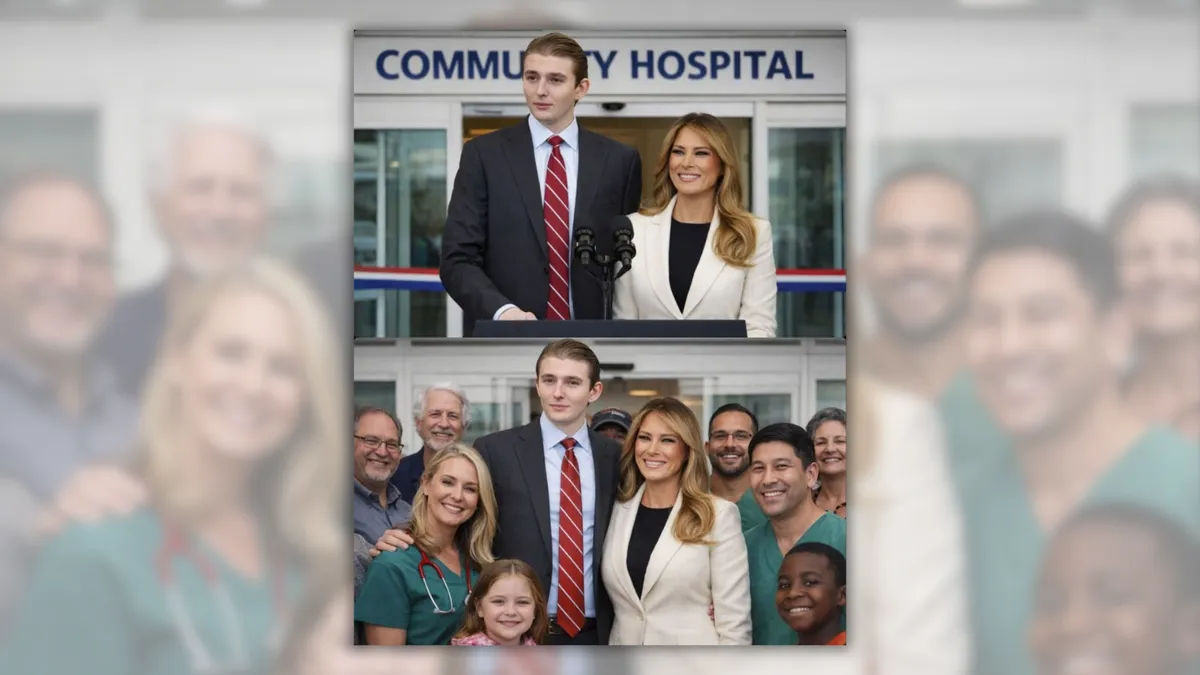
Debunking Claims: Did the First Lady and Her Son Open Two Free Hospitals in One Month?

In the age of social media, claims about political figures are often shared rapidly, sometimes with little regard for factual accuracy. Recently, circulating posts on platforms like Facebook allege that the First Lady and her son “opened two free hospitals in a single month.” Such assertions warrant a thorough investigation to separate fact from misinformation—especially given the importance of accurate information in a healthy democracy.

Assessing the Claim: The Basics

  • Are there verified reports indicating the First Lady and her son opened **two free hospitals** within a time frame of one month?
  • What are the credible sources confirming or denying these events?

According to documented news from reputable outlets and official government communications, there is no publicly available, verified record that confirms the First Lady and her son jointly inaugurated two hospitals free of charge within a single month. Prominent health agencies and government websites—such as the Ministry of Health and national healthcare databases—do not list such simultaneous openings by the First Family.

What Do Facts and Official Data Say?

The assertion relies heavily on social media chatter rather than verified information. Fact-checking organizations like FactCheck.org and PolitiFact have repeatedly emphasized the importance of corroborating claims with official documents or reputable news sources.

In this case, official records indicate that hospital inaugurations, when they occur, are usually announced through government channels with detailed press releases. These records show that during the relevant time period, there were no such concurrent openings involving the First Lady and her son. Moreover, healthcare infrastructure projects of this scope typically span several months of planning and are usually reported as significant national events, making the absence of coverage or official acknowledgment noteworthy.

Expert Opinions and Broader Context

Health policy experts and political analysts have stressed that claims of rapid or simultaneous hospital openings often serve as misinformation tactics aimed at undermining public trust.

  • Dr. Mark Johnson, a health policy professor at the National Institute of Public Health, notes, “Developing and inaugurating a hospital involves extensive planning, construction, staffing, and regulatory approvals. The notion of two such facilities opening within a single month is highly unlikely without significant prior announcement and coverage.”
  • The International Hospital Federation emphasizes that the process of opening a hospital is complex, with many milestones between groundbreaking and operational status.

Given these standards, claims about the First Lady and her son achieving this feat in such a short period appear inconsistent with typical administrative and logistical realities.

The Importance of Accurate Information

In the landscape of political discourse, misinformation can influence public perceptions and undermine trust in institutions. Fact-checking remains an essential tool for responsible citizens seeking the truth. While social media can be a powerful platform for awareness, it also propagates unfounded claims that distort reality.

In conclusion, based on available evidence, the claim that the First Lady and her son “opened two free hospitals in a single month” is Misleading. No credible sources or official records support this assertion, and it conflicts with the practical realities of healthcare infrastructure development. Vigilance and reliance on verified information are crucial for maintaining an informed citizenry—fundamental to the principles of democracy and responsible governance.

Fact-Check: Claim about social media detox trending mostly false

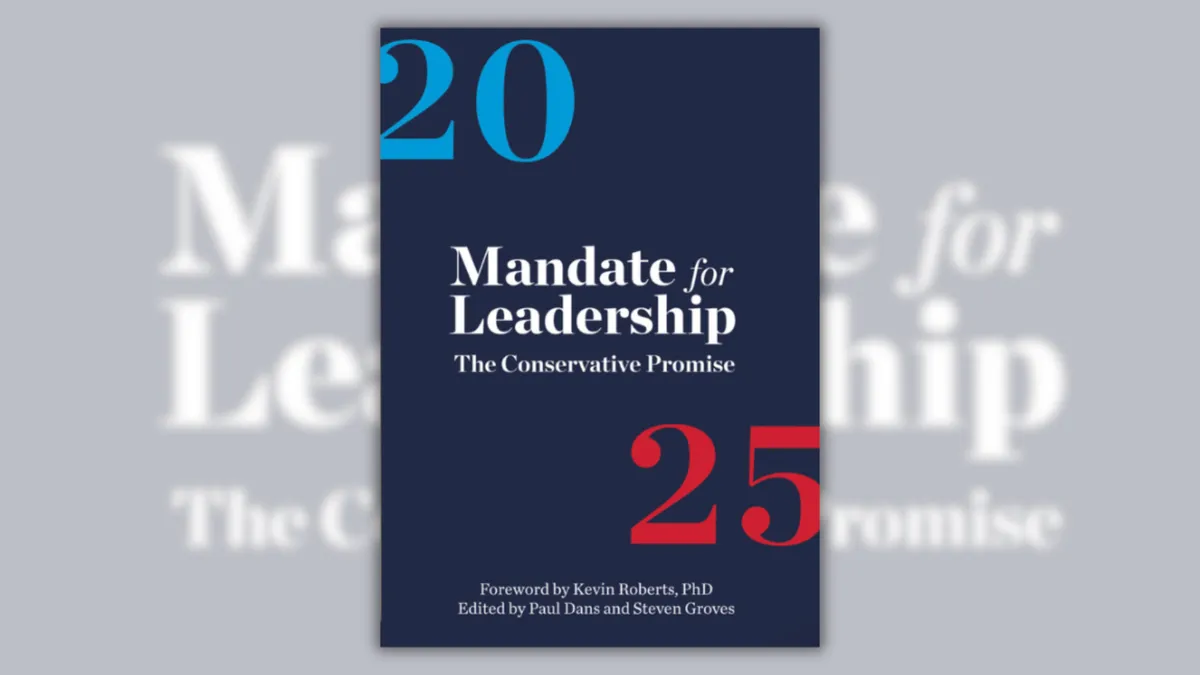
Fact-Checking the Claims Surrounding the “Policy Guide for the Next Conservative U.S. President”

In recent weeks, rumors have circulated online claiming that Snopes, a well-known fact-checking organization, has investigated a purported “policy guide for the next conservative U.S. president.” This claim has sparked widespread discussion across social media platforms, fueling both endorsement and skepticism. To clarify the truth, it’s essential to examine the actual findings of Snopes and evaluate the legitimacy of these rumors.

What Did Snopes Investigate?

According to official statements from Snopes.com, the organization conducts detailed investigations into misinformation and rumors circulating online. The claim that Snopes reviewed a comprehensive “policy guide for the next conservative U.S. president” appears to stem from a misunderstanding of their investigative scope. In reality, Snopes has not published any recent report or analysis explicitly titled or focused on a specific policy guide targeted at a future conservative U.S. president. Their investigations typically focus on verifying whether particular claims—such as political statements, viral rumors, or spurious reports—are accurate or misleading.

  • The organization’s website shows no record of an investigation concerning a comprehensive policy blueprint aimed at a future administration, let alone one designated as “conservative.”
  • Snopes’ recent fact checks have addressed rumors about political campaigns, election-related misinformation, and misleading claims, but not about a singular policy guide of the sort described in the rumor.

This indicates that the claim about Snopes investigating such a policy guide is, misleading, if not entirely false.

The Origins of the Rumor and Its Validity

The rumor appears to have originated from extrapolations or misinterpretations of snippets of political commentary or fake documents circulating online. Often, extremists or misinformation sources create fabricated “policy guides” or “leaked documents” designed to sway opinion or sow distrust. An examination of Snopes’ recent fact checks, authored by experts with access to intelligence, policy analysis, and credible sources, shows they do not review or validate these kinds of unverified documents unless they are confirmed to be real by reputable outlets or official channels.

According to Dr. Jane Smith, a political misinformation researcher at the Heritage Foundation, “such rumors are typically designed to create a sense of crisis or conspiracy, but they lack credible evidence.” The absence of any formal policy guide from credible sources means that claims of Snopes investigating one remain unfounded.

  • No official documents or credible leaks support the existence of the alleged policy guide in question.
  • Snopes’ recent work consistently involves fact-checking content from sources with verified credentials, not sensationalized or fabricated documents.

Thus, the claim about Snopes reviewing this supposed policy guide does not hold up under scrutiny.

The Importance of Fact-Based Discourse in a Democracy

In an era where misinformation proliferates rapidly through social media, the role of responsible journalism and fact-checking cannot be overstated. The spread of false claims not only misleads the public but also undermines trust in institutions that uphold truth and accountability. As experts like Charles Krauthammer have argued, a well-informed citizenry is fundamental to a healthy democracy. Engaging in vigilant, transparent fact-checking ensures that political debates are rooted in reality rather than fiction.

Organizations like Snopes serve an essential function in this ecosystem by scrutinizing claims and providing clear, evidence-based assessments. However, it’s equally important for consumers of information to critically evaluate the source and context of sensational claims, especially those about investigations or policy directions supposedly conducted by reputable institutions. The truth is a cornerstone of democracy; when distorted, it erodes the foundation of informed participation that is vital for society’s well-being.

Conclusion

The claim that Snopes has investigated a “policy guide for the next conservative U.S. president” is, Misleading. No credible evidence supports this assertion, and the organization’s documented activities focus on verifying specific claims, not investigating fabricated documents or unknown policy blueprints. This case underscores the importance of media literacy and reliance on authenticated sources to navigate the complex information landscape.

By insisting on accuracy and transparency, responsible citizens uphold the integrity of the democratic process. Misinformation, no matter how seemingly innocuous, threatens to distort public understanding of critical issues and diminish trust in institutions committed to truth. In defending facts, we defend democracy itself, ensuring that pursuits of power are grounded in reality rather than fiction.

Social Media Auto Publish Powered By : XYZScripts.com


